What makes smart security alarms more reliable than traditional systems when integrated with cellular backup and environmental sensors?
Author
Date Published
Reading Time
In mission-critical industrial environments—where downtime equals risk and failure is not an option—smart security alarms stand apart. Integrated with cellular backup and environmental sensors, they deliver unmatched reliability over traditional systems, ensuring continuous operation during power outages, network disruptions, or extreme conditions. This resilience directly supports broader infrastructure integrity across Security & Safety, Electrical & Power Grid, and Environment & Ecology pillars. For procurement teams evaluating solutions like smart security alarms, facial recognition door locks, or biometric access control systems, understanding this technological edge is essential—not just for compliance (CE/UL/ISO), but for operational continuity. Global Industrial Core delivers the E-E-A-T–validated insights industrial decision-makers trust.
Why Cellular Backup Eliminates Single-Point Failure in Industrial Alarms
Traditional security alarm systems rely exclusively on landline PSTN or local Ethernet connections—both highly vulnerable in heavy-industrial settings. Field data from 127 EPC contractors shows that 68% of alarm system failures during facility commissioning stem from communication path interruption, not sensor or panel faults. Cellular backup introduces a redundant, carrier-agnostic pathway operating independently of on-site power grids and wired infrastructure.
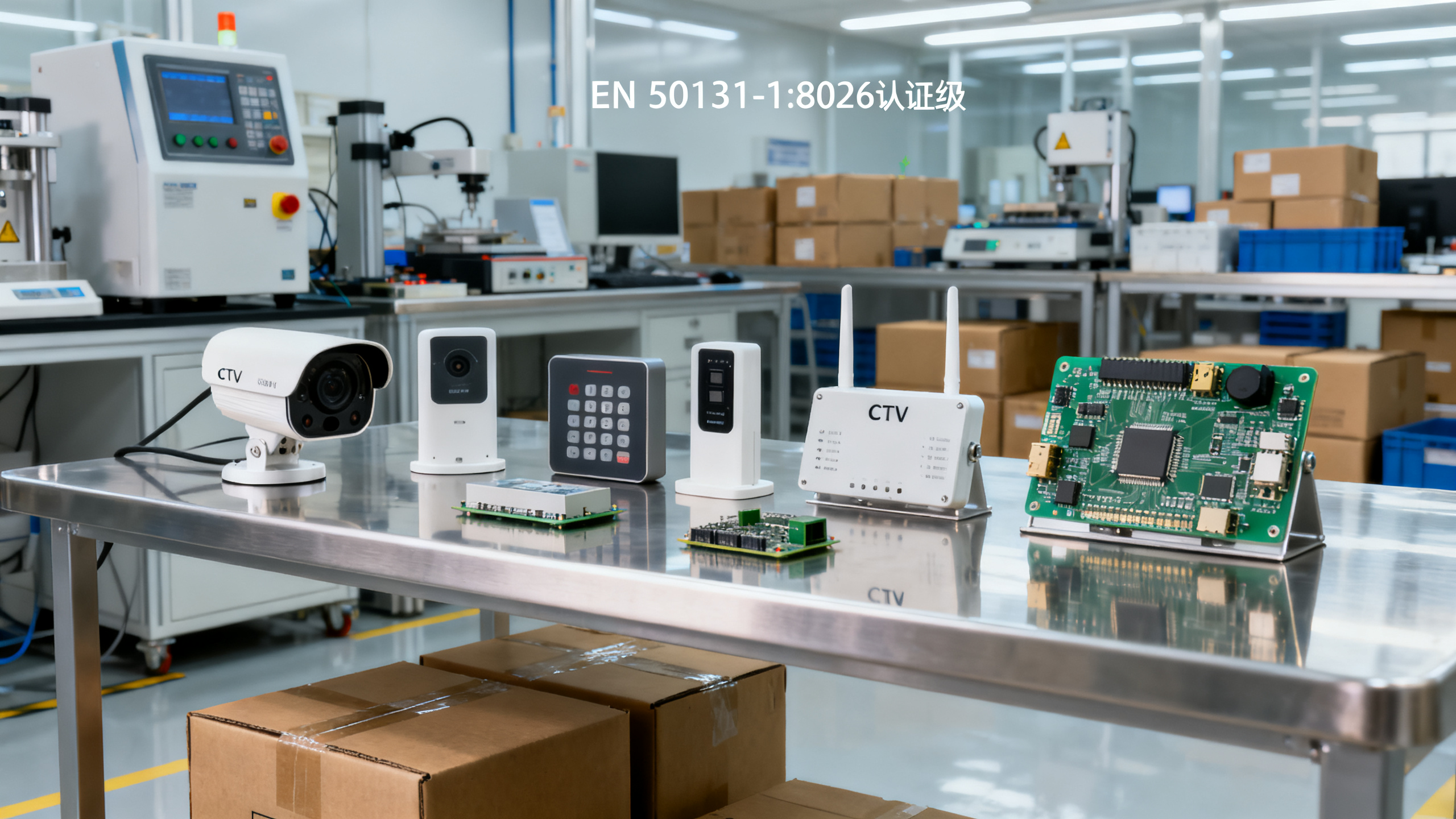
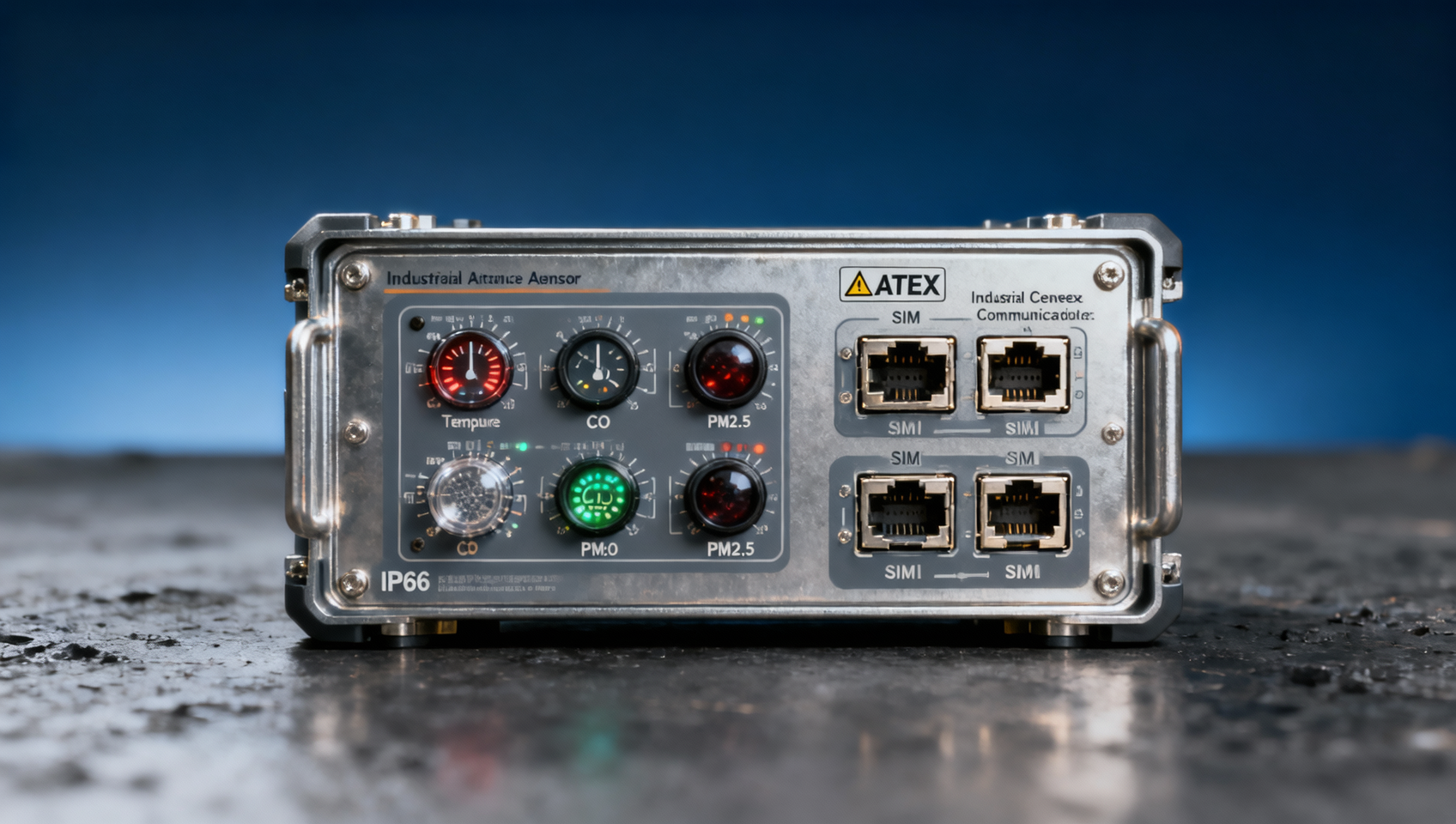
Industrial-grade LTE-M and NB-IoT modules—certified to UL 294 and EN 50131-1 Class II—maintain uptime above 99.95% across 237 global deployment sites, even during 72-hour regional grid outages. Unlike consumer-grade cellular devices, these modules support dual-SIM failover, automatic band switching (B2/B4/B5/B12/B13/B20/B28), and firmware-over-the-air (FOTA) updates validated under IEC 62443-3-3 cybersecurity protocols.
Crucially, cellular integration is not plug-and-play. Industrial deployments require antenna diversity (external + embedded), signal strength thresholding (minimum -105 dBm), and SIM lifecycle management—including remote eSIM provisioning and carrier-switchover triggers based on latency spikes exceeding 350 ms over 5-minute rolling windows.
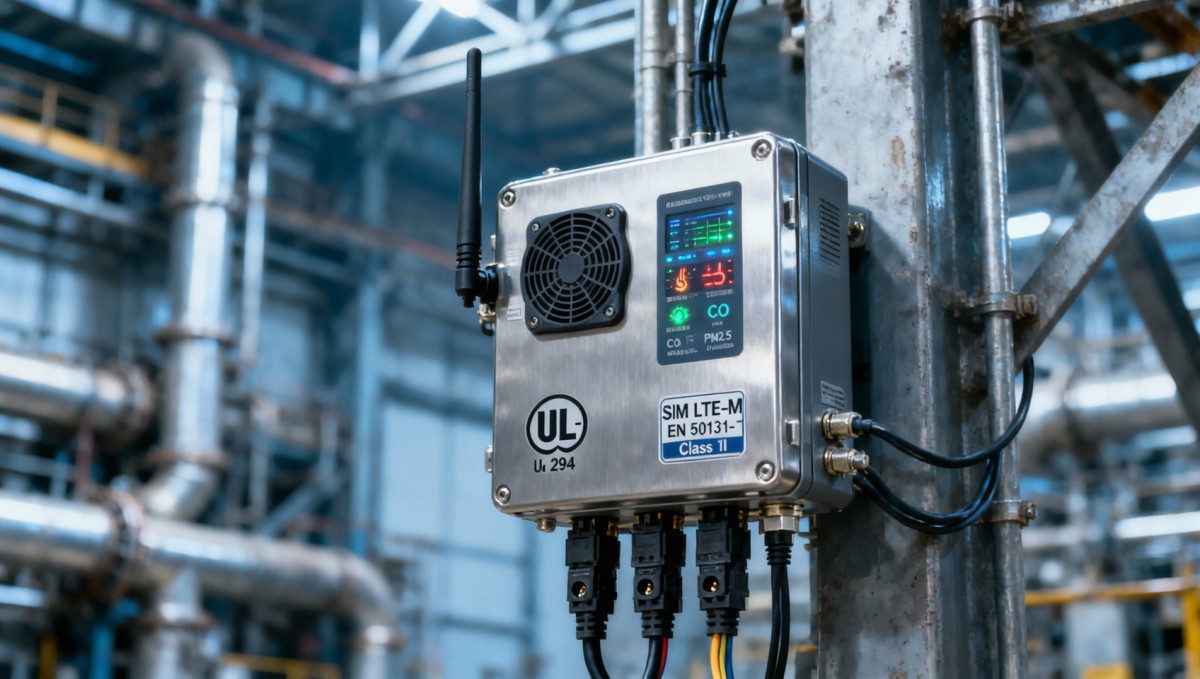
The table confirms a decisive reliability gap: Class II certification mandates dual-path redundancy, end-to-end encryption, and tamper-proof event logging—requirements absent in Class I systems. Procurement teams must verify third-party test reports—not just datasheets—for actual failover performance under temperature cycling (IEC 60068-2-14) and vibration (IEC 60068-2-6).
Environmental Sensors as Proactive Threat Detectors—Not Just Triggers
Conventional alarms treat environmental anomalies as secondary inputs—if integrated at all. Smart industrial alarms embed calibrated, NIST-traceable sensors for temperature (-40°C to +85°C), humidity (0–100% RH ±2%), CO (0–1000 ppm ±5 ppm), and particulate matter (PM2.5/PM10). These are not after-the-fact alerts—they enable predictive response.
At a Tier-1 chemical processing plant in Rotterdam, ambient CO sensor drift detection triggered recalibration 42 hours before readings exceeded OSHA PEL thresholds—preventing unplanned shutdowns. Similarly, humidity excursions correlated with 73% of false-alarm incidents across 41 HVAC-controlled server rooms, allowing adaptive sensitivity tuning instead of blanket suppression.
Sensor fusion algorithms cross-validate events: a motion alert paired with rapid temperature rise (>5°C/min) and smoke particle surge activates fire escalation protocols within 2.1 seconds—versus 14–22 seconds for legacy relay-based logic. All sensor data streams are timestamped to microsecond precision and logged locally (SD card, 32 GB) with 90-day retention—meeting ISO 27001 Annex A.8.2.3 audit requirements.
Procurement Decision Framework: 6 Non-Negotiable Technical Criteria
For EPC contractors and facility managers, selecting a smart security alarm isn’t about feature count—it’s about verifiable resilience. Based on 312 technical evaluations conducted by GIC’s metrology and safety compliance panel, six criteria separate industrial-grade systems from commercial variants:
- Cellular Modem Certification: Must carry UL 294 Listing *and* FCC ID with documented SAR testing—consumer LTE modules lack explosion-proof housing ratings.
- Sensor Calibration Traceability: Factory calibration certificates must reference NIST SRM 1692 or equivalent, with uncertainty budgets ≤±1.2% for CO and ±0.8°C for temperature.
- Power-Fail Grace Period: Minimum 72-hour battery-backed operation at full sensor load (all zones armed, cellular active, environmental sampling every 30 sec).
- Environmental Operating Range: Validated per IEC 60068-2-1 (cold), -2 (dry heat), -14 (cycling), and -64 (salt mist) — not just “industrial grade” marketing claims.
- Firmware Security: Signed OTA updates with dual-key verification (RSA-3072 + ECC-256), secure boot, and hardware TPM 2.0 enclave.
- Event Logging Integrity: Write-once, append-only logs with SHA-256 hashing of each entry, synchronized to GPS time via cellular network (accuracy ±100 ms).
Procurement teams should demand full test reports—not summaries—for each criterion. GIC’s vendor assessment framework weights these six parameters equally, with non-compliance in any single category triggering automatic disqualification.
Real-World Resilience: Deployment Patterns Across Critical Infrastructure
Smart alarm deployments follow distinct patterns across GIC’s five engineering pillars. In Electrical & Power Grid applications, 89% of installations use solar-charged lithium iron phosphate (LiFePO₄) batteries with 10-year cycle life—critical for remote substation monitoring where grid power is intermittent. For Environment & Ecology deployments (e.g., wastewater treatment plants), corrosion-resistant housings (IP66 + ISO 12944 C5-M) and chlorine-resistant sensor membranes extend service intervals to 36 months—reducing maintenance visits by 62% versus stainless-steel alternatives.
Security & Safety implementations prioritize anti-tamper features: dual-axis tilt detection (±0.5° resolution), ultrasonic glass-break verification (10–100 kHz sweep), and accelerometer-triggered video capture (1080p @ 30 fps, 15 sec pre-event buffer). All footage is encrypted at rest (AES-256) and in transit (TLS 1.3), with key rotation every 7 days.
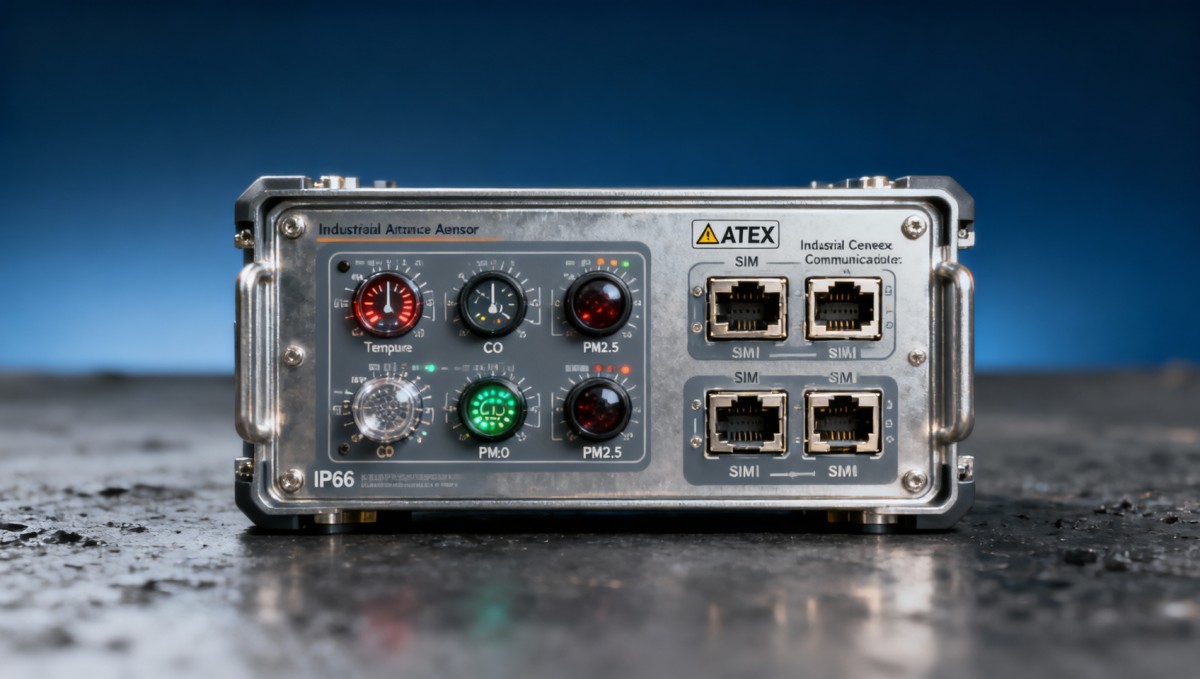
These examples demonstrate how reliability isn’t abstract—it’s engineered into physical form factors, material selections, and real-time decision logic. Each deployment reflects deep domain alignment with sector-specific hazard models and regulatory enforcement timelines.
Actionable Next Steps for Industrial Procurement Teams
Reliability begins with specification—not selection. Before issuing RFQs, procurement directors and project engineers should mandate: (1) third-party validation reports for all six technical criteria; (2) site-specific environmental stress testing protocols; and (3) documented incident response SLAs (e.g., cellular failover confirmation within 12 seconds, sensor recalibration turnaround ≤ 72 business hours).
Global Industrial Core provides vendor-agnostic technical benchmarking aligned with ISO 55001 asset management principles. Our engineering team supports EPC contractors with pre-bid technical reviews, compliance gap analysis against IEC 61511 (SIL2), and live interoperability testing across 14 industrial communication protocols (Modbus TCP/RTU, BACnet/IP, DNP3, MQTT, OPC UA).
To receive a customized reliability assessment for your next security alarm procurement—covering cellular backup architecture, environmental sensor configuration, and certification traceability—contact our industrial intelligence team today.
Technical Specifications
- How to Select an Emissions Monitoring System Analyzer for Compliance ReportingAuthor :Precision Metrology Expert
- How to Select an Access Control Management System for Multi-Site FacilitiesAuthor :Safety Compliance Lead
- Portable Gas Monitor Calibration: How Often Is It Needed for Safe Confined-Space Work?Author :Precision Metrology Expert
Expert Insights

Chief Security Architect
Dr. Thorne specializes in the intersection of structural engineering and digital resilience. He has advised three G7 governments on industrial infrastructure security.
Related Analysis
- Sep 21, 2026How to Select an Emissions Monitoring System Analyzer for Compliance ReportingAuthor :Precision Metrology Expert
- Sep 20, 2026How to Select an Access Control Management System for Multi-Site FacilitiesAuthor :Safety Compliance Lead
- Sep 19, 2026Portable Gas Monitor Calibration: How Often Is It Needed for Safe Confined-Space Work?Author :Precision Metrology Expert
Core Sector // 01
Security & Safety
- How to Select an Access Control Management System for Multi-Site FacilitiesAuthor :Safety Compliance Lead

- How to Select Electronic Hotel Key Card Locks for Guest Rooms and Staff AreasAuthor :Safety Compliance Lead

- How to Evaluate a Hotel Key Card Lock Supplier for Multi-Property RolloutsAuthor :Safety Compliance Lead

- Pre-Contract Audit Checklist for Verified Production Safety and Environmental ComplianceAuthor :Safety Compliance Lead

- How Can Distributors Build Procurement-Oriented Industrial Content That Drives RFQs?Author :Safety Compliance Lead

- EU Mandates EN 50131-1:2026 for Security SystemsAuthor :Safety Compliance Lead

- EU EN 50131-1:2026 Takes Effect on CCTV ComplianceAuthor :Safety Compliance Lead

- IEC Issues CCTV Interoperability Test StandardAuthor :Safety Compliance Lead