What makes Security & Safety solutions easier to maintain
Author
Date Published
Reading Time
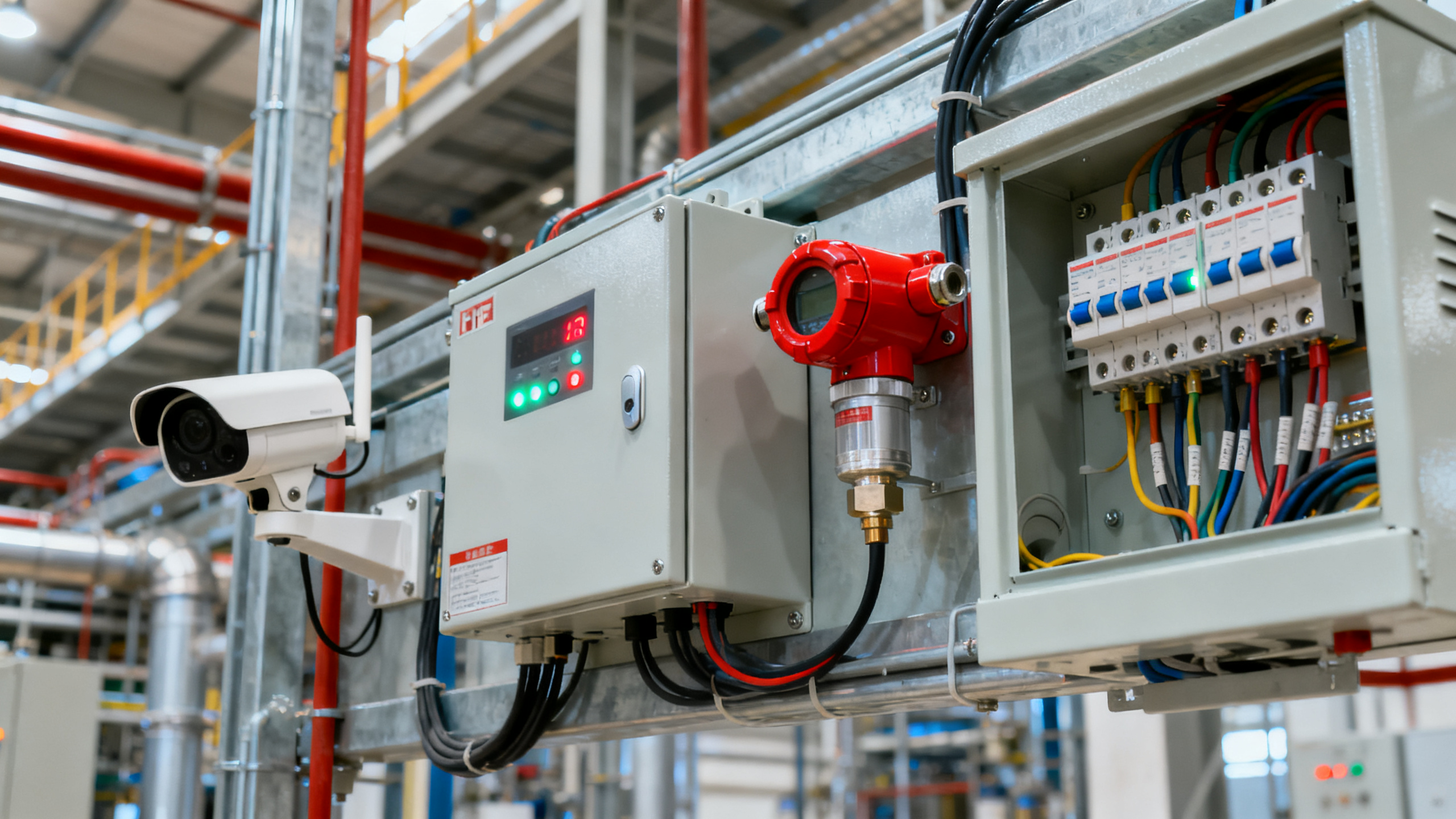
For after-sales maintenance teams, the true value of Security & Safety solutions lies not only in protection, but in how easily they can be inspected, repaired, updated, and kept compliant over time. Systems designed for accessibility, clear diagnostics, modular replacement, and standards-based integration reduce downtime, lower service costs, and make long-term reliability far easier to achieve.
In industrial environments, maintenance is rarely a single-task activity. A technician may need to validate sensor status, replace a damaged enclosure, confirm alarm communication, and document compliance checks within a 2- to 4-hour service window. When Security & Safety solutions are built with maintainability in mind, these tasks become predictable. When they are not, simple service work can expand into long shutdowns, unnecessary spare part use, and repeated site visits.
For EPC contractors, facility managers, and procurement teams working through Global Industrial Core’s sourcing lens, maintainability is not a soft preference. It is a measurable lifecycle factor affecting labor hours, spare inventory, training burden, audit readiness, and operational continuity. The best systems do more than detect risk. They make maintenance simpler at every stage, from installation handover to year-5 upgrades.
Why Maintainability Matters in Security & Safety Solutions
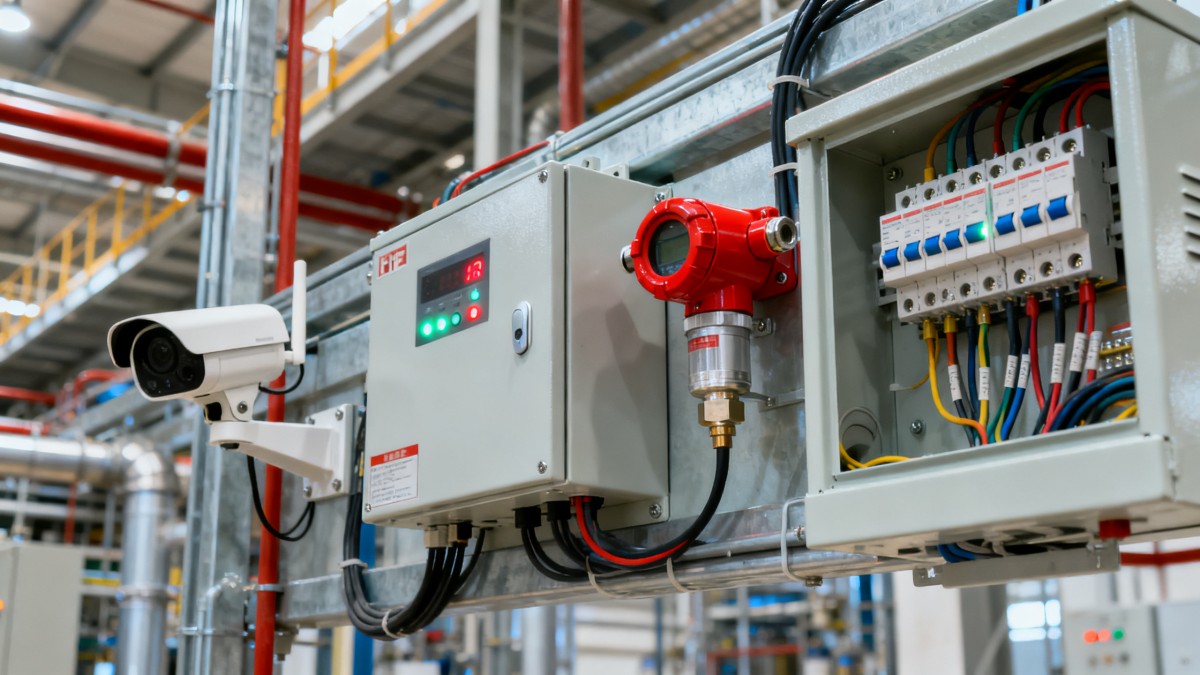
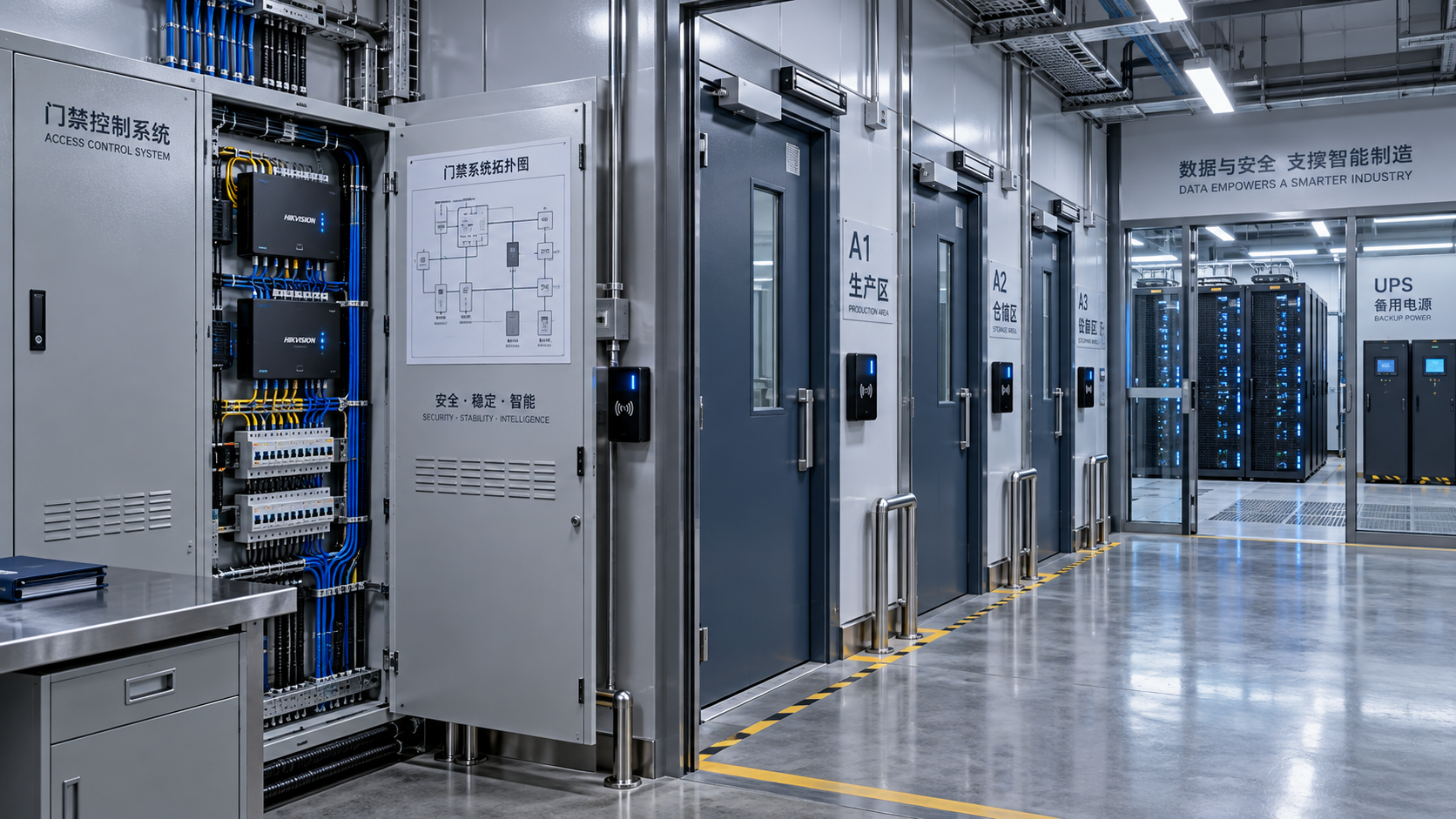
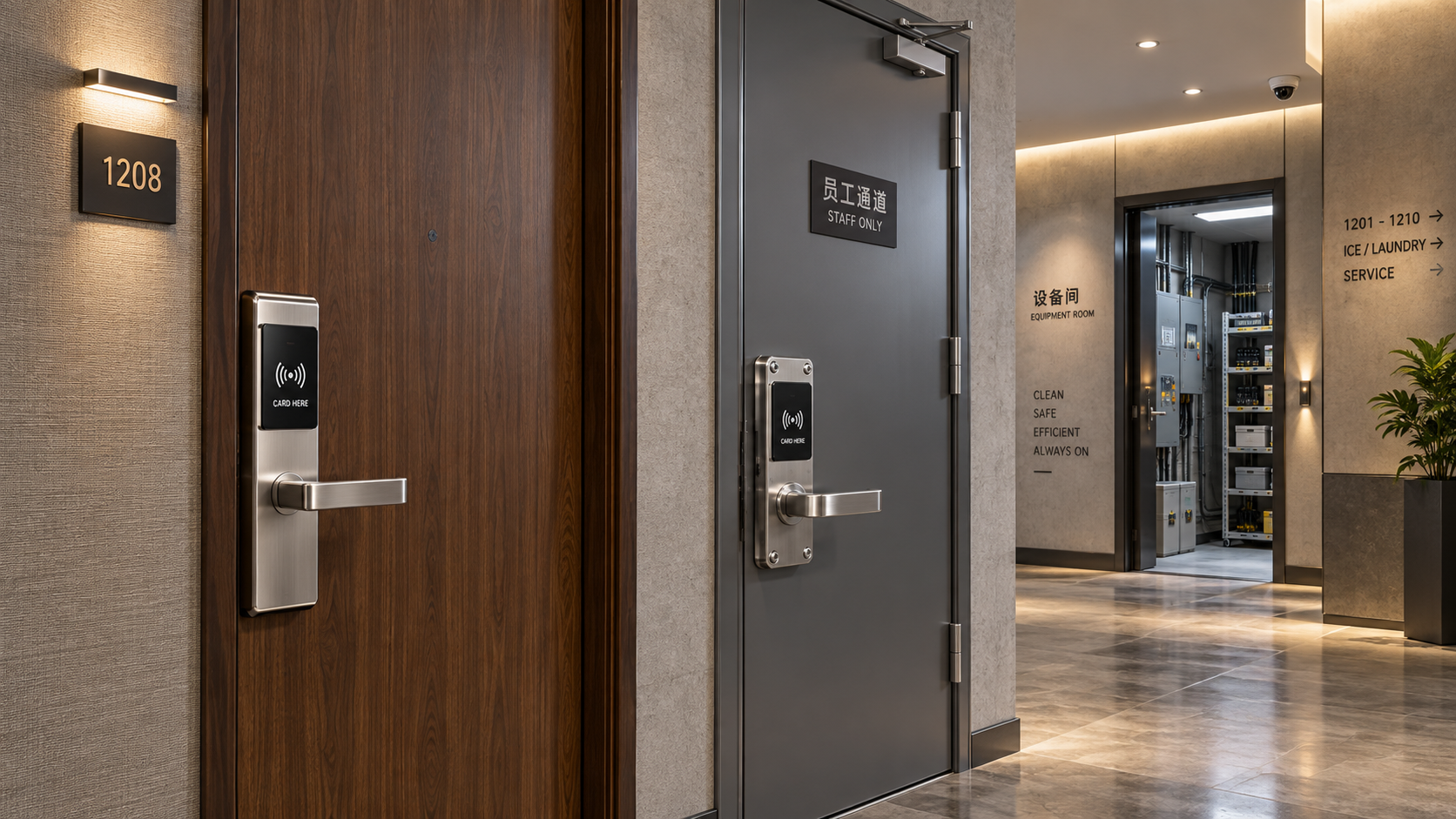
In heavy industry, Security & Safety solutions often operate across gates, substations, production lines, tank farms, utility corridors, and control rooms. These systems may include fire detection, emergency shutdown interfaces, access control, CCTV, gas detection, interlocks, and alarm devices. If even one subsystem requires excessive disassembly or vendor-specific tools, routine maintenance can slow down the entire service schedule.
A maintainable design lowers the total service effort across 3 key dimensions: inspection time, repair complexity, and compliance documentation. For example, if a detector head can be replaced in 10 minutes instead of 40, and diagnostics identify the failed module on the first attempt, maintenance teams can complete more service actions per shift while reducing production interruption.
The Cost of Difficult Maintenance
Poorly maintained systems do not always fail dramatically. More often, they fail quietly through deferred inspections, nuisance alarms, incomplete firmware records, or worn components that remain in service beyond recommended intervals. In many facilities, a single unresolved alarm loop or blocked device can trigger repeated callouts over a 30- to 90-day period.
- Longer mean time to repair due to inaccessible parts
- Higher spare part holding because replacement is not standardized
- Extra training needs when interfaces differ across sites
- Increased compliance risk if inspection logs are inconsistent
- More shutdown coordination when service cannot be completed live or by zone
Attributes That Make Systems Easier to Maintain
Maintenance-friendly Security & Safety solutions share a small group of practical characteristics. They use standard wiring conventions, visible status indicators, compartmentalized modules, and replacement parts that can be changed without disturbing adjacent devices. They also provide manuals, service intervals, and event logs that are understandable by field technicians, not only by system integrators.
The table below outlines the design features that most directly affect after-sales service efficiency in industrial settings.
The key conclusion is straightforward: maintainability is engineered, not improvised. If a solution supports modular servicing, visible diagnostics, and standard integration from day one, maintenance teams can control time, cost, and compliance with much greater confidence.
Maintenance Simplicity Supports Compliance
Security & Safety solutions in industrial settings must often align with CE, UL, ISO, or site-specific operating procedures. Easier maintenance supports compliance because inspections can be completed on schedule, device histories can be traced, and firmware or calibration changes can be recorded consistently. A system that is easy to inspect every 6 months is far more likely to remain compliant than one requiring special access, niche software, or undocumented service steps.
What After-Sales Teams Should Evaluate Before Selection
Many purchasing decisions focus on detection range, camera resolution, response speed, or alarm logic. Those factors matter, but after-sales teams should also assess whether Security & Safety solutions can be maintained by the actual service organization on site. A technically advanced system is not operationally efficient if every fault needs a factory specialist or a proprietary configuration laptop.
Five Practical Evaluation Criteria
- Can routine inspection be completed with standard tools in under 30 minutes per device cluster?
- Are spare parts available as modules, boards, heads, lenses, batteries, or relays instead of full assemblies only?
- Is fault identification displayed locally and remotely with clear codes or text descriptions?
- Can firmware, calibration, or configuration changes be documented in a traceable way?
- Does the system support phased replacement without forcing a full-site redesign?
These 5 criteria are especially useful for facilities with multi-year operating plans, distributed assets, or contractor turnover. If a plant expects 3 to 5 maintenance vendors over a 10-year period, standardized and readable systems reduce transition risk significantly.
Procurement Questions That Reduce Lifecycle Risk
Before approving a supplier, maintenance leaders should request service documentation and compare it against the skill level of the site team. It is often better to choose a slightly less customized system that can be supported locally within 24 to 48 hours than a highly specialized one with long diagnostic dependency chains.
The following comparison table can be used during technical review or sourcing discussions.
This comparison helps teams move beyond purchase price alone. The right Security & Safety solutions support maintainability through documentation, replaceable architecture, protocol compatibility, and realistic training demands.
Common Selection Mistakes
One common mistake is overvaluing feature density while underestimating service complexity. Another is assuming that commissioning support equals lifecycle support. A system may install smoothly in 7 days but become difficult to maintain over 7 years if consumables, software access, or replacement modules are poorly managed.
Design Choices That Make Maintenance Faster and Safer
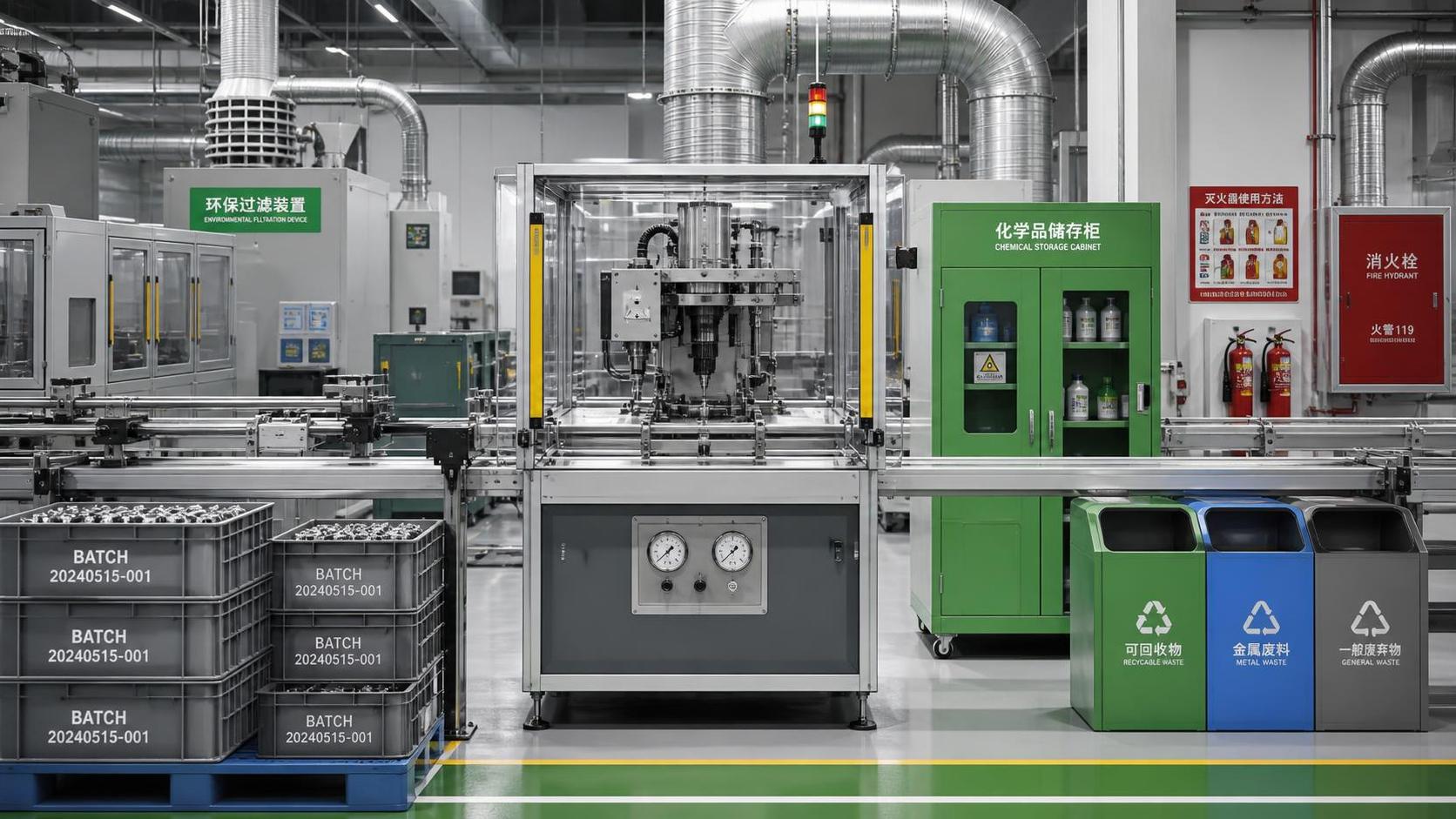
The easiest Security & Safety solutions to maintain are usually the ones designed for field reality. That means limited access time, mixed technician skill levels, dust or vibration exposure, and the need to isolate only the affected zone rather than shut down an entire unit. Practical design details often save more labor than advanced features.
Modularity and Replaceable Assemblies
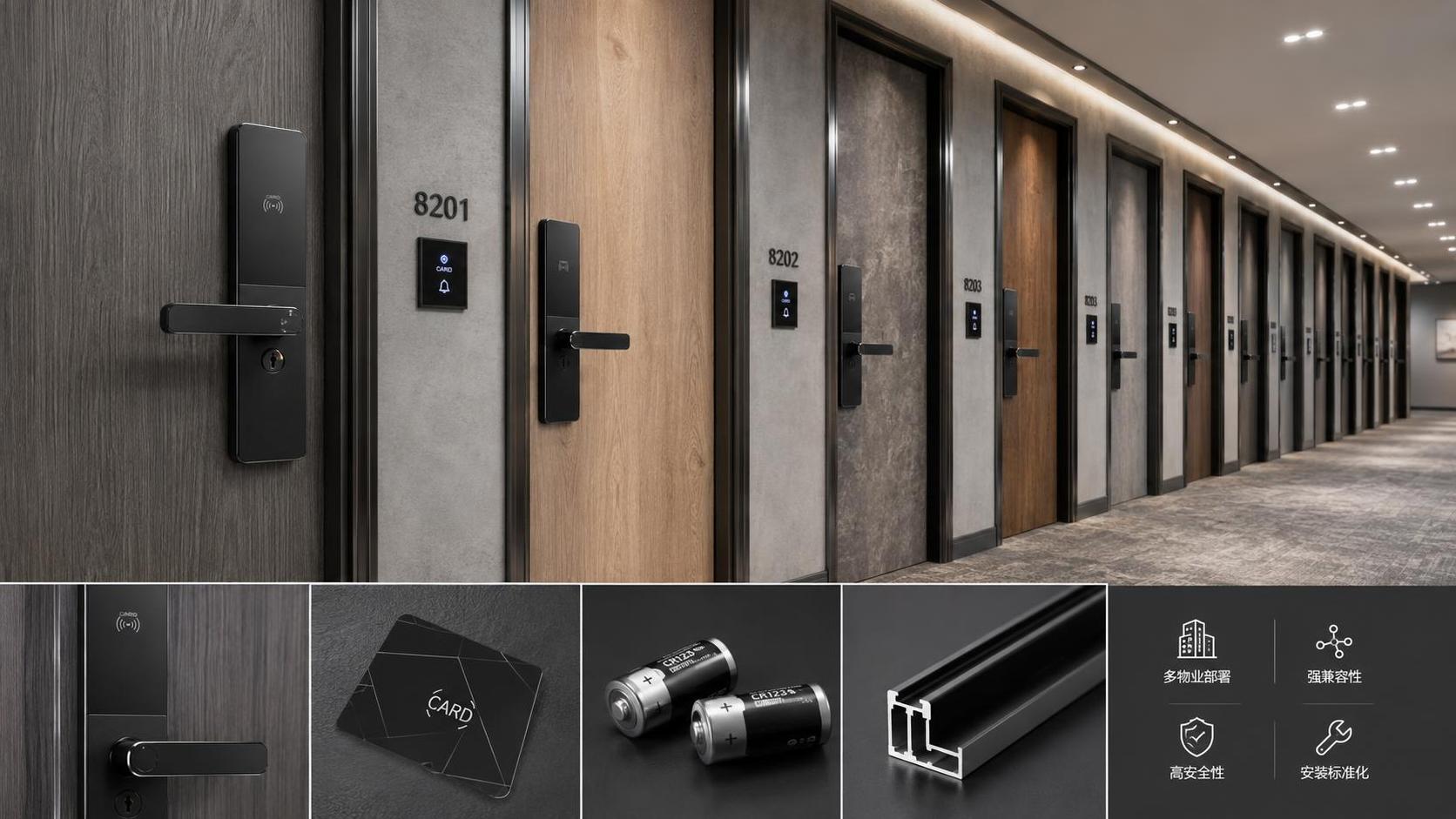
Modular design is one of the strongest indicators of service efficiency. If detectors, power supplies, communication cards, battery packs, or camera modules can be replaced independently, maintenance teams can restore operation without scrapping healthy components. In large facilities, this can reduce spare value tied up in stock across 10, 50, or even 100 installed points.
Readable Diagnostics and Event Logging
Fast diagnosis depends on useful information. Security & Safety solutions should provide device status, fault category, timestamp, and event history through local panels or remote dashboards. A code that identifies “communication loss on zone 3” is far more actionable than a generic red light. This reduces the first-inspection guesswork that often adds 20 to 60 minutes to a service task.
Accessible Installation Layout
A maintainable system is not only about the device. It is also about spacing, cable entry, labeling, enclosure door swing, terminal access, and lockout procedure. Technicians working in PPE, at height, or in hot process zones need service points that can be reached safely and verified quickly. Good physical layout can cut inspection time per panel by 15% to 25% in routine rounds.
Standards-Based Integration Reduces Long-Term Friction
When Security & Safety solutions use recognized standards and widely understood interface logic, expansion and replacement become easier. Maintenance teams can connect alarms to plant monitoring, export logs, or isolate subsystems without reconstructing the entire control architecture. This matters most in sites planning phased upgrades over 2 to 3 budget cycles rather than full replacements at once.
How to Build a Maintenance-Friendly Implementation Plan
Even well-designed Security & Safety solutions can become difficult to support if implementation is rushed. After-sales teams should be involved before final handover so the installed system matches service workflows, documentation requirements, and spare strategy. A good plan usually includes 4 stages: design review, commissioning verification, maintenance preparation, and periodic optimization.
Stage 1: Review Service Access Before Handover
During pre-handover checks, verify labeling, access clearances, isolation points, cable identification, and maintenance intervals. This is also the time to confirm that spare lists match the installed bill of materials. Missing this stage often leads to 2 or 3 months of avoidable support tickets after startup.
Stage 2: Standardize Maintenance Tasks
Create standard task sheets for weekly visual checks, monthly device verification, quarterly functional testing, and annual compliance review. Standardization matters because Security & Safety solutions often span multiple buildings or process areas. If every technician follows the same 6 to 8 checkpoints, records become comparable and trend analysis becomes possible.
Stage 3: Align Spare Parts With Failure Patterns
Not every component needs to be stocked equally. Keep fast-moving or service-critical items on site, especially consumables, detector heads, relays, backup batteries, seals, and communication modules where applicable. Less critical or low-failure parts can remain at regional inventory level with 7- to 15-day replenishment plans.
Stage 4: Use Service Data to Improve the System
Maintenance records should feed back into future sourcing decisions. If the same alarm class produces repeated false trips, or if one enclosure type consistently takes longer to service, that information should influence the next procurement cycle. Over 12 to 24 months, such data helps refine which Security & Safety solutions are genuinely maintainable in your operating environment.
A Practical Maintenance Checklist for Industrial Buyers and Service Teams
When comparing vendors or reviewing an installed base, a simple checklist can reveal whether a system will remain supportable over time. The goal is not to create complexity but to test whether the solution can be maintained efficiently under real industrial conditions.
Checklist Items
- Inspection interval clearly defined: monthly, quarterly, or annually
- Local fault indication readable without special software
- Remote diagnostics available for major alarms and communication faults
- Critical modules replaceable without rewiring the full system
- Spare parts list matched to installed devices and revision levels
- Maintenance documentation controlled and easy to update after each intervention
- Training achievable for site technicians within 1 to 2 working days
If a supplier or integrator cannot answer these points clearly, the maintainability of the proposed Security & Safety solutions should be examined more carefully. Ease of maintenance is not a secondary feature. In industrial operations, it is part of system performance.
For after-sales teams, easier maintenance means more than convenience. It means shorter service windows, safer interventions, better audit readiness, and stronger control over lifecycle cost. The most effective Security & Safety solutions are those that combine protection capability with modular design, accessible diagnostics, standards-based integration, and realistic service planning.
Global Industrial Core supports buyers, EPC contractors, and facility teams that need dependable, maintainable infrastructure decisions across complex industrial environments. If you are evaluating Security & Safety solutions for long-term serviceability, contact us to discuss your application, request a tailored sourcing perspective, or learn more about maintainability-focused solution selection.
Technical Specifications
- How to Select an Emissions Monitoring System Analyzer for Compliance ReportingAuthor :Precision Metrology Expert
- How to Select an Access Control Management System for Multi-Site FacilitiesAuthor :Safety Compliance Lead
- Portable Gas Monitor Calibration: How Often Is It Needed for Safe Confined-Space Work?Author :Precision Metrology Expert
Expert Insights

Chief Security Architect
Dr. Thorne specializes in the intersection of structural engineering and digital resilience. He has advised three G7 governments on industrial infrastructure security.
Related Analysis
- Sep 21, 2026How to Select an Emissions Monitoring System Analyzer for Compliance ReportingAuthor :Precision Metrology Expert
- Sep 20, 2026How to Select an Access Control Management System for Multi-Site FacilitiesAuthor :Safety Compliance Lead
- Sep 19, 2026Portable Gas Monitor Calibration: How Often Is It Needed for Safe Confined-Space Work?Author :Precision Metrology Expert
Core Sector // 01
Security & Safety
- How to Select an Access Control Management System for Multi-Site FacilitiesAuthor :Safety Compliance Lead

- How to Select Electronic Hotel Key Card Locks for Guest Rooms and Staff AreasAuthor :Safety Compliance Lead

- How to Evaluate a Hotel Key Card Lock Supplier for Multi-Property RolloutsAuthor :Safety Compliance Lead

- Pre-Contract Audit Checklist for Verified Production Safety and Environmental ComplianceAuthor :Safety Compliance Lead

- How Can Distributors Build Procurement-Oriented Industrial Content That Drives RFQs?Author :Safety Compliance Lead

- EU Mandates EN 50131-1:2026 for Security SystemsAuthor :Safety Compliance Lead

- EU EN 50131-1:2026 Takes Effect on CCTV ComplianceAuthor :Safety Compliance Lead

- IEC Issues CCTV Interoperability Test StandardAuthor :Safety Compliance Lead