Security & Safety standards that impact installation choices
Author
Date Published
Reading Time
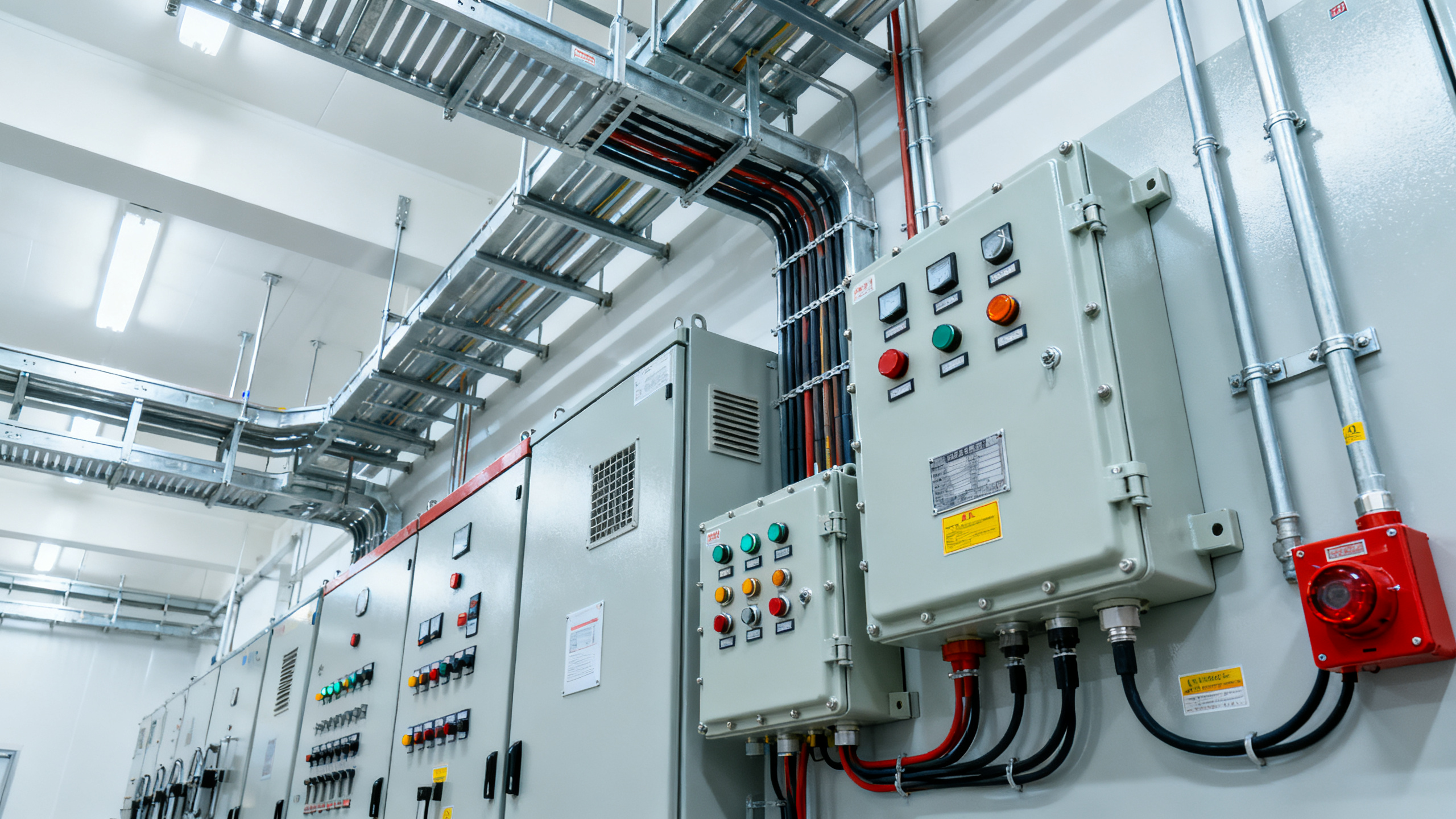
Security & Safety standards shape far more than compliance checklists—they directly influence installation methods, material selection, equipment layout, and long-term operational risk. For project managers and engineering leads, understanding how Security & Safety standards affect installation choices is essential to delivering safe, efficient, and regulation-ready industrial projects. This article explores the key standards that matter most and how they guide smarter infrastructure decisions.
Why do Security & Safety standards change installation decisions from day one?
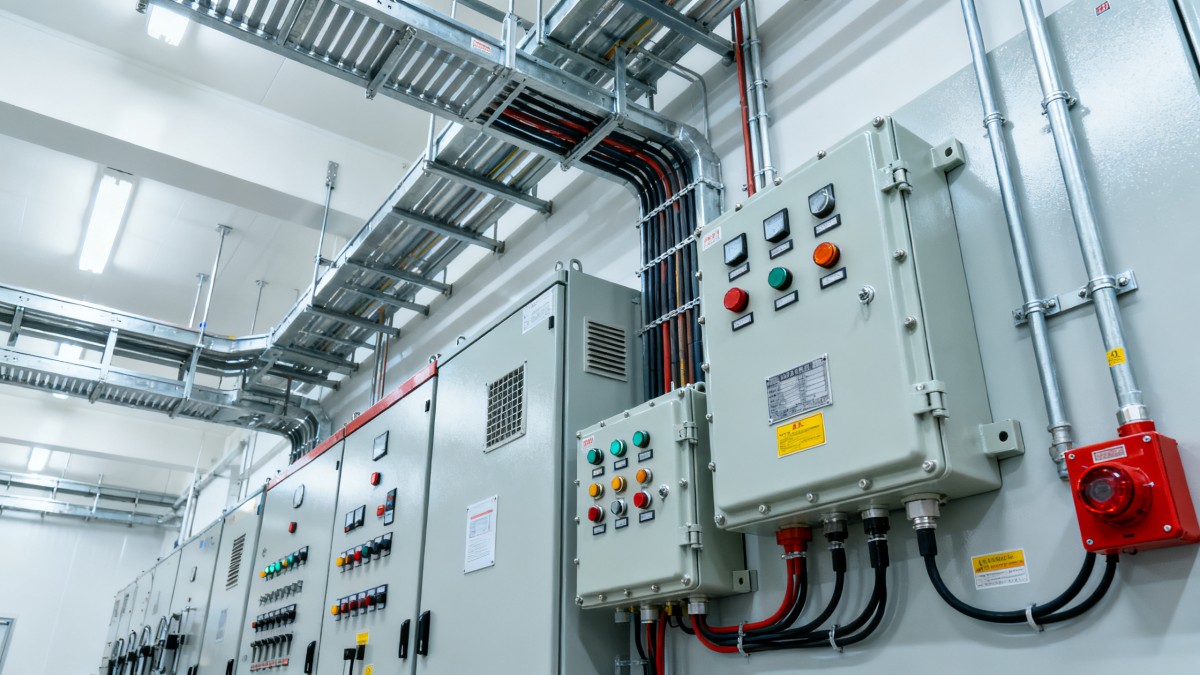
In industrial projects, installation choices are never only about fit, speed, or price. Security & Safety standards determine cable routing, clearance distances, enclosure ratings, grounding methods, ventilation needs, emergency shutdown logic, and even who is authorized to perform final commissioning. A system that appears cost-effective at the procurement stage can become expensive if the installation later fails inspection or requires rework.
For project managers, the challenge is practical. You are balancing deadlines, multiple subcontractors, procurement constraints, and site-specific hazards. At the same time, international buyers, EPC teams, insurers, and regulators expect installations to align with recognized frameworks such as CE-related directives, UL requirements, ISO management systems, fire safety codes, and electrical installation practices.
This is where structured decision support matters. Global Industrial Core (GIC) focuses on the systems that power, protect, and sustain industrial facilities. That perspective is valuable because installation decisions often sit at the intersection of several disciplines:
- Security systems must integrate with civil works, electrical supply, access control logic, and network design.
- Safety devices must match hazardous area conditions, emergency response plans, and maintenance accessibility.
- Compliance documentation must support procurement approval, installation records, commissioning, and audit readiness.
If those links are missed early, the result is predictable: installation delays, scope changes, unplanned shutdowns, or rejected handover packages.
Which Security & Safety standards most often affect industrial installation choices?
Not every project is governed by the same code set, but several standard families regularly shape industrial installation work. The table below summarizes how common Security & Safety standards influence layout, materials, and execution planning.
The key lesson is simple: Security & Safety standards are not a final approval step. They are design inputs. When procurement teams treat them as paperwork only, installation cost and schedule risk usually rise.
Why these standards matter differently across project types
A warehouse surveillance retrofit, a high-voltage substation expansion, and a chemical dosing skid do not carry the same exposure profile. The same Security & Safety standards may apply, but their weight changes depending on site hazards, public exposure, critical uptime needs, and the owner’s audit requirements.
- In process plants, hazardous area requirements can dominate equipment mounting and cable entry design.
- In commercial-industrial facilities, fire separation and evacuation routes may be the main installation constraint.
- In utility and grid environments, grounding integrity and equipment segregation often carry the highest technical priority.
How standards influence real installation choices on site
Project teams usually feel the effect of Security & Safety standards in specific field decisions rather than abstract policy language. Below are the areas where installation choices are most commonly altered.
1. Equipment placement and access clearance
Safety standards often require minimum service clearances around electrical panels, emergency devices, extinguishing equipment, and access-controlled doors. A camera, detector, control box, or disconnect switch cannot be placed wherever there is empty wall space. It must remain visible, reachable, and maintainable without creating new hazards.
2. Material and enclosure selection
Security & Safety standards influence whether stainless steel, coated steel, UV-resistant polymers, flame-retardant cable jackets, or corrosion-resistant fasteners are required. In outdoor or chemically aggressive sites, the wrong enclosure rating may not fail immediately, but it will weaken reliability and raise future compliance concerns.
3. Wiring, grounding, and segregation
Electrical and fire-related standards commonly require separation between power and signal circuits, controlled cable bending radius, shield termination rules, and reliable grounding. These details matter for both safety and performance. Poor segregation can cause nuisance alarms, communication errors, and increased fault exposure.
4. Environmental protection and ingress control
Dust, washdown, vibration, salt air, and temperature swings all affect installation choices. Security & Safety standards push teams to validate ingress protection, sealing methods, mounting strength, and ventilation strategy. In many industrial failures, the device itself was suitable, but the installation environment was misjudged.
5. Emergency operation and fail-safe behavior
Standards may dictate how systems react during power loss, fire alarm activation, network failure, or unauthorized access attempts. This changes relay logic, backup power sizing, cable routing to resilient paths, and the location of manual overrides.
Which installation option fits your project risk profile best?
Project managers often compare installation options mainly on labor cost and lead time. A stronger method is to compare them against exposure, certification pressure, and lifecycle maintenance. The following table helps frame that decision using a Security & Safety standards lens.
This comparison shows why a cheaper installation method is not always the lower-cost solution. When Security & Safety standards are strict, the penalty for rework can exceed the savings from reduced initial labor.
What should project managers check before procurement and installation begin?
Many installation problems start before a crew reaches the site. They begin with incomplete specifications, mixed standard references, or product selection that ignores local code expectations. A disciplined pre-installation checklist can prevent these issues.
Pre-installation decision checklist
- Confirm which Security & Safety standards govern the project by region, client requirement, insurer requirement, and facility type.
- Review whether selected products carry the necessary conformity evidence, installation instructions, and environmental ratings.
- Verify site conditions: dust, water exposure, corrosive agents, temperature range, vibration, and classification of hazardous areas.
- Check spatial constraints, service access, cable pathways, and emergency egress routes before final layout approval.
- Coordinate interfaces among civil, electrical, instrumentation, mechanical, and security vendors to avoid conflicting installation details.
- Define inspection and documentation deliverables early, including labeling, test records, red-line drawings, and commissioning sign-off.
For EPC teams and owner representatives, this checklist is especially useful when procurement is international. A product acceptable in one market may need different labeling, enclosure approvals, cable types, or field modifications elsewhere.
How do cost, schedule, and compliance trade off against each other?
Project leaders often face a familiar question: should we choose the lower-cost installation package now, or the more robust compliant option with longer lead time? The answer depends on where your biggest risk sits—inspection delay, safety exposure, maintenance burden, or operational downtime.
The table below outlines common trade-offs that appear when Security & Safety standards are part of the selection process.
In critical infrastructure, the compliance-oriented choice often produces better total value, even when the purchase order looks higher. That is especially true where downtime is expensive, site access is difficult, or reinstallation would interrupt adjacent systems.
Common mistakes teams make when applying Security & Safety standards
Even experienced teams can misapply standards if they focus only on product certificates and not on full installation conditions. Several mistakes show up repeatedly across industrial sectors.
- Assuming a certified device remains compliant regardless of mounting method, orientation, or cable entry arrangement.
- Overlooking local or client-specific requirements because an international standard was already referenced.
- Choosing enclosures based on indoor or outdoor labels without assessing washdown, chemical splash, or fine dust exposure.
- Failing to coordinate fire stopping and penetration sealing after late cable route changes.
- Treating documentation as an afterthought, which creates handover gaps and slows final approval.
The practical fix is integrated review. Security & Safety standards should be checked not only by procurement or HSE personnel, but also by engineering, installation supervisors, and commissioning teams.
FAQ: practical questions project managers ask most often
How early should Security & Safety standards be reviewed in a project?
They should be reviewed during concept and basic engineering, not after procurement. Early review influences layout, cable pathways, equipment ratings, and budget assumptions. If the review happens only at inspection stage, redesign and rework become much more likely.
Are CE, UL, and ISO interchangeable for installation approval?
No. They address different layers of compliance. CE generally relates to conformity within applicable European frameworks, UL often concerns product safety and listing acceptance in relevant markets, and ISO management standards govern organizational systems rather than direct product approval. Project teams should match the requirement to the jurisdiction and client specification.
What matters most when selecting products for harsh industrial environments?
Focus on actual exposure rather than generic labels. Review ingress protection, corrosion resistance, temperature tolerance, vibration suitability, cable compatibility, and maintenance accessibility. A compliant product in a brochure may still be the wrong installation choice if the site has washdown cycles, abrasive dust, or explosive atmospheres.
How can project managers reduce compliance-related delays?
Create a compliance matrix before procurement, align all vendors to the same standard set, and require installation-relevant documents early. Include test plans, labeling rules, drawings, and inspection hold points in the execution schedule. This approach reduces last-minute disputes between engineering, contractors, and client representatives.
Why informed guidance matters for complex industrial installations
Security & Safety standards are becoming more interconnected with digital monitoring, remote assets, energy systems, and operational resilience targets. For project managers, that means installation choices are under greater scrutiny than before. The winning approach is not simply buying certified products. It is building a coordinated installation strategy that reflects real site risk, client obligations, and lifecycle performance.
Global Industrial Core supports that decision process by bringing together technical interpretation, sourcing insight, and cross-discipline industrial knowledge. For EPC contractors, facility managers, and procurement leaders, this helps turn standards from a reactive constraint into a planning advantage.
Why choose us for Security & Safety standards guidance and sourcing support?
If your project team needs to align installation choices with Security & Safety standards, GIC can help you narrow decisions faster and with fewer downstream surprises. Our focus is not generic product promotion. We support industrial buyers and engineering teams with decision-critical insight across security, safety, electrical systems, measurement, environmental controls, and mechanical infrastructure.
- Clarify which standards and certification expectations are most relevant to your project region and facility type.
- Compare installation options based on operating risk, maintenance access, and compliance burden.
- Discuss parameter confirmation, enclosure suitability, cable routing concerns, and environmental protection needs.
- Review sourcing priorities such as delivery lead time, documentation completeness, sample support, and quotation alignment.
- Explore custom solution paths when standard catalog options do not match your installation or audit requirements.
If you are planning a new build, retrofit, or multi-site upgrade, contact GIC to discuss product selection, certification requirements, installation risk points, delivery timing, and project-specific sourcing strategy before costly changes reach the field.
Technical Specifications
- How to Select an Emissions Monitoring System Analyzer for Compliance ReportingAuthor :Precision Metrology Expert
- How to Select an Access Control Management System for Multi-Site FacilitiesAuthor :Safety Compliance Lead
- Portable Gas Monitor Calibration: How Often Is It Needed for Safe Confined-Space Work?Author :Precision Metrology Expert
Expert Insights

Chief Security Architect
Dr. Thorne specializes in the intersection of structural engineering and digital resilience. He has advised three G7 governments on industrial infrastructure security.
Related Analysis
- Sep 21, 2026How to Select an Emissions Monitoring System Analyzer for Compliance ReportingAuthor :Precision Metrology Expert
- Sep 20, 2026How to Select an Access Control Management System for Multi-Site FacilitiesAuthor :Safety Compliance Lead
- Sep 19, 2026Portable Gas Monitor Calibration: How Often Is It Needed for Safe Confined-Space Work?Author :Precision Metrology Expert
Core Sector // 01
Security & Safety
- How to Select an Access Control Management System for Multi-Site FacilitiesAuthor :Safety Compliance Lead

- How to Select Electronic Hotel Key Card Locks for Guest Rooms and Staff AreasAuthor :Safety Compliance Lead

- How to Evaluate a Hotel Key Card Lock Supplier for Multi-Property RolloutsAuthor :Safety Compliance Lead

- Pre-Contract Audit Checklist for Verified Production Safety and Environmental ComplianceAuthor :Safety Compliance Lead

- How Can Distributors Build Procurement-Oriented Industrial Content That Drives RFQs?Author :Safety Compliance Lead

- EU Mandates EN 50131-1:2026 for Security SystemsAuthor :Safety Compliance Lead

- EU EN 50131-1:2026 Takes Effect on CCTV ComplianceAuthor :Safety Compliance Lead

- IEC Issues CCTV Interoperability Test StandardAuthor :Safety Compliance Lead