What to check before choosing a Security & Safety supplier
Author
Date Published
Reading Time
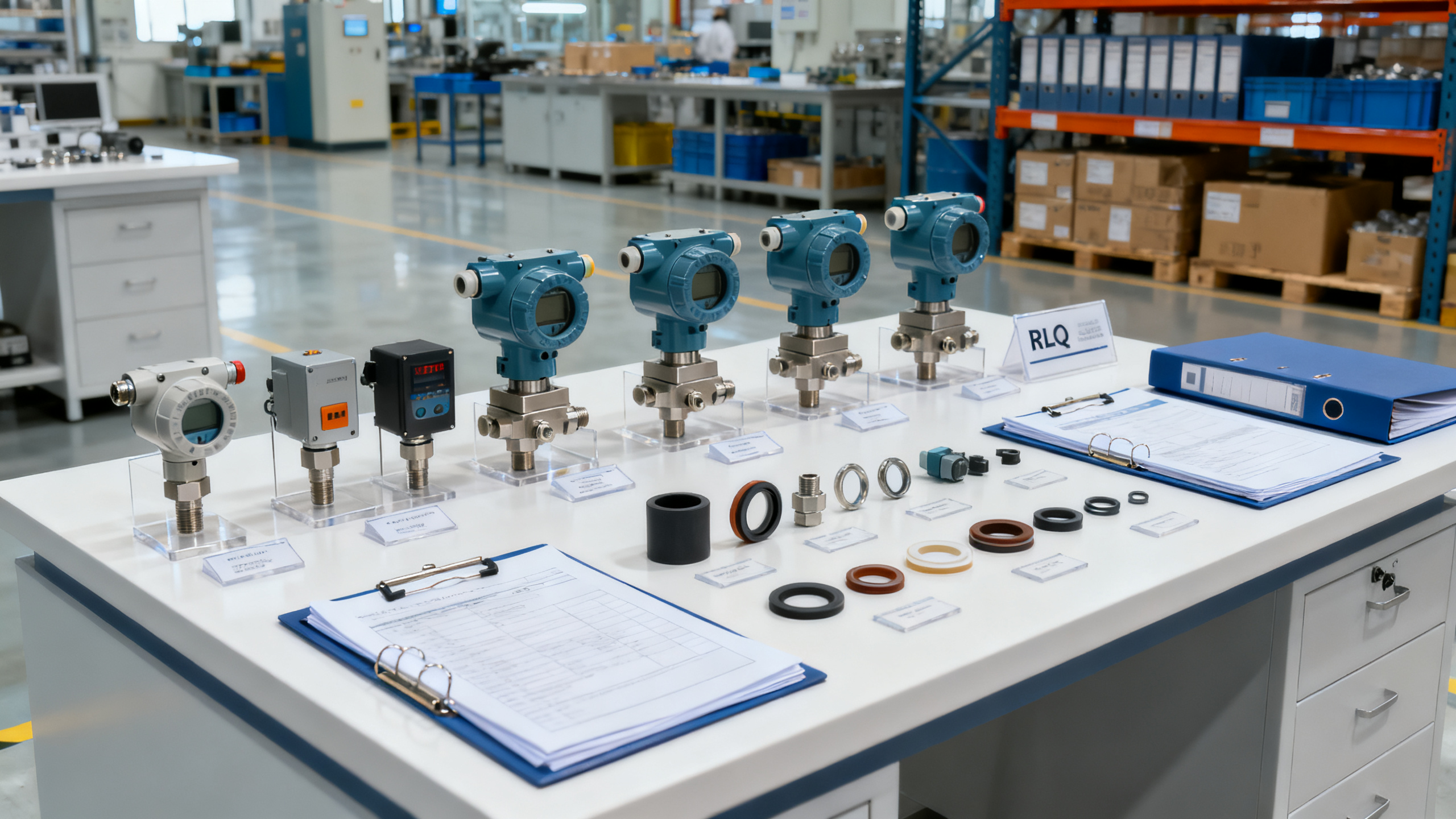
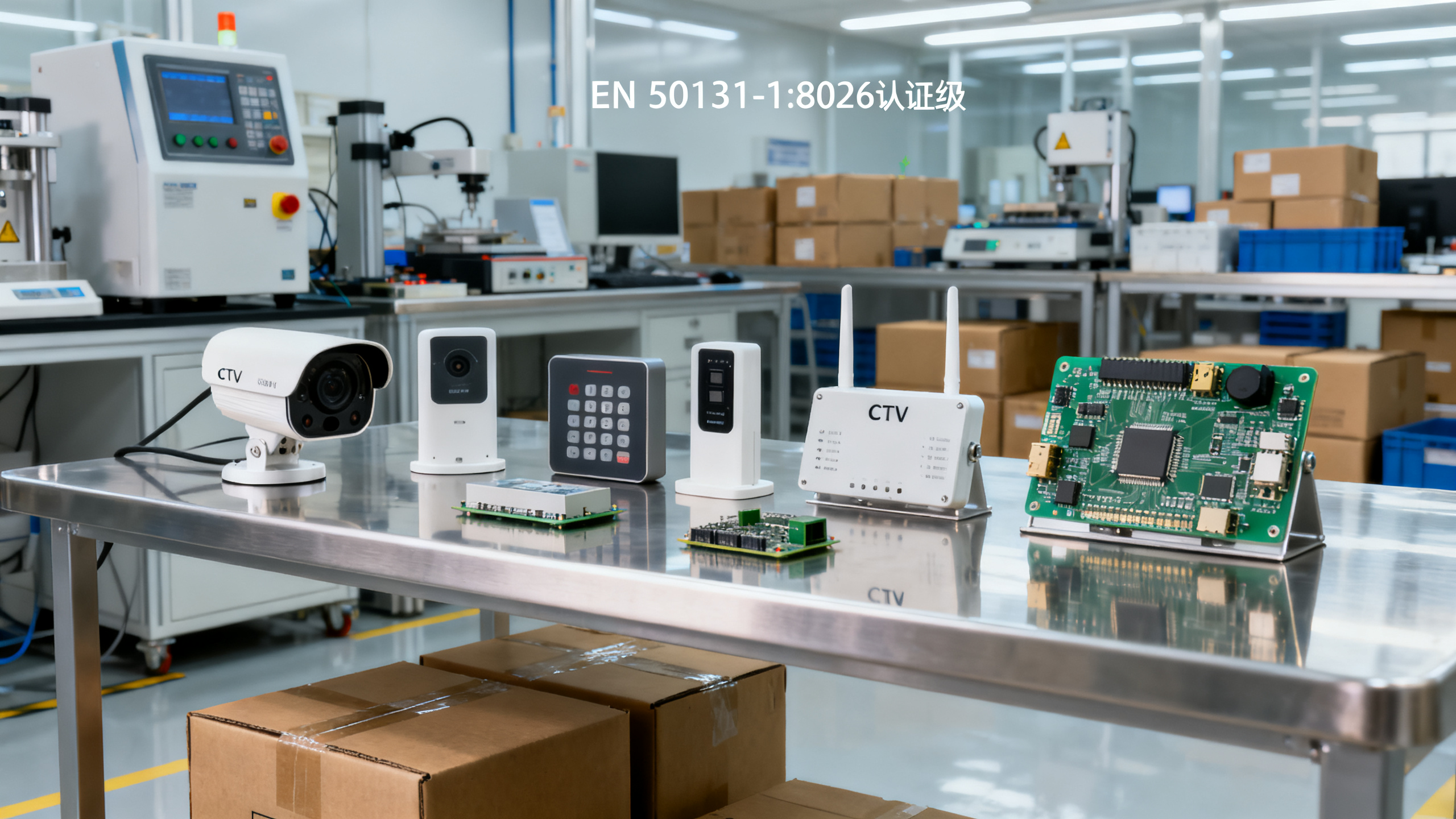
Choosing the right Security & Safety supplier is a high-stakes decision for industrial procurement teams, where compliance, reliability, and long-term performance matter as much as cost. Before signing any contract, buyers should assess certifications, product consistency, technical support, and the supplier’s ability to meet demanding operational and regulatory requirements across complex industrial environments.
In industrial settings, a poor supplier choice can affect far more than price. It can delay EPC schedules by 2–8 weeks, increase maintenance callouts, complicate inspections, and expose facilities to unacceptable operational risk. For procurement professionals managing plants, utilities, warehouses, infrastructure projects, or multi-site industrial assets, supplier evaluation must go beyond catalog comparison.
A capable Security & Safety supplier should support compliance, maintain traceable quality, deliver consistent lead times, and provide technical clarity before and after purchase. This article outlines the practical checks buyers should complete before onboarding a supplier, especially when the project involves critical infrastructure, hazardous environments, or strict international standards.
Define the operational and compliance fit first
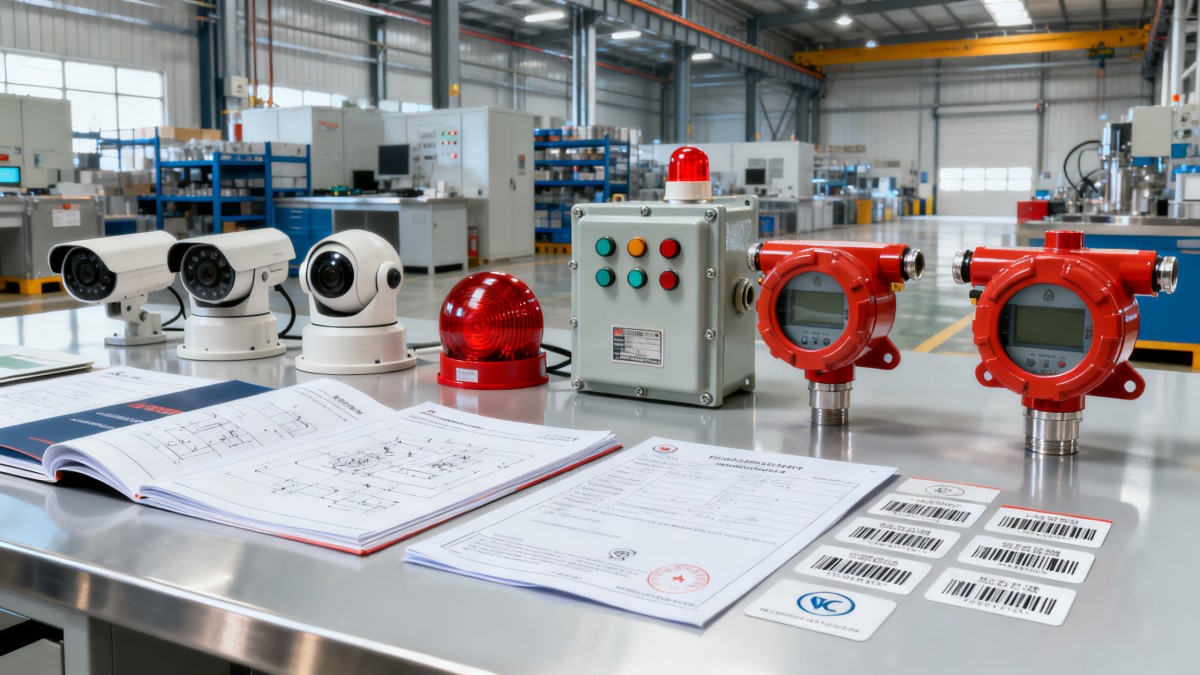
Before evaluating price, buyers should confirm whether the supplier can support the real operating conditions of the site. Security and safety products used in factories, substations, logistics hubs, and process plants often face temperature ranges from -20°C to 60°C, dust-heavy environments, vibration, moisture, or chemical exposure. A supplier that serves office buildings may not be suitable for industrial duty.
This first screening phase should narrow the field to vendors that can demonstrate alignment with at least 4 core dimensions: regulatory compliance, application suitability, installation support, and lifecycle service. If any of these areas are weak, the lowest bid can become the highest-cost decision over a 3–5 year operating period.
Check the essential certifications and documentation
For industrial procurement teams, certifications are not a marketing extra. They are a minimum entry requirement. Depending on region and product type, common expectations include CE marking, UL listing, ISO 9001 quality management, and documented test reports for fire resistance, ingress protection, electrical safety, or alarm performance. For some sites, buyers may also require RoHS, REACH, or local fire code conformity.
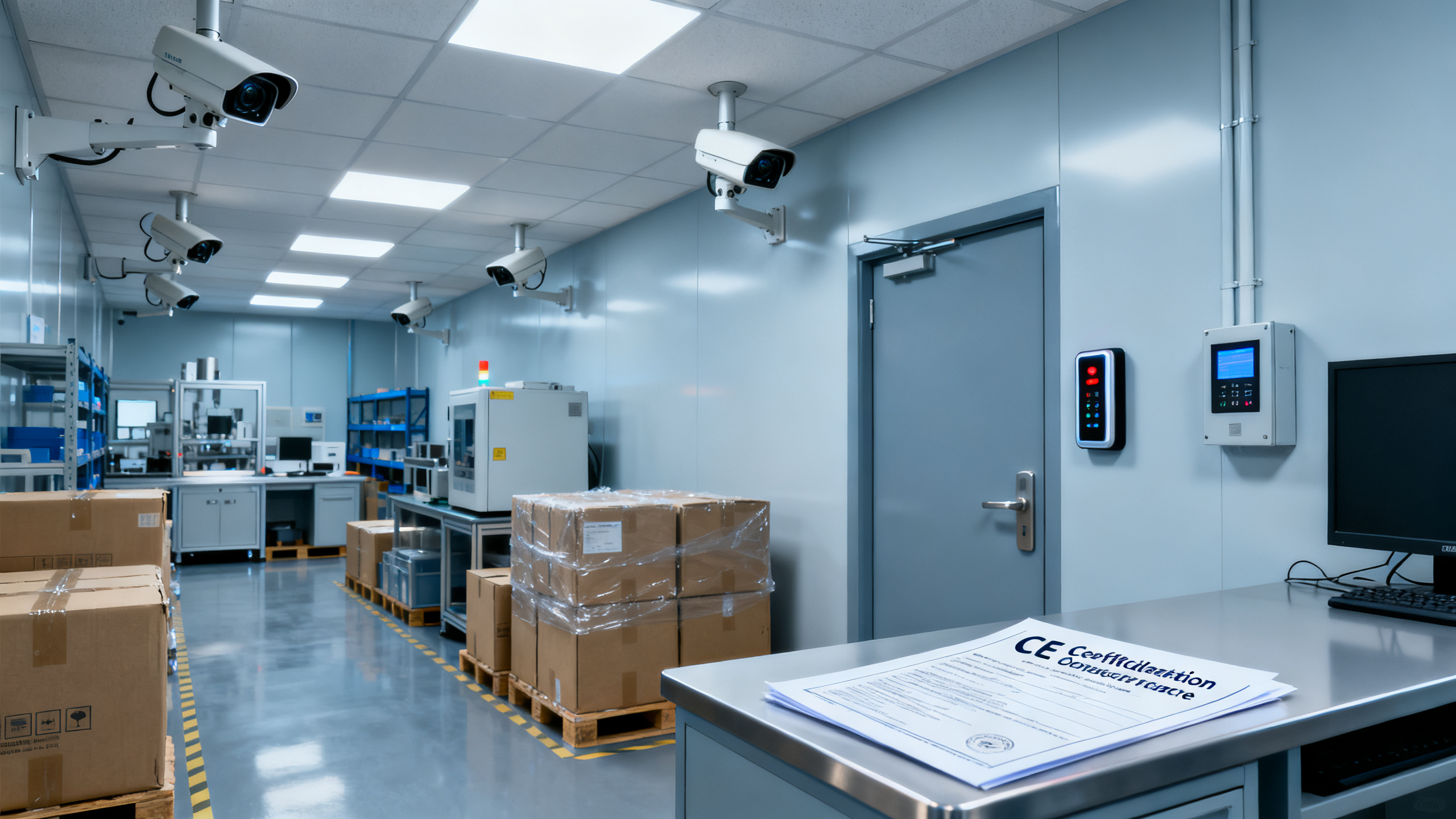
Ask the Security & Safety supplier for a current document pack, not just certificate logos on a brochure. A proper pack should include test reports, declarations of conformity, product datasheets, installation manuals, warranty terms, and batch traceability details. If the supplier needs 7–10 business days just to compile basic compliance records, that can indicate weak internal control.
Minimum documentation checklist
- Product datasheets with operating voltage, detection range, IP rating, and temperature range
- Valid compliance declarations and relevant third-party test reports
- Installation, commissioning, and maintenance instructions
- Warranty coverage terms, exclusions, and spare parts availability period
- Batch or serial traceability for critical devices and components
The table below helps procurement teams distinguish between acceptable supplier documentation and warning signs that merit deeper review.
If a supplier scores poorly on documentation, buyers should assume higher risk in installation, audit readiness, and warranty enforcement. In industrial procurement, paperwork quality is often a leading indicator of manufacturing discipline and after-sales maturity.
Match products to your use case, not just your budget
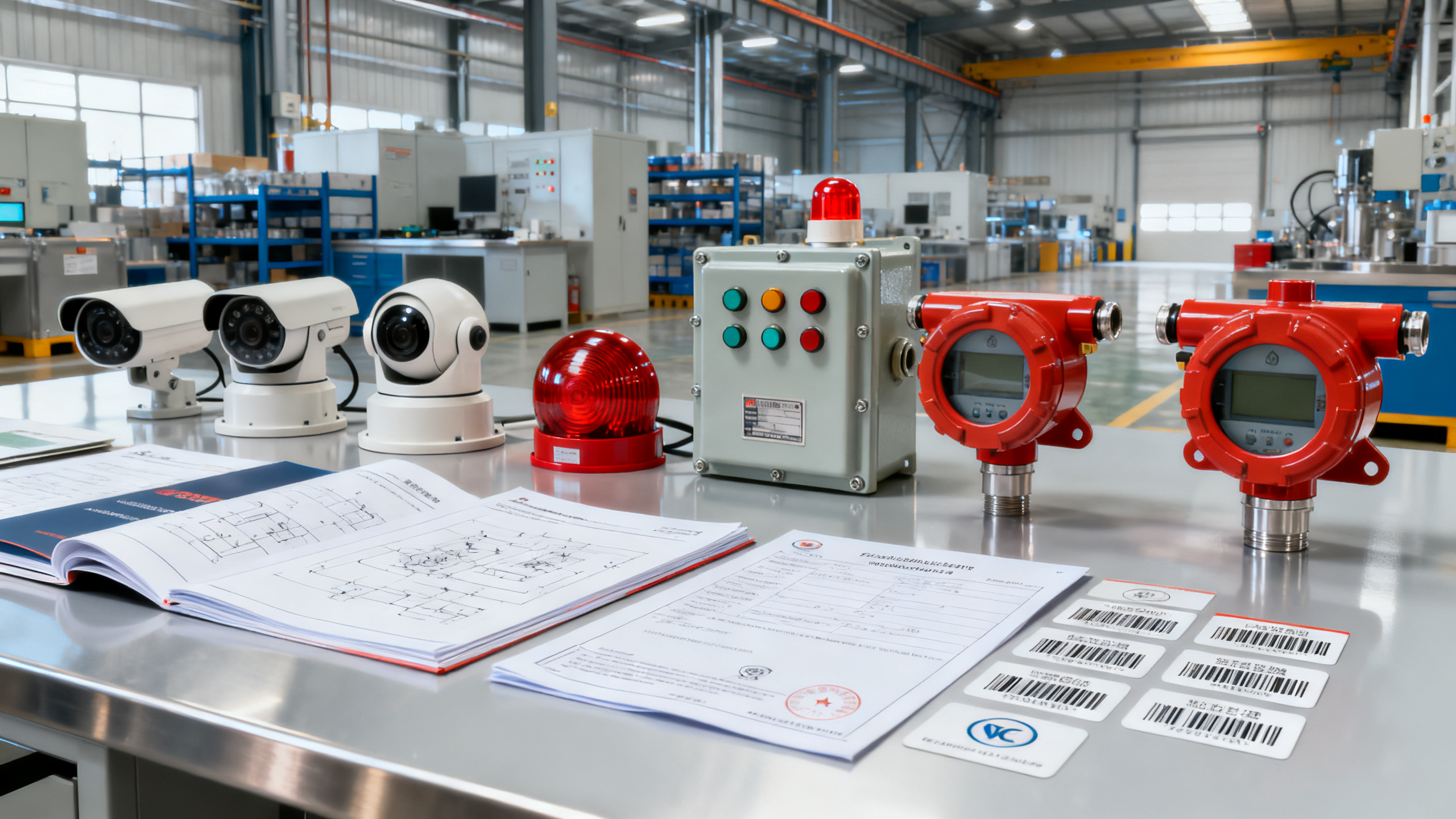
A Security & Safety supplier may offer a broad product line, but procurement teams should focus on fit-for-purpose selection. For example, emergency lighting, access control devices, CCTV enclosures, gas detection units, or fire alarm components each have different performance thresholds. A detector designed for clean indoor spaces may fail prematurely in a dusty cement plant or humid wastewater facility.
Ask for application references by sector rather than generic customer lists. A supplier that regularly serves power distribution sites, oil and gas support facilities, food processing lines, or automated warehouses is more likely to understand cable routing constraints, installation windows, and maintenance access realities. Even a 5% mismatch in specification can create recurring nuisance alarms, poor uptime, or failed inspections.
Assess quality consistency, lead time control, and supply resilience
Once compliance and use-case fit are confirmed, the next priority is supply performance. Industrial projects rarely buy one item once. They require repeatability across multiple lots, installation phases, and service cycles. A dependable Security & Safety supplier should be able to explain how it controls incoming materials, final inspection, packaging integrity, and lead-time commitments over at least 6–12 months.
This matters because procurement failures are often cumulative. One late shipment of control panels, sensors, extinguishing accessories, or emergency shutdown devices can delay commissioning. One inconsistent batch can force on-site rework across 30, 50, or even 200 installed units. Buyers should therefore evaluate resilience, not just availability on the quotation date.
Questions to ask about quality control
A serious supplier should be ready to describe its inspection process in concrete terms. Procurement teams do not need confidential factory data, but they do need operational transparency. Ask whether final inspection is 100% or sample-based, whether critical parts are sourced from approved vendors only, and whether nonconformance reports are documented and closed within a fixed timeframe such as 5–10 working days.
- How are incoming components checked before assembly or shipment?
- What defect categories trigger quarantine, rework, or rejection?
- Can the supplier provide first-article samples before bulk release?
- What is the standard warranty response time: 24 hours, 72 hours, or longer?
- How are replacement units handled for urgent shutdown-related applications?
Evaluate lead times and buffer capacity
Lead time should be tested under realistic conditions. Many suppliers can quote 2 weeks for standard items, but the real question is whether they can maintain that window when demand spikes, custom labeling is required, or export paperwork adds complexity. Ask for lead times in three categories: standard stock, configured products, and project-based assemblies. A useful benchmark is 7–14 days for stock items, 3–5 weeks for configured products, and 6–10 weeks for specialized packages, depending on complexity.
Buyers should also ask about safety stock, secondary sourcing, and substitution control. If a component becomes unavailable, can the Security & Safety supplier propose an equivalent option with documented compatibility, or will procurement need to restart approvals from zero? This issue becomes critical in multi-phase projects with rolling deliveries over 90–180 days.
The following comparison framework can help procurement teams assess whether a supplier is likely to support stable industrial delivery performance.
A supplier does not need perfect numbers in every category, but it should be able to explain its limits honestly. Predictability is often more valuable than aggressive promises that later slip by 3–4 weeks.
Review technical support, service depth, and lifecycle value
The best Security & Safety supplier is not only a seller of equipment. It is a support partner that reduces engineering uncertainty before purchase and service friction after installation. In industrial environments, technical support affects commissioning speed, maintenance planning, and the cost of future upgrades.
Procurement teams should examine support in three stages: pre-sale clarification, start-up assistance, and post-sale issue resolution. A supplier that responds quickly during quotation but disappears after delivery can create significant hidden cost over a system lifespan of 5–10 years.
Pre-sale engineering support matters
Ask whether the supplier can review drawings, suggest product compatibility, confirm mounting requirements, and identify known integration risks. For example, can it verify input/output compatibility with existing control systems, recommend enclosure protection for outdoor use, or advise on cable and power constraints? Even 2 or 3 short technical review sessions before purchase can prevent expensive field changes later.
After-sales responsiveness should be measurable
Good support should be defined in service terms, not vague assurances. Buyers should ask for expected response windows such as same-day acknowledgment, 24–48 hour technical feedback, and clear escalation routes for safety-critical failures. If the site operates continuously, support during weekends or shift hours may also be relevant. These details belong in the commercial discussion before purchase orders are issued.
Service indicators worth validating
- Response time for technical inquiries and warranty claims
- Availability of commissioning guidance or remote troubleshooting
- Spare parts support period, ideally 3–7 years depending on product type
- Revision control for firmware, manuals, and replacement components
- Training options for maintenance teams and contractors
Suppliers that can support training often create measurable value. A 2-hour remote session for maintenance staff may reduce repeated alarm troubleshooting, improper replacement, or avoidable site visits. For multi-site operators, standardized support can also improve maintenance consistency across regions.
Identify commercial risks before contract signature
Commercial terms are where many procurement teams discover late-stage risk. Two suppliers may offer similar unit prices, but one may have stricter minimum order quantities, shorter warranty terms, unclear liability clauses, or unfavorable replacement rules. Before appointing a Security & Safety supplier, buyers should complete a structured commercial review covering at least 6 points.
Commercial items that deserve close review
- Incoterms, packing scope, and export document responsibility
- Warranty length, claim process, and replacement turnaround
- MOQ, price validity period, and volume-break conditions
- Penalty or remedy approach for delayed or nonconforming delivery
- Change control for revised specifications or substituted components
- Availability of long-term pricing for framework agreements lasting 6–12 months
Do not overlook total cost of ownership. A product priced 8% lower may still cost more if it requires more frequent inspection, uses nonstandard mounting accessories, or lacks local replacement stock. Procurement teams should compare cost across installation, commissioning, maintenance, downtime exposure, and spare parts availability.
Common selection mistakes
One common mistake is over-prioritizing initial price and underweighting reliability data. Another is approving a supplier based only on sample performance without verifying lot-to-lot consistency. A third is assuming all certified products are equally suited to industrial operating conditions. Certification shows baseline conformity, but not always field durability.
A disciplined procurement process usually includes a technical review, a quality review, a commercial review, and a short reference check. Even a lightweight 4-step assessment can improve supplier selection quality significantly, especially when the purchase affects personnel safety, fire protection, access control, or emergency response capability.
Build a practical supplier evaluation process
To make supplier selection repeatable, procurement teams should use a scorecard rather than relying on ad hoc impressions. This is especially useful when comparing 3–5 suppliers across multiple regions or product families. A simple weighted model can balance compliance, technical fit, service, and cost without letting a single low quote dominate the decision.
Suggested 5-step evaluation flow
- Define the application environment and mandatory standards
- Request documents, lead times, and technical clarification responses
- Score suppliers on compliance, fit, service, resilience, and commercial terms
- Validate a sample order, pilot batch, or first-article review where appropriate
- Approve with clear KPIs for delivery, defects, and response time
What good supplier onboarding looks like
A strong onboarding process includes one technical contact, one commercial contact, agreed document formats, escalation names, and defined acceptance criteria. For critical categories, buyers may also request periodic performance reviews every quarter or every 6 months. This helps identify drift in delivery performance before it affects a larger project phase.
For procurement professionals in industrial sectors, the right Security & Safety supplier is the one that can prove suitability, maintain consistency, and support the asset over time. That often means choosing the supplier with the clearest evidence, not simply the shortest quote or the most polished sales pitch.
Selecting a Security & Safety supplier should be treated as a risk-control decision as much as a purchasing task. When buyers verify certifications, review technical fit, test delivery reliability, and examine service depth, they reduce the chance of delays, nonconformance, and avoidable lifecycle cost. For EPC contractors, facility managers, and industrial procurement leaders, a structured supplier review creates stronger operational continuity and better long-term value.
If you are evaluating suppliers for industrial security, fire protection, safety devices, or related infrastructure systems, Global Industrial Core can help you compare options with greater technical and procurement clarity. Contact us to discuss your sourcing criteria, request a tailored evaluation framework, or learn more solutions for safer and more resilient industrial operations.
Technical Specifications
- How to Select an Emissions Monitoring System Analyzer for Compliance ReportingAuthor :Precision Metrology Expert
- How to Select an Access Control Management System for Multi-Site FacilitiesAuthor :Safety Compliance Lead
- Portable Gas Monitor Calibration: How Often Is It Needed for Safe Confined-Space Work?Author :Precision Metrology Expert
Expert Insights

Chief Security Architect
Dr. Thorne specializes in the intersection of structural engineering and digital resilience. He has advised three G7 governments on industrial infrastructure security.
Related Analysis
- Sep 21, 2026How to Select an Emissions Monitoring System Analyzer for Compliance ReportingAuthor :Precision Metrology Expert
- Sep 20, 2026How to Select an Access Control Management System for Multi-Site FacilitiesAuthor :Safety Compliance Lead
- Sep 19, 2026Portable Gas Monitor Calibration: How Often Is It Needed for Safe Confined-Space Work?Author :Precision Metrology Expert
Core Sector // 01
Security & Safety
- How to Select an Access Control Management System for Multi-Site FacilitiesAuthor :Safety Compliance Lead

- How to Select Electronic Hotel Key Card Locks for Guest Rooms and Staff AreasAuthor :Safety Compliance Lead

- How to Evaluate a Hotel Key Card Lock Supplier for Multi-Property RolloutsAuthor :Safety Compliance Lead

- Pre-Contract Audit Checklist for Verified Production Safety and Environmental ComplianceAuthor :Safety Compliance Lead

- How Can Distributors Build Procurement-Oriented Industrial Content That Drives RFQs?Author :Safety Compliance Lead

- EU Mandates EN 50131-1:2026 for Security SystemsAuthor :Safety Compliance Lead

- EU EN 50131-1:2026 Takes Effect on CCTV ComplianceAuthor :Safety Compliance Lead

- IEC Issues CCTV Interoperability Test StandardAuthor :Safety Compliance Lead