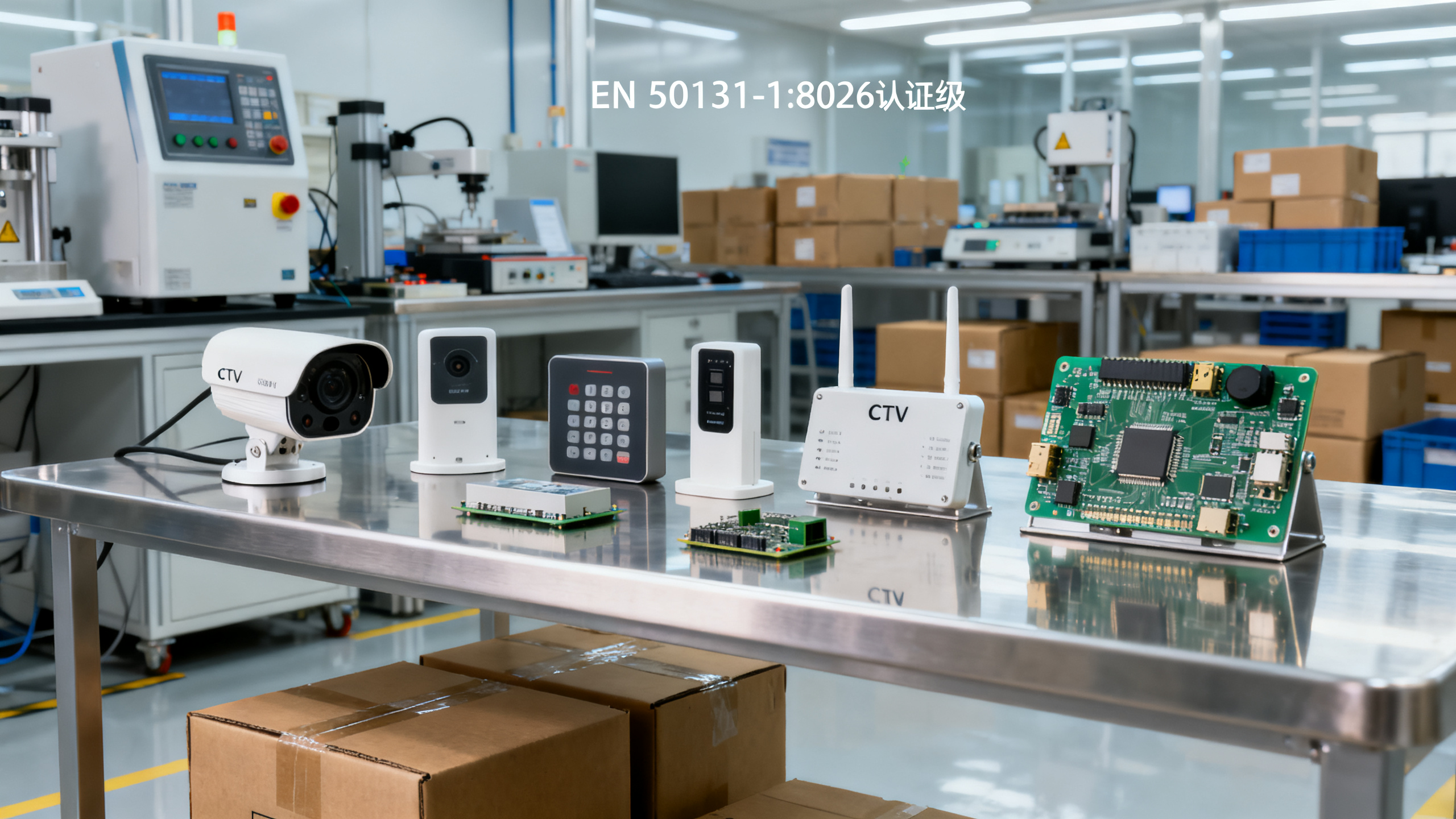
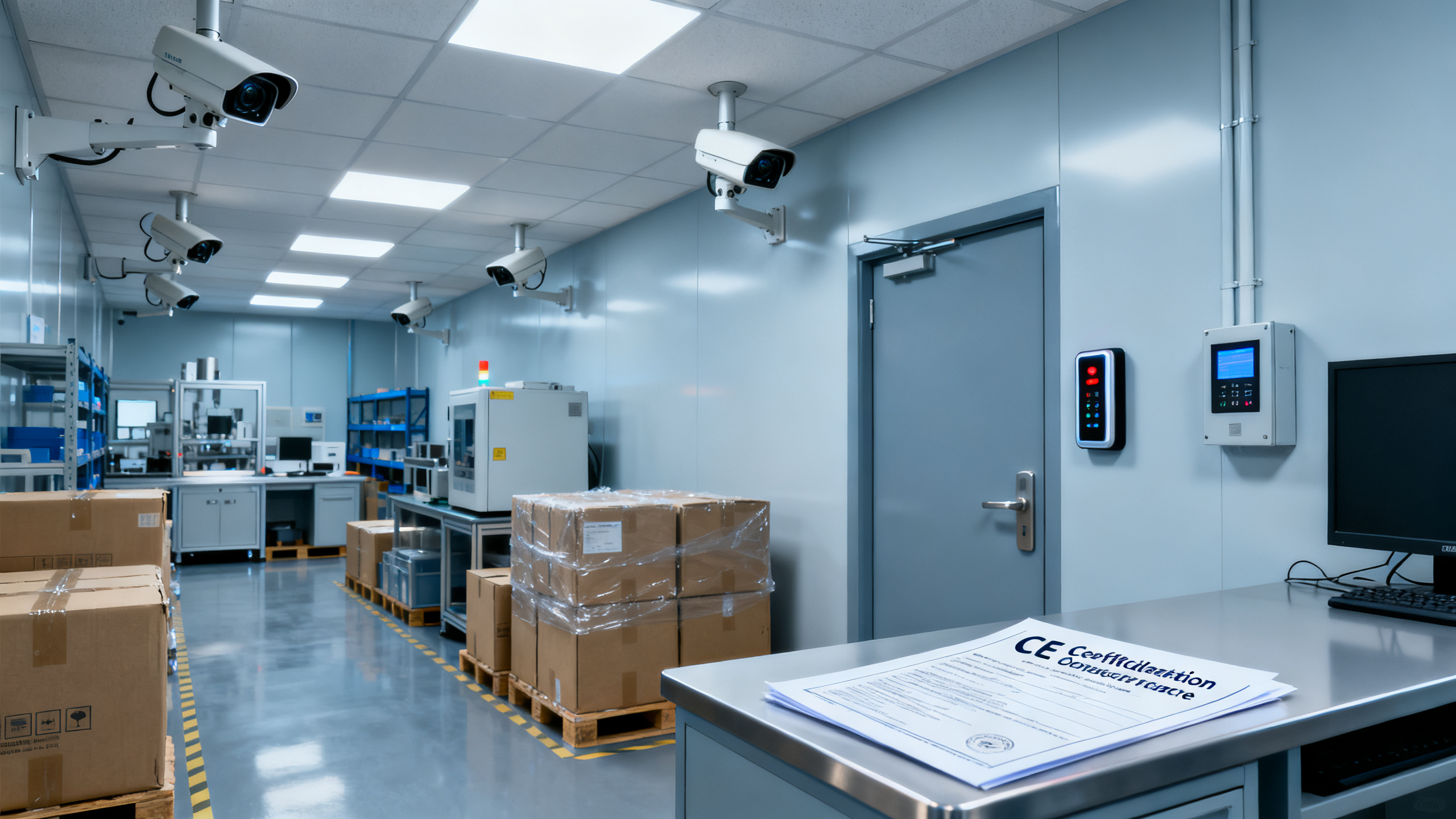
Security & Safety solutions that close common site gaps
Author
Date Published
Reading Time
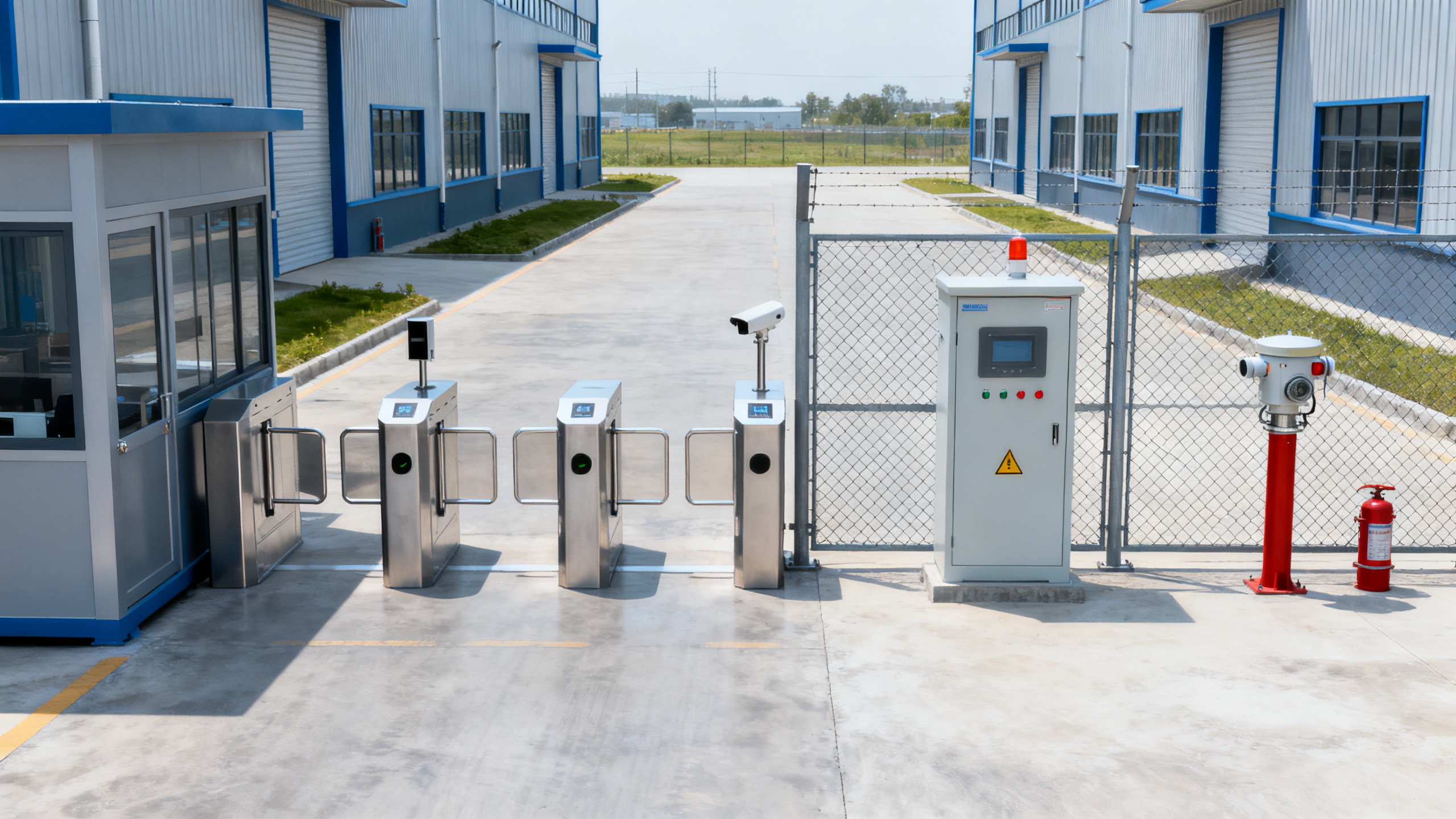
For project managers and engineering leads, overlooked vulnerabilities can quickly turn into costly delays, compliance failures, and operational risk. Effective Security & Safety solutions help close common site gaps by strengthening access control, hazard response, equipment protection, and workforce safety. This article explores practical strategies that support safer, more resilient industrial environments without compromising efficiency or project delivery.
Where do common site gaps usually appear in industrial projects?
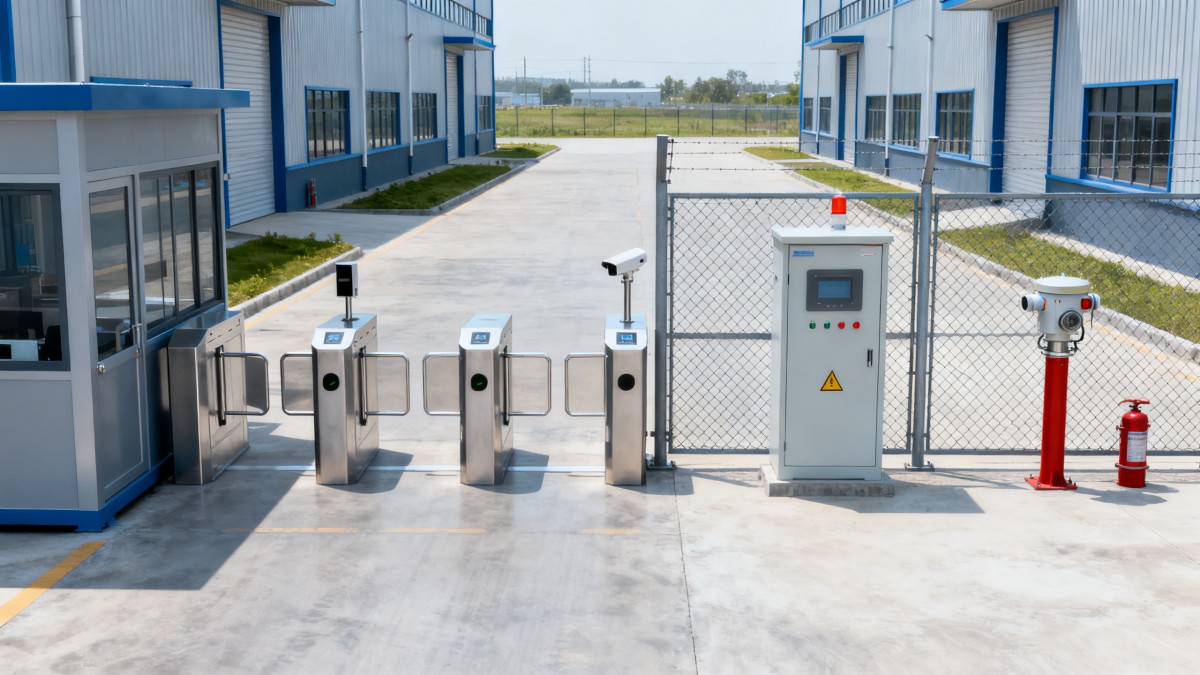
In industrial and infrastructure projects, security failures rarely start with one dramatic event. More often, they emerge from small operational blind spots: incomplete visitor control, inconsistent lockout procedures, poor zone segregation, weak incident reporting, or equipment left exposed during commissioning. For project managers, these gaps create schedule pressure and increase the chance of rework, contractor conflict, and compliance findings.
Security & Safety solutions are not only about guards, alarms, or PPE. In complex sites, they form an integrated operating layer that protects people, assets, utilities, and workflows. That matters across construction sites, processing facilities, utility upgrades, warehousing, logistics compounds, and mixed-use industrial campuses where multiple contractors and phased handovers create changing risk profiles.
Global Industrial Core supports this decision process by connecting project teams with structured sourcing intelligence across Security & Safety, electrical systems, instrumentation, environmental controls, and mechanical reliability. That cross-disciplinary view is important because a site gap is often not isolated. A failed sensor, poor cable routing, inadequate signage, and weak access records can combine into one operational failure.
- Temporary access points created during construction remain active longer than planned, increasing unauthorized entry risk.
- Safety systems are selected late in the project, resulting in mismatched specifications and delayed installation sequencing.
- Incident response plans exist on paper but are not aligned with actual site layout, shift patterns, or contractor responsibilities.
- Critical equipment lacks environmental or tamper protection, especially in outdoor, dusty, corrosive, or high-vibration areas.
Why Security & Safety solutions should be treated as a project delivery tool
Many teams still evaluate Security & Safety solutions as a cost center. In reality, they are a delivery control tool. A better site security and safety architecture improves labor productivity, reduces stoppages, clarifies accountability, and supports smoother inspections. For EPC contractors and facility stakeholders, that means fewer surprises during critical path execution.
The strongest project outcomes usually come from early alignment between engineering, procurement, HSE, facilities, and operations. When those groups define shared performance criteria before procurement begins, teams avoid common friction such as buying access systems that do not integrate with permit-to-work controls or selecting fire and hazard devices without considering maintenance access and spare strategy.
Operational benefits that matter to project leaders
- Fewer unplanned interruptions caused by unauthorized entry, unsafe movement paths, or poor equipment isolation.
- Clearer documentation for CE, UL, ISO-aligned procurement reviews and contractor handover records.
- Better coordination between civil, electrical, controls, and safety packages during installation and commissioning.
- Lower lifecycle disruption because the selected measures are maintainable, inspectable, and fit for actual site conditions.
Which Security & Safety solutions close the biggest site vulnerabilities?
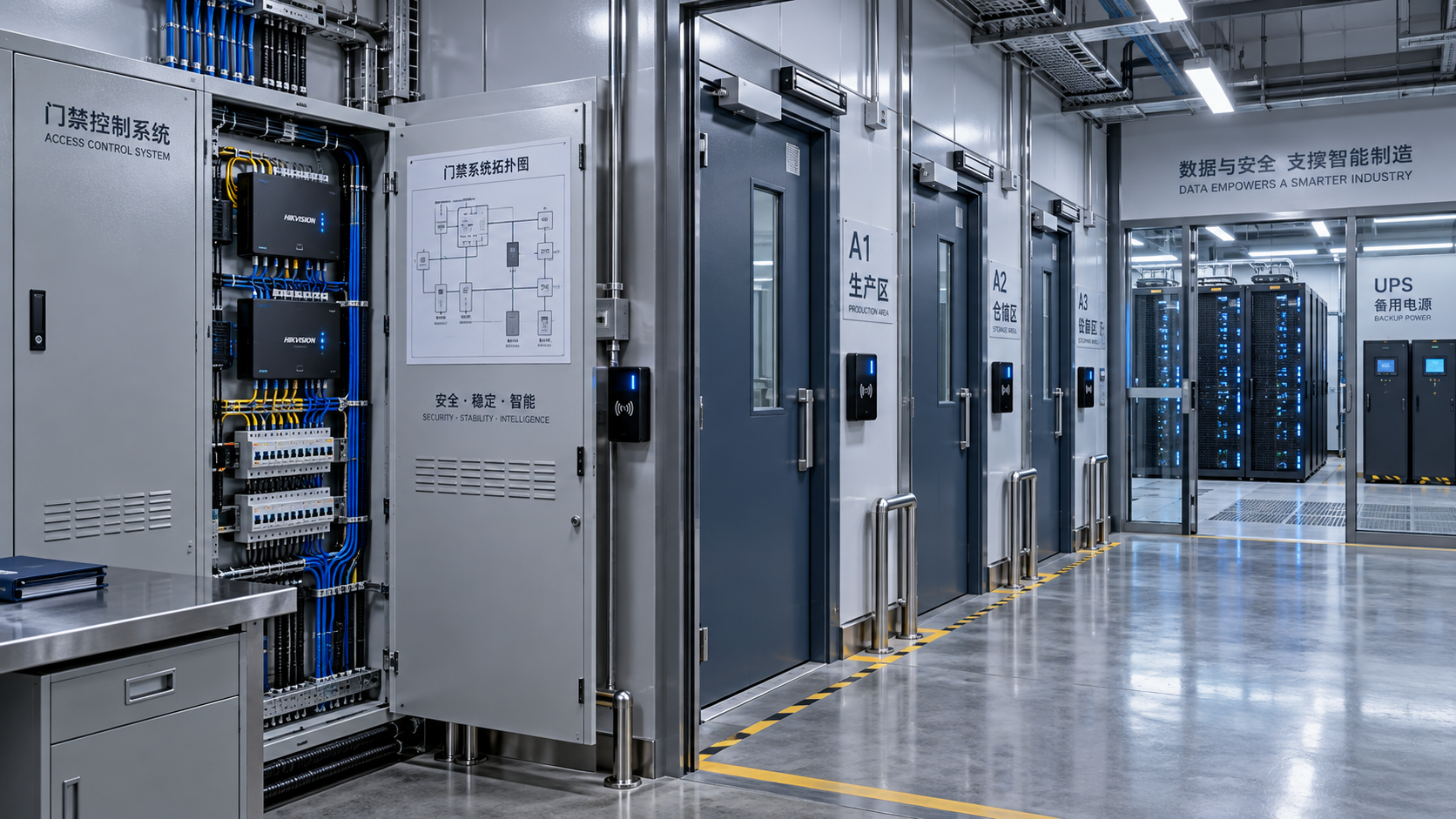
For most industrial environments, the highest-value Security & Safety solutions address four areas first: access control, hazard detection and response, asset protection, and worker protection. The right balance depends on whether the site is under construction, in commissioning, or already operational.
The table below helps project teams map common site gaps to practical solution categories and procurement checkpoints. It is especially useful when reviewing competing supplier proposals that may look similar at headline level but differ significantly in durability, integration depth, and compliance documentation.
A recurring mistake is buying isolated devices instead of a site system. If access, detection, and response workflows do not connect, the result is fragmented accountability. Project leaders should require suppliers to explain not just product performance, but how the full Security & Safety solutions package will function through installation, commissioning, and daily operation.
How should project teams compare options before procurement?
Procurement decisions become difficult when multiple vendors claim compliance, rugged performance, and easy installation. The practical difference usually appears in the details: enclosure rating, lifecycle support, response time, interoperability, documentation quality, and how well the solution handles temporary project conditions before final handover.
Comparison criteria that reduce downstream risk
Use a weighted evaluation model that reflects project realities rather than only purchase price. This is where GIC adds value by framing sourcing decisions with engineering, compliance, and operational context instead of a narrow SKU comparison.
This type of comparison helps teams separate apparently similar proposals. A product that is slightly higher in upfront price may lower total project risk if it reduces installation changes, avoids duplicate interfaces, and comes with complete compliance records.
What standards and compliance points should not be overlooked?
In cross-border industrial procurement, compliance is often the hidden schedule driver. Security & Safety solutions must fit the project’s regulatory environment, electrical architecture, and documentation requirements. Project managers should treat certification review as a technical gate, not a post-award paperwork exercise.
Common compliance checkpoints
- Verify whether the equipment needs CE marking, UL listing, or alignment with relevant ISO management and safety processes.
- Check local fire, electrical, and occupational safety requirements before freezing the bill of materials.
- Confirm hazardous area or special environmental requirements where applicable, especially in energy, process, and chemical-linked sites.
- Require document completeness: manuals, wiring instructions, maintenance intervals, test certificates, and traceable part references.
GIC’s value in this area is practical. It helps industrial buyers and engineering teams interpret sourcing risk across interconnected categories, so compliance is reviewed together with instrumentation, power distribution, environmental exposure, and mechanical operating conditions. That broader view reduces the chance of selecting a compliant component that is still operationally unsuitable.
How can Security & Safety solutions be implemented without disrupting schedule?
Implementation problems usually come from sequencing, not technology. When site security and safety packages arrive too late, they clash with civil completion, cable routing, access needs, and contractor movement. The best approach is to phase the solution according to project maturity.
- During early construction, prioritize perimeter definition, temporary access control, equipment storage protection, and incident reporting channels.
- During mechanical and electrical installation, add zone segregation, hazardous work controls, temporary alarm logic, and permit-linked personnel tracking.
- During commissioning, validate integrated response workflows, test alarms, review emergency routes, and align operation teams with final access authority rules.
- At handover, confirm spare stock, training records, maintenance responsibilities, and documentation packages for operations and audits.
This phased model is particularly useful for multi-contractor projects. It avoids overinvesting in permanent infrastructure too early while still closing common site gaps that create theft, injury, downtime, or inspection risk.
What cost trade-offs should project managers consider?
Budget pressure is real, especially when safety packages are competing with core process equipment and schedule recovery costs. But low initial price can hide higher total cost if the solution requires extra panels, custom interfaces, duplicate cabling, or repeated site visits. A better cost review looks at installation effort, maintenance burden, training time, and replacement path.
Practical cost questions
- Will a cheaper device require additional accessories, software licenses, or field modifications?
- Can one integrated platform replace several standalone products and reduce training complexity?
- Does the supplier provide realistic lead times, or will expedited logistics erode the apparent savings?
- How much downtime or rework would a non-compliant or poorly documented choice create during inspection?
For many sites, the most economical Security & Safety solutions are not the lowest-cost line items. They are the options that fit the operating environment, pass review smoothly, and remain supportable across the asset lifecycle.
Which mistakes cause avoidable gaps even after purchase?
Even well-funded projects create persistent weak points when the operating assumptions are wrong. Teams often underestimate human factors, temporary conditions, and maintenance realities. That is why gap closure requires both technical selection and management discipline.
Frequent misconceptions
- Assuming permanent infrastructure can wait until the end, while temporary controls remain weak for too long.
- Treating compliance documents as interchangeable across markets without checking project-specific requirements.
- Selecting Security & Safety solutions without involving operations, resulting in systems that are hard to maintain after handover.
- Focusing on incident response only, while underinvesting in prevention through zone design, labeling, and controlled access paths.
The projects that perform best usually combine technical rigor with procurement discipline. They define the risk scenario, map the user journey, check documentation early, and build a realistic service plan. That is exactly the type of structured sourcing approach GIC is built to support.
FAQ: what do project managers ask most about Security & Safety solutions?
How do I choose Security & Safety solutions for a site with multiple contractors?
Start with movement control and responsibility mapping. Define who enters which zone, under what permit, and with what emergency communication path. Then select solutions that can support phased access logic and contractor turnover. The wrong choice is often a rigid system that works only after full site completion.
What should I prioritize when budget is limited?
Prioritize controls that reduce severe operational exposure first: perimeter integrity, controlled access, hazard detection, emergency communication, and protection of critical equipment. Cosmetic upgrades or non-essential monitoring features can be staged later if the core response and control functions are already secure.
How early should compliance review begin?
Before final supplier nomination if possible. Compliance review should happen alongside technical evaluation, especially for projects with export procurement, utility interfaces, or insurance-driven safety requirements. Late review creates redesign risk and can delay commissioning sign-off.
What delivery details matter beyond the product itself?
Ask about lead time by component, document package completeness, spare part availability, installation support, and whether factory settings or software preparation can reduce site work. Many schedule losses come from missing accessories, unclear wiring details, or delayed approvals rather than from the main hardware.
Why choose us for Security & Safety solutions planning and sourcing support?
Global Industrial Core helps project managers and engineering leads make better Security & Safety solutions decisions by linking procurement choices to real industrial operating conditions. Instead of viewing safety, power, instrumentation, environmental exposure, and mechanical reliability as separate topics, GIC evaluates them as connected risk layers inside one project ecosystem.
You can consult GIC when you need support with parameter confirmation, application suitability, supplier comparison, delivery timing, documentation review, certification expectations, or phased implementation planning. This is especially useful when your team must choose between multiple proposals under schedule pressure or prepare a defensible sourcing package for EPC, facility, or procurement stakeholders.
If your site has unresolved access vulnerabilities, uncertain hazard response coverage, incomplete compliance records, or questions about which Security & Safety solutions best fit your environment, reach out with your project scope. GIC can help structure the evaluation around technical parameters, use conditions, lead time constraints, customization needs, sample support where applicable, and quotation alignment for industrial decision-making.
Technical Specifications
- How to Select an Emissions Monitoring System Analyzer for Compliance ReportingAuthor :Precision Metrology Expert
- How to Select an Access Control Management System for Multi-Site FacilitiesAuthor :Safety Compliance Lead
- Portable Gas Monitor Calibration: How Often Is It Needed for Safe Confined-Space Work?Author :Precision Metrology Expert
Expert Insights

Chief Security Architect
Dr. Thorne specializes in the intersection of structural engineering and digital resilience. He has advised three G7 governments on industrial infrastructure security.
Related Analysis
- Sep 21, 2026How to Select an Emissions Monitoring System Analyzer for Compliance ReportingAuthor :Precision Metrology Expert
- Sep 20, 2026How to Select an Access Control Management System for Multi-Site FacilitiesAuthor :Safety Compliance Lead
- Sep 19, 2026Portable Gas Monitor Calibration: How Often Is It Needed for Safe Confined-Space Work?Author :Precision Metrology Expert
Core Sector // 01
Security & Safety
- How to Select an Access Control Management System for Multi-Site FacilitiesAuthor :Safety Compliance Lead

- How to Select Electronic Hotel Key Card Locks for Guest Rooms and Staff AreasAuthor :Safety Compliance Lead

- How to Evaluate a Hotel Key Card Lock Supplier for Multi-Property RolloutsAuthor :Safety Compliance Lead

- Pre-Contract Audit Checklist for Verified Production Safety and Environmental ComplianceAuthor :Safety Compliance Lead

- How Can Distributors Build Procurement-Oriented Industrial Content That Drives RFQs?Author :Safety Compliance Lead

- EU Mandates EN 50131-1:2026 for Security SystemsAuthor :Safety Compliance Lead

- EU EN 50131-1:2026 Takes Effect on CCTV ComplianceAuthor :Safety Compliance Lead

- IEC Issues CCTV Interoperability Test StandardAuthor :Safety Compliance Lead