Industrial instrumentation for safety compliance: common gaps
Author
Date Published
Reading Time

Industrial instrumentation for safety compliance is often the first line of defense against operational failure, yet many facilities still overlook critical gaps in calibration, documentation, integration, and standards alignment. For quality control teams and safety managers, identifying these weak points is essential to reducing risk, meeting regulatory demands, and building more resilient industrial operations.
Why does industrial instrumentation for safety compliance receive so much attention?
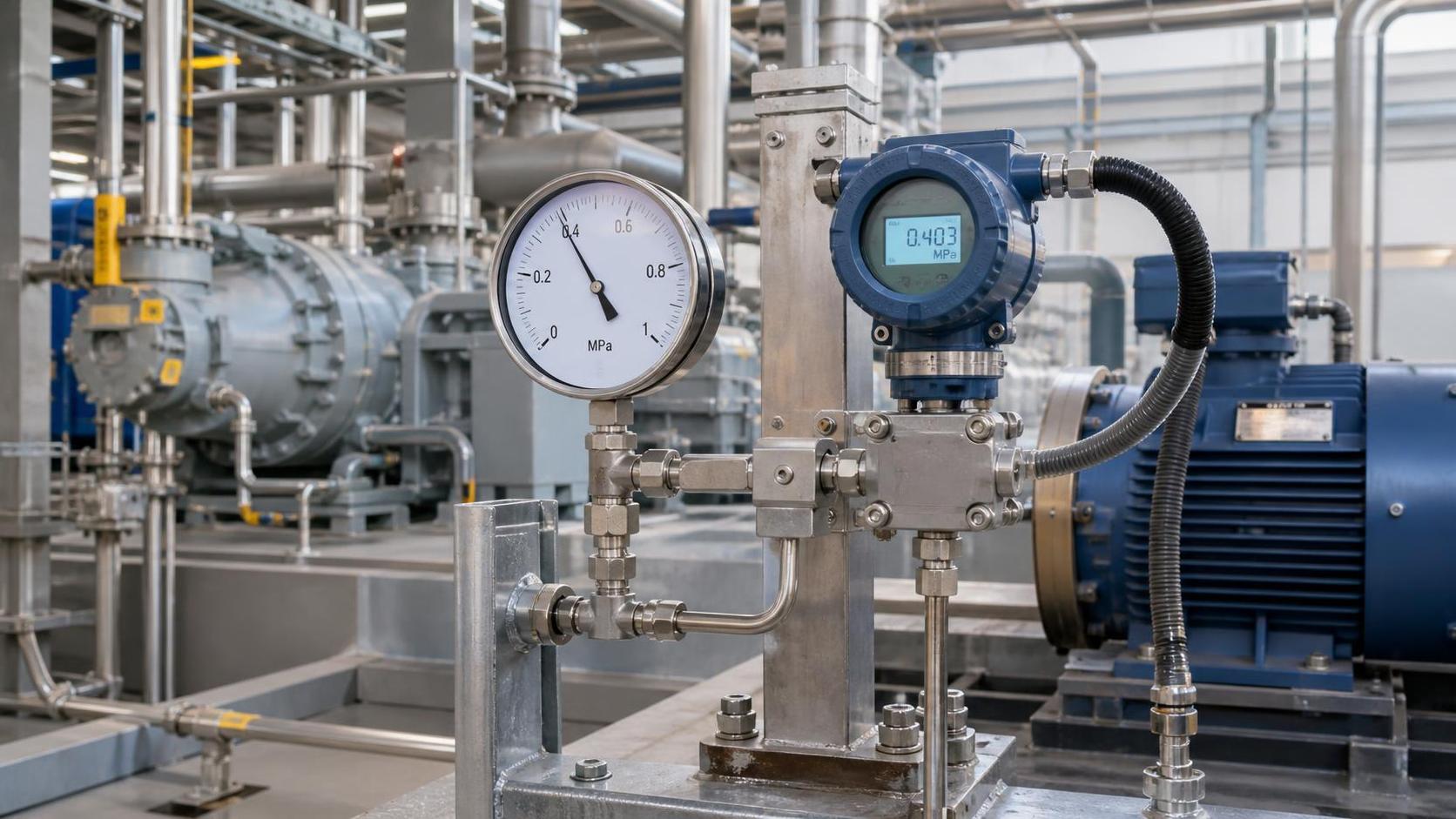
Because instrumentation is not just a monitoring layer. In most industrial environments, it directly influences whether hazards are detected early, whether alarms are trusted, and whether shutdown actions happen when they should. Pressure transmitters, gas detectors, temperature sensors, level switches, analyzers, and interlock signals all contribute to safe operating conditions. When these devices drift, fail silently, or are installed without proper verification, the result is not simply bad data. It can mean missed alarms, false trips, non-compliant records, or uncontrolled exposure to process risk.
For quality control personnel and safety managers, industrial instrumentation for safety compliance matters because it connects three business priorities at once: regulatory conformity, operational continuity, and incident prevention. A plant may have strong procedures on paper, but if the field instruments feeding those procedures are inaccurate or poorly maintained, compliance becomes fragile. Auditors increasingly look beyond certificates and ask whether measurement systems are suitable for the actual process conditions, documented correctly, and reviewed over time.
This is especially relevant in cross-border industrial supply chains where expectations around CE, UL, ISO-aligned documentation, traceability, and testing discipline are rising. In practical terms, safety compliance is no longer about owning the instrument. It is about proving that the instrument performs reliably in the environment where it has been deployed.
What are the most common compliance gaps hidden in industrial instrumentation?
The most common gaps are rarely dramatic at first glance. They are usually small weaknesses that accumulate across engineering, maintenance, and procurement decisions. Over time, those weaknesses create major exposure during inspections, incident investigations, or system failures.
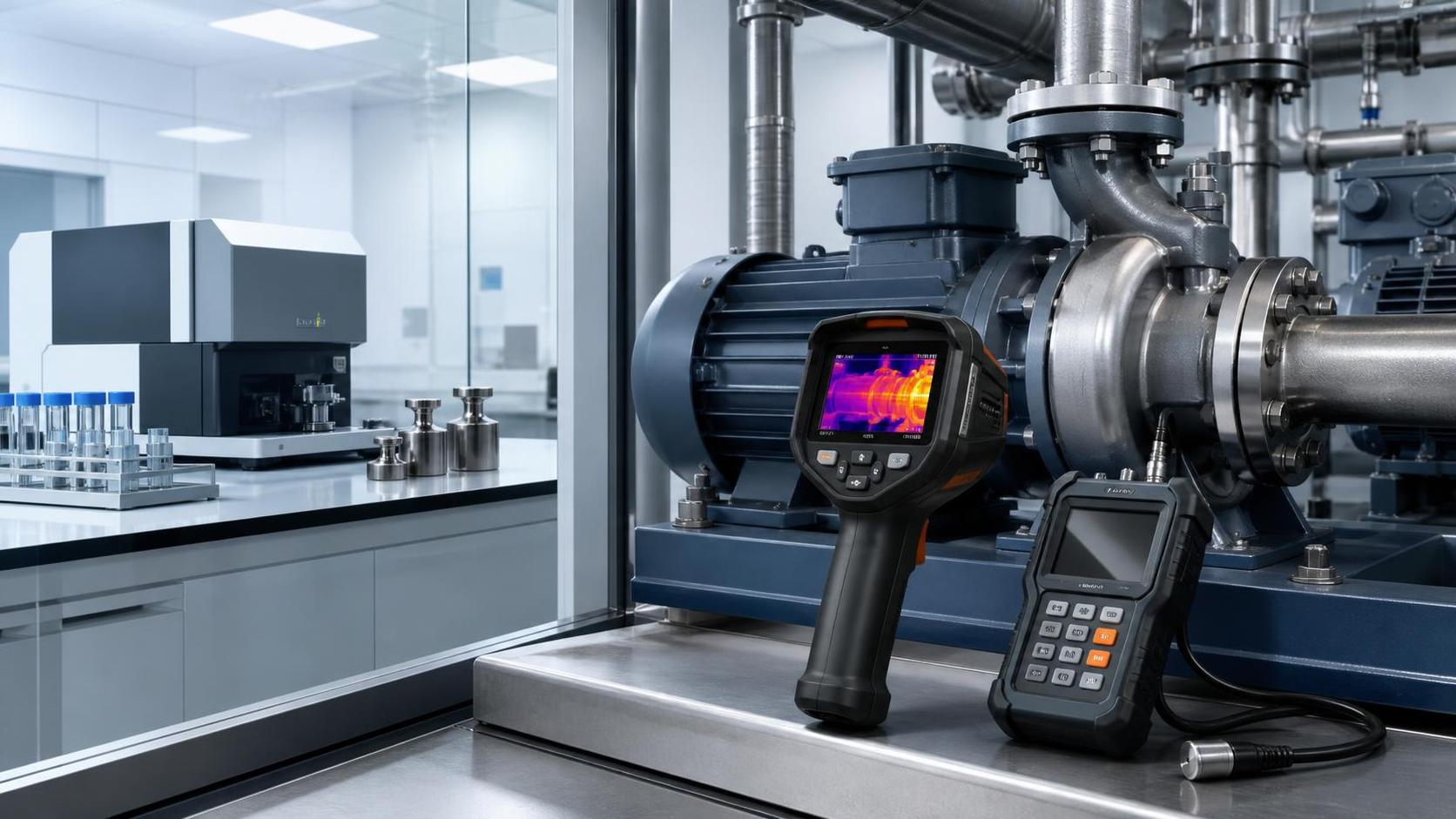
A frequent problem is calibration without context. Many facilities calibrate instruments on a schedule but fail to confirm whether the range, reference standard, acceptance criteria, and actual process conditions are still appropriate. An instrument can be “calibrated” and still be unsuitable for the task if it is exposed to vibration, corrosion, electrical noise, condensation, or temperature extremes beyond design assumptions.
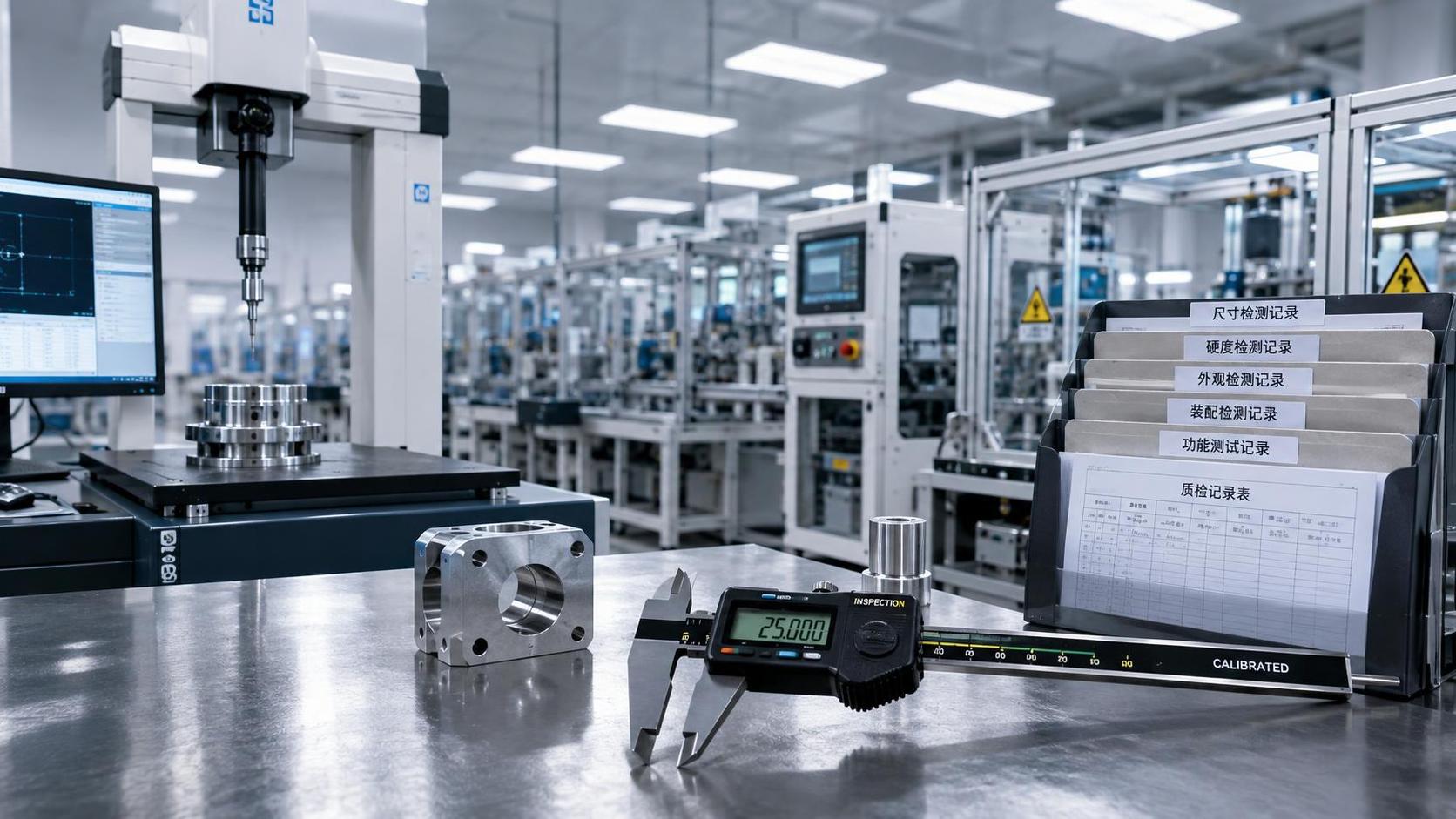
Another common gap is incomplete documentation. Safety managers often discover that certificates are scattered, tag numbers do not match the installed devices, revision control is weak, or maintenance records do not clearly show who performed the work and under which procedure. In a compliance review, missing evidence can be almost as damaging as missing maintenance.
Integration failures are also widespread. A standalone sensor may be technically compliant, but once connected to a PLC, DCS, or safety instrumented system, signal scaling, alarm setpoints, logic mapping, and response timing may no longer reflect the intended safety function. These are not theoretical details. They determine whether a hazard is identified in time.
A final gap involves standards misunderstanding. Some organizations assume that if a device carries a recognizable mark, the entire measurement chain is compliant. In reality, industrial instrumentation for safety compliance depends on the application, installation method, hazardous area classification where relevant, maintenance regime, and proof that the device supports the required risk reduction objective.

Which warning signs should quality control teams and safety managers look for first?
The fastest way to identify weak points is to look for indicators that suggest inconsistency between what the site believes is happening and what the instrumentation evidence can actually support. In audits, these warning signs often appear before any technical failure is formally recorded.
- Calibration intervals are fixed by habit rather than based on criticality, drift history, or manufacturer guidance.
- Instrument tags in drawings, software, and field labels do not fully match.
- Alarm setpoints have changed over time, but change logs are incomplete or missing approvals.
- Replacement parts are sourced on form-fit assumptions without confirming safety rating, enclosure, environmental tolerance, or certification equivalence.
- Critical sensors experience repeat maintenance issues, yet no root-cause review has been conducted.
- Instrument failure data is not linked to risk assessment updates or management-of-change processes.
For safety leaders, these signals matter because they reveal systemic governance issues, not isolated equipment defects. If one pressure transmitter is out of range, the immediate issue may be local. If ten instruments have inconsistent traceability records, the issue is organizational and directly relevant to industrial instrumentation for safety compliance.
How can teams quickly assess whether their current instrumentation setup is truly compliance-ready?
A practical assessment does not need to start with a full redesign. It should begin with a structured review of critical loops, high-consequence assets, and the records that support them. The key is to test whether each instrumented safety-related function can be defended from both an engineering and an audit perspective.
Start with criticality ranking. Separate instruments that influence personnel safety, environmental protection, shutdown logic, confined-space entry conditions, emissions thresholds, or hazardous process containment from those used mainly for operational optimization. This helps teams prioritize effort instead of treating all devices equally.
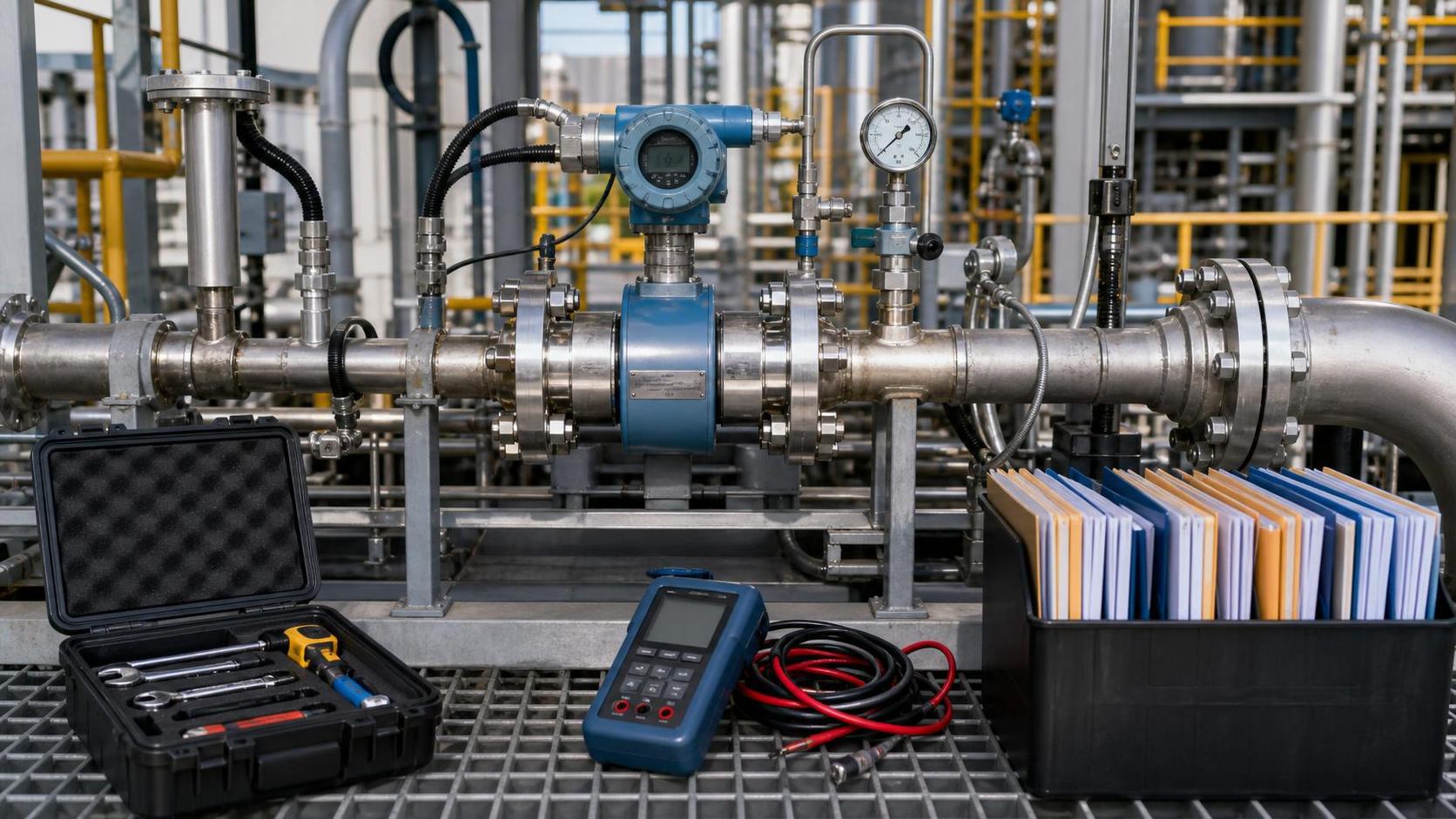
Next, verify the measurement chain end to end. Review sensor selection, wiring integrity, signal conditioning, software scaling, alarm logic, operator display behavior, and maintenance history together. Compliance problems often sit between functions rather than inside a single device.
Then test traceability. Can your team show the last calibration standard used, acceptance tolerances, technician authorization, as-found and as-left data, and the reason for any adjustment? If not, your records may be too weak to support a strong compliance position.
What mistakes are most common when selecting or replacing safety-related instruments?
One major mistake is buying to specification sheet headlines instead of application reality. Teams may focus on nominal accuracy while underestimating process pulsation, washdown conditions, ingress risks, chemical attack, or electromagnetic interference. The result is an instrument that appears suitable during procurement but underperforms in service.
Another mistake is assuming replacement can be based on physical compatibility alone. If a failed instrument is replaced with a look-alike model that has different certification status, diagnostics, warm-up behavior, or environmental limits, industrial instrumentation for safety compliance may be compromised even when the loop restarts normally.
Procurement shortcuts can also create hidden exposure. Low-cost sourcing may reduce initial spend, but if documentation packages, test reports, material traceability, or regional compliance declarations are incomplete, the lifecycle cost increases through rework, audit findings, and higher failure rates. In heavy industry, the cheapest instrument is often the one with the most expensive evidence gap.
A better selection approach combines technical fit, regulatory relevance, installation environment, maintenance capability, and supplier evidence quality. For organizations with international projects, this means checking not only product conformity but also whether local approval expectations, service support, and spare-part continuity are realistic over the full asset life.
How do documentation, calibration, and integration work together in compliance?
They are often treated as separate tasks, but in practice they form one compliance chain. Calibration shows the measurement is verified. Documentation proves that verification happened under controlled conditions. Integration confirms the verified signal still supports the intended safety action inside the broader system.
If any one of these three is weak, the overall control position weakens. For example, a gas detector may have valid calibration records, but if maintenance never confirmed alarm annunciation in the control room or response in the linked ventilation or shutdown logic, the safety claim remains incomplete. Likewise, a perfectly engineered loop can still fail an audit if the evidence trail is fragmented.
For quality control teams, this is where disciplined record architecture matters. Tags, calibration forms, certificates, deviation reports, inspection findings, and management-of-change approvals should connect clearly. For safety managers, periodic functional reviews should confirm that instrument data, alarm philosophy, and risk assumptions are still aligned. Industrial instrumentation for safety compliance is strongest when technical assurance and document assurance support each other continuously.
What should a facility prioritize first if budgets, time, or staff are limited?
The first priority should be consequence-based focus. Do not attempt to normalize every instrument at once. Identify devices tied to life safety, toxic release prevention, fire and gas detection, overpressure protection, critical emissions control, or mandatory regulatory reporting. These deserve immediate attention because their failure has the highest business and human cost.
Second, target known weak documentation zones. If your site has older assets, mixed vendors, or years of ad hoc replacement activity, a document reconciliation exercise can reveal compliance gaps faster than a full hardware campaign. Third, review recurring failures. Repeat drift, nuisance alarms, and unexplained trips are often signs of selection or integration issues that should be corrected at source rather than maintained repeatedly.
Finally, align procurement and engineering review criteria. Many gaps in industrial instrumentation for safety compliance begin before installation, when sourcing decisions are made without enough safety, quality, and lifecycle scrutiny. A short pre-purchase checklist can prevent months of downstream correction.
What are the most useful questions to ask before upgrading, sourcing, or validating a compliance solution?
If your team is preparing for a plant upgrade, vendor review, or compliance improvement program, the conversation should begin with the right questions. Ask which instruments are tied to critical risk scenarios, what standards and certifications are mandatory for the intended market, how calibration traceability will be maintained, and whether the integration test scope includes alarms, shutdown actions, and operator response pathways.
It is also worth asking how replacements will be controlled over time, what documentation package will be delivered with each device, how environmental stress has been considered, and which failure modes have already been observed in comparable installations. These questions move the discussion beyond product selection toward real compliance readiness.
For organizations working with strategic intelligence and sourcing partners such as Global Industrial Core, the most valuable outcome is not simply finding a component. It is building a clearer decision path across standards alignment, evidence quality, performance in harsh conditions, and long-term operational resilience. If you need to confirm a specific solution, parameter range, validation path, project timeline, quotation basis, or supplier collaboration model, start by clarifying critical application conditions, required certifications, record expectations, and the exact safety function each instrument must support.
Technical Specifications
- How to Select an Emissions Monitoring System Analyzer for Compliance ReportingAuthor :Precision Metrology Expert
- How to Select an Access Control Management System for Multi-Site FacilitiesAuthor :Safety Compliance Lead
- Portable Gas Monitor Calibration: How Often Is It Needed for Safe Confined-Space Work?Author :Precision Metrology Expert
Expert Insights

Chief Security Architect
Dr. Thorne specializes in the intersection of structural engineering and digital resilience. He has advised three G7 governments on industrial infrastructure security.
Related Analysis
- Sep 21, 2026How to Select an Emissions Monitoring System Analyzer for Compliance ReportingAuthor :Precision Metrology Expert
- Sep 20, 2026How to Select an Access Control Management System for Multi-Site FacilitiesAuthor :Safety Compliance Lead
- Sep 19, 2026Portable Gas Monitor Calibration: How Often Is It Needed for Safe Confined-Space Work?Author :Precision Metrology Expert
Core Sector // 01
Security & Safety
- How to Select an Emissions Monitoring System Analyzer for Compliance ReportingAuthor :Precision Metrology Expert

- Portable Gas Monitor Calibration: How Often Is It Needed for Safe Confined-Space Work?Author :Precision Metrology Expert

- What to Check When Sourcing Vibration Meters Wholesale for Industrial MaintenanceAuthor :Precision Metrology Expert

- How to Select Process Control Instruments for Accuracy, Safety, and UptimeAuthor :Precision Metrology Expert

- What Should Standards Compliance Analysis Training Cover Before an Audit?Author :Precision Metrology Expert

- Why Do Pressure Instruments Fail in High-Vibration Sites?Author :Precision Metrology Expert

- Is FM Software Integration Needed for Overseas Instrument Maintenance?Author :Precision Metrology Expert

- What Are the Differences Between Lab and Field Testing Equipment?Author :Precision Metrology Expert