Electrical infrastructure metrology equipment requirements explained
Author
Date Published
Reading Time

Understanding electrical infrastructure metrology equipment requirements is essential for technical evaluation, compliance control, and long-term asset reliability across modern industrial environments. In substations, switch rooms, renewable integration sites, manufacturing utilities, and critical facilities, measurement quality directly influences commissioning accuracy, fault diagnosis, energy accountability, and safety verification. From calibration traceability and insulation test precision to environmental durability and digital interoperability, the right metrology configuration reduces project uncertainty and supports stable operating performance over the full equipment lifecycle.
Core Definition of Electrical Infrastructure Metrology Equipment Requirements

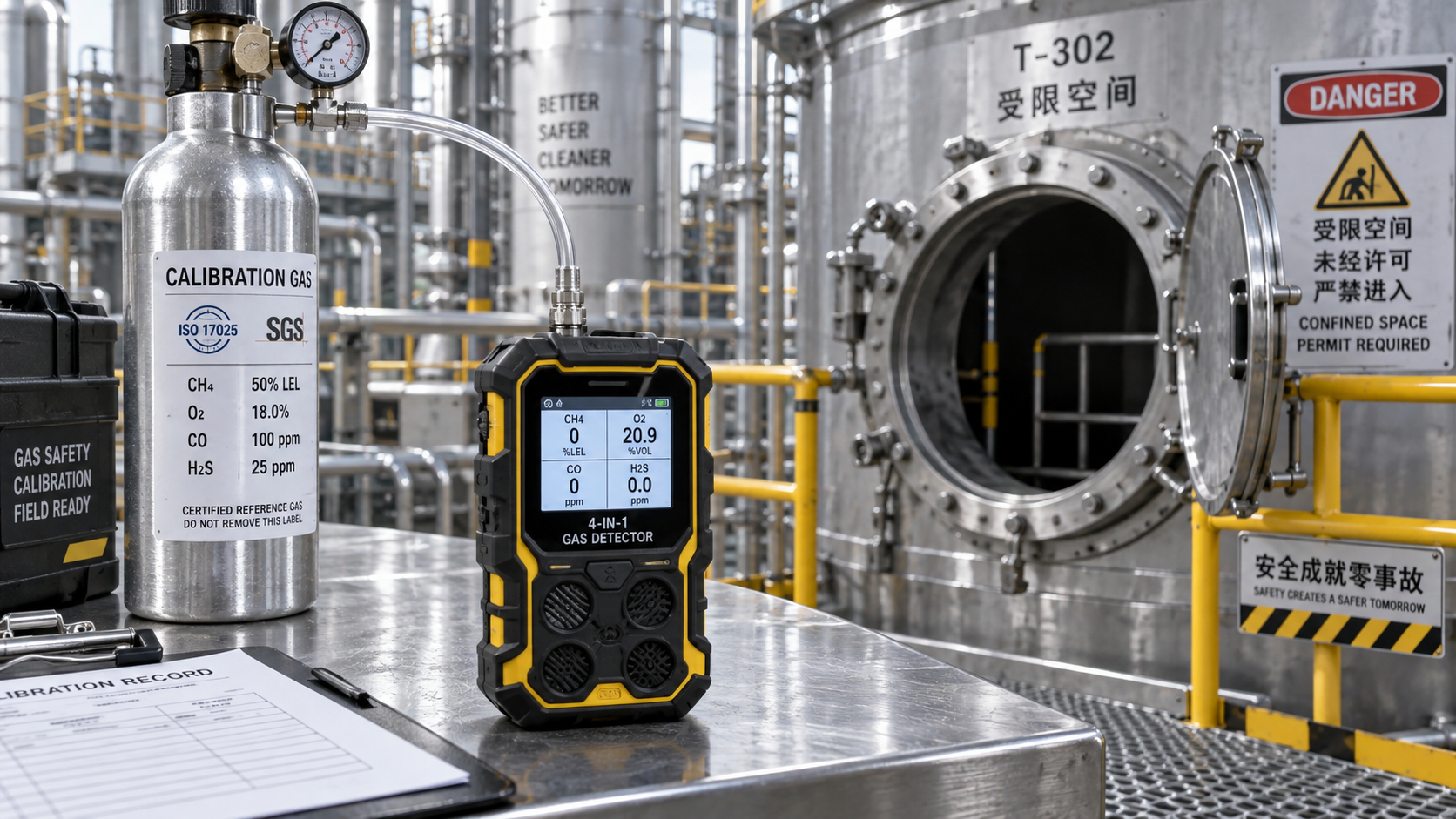
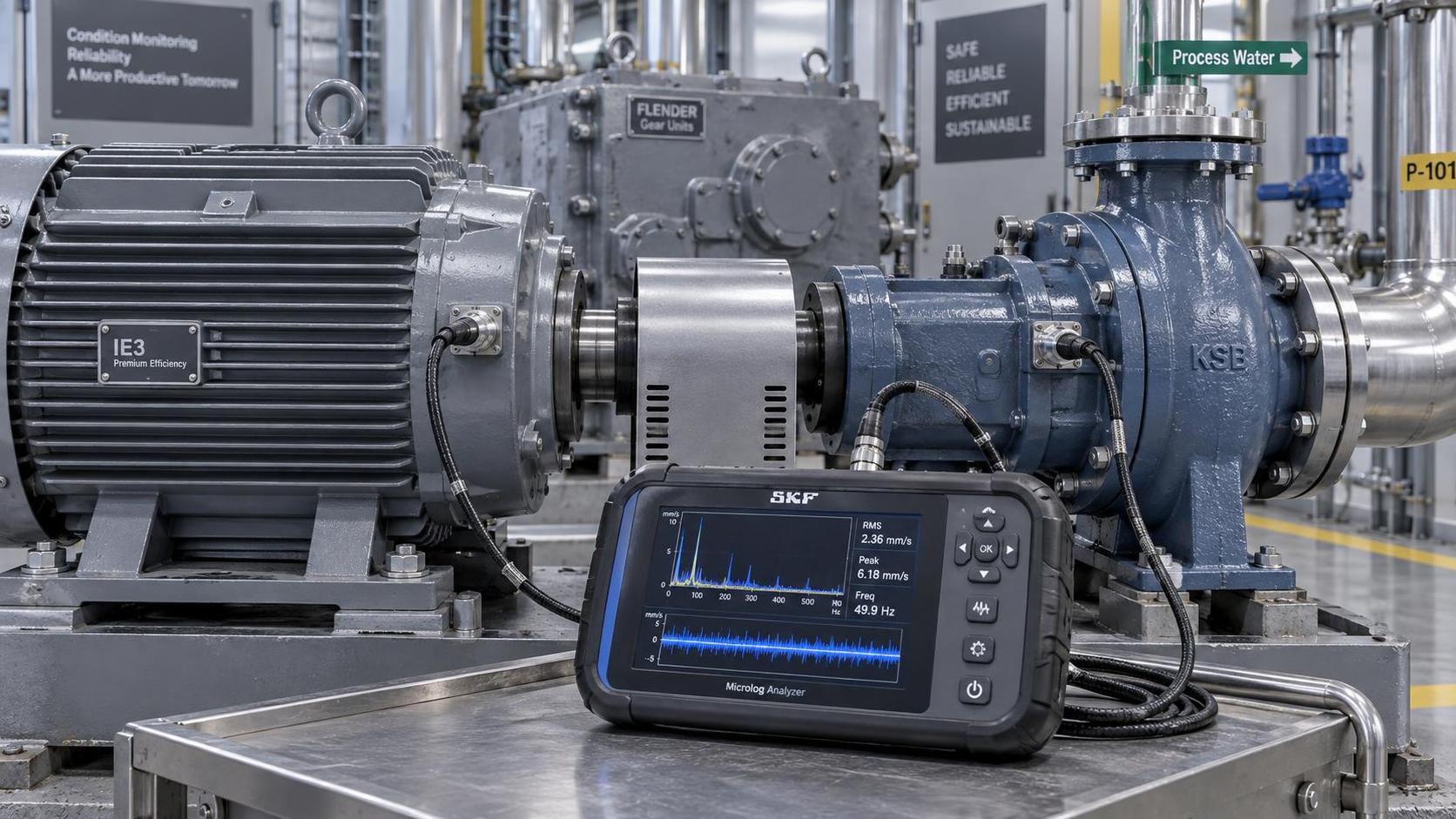
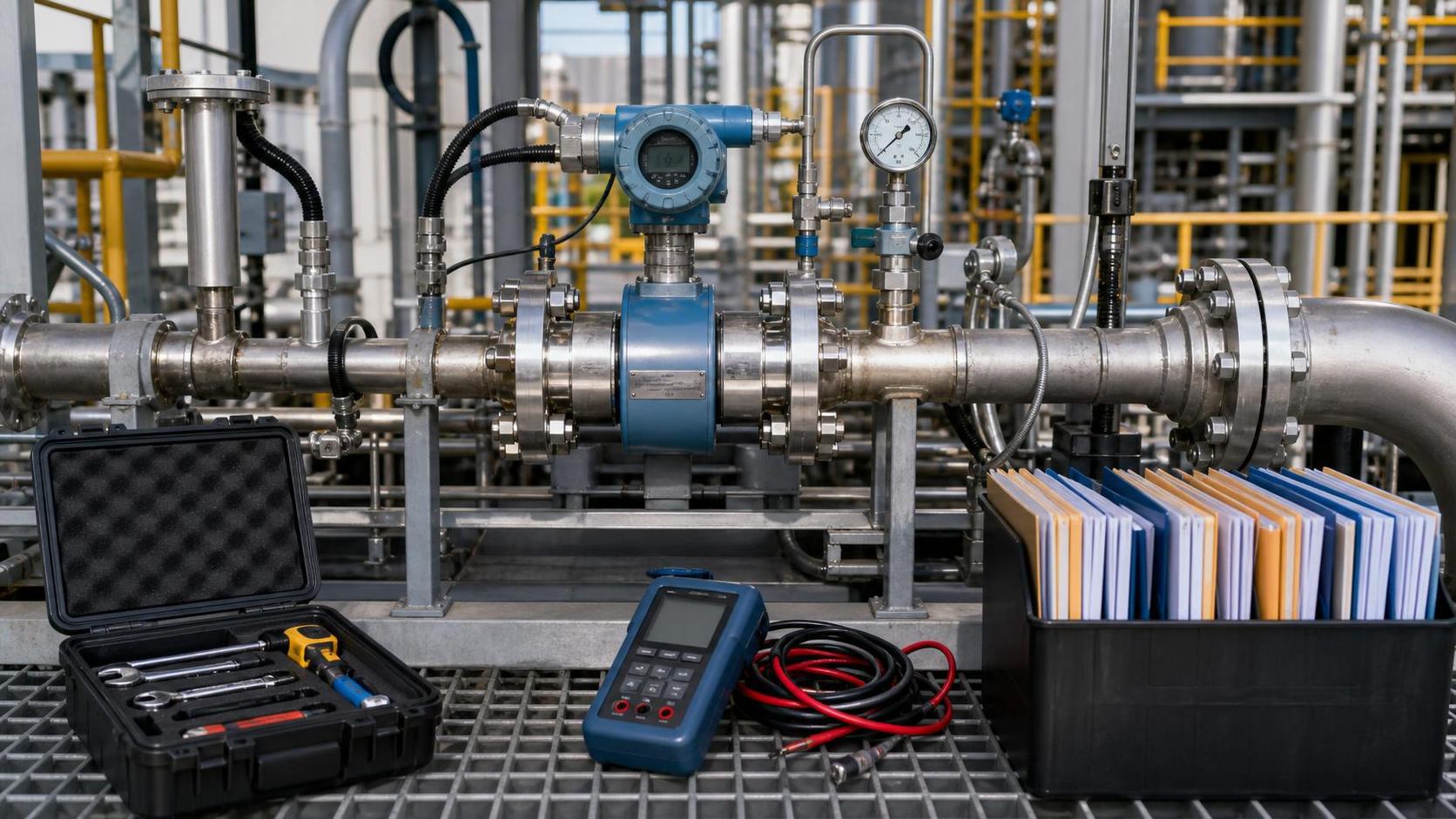
Electrical infrastructure metrology equipment requirements refer to the technical, regulatory, and operational conditions that measurement instruments must meet when used to inspect, calibrate, verify, and maintain electrical systems. These requirements apply to tools such as power quality analyzers, digital multimeters, insulation resistance testers, earth resistance meters, current transformers test sets, relay test systems, energy meters, temperature sensors, and calibration references.
In practical terms, the phrase covers more than measurement range alone. It includes accuracy class, repeatability, uncertainty budget, overload protection, electromagnetic compatibility, ingress protection, data logging capability, communication protocols, and conformity with standards such as IEC, ISO, CE, UL, and traceable calibration frameworks. For infrastructure projects, these requirements must align with the voltage class, fault levels, network topology, environmental stress, and the criticality of the monitored asset.
A useful way to view electrical infrastructure metrology equipment requirements is as a chain of assurance. If the instrument is incorrectly specified, the measured value may be technically precise yet operationally irrelevant, or compliant on paper but unsafe in field conditions. That is why infrastructure metrology is closely tied to asset integrity, commissioning acceptance, and regulatory defensibility.
Industry Context and Current Evaluation Priorities
Across the broader industrial sector, several shifts are increasing attention on electrical infrastructure metrology equipment requirements. Grid modernization, distributed energy resources, electrified process loads, and stricter audit trails are raising the standard for measurement performance. At the same time, projects are expected to operate in harsher environments with shorter commissioning windows and tighter documentation requirements.
The following signals explain why metrology specification has become a strategic issue rather than a routine purchasing decision:
These conditions make electrical infrastructure metrology equipment requirements especially relevant in integrated industrial ecosystems where electrical reliability supports safety systems, environmental controls, production continuity, and facility resilience.
Technical Requirements That Matter Most
When comparing instruments, the most important criteria are usually those that determine whether a reading can be trusted in the specific field environment. Accuracy remains central, but it should be interpreted together with resolution, stability, repeatability, and total uncertainty. A highly accurate device on paper may still be unsuitable if it drifts under temperature variation or cannot maintain performance under electromagnetic interference.
Measurement integrity
- Defined accuracy class across the actual operating range
- Traceable calibration to recognized national or international standards
- Known uncertainty budget for critical acceptance tests
- Stable readings under varying load, frequency, and ambient conditions
Safety and field suitability
- Appropriate CAT rating and insulation design for the installation category
- Protection against arc-related exposure, overvoltage, and reverse polarity
- Ingress protection suitable for dust, moisture, or outdoor use
- Mechanical durability for transport, vibration, and repeated site deployment
Data and integration capability
- Structured data logging with timestamps and event capture
- Support for USB, Ethernet, Modbus, IEC-oriented interfaces, or secure cloud export where permitted
- Compatibility with asset management and reporting workflows
- Firmware support, cybersecurity maintenance, and version control records
A robust review of electrical infrastructure metrology equipment requirements should therefore move beyond a product datasheet and include use-case validation, site exposure, calibration intervals, and reporting obligations.
Operational Value Across Industrial Infrastructure
Well-specified metrology equipment creates value long before a fault occurs. During design verification and commissioning, it confirms whether installed assets behave as intended. During routine operations, it provides repeatable evidence for trend analysis, predictive maintenance, and energy optimization. During incidents, it supports defensible root-cause analysis and faster restoration.
The business significance of meeting electrical infrastructure metrology equipment requirements typically includes:
- Lower risk of false acceptance during commissioning and handover
- Reduced downtime caused by misdiagnosis or incomplete field data
- Improved safety assurance for energized and high-risk measurement tasks
- More credible audit documentation for compliance reviews and insurance scrutiny
- Better lifecycle visibility for transformers, cables, switchgear, motors, UPS systems, and grounding networks
In large infrastructure portfolios, even small measurement errors can distort maintenance priorities or conceal progressive degradation. That is why electrical infrastructure metrology equipment requirements should be linked to asset criticality and not treated as a generic tooling checklist.
Typical Equipment Categories and Use Scenarios
Different asset classes require different metrology approaches. The table below summarizes representative equipment types and the main requirement focus in electrical infrastructure environments.
This classification helps narrow electrical infrastructure metrology equipment requirements by task, reducing the risk of over-specifying simple tests or under-specifying high-consequence measurements.
Practical Selection and Compliance Considerations
A practical selection process starts with the asset and the decision the measurement must support. If the result will determine energization approval, warranty acceptance, or regulatory reporting, the metrology chain should be defined with stricter controls than for routine troubleshooting. The following checkpoints improve specification quality:
- Match instrument category to system voltage, fault exposure, and installation environment.
- Verify calibration traceability, certificate format, and recalibration interval before deployment.
- Check whether the instrument maintains stated performance across site temperature, humidity, and electromagnetic conditions.
- Confirm that exported data is usable for commissioning dossiers, maintenance records, and compliance files.
- Review accessory quality, including probes, clamps, leads, cases, and insulation components.
- Assess service support, firmware update policy, and replacement availability over the expected asset lifecycle.
One frequent mistake is evaluating instruments only by nominal accuracy while ignoring usability in real field conditions. Another is neglecting documentation readiness. In many projects, the true pass or fail point for electrical infrastructure metrology equipment requirements is whether test evidence can withstand technical review months or years later.
Next-Step Framework for Infrastructure Assessment
A structured approach can simplify implementation. First, map critical electrical assets and identify which measurements influence safety, energization, performance, and compliance. Second, define minimum electrical infrastructure metrology equipment requirements for each measurement family, including accuracy, CAT rating, environmental tolerance, and calibration traceability. Third, align reporting formats with the project documentation system so data captured in the field can move directly into acceptance records and maintenance history.
For organizations expanding across regions or standards regimes, it is also useful to build a harmonized metrology baseline that references major international requirements while allowing for site-specific voltage classes and environmental conditions. This creates consistency across projects and improves comparability of test outcomes over time.
In the end, electrical infrastructure metrology equipment requirements are not a narrow technical detail. They are part of the control framework that protects infrastructure quality, supports safe energization, and preserves long-term trust in measured performance. A disciplined review of instrument capability, certification status, calibration traceability, and digital readiness provides a strong foundation for more resilient electrical systems and better-informed infrastructure decisions.
Technical Specifications
- How to Select an Emissions Monitoring System Analyzer for Compliance ReportingAuthor :Precision Metrology Expert
- How to Select an Access Control Management System for Multi-Site FacilitiesAuthor :Safety Compliance Lead
- Portable Gas Monitor Calibration: How Often Is It Needed for Safe Confined-Space Work?Author :Precision Metrology Expert
Expert Insights

Chief Security Architect
Dr. Thorne specializes in the intersection of structural engineering and digital resilience. He has advised three G7 governments on industrial infrastructure security.
Related Analysis
- Sep 21, 2026How to Select an Emissions Monitoring System Analyzer for Compliance ReportingAuthor :Precision Metrology Expert
- Sep 20, 2026How to Select an Access Control Management System for Multi-Site FacilitiesAuthor :Safety Compliance Lead
- Sep 19, 2026Portable Gas Monitor Calibration: How Often Is It Needed for Safe Confined-Space Work?Author :Precision Metrology Expert
Core Sector // 01
Security & Safety
- How to Select an Emissions Monitoring System Analyzer for Compliance ReportingAuthor :Precision Metrology Expert

- Portable Gas Monitor Calibration: How Often Is It Needed for Safe Confined-Space Work?Author :Precision Metrology Expert

- What to Check When Sourcing Vibration Meters Wholesale for Industrial MaintenanceAuthor :Precision Metrology Expert

- How to Select Process Control Instruments for Accuracy, Safety, and UptimeAuthor :Precision Metrology Expert

- What Should Standards Compliance Analysis Training Cover Before an Audit?Author :Precision Metrology Expert

- Why Do Pressure Instruments Fail in High-Vibration Sites?Author :Precision Metrology Expert

- Is FM Software Integration Needed for Overseas Instrument Maintenance?Author :Precision Metrology Expert

- What Are the Differences Between Lab and Field Testing Equipment?Author :Precision Metrology Expert