Industrial measurement techniques that support safety compliance
Author
Date Published
Reading Time
For quality control and safety leaders, industrial measurement techniques for safety compliance are more than technical procedures—they are the basis of reliable operations, regulatory readiness, and risk prevention. From verifying process stability to documenting critical tolerances, the right measurement methods help industrial teams detect issues early, protect workers, and maintain consistent compliance in demanding environments.
In heavy industry, utilities, process plants, fabrication shops, and infrastructure projects, measurement is not only about product quality. It is directly tied to worker exposure, equipment integrity, shutdown prevention, and audit readiness. Whether a team is validating pressure relief settings, confirming electrical insulation values, tracking airborne contaminants, or documenting dimensional tolerances to within ±0.02 mm, the accuracy and repeatability of industrial measurement techniques for safety compliance determine how confidently an operation can pass inspections and prevent incidents.
For procurement directors, facility managers, and compliance teams, the challenge is practical: which techniques matter most, where should they be deployed, how often should they be verified, and what evidence is acceptable during internal reviews or third-party audits? The answer usually lies in building a measurement framework that connects instrumentation, calibration, documentation, and corrective action into one disciplined safety system.
Why measurement discipline is central to safety compliance
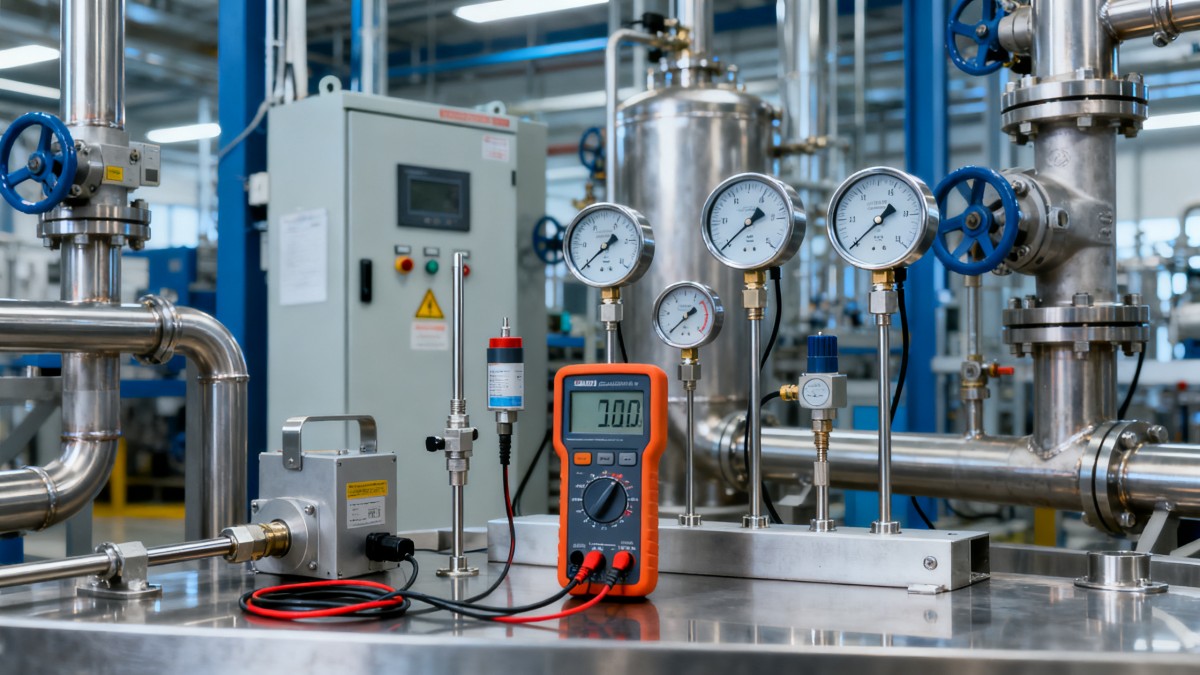
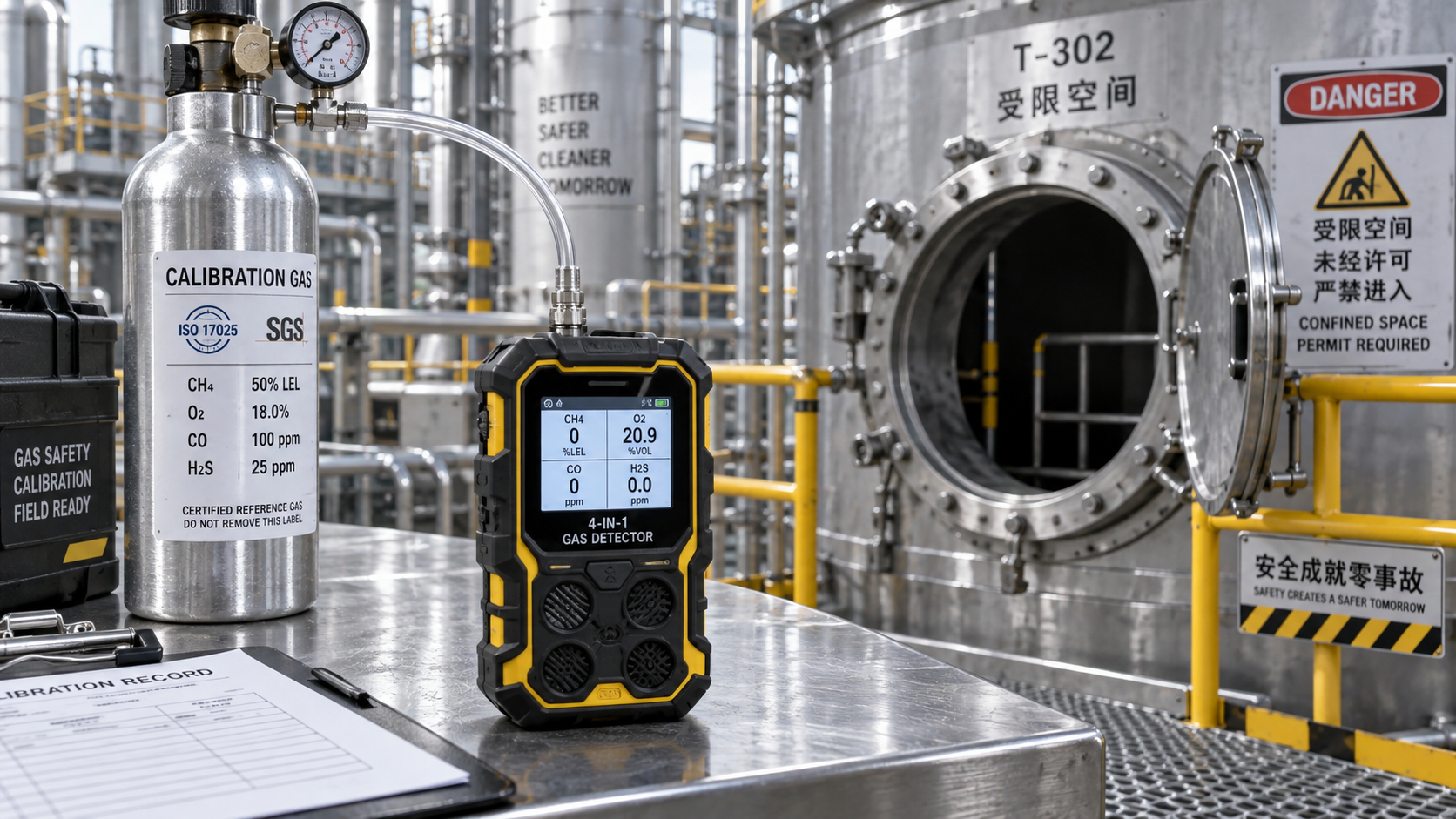
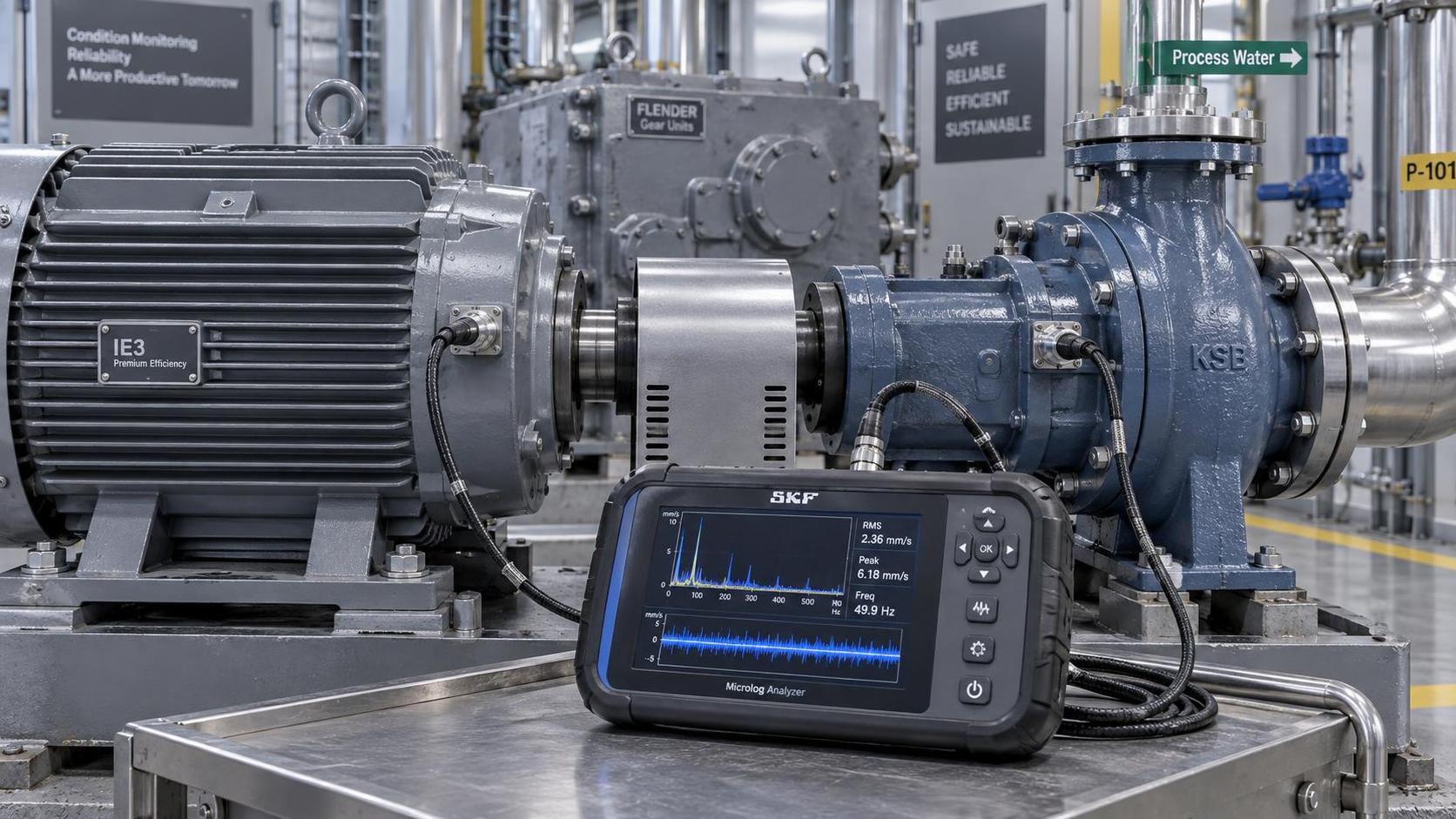
Industrial environments depend on measurable control limits. A pressure vessel is either operating within a defined range, such as 6 bar to 10 bar, or it is not. A rotating shaft either stays within vibration thresholds, often monitored in mm/s, or it signals a maintenance risk. A confined space atmosphere either stays below exposure limits and above safe oxygen levels, typically around 19.5% to 23.5%, or entry must stop. These are not abstract numbers; they are the operating boundaries that separate acceptable risk from immediate danger.
This is why industrial measurement techniques for safety compliance must be selected according to both hazard profile and regulatory expectation. In most facilities, 4 measurement domains carry the greatest compliance weight: dimensional verification, process parameter monitoring, electrical testing, and environmental or occupational safety measurement. When one of these domains is weak, the problem usually appears first as inconsistent records, delayed corrective action, or unexplained equipment behavior.
The link between metrology and incident prevention
A common mistake is to treat measurement only as a quality department task. In reality, many incidents begin with a measurement gap. A misread temperature sensor can allow thermal runaway. An unverified torque value can weaken structural joints. A drifted gas detector can create a false sense of safety. Even a small deviation—such as a 2% to 3% drift in a flow transmitter—can compromise interlocks, product stability, or environmental discharge control.
For safety managers, the practical objective is traceability. Every critical reading should answer five questions: what was measured, by which method, with which instrument, against what tolerance, and at what interval. If any one of these elements is missing, the record may have limited value during root-cause analysis or compliance review.
Where compliance teams see the highest measurement exposure
The table below outlines common risk areas where industrial measurement techniques for safety compliance have the strongest operational impact.
The key takeaway is that measurement supports compliance in two ways at once: it verifies safe operating conditions in real time, and it produces defensible records for inspections, customer audits, and contractor oversight. For B2B industrial operators, both functions matter equally.
Core industrial measurement techniques for safety compliance
Not every facility needs the same toolset, but most robust programs rely on a layered combination of direct measurement, continuous monitoring, and scheduled verification. The most effective industrial measurement techniques for safety compliance are those matched to the severity of the hazard, the speed of process change, and the consequence of failure.
Dimensional and geometric verification
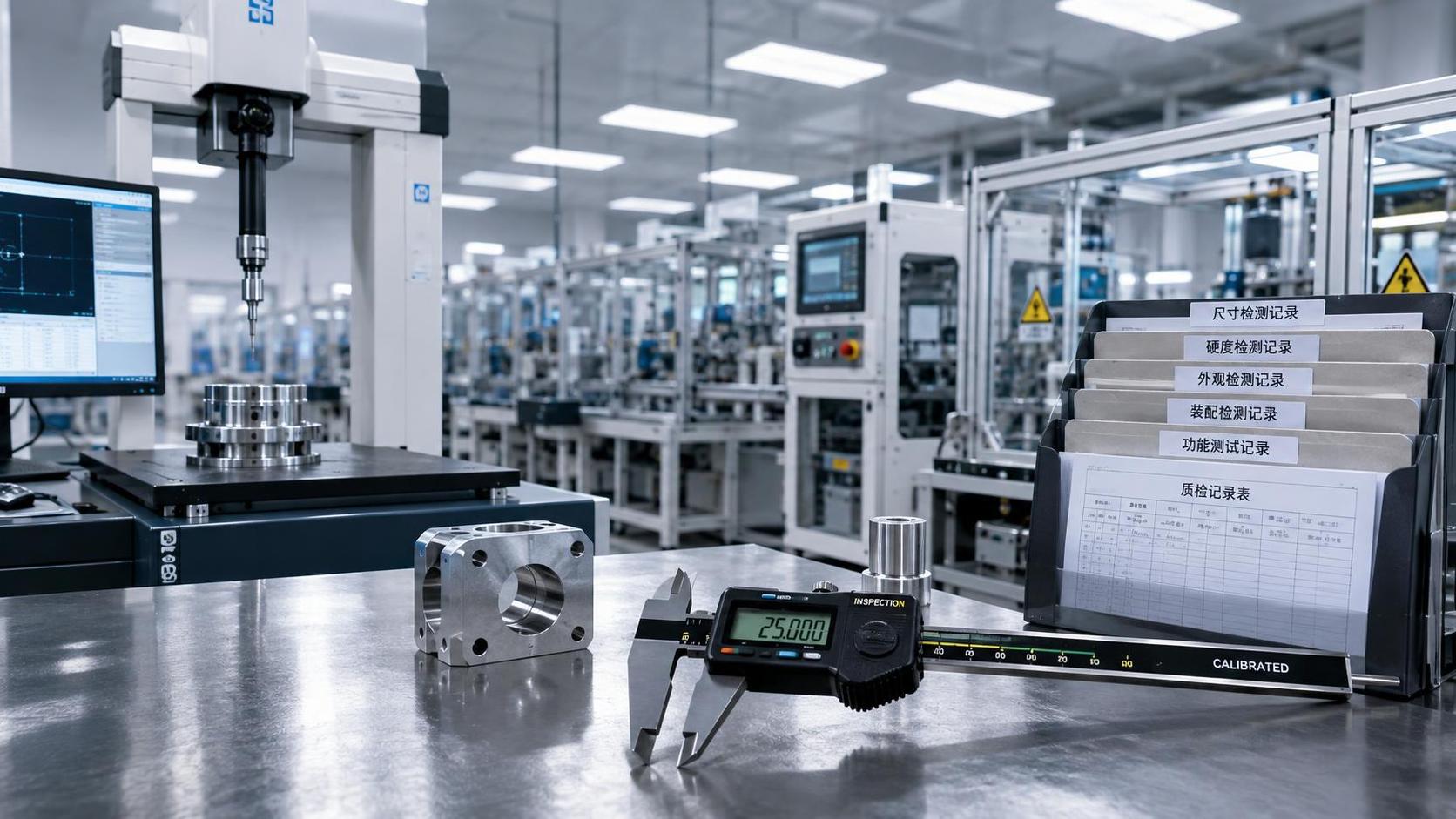
Dimensional inspection is essential where fit, alignment, or wall loss affects safe performance. Common methods include calipers, micrometers, bore gauges, dial indicators, laser alignment tools, and coordinate-based inspection systems. In fabrication and maintenance, tolerance bands may range from ±0.5 mm for general assemblies to ±0.01 mm or tighter for precision-machined safety components.
Quality teams should pay particular attention to flange flatness, bolt pattern alignment, shaft concentricity, and weld-related distortion. In sectors handling pressure, heat, or corrosive media, thickness loss measurements taken every 6 months or 12 months can be more valuable for safety trending than one-time acceptance checks.
Typical use cases
- Verifying guard clearances and machine installation dimensions before startup
- Checking pipe wall thickness in erosive or corrosive service lines
- Confirming alignment after motor, pump, or gearbox replacement
- Recording deformation on load-bearing frames or support structures
Process instrumentation and control measurement
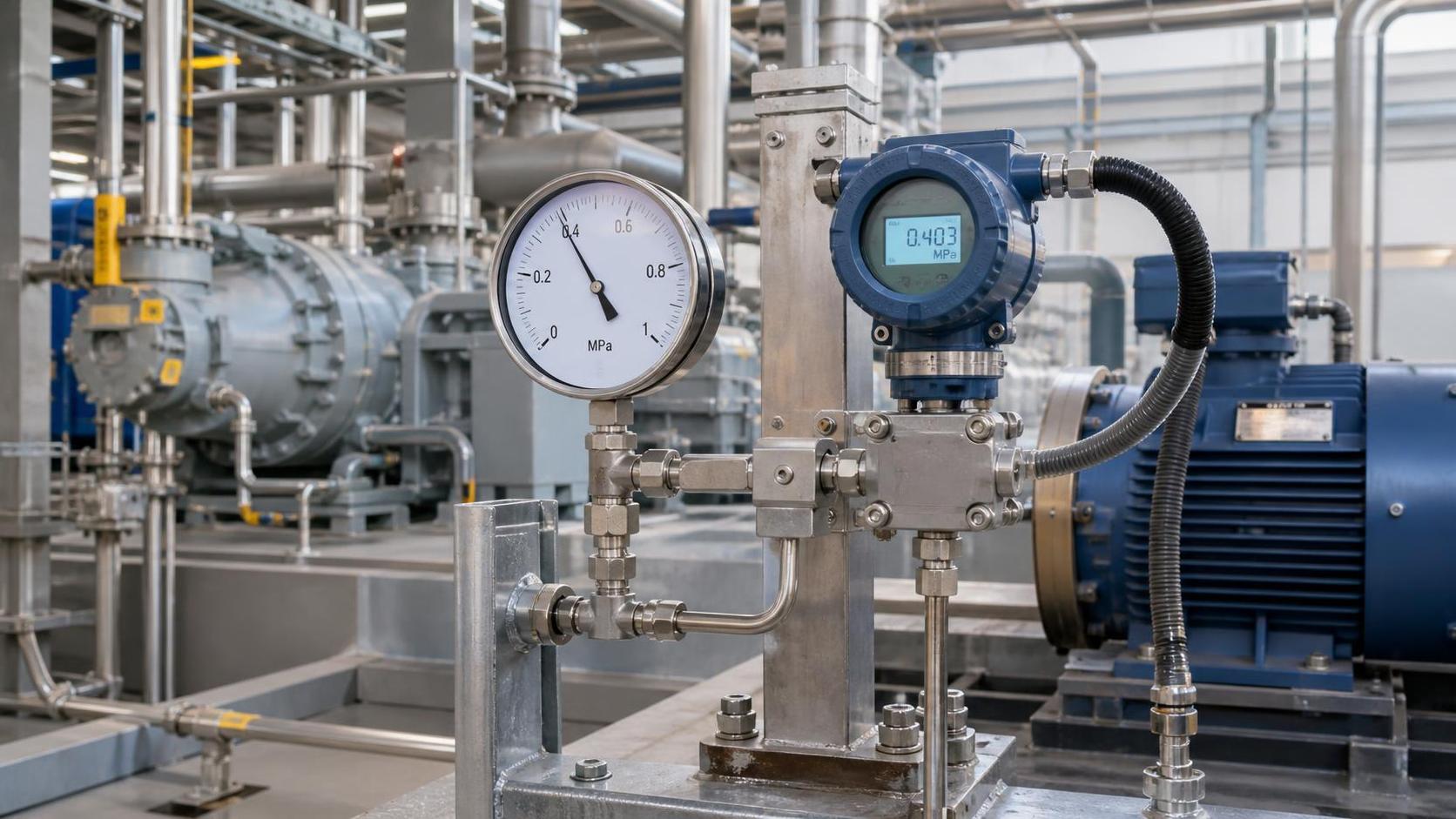
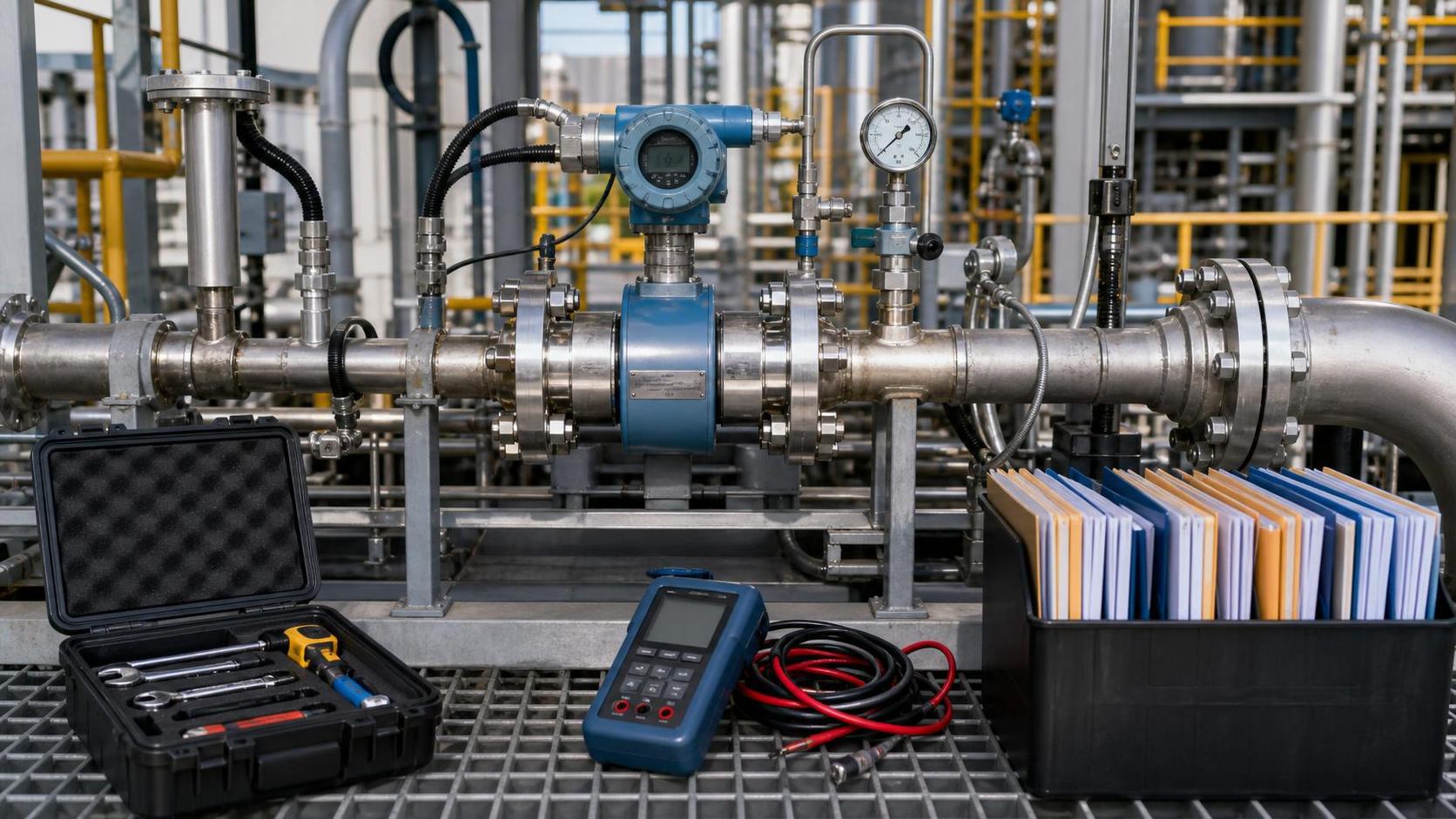
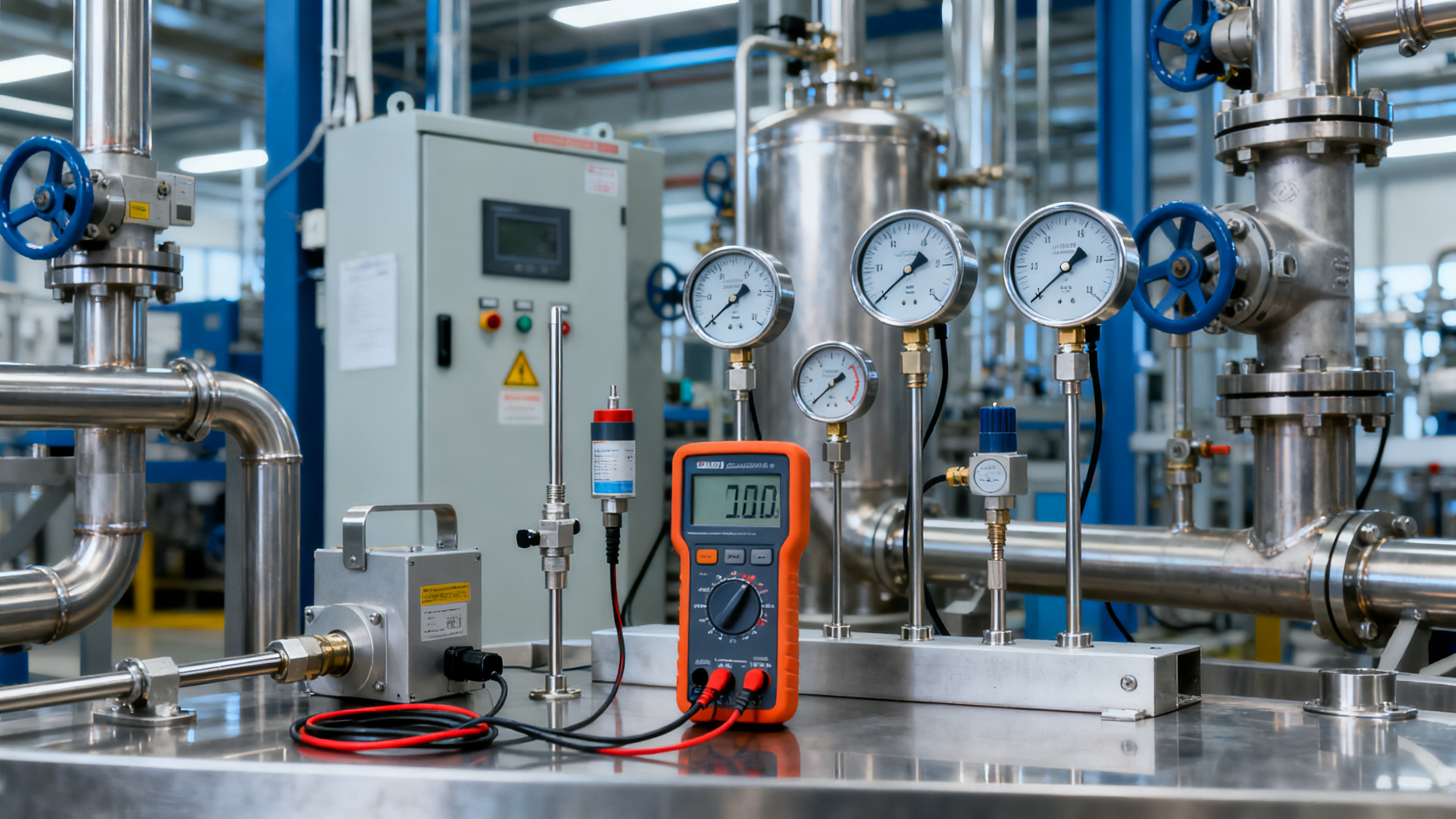
Pressure gauges, transmitters, thermocouples, RTDs, flowmeters, and level sensors form the backbone of safe process control. These instruments help maintain operating windows, trigger alarms, and support shutdown logic. In many industrial settings, calibration intervals fall within 3 months, 6 months, or 12 months depending on service criticality and drift history.
The strongest practice is to classify instruments by safety consequence. A non-critical utility temperature gauge may tolerate wider intervals, while a pressure transmitter tied to a protective interlock requires tighter verification, documented as-found and as-left values, and immediate escalation if drift exceeds the acceptable tolerance, such as ±0.25% or ±0.5% of span.
Electrical testing and energy isolation verification
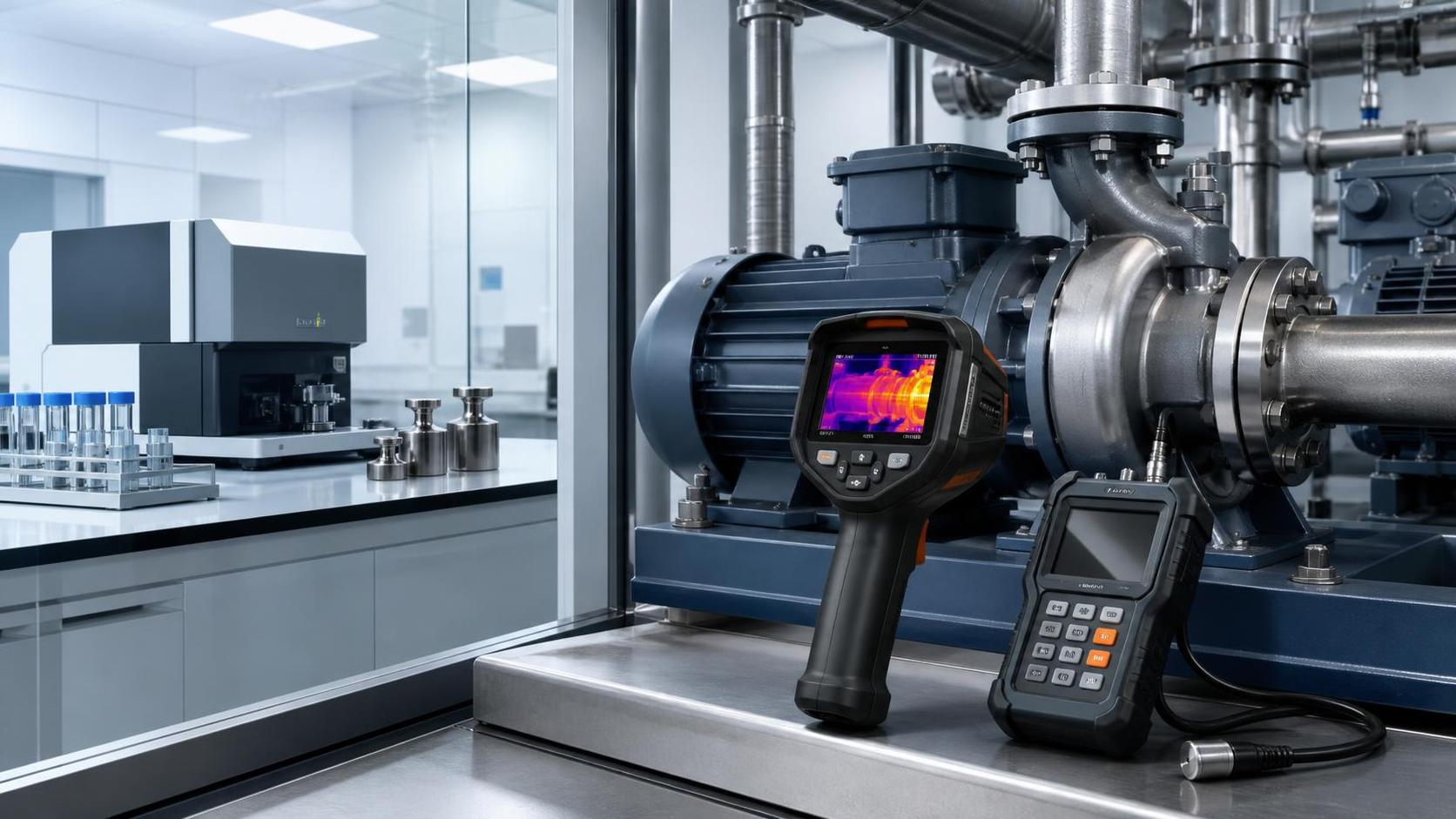
Electrical safety depends on accurate measurement before, during, and after maintenance. Typical tests include insulation resistance, earth continuity, loop impedance, phase rotation, and thermal scanning of energized panels. For lockout-tagout verification, teams often use a three-step method: test the meter on a known source, test the target circuit, then re-test the meter on the known source again.
These techniques reduce the risk of false-zero assumptions and incomplete isolation. In large facilities with 400 V, 11 kV, or higher distribution systems, routine measurement is also crucial for identifying hot spots, imbalance, and degraded connections before they develop into arc-flash or fire events.
Environmental and occupational exposure measurement
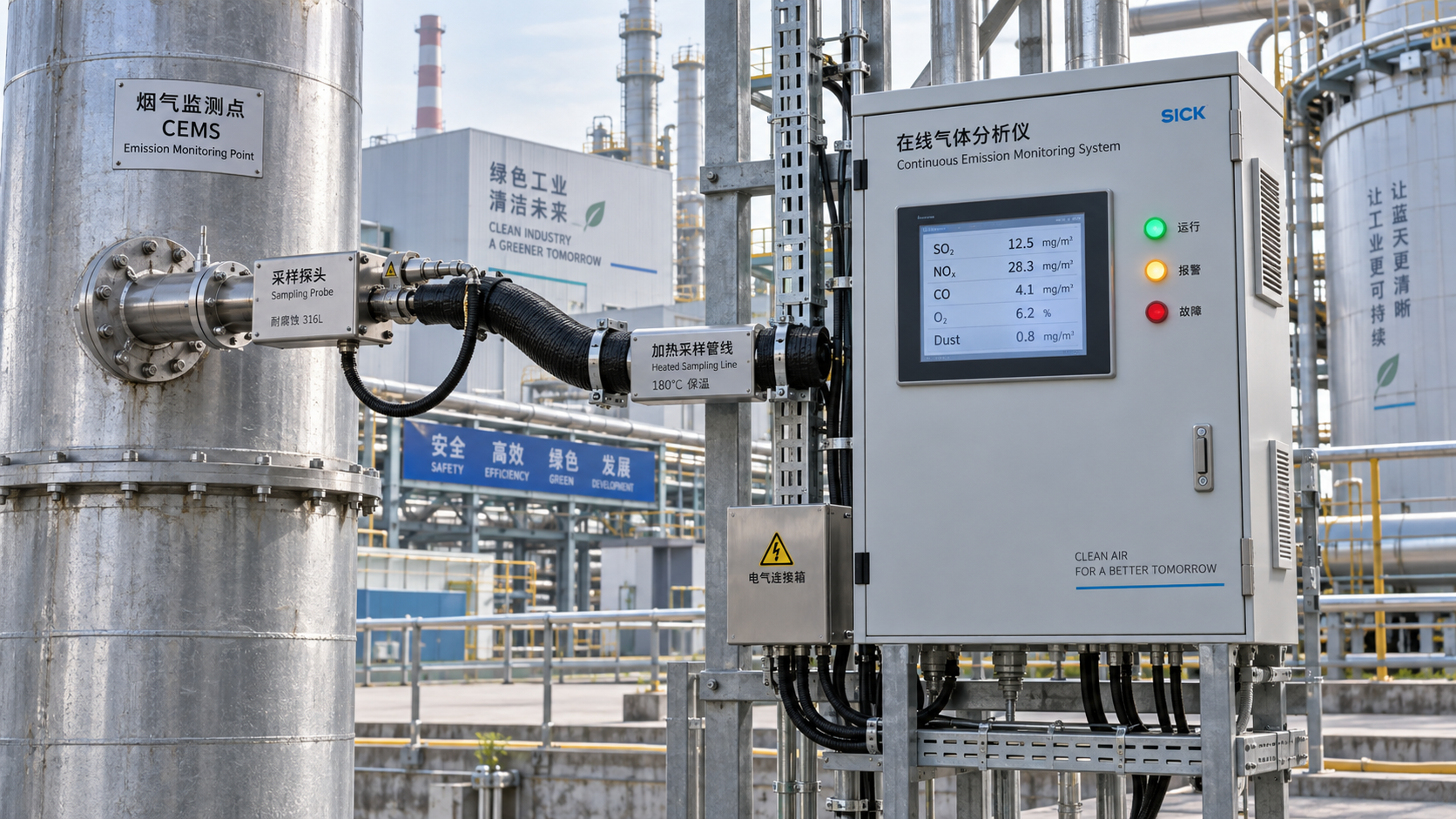
Safety compliance is not limited to machinery. Teams must also measure air quality, noise, dust, heat stress, and lighting in work areas. Portable multi-gas detectors, sound level meters, particulate monitors, and thermal stress instruments are often deployed in confined spaces, welding zones, grinding areas, and enclosed process units.
A useful rule is to set different frequencies for different risks: pre-entry atmospheric testing before every confined space permit, spot noise checks quarterly, and full area exposure reviews annually or after major process changes. This approach keeps monitoring proportional to hazard level while controlling inspection workload.
How to select the right techniques, instruments, and verification plan
Selection should never start with the device catalog alone. It should start with the safety function. A compliance-focused buyer needs to evaluate at least 5 decision factors: required accuracy, environmental conditions, calibration traceability, data recording method, and maintenance support. A low-cost instrument that cannot hold calibration over a 6-month interval may increase total risk and total ownership cost, even if the purchase price looks attractive.
A practical procurement framework
The following comparison can help quality and safety teams align technical selection with operational reality.
In most B2B industrial settings, a balanced specification outperforms an over-engineered one. The right instrument is the one that stays stable under real plant conditions, can be checked quickly by technicians, and generates records that procurement, operations, and compliance teams all trust.
Recommended implementation steps
- Identify critical control points and rank them by consequence of failure.
- Define the measurable parameter, acceptable tolerance, and response threshold for each point.
- Select instruments with suitable range, resolution, and service durability.
- Set calibration and verification intervals, typically 3, 6, or 12 months.
- Standardize records for as-found condition, corrective action, and re-verification.
- Review trends every quarter to detect drift, repeat failures, or weak controls.
This 6-step approach helps prevent a common compliance gap: collecting readings without linking them to action criteria. A measurement system becomes valuable only when deviations trigger decisions, whether that means stopping a line, replacing a sensor, revising a maintenance interval, or escalating to engineering review.
Common mistakes, documentation gaps, and continuous improvement
Even mature facilities can lose control of safety performance through small documentation failures. The most frequent issues include expired calibration labels, inconsistent units, missing environmental conditions during testing, undocumented instrument serial numbers, and acceptance criteria that exist in practice but not in written procedure. These gaps may seem minor on a normal day, but during an audit or incident investigation they can undermine confidence in the entire system.
High-risk errors to eliminate first
- Using one instrument for a parameter range outside its rated accuracy band
- Assuming factory settings remain valid after 12 to 24 months of harsh field use
- Recording pass or fail without capturing the actual measured value
- Skipping post-maintenance verification after replacement or adjustment
- Keeping safety-critical data in isolated spreadsheets with no revision control
A stronger practice is to standardize a minimum record set for every critical measurement. That usually includes date, asset tag, instrument ID, method, operator, actual value, acceptance limit, status, and follow-up action. With this structure, trend analysis becomes much more useful. A site can quickly see whether a transmitter drifts every 4 months, whether one area produces repeated insulation failures, or whether vibration readings rise after specific maintenance interventions.
Building a compliance-focused review cycle
For many organizations, a quarterly review cycle is sufficient for routine assets, while high-consequence systems may need monthly review. The review should cover 3 categories: overdue calibration, recurring deviations, and measurement points that no longer match the current process design. This is especially important after capacity changes, line rerouting, new equipment installation, or changes in operating temperature, pressure, or throughput.
Industrial measurement techniques for safety compliance work best when they are treated as a living control framework, not a static checklist. As facilities expand, add automation, or pursue stricter customer approval, the measurement program must evolve at the same pace.
For quality control professionals and safety managers, the real value of measurement lies in turning plant conditions into reliable evidence and timely action. A disciplined mix of dimensional inspection, process monitoring, electrical testing, and workplace exposure measurement helps protect personnel, support maintenance decisions, and strengthen compliance performance across the asset lifecycle.
Global Industrial Core supports industrial buyers and decision-makers with practical guidance on instruments, verification strategy, compliance risk, and sourcing priorities across foundational engineering systems. If you are evaluating industrial measurement techniques for safety compliance, planning a facility upgrade, or refining your inspection framework, contact us to get a tailored solution, discuss product details, or explore more industrial compliance strategies.
Technical Specifications
- How to Select an Emissions Monitoring System Analyzer for Compliance ReportingAuthor :Precision Metrology Expert
- How to Select an Access Control Management System for Multi-Site FacilitiesAuthor :Safety Compliance Lead
- Portable Gas Monitor Calibration: How Often Is It Needed for Safe Confined-Space Work?Author :Precision Metrology Expert
Expert Insights

Chief Security Architect
Dr. Thorne specializes in the intersection of structural engineering and digital resilience. He has advised three G7 governments on industrial infrastructure security.
Related Analysis
- Sep 21, 2026How to Select an Emissions Monitoring System Analyzer for Compliance ReportingAuthor :Precision Metrology Expert
- Sep 20, 2026How to Select an Access Control Management System for Multi-Site FacilitiesAuthor :Safety Compliance Lead
- Sep 19, 2026Portable Gas Monitor Calibration: How Often Is It Needed for Safe Confined-Space Work?Author :Precision Metrology Expert
Core Sector // 01
Security & Safety
- How to Select an Emissions Monitoring System Analyzer for Compliance ReportingAuthor :Precision Metrology Expert

- Portable Gas Monitor Calibration: How Often Is It Needed for Safe Confined-Space Work?Author :Precision Metrology Expert

- What to Check When Sourcing Vibration Meters Wholesale for Industrial MaintenanceAuthor :Precision Metrology Expert

- How to Select Process Control Instruments for Accuracy, Safety, and UptimeAuthor :Precision Metrology Expert

- What Should Standards Compliance Analysis Training Cover Before an Audit?Author :Precision Metrology Expert

- Why Do Pressure Instruments Fail in High-Vibration Sites?Author :Precision Metrology Expert

- Is FM Software Integration Needed for Overseas Instrument Maintenance?Author :Precision Metrology Expert

- What Are the Differences Between Lab and Field Testing Equipment?Author :Precision Metrology Expert