Where industrial instrumentation fits in industrial ecology goals
Author
Date Published
Reading Time
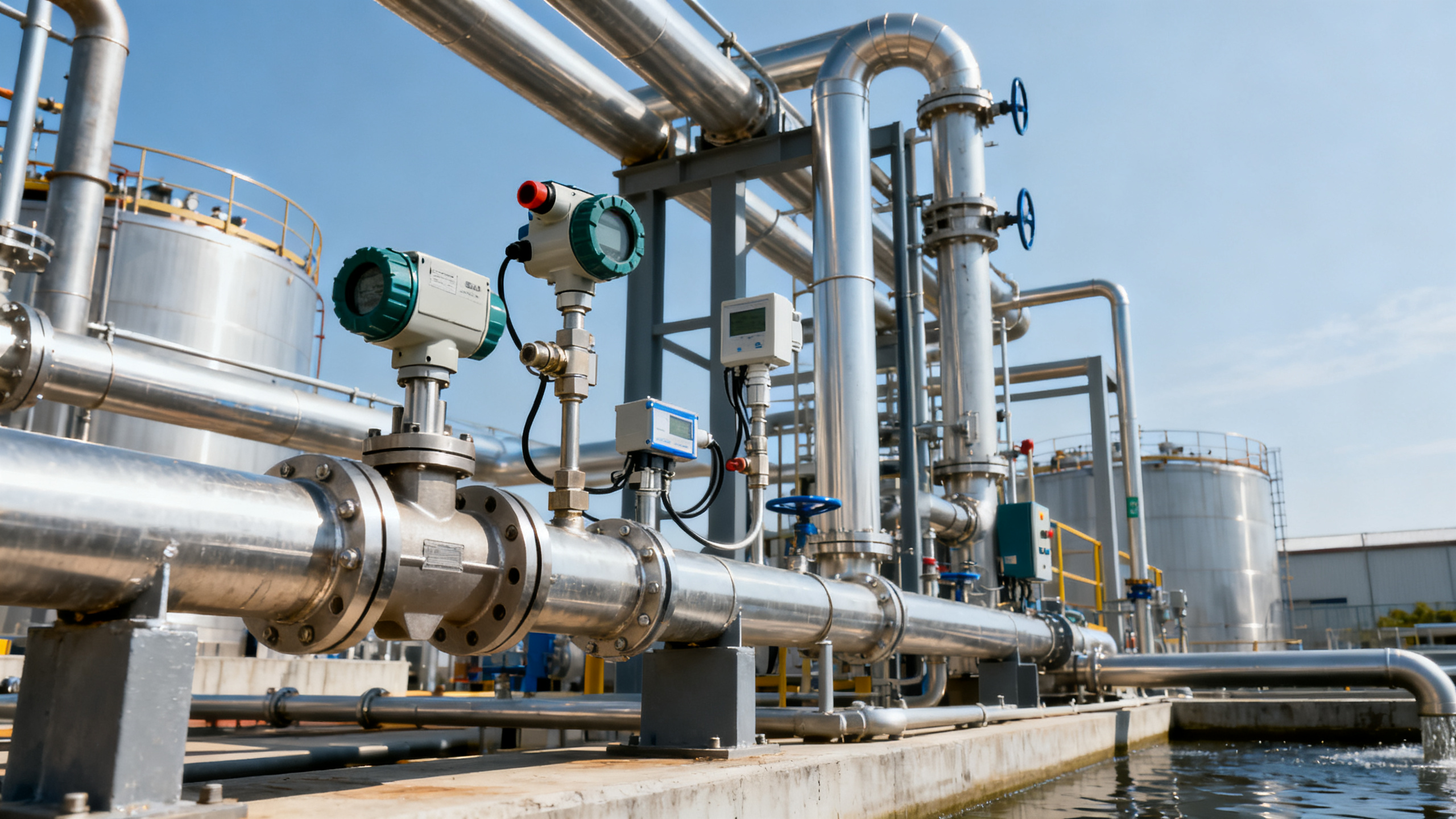
As manufacturers pursue lower emissions, tighter resource control, and more resilient operations, industrial instrumentation for industrial ecology has become a strategic priority rather than a technical add-on. From real-time monitoring to compliance-driven data accuracy, the right instruments help decision-makers connect sustainability goals with measurable plant performance, risk reduction, and long-term operational efficiency.
Why industrial instrumentation for industrial ecology now matters across heavy and mixed industries
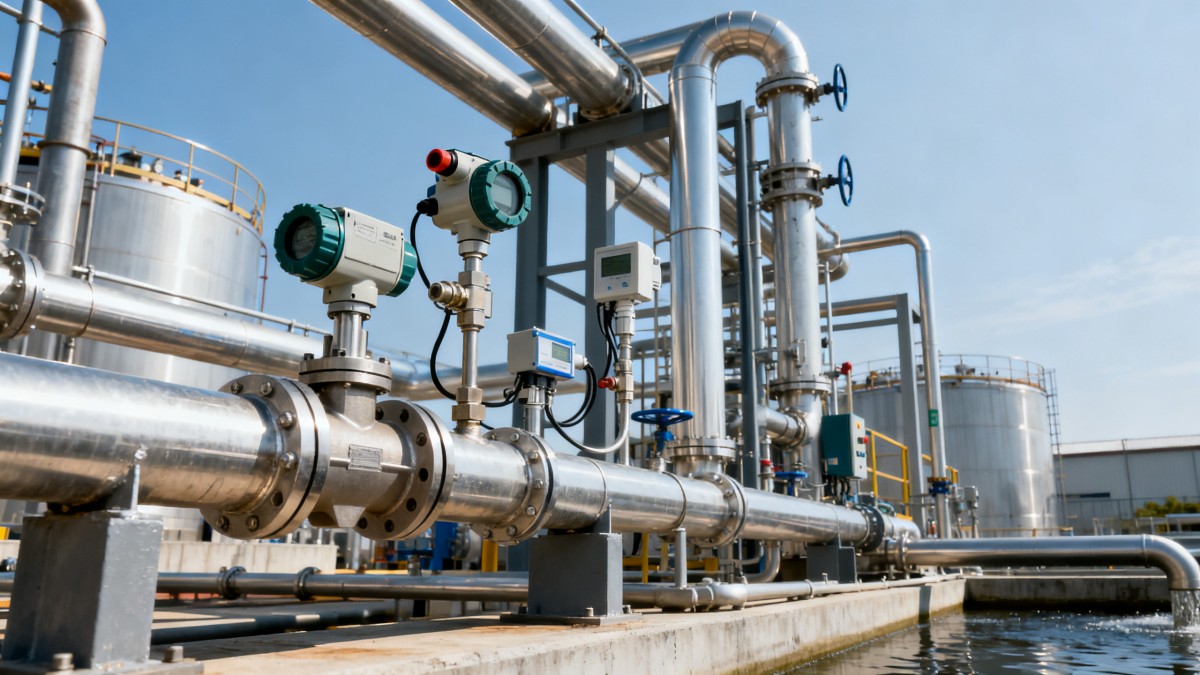
For information researchers, the main challenge is not understanding that sustainability matters. The harder question is where industrial instrumentation for industrial ecology actually fits inside production, utilities, safety systems, and capital planning. In practice, instrumentation is the layer that turns environmental targets into measurable operating controls.
Industrial plants rarely fail on strategy alone. They fail on missing data, poor calibration, disconnected systems, and late detection of process drift. When air emissions, wastewater quality, energy consumption, fugitive leaks, or material losses are not measured correctly, environmental goals remain abstract. Instrumentation gives operations teams a way to see, verify, and act.
This is especially relevant in complex industrial environments where procurement teams must balance compliance, uptime, budget, and serviceability. Global Industrial Core (GIC) focuses on this decision layer by connecting measurement technology with infrastructure reliability, international standards, and sourcing intelligence that EPC contractors, facility managers, and industrial buyers can use.
- Environmental targets require traceable measurements, not estimates, especially when reporting to regulators, investors, or customers.
- Operational efficiency improves when plants can identify energy waste, fluid losses, off-spec conditions, and abnormal emissions in real time.
- Risk management becomes more practical when alarm thresholds, maintenance intervals, and control actions are based on dependable instrument data.
What does industrial instrumentation for industrial ecology include?
The term covers far more than a few standalone sensors. In most industrial settings, it includes field devices, analyzers, transmitters, communication layers, calibration practices, data logging, and interfaces with PLC, DCS, SCADA, or plant historians. The goal is to monitor environmental impact and resource efficiency at a level that supports decisions.
Core measurement categories
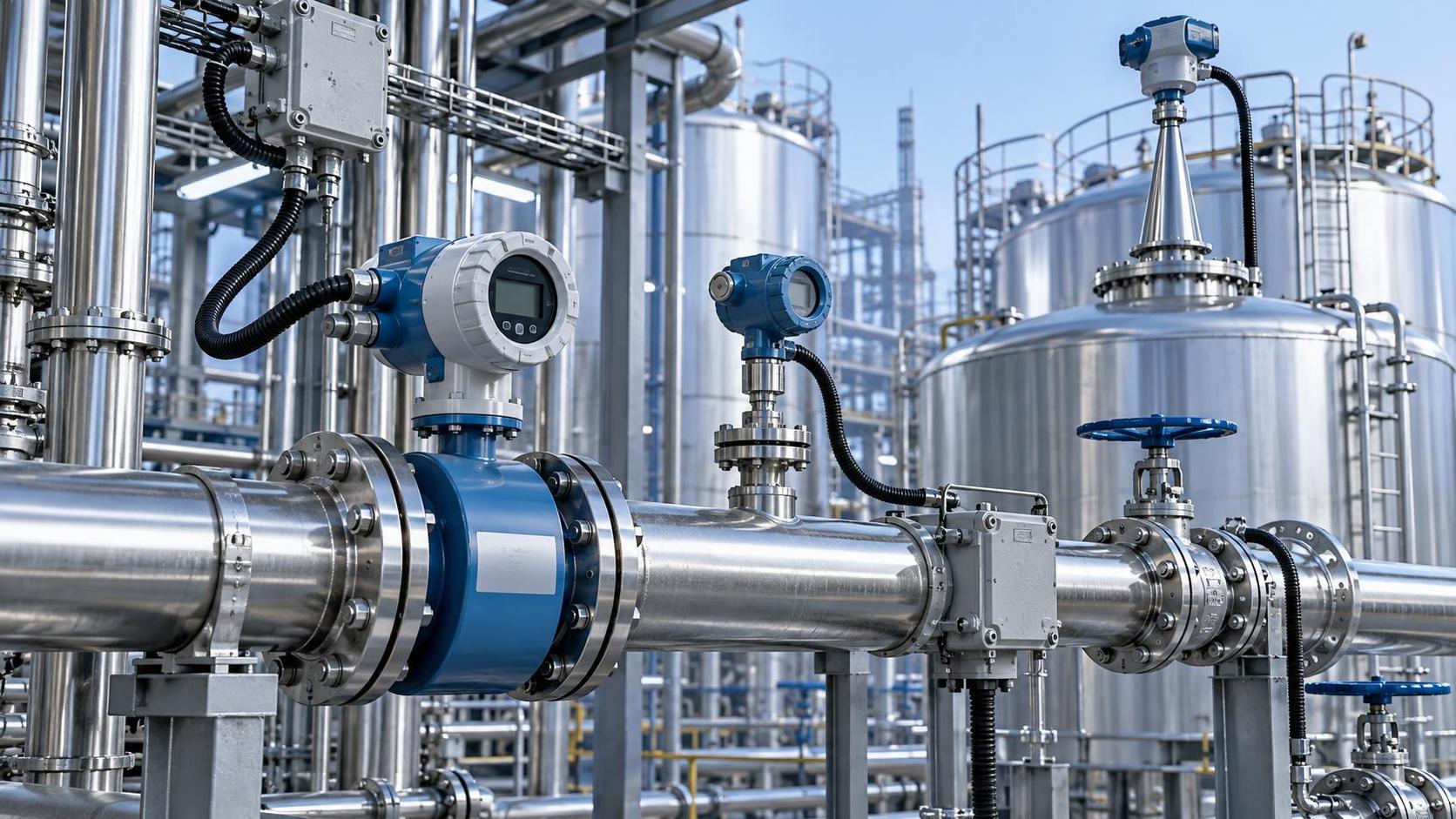
- Flow measurement for steam, water, chemicals, compressed air, and fuel lines to identify consumption intensity and losses.
- Pressure and temperature monitoring to maintain process stability, protect equipment, and optimize thermal performance.
- Level and tank gauging for storage security, spill prevention, and inventory control.
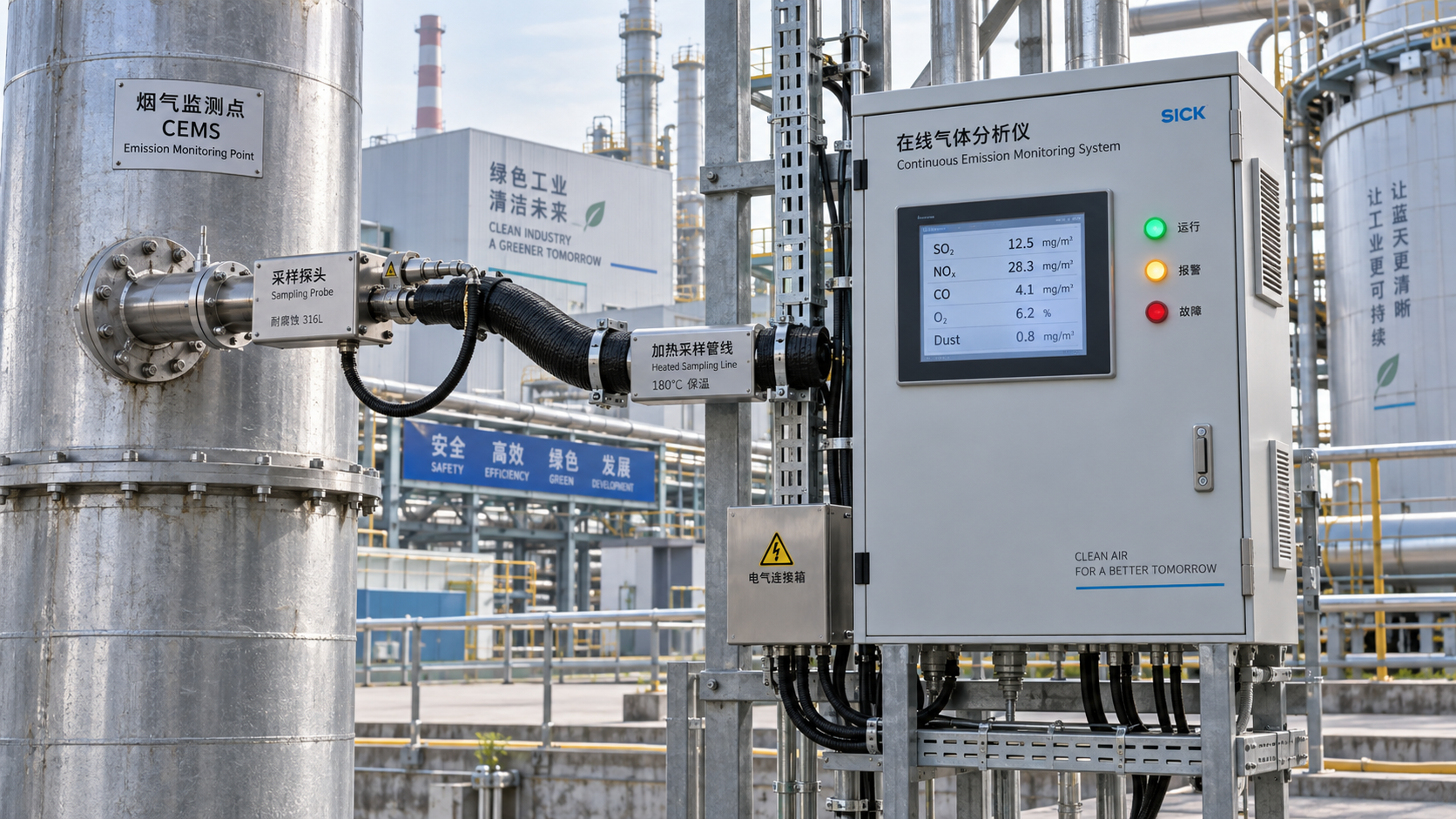
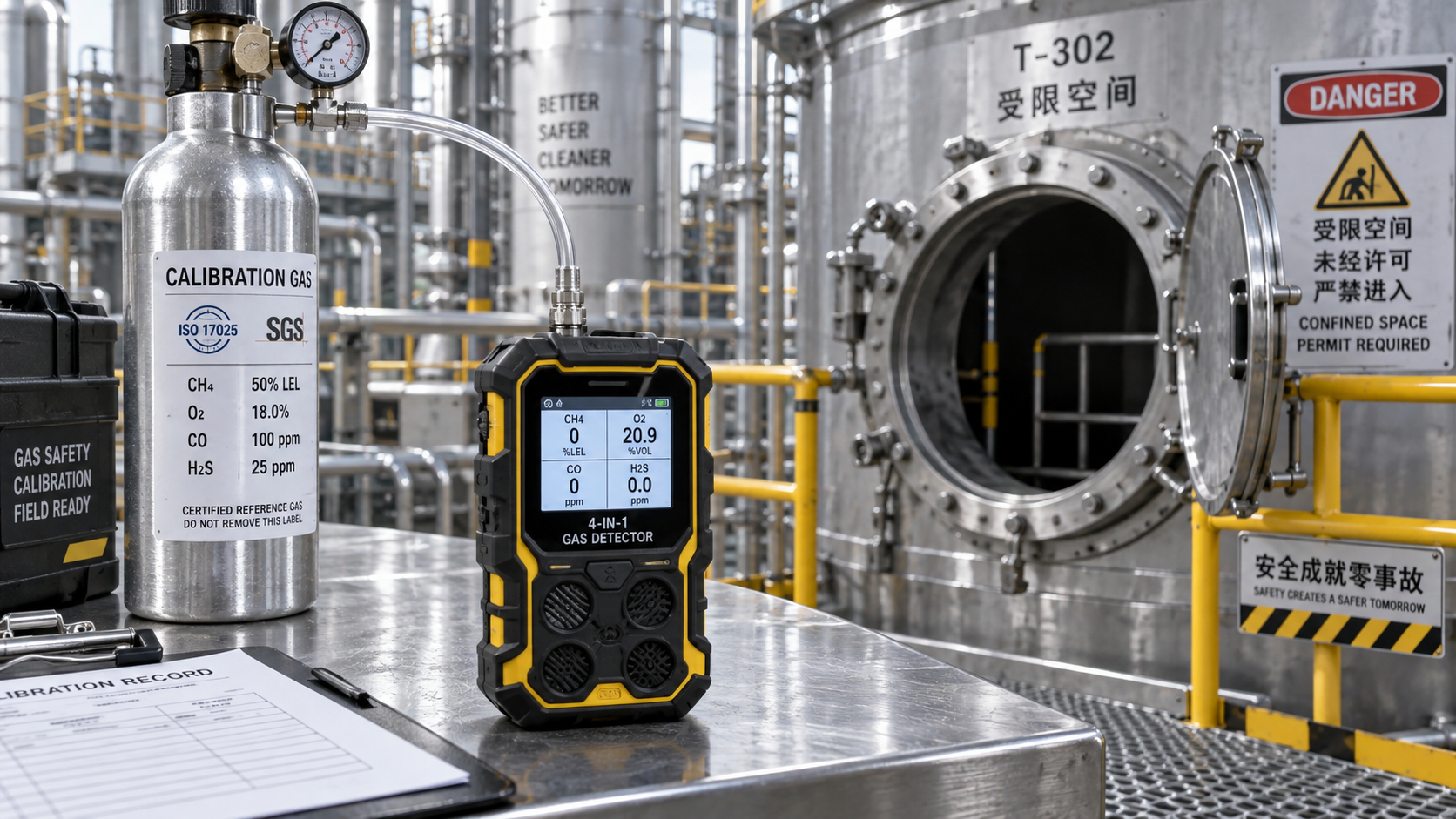
- Gas detection and emissions monitoring for worker safety, air compliance, and leak prevention.
- Water and effluent analysis for pH, conductivity, turbidity, dissolved oxygen, and other quality indicators.
- Power quality and energy metering to link energy efficiency with carbon reduction initiatives.
When combined, these instruments form the operating evidence behind industrial ecology programs. They show where resources enter, how they are consumed, where waste emerges, and which corrective actions produce measurable gains.
Which plant scenarios benefit most from this approach?
Industrial instrumentation for industrial ecology delivers the strongest value where environmental performance and production continuity depend on fast, credible feedback. The table below highlights common scenarios and the instrumentation priorities behind them.
The common pattern is clear: the highest returns often come from utility systems, emissions interfaces, and resource-intensive processes. These are the areas where small measurement errors can lead to major cost leakage or compliance exposure.
How to evaluate instrumentation options without overspending
Research-stage buyers often face a familiar problem. Suppliers present impressive specifications, but the real question is whether those specifications solve the plant’s environmental and operating risks. A smart evaluation starts with application fit, not with the most advanced device on paper.
Five practical selection criteria
- Match the measurement principle to the medium. Corrosive liquids, dusty gas streams, high-vibration lines, and conductive slurries do not suit the same sensor technology.
- Check accuracy in operating conditions, not lab conditions. Temperature swings, pressure variation, and pipe profile can change field performance materially.
- Review calibration and maintenance burden. A lower purchase price may create higher lifecycle cost if recalibration is frequent or downtime access is difficult.
- Confirm communication compatibility. Data value drops sharply if instruments cannot integrate cleanly with existing control and reporting architecture.
- Assess compliance relevance. For environmental reporting, documented traceability and stable measurement performance may matter more than premium features.
GIC’s sourcing perspective is useful here because instrumentation should not be reviewed in isolation. It should be aligned with safety, electrical infrastructure, environmental controls, and mechanical service conditions across the whole operating environment.
A practical comparison: what buyers should check before shortlisting
When comparing industrial instrumentation for industrial ecology, procurement teams usually need a structured way to trade off cost, reliability, and reporting value. The matrix below can support shortlisting discussions between engineering, operations, HSE, and purchasing teams.
For many facilities, the decision is not between cheap and expensive. It is between fragmented visibility and actionable visibility. Plants that need tighter environmental accountability generally benefit from a more integrated setup, even if deployment is phased over time.
What standards, documentation, and compliance checks should be reviewed?
Instrumentation supporting industrial ecology goals often sits inside regulated or safety-sensitive environments. That means buyers should verify not only performance claims, but also the documentation trail around installation suitability, calibration practices, and applicable standards.
Key checkpoints during technical review
- Check whether the device is appropriate for hazardous or non-hazardous installation areas where relevant.
- Review material compatibility for aggressive media, outdoor exposure, washdown conditions, or elevated temperatures.
- Confirm calibration procedures, traceability expectations, and recommended recalibration intervals.
- Verify whether CE, UL, ISO-related manufacturing documentation, or equivalent project-required records are needed for the target market.
- Ask how measurement data can be retained, exported, and audited for internal reporting or external review.
For global projects, this review becomes even more important because the same instrument may be technically capable yet commercially unsuitable if local documentation, installation norms, or approval expectations are not met. GIC helps buyers frame these questions early, before sourcing delays affect project schedules.
Common mistakes that weaken industrial ecology results
Many underperforming projects do not fail because instrumentation was absent. They fail because the instrument strategy was too narrow. Buyers often underestimate the connection between sensor placement, maintenance access, calibration discipline, and data interpretation.
Frequent pitfalls
- Choosing devices based only on purchase price while ignoring service intervals, spare part availability, and process downtime impact.
- Installing measurement points where flow profile, turbulence, contamination, or temperature variation distort readings.
- Assuming all digital output equals decision-ready data, even when signal quality, calibration records, or timestamp consistency are weak.
- Running environmental compliance and production teams on separate data systems, making root-cause analysis slower and less reliable.
A better approach is to define the ecological objective first. Is the goal lower water intensity, improved emission control, leak reduction, waste minimization, or energy transparency? Once that is clear, the instrumentation architecture can be built around the required decisions and response times.
How implementation usually works in real facilities
For mixed-industry operators, a full instrumentation upgrade is rarely deployed in one step. Most successful programs phase the rollout so technical teams can validate data quality and prioritize the highest-impact utility or process areas first.
Typical implementation sequence
- Map environmental and resource pain points such as excessive water use, unstable discharge quality, recurrent leaks, or unexplained energy spikes.
- Identify critical measurement points across utilities, production units, storage, and treatment systems.
- Select instrument types based on media, operating envelope, maintenance capacity, and integration needs.
- Establish calibration, verification, and alarm review procedures before relying on the data for compliance or KPI reporting.
- Review results against plant objectives and expand coverage only where the first phase proves business value.
This staged model helps contain budget pressure while still advancing industrial instrumentation for industrial ecology in a disciplined way. It also gives procurement teams stronger evidence for the next investment round.
FAQ: what information researchers usually want to know first
Is industrial instrumentation for industrial ecology only relevant for large plants?
No. Large facilities often have more complex needs, but small and mid-sized sites can also gain from targeted monitoring. Utility metering, tank level monitoring, basic effluent analysis, and leak detection often provide useful visibility without requiring a plant-wide digital transformation.
Which systems usually deliver the fastest return?
Compressed air, steam, water, and fuel systems are common starting points because hidden losses are frequent and resource costs are ongoing. Wastewater and emissions interfaces also rank high where compliance risk or discharge penalties are a concern.
What should buyers ask suppliers before requesting a quote?
Ask about operating range, media compatibility, installation conditions, calibration requirements, communication protocol, documentation package, spare parts availability, and expected lead time. For industrial instrumentation for industrial ecology, also ask how the data supports reporting, auditing, and trend analysis.
Can older facilities still implement this effectively?
Yes, if scope is prioritized carefully. Many older plants begin with retrofit-friendly sensors, local data acquisition, or standalone utility monitoring before integrating into broader control systems. The key is to select points where better measurement will directly influence action.
Why work with GIC when assessing industrial instrumentation for industrial ecology?
Global Industrial Core supports buyers who need more than product brochures. In high-stakes industrial environments, instrumentation decisions affect safety, compliance, uptime, and long-term operating cost. GIC bridges these factors through cross-disciplinary insight spanning instruments and measurement, environmental systems, electrical infrastructure, and mechanical operating conditions.
If you are evaluating industrial instrumentation for industrial ecology, you can consult GIC for practical support on parameter confirmation, application matching, certification expectations, sourcing risk review, delivery planning, and phased solution strategy. This is especially useful for EPC teams, facility managers, and procurement leaders comparing multiple vendors or preparing technical inquiries.
- Request help narrowing instrument options by medium, temperature, pressure, and environmental objective.
- Discuss delivery timelines, documentation requirements, and project-specific compliance expectations.
- Clarify whether a phased rollout, retrofit approach, or integrated architecture makes the most sense for your site.
- Compare alternative solutions for monitoring, reporting, and lifecycle maintenance before issuing RFQs.
For research-stage decision-makers, the fastest way forward is to define the process medium, target measurement points, operating conditions, and reporting goals. With that information, GIC can help structure product selection, quotation discussions, sample evaluation, and implementation planning with greater confidence.
Technical Specifications
- How to Select an Emissions Monitoring System Analyzer for Compliance ReportingAuthor :Precision Metrology Expert
- How to Select an Access Control Management System for Multi-Site FacilitiesAuthor :Safety Compliance Lead
- Portable Gas Monitor Calibration: How Often Is It Needed for Safe Confined-Space Work?Author :Precision Metrology Expert
Expert Insights

Chief Security Architect
Dr. Thorne specializes in the intersection of structural engineering and digital resilience. He has advised three G7 governments on industrial infrastructure security.
Related Analysis
- Sep 21, 2026How to Select an Emissions Monitoring System Analyzer for Compliance ReportingAuthor :Precision Metrology Expert
- Sep 20, 2026How to Select an Access Control Management System for Multi-Site FacilitiesAuthor :Safety Compliance Lead
- Sep 19, 2026Portable Gas Monitor Calibration: How Often Is It Needed for Safe Confined-Space Work?Author :Precision Metrology Expert
Core Sector // 01
Security & Safety
- How to Select an Emissions Monitoring System Analyzer for Compliance ReportingAuthor :Precision Metrology Expert

- Portable Gas Monitor Calibration: How Often Is It Needed for Safe Confined-Space Work?Author :Precision Metrology Expert

- What to Check When Sourcing Vibration Meters Wholesale for Industrial MaintenanceAuthor :Precision Metrology Expert

- How to Select Process Control Instruments for Accuracy, Safety, and UptimeAuthor :Precision Metrology Expert

- What Should Standards Compliance Analysis Training Cover Before an Audit?Author :Precision Metrology Expert

- Why Do Pressure Instruments Fail in High-Vibration Sites?Author :Precision Metrology Expert

- Is FM Software Integration Needed for Overseas Instrument Maintenance?Author :Precision Metrology Expert

- What Are the Differences Between Lab and Field Testing Equipment?Author :Precision Metrology Expert