How to Choose the Right Digital Precision Measurement Instruments for Industrial Use
Author
Date Published
Reading Time
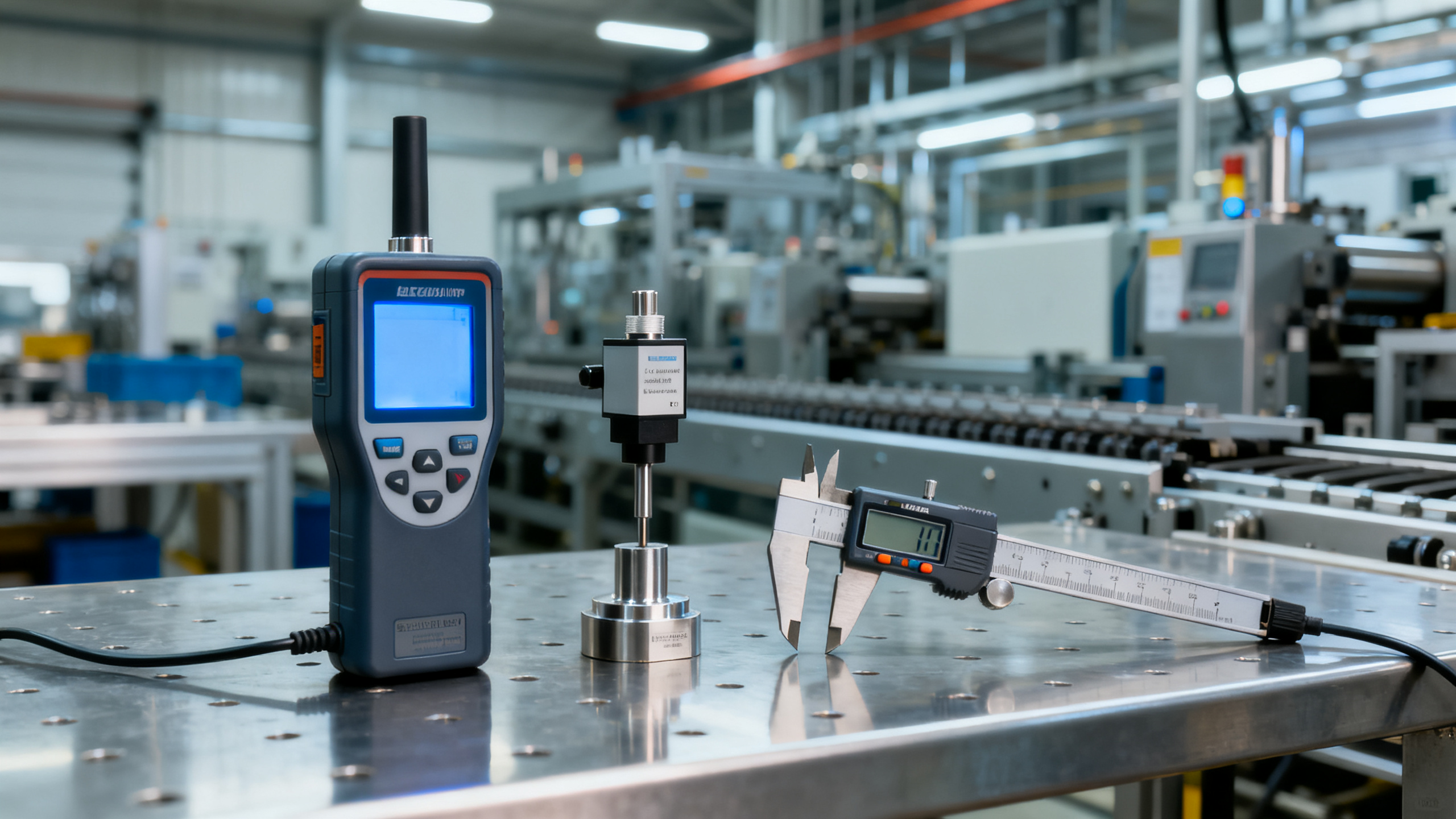
In industrial environments, measurement errors rarely stay small for long. A misread gauge, an unstable sensor, or a digital instrument that drifts under heat, vibration, or dust can affect quality checks, maintenance timing, and even compliance records. That is why choosing precision measurement instruments digital solutions is not a catalog exercise. It is a decision about reliability, integration, and how confidently your team can trust the numbers in front of them.
For technical evaluators, the real challenge is not finding an instrument with impressive resolution. It is finding one that fits the operating reality of the site: electrical noise, temperature swings, harsh handling, calibration discipline, and the reporting systems already in place. A specification sheet can tell you what the device claims to do. The harder part is understanding whether it will keep performing when conditions stop being ideal.
Start with the measurement problem, not the product category
Before comparing brands or model numbers, define exactly what must be measured and why. Are you checking dimensional tolerance, pressure stability, flow consistency, electrical parameters, or environmental conditions? Each use case places a different burden on the instrument.
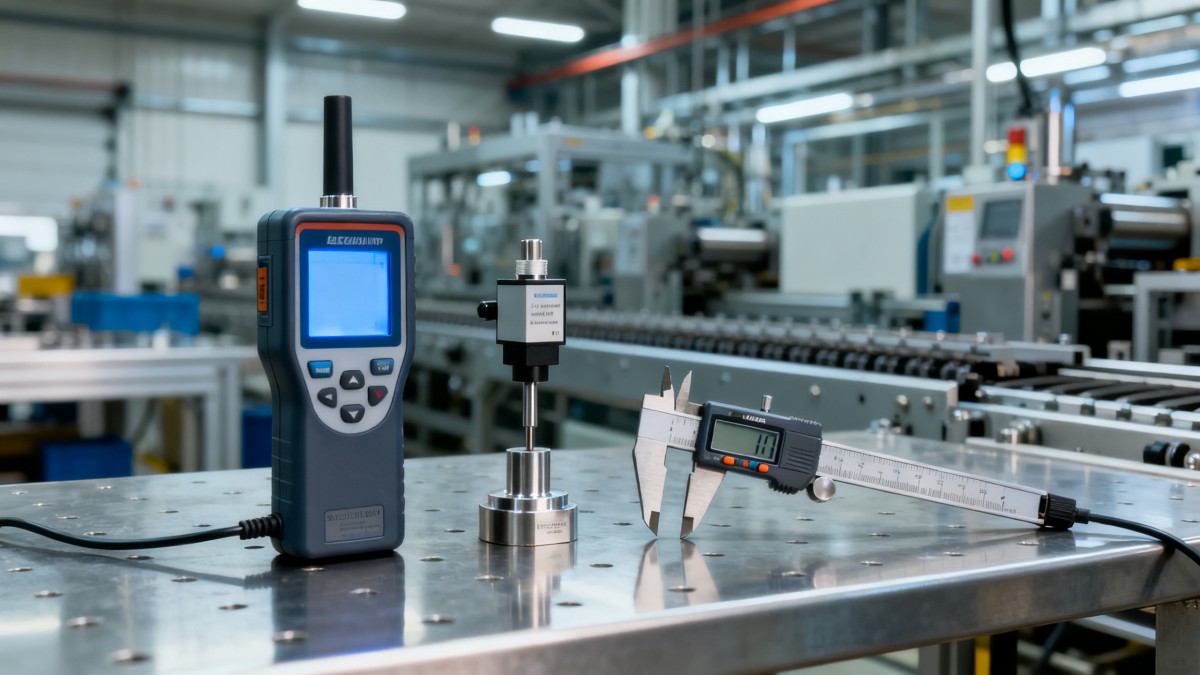
A digital micrometer used on a machining line has different priorities than a handheld meter in a power distribution room. One needs fine resolution and repeatable contact behavior. The other may need rugged housing, fast reading stability, and strong electromagnetic resistance. If the application is unclear, the procurement team often over-specifies features that will never be used, while missing the one capability that matters most.
It helps to separate the requirement into three layers: the measurement target, the operating environment, and the decision made from the result. A tool that measures accurately but cannot feed data into your quality workflow may still create friction. A device that is easy to use but weak on traceability may not satisfy audit expectations. The right choice balances all three.
Accuracy is important, but stability is what protects the process
Many buyers focus on nominal accuracy, yet long-term stability is often the more meaningful metric in industrial use. Accuracy describes how close a reading is to the true value under stated conditions. Stability shows whether the instrument keeps that performance over time, across shifts, and after repeated handling.
For technical evaluators, this distinction matters because an instrument that starts strong but drifts quickly can quietly undermine confidence across the line. You may see more rechecks, more disputes between operators, and more uncertainty in quality reports. In procurement terms, that becomes a hidden cost.
Look closely at repeatability, linearity, temperature compensation, and response behavior. If the instrument will be used in a plant with changing ambient conditions, confirm how the readings behave across the expected temperature range. If vibration is part of the environment, ask how the device filters noise or handles unstable contact. In digital systems, display resolution should never be confused with true measurement performance.
Match the instrument to the environment it will actually face
Industrial settings are rarely gentle. Dust, oil mist, moisture, conductive particles, mechanical shock, and electromagnetic interference can all affect performance. A good selection process treats these as normal conditions, not exceptional ones.
Consider ingress protection, housing material, connector quality, and resistance to contamination. For outdoor or plant-floor use, the digital interface should remain readable under glare, wet gloves, or low light. If the instrument will move between locations, battery life and power management become part of the performance picture.
Compatibility with the surrounding system also matters. Some sites rely on legacy equipment, while others depend on modern data acquisition platforms and MES or SCADA integration. If the instrument cannot exchange data smoothly, operators may fall back to manual entry, which increases the risk of transcription errors and delays. In environments where traceability is essential, that is rarely acceptable.
Compliance is not a formality in industrial procurement
For buyers responsible for technical evaluation, certification documents are part of risk control. CE, UL, and ISO alignment can affect not only market access, but also site acceptance, maintenance planning, and audit readiness. A digital precision instrument that performs well in a demo but lacks the required documentation may never clear procurement review.
Do not stop at the logo on the datasheet. Ask which standards apply to the exact model, the exact configuration, and the exact region of use. Some instruments are compliant only in certain variants or with specific accessories. Others require installation or calibration conditions to remain within certified limits.
Documentation quality is also a signal. Clear manuals, calibration procedures, traceable test records, and accessible conformity information usually indicate a more mature product ecosystem. For industrial teams, that ecosystem can save time every year, especially when audits, maintenance handovers, or replacement planning come into play.
Think about calibration as part of ownership, not an afterthought
The best measurement tool is only as trustworthy as its calibration path. If recalibration is difficult, expensive, or disruptive, even a strong instrument can become a weak operational choice.
When evaluating precision measurement instruments digital options, ask how calibration is performed, how often it is required, and whether the process can be supported in-house or must be outsourced. Check whether the manufacturer provides calibration certificates, service intervals, and accessible spare parts. If the device is mission-critical, downtime for calibration should be treated as a planning variable, not a surprise.
It is also worth looking at how the instrument behaves before and after calibration. A device with a clear drift pattern may be easier to manage than one with irregular performance. In industrial environments, predictability often matters more than theoretical perfection.
Usability affects data quality more than many teams expect
Technical teams sometimes underestimate the human side of measurement. If an instrument is awkward to read, slow to reset, or confusing to navigate, operators may use it inconsistently. That introduces variation that no specification sheet will warn you about.
Good usability is not about making the device “simple” in a consumer sense. It is about reducing the chance of accidental misreadings and making correct use easier than incorrect use. Clear displays, logical menus, tactile controls, and well-designed data export features all contribute to cleaner results. In a shift-based industrial setting, that can be the difference between dependable records and avoidable rework.
When possible, involve the people who will actually use the instrument. Maintenance engineers, quality inspectors, and line supervisors often notice practical issues early: screen readability, response delay, grip comfort, or connector fragility. Those details may not appear in a formal procurement matrix, but they strongly influence acceptance after installation.
A practical comparison frame for evaluation teams
Instead of comparing every feature equally, use a weighted decision approach. A device intended for controlled lab inspection should be judged differently from one used in a dusty production bay.
- Measurement fit: Does the instrument measure the required variable with enough resolution and repeatability?
- Environmental tolerance: Will it remain stable under heat, vibration, moisture, or EMI?
- Integration: Can it connect to existing software, logs, or control systems without manual workarounds?
- Compliance: Are CE, UL, ISO, and site-specific requirements clearly documented?
- Lifecycle support: Are calibration, service, and spare parts accessible over time?
This kind of framework helps technical evaluators explain choices with more clarity. It also prevents a common mistake: selecting a device because it performs well in one dimension while creating friction elsewhere.
In many procurement reviews, the winning option is not the most advanced model on paper. It is the one that creates the fewest surprises after deployment.
Where sourcing partners add real value
For large industrial organizations, sourcing precision measurement instruments digital solutions often involves more than finding a supplier. It requires evaluating technical documentation, standards alignment, service continuity, and fit with the wider industrial ecosystem.
That is where a structured B2B intelligence approach becomes useful. A sourcing partner focused on industrial fundamentals can help technical teams compare product families, interpret certification claims, and reduce ambiguity around application fit. For EPC contractors, facility managers, and procurement directors, this support is especially valuable when the instruments will be deployed across multiple sites or international projects.
The goal is not to outsource judgment. It is to make judgment easier by putting the right evidence in front of the right people.
Choosing the right digital precision measurement instrument is ultimately a question of trust. Can the device withstand the environment, satisfy the standard, integrate into the workflow, and remain dependable after months of use? If the answer is yes, the instrument becomes more than a measurement tool. It becomes part of the operational structure that keeps industrial decisions grounded in reality.
Technical Specifications
- Air Handling Unit Supplier Checklist: Performance Data, Lead Times, and SupportAuthor :Environmental Engineering Director
- Buying Fiberglass Water Tanks Wholesale: Compare Quotes and Delivery CostsAuthor :Environmental Engineering Director
- Choosing an XLPE Power Cable Supplier: Test Reports, Traceability, and Lead TimesAuthor :Grid Infrastructure Analyst
Expert Insights

Chief Security Architect
Dr. Thorne specializes in the intersection of structural engineering and digital resilience. He has advised three G7 governments on industrial infrastructure security.
Related Analysis
- Oct 19, 2026Air Handling Unit Supplier Checklist: Performance Data, Lead Times, and SupportAuthor :Environmental Engineering Director
- Oct 18, 2026Buying Fiberglass Water Tanks Wholesale: Compare Quotes and Delivery CostsAuthor :Environmental Engineering Director
- Oct 17, 2026Choosing an XLPE Power Cable Supplier: Test Reports, Traceability, and Lead TimesAuthor :Grid Infrastructure Analyst
Core Sector // 01
Security & Safety
- Choosing a Bluetooth Total Station: Software Compatibility and Connection RangeAuthor :Precision Metrology Expert

- Material Testing Standards: ASTM E8 vs. ISO 6892-1 for Metal Tensile TestsAuthor :Precision Metrology Expert

- How to Verify Accuracy in Industrial Measurement Data and Test ReportsAuthor :Precision Metrology Expert

- Selecting a Steam Vortex Flow Meter: Sizing, Pressure, and Temperature LimitsAuthor :Precision Metrology Expert

- How to Select an Industrial Infrared Thermometer for Hot, Moving EquipmentAuthor :Precision Metrology Expert

- How to Evaluate a Precision Measurement Equipment Manufacturer for Critical TolerancesAuthor :Precision Metrology Expert

- How to Select an Emissions Monitoring System Analyzer for Compliance ReportingAuthor :Precision Metrology Expert

- Portable Gas Monitor Calibration: How Often Is It Needed for Safe Confined-Space Work?Author :Precision Metrology Expert