What drives Environment & Ecology cost in infrastructure projects?
Author
Date Published
Reading Time
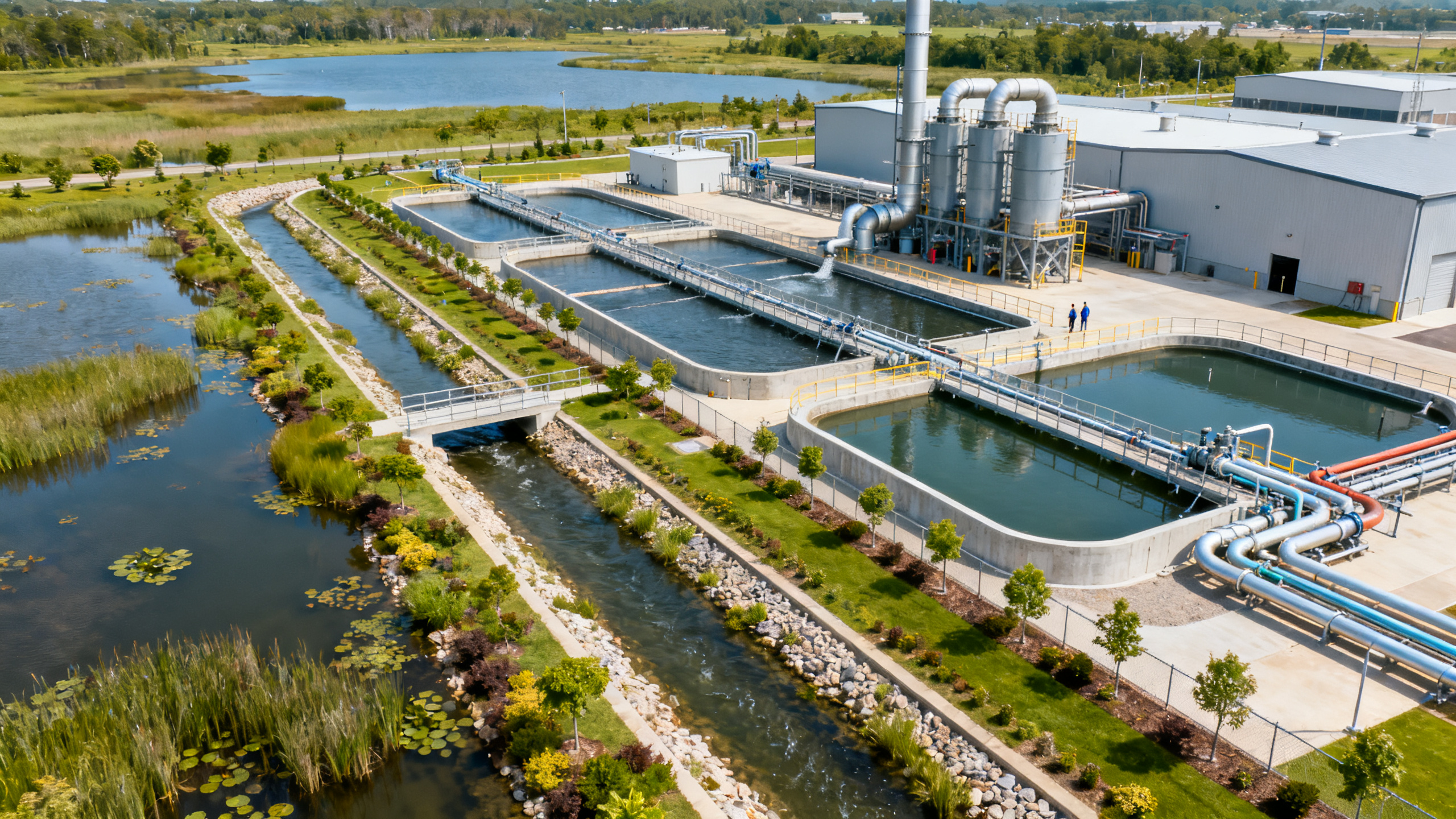
In infrastructure projects, Environment & Ecology cost is shaped by far more than permits and mitigation fees. For financial approvers, the real drivers include regulatory compliance, site conditions, lifecycle risk, technology choices, and long-term operational impact. Understanding these cost factors early helps prevent budget overruns, strengthen investment decisions, and align capital planning with sustainability and project resilience goals.
For EPC contractors, asset owners, and industrial procurement teams, environmental expenditure is rarely a side budget. It often influences land readiness, insurance exposure, commissioning schedules, and the total cost of ownership over 10–30 years. For finance leaders, the key question is not only how much Environment & Ecology cost appears in the initial budget, but which variables can multiply that cost after approval.
In heavy industry and foundational infrastructure, delays linked to environmental controls can extend procurement cycles by 4–12 weeks, while poor early assumptions on drainage, emissions, waste handling, or habitat protection can trigger redesign costs far above the original line item. A disciplined review framework helps financial approvers separate unavoidable compliance spending from preventable cost escalation.
The Primary Cost Drivers Behind Environment & Ecology Budgets
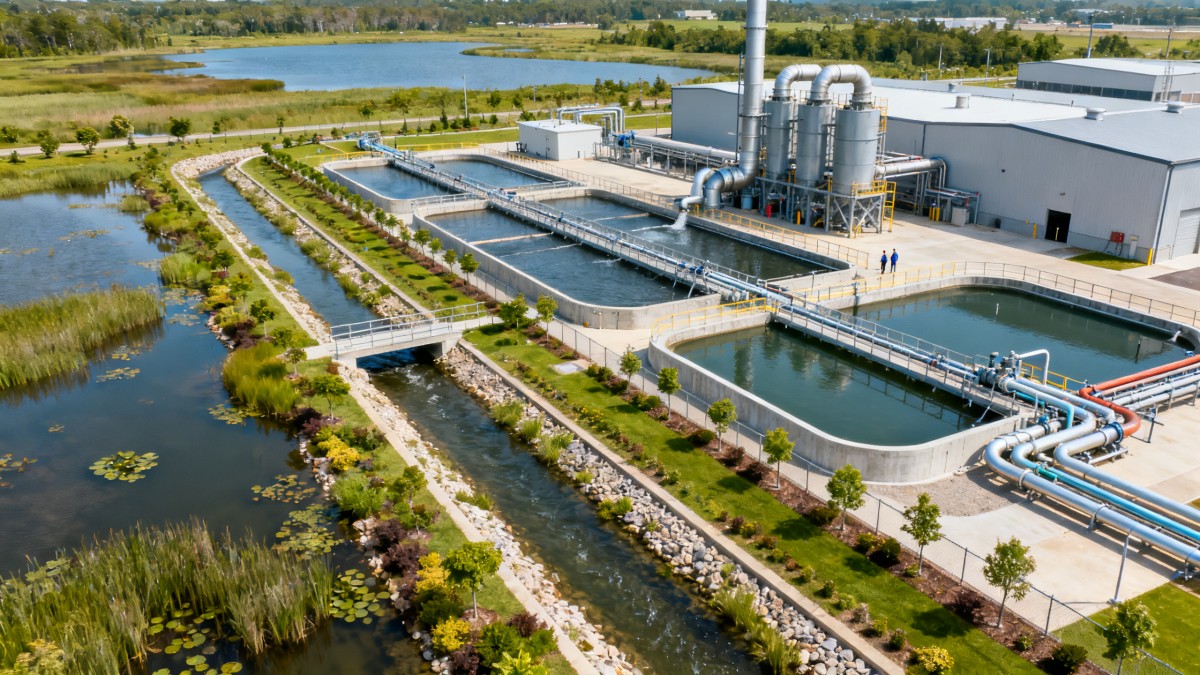
Environment & Ecology cost usually combines direct expenses, indirect project effects, and contingent risk reserves. In industrial infrastructure, the budget can span baseline assessments, permitting, erosion control, stormwater systems, emissions treatment, soil remediation, biodiversity offsets, waste logistics, and post-construction monitoring. The financial weight of each category changes significantly by location, asset type, and project timeline.
1. Regulatory scope and approval complexity
The first major driver is regulatory depth. A project in a low-sensitivity industrial zone may complete environmental review in 6–10 weeks, while a project near wetlands, protected habitats, coastal areas, or dense urban receptors may require multi-stage studies over 3–9 months. Each added review layer increases consultant hours, legal review, stakeholder coordination, and schedule risk.
For financial approvers, the practical issue is that compliance cost does not rise linearly. A single requirement for seasonal species surveys, groundwater modeling, or cumulative air impact analysis can alter bid packages, construction sequencing, and contingency ratios. This is why two projects with similar capital value may show very different Environment & Ecology cost profiles.
2. Site conditions and legacy environmental burden
Brownfield redevelopment, flood-prone terrain, unstable soils, and contaminated runoff pathways can all expand cost. If pre-construction investigation identifies hydrocarbons, heavy metals, acid sulfate soils, or asbestos-containing materials, the remediation plan may require specialized handling, licensed transport, and verified disposal. These measures typically affect both unit cost and schedule duration.
A greenfield site may appear cheaper at first glance, yet remote access, low natural drainage, or sensitive ecosystems can increase haulage, water treatment, and restoration obligations. In many industrial projects, site-driven environmental measures add 2%–8% to enabling works, but the financial effect becomes much larger when they interrupt civil works or equipment installation.
3. Technology selection and performance thresholds
Technology choices strongly influence both capex and opex. For example, selecting standard drainage and basic separators may reduce initial spend, but tighter discharge limits can later require modular treatment units, higher-grade liners, monitoring instruments, and more frequent maintenance. In air and water management, small differences in performance specification often create 15%–30% changes in lifecycle cost.
Financial approvers should also examine redundancy levels. A single-line wastewater treatment arrangement may cost less initially, but dual-train or bypass-capable configurations can reduce shutdown risk in critical facilities. When infrastructure uptime is linked to revenue protection, the lower-cost option is not always the lower-cost decision.
The table below outlines common Environment & Ecology cost drivers and the way they influence capital planning decisions in infrastructure projects.
The key takeaway is that Environment & Ecology cost is not a single procurement line. It is a layered cost system with timing, compliance, and operational implications. Finance teams that review only upfront mitigation fees often miss the larger exposure embedded in site risk and post-handover obligations.
Why Early Financial Review Changes the Final Cost Outcome
Projects that assess environmental obligations during concept design usually maintain better cost discipline than those that wait until tender or mobilization. Early-stage review allows technical teams to adjust layout, utilities routing, runoff separation, waste storage zones, and treatment capacity before procurement is locked. Even a 2% design adjustment can avoid far larger rework costs later.
Budget timing matters as much as budget size
A frequent approval mistake is treating environmental spending as a late-stage compliance package. In practice, Environment & Ecology cost influences land preparation, temporary works, construction logistics, commissioning tests, and long-term monitoring contracts. When these items are not phased correctly, cash flow forecasts become distorted and contingency funds are consumed too early.
Common timing failures financial approvers should flag
- Permit assumptions based on a single approval path instead of 2 or 3 parallel review pathways.
- Stormwater and discharge systems budgeted after civil design, forcing redesign of trenches, sumps, or retention areas.
- Monitoring equipment excluded from capex although permit conditions require operation from day 1.
- Post-construction restoration costs omitted from practical completion forecasts.
Lifecycle risk often outweighs initial savings
From a finance perspective, the best environmental decision often comes from lifecycle modeling. A lower-cost containment system may require inspection every 3 months, replacement in 5–7 years, and unplanned shutdown exposure during failures. A more durable solution may have a higher initial cost but lower annual maintenance, better audit performance, and longer operating life.
This is especially relevant in power, manufacturing, logistics, mining support, and process infrastructure where downtime costs can exceed the original compliance budget. A treatment skid, sealed storage system, or emissions monitoring platform should therefore be reviewed not only by engineering, but also by finance against a 10-year or 15-year scenario.
How Financial Approvers Can Evaluate Environment & Ecology Cost More Accurately
A stronger approval model starts with breaking the budget into measurable categories. Instead of accepting a single environmental allowance, finance teams should request visibility across studies, controls, treatment systems, compliance monitoring, restoration, and contingency. This creates a cleaner comparison between bids and reveals where assumptions differ.
Use a five-part review structure
- Confirm regulatory path, including baseline studies and likely review duration.
- Validate site condition assumptions using recent field data, not only desktop screening.
- Separate one-time installation cost from recurring compliance and maintenance cost.
- Stress-test failure scenarios such as spills, exceedances, discharge interruptions, or remediation triggers.
- Check end-of-project obligations, including restoration, reporting, and closure documentation.
This structure helps financial approvers identify whether Environment & Ecology cost is genuinely complete or only partially captured. In many capital reviews, the missing items are not the visible permit fees, but long-tail obligations that arrive 6, 12, or 24 months after construction begins.
The following matrix can be used during capex review to compare environmental budget quality across infrastructure projects or supplier proposals.
A proposal that performs well across all four categories is usually more bankable than one with the lowest headline number. Better visibility improves negotiations, reduces change orders, and supports more defensible investment approval.
Watch for three common cost blind spots
First, temporary construction controls are often underestimated. Sediment barriers, wheel wash systems, dust suppression, temporary drainage, and noise controls may run for 6–18 months depending on project scale. Second, monitoring obligations are frequently budgeted as a minor service when they actually require instruments, calibration, laboratory testing, and reporting workflows.
Third, restoration and closure costs are pushed too far into the future. Replanting, habitat reinstatement, topsoil replacement, and decommissioning of temporary controls may seem modest individually, but together they can materially shift the final Environment & Ecology cost at project closeout.
Procurement and Delivery Strategies That Reduce Environmental Cost Escalation
Financial approvers can reduce cost volatility by linking environmental scope to procurement strategy. The most effective approach is to align technical definition, supplier capability, and compliance documentation before award. In industrial settings, this often means evaluating not just unit price, but documentation quality, service support, replacement lead time, and integration with other infrastructure systems.
Prioritize specification clarity over low-entry pricing
When environmental equipment or services are under-specified, suppliers price assumptions differently. One bidder may include commissioning, operator training, and 12 months of consumables, while another may exclude all three. The apparent price gap can therefore be misleading. A structured bid package should define capacity, operating conditions, maintenance access, data logging needs, and required handover documents.
Build supplier review around resilience metrics
For critical infrastructure, procurement teams should test at least four resilience factors: compliance record, lead-time reliability, service response window, and spare-part availability. A 2-week difference in replacement lead time may matter more than a 5% price reduction if a failure can delay energization, startup, or occupancy certification.
Recommended procurement checks
- Request a full inclusions and exclusions schedule for environmental scope.
- Ask for expected maintenance frequency, such as monthly, quarterly, or annual service tasks.
- Verify whether monitoring devices require third-party calibration every 6 or 12 months.
- Confirm documentation needed for CE, UL, ISO, or local compliance interfaces where relevant.
- Review service support availability during commissioning and the first operating year.
For financial approvers in multinational or regionally distributed projects, a sourcing intelligence partner can help compare suppliers across compliance readiness, material suitability, and lifecycle service quality. That is especially valuable when the environmental package intersects with power systems, metering, safety controls, and mechanical reliability.
Practical Questions Financial Approvers Should Ask Before Sign-Off
Before approving an infrastructure budget, finance leaders should challenge whether the stated Environment & Ecology cost is complete, timed correctly, and resilient under operating conditions. Clear questions improve both negotiation strength and project certainty.
Key questions for internal teams and suppliers
Scope completeness
Does the budget include studies, permitting, temporary works, installed systems, monitoring, restoration, and contingency? If not, which department owns the omitted cost and when will it appear?
Operational exposure
What are the annual labor, consumable, calibration, disposal, and reporting costs after handover? A low capex figure can become expensive if quarterly testing, chemical replenishment, or specialist call-outs are frequent.
Risk transfer and accountability
Which risks remain with the contractor, and which move to the owner after commissioning? If environmental performance depends on operator behavior, has training and procedural setup been funded?
Environment & Ecology cost becomes easier to control when it is reviewed as a strategic infrastructure variable rather than a narrow compliance overhead. For financial approvers, the most reliable path is to connect regulatory scope, site realities, technology choices, and lifecycle performance before capital is committed.
Global Industrial Core supports EPC contractors, facility managers, and procurement decision-makers with structured intelligence across Environment & Ecology, safety, instrumentation, power systems, and core industrial components. If you need help evaluating environmental cost drivers, comparing sourcing options, or building a more defensible approval framework, contact us now to get a tailored solution and explore more infrastructure-focused insights.
Technical Specifications
- How to Select an Emissions Monitoring System Analyzer for Compliance ReportingAuthor :Precision Metrology Expert
- How to Select an Access Control Management System for Multi-Site FacilitiesAuthor :Safety Compliance Lead
- Portable Gas Monitor Calibration: How Often Is It Needed for Safe Confined-Space Work?Author :Precision Metrology Expert
Expert Insights

Chief Security Architect
Dr. Thorne specializes in the intersection of structural engineering and digital resilience. He has advised three G7 governments on industrial infrastructure security.
Related Analysis
- Sep 21, 2026How to Select an Emissions Monitoring System Analyzer for Compliance ReportingAuthor :Precision Metrology Expert
- Sep 20, 2026How to Select an Access Control Management System for Multi-Site FacilitiesAuthor :Safety Compliance Lead
- Sep 19, 2026Portable Gas Monitor Calibration: How Often Is It Needed for Safe Confined-Space Work?Author :Precision Metrology Expert
Core Sector // 01
Security & Safety
- How to Size a Wafer Butterfly Valve for HVAC Chilled-Water and Heating LoopsAuthor :Environmental Engineering Director

- How Pressure Class and Joint Design Affect Long-Term Performance of Ductile Iron Pipes in Drainage InfrastructureAuthor :Environmental Engineering Director

- How Ductile Iron Pipe Joints Affect Installation Reliability and Leak ControlAuthor :Environmental Engineering Director

- How to Size Effluent Treatment Equipment for Variable Industrial Wastewater LoadsAuthor :Environmental Engineering Director

- US Battery Push Raises New Entry Rules for SuppliersAuthor :Environmental Engineering Director

- EU EMC Rule Tightens for Water Treatment ExportsAuthor :Environmental Engineering Director

- EU REACH Restriction Targets PFAS Water Treatment ImportsAuthor :Environmental Engineering Director

- EU Mandates EN 14113:2026 for Water Treatment ExportsAuthor :Environmental Engineering Director