EN IEC 62471-2:2026 Enters Force for UV Disinfection Equipment in EU
Author
Date Published
Reading Time
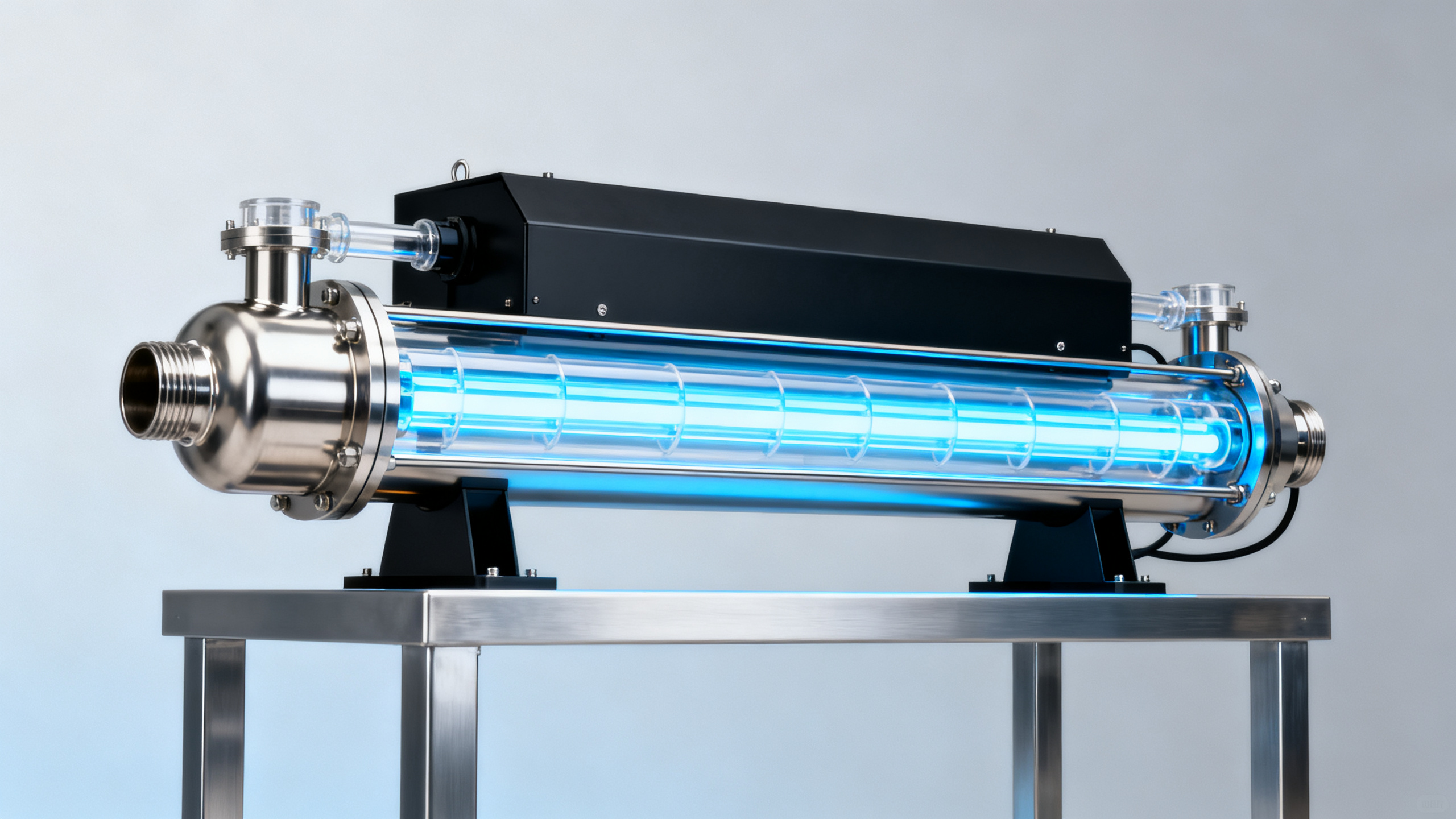
Starting 7 May 2026, the European Union will enforce EN IEC 62471-2:2026 — a new photobiological safety standard for industrial ultraviolet (UV-C) disinfection equipment. This regulation directly affects manufacturers and exporters of UV-based water/air sterilization systems, UV curing devices, and UV monitoring modules targeting the EU market. Companies in industrial water treatment, dust purification, and solid waste disinfection sectors — particularly those based in China — must now ensure compliance to avoid customs rejection.
Event Overview
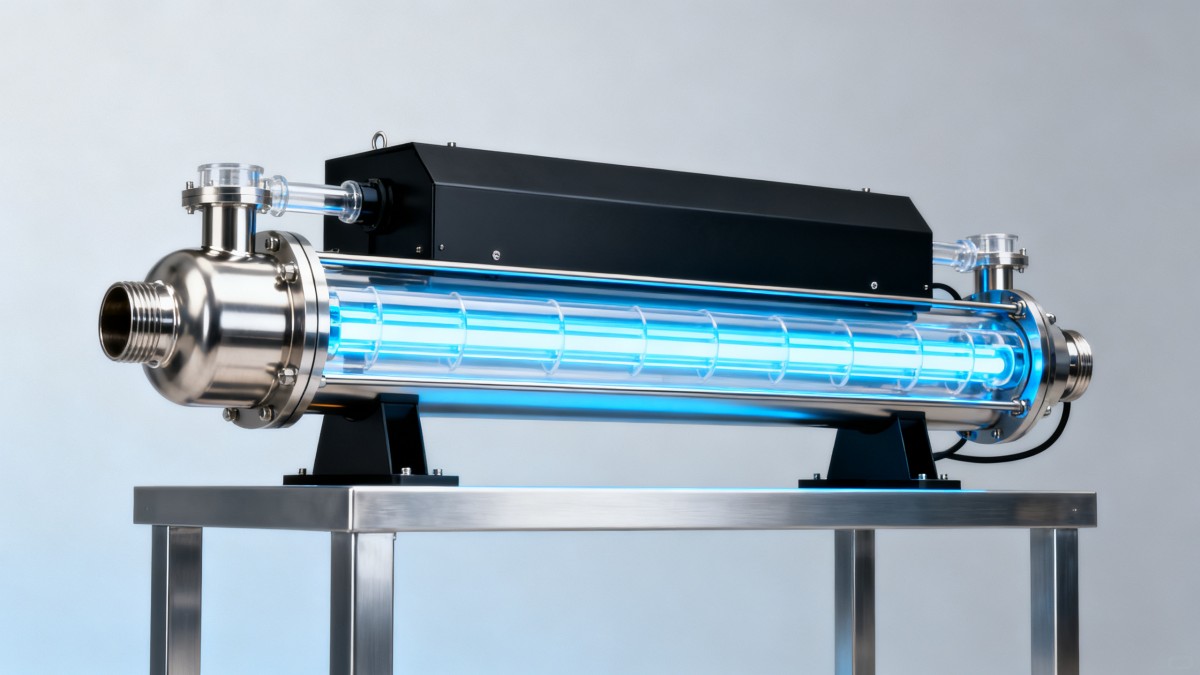
On 7 May 2026, the European Committee for Electrotechnical Standardization (CENELEC) mandates full application of EN IEC 62471-2:2026. Under this standard, all industrial UV-C equipment placed on the EU market must undergo photobiological hazard classification (Exempt, Risk Group 1, or Risk Group 2) and traceable radiometric testing against defined spectral irradiance limits. The requirement applies specifically to UV-C water/air disinfection systems, UV curing equipment, and UV monitoring modules.
Industries Affected
Direct Exporters (Trade Enterprises)
Exporters shipping industrial UV equipment into the EU face immediate regulatory gatekeeping. Non-compliant units will be denied customs clearance — halting shipments and triggering contractual penalties. Impact manifests in delayed revenue recognition, increased pre-shipment verification costs, and potential liability for non-conforming goods already in transit.
Manufacturers (OEM/ODM Producers)
Manufacturers supplying UV disinfection subsystems — such as UV lamp arrays, ballast controllers, or integrated sensor modules — must verify that their components meet the standard’s spectral emission and labeling requirements. Since EN IEC 62471-2:2026 requires system-level photobiological assessment, component-level conformity alone is insufficient; integration testing becomes mandatory.
Supply Chain Service Providers (Testing & Certification Bodies)
Certification bodies accredited under EU Regulation (EU) 2019/1020 are now required to perform EN IEC 62471-2:2026 assessments using traceable radiometric calibration. Demand for accredited UV spectral measurement services is rising, especially for facilities with ISO/IEC 17025 accreditation covering UV-C wavelength ranges (200–280 nm). Capacity constraints may emerge ahead of the enforcement date.
What Relevant Enterprises Should Monitor and Do Now
Confirm official implementation timelines and transitional provisions
Although the standard enters force on 7 May 2026, CENELEC or national market surveillance authorities may issue guidance on grace periods for existing stock or pending certifications. Enterprises should monitor updates from notified bodies and the European Commission’s NANDO database for listed certification bodies authorized for EN IEC 62471-2:2026.
Prioritize product categories with highest EU market exposure
Focus initial compliance efforts on high-volume export items: e.g., UV-C reactors for municipal wastewater reuse, UV air purifiers for industrial HVAC, or UV-curing systems used in printing and coating lines. These segments face the most immediate scrutiny during customs checks and post-market surveillance.
Verify test methodology alignment with EN IEC 62471-2:2026 Annexes
The standard references specific measurement geometries, detector response functions, and spectral bandwidth tolerances (e.g., 1 nm FWHM for spectroradiometers). Suppliers must confirm whether existing test reports — even those issued under earlier versions like EN 62471:2006 — satisfy the updated metrological traceability and uncertainty requirements.
Update technical documentation and CE marking files
Technical files supporting CE declarations must now include photobiological classification rationale, spectral irradiance data across operational modes, and risk mitigation statements (e.g., interlock design, warning label placement). Retrospective file updates are required even for previously certified models if placed on the EU market after 7 May 2026.
Editorial Observation / Industry Perspective
Observably, EN IEC 62471-2:2026 signals a structural shift — not merely an incremental update — in how UV-C industrial equipment is regulated in the EU. Unlike its predecessor, which applied broadly to lamps and lighting, this version explicitly targets functional UV systems where human exposure risk arises from operational use, not just incidental proximity. Analysis shows it reflects growing regulatory attention on occupational and bystander UV exposure in non-medical settings. It is less a ‘warning signal’ and more a codified compliance threshold: enforcement begins 7 May 2026 with no announced phase-in period for new placements. Industry should treat it as an operational deadline, not a policy discussion point.
Conclusively, EN IEC 62471-2:2026 establishes a mandatory photobiological safety gate for industrial UV equipment entering the EU — one that prioritizes verifiable, system-level radiation data over generic component claims. Its significance lies not in novelty of concept, but in binding legal effect: compliance is no longer optional for market access. Currently, it is best understood as a definitive regulatory milestone — requiring concrete, test-backed action rather than strategic reassessment.
Source: Official publication of EN IEC 62471-2:2026 by CENELEC (Document No. 005933); EU Commission Implementing Decision 2023/1215 referencing harmonized standards under Directive 2014/35/EU (Low Voltage Directive) and Regulation (EU) 2019/1020. Note: Transitional arrangements, if any, remain subject to official notification and require ongoing monitoring.
Technical Specifications
- How to Select an Emissions Monitoring System Analyzer for Compliance ReportingAuthor :Precision Metrology Expert
- How to Select an Access Control Management System for Multi-Site FacilitiesAuthor :Safety Compliance Lead
- Portable Gas Monitor Calibration: How Often Is It Needed for Safe Confined-Space Work?Author :Precision Metrology Expert
Expert Insights

Chief Security Architect
Dr. Thorne specializes in the intersection of structural engineering and digital resilience. He has advised three G7 governments on industrial infrastructure security.
Related Analysis
- Sep 21, 2026How to Select an Emissions Monitoring System Analyzer for Compliance ReportingAuthor :Precision Metrology Expert
- Sep 20, 2026How to Select an Access Control Management System for Multi-Site FacilitiesAuthor :Safety Compliance Lead
- Sep 19, 2026Portable Gas Monitor Calibration: How Often Is It Needed for Safe Confined-Space Work?Author :Precision Metrology Expert
Core Sector // 01
Security & Safety
- How to Size a Wafer Butterfly Valve for HVAC Chilled-Water and Heating LoopsAuthor :Environmental Engineering Director

- How Pressure Class and Joint Design Affect Long-Term Performance of Ductile Iron Pipes in Drainage InfrastructureAuthor :Environmental Engineering Director

- How Ductile Iron Pipe Joints Affect Installation Reliability and Leak ControlAuthor :Environmental Engineering Director

- How to Size Effluent Treatment Equipment for Variable Industrial Wastewater LoadsAuthor :Environmental Engineering Director

- US Battery Push Raises New Entry Rules for SuppliersAuthor :Environmental Engineering Director

- EU EMC Rule Tightens for Water Treatment ExportsAuthor :Environmental Engineering Director

- EU REACH Restriction Targets PFAS Water Treatment ImportsAuthor :Environmental Engineering Director

- EU Mandates EN 14113:2026 for Water Treatment ExportsAuthor :Environmental Engineering Director