When do Environment & Ecology consulting services pay off?
Author
Date Published
Reading Time
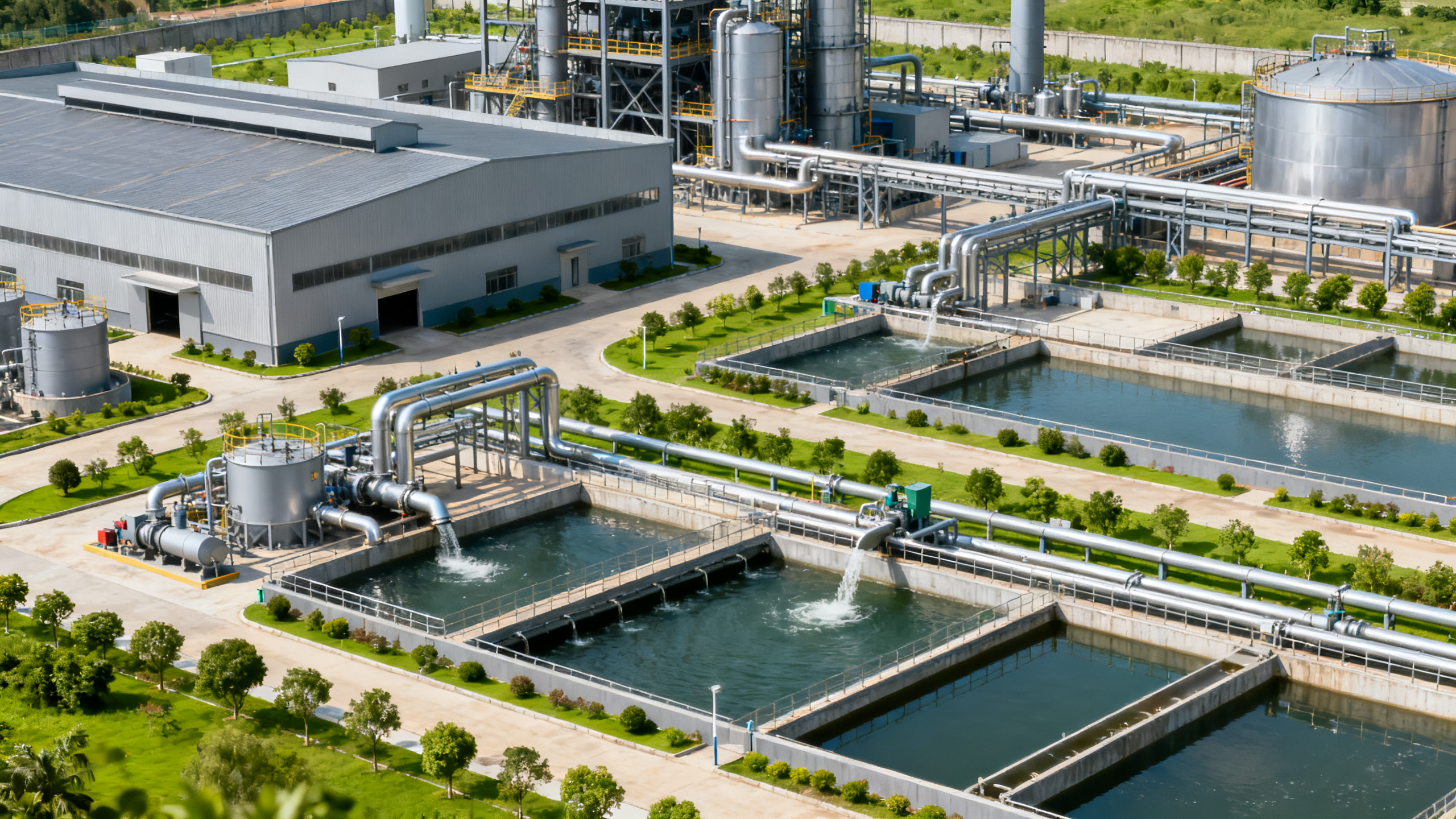
For business decision-makers, the value of Environment & Ecology consulting services becomes clear when regulatory risk, operational efficiency, and long-term resilience directly affect growth. From compliance planning to resource optimization, these services help industrial organizations reduce hidden costs, avoid project delays, and strengthen ESG performance—turning environmental responsibility into a measurable strategic advantage. In complex industrial settings, the question is rarely whether environmental issues matter, but when investing in expert support produces the strongest return.
When early-stage industrial projects face permitting pressure
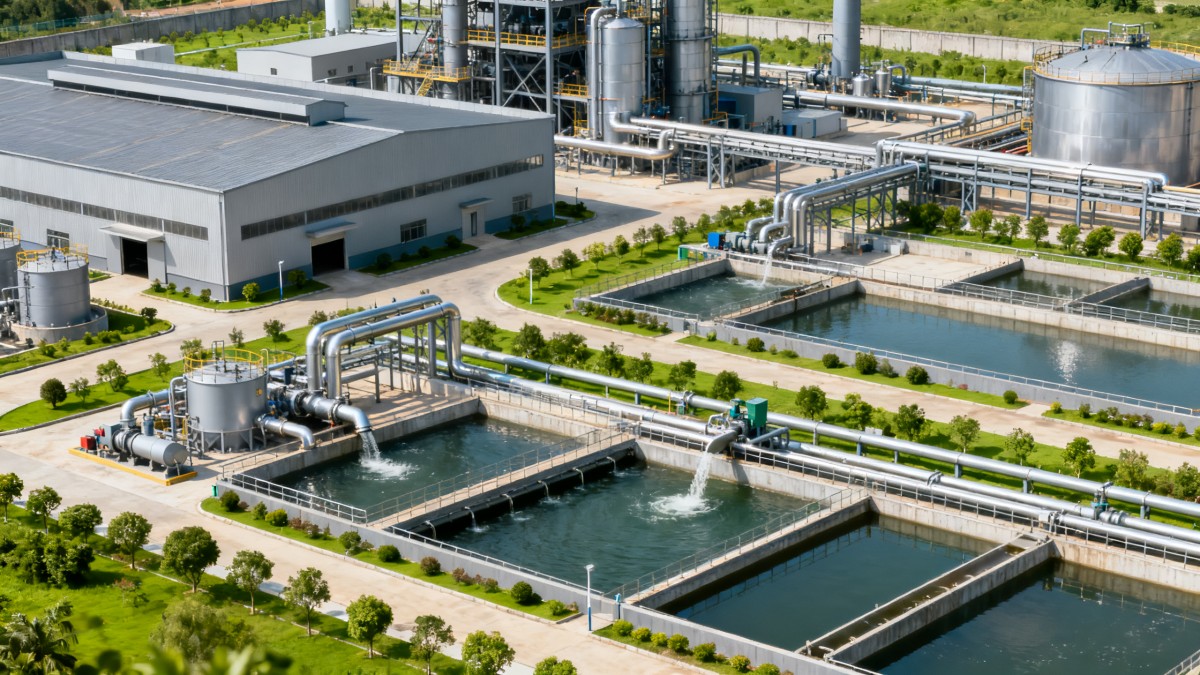
One of the clearest moments when Environment & Ecology consulting services pay off is during project planning, site selection, and pre-construction design. In heavy industry, infrastructure, utilities, and processing facilities, environmental approvals can determine whether a project moves forward on schedule or becomes trapped in redesign, review cycles, or stakeholder objections. Early environmental due diligence often reveals constraints that are expensive to discover later, such as protected habitats, wastewater treatment limitations, air emission thresholds, soil contamination, or community sensitivity around noise and traffic.
In this scenario, the payoff comes from prevention. A qualified advisor can align engineering intent with local regulations, international standards, and practical mitigation strategies before procurement and civil works are locked in. That reduces rework, accelerates approvals, and improves confidence in capital planning. For organizations operating across multiple jurisdictions, this planning support also helps standardize documentation, narrow compliance gaps, and create a more defensible project record.
When operating facilities carry hidden compliance and efficiency costs
A second high-value scenario appears in existing facilities that seem stable on the surface but are quietly losing money through waste, energy inefficiency, water overuse, emission drift, or incomplete reporting. Here, Environment & Ecology consulting services are not only about avoiding fines. They often uncover avoidable operating expenses that have become normalized over time. Industrial plants, warehouses, treatment systems, mining support operations, and utility-linked sites can all accumulate environmental inefficiencies that undermine margin and asset performance.
The strongest returns usually come from integrated assessments rather than isolated audits. A combined review of process water, hazardous material handling, stack emissions, waste segregation, and monitoring data can reveal where environmental performance and operational performance overlap. For example, reducing effluent loading may cut chemical use; improving dust capture may lower maintenance exposure; refining material recovery may reduce disposal costs. In these cases, Environment & Ecology consulting services pay off because they connect environmental obligations to measurable cost control.
When supply chain expansion increases ESG and customer scrutiny
The business case becomes even stronger when a company enters new export markets, bids on major EPC projects, or seeks to strengthen its position in global supply chains. Large buyers increasingly evaluate environmental maturity alongside price, quality, and delivery. In these situations, Environment & Ecology consulting services support more than internal compliance; they help build the documentation, governance, and performance signals that influence commercial trust.
This scenario matters across the comprehensive industrial landscape represented by GIC’s focus areas. A component supplier may need clearer lifecycle data. A power systems contractor may need stronger impact assessments. A safety equipment producer may need waste and materials traceability. Environmental consulting can help translate technical operations into credible ESG narratives supported by evidence, metrics, and corrective action plans. That often improves qualification outcomes, reduces reputational vulnerability, and supports long-term market access.
When incidents, complaints, or regulatory changes create urgent exposure
Not every investment in Environment & Ecology consulting services is planned. Sometimes the need emerges after a near miss, community complaint, inspection finding, permit breach, or new regulatory requirement. In these reactive scenarios, delays are expensive and uncertainty spreads quickly across operations, legal review, and public communication. External expertise becomes valuable because it provides structured fact-finding, root-cause analysis, and a prioritized path to corrective action.
The payoff here is speed with credibility. Fast response can prevent a limited issue from becoming a prolonged shutdown, contractual dispute, or brand problem. Consultants can also help determine whether a symptom reflects a local process failure or a system-wide governance weakness. That distinction matters. A single exceedance may require technical adjustment, while repeated deviations may signal that monitoring systems, training protocols, or maintenance controls are no longer adequate.
How to judge which scenario justifies Environment & Ecology consulting services
The value of Environment & Ecology consulting services depends on risk intensity, timing, and the cost of inaction. A simple rule is useful: the more environmental performance affects permits, uptime, financing, insurability, or buyer confidence, the more likely expert support will generate a meaningful return. The table below shows how different industrial scenarios create different decision triggers.
What different industrial scenarios need from environmental consulting
Although the keyword is broad, the actual need is highly scenario-specific. Effective Environment & Ecology consulting services are tailored to the operational context rather than delivered as a generic compliance package.
- Capital project environments: baseline assessments, permitting strategy, impact forecasting, environmental management plans, and stakeholder risk mapping.
- Continuous production sites: emissions review, wastewater optimization, waste minimization, resource efficiency analysis, and monitoring program upgrades.
- Export-oriented supply chains: ESG data frameworks, audit preparation, supplier environmental screening, and traceable improvement roadmaps.
- High-risk or incident-prone operations: root-cause investigation, corrective action design, emergency environmental response support, and regulator-facing documentation.
This is why the best decision is not simply whether to hire support, but which scope matches the actual exposure. Overbuying broad advisory services can waste budget, while under-scoping a critical issue can leave strategic risk unresolved.
Practical recommendations for selecting the right scope
To make Environment & Ecology consulting services cost-effective, the engagement should be tied to business outcomes that can be tracked. Useful selection criteria include:
- Define the trigger clearly: permit timeline, compliance gap, operating cost issue, customer requirement, or incident recovery.
- Ask for deliverables linked to decisions: risk register, mitigation plan, monitoring framework, cost-savings model, or corrective action roadmap.
- Prioritize advisors who understand industrial systems, standards, and field constraints—not only environmental theory.
- Require measurable indicators such as approval cycle reduction, avoided penalties, utility savings, waste reduction, or ESG reporting readiness.
- Build internal handoff capability so recommendations become operating controls rather than one-time reports.
Common misjudgments that reduce ROI
Several common mistakes cause organizations to underestimate or misuse Environment & Ecology consulting services. One is waiting until regulators or communities force action. By then, solution options are narrower and more expensive. Another is treating environmental consulting as a documentation exercise instead of an operational improvement tool. If the work is disconnected from engineering, maintenance, procurement, and site data, the recommendations may stay theoretical.
A third mistake is focusing only on direct fines while ignoring indirect losses. Project delay costs, redesign costs, reputational damage, customer qualification failures, insurance implications, and recurring resource waste often exceed the visible compliance penalty. In many industrial settings, that hidden cost stack is exactly why Environment & Ecology consulting services pay off sooner than expected.
The next step: evaluate payoff by scenario, not by assumption
The best time to invest in Environment & Ecology consulting services is when environmental performance directly shapes project certainty, operating efficiency, market access, or risk containment. For comprehensive industrial organizations, the smartest approach is scenario-based evaluation: identify where environmental variables can interrupt value creation, then match the consulting scope to that exposure.
A practical starting point is to review one active project, one operating site, and one customer- or regulator-driven requirement through the same lens: what is the cost of delay, waste, noncompliance, or weak ESG evidence? That comparison quickly shows where expert support will create the fastest and most defensible return. In the right context, Environment & Ecology consulting services are not an overhead line—they are a strategic tool for safer growth, stronger resilience, and better industrial decision-making.
Technical Specifications
- DIN EN 61558-2-16:2026 Lightning Test Rules PublishedAuthor :Grid Infrastructure Analyst
- FDA eSTAR Upgrade: ISO/IEC 17025:2026 Digital Signatures Required for Water Monitor SubmissionsAuthor :Environmental Engineering Director
- Indonesia BPOM Expands Green Channel for Industrial Dust PurifiersAuthor :Environmental Engineering Director
Expert Insights

Chief Security Architect
Dr. Thorne specializes in the intersection of structural engineering and digital resilience. He has advised three G7 governments on industrial infrastructure security.
Related Analysis
- May 09, 2026DIN EN 61558-2-16:2026 Lightning Test Rules PublishedAuthor :Grid Infrastructure Analyst
- May 09, 2026FDA eSTAR Upgrade: ISO/IEC 17025:2026 Digital Signatures Required for Water Monitor SubmissionsAuthor :Environmental Engineering Director
- May 09, 2026Indonesia BPOM Expands Green Channel for Industrial Dust PurifiersAuthor :Environmental Engineering Director
Core Sector // 01
Security & Safety
- FDA eSTAR Upgrade: ISO/IEC 17025:2026 Digital Signatures Required for Water Monitor SubmissionsAuthor :Environmental Engineering Director

- Global Industrial Water Quality Monitor IC Shortage WorsensAuthor :Environmental Engineering Director

- Environment & Ecology cost gaps between compliance and overdesignAuthor :Environmental Engineering Director

- When do Environment & Ecology consulting services pay off?Author :Environmental Engineering Director

- What drives Environment & Ecology cost in plant upgrades?Author :Environmental Engineering Director

- EN IEC 62471-2:2026 Enters Force for UV Disinfection Equipment in EUAuthor :Environmental Engineering Director

- What to check before choosing an Environment & Ecology exporterAuthor :Environmental Engineering Director

- Why Environment & Ecology impact assessment delays happenAuthor :Environmental Engineering Director