What drives Environment & Ecology cost up in custom projects?
Author
Date Published
Reading Time
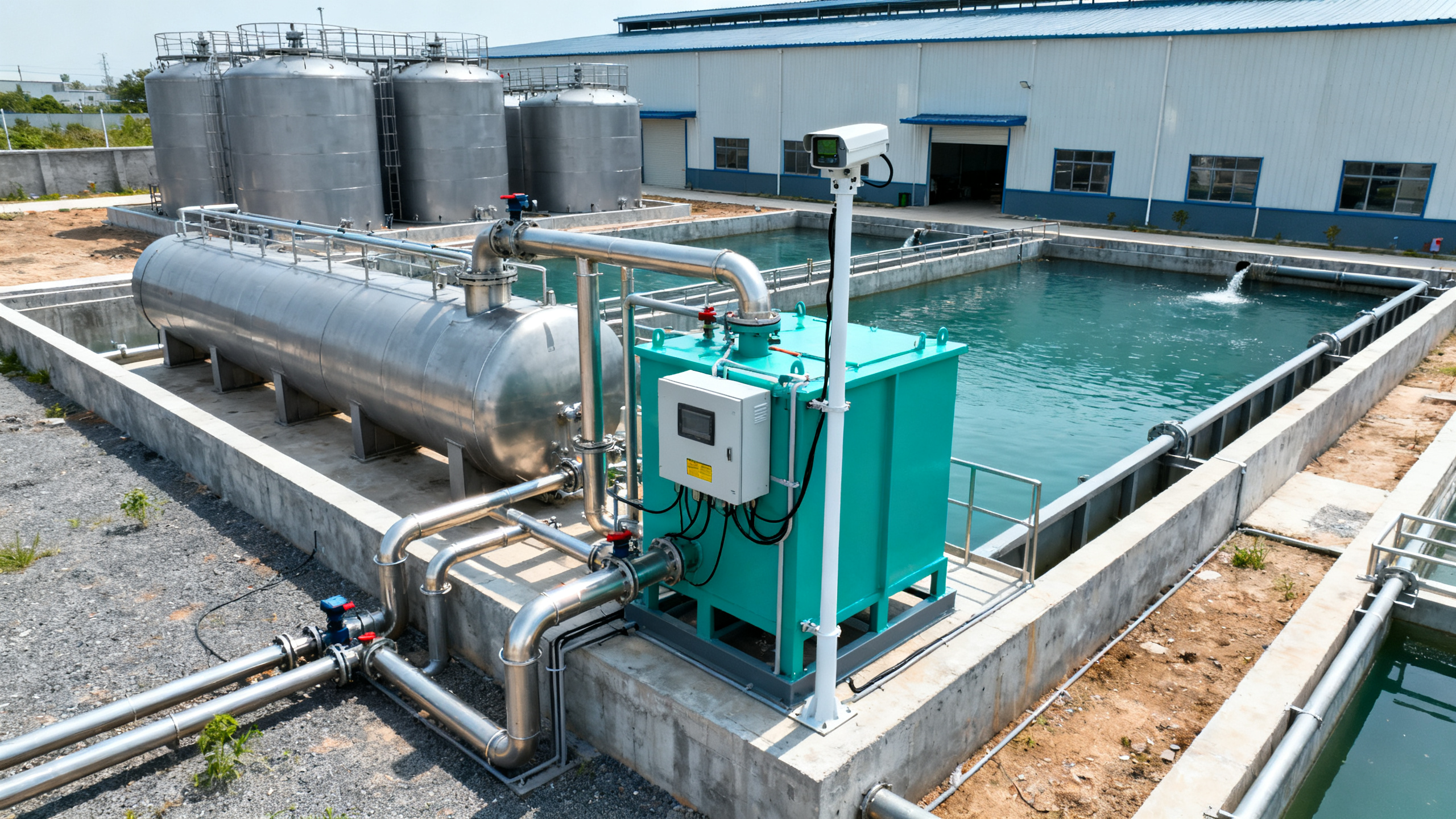
In custom industrial projects, Environment & Ecology cost often rises far beyond initial estimates due to compliance demands, site-specific risks, material selection, monitoring systems, and long-term operational safeguards. For financial approvers, understanding these cost drivers is essential to balancing budget control with regulatory resilience, project continuity, and the avoidance of far more expensive environmental liabilities later.
Why does Environment & Ecology cost escalate so quickly in custom projects?
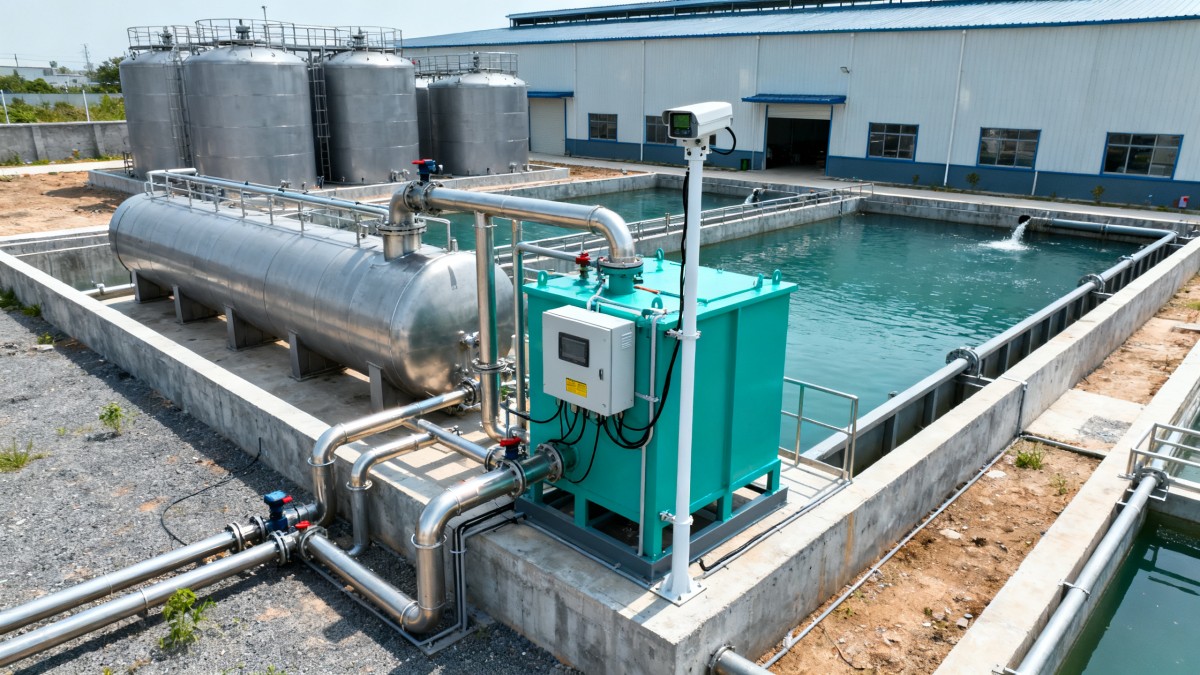
For financial approvers, the difficulty is not simply that Environment & Ecology cost is high. The real issue is that it is variable, layered, and strongly influenced by decisions made long before equipment arrives on site.
A standard catalog item may have a visible purchase price. A custom project adds engineering review, permitting interfaces, material upgrades, containment features, emissions control, wastewater handling, and monitoring requirements that are rarely captured in an early budget line.
In heavy industry and foundational infrastructure, environmental scope is rarely isolated. It intersects with electrical safety, instrumentation accuracy, mechanical reliability, and site civil conditions. One design adjustment can trigger several downstream cost changes.
- Permitting requirements may force redesign after procurement has started, creating change orders, schedule disruption, and revalidation costs.
- Harsh operating conditions such as corrosive media, high humidity, dust, and thermal cycling often demand more resistant materials and additional protection systems.
- Ongoing obligations such as sampling, calibration, reporting, and maintenance can exceed the initial equipment delta over the project lifecycle.
This is why Global Industrial Core focuses on source-level evaluation rather than headline pricing. Financially sound approval depends on identifying where environmental controls affect total installed cost, total compliance cost, and total operational risk.
Which cost drivers matter most to finance teams?
When finance reviews a custom project, Environment & Ecology cost should be separated into direct, indirect, and latent categories. That structure helps distinguish unavoidable compliance spend from preventable overruns.
The table below highlights common cost drivers and how they typically affect budget certainty in industrial projects.
For approvers, the key insight is that the most expensive items are not always the visible ones. Rework, permit delay, under-specified materials, and missed monitoring obligations can create larger lifetime liabilities than the original equipment package.
Direct cost versus hidden cost
Direct cost includes treatment units, scrubbers, separators, tanks, filtration systems, enclosures, and environmental instruments. Hidden cost includes redesign, extended commissioning, consultant review, disposal fees, operator training, and long-term documentation support.
A finance team that approves only direct cost often underestimates the real Environment & Ecology cost profile by focusing on procurement price instead of compliance continuity.
How do project conditions change the cost structure?
Two projects with similar production outputs can show very different Environment & Ecology cost patterns. Site context often matters more than nominal capacity.
Common high-impact conditions
- Brownfield retrofits often cost more than greenfield builds because existing drainage, cable routing, foundations, and process tie-ins restrict design flexibility.
- Remote sites can raise freight, installation supervision, spare stock, and service support costs, especially for analyzers and compliance-critical controls.
- High-risk sectors such as chemical processing, metal treatment, mining, and power support systems usually require stronger containment, monitoring, and emergency response integration.
- Projects near communities, waterways, or protected zones often face tighter limits on emissions, noise, discharge, and stormwater handling.
These conditions affect not only equipment choice, but also civil works, instrument density, access platforms, cable trays, control logic, and service scope. The result is a broader cost envelope than procurement teams may expect at concept stage.
Where do custom solutions cost more than standard solutions?
Financial approvers often ask whether a standard solution can reduce Environment & Ecology cost. Sometimes it can. But standardization only saves money when process conditions and compliance expectations remain within a stable operating window.
The comparison below shows where custom scope usually becomes necessary.
The practical lesson is that a standard system may look cheaper, yet become expensive if it cannot satisfy process chemistry, local regulations, or required data transparency. Customization should be approved when it prevents predictable lifecycle losses.
What should finance review before approving Environment & Ecology cost?
A disciplined review framework helps finance separate valid protection spend from vague technical padding. In cross-functional industrial buying, the approver needs evidence, not just technical preference.
Approval checklist for custom environmental scope
- Verify the regulatory basis. Ask which discharge, emission, waste, storage, and monitoring requirements are driving the design choices.
- Review the process risk. Check chemical compatibility, upset conditions, seasonal variation, and maintenance access constraints.
- Separate capex from opex. Confirm calibration cycles, consumables, inspection intervals, reporting needs, and spare part strategy.
- Compare failure cost. Estimate the likely impact of non-compliance, release events, forced downtime, and remedial works.
- Demand implementation clarity. Require lead times, commissioning steps, documentation deliverables, and handover responsibilities.
Global Industrial Core adds value here by mapping technical scope to sourcing risk. That is especially useful for EPC contractors and procurement directors who need to defend approvals with operational, compliance, and financial logic.
How do compliance and certification requirements influence cost?
Environment & Ecology cost is heavily shaped by documentation and conformity demands. In industrial infrastructure, compliance does not stop at product labeling. It extends into traceability, test records, installation practice, and performance verification.
The table below summarizes common compliance dimensions that frequently affect project cost.
These elements are often dismissed as overhead. In reality, they protect the organization from rejected approvals, disputed performance, and incomplete handover conditions that can delay revenue generation.
Common budgeting mistakes that push Environment & Ecology cost even higher
Many overruns are not caused by environmental technology itself. They come from budgeting assumptions that ignore industrial project complexity.
Frequent approval-stage mistakes
- Treating environmental scope as an accessory package instead of a system integrated with process, utilities, controls, and civil works.
- Assuming local rules will match another plant, region, or previous project without checking current site-specific obligations.
- Approving low initial pricing without confirming consumables, calibration, replacement intervals, and field service availability.
- Underestimating installation detail, including drainage segregation, sample lines, weather protection, and maintenance access.
- Delaying monitoring scope decisions until late stages, when control system changes become more expensive.
A better budgeting approach uses staged assumptions: concept estimate, compliance-adjusted estimate, and execution estimate. That makes environmental exposure visible before the project enters an irreversible procurement path.
FAQ: what financial approvers ask most about Environment & Ecology cost
Is higher Environment & Ecology cost always justified?
No. Some proposals include safety margin without clear risk basis. The right question is whether each cost element is linked to regulation, material compatibility, monitoring necessity, or credible consequence reduction. Approval should follow documented need, not generic caution.
How can finance compare two custom proposals fairly?
Use a normalized structure: equipment scope, compliance scope, installation scope, documentation scope, and five-year operating scope. A cheaper offer may exclude calibration, data logging, corrosion protection, or commissioning support, which shifts cost into later phases.
What early questions reduce later environmental overruns?
Ask about discharge limits, likely upset conditions, expected media variability, maintenance interval assumptions, and required evidence for handover. These questions surface hidden Environment & Ecology cost before contracts are locked.
When is customization financially smarter than standardization?
Customization is usually the better financial decision when process chemistry is aggressive, monitoring must be continuous, local rules are strict, or the cost of a spill, shutdown, or permit breach is materially higher than the custom premium.
Why choose Global Industrial Core for project evaluation and sourcing support?
Global Industrial Core supports finance-led decision making by connecting environmental engineering scope with procurement reality across heavy industry, utilities, process infrastructure, and foundational systems. That perspective matters when approvals must satisfy technical teams, compliance teams, and commercial leadership at the same time.
If you are reviewing Environment & Ecology cost in a custom project, you can consult GIC on specific decision points instead of relying on broad assumptions.
- Parameter confirmation for process conditions, media compatibility, monitoring density, and environmental risk controls.
- Solution selection guidance comparing standard packages with custom scope across cost, compliance exposure, and operational resilience.
- Delivery and implementation review covering lead times, commissioning interfaces, documentation expectations, and service dependencies.
- Certification and conformity support for common international requirements such as CE, UL, ISO-related documentation, and practical industrial traceability needs.
- Quotation alignment to help procurement and finance compare offers on a like-for-like basis before approval.
For organizations facing budget pressure, tight schedules, or difficult approval chains, a focused review can reveal whether the proposed Environment & Ecology cost is truly risk-driven, over-specified, or missing critical lifecycle items. That is the point where better sourcing intelligence becomes a financial advantage.
Technical Specifications
- How to Select Electronic Hotel Key Card Locks for Guest Rooms and Staff AreasAuthor :Safety Compliance Lead
- How to Select Lab Instruments for Reliable Chemical Analysis WorkflowsAuthor :Precision Metrology Expert
- How to Size a UPS for Server Rooms: Load, Runtime, and Redundancy FactorsAuthor :Grid Infrastructure Analyst
Expert Insights

Chief Security Architect
Dr. Thorne specializes in the intersection of structural engineering and digital resilience. He has advised three G7 governments on industrial infrastructure security.
Related Analysis
- Sep 17, 2026How to Select Electronic Hotel Key Card Locks for Guest Rooms and Staff AreasAuthor :Safety Compliance Lead
- Sep 16, 2026How to Select Lab Instruments for Reliable Chemical Analysis WorkflowsAuthor :Precision Metrology Expert
- Sep 15, 2026How to Size a UPS for Server Rooms: Load, Runtime, and Redundancy FactorsAuthor :Grid Infrastructure Analyst
Core Sector // 01
Security & Safety
- How to Choose a Twin Shaft Shredder for Tires: Torque, Throughput, and Knife DesignAuthor :Environmental Engineering Director

- Selecting Waste Recycling Equipment by Waste Stream, Throughput, and Contamination LevelAuthor :Environmental Engineering Director

- How to Choose Waste Sorting Equipment for Recycling Plants by Material Stream and CapacityAuthor :Environmental Engineering Director

- Scrap Metal Baler Buying Guide: Horizontal vs Vertical, Capacity, Power, and OutputAuthor :Environmental Engineering Director

- What Is Industrial Ecology and How Does It Improve Resource Efficiency in Manufacturing?Author :Environmental Engineering Director

- Pet Bottle Washing Line Problems: Common Causes of Flake Contamination and How to Fix ThemAuthor :Environmental Engineering Director

- How to Evaluate Environment & Ecology Cost in Industrial ProjectsAuthor :Environmental Engineering Director

- Why does a magnetic separator machine lose efficiency?Author :Environmental Engineering Director