Scrap Metal Baler Buying Guide: Horizontal vs Vertical, Capacity, Power, and Output
Author
Date Published
Reading Time
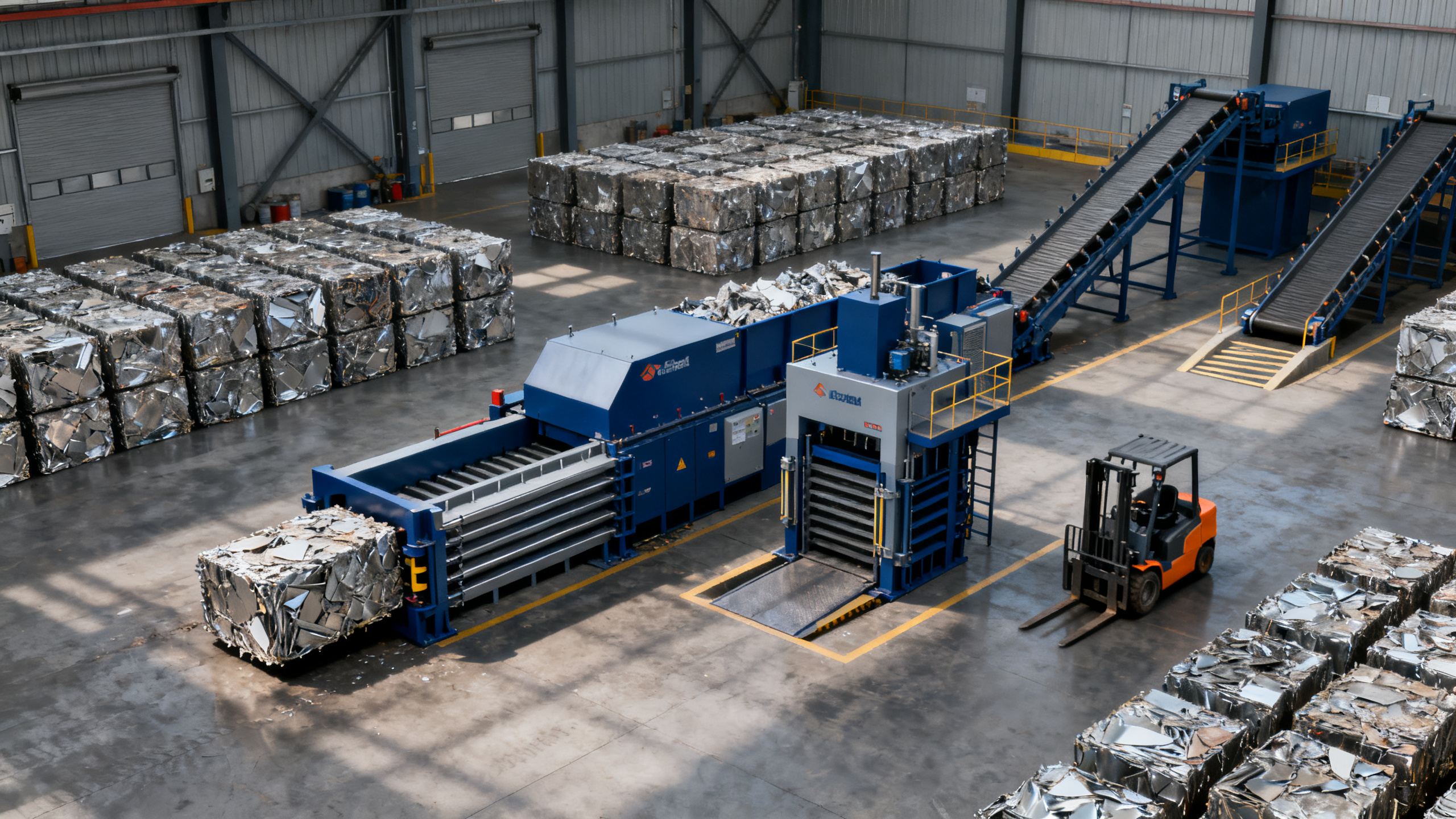
What does a scrap metal baler really decide in day-to-day operations?
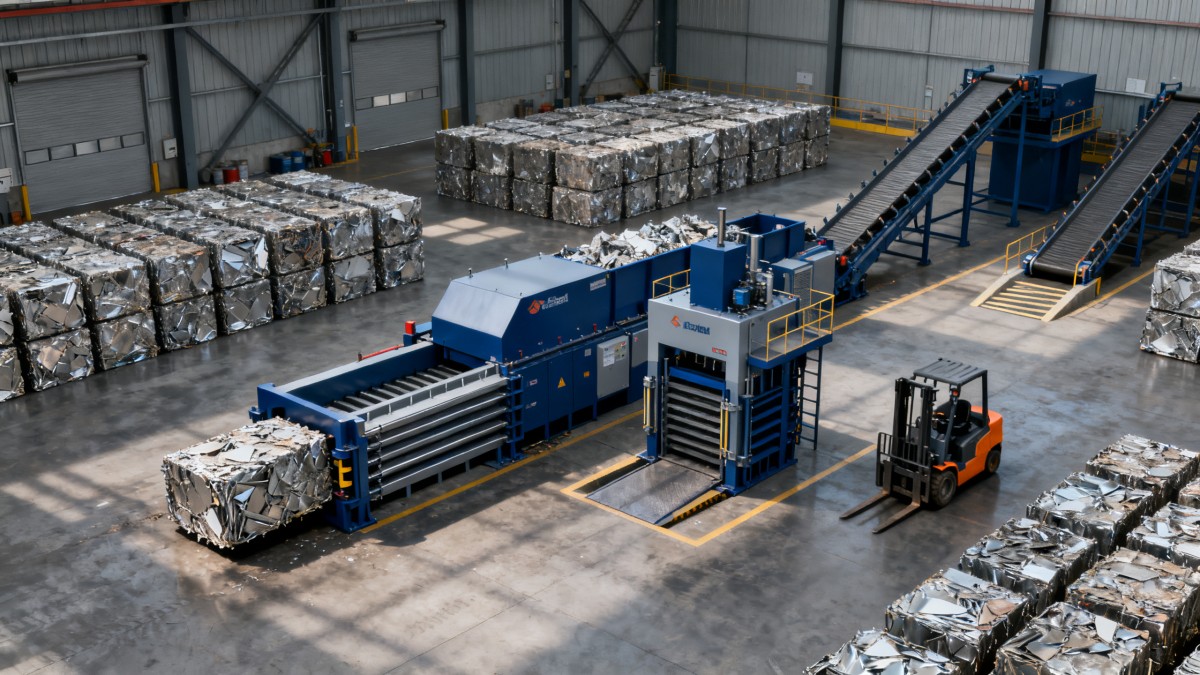
A scrap metal baler is not only a volume reduction machine. It shapes handling speed, transport cost, labor flow, and even yard safety.
That is why baler selection usually reaches beyond mechanical preference. It affects storage planning, truck loading patterns, and downstream furnace or recycling feed consistency.
In practical terms, the wrong unit creates hidden losses. Common examples include underfilled bales, unstable output, power mismatch, and avoidable maintenance stoppages.
Within heavy industry, these decisions are also tied to compliance and operating resilience. Global Industrial Core often frames equipment sourcing through safety, reliability, and long-cycle performance, not price alone.
So when buyers compare one scrap metal baler with another, the better question is simple: which machine fits the material stream, utility conditions, and logistics model with the least operational friction?
Horizontal or vertical: which scrap metal baler fits the workload better?
This is usually the first comparison, and for good reason. Horizontal and vertical designs solve different production problems.
A vertical scrap metal baler is often chosen where floor space is tight, feed volume is moderate, and manual loading is acceptable.
A horizontal scrap metal baler is more common where scrap arrives continuously, bale output must stay predictable, and labor dependence needs to stay low.
The difference is not only orientation. It affects throughput rhythm, feeding method, tying cycle, and integration with conveyors or grab systems.
A common mistake is choosing vertical equipment because the initial price looks easier to justify. That works only when feed rate and handling labor remain modest.
If incoming scrap fluctuates sharply or trucks queue during peak hours, a horizontal scrap metal baler often protects throughput better over time.
How much capacity is enough, and when does extra capacity become waste?
Capacity should be matched to actual hourly peaks, not average monthly tonnage. That distinction matters more than many buying sheets suggest.
A yard processing 40 tons per day may still need a larger scrap metal baler if most material arrives in short, dense loading windows.
By contrast, oversizing can backfire. It may raise installed power, idle losses, hydraulic stress, and maintenance cost without improving output quality.
A more reliable selection method is to check five variables together:
- Peak tons per hour rather than average tons per day
- Material mix, including sheet metal, turnings, cans, or heavy offcuts
- Moisture, contamination, and loose void ratio
- Available loading method and pre-sorting practice
- Shift pattern and acceptable queue time
In real applications, the right capacity window usually sits around current peak demand plus a modest growth margin. Around 15% to 25% is often easier to defend than aggressive oversizing.
When reviewing supplier claims, ask whether published throughput is based on light scrap, ideal feed density, or fully automated loading. Those details change the number significantly.
Power, hydraulics, and bale density: which specifications deserve the closest attention?
Installed motor power matters, but it should never be read alone. A larger motor does not automatically mean a better scrap metal baler.
What matters more is how power, hydraulic pressure, cylinder design, and cycle time work together under actual load.
For example, low-density bales may look acceptable inside the yard but become expensive in transport. More truck movements usually erase any savings from a cheaper machine.
Dense, consistent bales also improve stacking stability and reduce handling disruption at downstream shredding or melting facilities.
The most useful specification review often includes:
- Main motor rating and starting current requirements
- Hydraulic system pressure and cooling design
- Cycle time under rated feed conditions
- Bale size range, density consistency, and tie count
- Utility compatibility with local voltage and site distribution
Where grid stability is a concern, power quality deserves extra review. Soft starters, VFD arrangements, and thermal protection may influence long-term reliability as much as raw tonnage output.
This is where a standards-aware sourcing process helps. Equipment built for industrial infrastructure should arrive with traceable electrical, hydraulic, and guarding documentation, not only a performance brochure.
What output details change logistics costs after the machine is installed?
Many buyers focus on pressing force and forget the bale itself. Yet output characteristics drive transport efficiency more directly than headline tonnage.
Bale dimensions should match truck geometry, forklift handling limits, and the receiving facility’s unloading preference. A dense bale that cannot move smoothly is still a costly bale.
Tie integrity also matters. Weak wire placement or inconsistent compression can create bale expansion, handling risk, and rejected loads.
A useful buying conversation often shifts from “How many bales per hour?” to “How many saleable, stackable, transport-ready bales per shift?”
To support that judgment, compare output with these downstream checkpoints:
If output requirements are strict, ask for reference data from similar scrap streams. Generic performance numbers are rarely enough for final approval.
Where do buyers misjudge risk when comparing scrap metal baler options?
The most common mistake is treating all scrap as mechanically similar. Light sheet offcuts, mixed stamping scrap, and oily turnings behave very differently inside the chamber.
Another weak point is underchecking support infrastructure. Foundations, drainage, electrical load, and oil cooling conditions can limit machine performance before production even begins.
Certification should also be reviewed carefully. For industrial installations, CE, UL, ISO alignment, guarding systems, and emergency controls need to be documented in a usable way.
In sectors where uptime and safety carry board-level consequences, this is not paperwork decoration. It is part of asset risk control.
A practical pre-award checklist usually includes:
- Verified material test cases close to the real scrap profile
- Power and hydraulic consumption under load
- Spare parts lead time and service response model
- Guarding, interlocks, and emergency stop design
- Noise, heat, and environmental handling requirements
These checks align with the broader sourcing discipline promoted by GIC: resilient equipment decisions depend on evidence, standards, and fit-for-duty engineering judgment.
What is the most practical next step before choosing a scrap metal baler?
Start by mapping the scrap stream in operational terms, not catalog terms. Note material types, hourly peaks, feeding method, target bale size, and outbound logistics constraints.
Then compare horizontal and vertical options against that map, using total handling impact rather than purchase price alone.
A sound scrap metal baler decision usually comes from three layers of validation: real throughput, power and site compatibility, and output quality that supports transport economics.
If two models appear similar, the better choice is often the one with clearer test data, stronger compliance records, and easier integration into the existing yard flow.
The final review should be straightforward: confirm the material profile, verify realistic capacity, examine bale density and discharge logic, and pressure-test service support before approval.
That approach usually leads to a scrap metal baler investment that stays efficient long after installation, not just on the day the quotation is signed.
Technical Specifications
- Air Handling Unit Supplier Checklist: Performance Data, Lead Times, and SupportAuthor :Environmental Engineering Director
- Buying Fiberglass Water Tanks Wholesale: Compare Quotes and Delivery CostsAuthor :Environmental Engineering Director
- Choosing an XLPE Power Cable Supplier: Test Reports, Traceability, and Lead TimesAuthor :Grid Infrastructure Analyst
Expert Insights

Chief Security Architect
Dr. Thorne specializes in the intersection of structural engineering and digital resilience. He has advised three G7 governments on industrial infrastructure security.
Related Analysis
- Oct 19, 2026Air Handling Unit Supplier Checklist: Performance Data, Lead Times, and SupportAuthor :Environmental Engineering Director
- Oct 18, 2026Buying Fiberglass Water Tanks Wholesale: Compare Quotes and Delivery CostsAuthor :Environmental Engineering Director
- Oct 17, 2026Choosing an XLPE Power Cable Supplier: Test Reports, Traceability, and Lead TimesAuthor :Grid Infrastructure Analyst
Core Sector // 01
Security & Safety
- How to Select a Twin Shaft Shredder for Bulky Waste, Scrap Metal, and PlasticsAuthor :Environmental Engineering Director

- How to Choose a Twin Shaft Shredder for Tires: Torque, Throughput, and Knife DesignAuthor :Environmental Engineering Director

- Selecting Waste Recycling Equipment by Waste Stream, Throughput, and Contamination LevelAuthor :Environmental Engineering Director

- How to Choose Waste Sorting Equipment for Recycling Plants by Material Stream and CapacityAuthor :Environmental Engineering Director

- Scrap Metal Baler Buying Guide: Horizontal vs Vertical, Capacity, Power, and OutputAuthor :Environmental Engineering Director

- What Is Industrial Ecology and How Does It Improve Resource Efficiency in Manufacturing?Author :Environmental Engineering Director

- Pet Bottle Washing Line Problems: Common Causes of Flake Contamination and How to Fix ThemAuthor :Environmental Engineering Director

- How to Evaluate Environment & Ecology Cost in Industrial ProjectsAuthor :Environmental Engineering Director