What affects Environment & Ecology cost in real projects?
Author
Date Published
Reading Time
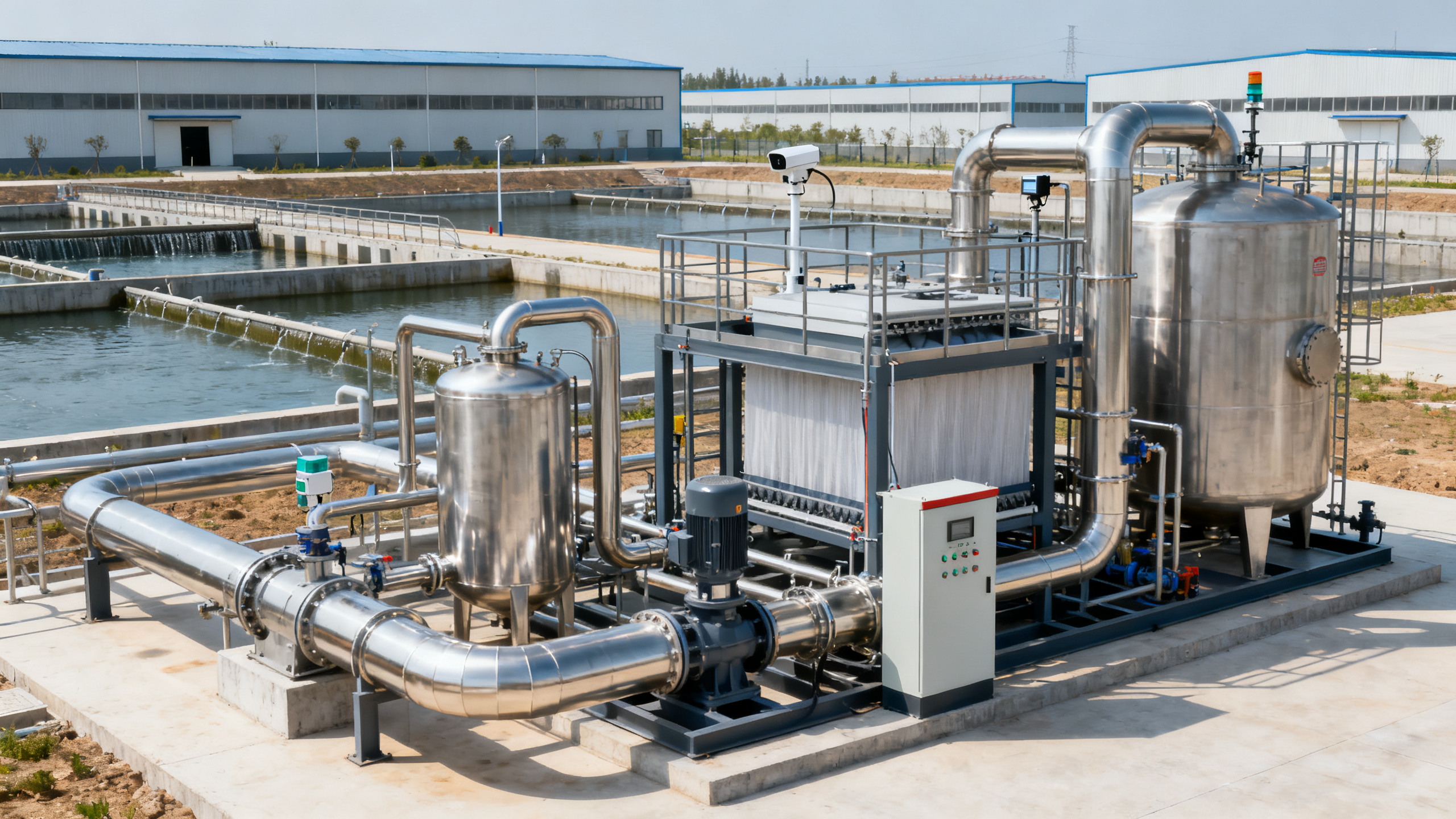
Environment & Ecology cost in real projects is shaped by far more than initial equipment pricing. The real budget includes permitting timelines, emissions controls, water treatment loads, land conditions, monitoring systems, and post-installation obligations. A disciplined review of these drivers reduces overruns, improves approval accuracy, and supports more resilient capital planning across industrial, utility, and infrastructure programs.
Why a checklist is essential for judging Environment & Ecology cost
Environment & Ecology cost often expands when teams evaluate only visible hardware. Real project exposure usually sits in hidden interfaces, regulatory changes, remediation needs, and long-term operating commitments.
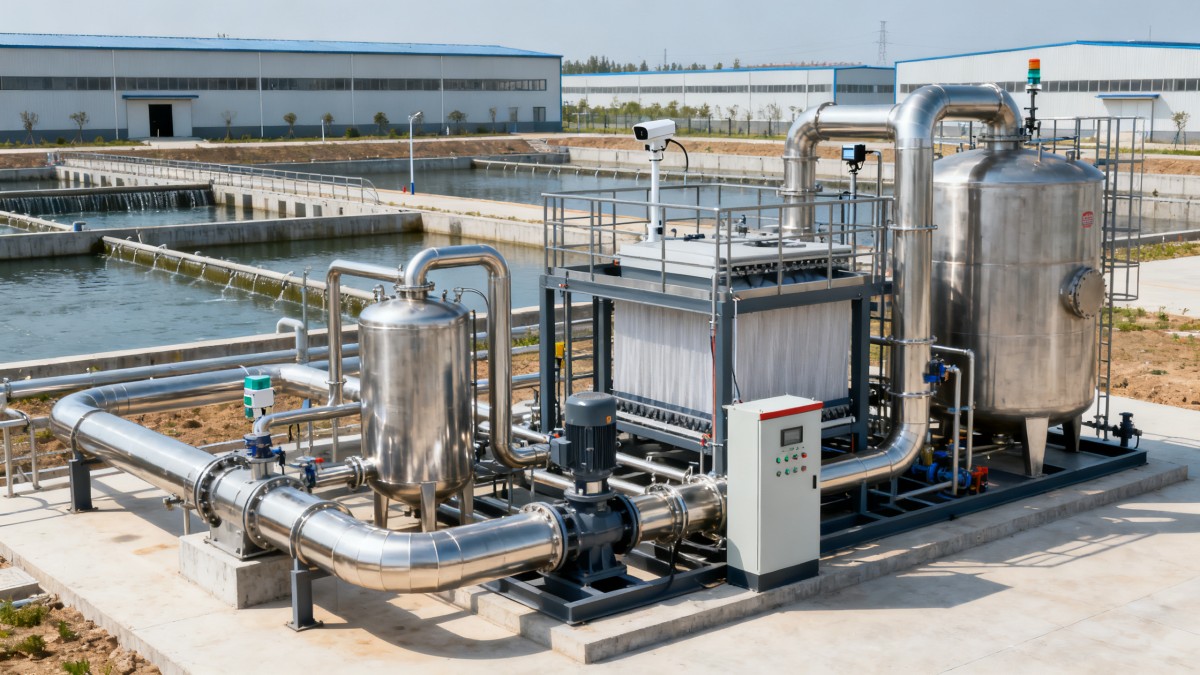
A checklist creates a repeatable decision path. It helps compare bids consistently, reveals lifecycle cost drivers early, and aligns engineering scope with compliance, commissioning, and operational realities.
This matters across comprehensive industry settings, where environmental systems connect with civil works, electrical loads, instrumentation, safety controls, and maintenance planning. Missing one dependency can distort the full Environment & Ecology cost profile.
Core checklist: what affects Environment & Ecology cost in real projects
- Define regulatory scope early, including local permits, discharge limits, emissions thresholds, habitat restrictions, reporting frequency, and third-party validation requirements before freezing equipment selection.
- Map site conditions in detail, covering soil stability, groundwater level, flood risk, ambient temperature, corrosion exposure, and available utility connections that can raise installation complexity.
- Quantify influent and effluent variability, because peak loads, seasonal swings, contaminant spikes, and future process changes often force larger treatment trains and reserve capacity.
- Check energy consumption across the full system, including pumps, blowers, dosing skids, filtration units, heat recovery, and automation panels that shape operating Environment & Ecology cost.
- Review materials of construction carefully, since stainless grades, coatings, liners, FRP, chemical resistance, and abrasion performance directly affect replacement cycles and maintenance budgets.
- Include instrumentation and controls scope, such as analyzers, sensors, SCADA integration, alarms, calibration routines, cybersecurity hardening, and data retention needed for compliance evidence.
- Estimate waste handling obligations, including sludge dewatering, hazardous residue classification, transport fees, landfill rules, and off-site disposal contracts that continue after commissioning.
- Assess construction interfaces early, especially tie-ins, shutdown windows, confined-space work, crane access, temporary bypass systems, and reinstatement works around active facilities.
- Plan commissioning and performance testing in the budget, because sample campaigns, laboratory verification, operator training, and guarantee runs can be longer than expected.
- Model lifecycle service needs, including consumables, spare parts, membrane replacement, recalibration, cleaning chemicals, and specialist technician visits over the asset’s intended life.
- Stress-test resilience assumptions, covering power interruptions, extreme weather, process upsets, emergency storage, redundancy philosophy, and recovery procedures that protect operational continuity.
- Verify end-of-life and remediation obligations, such as decommissioning, contaminated media removal, restoration work, and documentation closure that may be excluded from supplier proposals.
How Environment & Ecology cost changes by project scenario
Brownfield industrial upgrades
In brownfield sites, Environment & Ecology cost is frequently driven by unknowns. Legacy drawings may be incomplete, buried utilities may conflict with new pipe routes, and shutdown windows can compress installation into expensive phases.
Environmental retrofits also interact with aging electrical rooms, undersized drainage, and existing control systems. Integration work, not the main treatment package, often becomes the dominant cost factor.
New-build infrastructure and utility assets
For greenfield projects, the main advantage is design freedom. Yet Environment & Ecology cost can still rise through large civil footprints, remote logistics, baseline ecological studies, and extended approval pathways.
Early alignment between process design, land grading, drainage, and power distribution usually lowers total cost. When these packages are designed separately, duplicated work and late redesign become common.
High-compliance sectors with sensitive discharge or emissions limits
Projects facing strict discharge standards or air emissions limits require tighter monitoring, more stable process control, and stronger validation evidence. That raises both capital cost and recurring compliance cost.
In these settings, conservative design can be cheaper than repeated non-compliance events. Penalties, forced downtime, reputational exposure, and corrective engineering usually exceed the cost of robust prevention.
Commonly overlooked items that distort Environment & Ecology cost
Underestimating permitting duration
Delayed permits can trigger resequencing, idle contractors, and temporary workaround systems. The cost impact appears indirect, but it can materially change the full Environment & Ecology cost baseline.
Ignoring utility consumption during operation
Compressed air, electricity, wash water, and chemical dosing are often estimated too lightly. Over several years, operating utilities may exceed the savings gained from a lower upfront package price.
Assuming standard materials are sufficient
Corrosive media, coastal exposure, abrasive solids, and variable pH can destroy low-grade materials quickly. Premature replacement turns a cheap initial choice into a high lifecycle Environment & Ecology cost outcome.
Leaving data and reporting outside scope
Environmental compliance increasingly depends on defensible data. If data logging, calibration records, historian integration, and report formatting are omitted, later retrofits become expensive and disruptive.
Missing contingency for performance tuning
Many systems need tuning after startup. Additional media changes, software adjustments, reagent optimization, or process balancing should be budgeted rather than treated as exceptional events.
Practical execution steps to control Environment & Ecology cost
- Start with a cost map that separates capital, commissioning, compliance, and lifecycle categories. This prevents low-visibility obligations from hiding inside generic contingencies.
- Request bid breakdowns by subsystem. Separate civil works, process equipment, controls, consumables, testing, and service terms to expose where Environment & Ecology cost really sits.
- Use scenario-based assumptions. Compare base load, peak load, upset conditions, and future capacity expansion instead of relying on a single design-point estimate.
- Tie technical selection to measurable operating metrics. Energy per treated volume, media life, downtime tolerance, and maintenance hours are stronger decision tools than purchase price alone.
- Validate compliance assumptions with current standards and local enforcement practice. Written design intent should match the reality of inspection, sampling, and reporting expectations.
- Reserve contingency for interfaces, not only quantities. Unknown tie-ins, access restrictions, software integration, and temporary controls are frequent causes of budget escalation.
Conclusion: build a more accurate Environment & Ecology cost picture
A realistic Environment & Ecology cost review goes beyond treatment hardware and line-item pricing. It connects compliance, site risk, energy demand, service life, resilience, and data obligations into one decision framework.
The most reliable next step is to turn this checklist into a project-specific matrix. Score each item against site conditions, regulatory burden, and operating priorities, then compare options on total cost of ownership.
When that discipline is applied early, budgets become more credible, technical choices become easier to defend, and environmental investments are far more likely to perform as intended over time.
Technical Specifications
- How to Select Electronic Hotel Key Card Locks for Guest Rooms and Staff AreasAuthor :Safety Compliance Lead
- How to Select Lab Instruments for Reliable Chemical Analysis WorkflowsAuthor :Precision Metrology Expert
- How to Size a UPS for Server Rooms: Load, Runtime, and Redundancy FactorsAuthor :Grid Infrastructure Analyst
Expert Insights

Chief Security Architect
Dr. Thorne specializes in the intersection of structural engineering and digital resilience. He has advised three G7 governments on industrial infrastructure security.
Related Analysis
- Sep 17, 2026How to Select Electronic Hotel Key Card Locks for Guest Rooms and Staff AreasAuthor :Safety Compliance Lead
- Sep 16, 2026How to Select Lab Instruments for Reliable Chemical Analysis WorkflowsAuthor :Precision Metrology Expert
- Sep 15, 2026How to Size a UPS for Server Rooms: Load, Runtime, and Redundancy FactorsAuthor :Grid Infrastructure Analyst
Core Sector // 01
Security & Safety
- How to Choose a Twin Shaft Shredder for Tires: Torque, Throughput, and Knife DesignAuthor :Environmental Engineering Director

- Selecting Waste Recycling Equipment by Waste Stream, Throughput, and Contamination LevelAuthor :Environmental Engineering Director

- How to Choose Waste Sorting Equipment for Recycling Plants by Material Stream and CapacityAuthor :Environmental Engineering Director

- Scrap Metal Baler Buying Guide: Horizontal vs Vertical, Capacity, Power, and OutputAuthor :Environmental Engineering Director

- What Is Industrial Ecology and How Does It Improve Resource Efficiency in Manufacturing?Author :Environmental Engineering Director

- Pet Bottle Washing Line Problems: Common Causes of Flake Contamination and How to Fix ThemAuthor :Environmental Engineering Director

- How to Evaluate Environment & Ecology Cost in Industrial ProjectsAuthor :Environmental Engineering Director

- Why does a magnetic separator machine lose efficiency?Author :Environmental Engineering Director