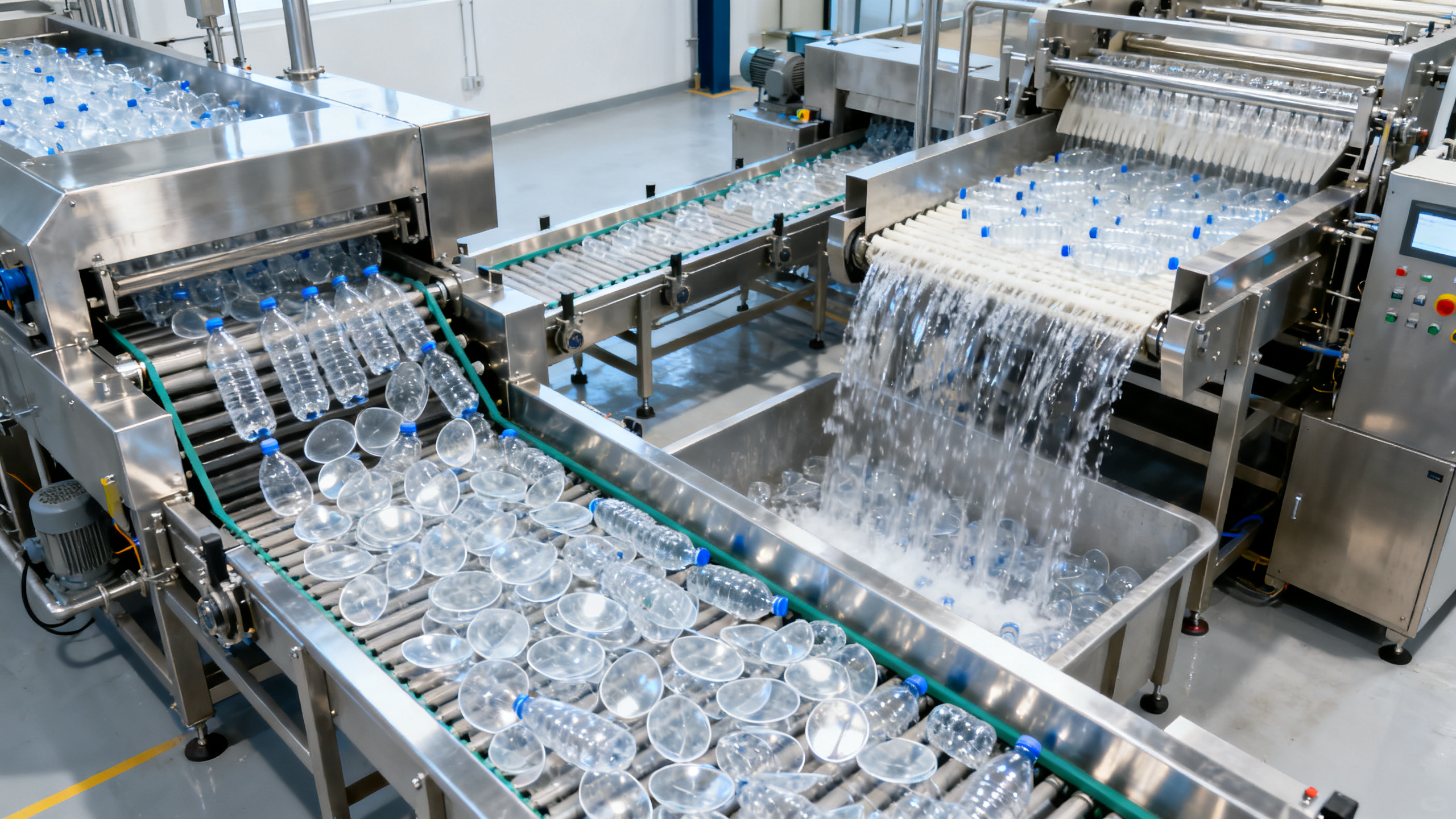
As recycling economics tighten and quality standards rise, many industrial buyers are reassessing whether a pet bottle washing line upgrade is a strategic necessity or a capital expense to delay.
In 2026, the answer depends on throughput, energy efficiency, contamination control, compliance requirements, and the long-term value of producing higher-grade recycled PET.
For enterprise decision-makers, this evaluation is no longer just about machinery—it is about operational resilience, regulatory readiness, and protecting margins in a more demanding circular economy.
The short answer: upgrade when quality, cost, or compliance limits growth
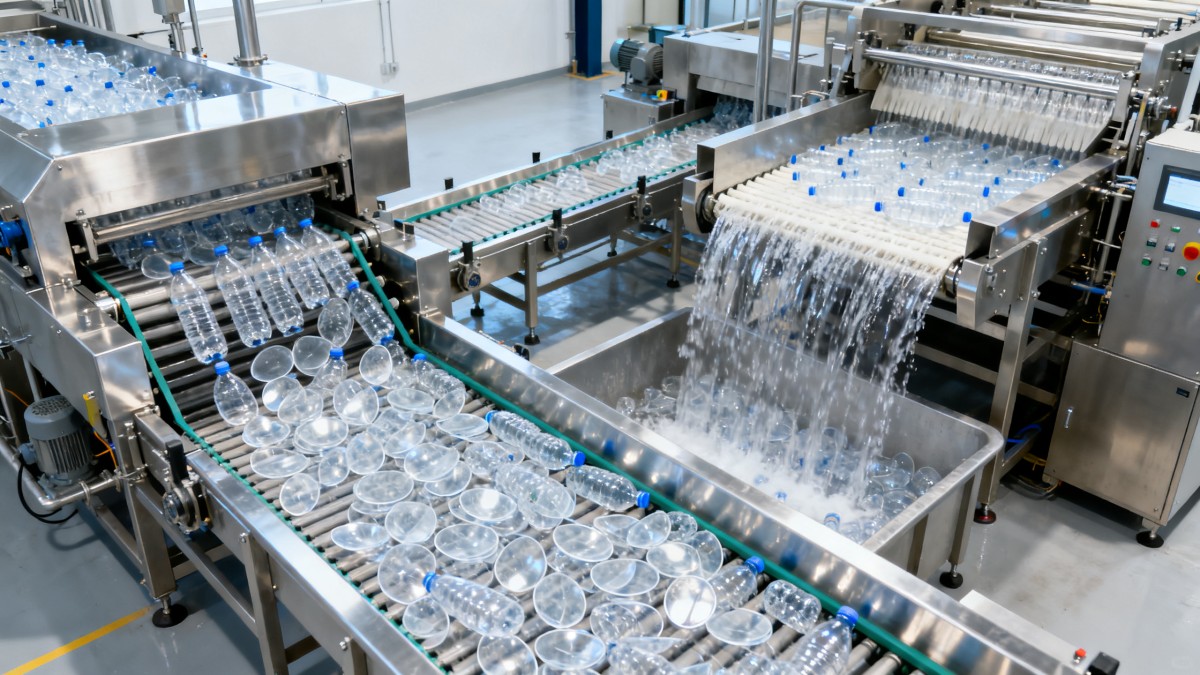
A pet bottle washing line is worth upgrading in 2026 if existing equipment constrains output, consumes excessive utilities, or fails to deliver consistent flake quality.
For many recyclers, the business case is not driven by capacity alone. It is driven by the ability to sell cleaner, higher-value recycled PET.
Enterprise buyers should treat the decision as a margin protection exercise, not simply as a replacement project for aging mechanical assets.
If the current line produces unstable moisture levels, high PVC contamination, or inconsistent label removal, downstream losses may already exceed upgrade costs.
However, if the operation serves low-spec markets, has reliable labor, and faces limited energy pressure, a staged retrofit may be more rational.
What decision-makers are really trying to determine
Most executives searching this topic are not asking whether new equipment is technically better. They are asking whether the investment pays back.
The critical question is whether improved washing performance can convert into higher selling prices, lower rejection rates, and more stable customer contracts.
A modern pet bottle washing line can improve value when it reduces contaminants that limit food-grade or fiber-grade applications.
It can also protect profitability by reducing water, energy, detergent, maintenance, and manual sorting costs across the full production cycle.
In board-level terms, the upgrade must support revenue quality, operating discipline, compliance confidence, and reduced exposure to avoidable downtime.
Why 2026 is different from previous upgrade cycles
The recycling industry is entering a phase where volume growth alone is no longer enough to satisfy customers or regulators.
Brand owners increasingly require traceability, stable recycled content, and tighter material specifications for packaging and textile applications.
At the same time, energy prices, water scarcity, and discharge regulations are reshaping the cost structure of plastic recycling plants.
Lines designed around older assumptions may still run, but they often require more labor, more chemicals, and more reprocessing.
In 2026, an inefficient washing line can quietly weaken competitiveness even when daily production appears acceptable on the surface.
The strongest financial argument for upgrading
The most compelling financial case comes from the gap between low-grade flakes and cleaner, better classified recycled PET output.
Higher-quality flakes can access stronger buyers, longer supply agreements, and applications where contamination tolerance is significantly lower.
If an upgraded system improves yield by reducing usable material loss, the effect compounds across every ton processed.
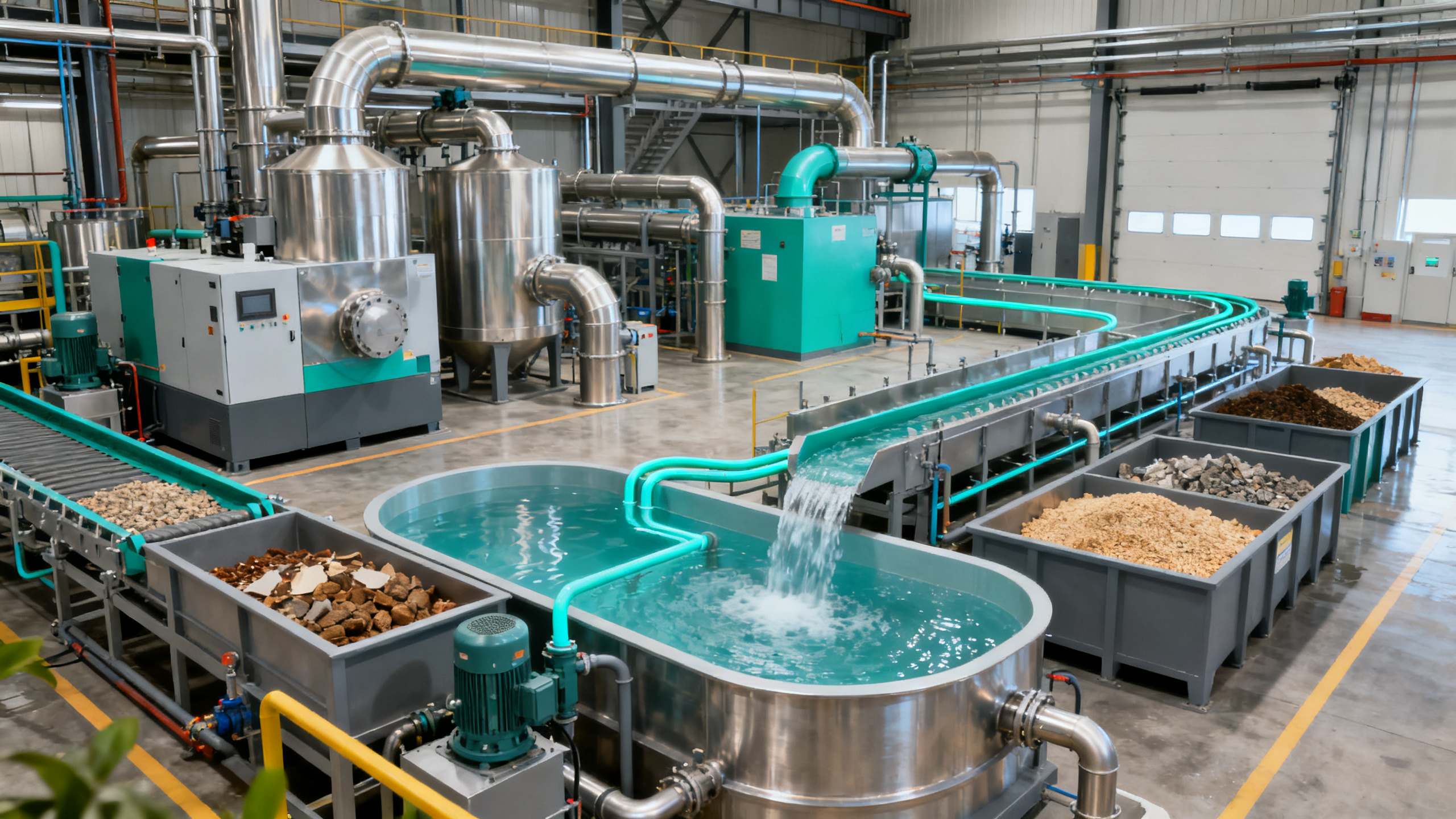
Energy-efficient friction washers, hot washing systems, and improved dewatering units can also reduce utility costs per ton.
For large operations, even modest reductions in water usage, steam demand, or drying energy may create substantial annual savings.
The investment becomes easier to justify when management calculates savings against actual throughput, not theoretical design capacity.
Where old washing lines usually lose money
Older lines often lose money through hidden inefficiencies rather than obvious mechanical failure. These losses are frequently underestimated during budgeting.
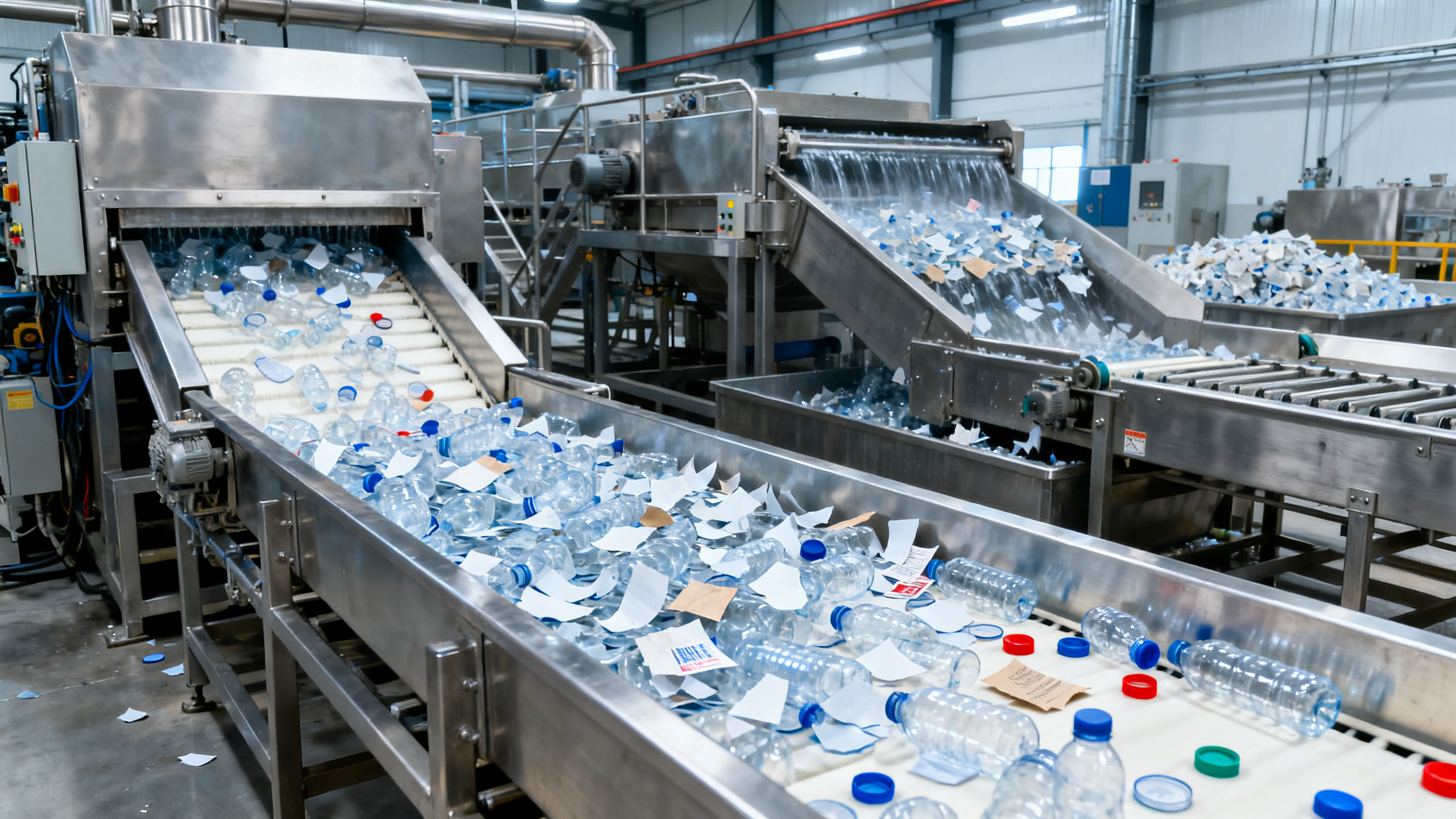
Common leakage points include excessive bottle cap residue, paper label carryover, glue contamination, sand, metals, and poor color separation.
Each defect may trigger penalties, customer complaints, reprocessing costs, or reduced selling prices for the finished PET flakes.
Maintenance costs also rise when pumps, bearings, blades, screens, and conveying systems operate outside their intended efficiency range.
When downtime becomes normal, production teams often compensate with overtime, manual intervention, and temporary repairs that mask strategic weakness.
Quality requirements should drive the technical specification
Decision-makers should begin with target output quality before discussing equipment models, automation packages, or supplier quotations.
A plant targeting bottle-to-bottle applications needs a different contamination control strategy from one producing flakes for strapping or fiber.
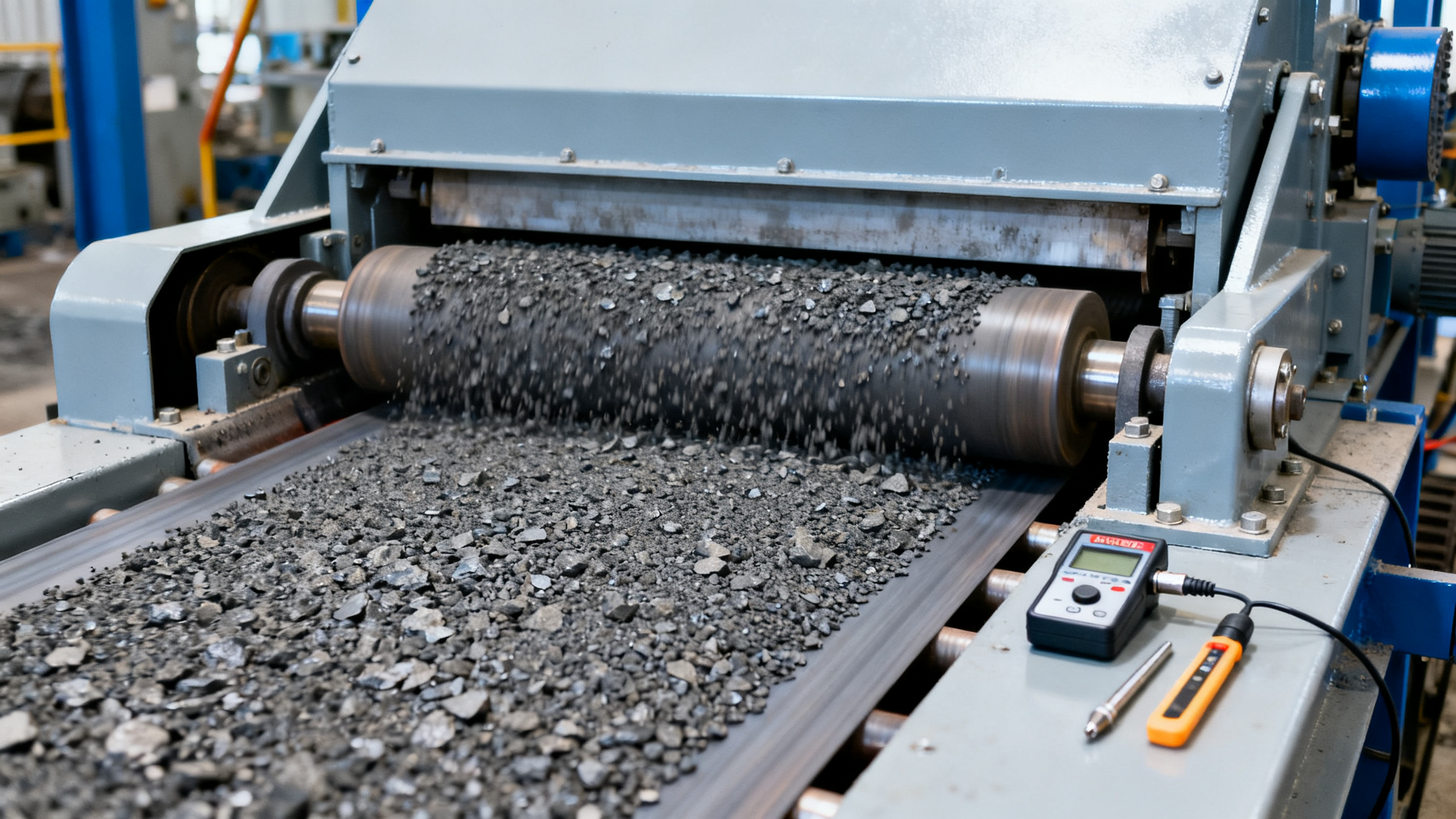
Key specifications include PVC levels, moisture content, bulk density, residual glue, metal contamination, color consistency, and organic residue.
The upgraded pet bottle washing line should be evaluated against customer acceptance standards, not only against internal production targets.
This approach prevents overbuying unnecessary technology while avoiding underinvestment that blocks access to premium recycled PET markets.
Automation is valuable when it reduces variability
Automation should not be purchased for its own sake. Its value lies in reducing variability that damages quality and planning reliability.
Modern systems may include optical sorting, automated dosing, temperature control, water circulation management, and real-time process monitoring.
These functions help plants maintain consistent washing conditions despite changes in feedstock quality, operator shifts, or seasonal contamination levels.
For enterprise operators, automation can also improve reporting, maintenance planning, and performance benchmarking across multiple recycling facilities.
The strongest case exists where labor availability is uncertain or where human sorting errors create expensive downstream quality failures.
Water and energy efficiency now affect strategic risk
Water and energy efficiency are no longer secondary operating details. They increasingly influence permits, costs, and customer sustainability evaluations.
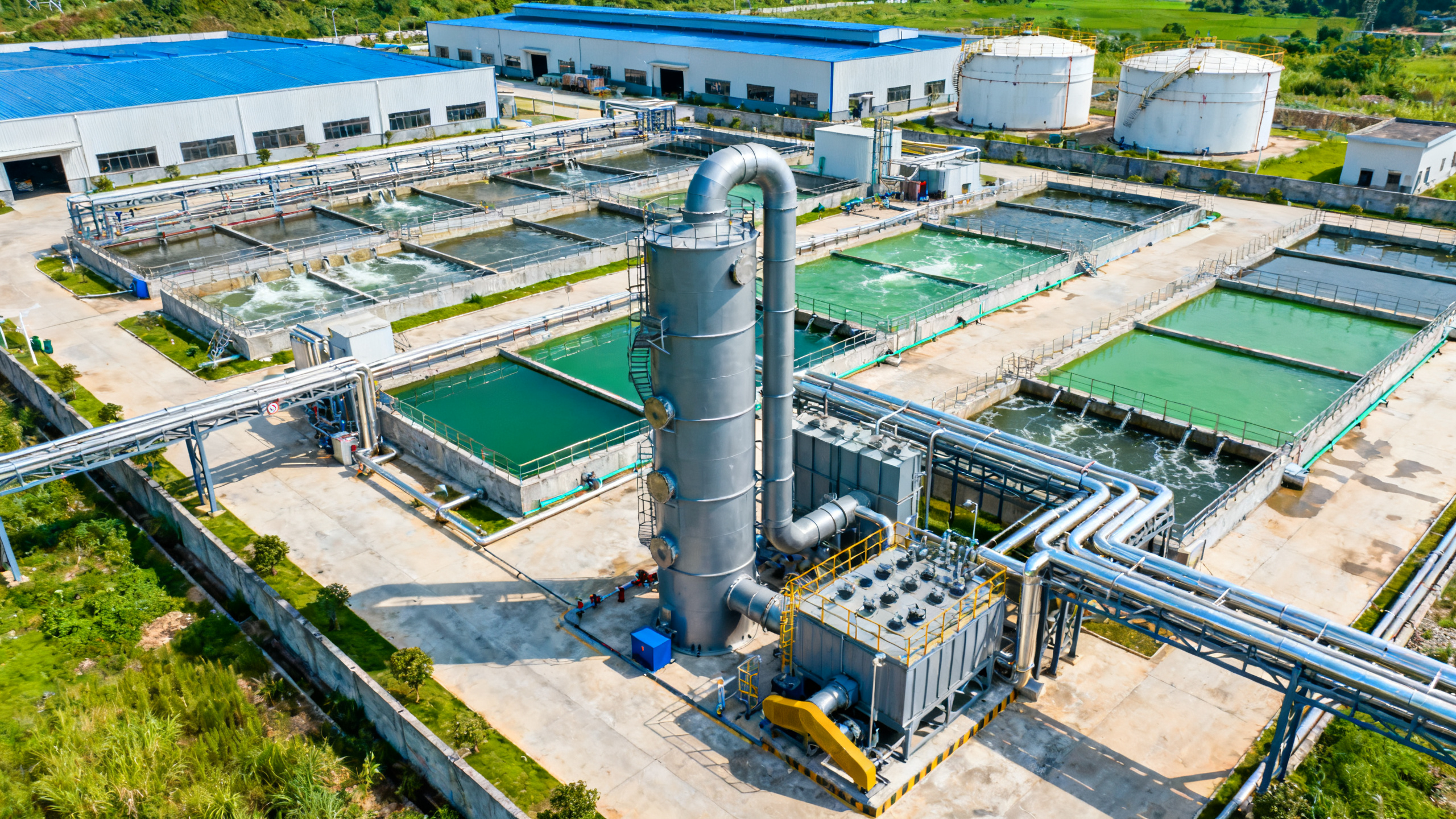
An upgraded line may include closed-loop water treatment, improved rinsing design, heat recovery, optimized motors, and better drying efficiency.
These improvements reduce operating exposure in regions facing higher electricity prices or stricter wastewater discharge limits.
For multinational buyers, lower resource intensity can also support ESG reporting and procurement requirements from global brand customers.
The business case becomes stronger when efficiency gains are connected to both direct savings and market access advantages.
Compliance and traceability are becoming purchase criteria
Regulatory pressure around recycled plastics continues to increase, especially where recycled PET enters packaging or food-adjacent supply chains.
While equipment alone does not guarantee certification, it can support process control, documentation, and contamination reduction requirements.
Enterprise buyers should assess whether upgraded systems can provide reliable records for temperatures, washing parameters, throughput, and quality checkpoints.
These records help demonstrate operational discipline during audits, customer reviews, and supplier qualification processes.
A line that cannot support traceability may remain functional but become commercially limited in higher-value procurement channels.
When a full upgrade may not be necessary
A complete line replacement is not always the best decision. Some facilities can achieve strong gains through targeted retrofits.
If the main structure remains sound, upgrading sorting, friction washing, hot washing, dewatering, or water treatment may be sufficient.
Facilities serving stable low-spec markets may not need premium automation if customers do not reward higher flake quality.
Similarly, plants with limited feedstock supply should avoid installing capacity that cannot be utilized consistently.
The right decision balances market ambition, feedstock reality, technical bottlenecks, and available capital.
How to calculate return on investment realistically
A credible ROI model should include more than purchase price, installation, shipping, civil works, and commissioning costs.
It should quantify changes in yield, selling price, energy use, water consumption, labor, maintenance, downtime, rejected batches, and chemical usage.
Management should also model ramp-up time, operator training, temporary production disruption, and spare parts availability.
The most useful analysis compares three scenarios: maintain the current line, retrofit bottleneck equipment, or implement a full upgrade.
This prevents teams from accepting supplier claims without testing whether benefits match the facility’s real operating conditions.
Supplier selection matters as much as machine selection
A pet bottle washing line is a system, not a collection of standalone machines. Integration quality determines actual performance.
Decision-makers should examine supplier experience with similar feedstock, capacity ranges, local utility conditions, and required output specifications.
References, test data, installation cases, spare parts support, and commissioning capability should carry significant weight in procurement decisions.
Low-cost quotations may become expensive if they lack engineering support, documentation, training, or reliable after-sales service.
For industrial buyers, supplier credibility is a risk-control factor, especially when the project affects long-term customer commitments.
Key questions to ask before approving the project
Executives should ask whether the existing line limits revenue, increases cost, or creates compliance exposure that cannot be ignored.
They should identify the specific bottleneck: sorting, washing temperature, friction intensity, rinsing, drying, water treatment, or material handling.
They should also ask whether customers will pay more for improved quality or simply require it to maintain current contracts.
Another essential question is whether the organization has the operational discipline to run a more advanced system properly.
An upgraded line only creates value when maintenance, quality control, and process management improve alongside the equipment.
Practical decision framework for 2026
Upgrade aggressively if demand exists for cleaner flakes, current rejection rates are high, and utility consumption is weakening margins.
Choose a targeted retrofit if one or two process stages are responsible for most quality or cost problems.
Delay major investment if feedstock supply is uncertain, customer requirements remain basic, or capital would be better used upstream.
In all cases, base the decision on measured data from the existing line rather than assumptions about industry trends.
The best projects start with a plant audit, material balance, cost-per-ton analysis, and customer specification review.
Conclusion: upgrading is worthwhile when it protects future competitiveness
In 2026, upgrading a pet bottle washing line is worthwhile when it improves quality, lowers operating cost, and supports stronger market access.
It is not automatically justified by age, capacity ambition, or supplier promotion. The investment must solve measurable business constraints.
For enterprise decision-makers, the strongest upgrade case connects machinery performance with customer requirements, compliance readiness, and long-term margin protection.
Companies that evaluate the decision through this lens will avoid both underinvestment and unnecessary capital spending.
The right washing line strategy should help the business produce cleaner recycled PET, operate with discipline, and compete confidently in the circular economy.