How to Evaluate Environment & Ecology Cost in Industrial Projects
Author
Date Published
Reading Time
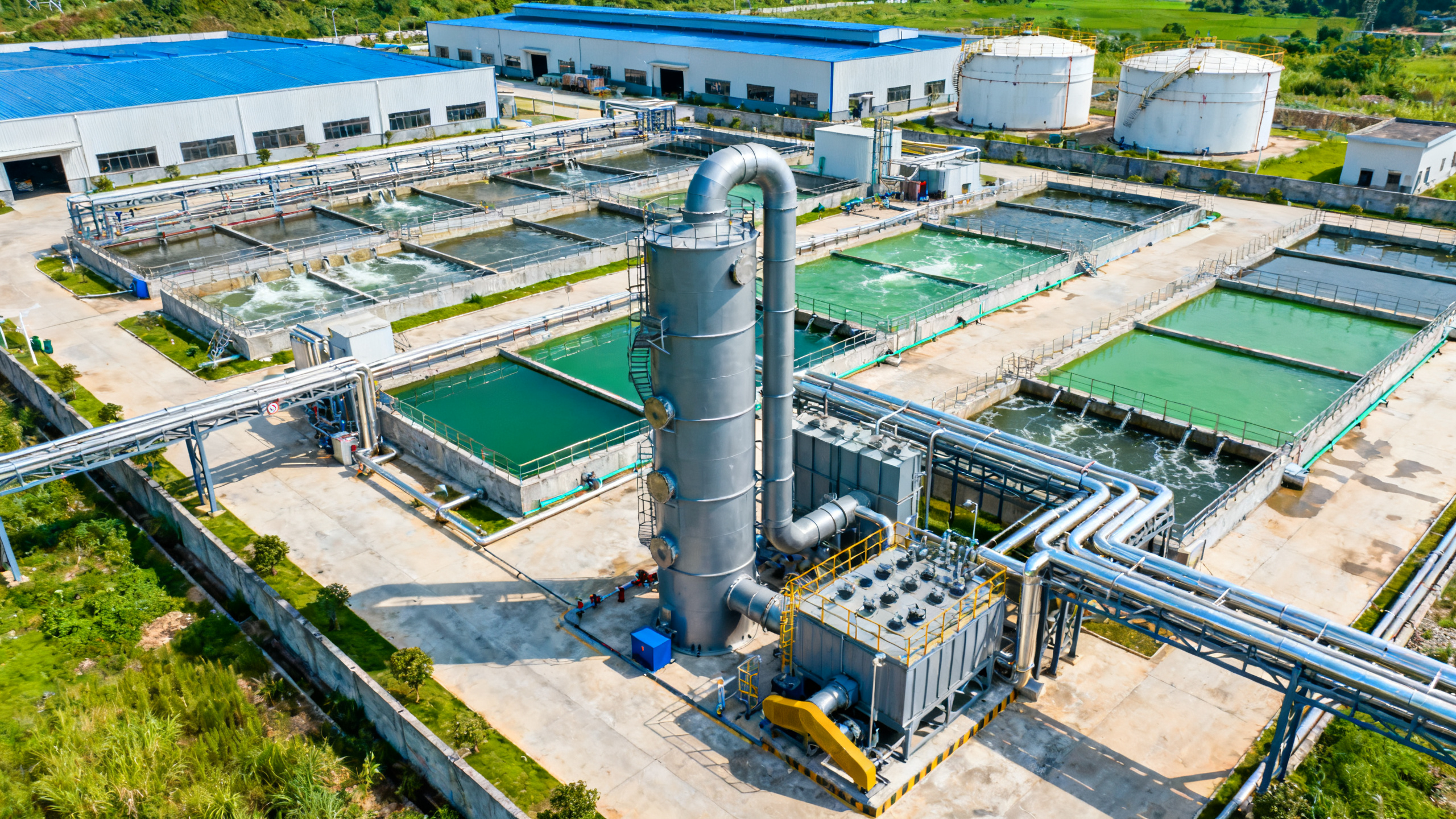
Evaluating Environment & Ecology cost in industrial projects is no longer a side calculation. It directly shapes compliance, schedule certainty, financing confidence, and long-term operating value.
In heavy industry, a weak environmental budget often becomes an expensive correction later. A strong one helps control permits, avoid shutdowns, and protect asset performance across the full project lifecycle.
For complex capital projects, the smartest approach is to break Environment & Ecology cost into visible cost blocks, test them against site realities, and compare suppliers on lifecycle impact rather than headline price alone.
Start with the full cost boundary
Before reviewing quotes, define what belongs inside the environmental budget. Many overruns happen because project teams price equipment, but miss monitoring, permitting, waste handling, or long-term remediation exposure.
A practical boundary usually includes design studies, baseline surveys, emissions control, water treatment, waste systems, reporting tools, audits, training, and post-commissioning verification.
[Image 01: Industrial site environmental cost mapping dashboard with emissions, water, waste, and compliance checkpoints]
This matters even more in global sourcing. Global Industrial Core (GIC) consistently highlights that industrial procurement decisions must connect compliance, reliability, and operating resilience, not just initial unit economics.
- Map all cost categories early, including permits, monitoring, waste logistics, consultant fees, and site restoration, so the initial Environment & Ecology cost model reflects real project exposure.
- Separate capital expense from operating expense, because scrubbers, treatment units, and containment systems may look affordable upfront but create heavy service, energy, and consumables burdens later.
- Set a contingency for environmental change orders, especially where local standards, soil conditions, or water discharge rules may shift during engineering, construction, or commissioning.
- Include internal labor in the estimate, since reporting, permit coordination, inspections, and corrective actions often consume more management time than early budgets assume.
Check the site before trusting the budget
No environmental estimate is reliable without site-specific inputs. Land history, nearby water bodies, air quality restrictions, and community sensitivity can change the real Environment & Ecology cost dramatically.
A brownfield expansion usually carries hidden liabilities. Legacy contamination, undocumented drainage, and old underground assets can turn a normal package into a major remediation event.
Common checks that prevent expensive surprises
- Review historical land use, prior incidents, and old compliance records, because unresolved contamination or past violations can increase both immediate controls and future legal obligations.
- Verify water source, discharge route, and seasonal flow conditions, since treatment requirements often change when local discharge quality or receiving environment is more sensitive than expected.
- Assess noise, dust, odor, and traffic effects near communities, as social complaints can trigger added mitigation spending, restricted operating hours, and delays to approvals.
- Confirm local and cross-border standards early, especially for multinational projects, because different CE, ISO, or regional environmental requirements can alter equipment and documentation scope.
Compare suppliers on lifecycle value, not bid price
The lowest quote rarely delivers the lowest Environment & Ecology cost. In industrial settings, weak component quality can increase emissions drift, downtime, chemical use, and compliance risk.
That is why GIC’s editorial approach is useful in sourcing decisions. It connects technical documentation, certifications, and real operating conditions, helping industrial buyers judge durability and compliance together.
- Score suppliers on efficiency, certification strength, service support, and field reliability, so Environment & Ecology cost reflects total ownership instead of only procurement price.
- Ask for real performance data from comparable industrial conditions, because lab values alone may hide maintenance intensity, unstable output, or weak resilience in harsh environments.
- Check whether monitoring instruments integrate with plant reporting systems, since fragmented data capture often raises manual workload and weakens audit readiness.
Do not overlook indirect environmental costs
Some of the most damaging budget gaps are indirect. They sit outside the equipment package, but still shape the real Environment & Ecology cost of a project.
Examples include delayed permits, redesign after failed tests, community objections, higher insurance costs, and production losses from non-compliance events. These are not rare. They are common in rushed projects.
Where indirect costs usually appear
- Budget for permit timing risk, because delayed approvals can idle contractors, postpone commissioning, and create cascading cost pressure across the whole industrial project schedule.
- Model failure scenarios such as emission exceedance or wastewater nonconformance, since one incident may trigger retesting, reporting, fines, and reputational damage together.
- Account for shutdown exposure during retrofits or corrective works, especially where environmental upgrades must be installed inside tightly planned production windows.
- Include external stakeholder communication costs when projects sit near regulated zones or populated areas, because public scrutiny often expands documentation and mitigation requirements.
Adjust the model for different project situations
A new facility and a retrofit should never share the same environmental cost logic. The spending pattern, risk profile, and control priorities are simply different.
Greenfield development
Greenfield projects allow better integration of environmental systems from the start. That usually lowers long-term Environment & Ecology cost, even if early engineering spend looks higher.
The key checks are baseline ecology, water pathways, local permitting sequence, and how utility design supports efficient treatment, containment, and continuous monitoring.
Brownfield expansion
Brownfield work often looks cheaper at first. In reality, it can carry hidden contamination, legacy drains, old permits, and limited installation space that increase environmental control costs.
Here, early surveys and phased risk reviews matter more than speed. A rushed quote can miss remediation scope and create major budget revisions later.
Cross-border sourcing projects
When equipment, materials, and compliance frameworks come from different regions, documentation quality becomes part of the Environment & Ecology cost. Missing certificates or weak traceability can delay acceptance.
This is where a verified intelligence source such as GIC adds value. It helps align technical specifications, standards evidence, and practical sourcing judgment across multiple industrial systems.
Build a decision model that teams can actually use
The best environmental budget is not the most detailed spreadsheet. It is the one that supports fast, repeatable decisions during design, sourcing, and execution.
A useful model should show baseline cost, risk-adjusted cost, compliance status, and lifecycle impact side by side. That makes trade-offs visible before contracts are signed.
- Use a weighted evaluation model that combines capex, opex, compliance readiness, maintainability, and failure risk, giving Environment & Ecology cost a balanced commercial view.
- Review the model at each project gate, because environmental assumptions often change between concept design, detailed engineering, procurement, and commissioning stages.
- Link every major environmental cost line to a clear owner and evidence source, so decisions stay traceable and supplier claims are easier to challenge.
- Benchmark against similar industrial assets whenever possible, since historical data often reveals underpriced consumables, unrealistic maintenance intervals, or missing compliance tasks.
Turn cost evaluation into a stronger investment decision
A credible Environment & Ecology cost review is really a resilience test for the whole project. It shows whether the asset can operate cleanly, reliably, and compliantly under real industrial conditions.
The strongest decisions usually come from three habits: define the full cost boundary, validate site realities early, and compare suppliers on lifecycle performance backed by certifications and field evidence.
For industrial organizations building or upgrading critical infrastructure, GIC’s data-driven perspective is especially relevant. It connects environmental engineering, sourcing discipline, and trust-based technical validation in one decision framework.
The next step is simple. Rebuild the budget around real risk, not just quoted equipment price, and use that structure to test whether each option truly lowers total Environment & Ecology cost over the life of the asset.
Technical Specifications
- How to Select Electronic Hotel Key Card Locks for Guest Rooms and Staff AreasAuthor :Safety Compliance Lead
- How to Select Lab Instruments for Reliable Chemical Analysis WorkflowsAuthor :Precision Metrology Expert
- How to Size a UPS for Server Rooms: Load, Runtime, and Redundancy FactorsAuthor :Grid Infrastructure Analyst
Expert Insights

Chief Security Architect
Dr. Thorne specializes in the intersection of structural engineering and digital resilience. He has advised three G7 governments on industrial infrastructure security.
Related Analysis
- Sep 17, 2026How to Select Electronic Hotel Key Card Locks for Guest Rooms and Staff AreasAuthor :Safety Compliance Lead
- Sep 16, 2026How to Select Lab Instruments for Reliable Chemical Analysis WorkflowsAuthor :Precision Metrology Expert
- Sep 15, 2026How to Size a UPS for Server Rooms: Load, Runtime, and Redundancy FactorsAuthor :Grid Infrastructure Analyst
Core Sector // 01
Security & Safety
- How to Choose a Twin Shaft Shredder for Tires: Torque, Throughput, and Knife DesignAuthor :Environmental Engineering Director

- Selecting Waste Recycling Equipment by Waste Stream, Throughput, and Contamination LevelAuthor :Environmental Engineering Director

- How to Choose Waste Sorting Equipment for Recycling Plants by Material Stream and CapacityAuthor :Environmental Engineering Director

- Scrap Metal Baler Buying Guide: Horizontal vs Vertical, Capacity, Power, and OutputAuthor :Environmental Engineering Director

- What Is Industrial Ecology and How Does It Improve Resource Efficiency in Manufacturing?Author :Environmental Engineering Director

- Pet Bottle Washing Line Problems: Common Causes of Flake Contamination and How to Fix ThemAuthor :Environmental Engineering Director

- How to Evaluate Environment & Ecology Cost in Industrial ProjectsAuthor :Environmental Engineering Director

- Why does a magnetic separator machine lose efficiency?Author :Environmental Engineering Director