FCC Votes to Bar All China-Based Labs From Testing Electronics for US Market
Author
Date Published
Reading Time
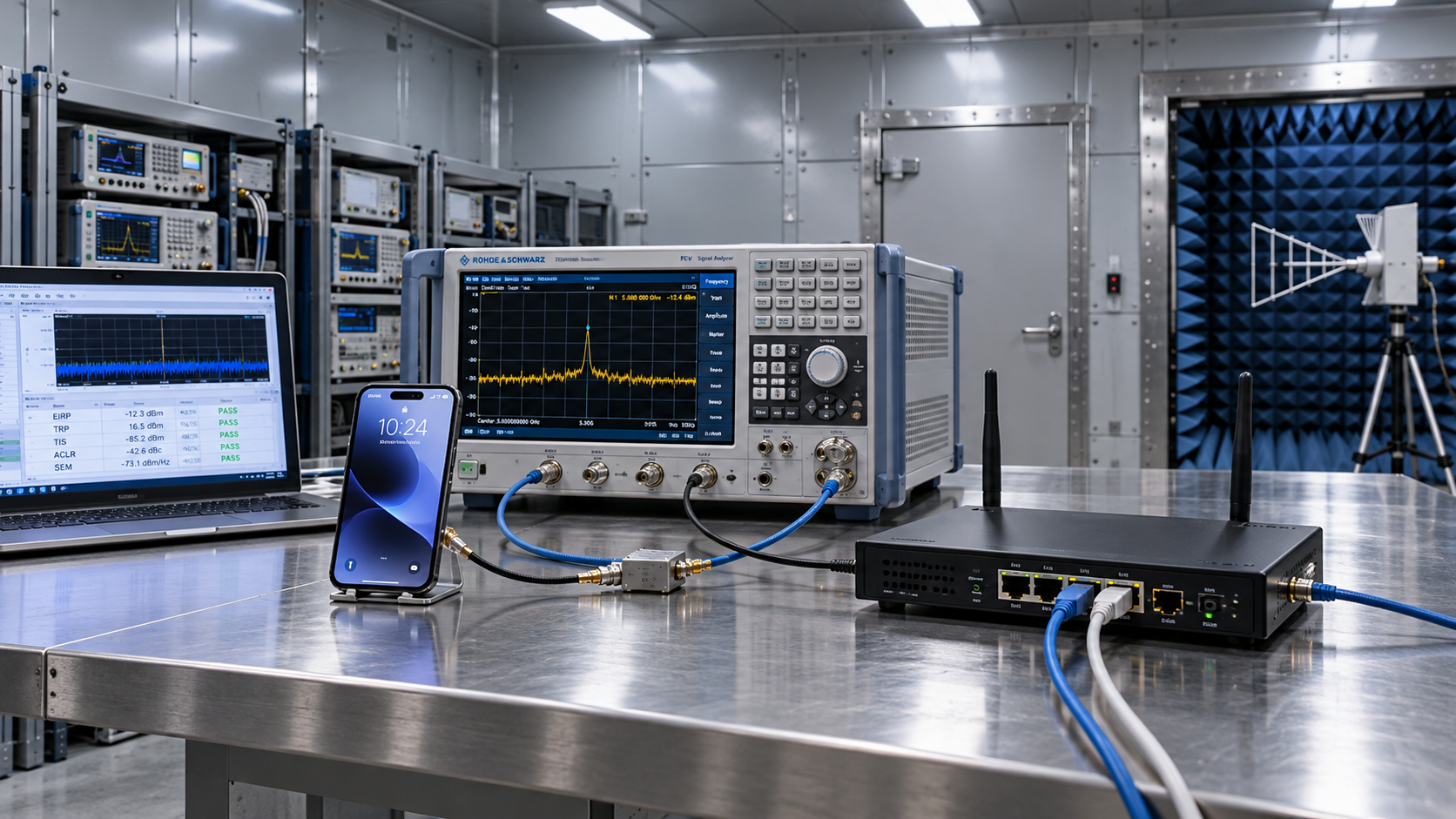
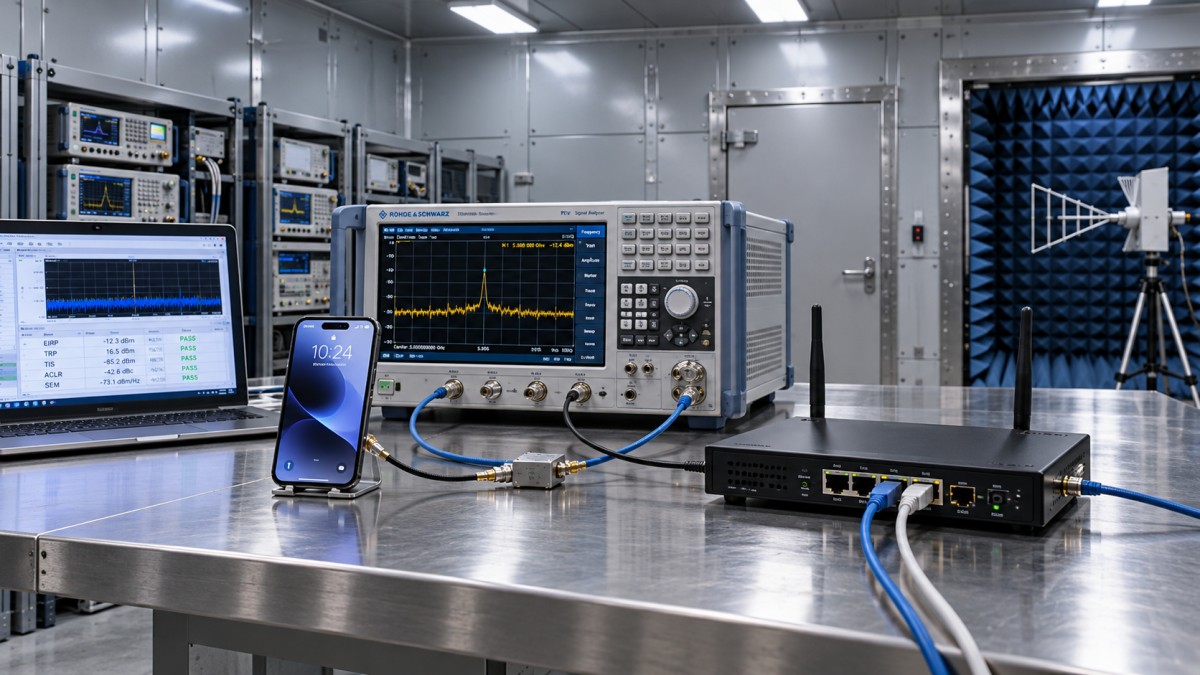
On October 29, 2026, the US Federal Communications Commission (FCC) voted unanimously to bar laboratories in China from providing testing and certification services for electronics sold in the US market. The change is scheduled to take effect on December 1, 2028, making the choice of testing provider a point of attention for electronics manufacturers, exporters and their customers.
What the FCC Vote Covers
The rule covers all laboratories located in China and applies to testing and certification services for electronic products destined for the US market, including smartphones, computers and network equipment. The FCC cited security concerns and intellectual property risks as reasons for the measure. The prohibition is scheduled to take effect on December 1, 2028.
Where Testing Choices Could Affect the Supply Chain
Manufacturers and Exporters
From an industry perspective, manufacturers and exporters that use China-based laboratories may need to reassess how they arrange testing for products intended for the US market. Depending on the eventual implementation details, a change of provider could affect product schedules, documentation and the timing of certification work. Companies may therefore want to identify affected product lines and review their current testing arrangements.
Laboratories and Certification Service Providers
China-based laboratories providing services for the US market could face changes in demand once the prohibition takes effect. Other testing and certification providers may see opportunities to support affected customers, although the availability, scope and timing of alternative services remain to be assessed. Both customers and providers may need to clarify which services and documents will be accepted under the final implementation approach.
Buyers and Supply Chain Partners
Buyers and supply chain service providers may need greater visibility into where product testing is performed. Analysis suggests that supplier selection, purchasing schedules and delivery commitments could be affected if testing arrangements change. The extent of any disruption will depend on the applicable details and the availability of suitable alternatives.
Preparing for the Scheduled Start Date
Review Testing Arrangements
Businesses may consider mapping US-bound smartphones, computers, network equipment and other relevant products to their current laboratories and certification service providers. This review can help identify arrangements that may need further assessment before December 1, 2028.
Verify Documentation and Treatment of Existing Reports
The supplied information does not specify how existing test reports, ongoing applications or products already tested will be treated. Companies should monitor official implementation details and verify the status of relevant reports and technical documentation before assuming they remain acceptable or require replacement.
Assess Alternatives and Delivery Schedules
Where a provider change may be necessary, companies could evaluate alternative laboratories and confirm their suitability for the relevant products and services. It may also be prudent to assess potential effects on testing capacity, purchasing plans and delivery schedules without assuming that a particular alternative will be accepted.
From Vote to Implementation
At this stage, the development is best understood as an adopted rule with a future effective date, rather than a prohibition already in force. The stated scope signals a significant potential change in testing arrangements, but the supplied information does not establish the detailed procedures for implementation. Further official clarification and industry feedback may affect how businesses assess the practical consequences.
What the Deadline Means for Planning
The scheduled prohibition places the location of testing services alongside product compliance and delivery planning for US-bound electronics. The prudent response is to review potentially affected arrangements now while continuing to verify the rule's detailed application; the scale of operational changes remains uncertain.
Basis for This Report and Further Verification
This article is based on the user-provided news title, event date and event summary. No specific official source link was provided in the input, so the underlying rule and its implementation should continue to be verified against official FCC releases and other authoritative reporting. Relevant points to monitor include detailed rule text, certification practices, treatment of existing documentation and industry implementation feedback.
Technical Specifications
Expert Insights

Chief Security Architect
Dr. Thorne specializes in the intersection of structural engineering and digital resilience. He has advised three G7 governments on industrial infrastructure security.
Related Analysis
- Nov 01, 2026Manufacturing Overtakes Construction in China's Steel ConsumptionAuthor :
- Nov 01, 2026Choosing Flexible PVC Copper Wire: Size, Voltage and Temperature RatingsAuthor :Grid Infrastructure Analyst
- Oct 31, 2026FCC Votes to Bar All China-Based Labs From Testing Electronics for US MarketAuthor :Precision Metrology Expert
Core Sector // 01
Security & Safety
- FCC Votes to Bar All China-Based Labs From Testing Electronics for US MarketAuthor :Precision Metrology Expert

- Choosing Contact Temperature Instruments: Accuracy, Range, and Response TimeAuthor :Precision Metrology Expert

- How to Validate Third-Party Flow Meter Vibration Data for Humid ClimatesAuthor :Precision Metrology Expert

- Are IEC Standards and ATEX Mandatory for Overseas Pressure Instruments?Author :Precision Metrology Expert

- How to Verify ATEX Pressure Transmitters for Overseas Oil and Gas SitesAuthor :Precision Metrology Expert

- Does Global Industrial Core Provide Better Test Equipment Compliance Data Than Generic Industrial Hubs?Author :Precision Metrology Expert

- Is Global Industrial Core Reliable for Overseas EPC Test Equipment?Author :Precision Metrology Expert

- Choosing a Bluetooth Total Station: Software Compatibility and Connection RangeAuthor :Precision Metrology Expert