What defines a reliable Components & Metals manufacturer
Author
Date Published
Reading Time
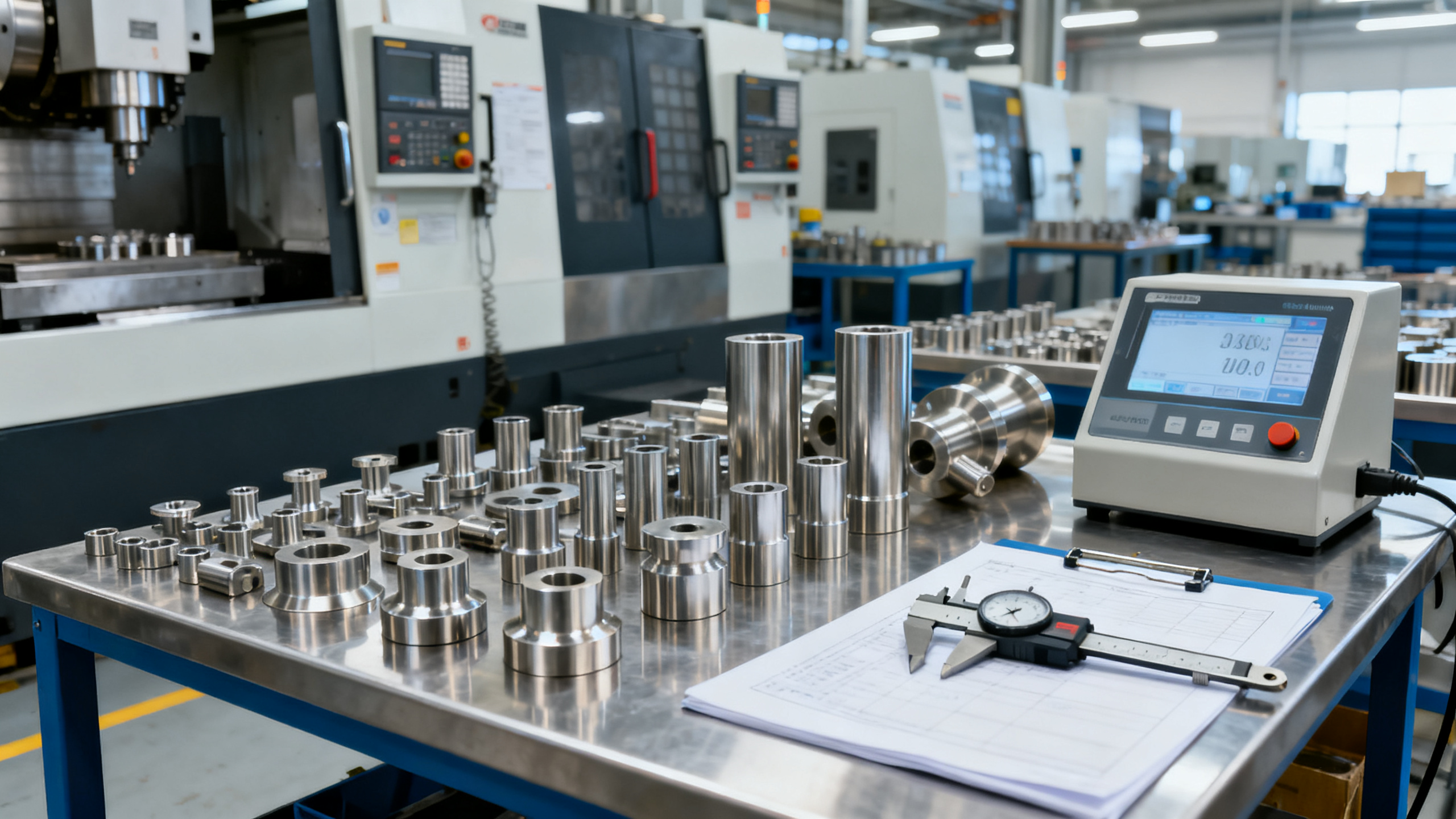
Choosing a reliable Components & Metals manufacturer goes far beyond comparing prices or lead times. For business evaluators, the real benchmark lies in proven quality systems, material consistency, global compliance, and the ability to support demanding industrial applications without failure. This article explores the essential factors that distinguish dependable manufacturers from high-risk suppliers in today’s competitive industrial market.
What does a reliable Components & Metals manufacturer actually mean?
A reliable Components & Metals manufacturer delivers repeatable quality, documented traceability, and stable supply performance across multiple production cycles.
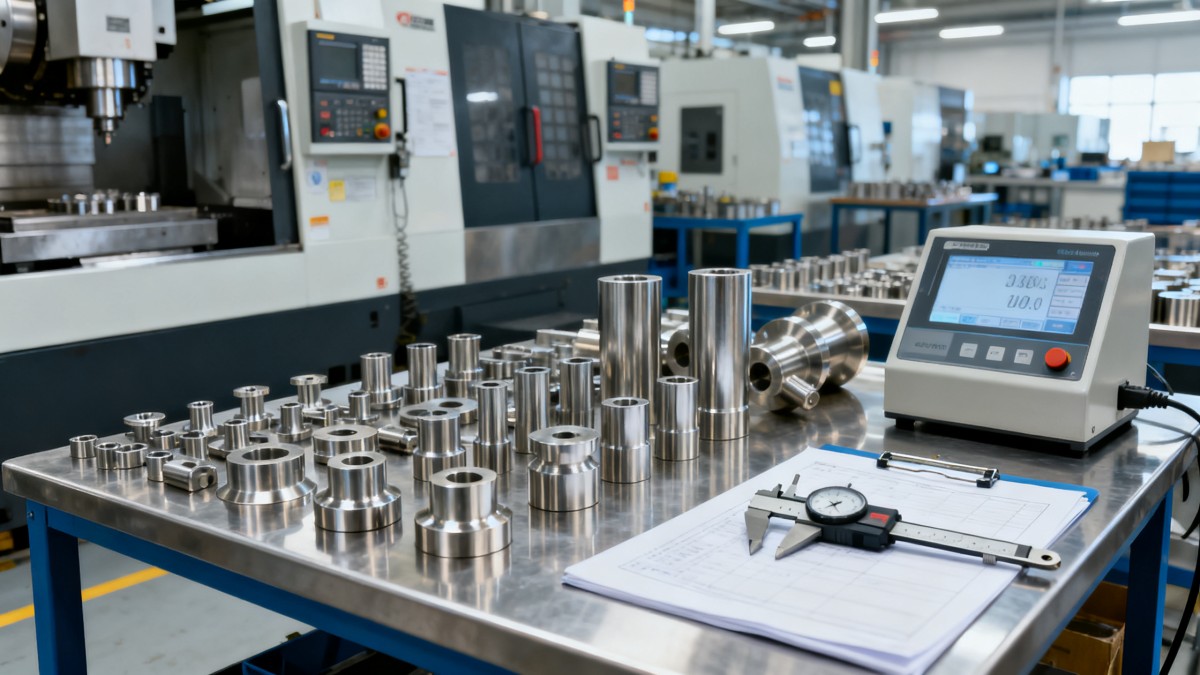
Reliability is not a marketing phrase. It is measured by process control, inspection discipline, and performance under real operating conditions.
In industrial environments, failure can trigger downtime, safety incidents, compliance issues, or expensive replacement work. That raises the selection standard significantly.
A dependable Components & Metals manufacturer usually shows strength in five areas: material integrity, manufacturing precision, compliance, delivery consistency, and engineering support.
These strengths matter across sectors such as energy, infrastructure, machinery, process plants, transportation, water systems, and environmental equipment.
The best suppliers also understand that components and metal products are often mission-critical. A minor tolerance error can compromise an entire assembly.
Why reliability matters more in heavy-duty applications
Harsh environments expose weak manufacturing quickly. Heat, corrosion, vibration, pressure, and load cycles reveal material and process defects.
That is why a reliable Components & Metals manufacturer is expected to validate products through testing, certification, and long-term quality documentation.
How can quality systems reveal whether a Components & Metals manufacturer is dependable?
Quality systems are one of the clearest indicators of trustworthiness. They show whether quality is built into operations or only checked at the end.
A reliable Components & Metals manufacturer should have controlled procedures for incoming material inspection, in-process checks, final verification, and corrective actions.
Look for evidence of recognized systems such as ISO 9001. For specialized applications, additional standards may also be important.
- Documented inspection plans
- Calibration records for testing instruments
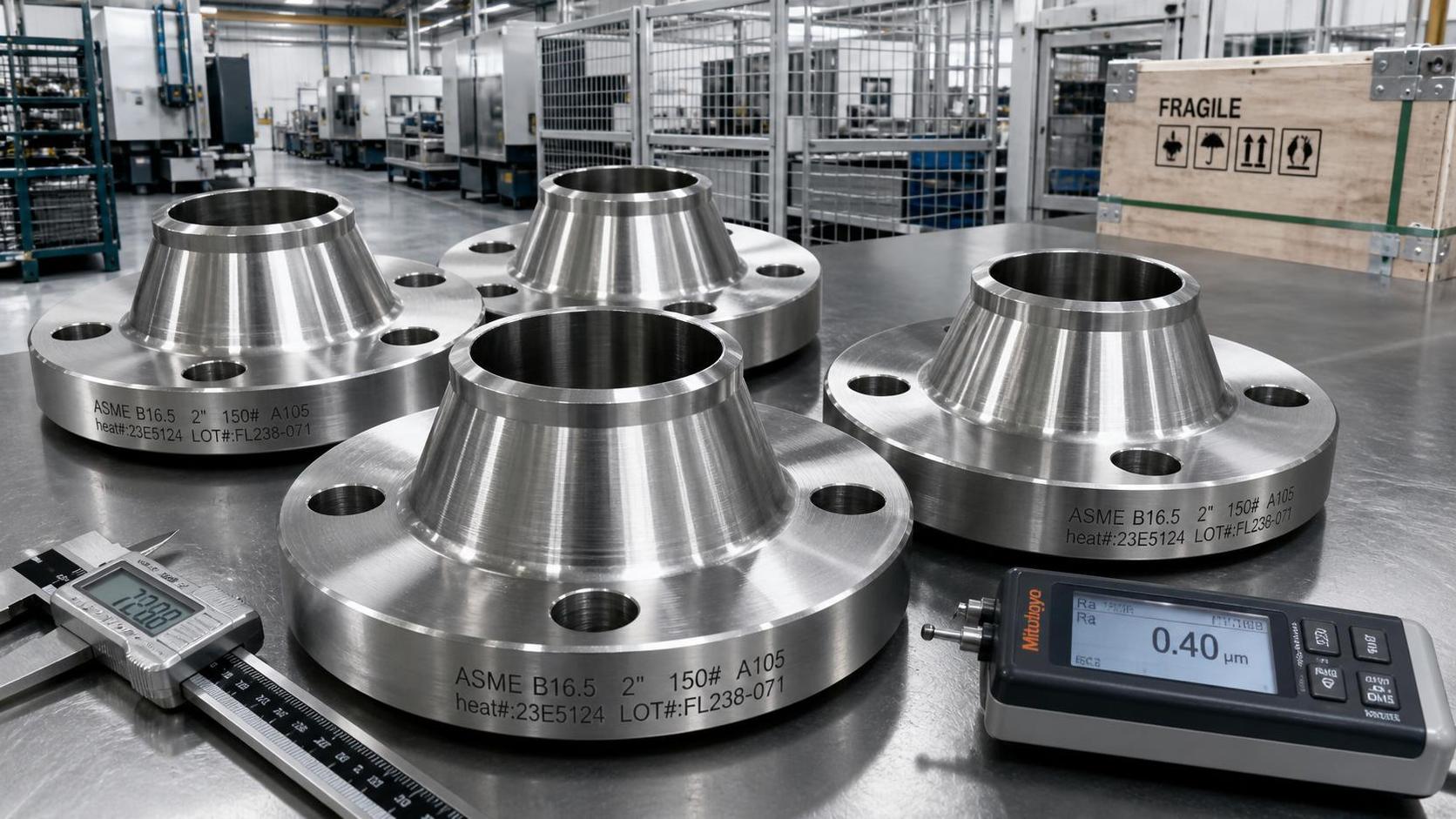
- Material certificates and heat numbers
- Nonconformance reporting procedures
- Traceable batch or lot control
A strong Components & Metals manufacturer does not hide process variation. It tracks it, analyzes it, and reduces it systematically.
Which documents are worth reviewing?
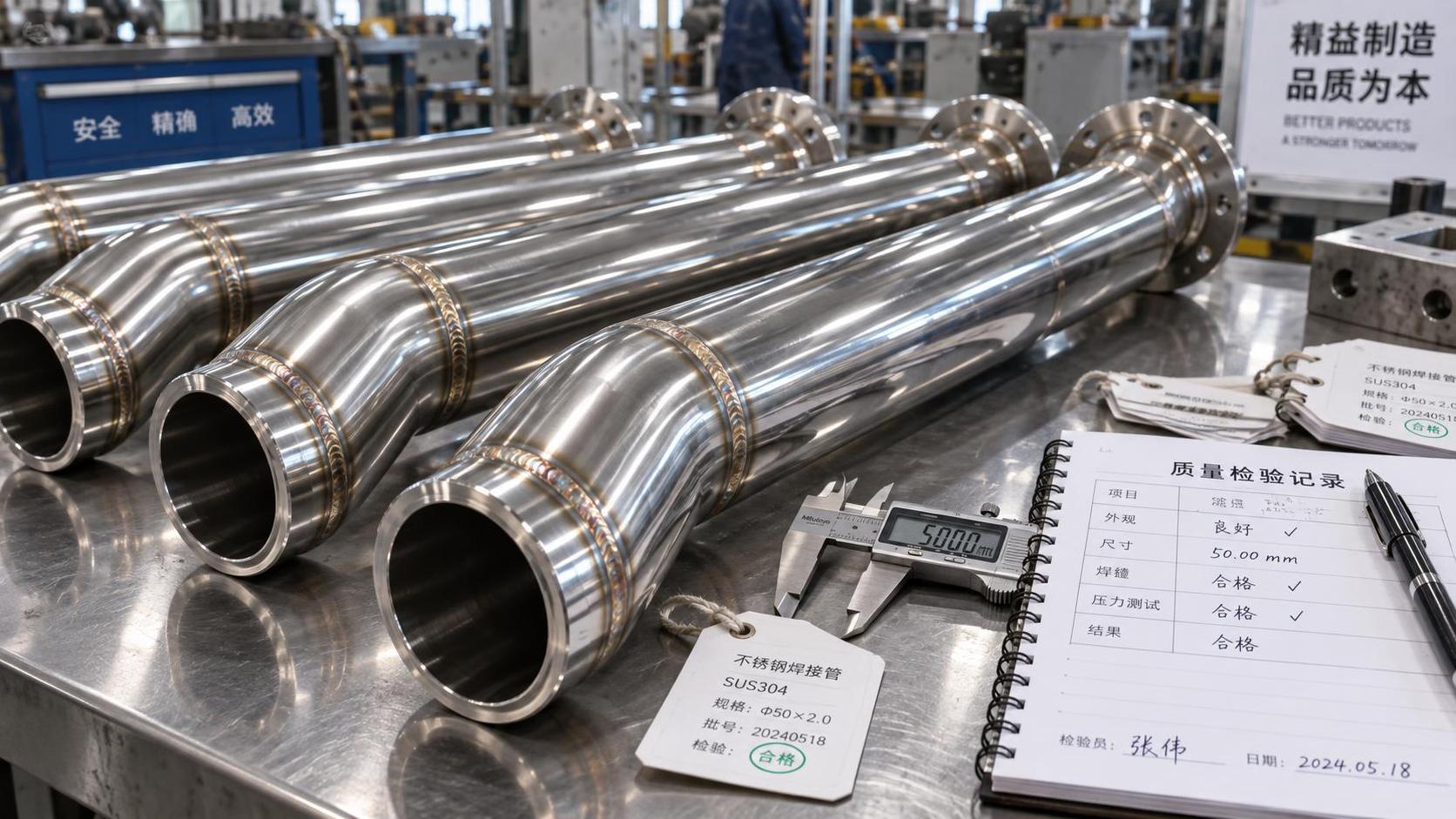
Useful documents include mill test certificates, PPAP-style submissions when relevant, dimensional reports, hardness reports, coating data, and welding qualifications.
If a Components & Metals manufacturer cannot provide clear records, hidden quality risks may exist.
What material and process capabilities separate strong suppliers from risky ones?
Material expertise is a major differentiator. A reliable Components & Metals manufacturer understands metallurgy, not just machining or fabrication.
That means knowing how alloys behave during forming, welding, heat treatment, surface finishing, and long-term service exposure.
Process capability matters equally. Precision cutting, CNC machining, stamping, casting, forging, extrusion, and finishing must match the application requirement.
An experienced Components & Metals manufacturer should be able to explain why a chosen process supports performance, cost, and durability.
Key technical signals to evaluate
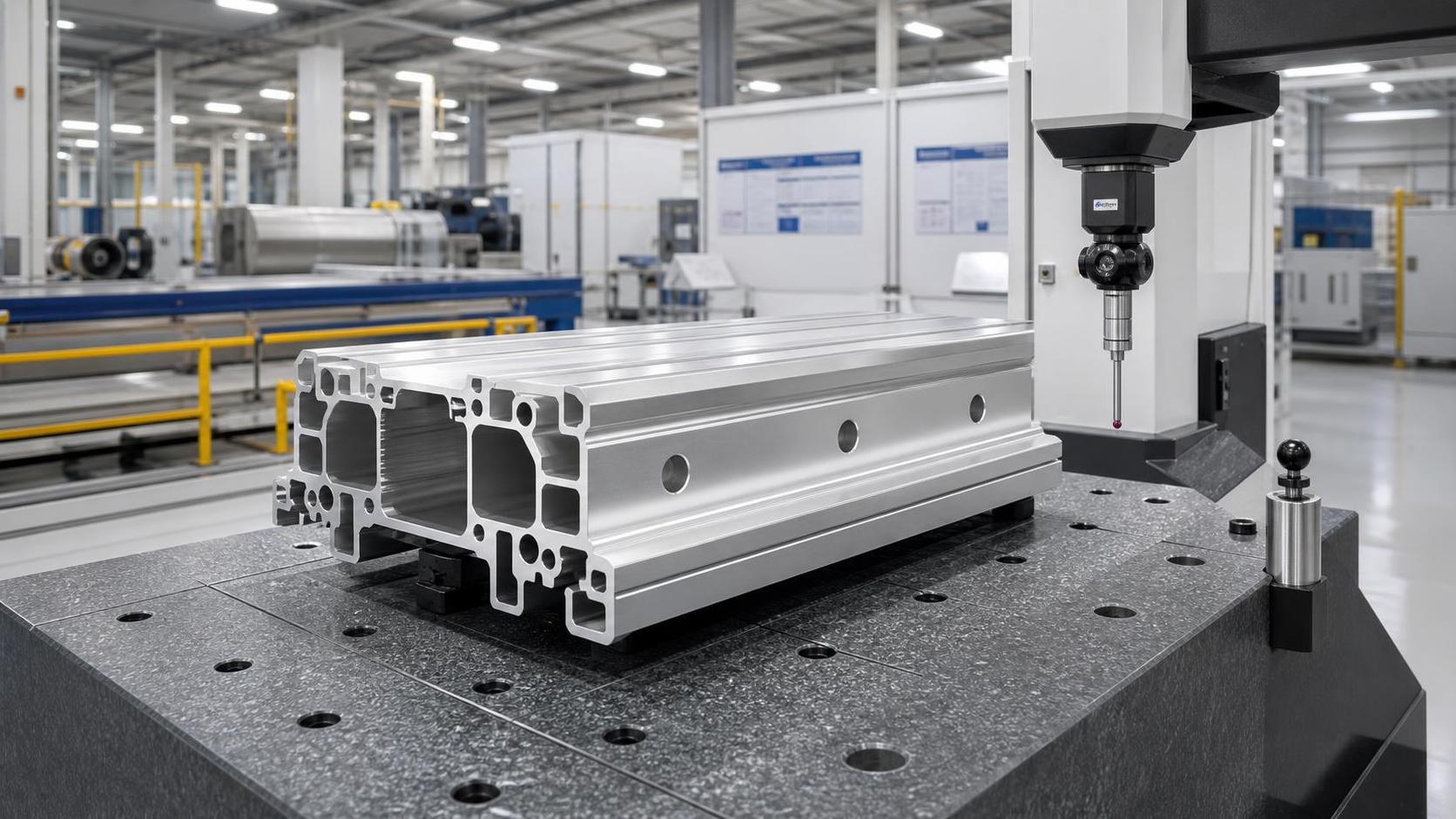
- Control of tolerances and surface finish
- Heat treatment consistency
- Corrosion resistance validation
- Welding procedure qualification
- Fatigue, tensile, or pressure testing where required
Material substitution is another warning area. A reliable Components & Metals manufacturer never changes grades without approval and supporting technical evidence.
Consistency is especially critical for stainless steels, structural alloys, copper-based materials, coated components, and wear-resistant parts.
How important are certifications, compliance, and global standards?
Compliance is essential in international trade and industrial installation. A reliable Components & Metals manufacturer aligns with target-market requirements from the start.
Depending on the product, important references may include CE, UL, ISO standards, ASTM, EN, DIN, RoHS, REACH, or sector-specific codes.
Compliance reduces legal, technical, and operational risk. It also shortens approval cycles during project execution and site acceptance.
A qualified Components & Metals manufacturer should know which certifications apply, which are optional, and which test reports must accompany shipments.
What should be verified beyond certificates?
Certificates alone are not enough. Confirm scope, issuing body, expiration, and whether the certified process matches the exact product category.
Some suppliers present broad claims, while the audited activity covers only a narrow manufacturing step. That gap can create serious compliance exposure.
How do lead time, communication, and supply stability affect reliability?
A reliable Components & Metals manufacturer is not only technically capable. It is operationally predictable.
Supply interruptions can delay commissioning, stop maintenance schedules, or increase emergency sourcing costs. Delivery performance therefore matters greatly.
Strong suppliers communicate realistic production windows, capacity constraints, and raw material risks before problems escalate.
An established Components & Metals manufacturer often has backup planning for tooling, subcontracting controls, and alternative material sourcing channels.
Operational signs of a dependable partner
- Clear quotation details with revision control
- Transparent production milestones
- Prompt responses to technical questions
- Stable packaging and shipping standards
- Corrective action follow-up after issues
When communication is vague, repeated delays and specification misunderstandings often follow. That is a practical risk signal.
What common mistakes lead to choosing the wrong Components & Metals manufacturer?
The biggest mistake is selecting only by unit price. Lower prices can hide weaker alloys, poor finishing, limited inspection, or unstable production control.
Another error is assuming every certified Components & Metals manufacturer can handle critical applications. Certification does not automatically prove application expertise.
Many evaluations also overlook lifecycle cost. Rework, scrap, downtime, and field replacement usually exceed the initial savings from a low-cost source.
High-risk assumptions to avoid
- Assuming samples prove mass production consistency
- Accepting undocumented material equivalents
- Ignoring packaging and corrosion protection needs
- Skipping site or process audits for critical orders
- Treating all lead times as equally reliable
A better approach is to compare total risk exposure. That includes technical, compliance, logistics, and after-sales response factors.
How should a final evaluation of a Components & Metals manufacturer be structured?
A structured evaluation improves decision quality. It also makes supplier comparison more objective and repeatable.
Start with application requirements. Define loads, environment, dimensional tolerances, compliance needs, finishing expectations, and service life targets.
Then assess each Components & Metals manufacturer against the same checklist and evidence standards.
Shortlisting should favor evidence-based confidence, not promises. The most reliable Components & Metals manufacturer is the one that reduces uncertainty at every stage.
In complex industrial sourcing, dependable performance is built on quality systems, metallurgical competence, compliance discipline, and operational transparency.
When reviewing a Components & Metals manufacturer, focus on traceability, process capability, application fit, and response consistency under pressure.
Use a documented checklist, request technical evidence, and validate claims before scaling orders. That next step can significantly reduce procurement risk and lifecycle cost.
Technical Specifications
- How to Select Electronic Hotel Key Card Locks for Guest Rooms and Staff AreasAuthor :Safety Compliance Lead
- How to Select Lab Instruments for Reliable Chemical Analysis WorkflowsAuthor :Precision Metrology Expert
- How to Size a UPS for Server Rooms: Load, Runtime, and Redundancy FactorsAuthor :Grid Infrastructure Analyst
Expert Insights

Chief Security Architect
Dr. Thorne specializes in the intersection of structural engineering and digital resilience. He has advised three G7 governments on industrial infrastructure security.
Related Analysis
- Sep 17, 2026How to Select Electronic Hotel Key Card Locks for Guest Rooms and Staff AreasAuthor :Safety Compliance Lead
- Sep 16, 2026How to Select Lab Instruments for Reliable Chemical Analysis WorkflowsAuthor :Precision Metrology Expert
- Sep 15, 2026How to Size a UPS for Server Rooms: Load, Runtime, and Redundancy FactorsAuthor :Grid Infrastructure Analyst
Core Sector // 01
Security & Safety
- Stainless Steel Welded Tube Applications: Matching Tube Supply to Fabrication NeedsAuthor :Heavy Industry Strategist

- What Maintenance Do Furnace Components Need After 18 Months?Author :Heavy Industry Strategist

- How to Assess Metal Materials for Thermal Cycling in Power BoilersAuthor :Heavy Industry Strategist

- How to Evaluate Aluminum Extrusion Suppliers for Tight-Tolerance Components?Author :Heavy Industry Strategist

- How to Evaluate a Weld Neck Flange Manufacturer for High-Pressure Pipe ProjectsAuthor :Heavy Industry Strategist

- EU REACH Ban Hits Cr(VI)-Coated Steel ImportsAuthor :Heavy Industry Strategist
-Coated Steel Imports")
- How to Evaluate a Heat Sink Aluminum Profile Supplier for Custom Thermal ProjectsAuthor :Heavy Industry Strategist

- Industrial Metal Fabrication Components Price: What Drives Cost and How to Compare QuotesAuthor :Heavy Industry Strategist