Rapid Prototyping CNC Explained: Best Materials, Tolerances, and Part Types
Author
Date Published
Reading Time
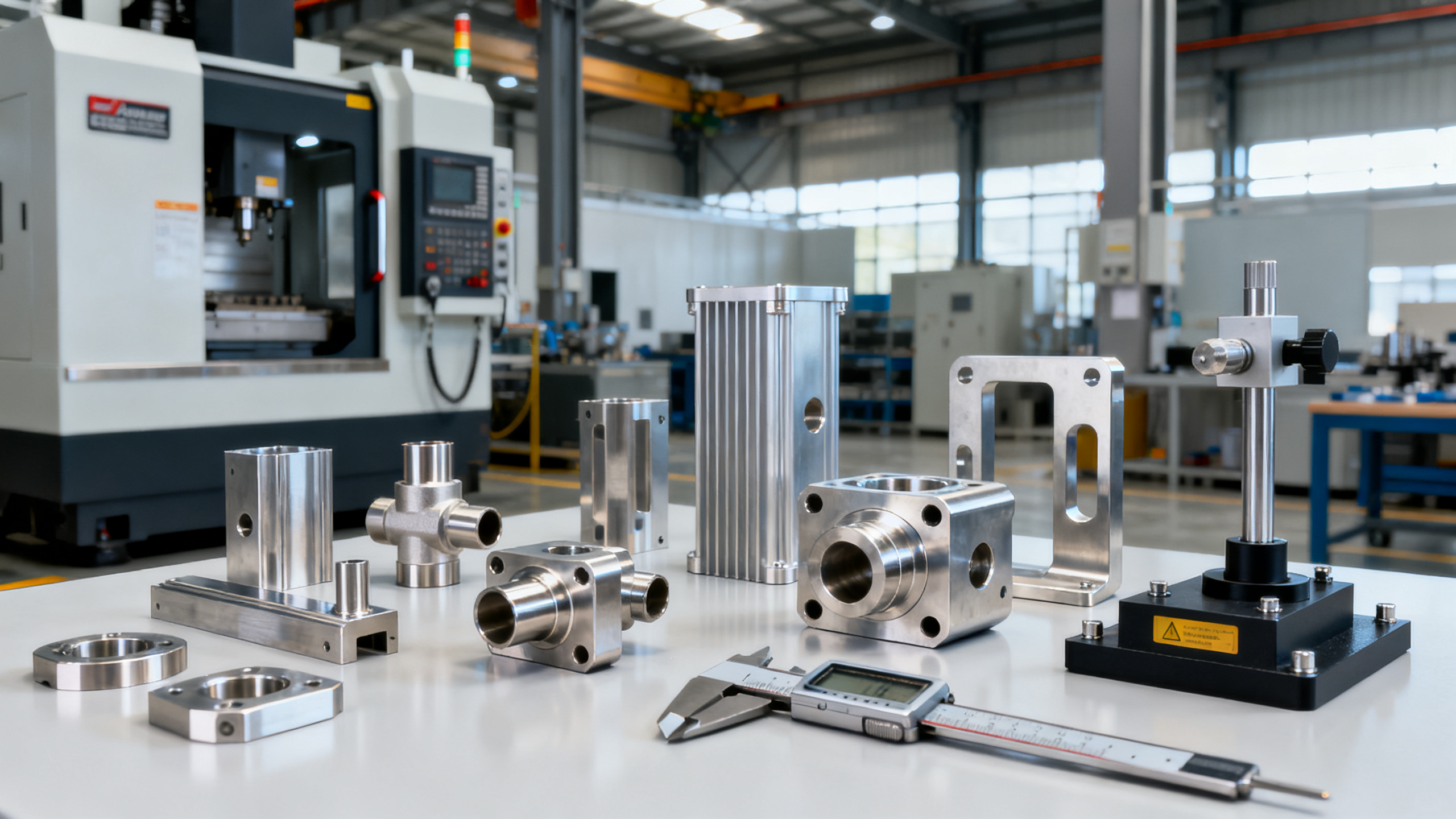
Rapid prototyping CNC sits at the intersection of speed, precision, and practical decision-making. In industrial projects, it shortens the path from CAD model to testable hardware, but the result depends on more than machine availability.
Material behavior, realistic tolerances, and part geometry shape cost, lead time, inspection effort, and downstream performance. That is why rapid prototyping CNC matters across mechanical systems, power infrastructure, instrumentation, and safety-critical assemblies.
From the perspective of Global Industrial Core, the value is not only speed. It is the ability to validate manufacturability, compliance risk, and functional fit before larger sourcing commitments are made.
Where rapid prototyping CNC fits in industrial development
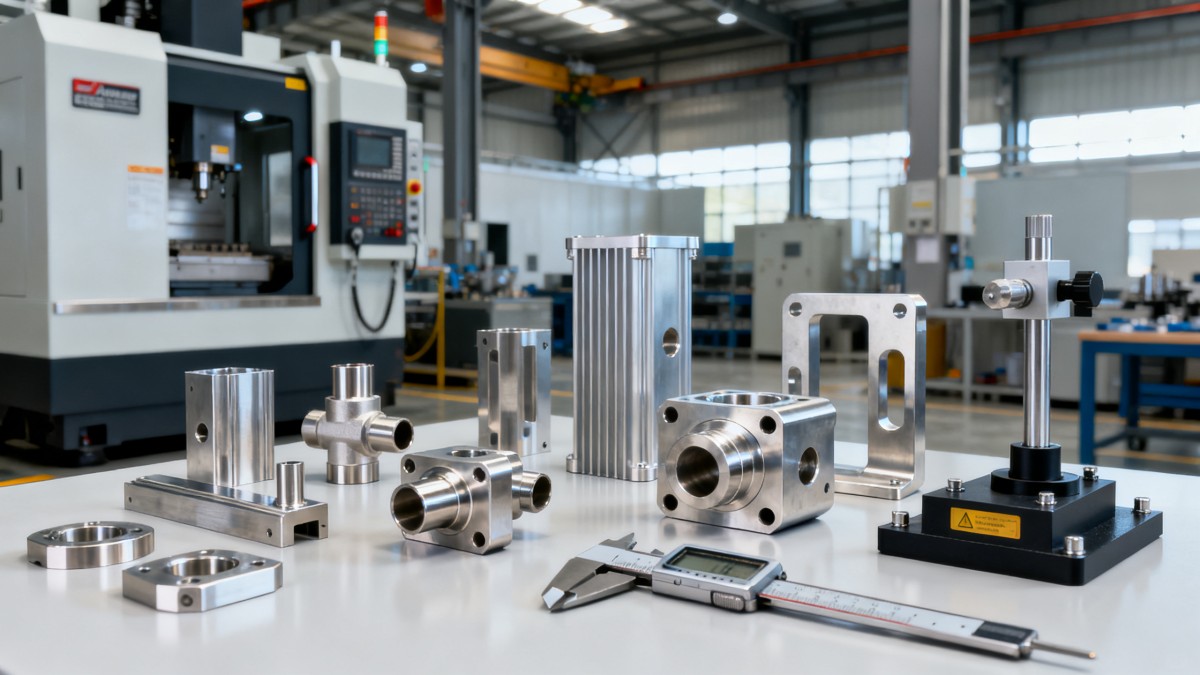
Rapid prototyping CNC refers to fast-turn machining of parts used for evaluation, testing, pilot builds, or design refinement. Unlike mass production planning, the goal is early confidence rather than lowest unit price.
This approach is especially useful when a part must behave like the final version. That includes dimensional interfaces, thermal exposure, vibration response, sealing features, or threaded connections.
Compared with additive processes, rapid prototyping CNC often provides better surface finish, tighter feature control, and more representative material properties. For metal housings, brackets, manifolds, and inserts, that distinction can be decisive.
In practice, rapid prototyping CNC supports several project phases at once. It helps verify design intent, identify hidden machining challenges, and produce physical evidence for stakeholder review or field testing.
Why the topic deserves closer attention now
Industrial schedules are tighter, qualification demands are heavier, and component failure carries wider consequences. A prototype is no longer just a mock-up. It often becomes a data point in procurement and risk management.
That is particularly true in sectors tied to CE, UL, ISO, traceability, and repeatability requirements. When parts move into electrical enclosures, measurement devices, environmental equipment, or safety systems, prototype quality affects later approvals.
More teams are also using rapid prototyping CNC to compare suppliers earlier. Instead of relying only on drawings and quoted tolerances, they evaluate actual machining capability, communication discipline, and inspection transparency.
Best materials depend on the decision you need to make
The best material is not simply the strongest or easiest to machine. It is the one that answers the project question with the least waste of time and budget.
Common metal choices
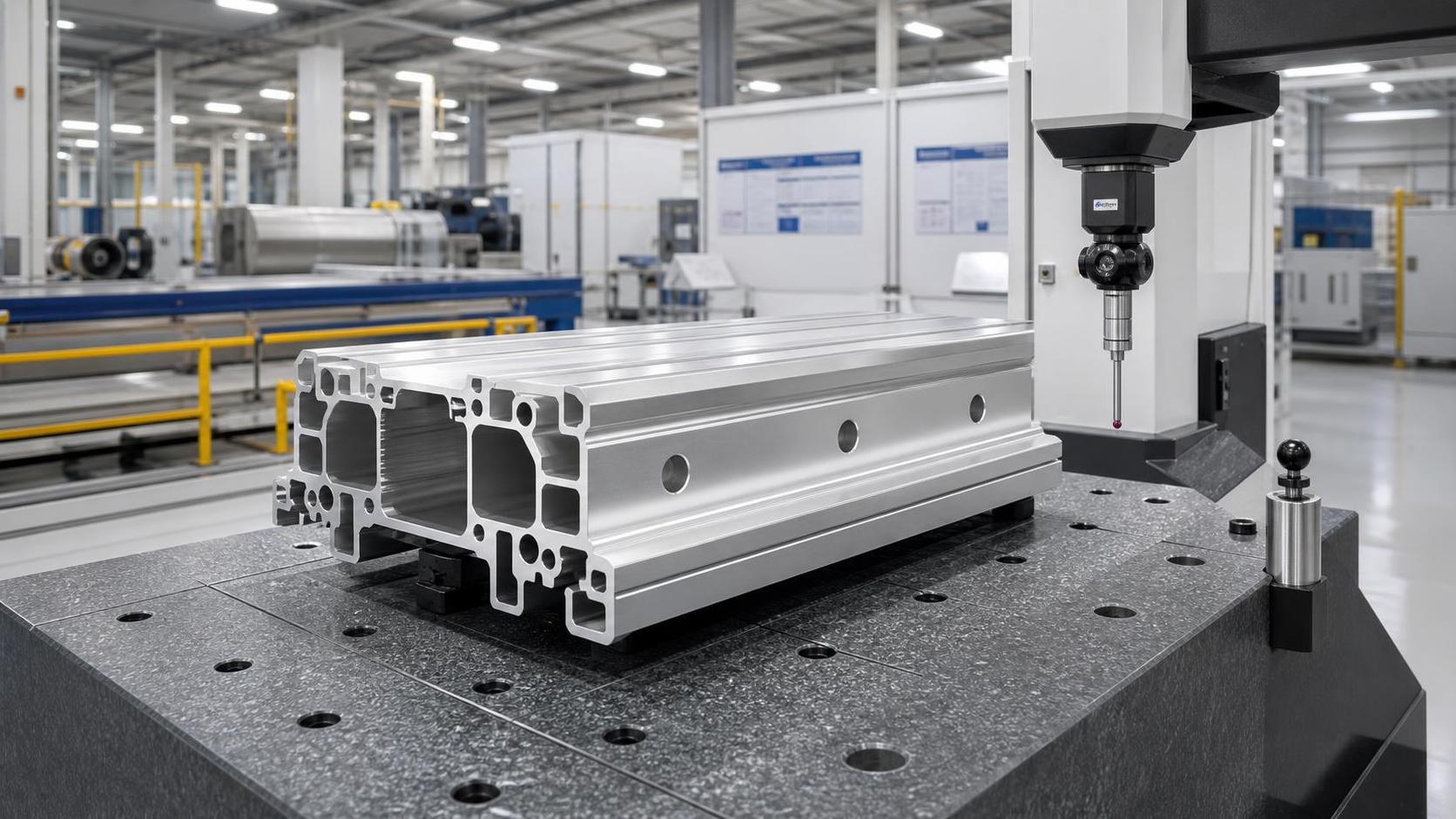
Aluminum is often the first choice for rapid prototyping CNC. It machines quickly, holds good tolerances, and suits housings, fixtures, brackets, covers, and thermal management parts.
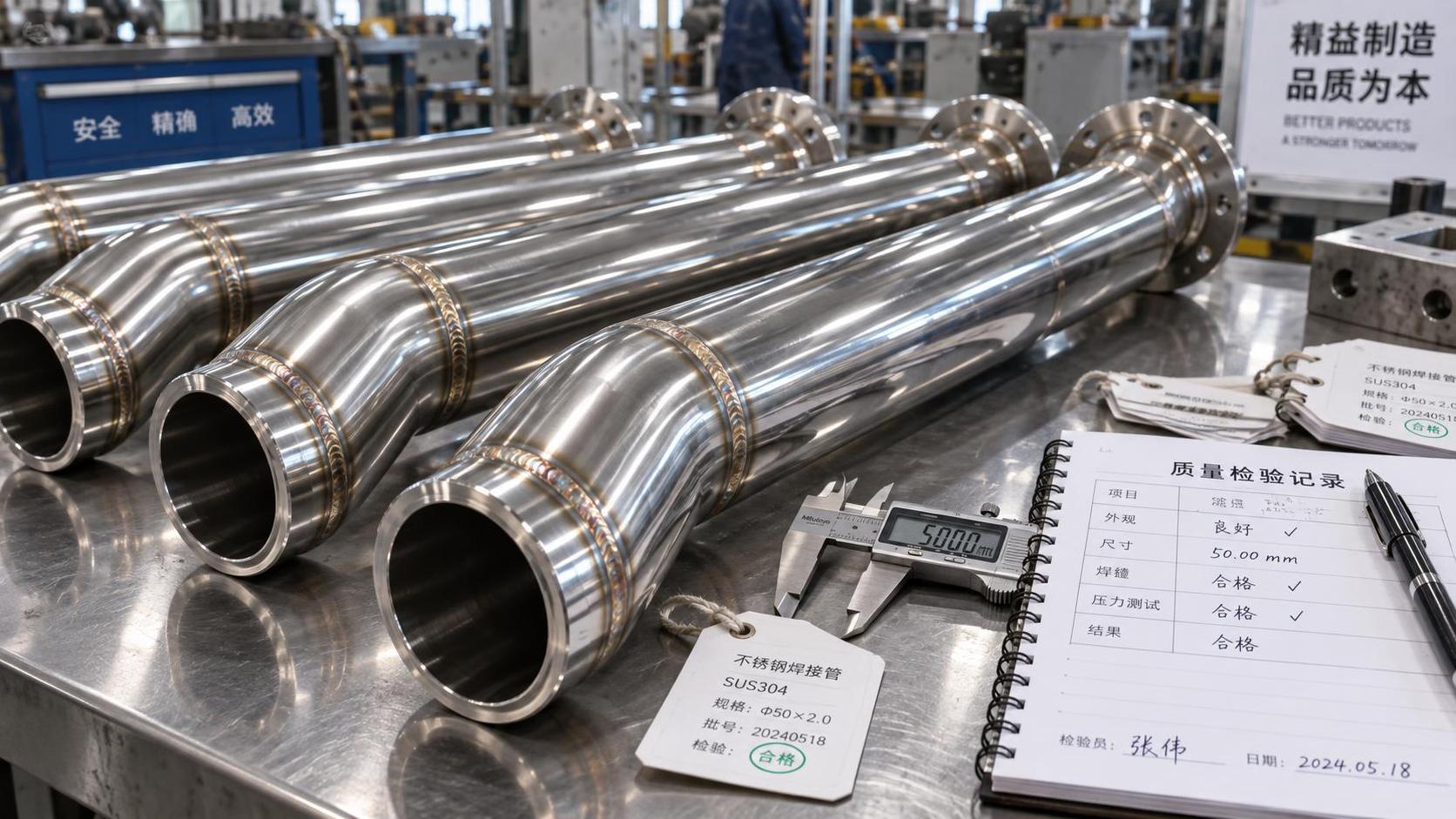
Stainless steel is selected when corrosion resistance, strength, or sanitary performance matters. It is common in valves, sensor mounts, fluid-contact parts, and outdoor equipment, though machining time is usually higher.
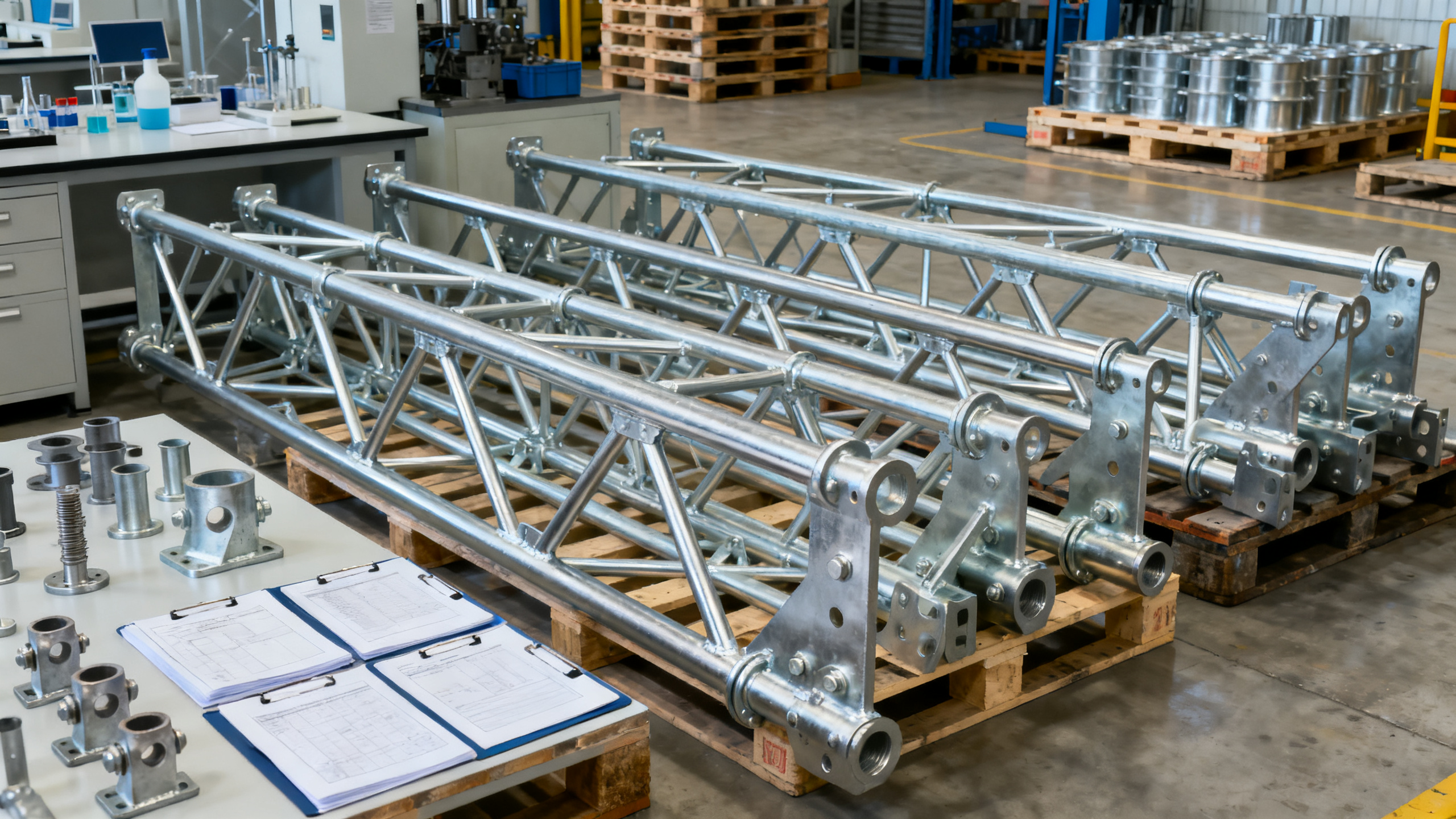
Mild steel works well for structural prototypes, welded assemblies, and base components where final production will prioritize toughness and cost control. It is practical, but may need protective finishing.
Brass and copper appear in electrical, thermal, and sealing applications. They are useful for conductive parts, fittings, terminals, and specialized interfaces, but should be chosen with wear and cost in mind.
Engineering plastics still matter
Delrin, nylon, PEEK, PTFE, and polycarbonate are valuable in rapid prototyping CNC when weight, insulation, friction, or chemical resistance must be assessed. They also help evaluate assembly ergonomics without committing to tooling.
Plastic prototypes are especially useful for instrument carriers, guide elements, protective covers, and non-conductive spacers. The key is matching the prototype resin to the intended operating environment.
Tolerances should reflect function, not hope
One of the most common mistakes in rapid prototyping CNC is applying blanket tight tolerances to every feature. That usually increases cycle time, inspection effort, and scrap risk without improving the real decision.
A more effective approach is to separate critical features from general features. Mating bores, bearing seats, sealing faces, and positional relationships may justify tighter control. Cosmetic edges often do not.
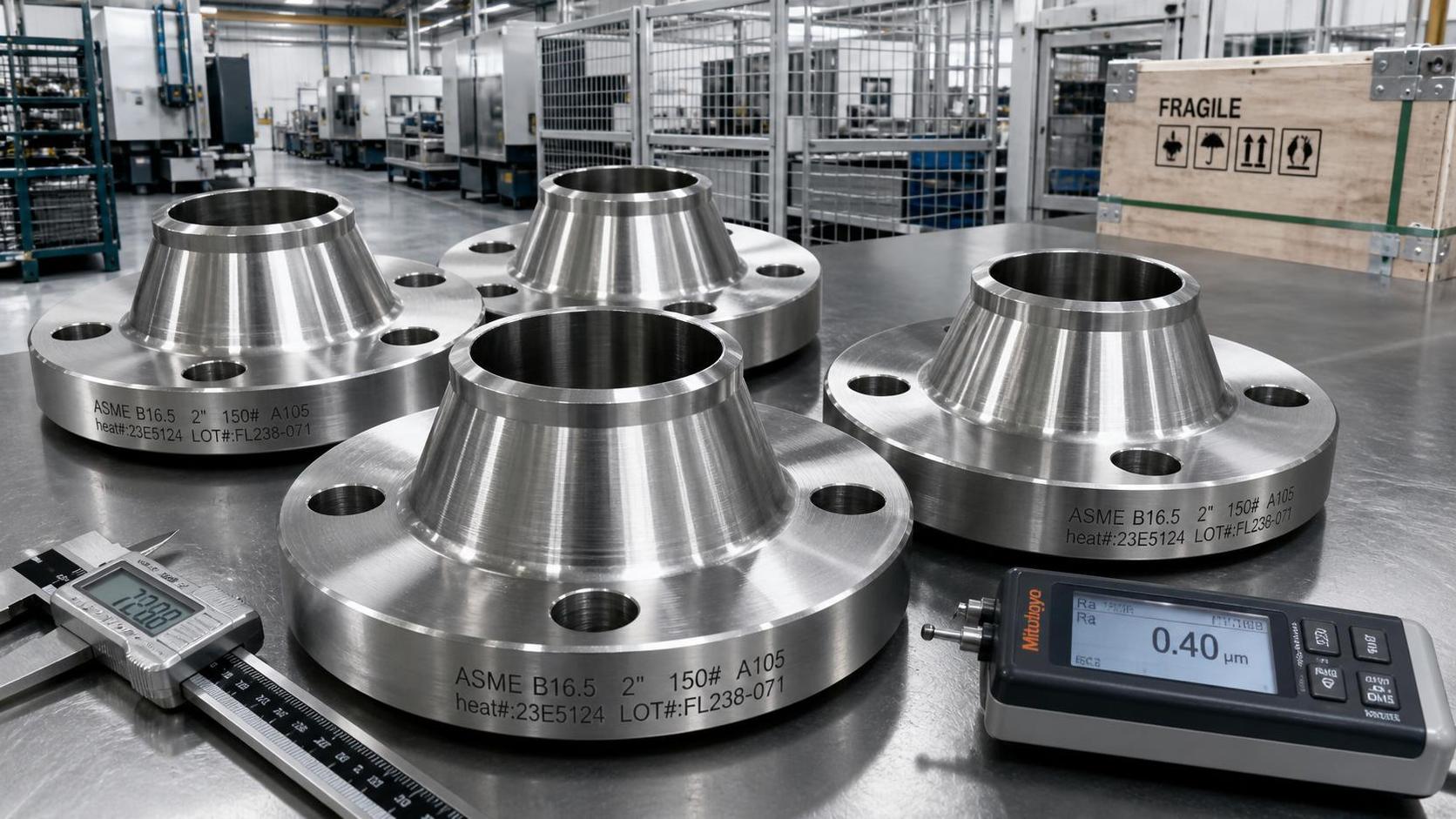
Typical prototype machining may achieve general tolerances around ±0.1 mm, with tighter limits possible on selected features. However, the actual capability depends on material stability, machine setup, feature depth, and inspection method.
For industrial reviews, tolerance decisions should be tied to these questions:
- Does the dimension affect assembly fit or interchangeability?
- Will the feature influence pressure sealing, alignment, or vibration?
- Is the prototype meant for functional testing or only visual confirmation?
- Can the tolerance be verified with available metrology?
This is where disciplined sourcing matters. A supplier that asks how a dimension functions is usually more valuable than one that accepts every note without challenge.
Which part types work best for rapid prototyping CNC
Rapid prototyping CNC is not equally efficient for every geometry. Some parts are ideal because they rely on machined accuracy and do not require expensive dedicated tooling.
Strong candidates
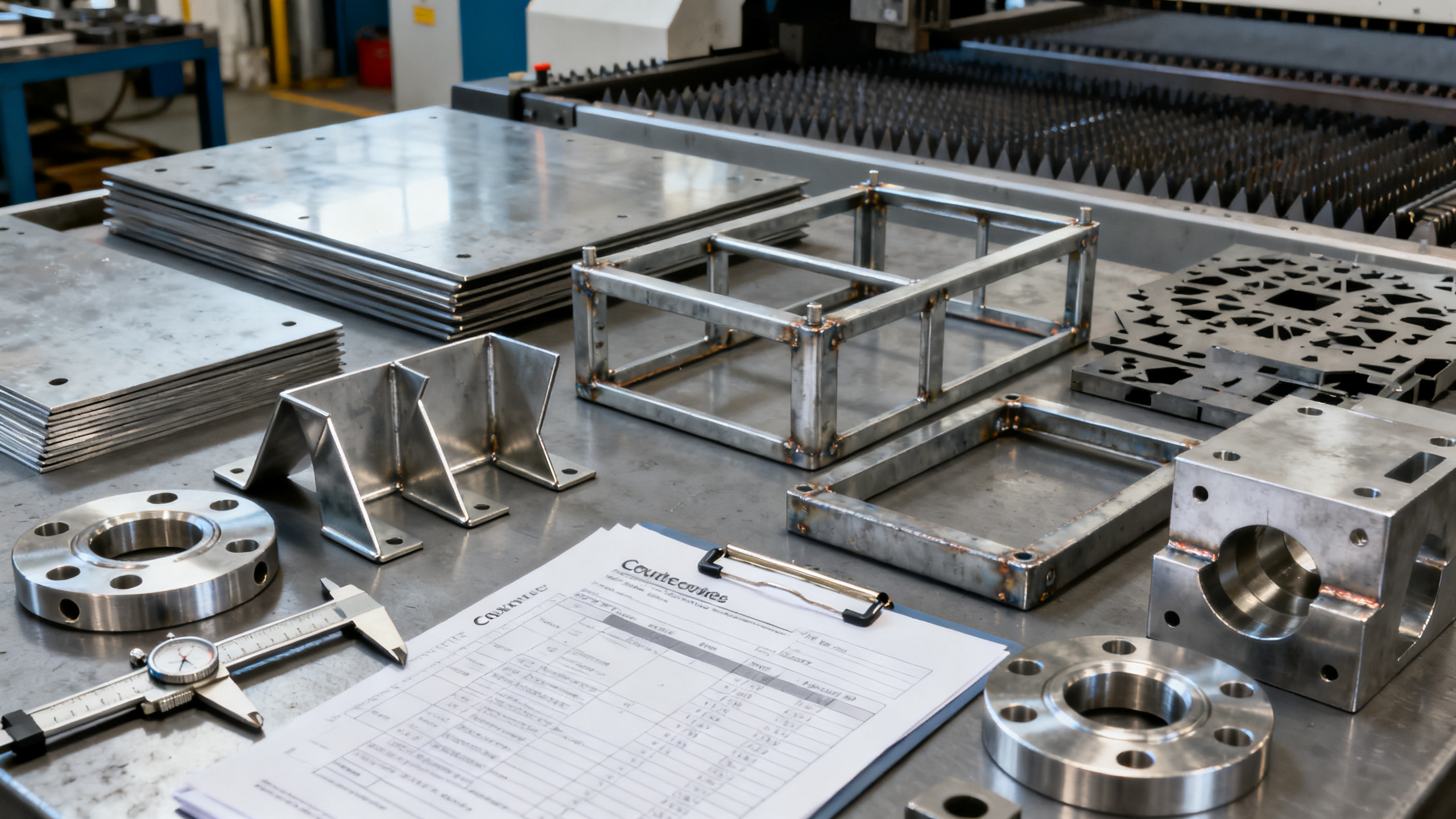
- Brackets, frames, and support plates with defined mounting patterns
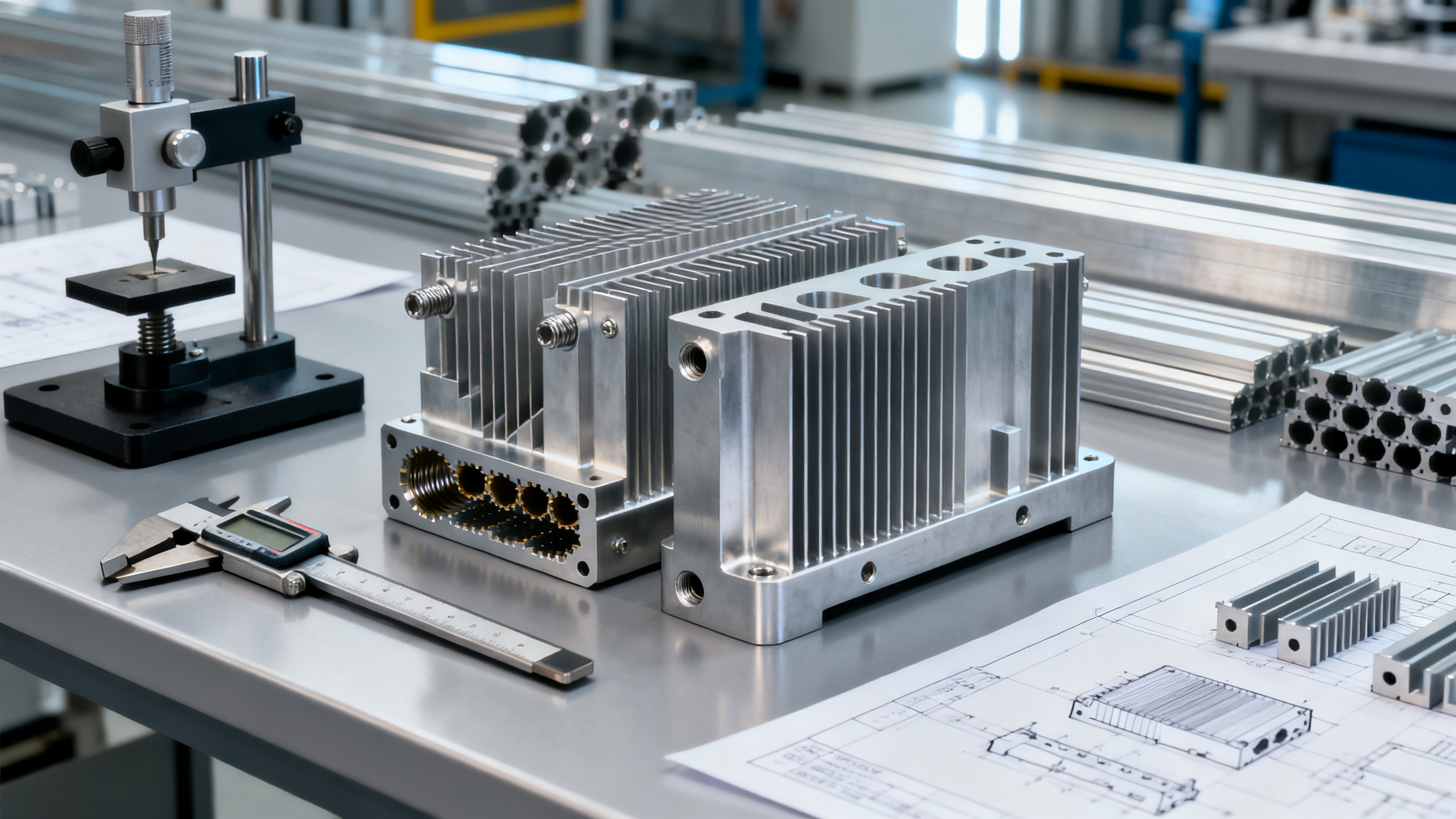
- Enclosures, covers, and heat sinks for electrical or control equipment
- Valve bodies, manifolds, and fluid connectors for test rigs
- Sensor mounts, calibration fixtures, and instrument carriers
- Bushings, inserts, spacers, and custom interface hardware
Less suitable geometries
Very complex lattice structures, thin-wall molded forms, and highly organic shapes may be better served by additive manufacturing or soft tooling. CNC can still produce them, but often with cost or setup penalties.
The practical rule is simple. If the prototype must prove machined interfaces, structural behavior, or surface precision, rapid prototyping CNC is usually the better fit.
What affects cost and lead time more than expected
Buyers often focus on material price first. In reality, machining complexity often dominates prototype cost.
Deep pockets, difficult tool access, multi-side setups, thin walls, and frequent tool changes can add more cost than switching between common materials. Tight flatness or surface finish requirements do the same.
Documentation level also changes lead time. If a prototype needs material certificates, dimensional reports, revision traceability, or first article inspection, that should be discussed before release.
For organizations working through EPC or industrial compliance pathways, these non-machining requirements are often as important as the cut metal itself.
How to evaluate a rapid prototyping CNC supplier
A useful supplier review goes beyond price and promised lead time. It should test whether the shop understands industrial consequences.
- Check material traceability options and certification availability
- Ask which tolerances are routine and which require process controls
- Review how inspection data is reported and stored
- Confirm whether surface treatment or secondary operations are managed in-house
- Look for design-for-manufacturing feedback before production begins
Global Industrial Core consistently treats these signals as part of sourcing intelligence. In heavy industry, the strongest prototype partner is often the one that reduces ambiguity early.
A practical way to move forward
The most effective use of rapid prototyping CNC starts with a narrow objective. Decide whether the part must validate fit, function, durability, compliance readiness, or supplier capability.
Then align three things: the right material, only the tolerances that matter, and a geometry suited to machining rather than forced into it. That combination usually delivers faster learning and fewer expensive revisions.
For upcoming programs, it is worth building a simple review checklist around material equivalence, critical dimensions, inspection evidence, and intended test conditions. That creates a stronger basis for comparing quotes and prototype outcomes.
When rapid prototyping CNC is evaluated this way, it becomes more than a fast fabrication method. It becomes a controlled step toward reliable production decisions in environments where failure is not acceptable.
Technical Specifications
- How to Select Electronic Hotel Key Card Locks for Guest Rooms and Staff AreasAuthor :Safety Compliance Lead
- How to Select Lab Instruments for Reliable Chemical Analysis WorkflowsAuthor :Precision Metrology Expert
- How to Size a UPS for Server Rooms: Load, Runtime, and Redundancy FactorsAuthor :Grid Infrastructure Analyst
Expert Insights

Chief Security Architect
Dr. Thorne specializes in the intersection of structural engineering and digital resilience. He has advised three G7 governments on industrial infrastructure security.
Related Analysis
- Sep 17, 2026How to Select Electronic Hotel Key Card Locks for Guest Rooms and Staff AreasAuthor :Safety Compliance Lead
- Sep 16, 2026How to Select Lab Instruments for Reliable Chemical Analysis WorkflowsAuthor :Precision Metrology Expert
- Sep 15, 2026How to Size a UPS for Server Rooms: Load, Runtime, and Redundancy FactorsAuthor :Grid Infrastructure Analyst
Core Sector // 01
Security & Safety
- Stainless Steel Welded Tube Applications: Matching Tube Supply to Fabrication NeedsAuthor :Heavy Industry Strategist

- What Maintenance Do Furnace Components Need After 18 Months?Author :Heavy Industry Strategist

- How to Assess Metal Materials for Thermal Cycling in Power BoilersAuthor :Heavy Industry Strategist

- How to Evaluate Aluminum Extrusion Suppliers for Tight-Tolerance Components?Author :Heavy Industry Strategist

- How to Evaluate a Weld Neck Flange Manufacturer for High-Pressure Pipe ProjectsAuthor :Heavy Industry Strategist

- EU REACH Ban Hits Cr(VI)-Coated Steel ImportsAuthor :Heavy Industry Strategist
-Coated Steel Imports")
- How to Evaluate a Heat Sink Aluminum Profile Supplier for Custom Thermal ProjectsAuthor :Heavy Industry Strategist

- Industrial Metal Fabrication Components Price: What Drives Cost and How to Compare QuotesAuthor :Heavy Industry Strategist