Aluminum Ingots Bulk: Common Grades, Key Specs, and What Affects Purchase Cost
Author
Date Published
Reading Time
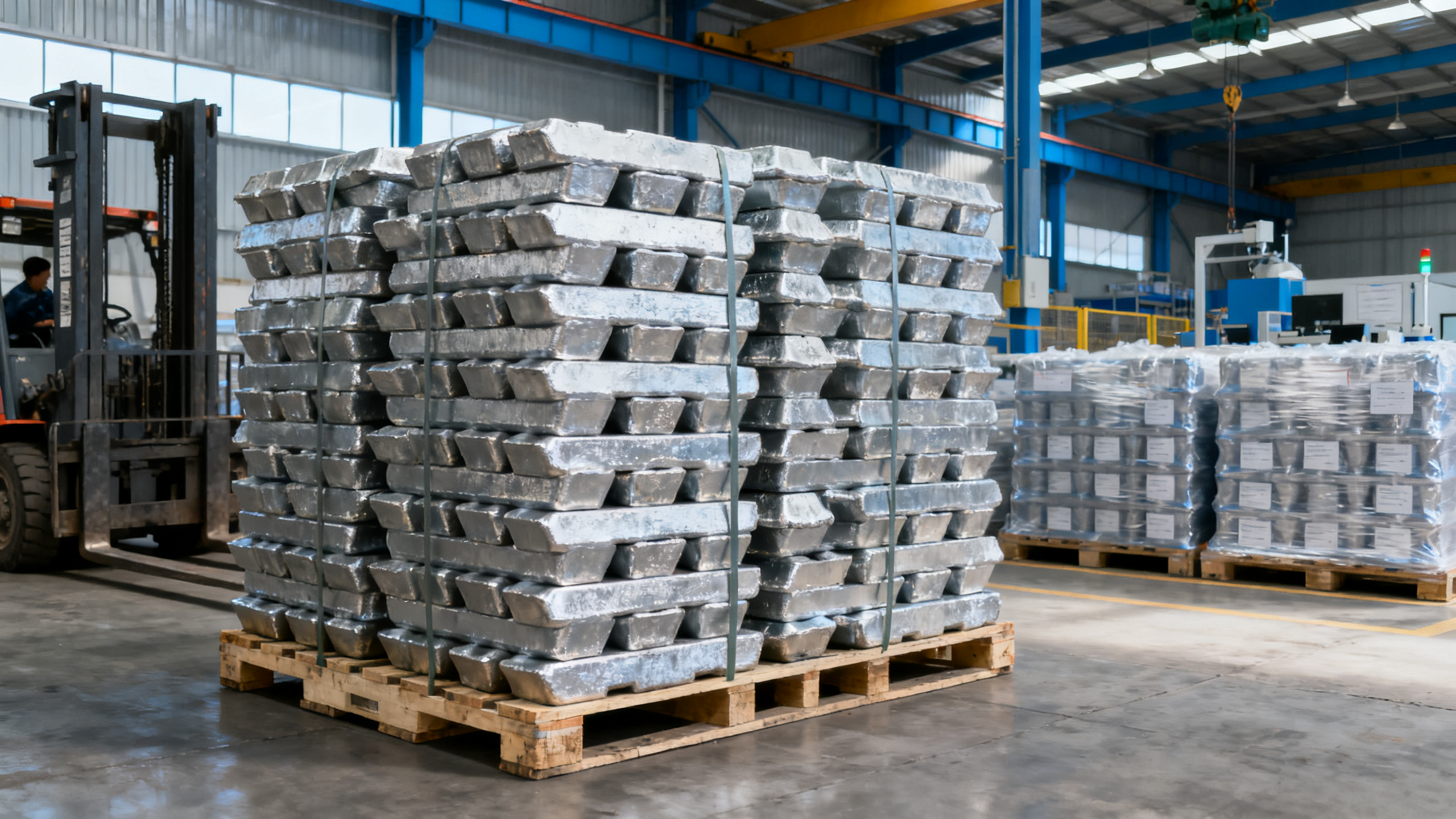
Why does aluminum ingots bulk pricing rarely match the quoted ton rate?
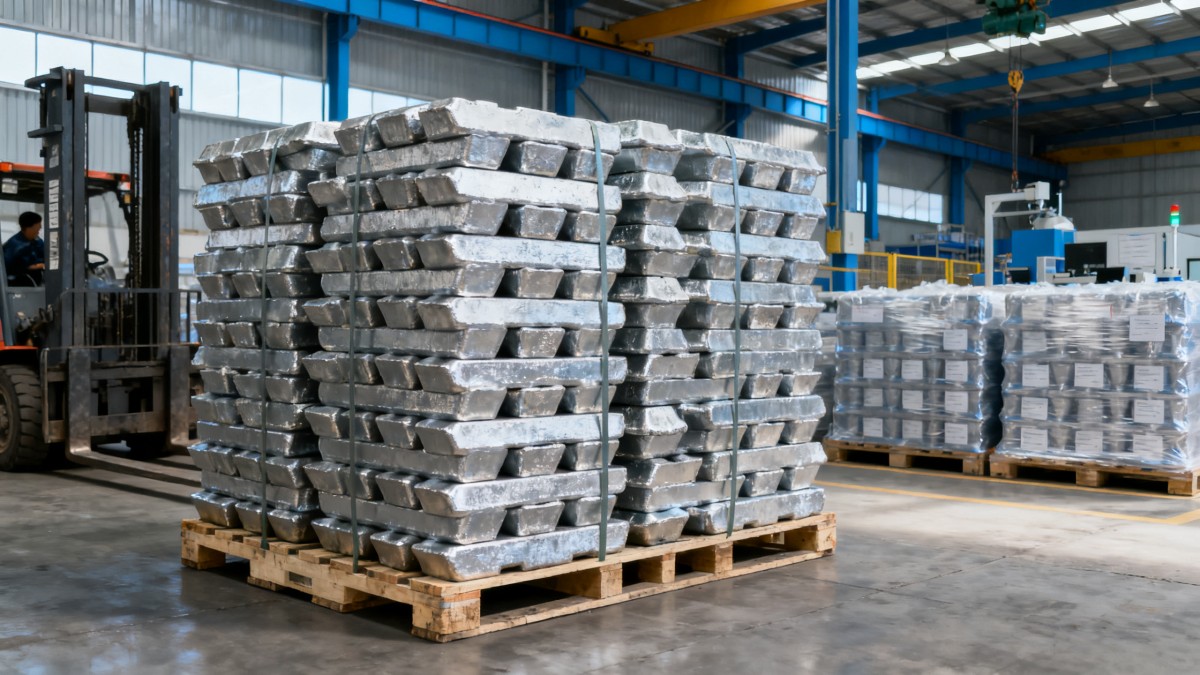
A bulk quote for aluminum ingots often looks simple.
In practice, the delivered cost depends on grade, purity, alloying elements, packaging, inspection, logistics, and market timing.
That is why aluminum ingots bulk buying should be treated as a specification-led decision, not just a price comparison exercise.
For industrial projects, a small mismatch in chemistry or surface condition can create casting losses, rework, or compliance concerns later.
A more reliable approach is to connect purchase cost with operational fit, downstream processing stability, and documentation quality.
That perspective aligns with how Global Industrial Core evaluates foundational materials used in demanding infrastructure and engineering supply chains.
Which grades are most common when sourcing aluminum ingots bulk?
This is usually the first practical question.
Not every buyer needs the same ingot type, and the wrong grade can erase any savings gained from a lower initial offer.
The most common categories include primary aluminum ingots, remelt ingots, and alloy ingots prepared for casting or secondary processing.
Primary grades often target high-purity applications where tight chemistry control matters.
Remelt grades are common where cost efficiency matters more than ultra-low impurity levels.
Alloy ingots, such as ADC12 or A356-related compositions, are selected when the end use demands specific casting behavior and mechanical properties.
A simple comparison table helps narrow the discussion before requesting firm offers.
For aluminum ingots bulk contracts, grade naming should never be accepted without the underlying chemical range and reference standard.
What specs deserve closer attention before approving a bulk order?
Chemistry comes first, but it is not the only checkpoint.
Bulk aluminum ingot transactions often fail when one hidden specification is assumed rather than written into the purchase terms.
Purity level should be tied to a recognized standard or a precise internal requirement.
Alloy chemistry should show both target values and acceptable tolerance bands.
Dimensions and individual ingot weight also matter because they affect furnace charging speed, handling safety, and pallet efficiency.
Surface condition deserves more attention than many first-time buyers expect.
Excess oxidation, oil contamination, trapped moisture, or severe cracking can increase melt loss and raise safety concerns.
Documentation should include mill test certificates, heat or batch traceability, and agreed inspection methods.
- Confirm chemical composition against the intended casting or remelting route.
- Check ingot size tolerance against furnace and storage constraints.
- Specify acceptable surface condition in writing.
- Define certificate format, sampling plan, and third-party inspection if needed.
In actual sourcing, detailed specifications often reduce disputes faster than aggressive price negotiation.
How do buyers judge whether one aluminum ingots bulk offer is truly better than another?
A lower unit price can still be the more expensive option.
The stronger comparison method is to examine total acquisition value across technical, commercial, and operational factors.
That usually means putting each offer through the same decision grid.
This type of side-by-side review is more useful than comparing headline numbers alone.
For critical infrastructure supply chains, repeatability often outweighs a short-term discount.
What usually drives the purchase cost of aluminum ingots bulk?
Several cost drivers move at the same time.
The first is the global aluminum market, including exchange-linked base metal pricing and regional premiums.
The second is alloy complexity.
Higher purity requirements or tighter control of silicon, copper, magnesium, or iron can increase production cost.
Energy cost is another major factor because aluminum production and remelting are highly power sensitive.
Then come shipment size, destination, packing method, and lead time.
Urgent loads, special bundling, and fragmented deliveries usually cost more per ton.
There is also a quality premium attached to trusted producers with stable certificates and lower claim rates.
- Base metal index movement can shift quotations quickly.
- Secondary or remelt supply may look cheaper, but quality spread can be wider.
- Freight volatility often changes the final economics of overseas aluminum ingots bulk purchases.
- Inspection, testing, and compliance paperwork add cost, but they also reduce downstream exposure.
In other words, purchase cost is a combination of material value, process assurance, and supply-chain resilience.
Where do bulk aluminum ingot purchases go wrong most often?
The common mistakes are rarely dramatic at the start.
They usually appear as vague specifications, overreliance on supplier declarations, or missing acceptance criteria.
One frequent issue is buying against a generic grade name without confirming the exact chemistry window.
Another is ignoring surface cleanliness because the quote appears otherwise competitive.
Claims also become difficult when the contract does not define sampling, weighing, or rejection conditions.
For cross-border orders, inconsistent Incoterms and incomplete insurance responsibilities create avoidable risk.
A more disciplined buying process usually includes pre-shipment evidence, batch traceability, and a documented inspection path.
That is especially relevant in sectors tied to power systems, machinery, and engineered assets where material reliability influences wider operational integrity.
What is a sensible next step before placing an aluminum ingots bulk order?
Start by translating the end-use requirement into a buying specification.
That means defining grade, chemistry limits, ingot dimensions, surface expectations, certificates, packing, and delivery terms in one document.
After that, compare offers using the same technical and commercial checklist rather than informal email descriptions.
Where supply continuity matters, it is worth reviewing historical consistency, not just the current lot.
A short pilot shipment or third-party inspection can also be useful before expanding to full aluminum ingots bulk volumes.
The most effective decisions usually come from linking market pricing with metallurgy, logistics, and verification discipline.
When that framework is in place, cost becomes easier to judge, supplier comparisons become fairer, and procurement risk becomes more visible before commitment.
Technical Specifications
- How to Select Electronic Hotel Key Card Locks for Guest Rooms and Staff AreasAuthor :Safety Compliance Lead
- How to Select Lab Instruments for Reliable Chemical Analysis WorkflowsAuthor :Precision Metrology Expert
- How to Size a UPS for Server Rooms: Load, Runtime, and Redundancy FactorsAuthor :Grid Infrastructure Analyst
Expert Insights

Chief Security Architect
Dr. Thorne specializes in the intersection of structural engineering and digital resilience. He has advised three G7 governments on industrial infrastructure security.
Related Analysis
- Sep 17, 2026How to Select Electronic Hotel Key Card Locks for Guest Rooms and Staff AreasAuthor :Safety Compliance Lead
- Sep 16, 2026How to Select Lab Instruments for Reliable Chemical Analysis WorkflowsAuthor :Precision Metrology Expert
- Sep 15, 2026How to Size a UPS for Server Rooms: Load, Runtime, and Redundancy FactorsAuthor :Grid Infrastructure Analyst
Core Sector // 01
Security & Safety
- Stainless Steel Welded Tube Applications: Matching Tube Supply to Fabrication NeedsAuthor :Heavy Industry Strategist

- What Maintenance Do Furnace Components Need After 18 Months?Author :Heavy Industry Strategist

- How to Assess Metal Materials for Thermal Cycling in Power BoilersAuthor :Heavy Industry Strategist

- How to Evaluate Aluminum Extrusion Suppliers for Tight-Tolerance Components?Author :Heavy Industry Strategist

- How to Evaluate a Weld Neck Flange Manufacturer for High-Pressure Pipe ProjectsAuthor :Heavy Industry Strategist

- EU REACH Ban Hits Cr(VI)-Coated Steel ImportsAuthor :Heavy Industry Strategist
-Coated Steel Imports")
- How to Evaluate a Heat Sink Aluminum Profile Supplier for Custom Thermal ProjectsAuthor :Heavy Industry Strategist

- Industrial Metal Fabrication Components Price: What Drives Cost and How to Compare QuotesAuthor :Heavy Industry Strategist