How to compare Components & Metals without missing quality
Author
Date Published
Reading Time
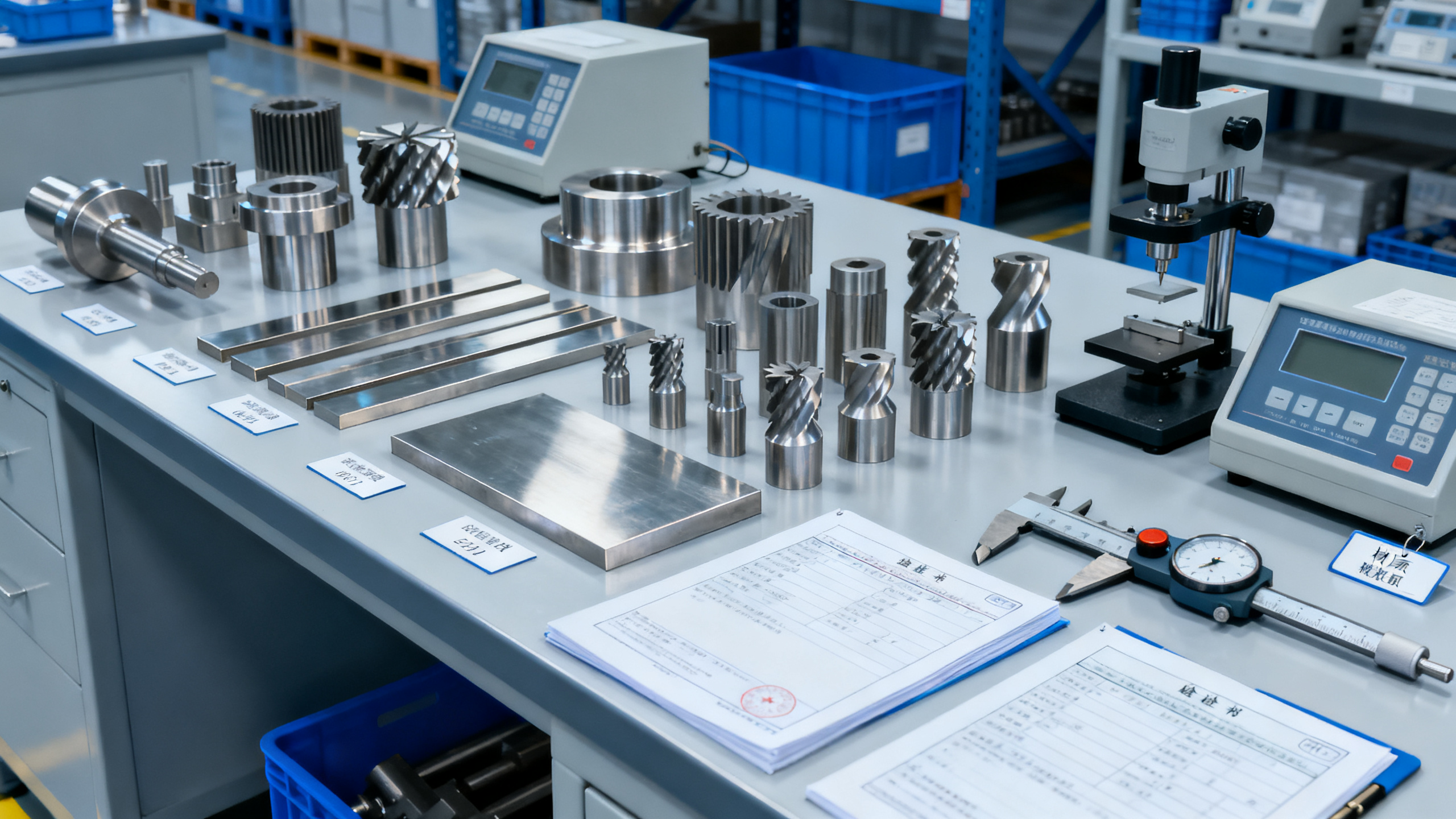
When evaluating Components & Metals, quality can no longer be judged by price sheets alone. Industrial environments now demand tighter tolerances, cleaner traceability, and stronger compliance evidence.
A weak comparison process often hides costly risks. Material mismatch, incomplete certifications, or unstable finishing can shorten service life and increase operational exposure.
This is why comparing Components & Metals requires a broader view. Teams must assess performance, sourcing transparency, inspection discipline, and consistency under actual service conditions.
Across the broader industrial landscape, buying standards are shifting. Evaluation now follows a change pattern: stricter requirements, wider impact, and more evidence-based selection.
Quality comparison for Components & Metals is becoming more evidence-driven
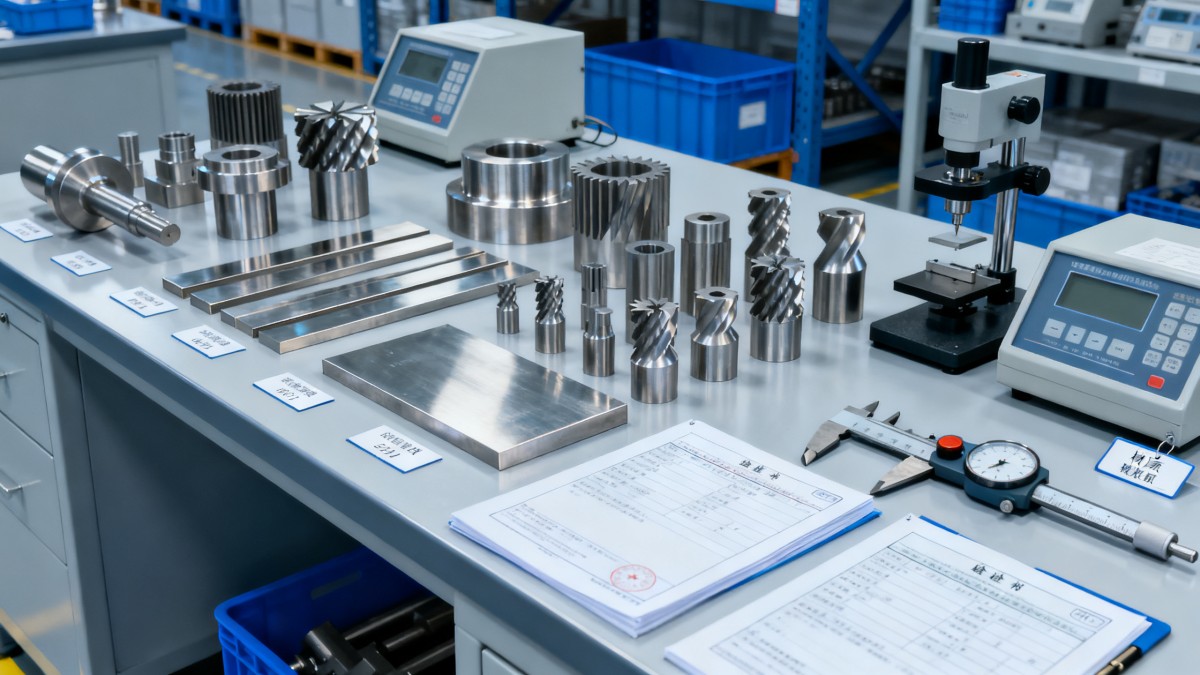
The market for Components & Metals has changed noticeably. Buyers increasingly compare not only the item, but also the data package behind the item.
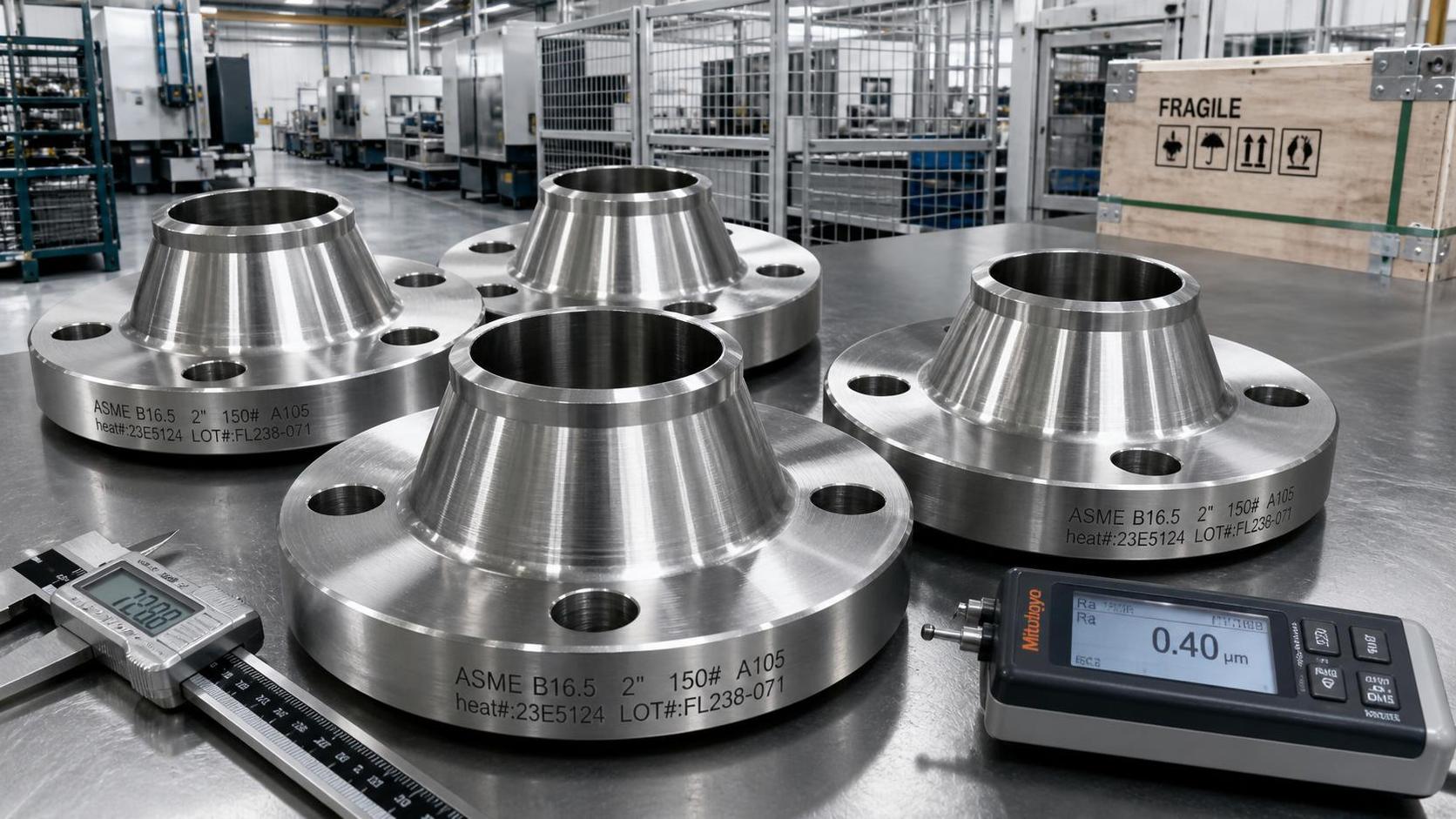
Mill test reports, heat numbers, coating records, dimensional inspection logs, and application references now shape supplier decisions more than generic brochures.
This shift reflects operational reality. Industrial systems run hotter, faster, cleaner, and under more regulated conditions than before.
As a result, Components & Metals must be compared by service reliability, not by nominal specification alone. Similar-looking parts may perform very differently in the field.
The strongest trend signal is simple: technical comparison is moving upstream. Quality verification now starts before ordering, not after delivery.
Several trend signals explain why Components & Metals need closer comparison
Multiple forces are pushing stricter evaluation standards across general industry. These forces affect metals, machined parts, fabricated assemblies, and critical replacement components.
Together, these signals explain why comparison methods are evolving. The question is no longer “Which offer is cheaper?” but “Which offer is technically safer?”
The most reliable comparison starts with material truth, not catalog claims
Material identity is the first checkpoint. Grade names alone are not enough when comparing Components & Metals across suppliers.
Chemical composition should align with the required standard. Mechanical properties must match the application’s load, temperature, and environmental profile.
Heat treatment, forging route, rolling condition, and surface finish also influence actual performance. Two parts with similar dimensions can differ significantly in fatigue resistance.
Key material checks that should not be skipped
- Applicable standard grade and revision
- Chemical analysis and mechanical property ranges
- Mill test certificate authenticity and completeness
- Heat number traceability from raw stock to finished part
- Corrosion, hardness, wear, or temperature suitability
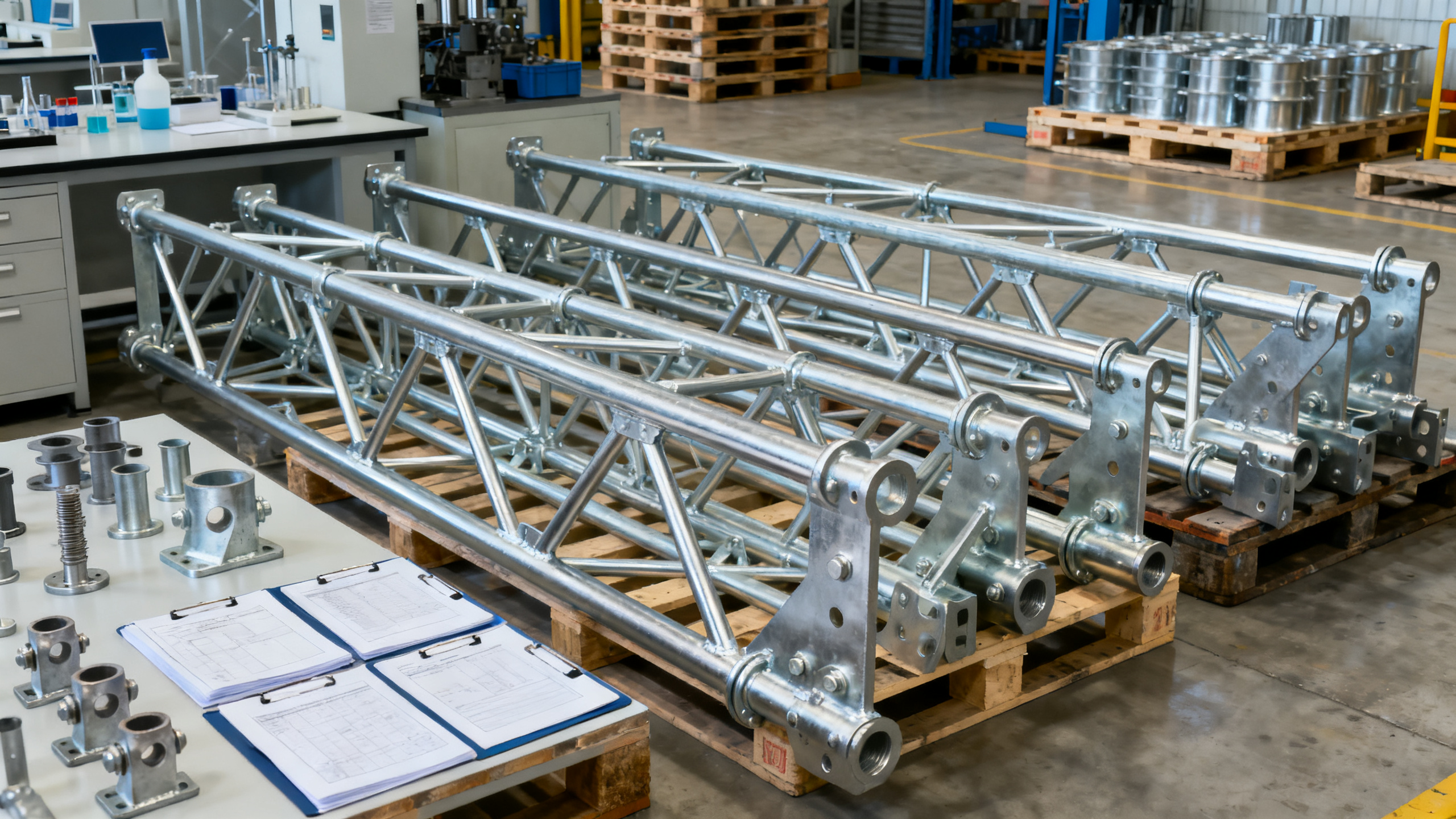
- Required coating, plating, passivation, or surface treatment
In practice, this step reveals many hidden risks. Substituted alloys, uncontrolled secondary processing, or unclear traceability often appear during material-level comparison.
Dimensional quality and process capability now carry more weight
Modern Components & Metals are expected to fit integrated systems with minimal adjustment. This makes dimensional tolerance a strategic quality issue.
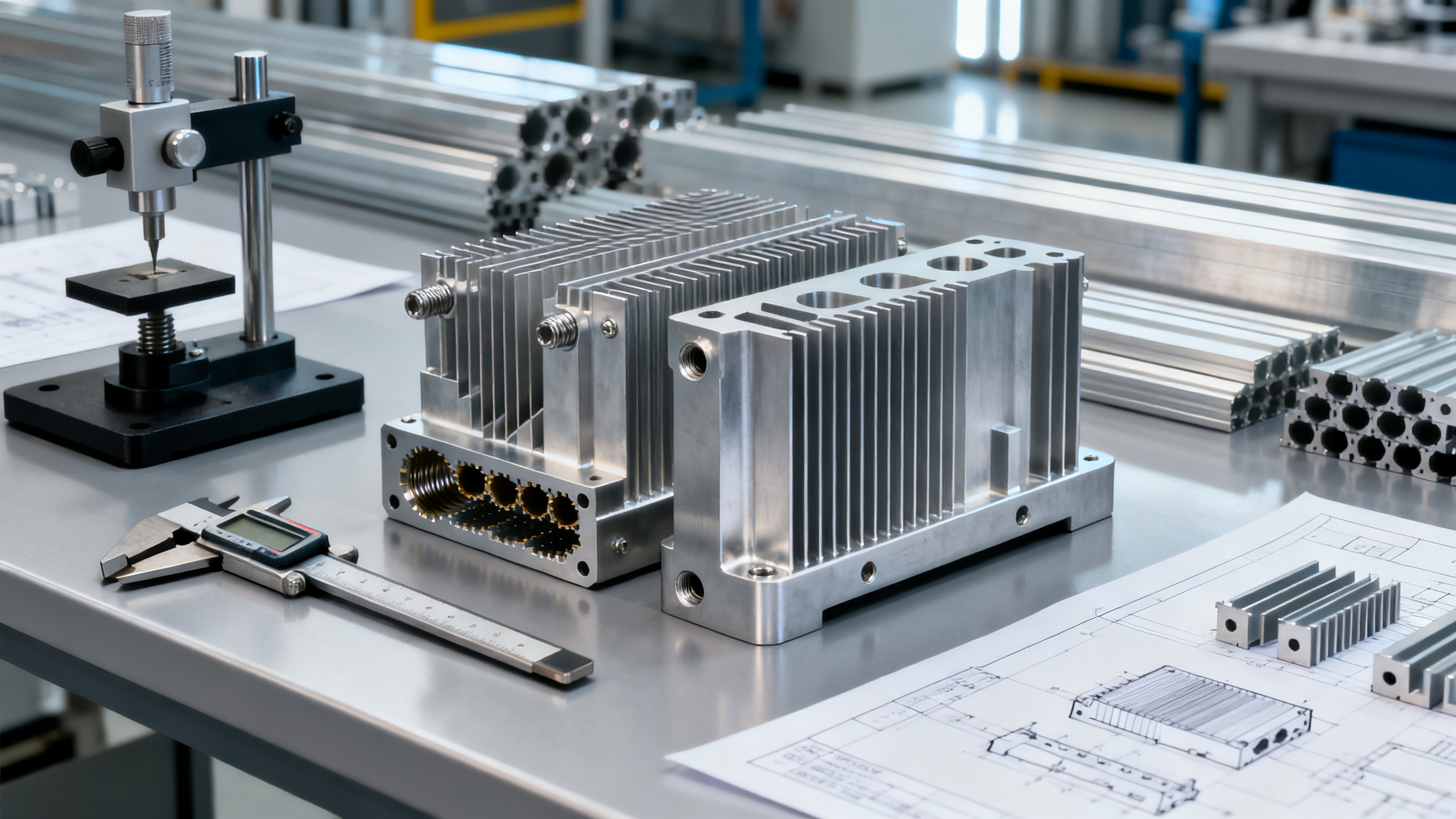
Inspection should confirm more than nominal size. Flatness, concentricity, straightness, roughness, thread accuracy, and edge condition can all affect assembly and service performance.
Process capability matters because repeatability matters. A supplier that meets tolerance once is different from one that meets it consistently at scale.
Signs of stronger process control
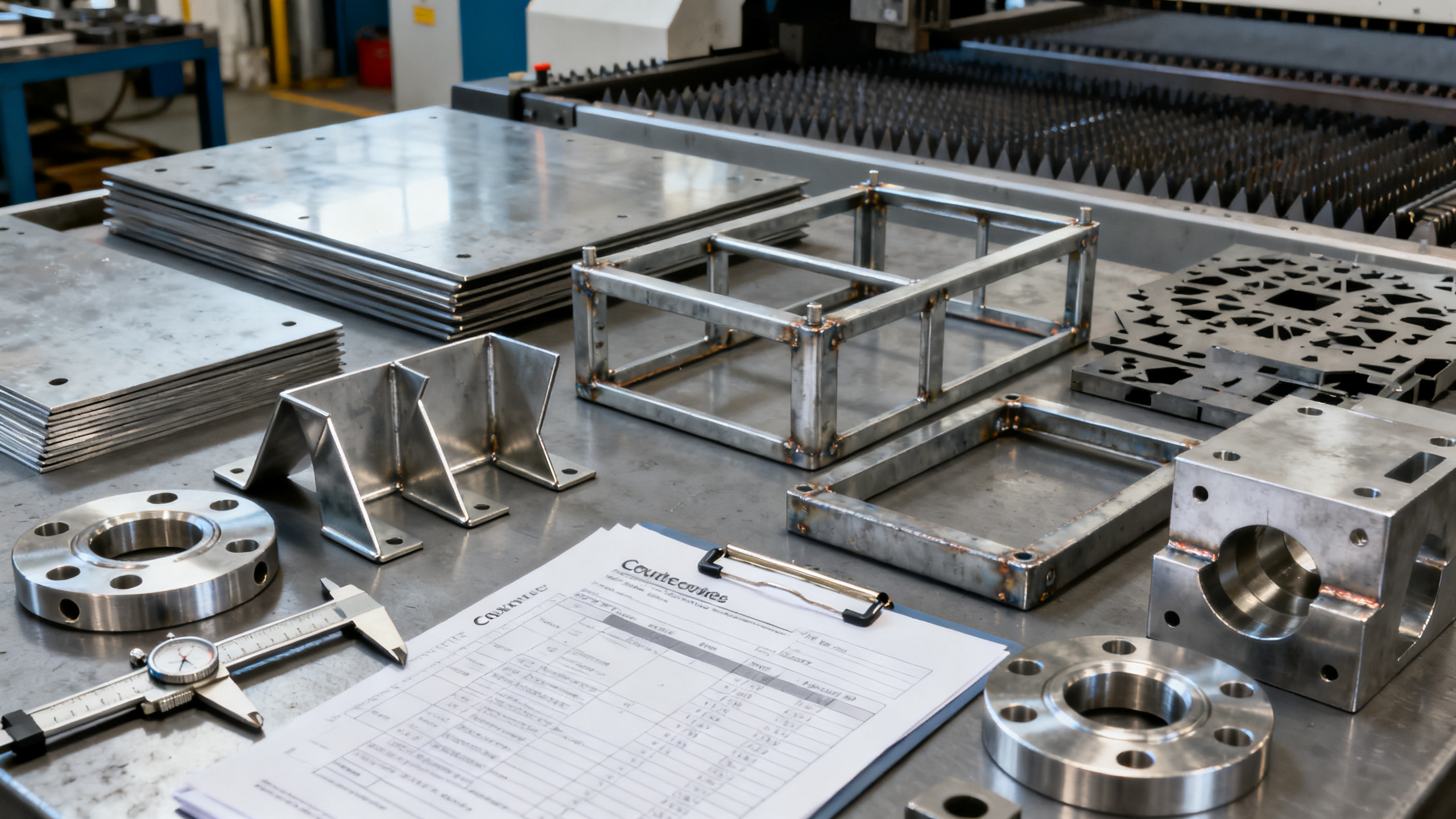
- Documented first article inspection records
- Calibrated measuring equipment with valid certificates
- Stable machining, casting, forming, or fabrication procedures
- Clear nonconformance handling and corrective action routines
- Batch consistency shown through recent production data
For Components & Metals used in mechanical, electrical, and environmental systems, dimensional drift can create leaks, vibration, electrical instability, or seal failure.
The impact extends across multiple business and engineering functions
Changes in how Components & Metals are compared affect more than sourcing activity. They reshape design validation, inventory strategy, installation timing, and maintenance confidence.
When quality comparison is weak, downstream teams absorb the consequences. Delayed approvals, field modifications, and unplanned replacements become more likely.
This broader impact is why technical comparison now sits closer to risk management. Good selection discipline protects system uptime as much as it protects budget.
The smartest evaluation focus is shifting toward a few non-negotiable checkpoints
Not every detail carries equal weight. The most effective comparisons of Components & Metals concentrate on the factors that predict field success.
- Verify standard compliance before discussing price adjustments.
- Check traceability from raw material to finished delivery batch.
- Match test methods to actual service conditions, not only lab ideals.
- Review tolerances together with assembly and interface requirements.
- Confirm coating or surface treatment performance in expected exposure.
- Compare recent production consistency, not isolated sample excellence.
- Assess response speed for technical questions and quality deviations.
These checkpoints improve decision quality because they connect specification language with operational evidence. That connection is essential in every serious Components & Metals review.
A practical response is to compare Components & Metals through a weighted framework
A structured scorecard reduces bias and prevents late surprises. It also helps teams compare unlike suppliers on the same technical basis.
This method keeps Components & Metals decisions aligned with long-term performance. It also creates a documented basis for future supplier improvement.
The next step is to turn quality comparison into a repeatable industrial discipline
Better outcomes come from repeatable comparison habits. Define required evidence early, standardize review criteria, and link acceptance to documented performance signals.
For Components & Metals, the most resilient decisions combine specification accuracy, certified quality, process consistency, and field-fit validation.
Global Industrial Core supports this approach with technical insight across metallurgy, compliance, measurement, and industrial reliability. Stronger comparison today reduces operational risk tomorrow.
Use the next evaluation cycle to build a stricter checklist for Components & Metals. Small improvements in comparison discipline can produce major gains in safety, uptime, and lifecycle return.
Technical Specifications
- How to Select Electronic Hotel Key Card Locks for Guest Rooms and Staff AreasAuthor :Safety Compliance Lead
- How to Select Lab Instruments for Reliable Chemical Analysis WorkflowsAuthor :Precision Metrology Expert
- How to Size a UPS for Server Rooms: Load, Runtime, and Redundancy FactorsAuthor :Grid Infrastructure Analyst
Expert Insights

Chief Security Architect
Dr. Thorne specializes in the intersection of structural engineering and digital resilience. He has advised three G7 governments on industrial infrastructure security.
Related Analysis
- Sep 17, 2026How to Select Electronic Hotel Key Card Locks for Guest Rooms and Staff AreasAuthor :Safety Compliance Lead
- Sep 16, 2026How to Select Lab Instruments for Reliable Chemical Analysis WorkflowsAuthor :Precision Metrology Expert
- Sep 15, 2026How to Size a UPS for Server Rooms: Load, Runtime, and Redundancy FactorsAuthor :Grid Infrastructure Analyst
Core Sector // 01
Security & Safety
- Stainless Steel Welded Tube Applications: Matching Tube Supply to Fabrication NeedsAuthor :Heavy Industry Strategist

- What Maintenance Do Furnace Components Need After 18 Months?Author :Heavy Industry Strategist

- How to Assess Metal Materials for Thermal Cycling in Power BoilersAuthor :Heavy Industry Strategist

- How to Evaluate Aluminum Extrusion Suppliers for Tight-Tolerance Components?Author :Heavy Industry Strategist

- How to Evaluate a Weld Neck Flange Manufacturer for High-Pressure Pipe ProjectsAuthor :Heavy Industry Strategist

- EU REACH Ban Hits Cr(VI)-Coated Steel ImportsAuthor :Heavy Industry Strategist
-Coated Steel Imports")
- How to Evaluate a Heat Sink Aluminum Profile Supplier for Custom Thermal ProjectsAuthor :Heavy Industry Strategist

- Industrial Metal Fabrication Components Price: What Drives Cost and How to Compare QuotesAuthor :Heavy Industry Strategist