Japan Opens Anti-Dumping Probe on Chinese Cold-Rolled Steel
Author
Date Published
Reading Time
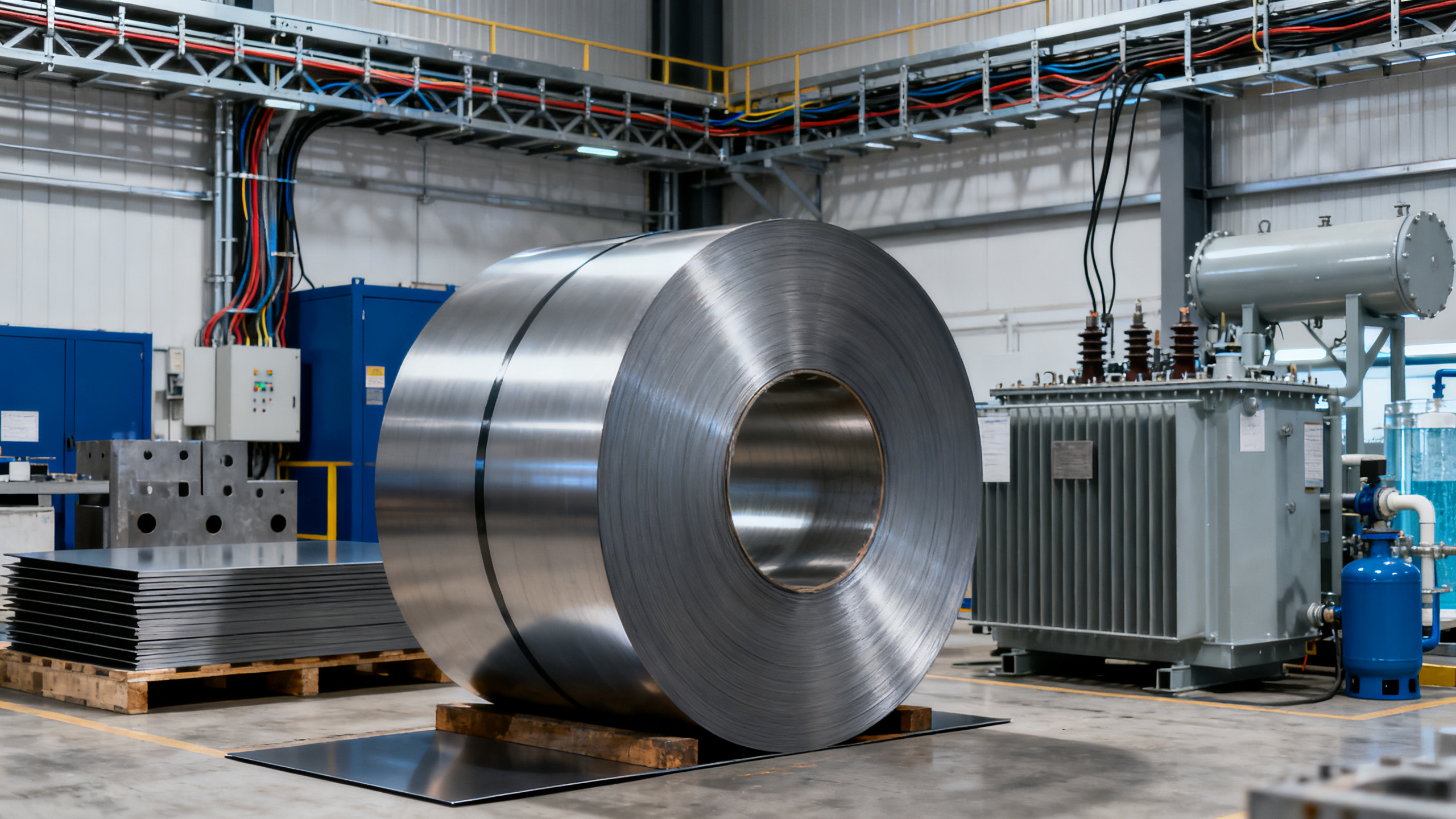
On June 1, 2026, Japan’s Ministry of Economy, Trade and Industry launched an anti-dumping investigation into cold-rolled iron and non-alloy steel strip and plate from mainland China under tariff headings in the 7209/7225 series. Because these materials are used in housings and structural parts for industrial water treatment equipment, transformer oil tanks, cable trays, fire protection equipment, and bearing seal substrates, the development is not only a trade issue but also a procurement and compliance issue for importers, manufacturers, certification-related businesses, and supply chain operators. What deserves closer attention is that companies may now need to recheck product scope, origin documentation, and possible CE/UL compliance implications within existing sourcing arrangements.
What has been formally confirmed so far
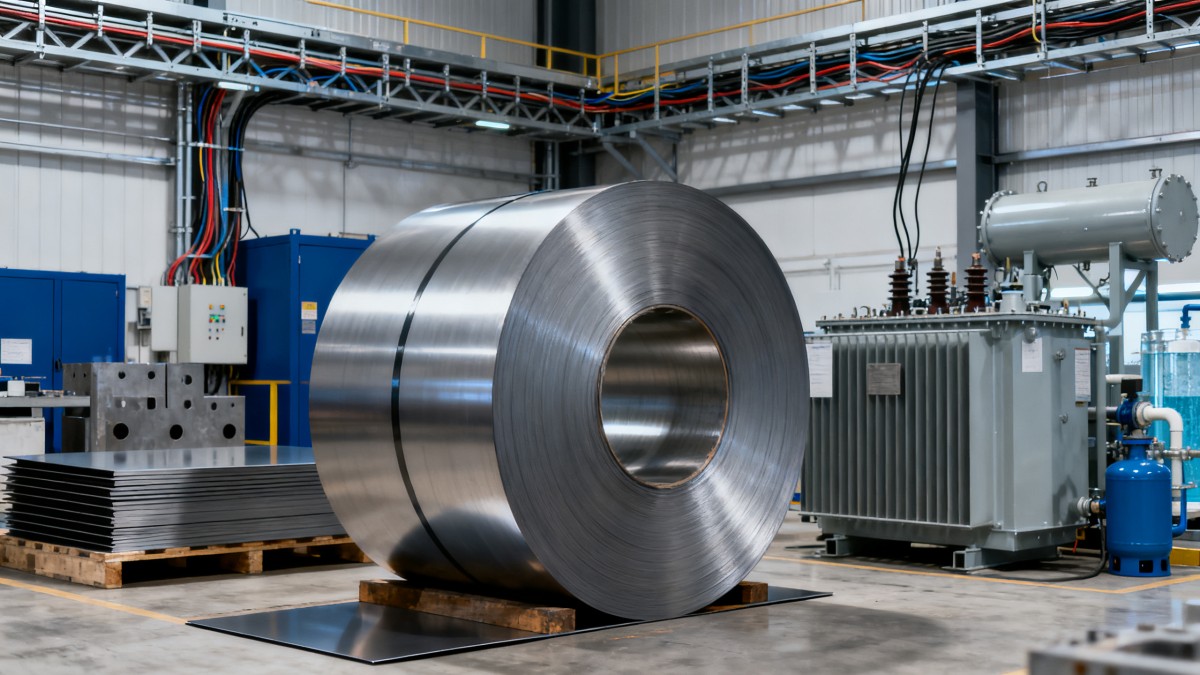
The confirmed facts are limited but commercially significant. The investigation was formally initiated on June 1, 2026, by Japan’s Ministry of Economy, Trade and Industry. The products concerned are cold-rolled iron and non-alloy steel strip and plate originating in mainland China, with the scope referring to tariff code series 7209 and 7225. The stated dumping period is from April 2025 to March 2026.
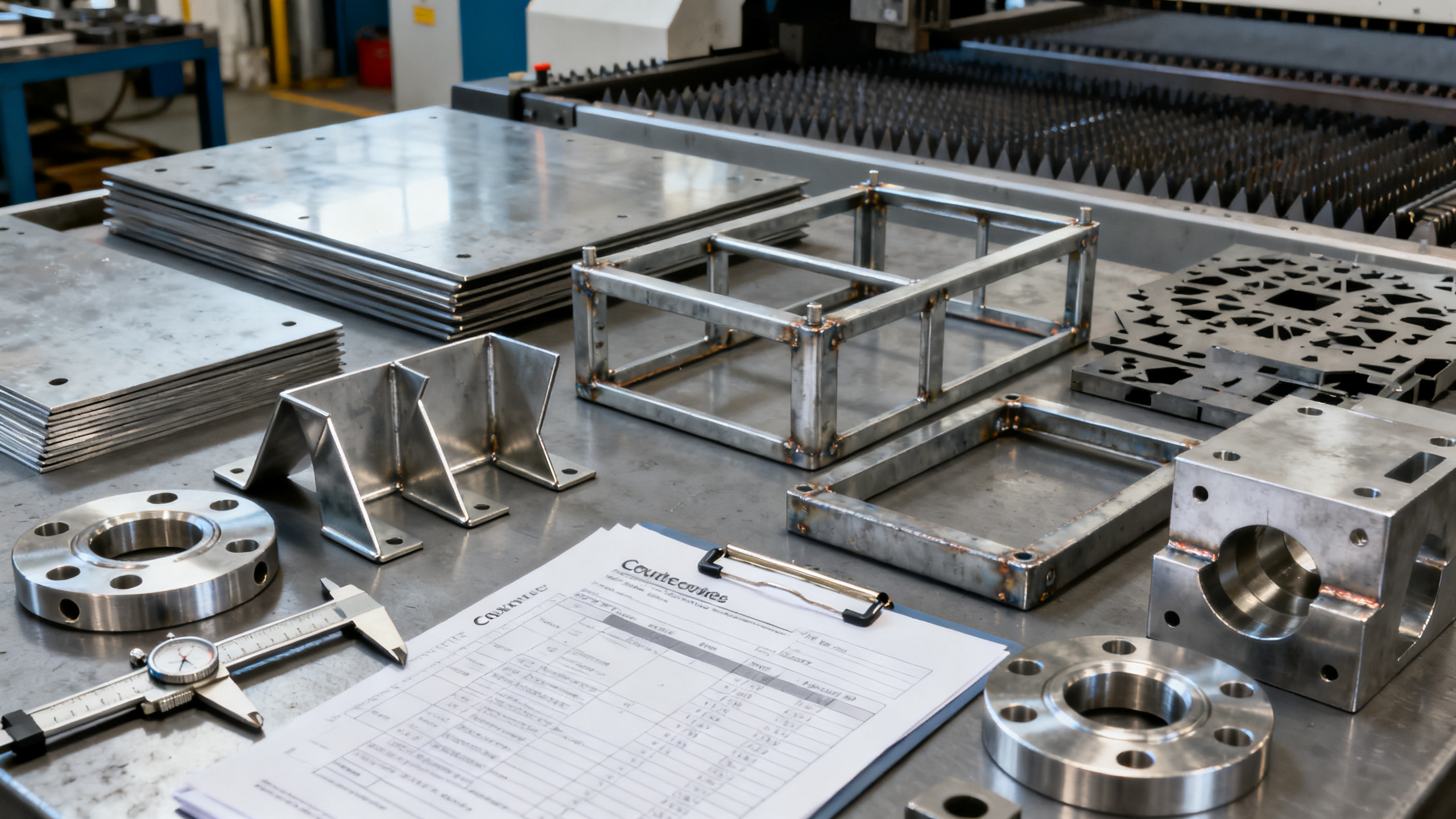
The affected materials are described as being widely used in industrial water treatment equipment housings, transformer oil tanks, cable trays, structural parts for fire protection equipment, and substrate materials for bearing seals. The event summary also indicates that overseas importers should immediately review whether their current supply chains involve the products under investigation and assess risks related to CE/UL certification and origin compliance.
Why the impact extends beyond a single steel category
Procurement teams may face an immediate scope-check problem
From an industry perspective, the first affected group is likely to be buyers and sourcing teams that purchase cold-rolled steel directly or indirectly through components. Their exposure is not limited to raw steel contracts. It may also appear in assemblies, enclosures, or fabricated parts that rely on the investigated substrate. The practical impact is likely to concentrate on product classification checks, supplier declarations, purchase specifications, and whether current orders involve the tariff headings cited in the investigation.
Manufacturers using steel-based housings and structural parts may need deeper traceability
Fabricators and equipment manufacturers that use these materials in water treatment systems, transformer-related structures, cable management products, fire protection assemblies, or bearing-related components may be affected at the material traceability level. Analysis shows that these businesses should pay attention to whether technical files, bill-of-material records, and supply documentation clearly identify the steel substrate used. This matters not because a final outcome has been stated, but because the investigation itself can trigger closer internal review of source materials and related compliance records.
Importers and trade operators may need to reassess origin and document consistency
For importers and trading companies, the issue is not only pricing or customs exposure. It also concerns consistency between origin claims, product descriptions, tariff classification, and commercial documentation. Observably, any mismatch between actual material source and declared origin could become more sensitive in a period of heightened trade scrutiny. Businesses involved in cross-border shipments should therefore watch contract descriptions, mill-related supporting records where available, and document alignment across procurement, logistics, and customs-facing files.
Certification-related services may see more questions tied to material source
Companies involved in CE or UL-related work, along with testing and documentation support providers, may also encounter follow-up questions from clients. The event summary specifically raises CE/UL certification risk, which means the concern is not that certification rules have been confirmed to change, but that material substitution, sourcing changes, or origin-related review may affect how technical files and conformity records are checked in practice. Businesses in this segment should be ready for customer requests concerning material continuity and document updates.
What companies should review now
Verify whether current products fall within the investigated scope
The most immediate task is to confirm whether existing purchases, shipments, or finished products involve cold-rolled iron or non-alloy steel strip and plate within the referenced 7209/7225 series. This review should not stop at direct imports. Companies should also examine whether outsourced parts, housings, or structural components incorporate the relevant materials.
Recheck origin statements and supporting trade records
Analysis shows that origin compliance deserves prompt review. Businesses should compare purchase contracts, commercial invoices, packing records, product specifications, and any supplier-issued origin-related statements for consistency. This does not imply that a violation has occurred; rather, it is a practical response to a trade investigation that places source and classification under sharper attention.
Assess whether CE/UL files depend on unchanged material sourcing
Where products are sold with CE or UL-related documentation, companies should review whether existing technical files, declarations, test references, or certification materials assume a specific substrate, supplier route, or manufacturing configuration. If sourcing changes are being considered in response to risk, the compliance impact should be reviewed before implementation rather than after shipment.
Watch for changes in customer documentation and tender language
What deserves closer attention is the possibility that downstream buyers, project owners, or distributors may begin requesting more detailed material declarations, origin evidence, or specification confirmations. Even without a confirmed final trade measure, tender documents, purchase terms, and supplier qualification checks may become stricter in affected business lines. Companies should therefore monitor customer-side wording and approval requirements closely.
How this development is best understood at this stage
Observably, this news is more than a routine trade headline, but it should not yet be treated as a concluded market outcome. The confirmed development is the opening of an anti-dumping investigation, together with a clearly identified product scope, dumping period, and an immediate compliance warning for overseas importers. Analysis shows that the most relevant signal for industry participants is not a finished result, but the start of a formal review process that can influence sourcing decisions, documentation standards, and internal compliance checks.
It is more appropriate to understand this as an execution signal that requires active monitoring. Companies should continue watching for any later official wording, market-side responses, and changes in procurement or certification practice, while avoiding assumptions about outcomes that have not been confirmed in the provided information.
A practical reading for the market
At present, the significance of this event lies in its effect on trade compliance discipline across the industrial metals supply chain. For businesses exposed to cold-rolled steel, steel-based fabricated parts, or products relying on the listed applications, the immediate issue is review rather than reaction. A careful check of scope, origin, certification files, and procurement documentation is more appropriate than broad assumptions. In that sense, the development is best read as a live compliance and sourcing signal that has already become operationally relevant, while its longer-term market consequences still require observation.
Basis of this article and what still needs verification
This article is generated based on the user-provided news title, event date, and event summary. For events of this type, relevant source categories usually include official notices, releases from regulatory authorities, customs or trade administration information, industry association updates, standard-setting documents, and reporting by authoritative media. No specific official source link was provided in the input, so the exact official publication link still needs to be verified on an ongoing basis.
Further observation is also needed regarding any later policy detail, enforcement wording, certification interpretation, tender document changes, industry feedback, and company-level implementation responses. Any such developments should be checked against subsequent official or otherwise authoritative disclosures before being treated as confirmed.
Technical Specifications
- How to Select Electronic Hotel Key Card Locks for Guest Rooms and Staff AreasAuthor :Safety Compliance Lead
- How to Select Lab Instruments for Reliable Chemical Analysis WorkflowsAuthor :Precision Metrology Expert
- How to Size a UPS for Server Rooms: Load, Runtime, and Redundancy FactorsAuthor :Grid Infrastructure Analyst
Expert Insights

Chief Security Architect
Dr. Thorne specializes in the intersection of structural engineering and digital resilience. He has advised three G7 governments on industrial infrastructure security.
Related Analysis
- Sep 17, 2026How to Select Electronic Hotel Key Card Locks for Guest Rooms and Staff AreasAuthor :Safety Compliance Lead
- Sep 16, 2026How to Select Lab Instruments for Reliable Chemical Analysis WorkflowsAuthor :Precision Metrology Expert
- Sep 15, 2026How to Size a UPS for Server Rooms: Load, Runtime, and Redundancy FactorsAuthor :Grid Infrastructure Analyst
Core Sector // 01
Security & Safety
- Stainless Steel Welded Tube Applications: Matching Tube Supply to Fabrication NeedsAuthor :Heavy Industry Strategist

- What Maintenance Do Furnace Components Need After 18 Months?Author :Heavy Industry Strategist

- How to Assess Metal Materials for Thermal Cycling in Power BoilersAuthor :Heavy Industry Strategist

- How to Evaluate Aluminum Extrusion Suppliers for Tight-Tolerance Components?Author :Heavy Industry Strategist

- How to Evaluate a Weld Neck Flange Manufacturer for High-Pressure Pipe ProjectsAuthor :Heavy Industry Strategist

- EU REACH Ban Hits Cr(VI)-Coated Steel ImportsAuthor :Heavy Industry Strategist
-Coated Steel Imports")
- How to Evaluate a Heat Sink Aluminum Profile Supplier for Custom Thermal ProjectsAuthor :Heavy Industry Strategist

- Industrial Metal Fabrication Components Price: What Drives Cost and How to Compare QuotesAuthor :Heavy Industry Strategist