EU Steel Tariff at 50% Raises Profile Export Costs
Author
Date Published
Reading Time
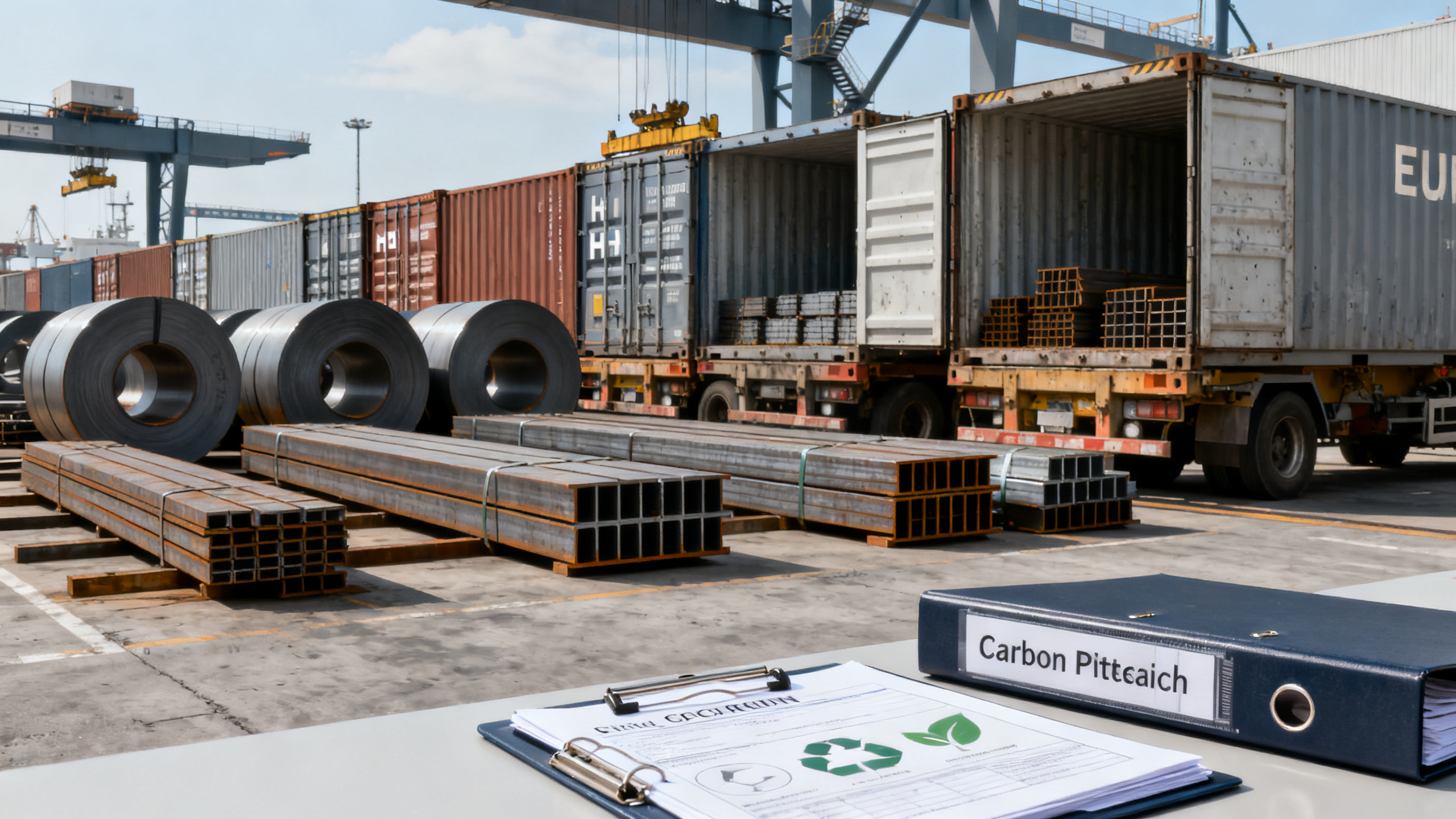
Image Placement Plan
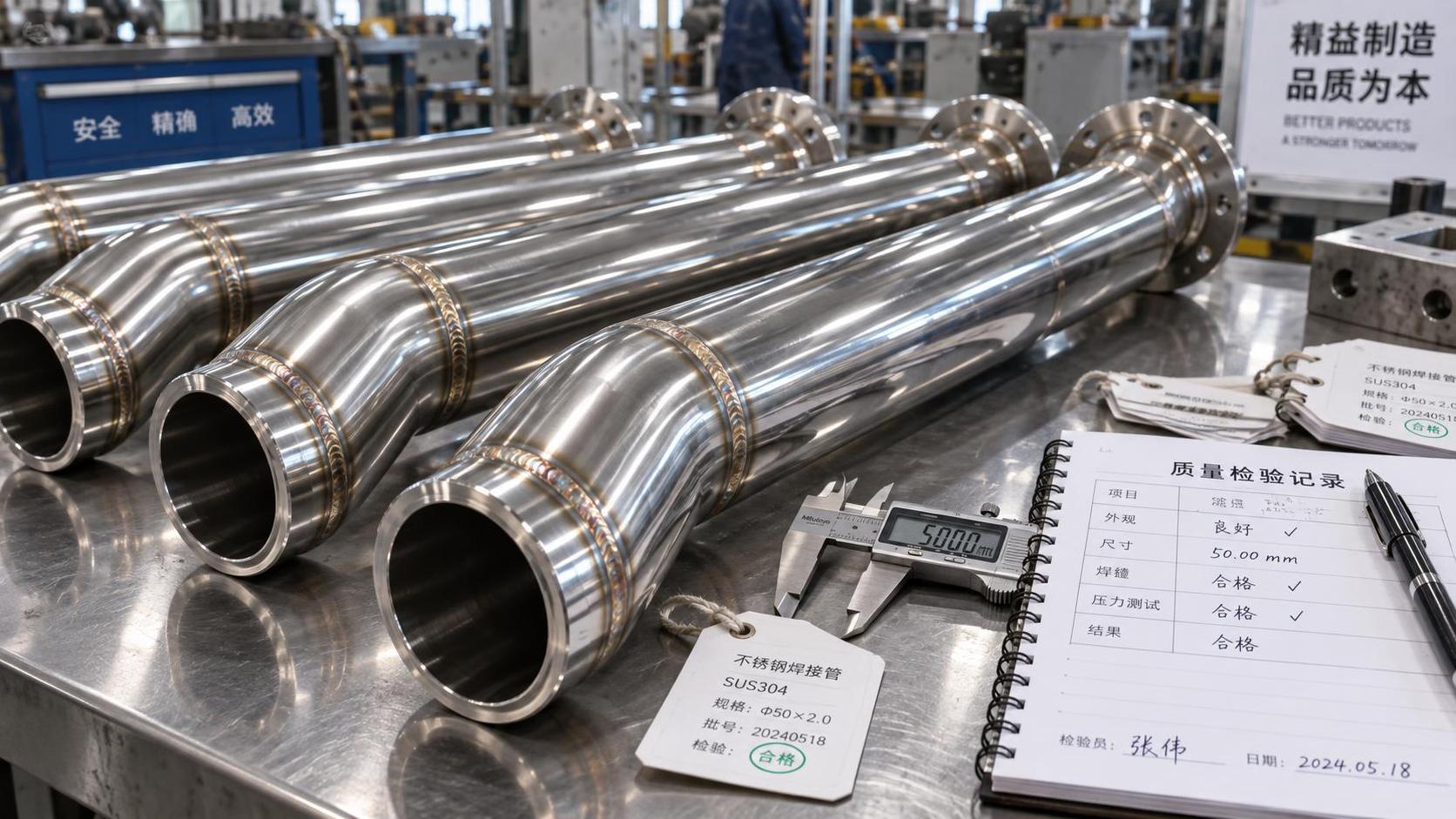
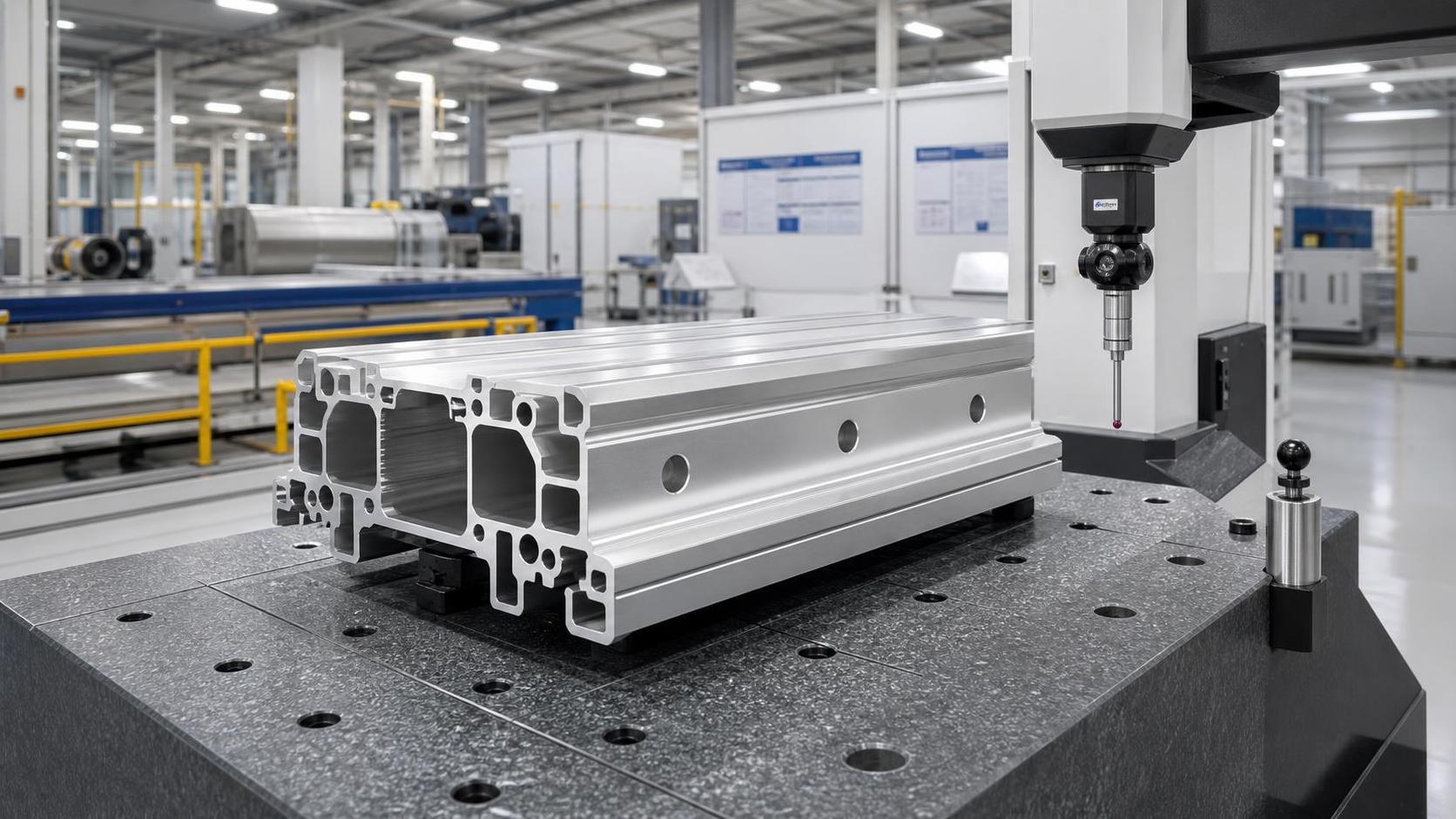
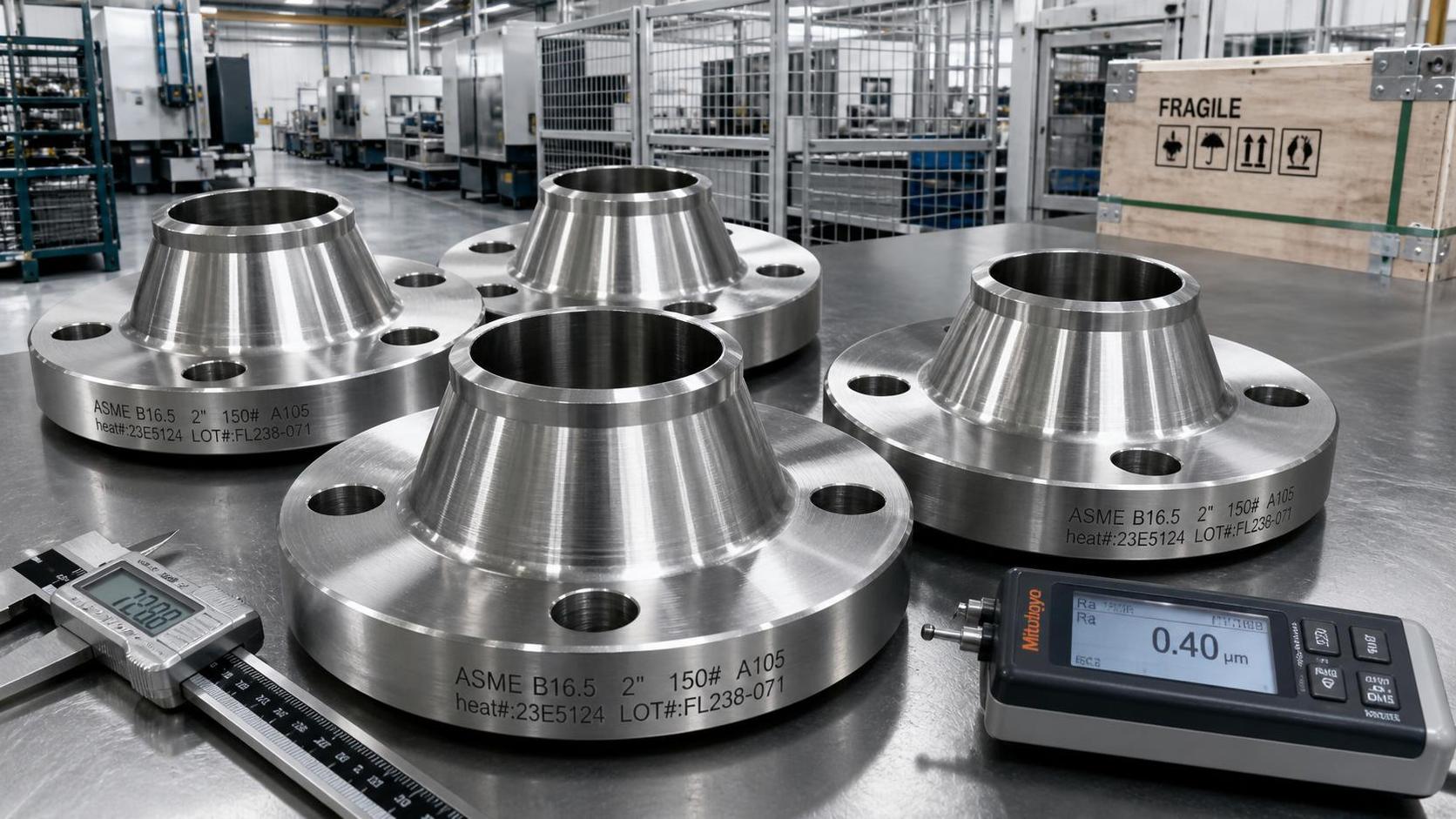
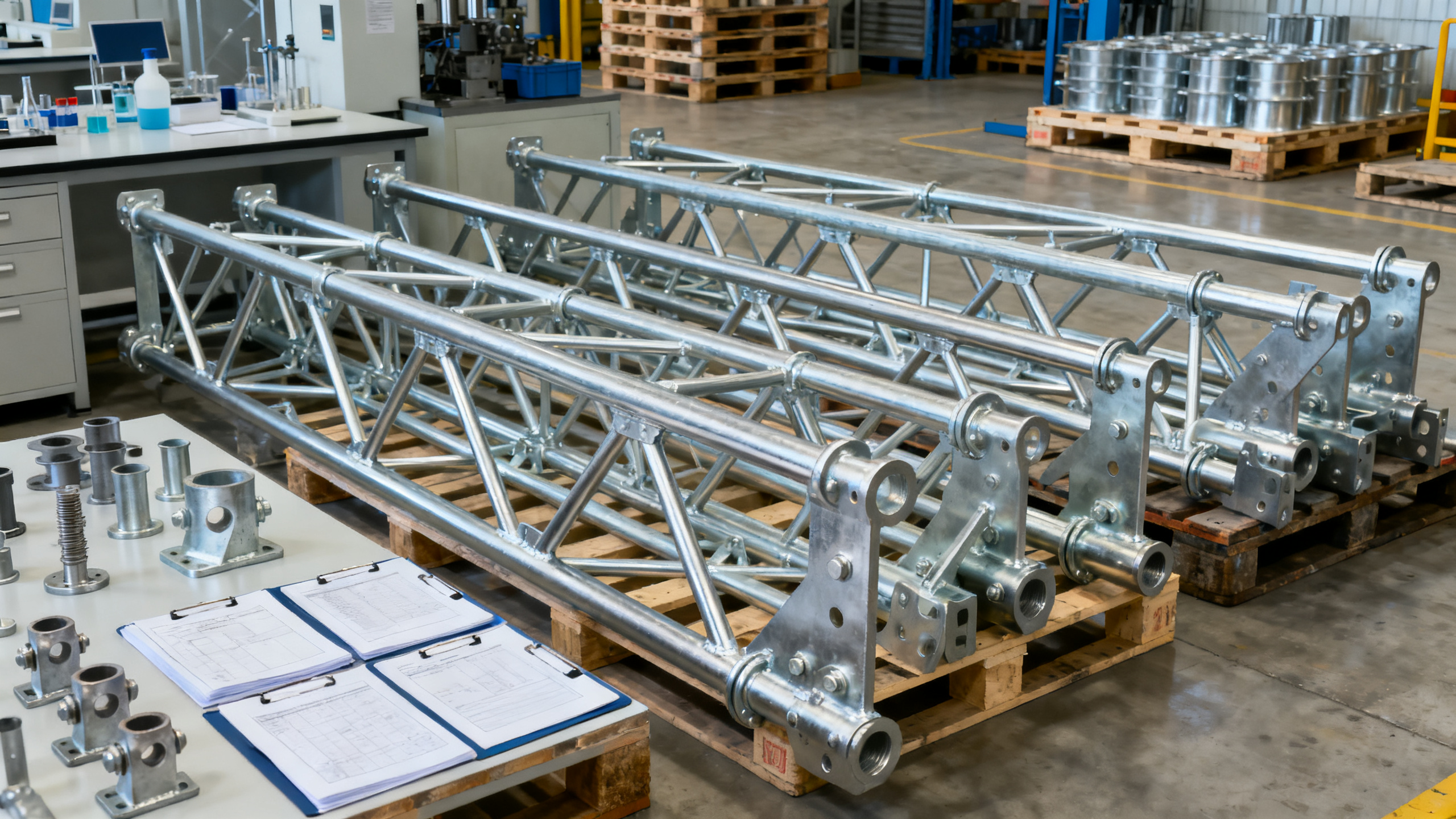
Place one image near the opening section to support the topic visually, such as imported steel profiles, industrial metal sections, or customs compliance documentation related to EU-bound steel shipments.
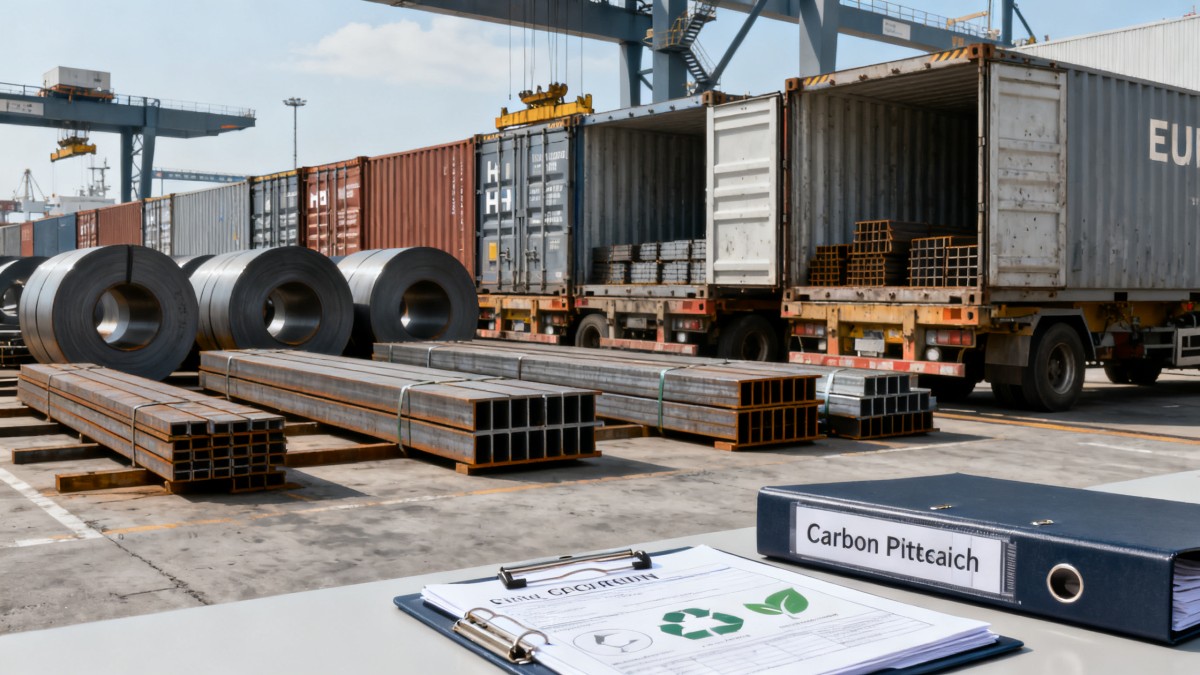
On May 21, 2026, the European Commission imposed anti-dumping duties of up to 50% on imported steel products, affecting industrial metal profiles used in infrastructure, energy, and machinery manufacturing projects because exporters now face higher trade costs, origin certification scrutiny, and full-chain carbon footprint declaration requirements.
Confirmed Measures Affecting Imported Steel
The measure announced on May 21, 2026 applies to imported steel products and raises anti-dumping duties to as much as 50%.
The covered product scope includes hot-rolled coil, H-beams, I-beams, and other key industrial metal profiles.
The rule applies to steel products that have not obtained exempt origin certification. It also requires a full-chain carbon footprint declaration in line with EN 15804+A2.
According to the provided event summary, the measure directly affects the ability of suppliers from China and Southeast Asia to provide materials for EU infrastructure, energy, and machinery manufacturing projects.
How the Rule Change Reaches the Supply Chain
Export and trading companies face immediate cost exposure
Direct trading companies are affected because the anti-dumping duty changes the landed cost structure for EU-bound steel shipments. The impact is most visible in price quotations, contract margin calculations, customs documentation, and origin certification review.
They may need to pay closer attention to whether each shipment has valid exempt origin certification, whether the declared product category falls within the covered scope, and whether carbon footprint documentation under EN 15804+A2 is complete enough for customer and customs review.
Raw material buyers need tighter procurement verification
Companies purchasing steel inputs are affected because hot-rolled coil and structural profiles are part of the covered product range. If upstream materials are later exported to the EU or used in EU project supply, the added duty and documentation burden may change sourcing priorities.
Procurement teams may need to review supplier declarations, origin evidence, product classification, and carbon footprint data availability before confirming orders, especially where materials are intended for infrastructure, energy, or machinery manufacturing applications.
Fabricators and manufacturers may see specification pressure
Processing and manufacturing companies using H-beams, I-beams, and other industrial profiles are affected because their products may inherit compliance requirements from the steel inputs used. The impact may appear in technical files, tender responses, project qualification materials, and delivery documentation.
Manufacturers supplying EU-related projects may need to check whether their bill of materials, production records, and product specifications can support origin verification and full-chain carbon footprint declarations.
Supply chain service providers must support documentation flow
Logistics providers, customs brokers, testing partners, and certification support organizations are affected because the rule increases the need for traceable shipment records and compliant documentation. Their work may shift from simple transport coordination to document review, certification support, and customs risk communication.
They may need to monitor changes in customs acceptance practice, carbon declaration formats, and project-level documentation requests from EU buyers.
Practical Priorities for Companies Supplying EU Projects
Review origin certification before pricing EU orders
Because the measure applies to steel without exempt origin certification, companies should check origin evidence at the quotation stage rather than after shipment. For EU-bound orders, pricing decisions should consider whether the product may be exposed to anti-dumping duties of up to 50%.
Prepare EN 15804+A2 carbon footprint documentation
The new requirement for a full-chain carbon footprint declaration makes technical documentation more important. Companies should confirm whether suppliers can provide the data needed to support EN 15804+A2-related declarations, including records connected to the steel product supply chain.
Align tender files with steel profile compliance needs
For infrastructure, energy, and machinery manufacturing projects, technical tender coordination may need to include product scope checks for hot-rolled coil, H-beams, I-beams, and other industrial metal profiles. Tender teams should ensure that product specifications, origin statements, and carbon declarations are consistent.
Reassess delivery plans and export trade risk
Higher duty exposure and stricter documentation requirements may affect shipment timing, customs clearance preparation, and contract execution. Companies may need to review delivery schedules, customer communication procedures, and risk allocation clauses for EU-related supply.
Industry Reading: Compliance Becomes a Cost Factor
From an industry perspective, this measure should be understood not only as a tariff increase but also as a broader compliance shift for steel profiles entering the EU market.
Analysis shows that origin certification and carbon footprint declarations may become more closely connected with commercial competitiveness. Suppliers that cannot provide traceable documentation may face higher barriers in quotations, tenders, and project qualification.
What deserves closer attention is the combined effect of trade remedies and environmental documentation. While the confirmed measure is the anti-dumping duty and the EN 15804+A2-related declaration requirement, the practical burden may extend to procurement planning, technical file preparation, and supplier qualification review.
It is more appropriate to understand this as a change in market access conditions rather than a simple price adjustment. Companies serving EU infrastructure, energy, and machinery manufacturing demand may need longer preparation cycles for compliance evidence.
Measured Outlook for the Steel Profile Market
The May 21, 2026 measure highlights the growing importance of trade compliance, origin certification, and carbon footprint documentation in the steel profile supply chain.
For exporters and manufacturers, the industry significance lies in the shift from cost-based competition toward documentation-backed market access. The final impact will depend on policy implementation details, certification acceptance practice, buyer requirements, and the response of market participants.
Information Basis and Items to Monitor
This article is based on the user-provided news title, event date, and event summary concerning the European Commission measure on imported steel products dated May 21, 2026.
Relevant source types for this kind of event may include European Commission trade remedy announcements, customs guidance, certification requirements, standards documentation, and tender or procurement notices. Specific official source links were not provided in the input and should be verified continuously.
Follow-up monitoring should focus on detailed implementation rules, the acceptance criteria for exempt origin certification, execution practice for EN 15804+A2 carbon footprint declarations, changes in EU project tender documents, and feedback from exporters, buyers, and supply chain service providers.
Technical Specifications
- How to Select Electronic Hotel Key Card Locks for Guest Rooms and Staff AreasAuthor :Safety Compliance Lead
- How to Select Lab Instruments for Reliable Chemical Analysis WorkflowsAuthor :Precision Metrology Expert
- How to Size a UPS for Server Rooms: Load, Runtime, and Redundancy FactorsAuthor :Grid Infrastructure Analyst
Expert Insights

Chief Security Architect
Dr. Thorne specializes in the intersection of structural engineering and digital resilience. He has advised three G7 governments on industrial infrastructure security.
Related Analysis
- Sep 17, 2026How to Select Electronic Hotel Key Card Locks for Guest Rooms and Staff AreasAuthor :Safety Compliance Lead
- Sep 16, 2026How to Select Lab Instruments for Reliable Chemical Analysis WorkflowsAuthor :Precision Metrology Expert
- Sep 15, 2026How to Size a UPS for Server Rooms: Load, Runtime, and Redundancy FactorsAuthor :Grid Infrastructure Analyst
Core Sector // 01
Security & Safety
- Stainless Steel Welded Tube Applications: Matching Tube Supply to Fabrication NeedsAuthor :Heavy Industry Strategist

- What Maintenance Do Furnace Components Need After 18 Months?Author :Heavy Industry Strategist

- How to Assess Metal Materials for Thermal Cycling in Power BoilersAuthor :Heavy Industry Strategist

- How to Evaluate Aluminum Extrusion Suppliers for Tight-Tolerance Components?Author :Heavy Industry Strategist

- How to Evaluate a Weld Neck Flange Manufacturer for High-Pressure Pipe ProjectsAuthor :Heavy Industry Strategist

- EU REACH Ban Hits Cr(VI)-Coated Steel ImportsAuthor :Heavy Industry Strategist
-Coated Steel Imports")
- How to Evaluate a Heat Sink Aluminum Profile Supplier for Custom Thermal ProjectsAuthor :Heavy Industry Strategist

- Industrial Metal Fabrication Components Price: What Drives Cost and How to Compare QuotesAuthor :Heavy Industry Strategist