How to Check a Reliable Components & Metals Manufacturer
Author
Date Published
Reading Time

Choosing a reliable Components & Metals manufacturer is a strategic decision that affects quality, compliance, delivery stability, and long-term operational risk. For business decision-makers, the right partner must offer more than competitive pricing—they should demonstrate proven certifications, material traceability, production consistency, and a strong track record in demanding industrial applications. This guide outlines the key factors to evaluate before making a confident sourcing decision.
What should decision-makers verify first in a Components & Metals manufacturer?
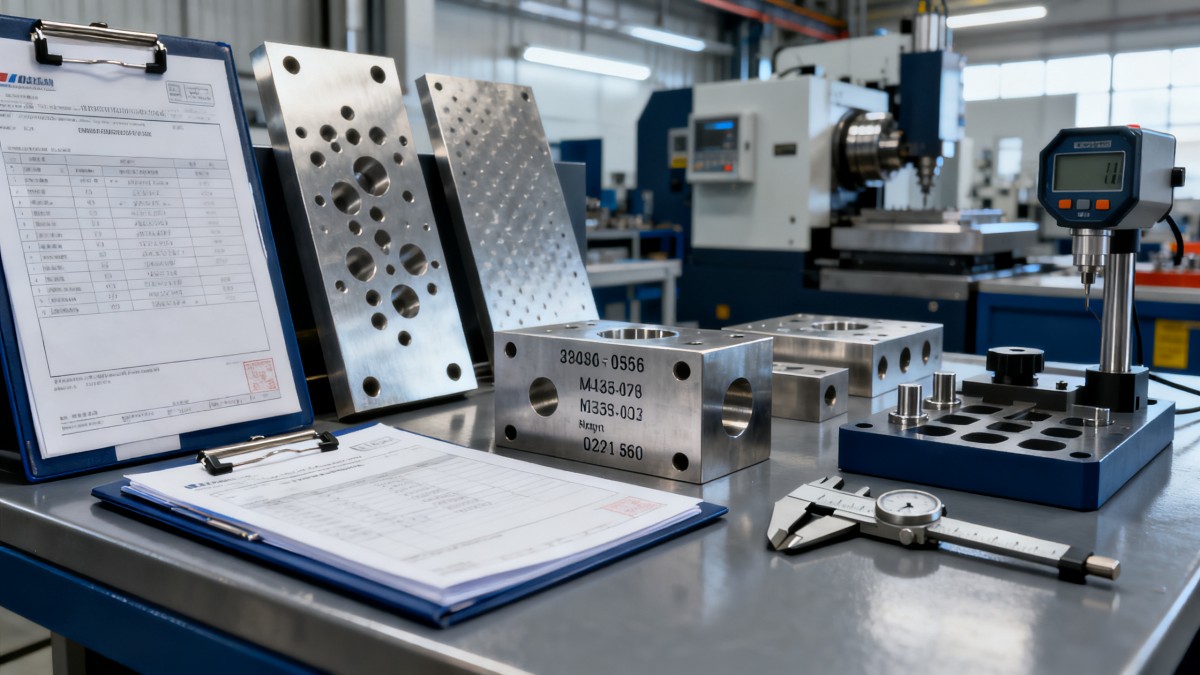
When sourcing industrial parts, fabricated metal products, or precision components, the first check is not price. It is whether the Components & Metals manufacturer can consistently meet the technical, regulatory, and delivery demands of your project.
For EPC contractors, plant operators, and procurement leaders, supplier failure often creates hidden costs: shutdown risk, rework, warranty disputes, delayed commissioning, and compliance exposure. A low quote can quickly become the most expensive option in the supply chain.
A reliable Components & Metals manufacturer usually shows strength in five areas before commercial negotiation moves forward:
- Documented quality systems, including controlled inspection records and revision management for drawings, specifications, and process sheets.
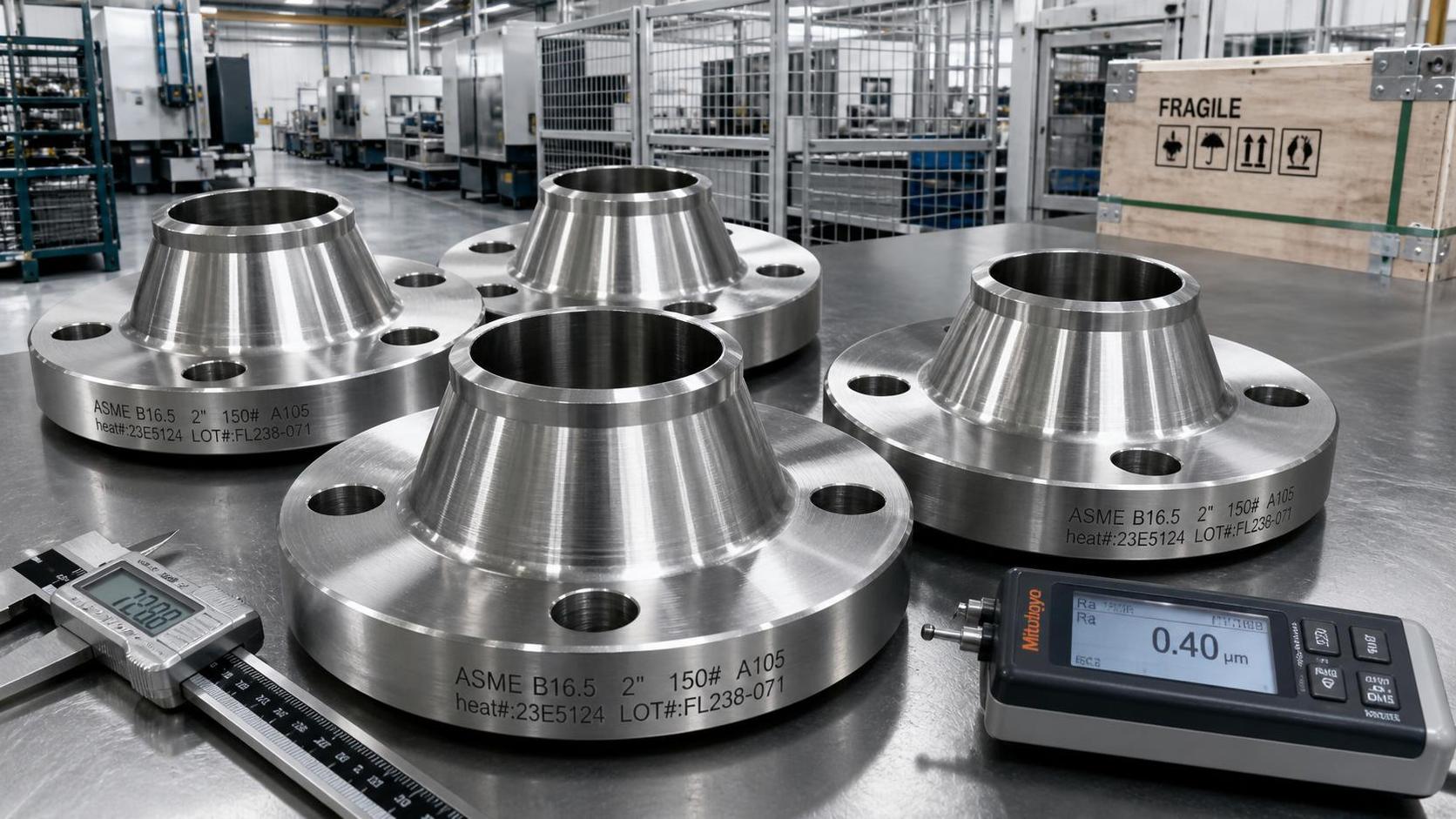
- Material traceability from raw stock to finished shipment, especially for alloy grades, heat numbers, coating batches, and test certificates.
- Manufacturing capability aligned with tolerances, surface finish, weld integrity, heat treatment, and dimensional repeatability required by the application.
- Stable supply planning, including realistic lead times, production load visibility, packaging standards, and contingency for urgent or phased orders.
- Responsiveness from engineering and quality teams, not just sales staff, when clarifying specifications, deviations, or nonconformance issues.
At Global Industrial Core, supplier evaluation is viewed through the lens of operational resilience. In heavy industry, infrastructure, utilities, and process environments, the supplier’s technical discipline matters as much as the product itself.
Why reliability goes beyond sample approval
A sample can look acceptable while serial production later fails on hardness, flatness, coating adhesion, or packaging protection. Decision-makers should therefore assess whether the manufacturer can reproduce the same result across different batches, operators, machines, and shipment windows.
This is especially important when the Components & Metals manufacturer serves safety-related, corrosive, high-load, or temperature-sensitive applications. In such cases, process control is often a better predictor of reliability than sales promises.
How to evaluate capability, consistency, and fit for your application
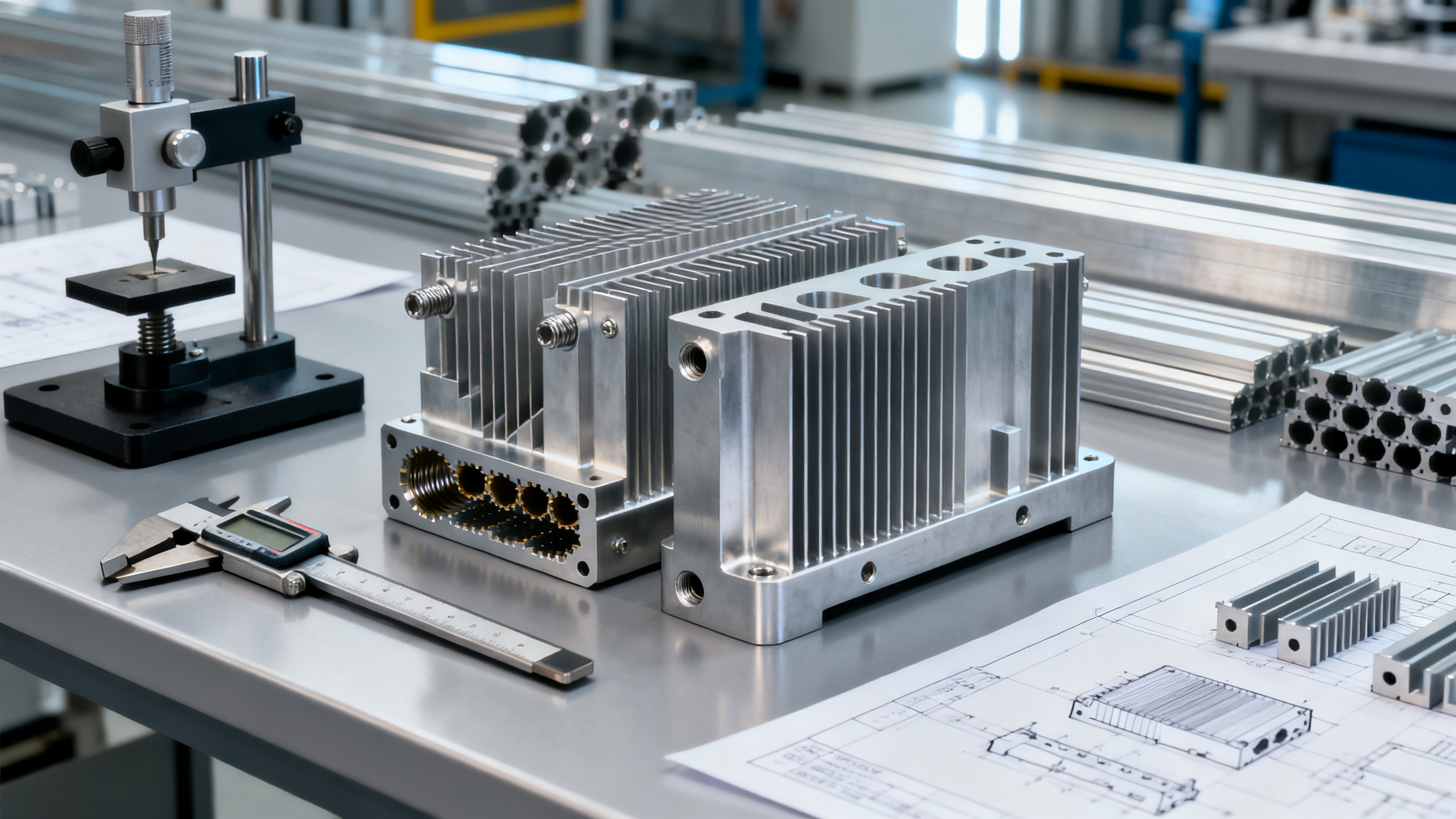
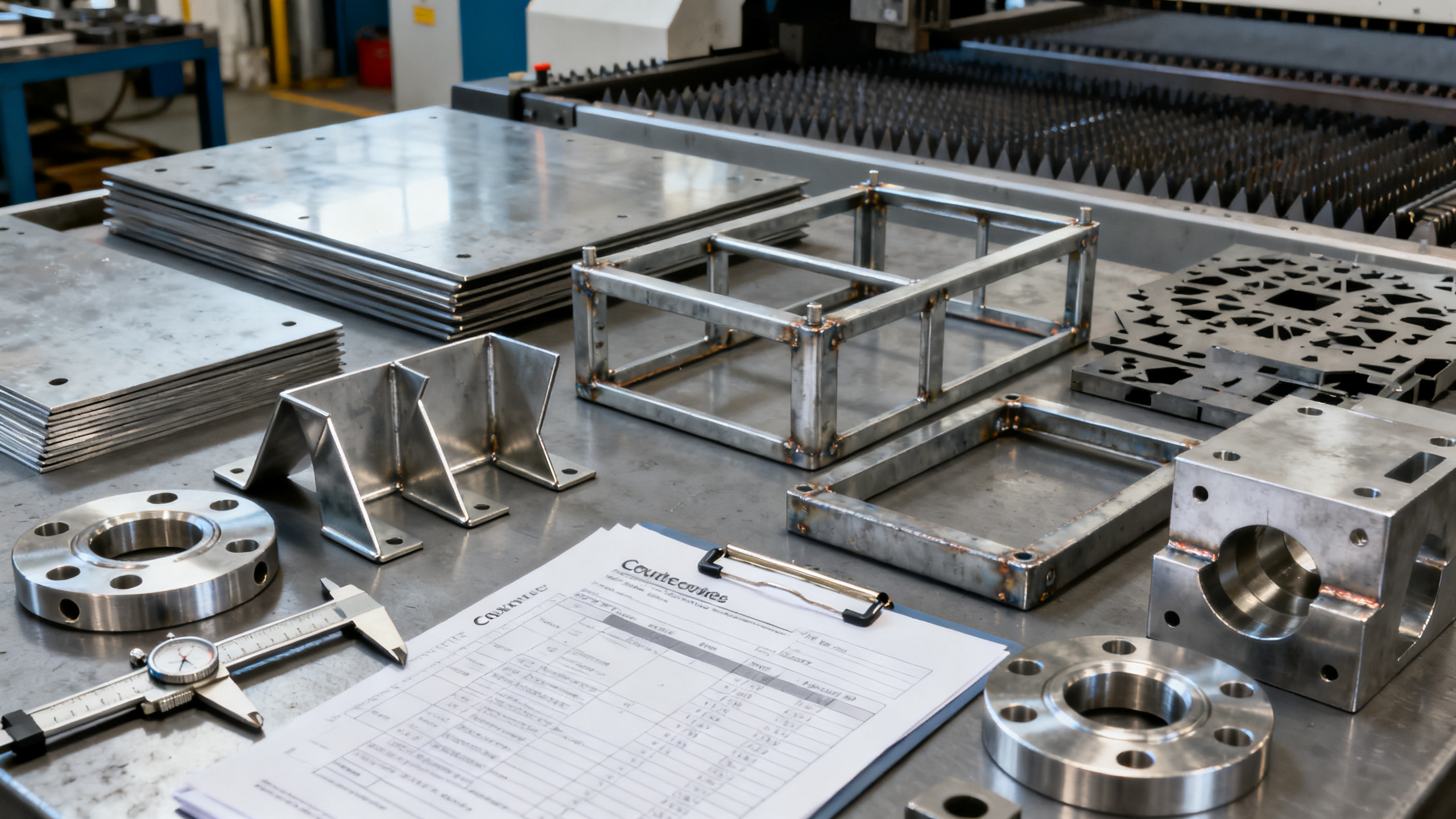
Before shortlisting a Components & Metals manufacturer, procurement teams should compare technical capability against actual use conditions. Not all suppliers that machine, stamp, cast, forge, or fabricate metal products are suitable for every industrial environment.
The table below helps decision-makers assess whether a supplier’s production profile matches the operational demands of their project.
A supplier that scores well across these areas is generally better prepared for complex industrial orders than one that competes mainly on unit price. The table is also useful when aligning procurement, engineering, and QA teams on a common qualification framework.
Questions procurement and engineering should ask together
- Can the manufacturer show how material identity is preserved after cutting, batching, and secondary processing?
- Which dimensions or properties are treated as critical to quality, and how are they inspected?
- Are special processes such as welding, coating, plating, passivation, or heat treatment fully controlled and documented?
- What percentage of production is subcontracted, and how is subcontractor quality monitored?
- How does the supplier react when specifications are incomplete, contradictory, or revised after order placement?
A reliable Components & Metals manufacturer will answer with process details, not vague assurances. That distinction becomes critical when the order involves custom geometry, corrosion-resistant alloys, or compliance-sensitive applications.
Which certifications and compliance signals matter most?
Certifications are important, but they must be interpreted correctly. A certificate alone does not prove that every product is suitable for every use case. Decision-makers should connect quality management certifications with product-specific evidence, material records, and test documentation.
The following comparison shows how common compliance signals should be reviewed when qualifying a Components & Metals manufacturer.
For many projects, the most meaningful signal is not the existence of a certificate, but the manufacturer’s ability to supply complete and coherent documentation package requirements. This includes certificates, inspection reports, batch traceability, labeling, and revision-controlled drawings.
Common compliance gaps that buyers overlook
- The certified management system does not cover the actual production site used for the order.
- Material certificates are provided, but there is no robust link between certificate numbers and finished parts.
- Inspection records exist, but acceptance criteria are not aligned with contract drawings or customer standards.
- The supplier relies heavily on external processing without a clear control plan for outsourced quality.
Global Industrial Core regularly emphasizes this point in industrial sourcing: compliance is only valuable when it can be translated into practical risk reduction for procurement, operations, and downstream audits.
How do lead time, cost, and risk compare when selecting a supplier?
Many sourcing teams compare quotations line by line but miss the broader cost picture. A Components & Metals manufacturer should be judged on total acquisition value, not simply ex-works price. Lead time reliability, packaging quality, documentation readiness, and change control all influence the real commercial outcome.
The table below shows how different supplier profiles can affect cost and operational exposure.
This comparison does not mean the highest-cost source is always the right one. It means buyers should align supplier type with the criticality of the component. For non-critical consumables, cost sensitivity may dominate. For high-load, corrosive, sealed, or dimensional-critical parts, risk-adjusted sourcing is usually the smarter path.
A practical procurement checklist
- Classify the component by operational criticality, replacement difficulty, and potential downtime impact.
- Define mandatory requirements before RFQ: material grade, tolerances, finish, tests, marking, packaging, and certificates.
- Request a manufacturing and inspection response, not just a commercial quotation.
- Review sample, pilot batch, or first article evidence where the application justifies it.
- Confirm escalation contacts for quality, engineering, and delivery issues before placing the order.
This process helps procurement leaders compare suppliers more objectively and reduces the chance of selecting a Components & Metals manufacturer based on incomplete information.
What mistakes commonly lead to supplier failure?
Most supplier problems are not caused by one dramatic error. They develop from small assumptions that were never tested during qualification. Decision-makers can avoid many of these failures by focusing on risk signals early.
Mistake 1: Treating all metal suppliers as interchangeable
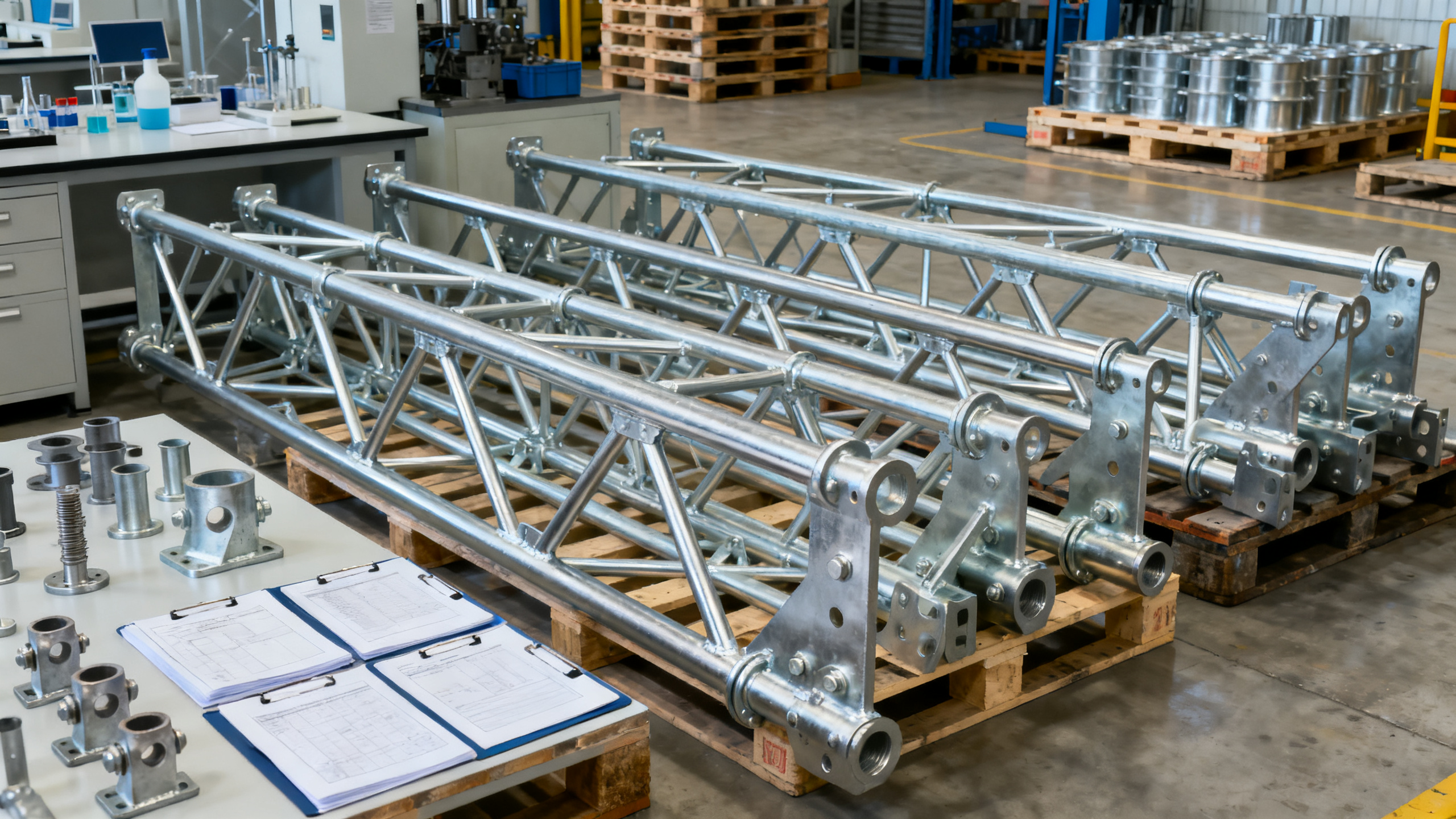
A Components & Metals manufacturer that performs well on brackets or general machined parts may not be suitable for pressure-related assemblies, corrosion-resistant hardware, or close-tolerance wear components. Capability must match the application, not just the product category.
Mistake 2: Accepting incomplete technical specifications
If drawings do not define coating thickness, hardness range, weld quality, edge condition, or packaging needs, suppliers will make assumptions. Those assumptions often become disputes later. Good sourcing starts with a complete technical and commercial baseline.
Mistake 3: Overlooking logistics and preservation requirements
Parts can pass final inspection and still arrive unusable due to corrosion, mixed labeling, denting, or missing separators. This matters even more for export shipments, marine transport, and long storage cycles before installation.
Mistake 4: Failing to involve operations or maintenance teams
Procurement may focus on cost and lead time, while maintenance teams understand fit-up constraints, installation practices, and failure modes. Bringing those perspectives together often reveals requirements that are not obvious from drawings alone.
FAQ: key questions about choosing a Components & Metals manufacturer
How do I know if a Components & Metals manufacturer is truly reliable?
Look for evidence of repeatable process control, not only a polished quotation. Reliable suppliers can explain their inspection plan, material traceability method, subcontractor control, and nonconformance process. They also respond clearly when you ask for documentation tied to your exact order requirements.
What is more important: certification or production history?
Both matter, but neither should be viewed in isolation. Certification indicates system discipline, while production history indicates practical execution. The best sourcing decision combines documented quality systems with demonstrated experience in similar industrial applications.
When should I request samples or first article inspection?
Request them when the component has tight tolerances, critical material requirements, application-specific finishing, or difficult installation constraints. First article review is especially helpful when switching suppliers, localizing a part, or ordering a customized design for the first time.
How should I compare two similar quotations?
Break the comparison into material scope, finishing scope, inspection scope, documentation scope, packaging scope, and lead time commitment. A lower quote may exclude items that your team assumes are included. Quote normalization is essential before final selection.
Why work with Global Industrial Core when screening suppliers?
Global Industrial Core supports industrial buyers who need more than surface-level supplier lists. Our value lies in structured sourcing intelligence for sectors where component failure affects safety, uptime, compliance, and lifecycle cost.
For decision-makers evaluating a Components & Metals manufacturer, GIC helps frame the right questions across mechanical components, metallurgy, quality systems, industrial measurement, electrical integration, and environment-related operating conditions. That broader perspective is often what separates a routine purchase from a resilient sourcing strategy.
- We help clarify technical parameters that influence supplier suitability, including material selection, tolerance expectations, finishing requirements, and traceability needs.
- We support sourcing discussions around production capability, documentation expectations, certification relevance, and practical qualification checkpoints.
- We help procurement teams structure conversations on lead time feasibility, order complexity, packaging requirements, and quality risk exposure.
- We provide an informed framework for comparing suppliers serving infrastructure, power, process, facility, and heavy industrial environments.
If your team is reviewing a new Components & Metals manufacturer, contact Global Industrial Core for practical support on parameter confirmation, product selection logic, certification requirements, delivery planning, custom solution discussions, sample evaluation, and quotation alignment. A well-structured review before purchase is often the most effective way to reduce sourcing risk later.
Technical Specifications
- How to Select Electronic Hotel Key Card Locks for Guest Rooms and Staff AreasAuthor :Safety Compliance Lead
- How to Select Lab Instruments for Reliable Chemical Analysis WorkflowsAuthor :Precision Metrology Expert
- How to Size a UPS for Server Rooms: Load, Runtime, and Redundancy FactorsAuthor :Grid Infrastructure Analyst
Expert Insights

Chief Security Architect
Dr. Thorne specializes in the intersection of structural engineering and digital resilience. He has advised three G7 governments on industrial infrastructure security.
Related Analysis
- Sep 17, 2026How to Select Electronic Hotel Key Card Locks for Guest Rooms and Staff AreasAuthor :Safety Compliance Lead
- Sep 16, 2026How to Select Lab Instruments for Reliable Chemical Analysis WorkflowsAuthor :Precision Metrology Expert
- Sep 15, 2026How to Size a UPS for Server Rooms: Load, Runtime, and Redundancy FactorsAuthor :Grid Infrastructure Analyst
Core Sector // 01
Security & Safety
- Stainless Steel Welded Tube Applications: Matching Tube Supply to Fabrication NeedsAuthor :Heavy Industry Strategist

- What Maintenance Do Furnace Components Need After 18 Months?Author :Heavy Industry Strategist

- How to Assess Metal Materials for Thermal Cycling in Power BoilersAuthor :Heavy Industry Strategist

- How to Evaluate Aluminum Extrusion Suppliers for Tight-Tolerance Components?Author :Heavy Industry Strategist

- How to Evaluate a Weld Neck Flange Manufacturer for High-Pressure Pipe ProjectsAuthor :Heavy Industry Strategist

- EU REACH Ban Hits Cr(VI)-Coated Steel ImportsAuthor :Heavy Industry Strategist
-Coated Steel Imports")
- How to Evaluate a Heat Sink Aluminum Profile Supplier for Custom Thermal ProjectsAuthor :Heavy Industry Strategist

- Industrial Metal Fabrication Components Price: What Drives Cost and How to Compare QuotesAuthor :Heavy Industry Strategist