What to check before choosing a Components & Metals manufacturer
Author
Date Published
Reading Time
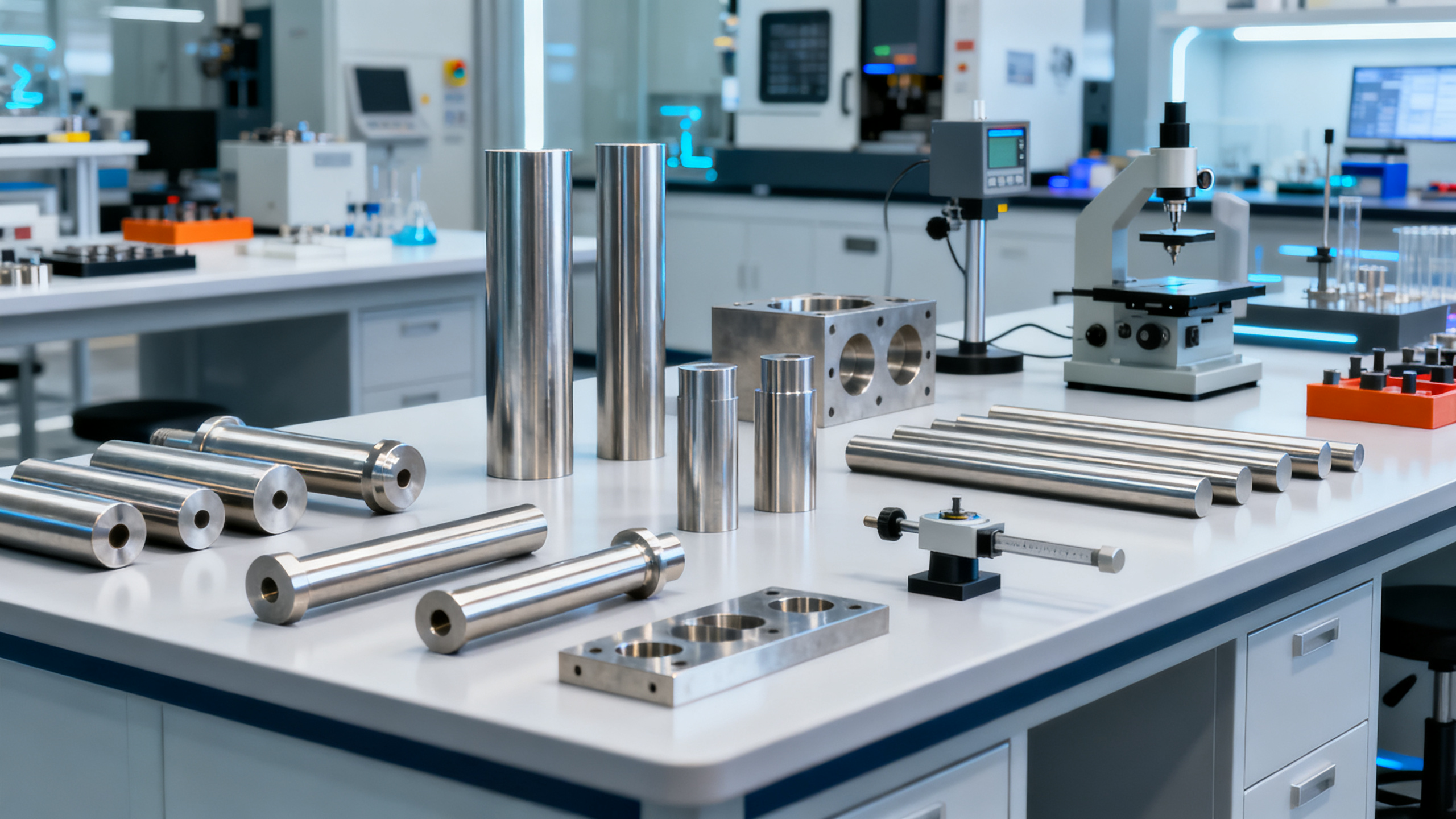
Choosing the right Components & Metals manufacturer is more than comparing prices or lead times. For technical evaluation, the priority is material integrity, process control, certifications, and dependable output.
In industrial projects, a weak supplier can create shutdowns, rework, warranty exposure, and compliance risk. A capable Components & Metals manufacturer supports performance, traceability, and stable lifecycle value.
Start with the operating scenario before screening a Components & Metals manufacturer
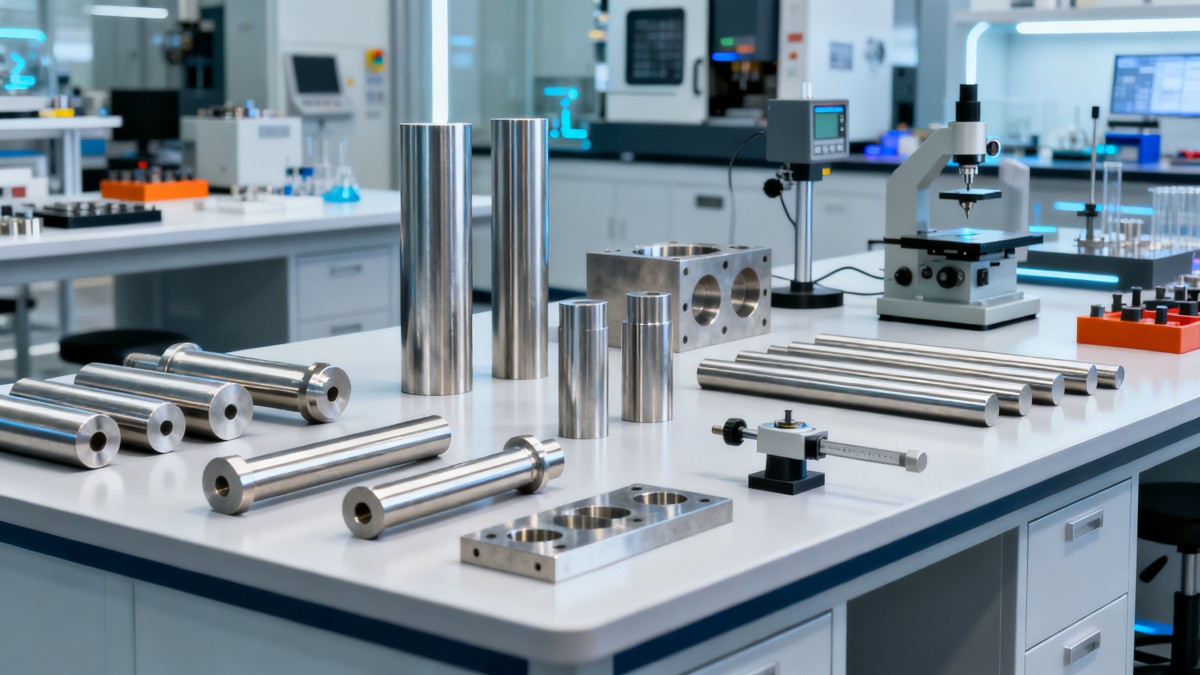
The same part does not face the same duty in every environment. Selection criteria change when components work in corrosive plants, power systems, outdoor structures, or precision assemblies.
A reliable Components & Metals manufacturer should understand the application first. That includes load, temperature, chemical exposure, tolerance, fatigue cycle, inspection level, and service life expectations.
Without a scenario-based review, teams often approve suppliers that look competitive on paper but fail under real operating stress. Early alignment prevents costly qualification mistakes.
Key baseline questions to define the scenario
- Will the part face vibration, impact, pressure, or repeated thermal cycling?
- Is corrosion resistance more important than hardness or strength?
- Are dimensional tolerances measured in millimeters, microns, or both?
- Does the application require CE, UL, ISO, RoHS, REACH, or ASTM compliance?
- Can the Components & Metals manufacturer provide full lot traceability?
Check material integrity for high-stress and safety-critical applications
In load-bearing or safety-related applications, material quality must be verified beyond catalog claims. A qualified Components & Metals manufacturer should provide mill test reports and heat-level traceability.
Review the exact alloy, temper, surface finish, and mechanical properties. Small changes in composition or treatment can alter weldability, toughness, conductivity, or corrosion behavior.
What to request during verification
- Mill certificates with chemistry and mechanical data
- Certificates of conformity for each batch
- Hardness, tensile, impact, or fatigue test results
- Corrosion or salt spray data where relevant
- Non-destructive testing records if required
For castings and forgings, ask about porosity control, grain flow, and internal defect inspection. For sheet, bar, and machined parts, verify flatness, straightness, and surface consistency.
Assess process control when precision and repeatability matter
A strong Components & Metals manufacturer is not defined only by machinery count. The real differentiator is process discipline across machining, forming, heat treatment, coating, finishing, and inspection.
In precision scenarios, capability data matters. Ask how the supplier manages first article inspection, in-process checks, calibration, tool wear, revision control, and corrective actions.
Signals of strong production control
- Documented SOPs for every critical step
- Gauge calibration linked to recognized standards
- SPC or Cp/Cpk data for tight-tolerance parts
- Clear segregation of nonconforming material
- Controlled subcontractor management
Repeatability becomes especially important when the same part is installed across multiple assets. Inconsistent dimensions can slow assembly and compromise field reliability.
Review typical application scenarios and the right judgment points
Scenario 1: Corrosive environments and outdoor exposure
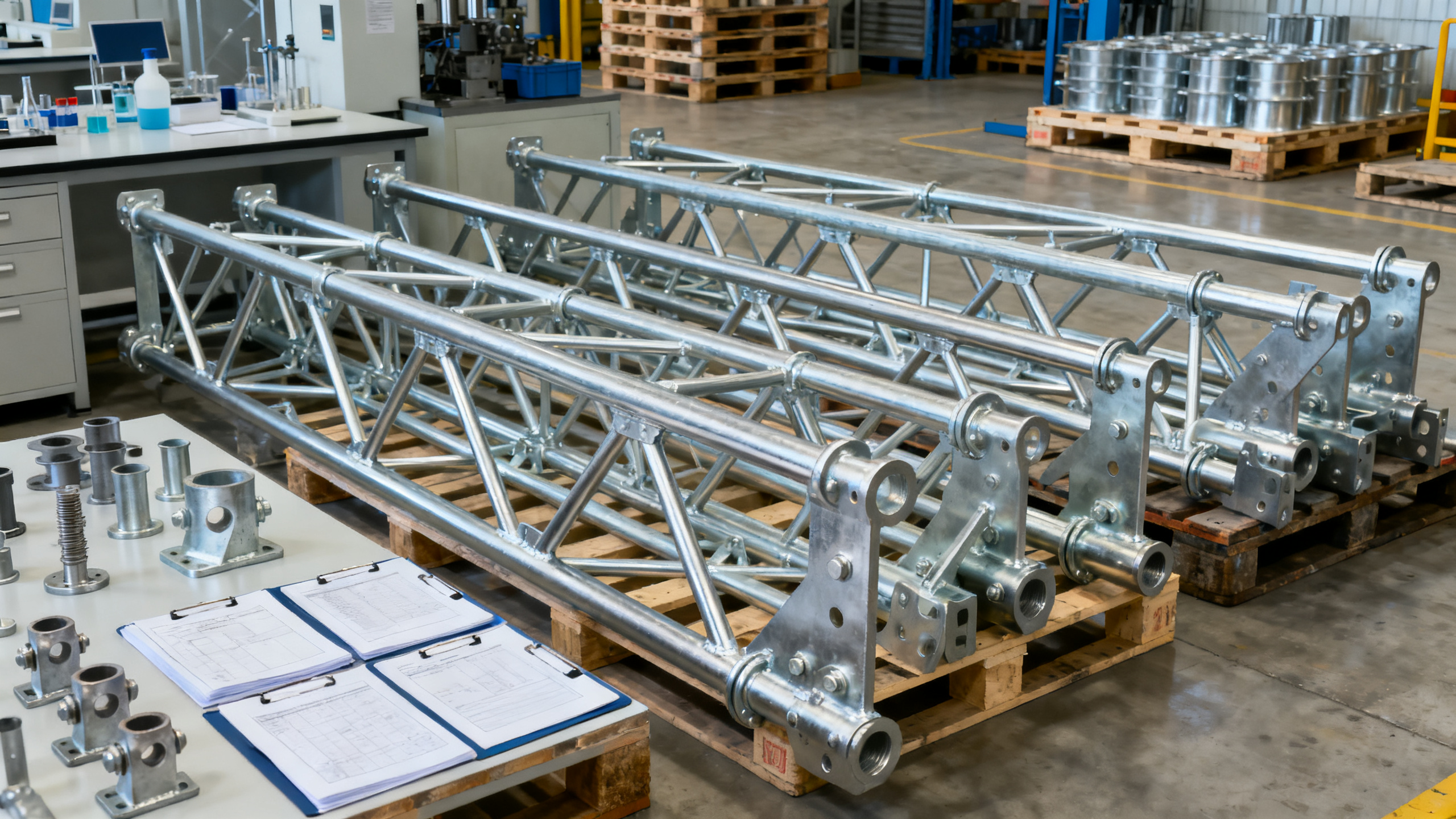
Chemical plants, wastewater systems, coastal infrastructure, and outdoor enclosures demand durable corrosion resistance. Here, a Components & Metals manufacturer must prove coating quality and material suitability.
Check plating thickness, passivation method, galvanizing control, and compatibility between base metal and surface treatment. Galvanic corrosion risk should also be reviewed in mixed-metal assemblies.
Scenario 2: Power, electrical, and thermal applications
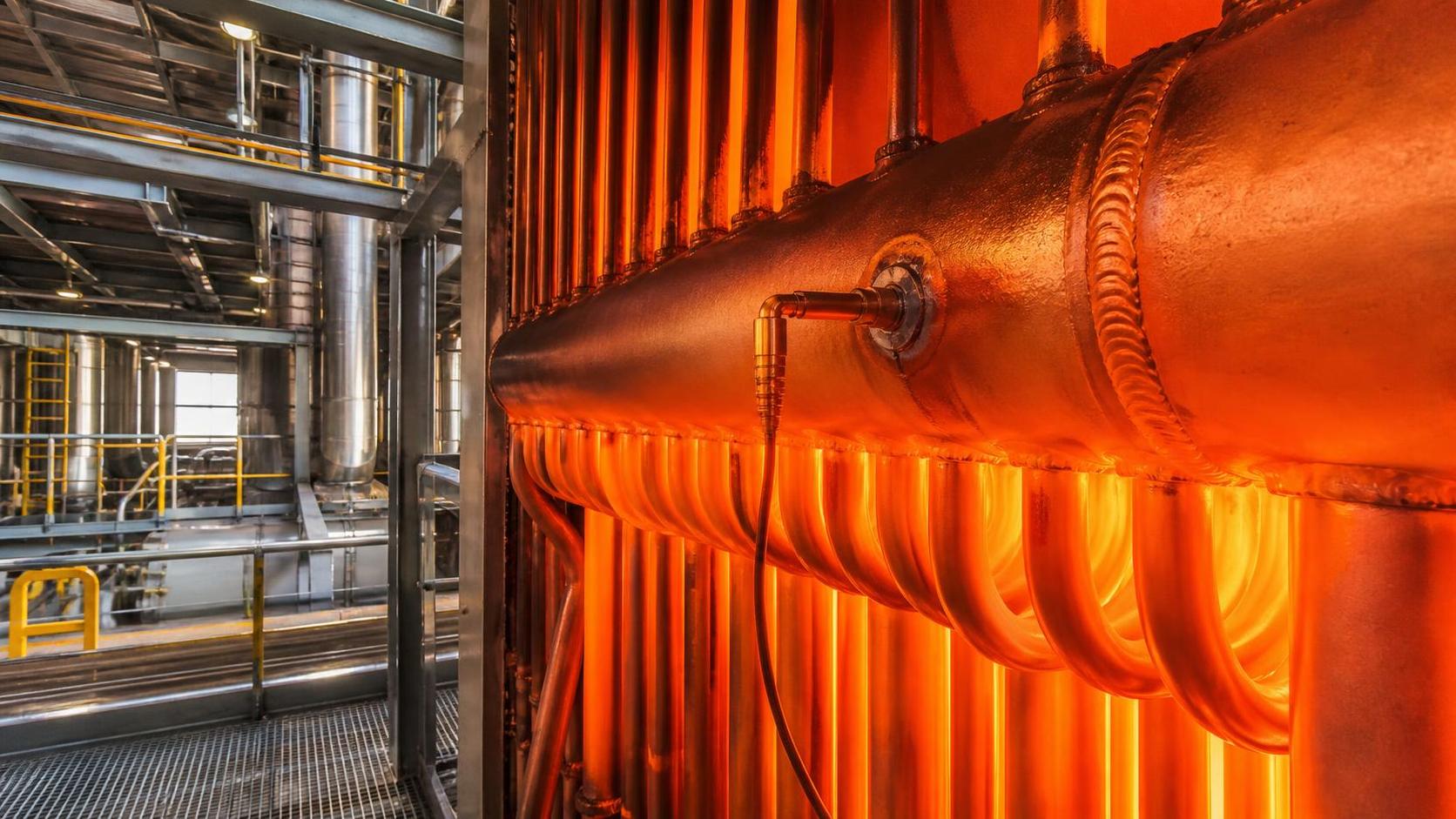
Busbars, connectors, housings, brackets, and conductive components require stable conductivity, dimensional control, and thermal reliability. Material substitution can create overheating or efficiency loss.
Evaluate conductivity specifications, plating adhesion, insulation interfaces, and thermal expansion behavior. The Components & Metals manufacturer should understand current load and installation constraints.
Scenario 3: Mechanical load, vibration, and fatigue service
Frames, fasteners, shafts, couplings, and rotating elements need proven strength and fatigue resistance. A low-cost source may pass dimensional checks yet fail prematurely in service.
Ask about heat treatment consistency, residual stress control, and fatigue test evidence. For welded structures, request welding procedure documentation and welder qualification records.
Scenario 4: High-precision assemblies and instrument interfaces
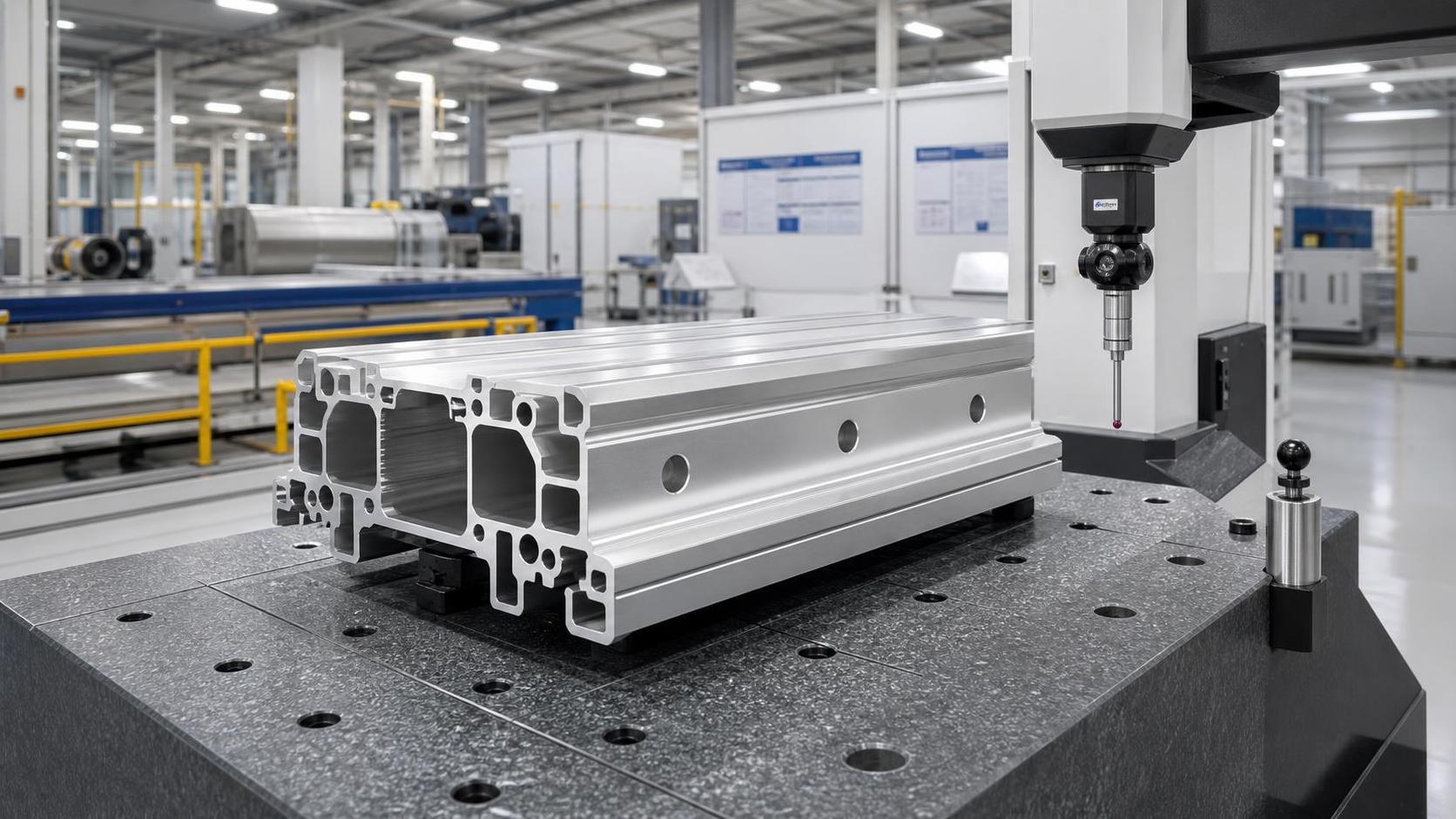
Instrument mounts, seals, valves, sensor housings, and calibration-related hardware need tight tolerance and surface quality. Minor variation can affect sealing, alignment, or measurement accuracy.
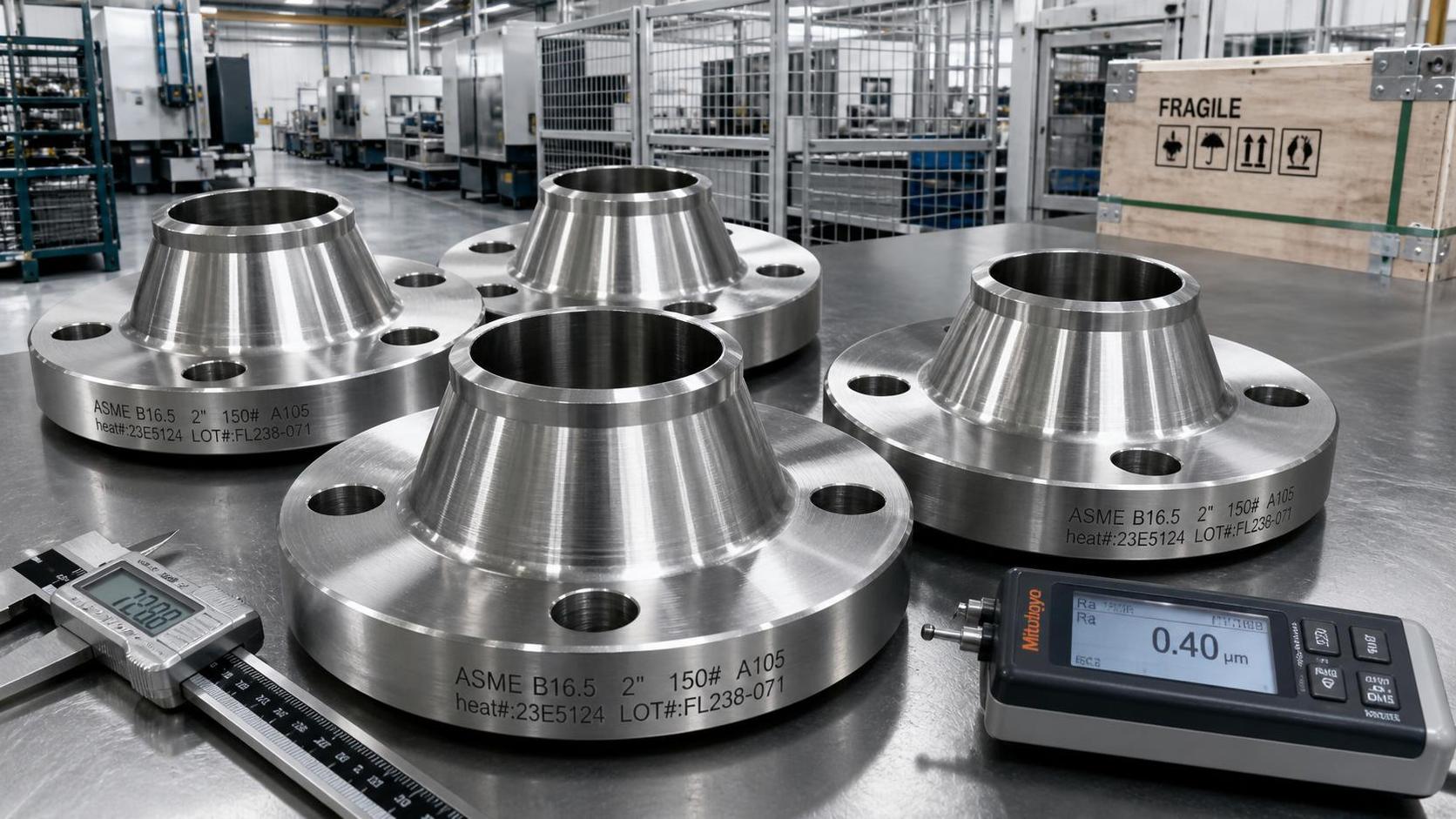
The right Components & Metals manufacturer should offer inspection reports, finish measurements, burr control, and packaging methods that prevent transit damage or contamination.
Compare how requirements shift across industrial scenarios
Use practical supplier-fit criteria before final approval
A suitable Components & Metals manufacturer should fit both the technical scope and the supply model. Production excellence means little if the supplier cannot scale or communicate reliably.
Recommended qualification checklist
- Verify ISO 9001 and any application-specific certifications
- Confirm raw material origin and alternate source policy
- Review sample approval and PPAP-like documentation if needed
- Check lead time stability, not only quoted lead time
- Assess packaging, export handling, and labeling standards
- Request recent corrective action examples and response quality
- Confirm digital traceability for batches, drawings, and revisions
If secondary processing is outsourced, review how the Components & Metals manufacturer controls plating, heat treatment, or coating partners. Hidden subcontracting often creates variation and schedule risk.
Watch for common misjudgments when selecting a Components & Metals manufacturer
One common mistake is assuming material grade alone guarantees performance. Actual results depend on forming history, heat treatment, machining stress, coating quality, and inspection discipline.
Another error is approving samples without testing production consistency. Prototype quality can differ from mass production if tooling, operators, or subcontractors change.
Many evaluations also overlook documentation response speed. A capable Components & Metals manufacturer should quickly deliver drawings, revisions, certificates, and root cause reports.
Finally, do not ignore lifecycle support. Engineering changes, obsolescence, and repeat orders require stable records and process continuity over time.
Take the next step with a scenario-based review process
Before choosing a Components & Metals manufacturer, define the operating scenario, list the critical properties, and match them to verifiable supplier evidence. This turns sourcing into a controlled technical decision.
Prepare a short review package with drawings, standards, target quantities, inspection points, and environmental conditions. Then compare suppliers using the same criteria and required proof set.
A disciplined evaluation helps reduce field failures, compliance gaps, and hidden total cost. The best Components & Metals manufacturer is the one proven to fit the exact industrial scenario, not the lowest quote.
Technical Specifications
- Air Handling Unit Supplier Checklist: Performance Data, Lead Times, and SupportAuthor :Environmental Engineering Director
- Buying Fiberglass Water Tanks Wholesale: Compare Quotes and Delivery CostsAuthor :Environmental Engineering Director
- Choosing an XLPE Power Cable Supplier: Test Reports, Traceability, and Lead TimesAuthor :Grid Infrastructure Analyst
Expert Insights

Chief Security Architect
Dr. Thorne specializes in the intersection of structural engineering and digital resilience. He has advised three G7 governments on industrial infrastructure security.
Related Analysis
- Oct 19, 2026Air Handling Unit Supplier Checklist: Performance Data, Lead Times, and SupportAuthor :Environmental Engineering Director
- Oct 18, 2026Buying Fiberglass Water Tanks Wholesale: Compare Quotes and Delivery CostsAuthor :Environmental Engineering Director
- Oct 17, 2026Choosing an XLPE Power Cable Supplier: Test Reports, Traceability, and Lead TimesAuthor :Grid Infrastructure Analyst
Core Sector // 01
Security & Safety
- How to Specify Steel Heavy-Duty Corner Guards for Loading Bays and High-Traffic AreasAuthor :Heavy Industry Strategist

- Selecting Non-Ferrous Metal Plates for Corrosion, Weight, and Formability RequirementsAuthor :Heavy Industry Strategist

- Stainless Steel Welded Tube Applications: Matching Tube Supply to Fabrication NeedsAuthor :Heavy Industry Strategist

- What Maintenance Do Furnace Components Need After 18 Months?Author :Heavy Industry Strategist

- How to Assess Metal Materials for Thermal Cycling in Power BoilersAuthor :Heavy Industry Strategist

- How to Evaluate Aluminum Extrusion Suppliers for Tight-Tolerance Components?Author :Heavy Industry Strategist

- How to Evaluate a Weld Neck Flange Manufacturer for High-Pressure Pipe ProjectsAuthor :Heavy Industry Strategist

- EU REACH Ban Hits Cr(VI)-Coated Steel ImportsAuthor :Heavy Industry Strategist
-Coated Steel Imports")