How to Select the Right SPD for Solar Inverter Protection in PV Systems?
Author
Date Published
Reading Time
How to Select the Right SPD for Solar Inverter Protection in PV Systems?
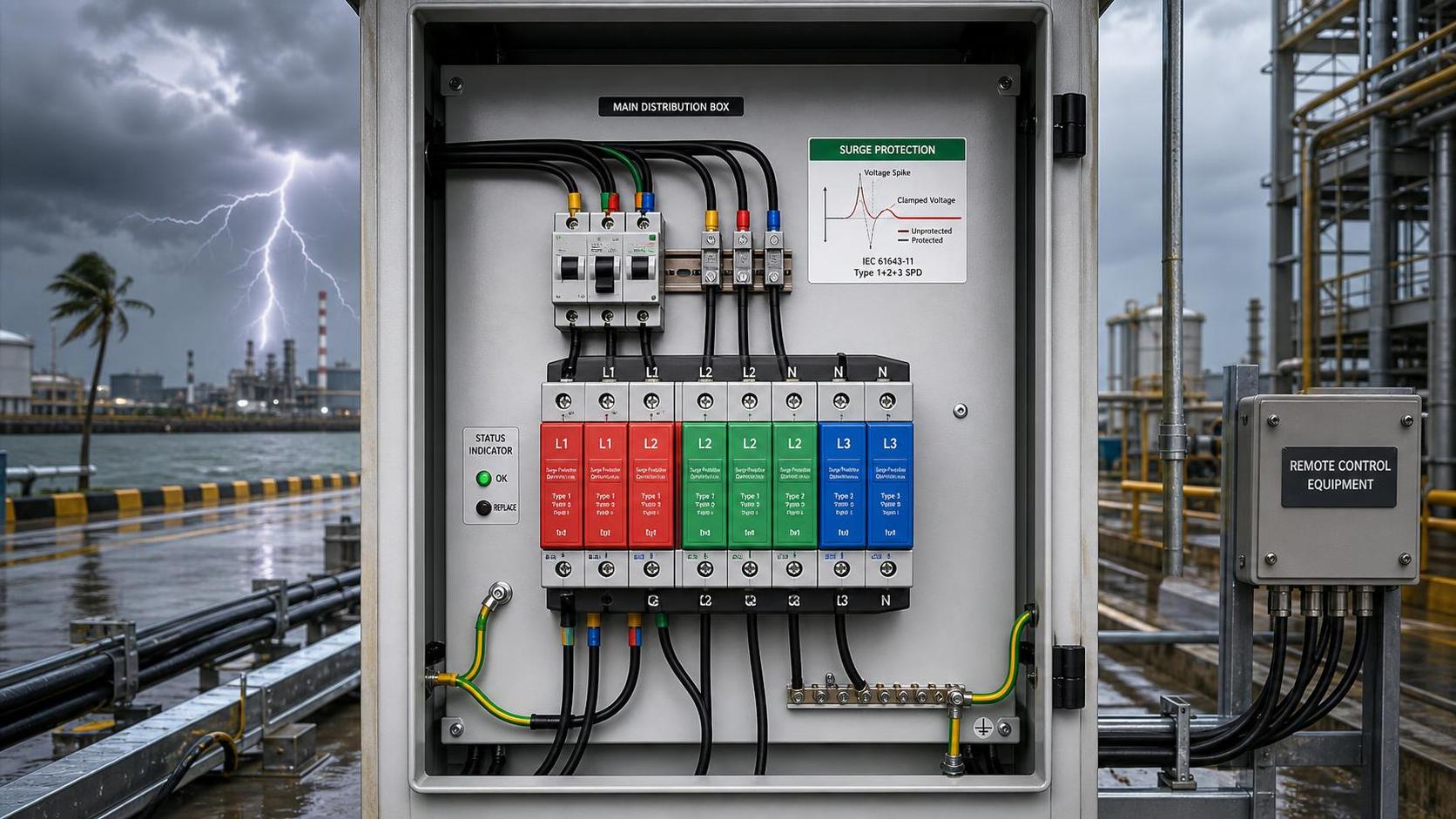
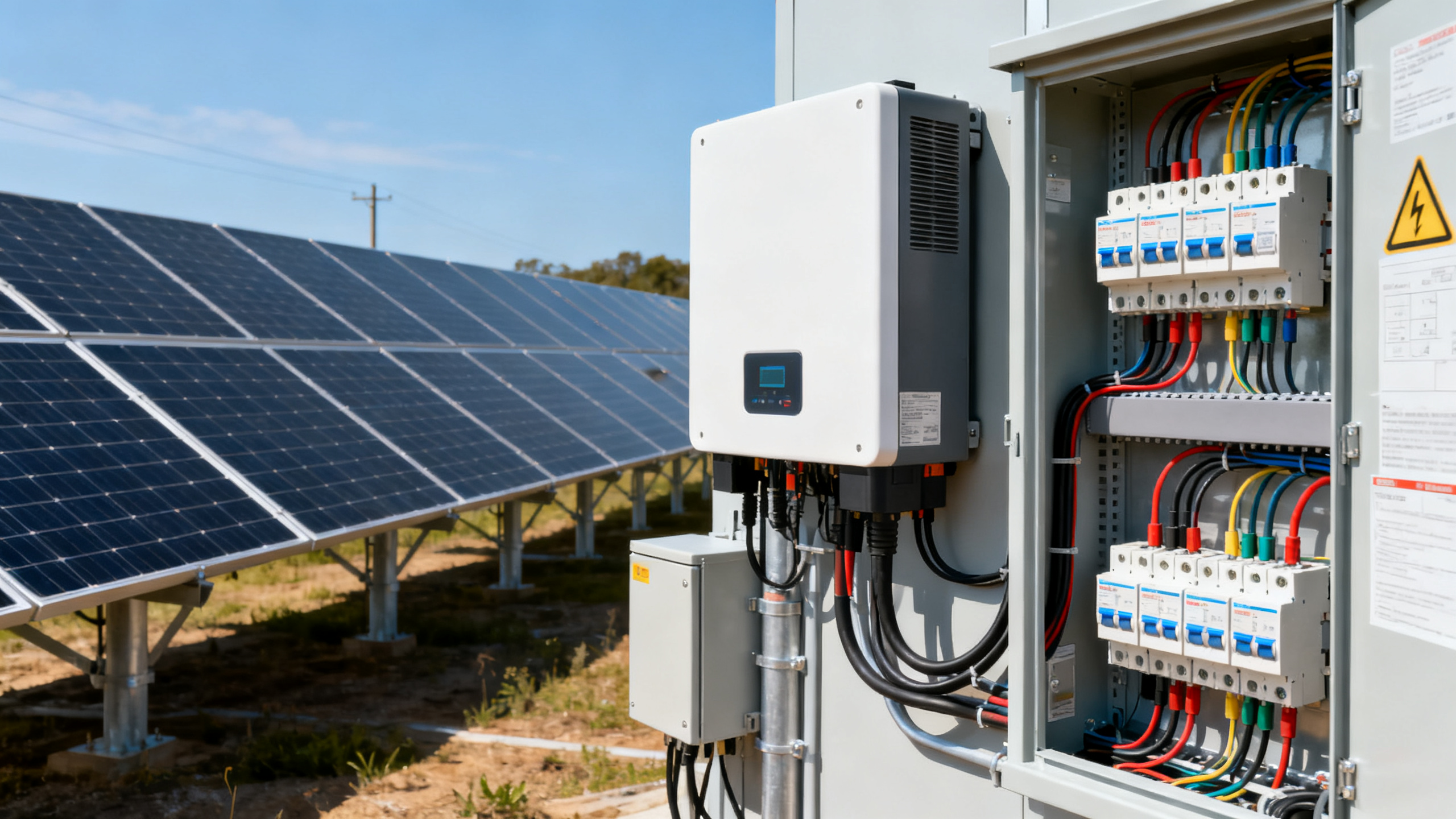
Selecting the right SPD for solar inverter applications is essential to protecting PV systems from transient overvoltage, downtime, and costly component failure.
The decision is rarely just about voltage matching.
A dependable SPD for solar inverter selection must reflect system design, grounding method, cable routing, lightning exposure, and the inverter’s internal protection limits.
When those factors are reviewed together, surge protection becomes a performance decision, not only a compliance item.
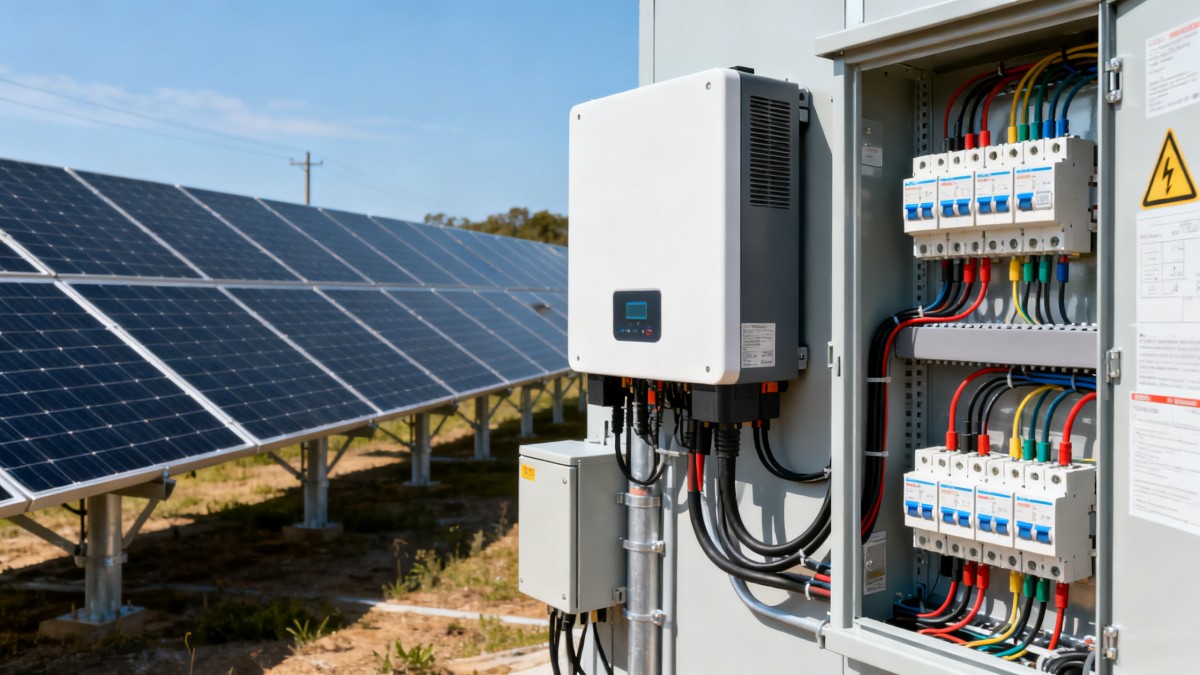
In practice, the best choice supports stable energy yield, lower maintenance risk, and stronger lifecycle economics.
This guide breaks down how to evaluate an SPD for solar inverter protection with clear, field-relevant criteria.
Why SPD Selection Matters in PV Systems
Solar plants operate across wide outdoor areas, long cable runs, and exposed metallic structures.
That layout increases vulnerability to direct lightning effects and induced surge events.
A poorly matched SPD for solar inverter duty may clamp too late, age too fast, or fail under repeated impulses.
The result can be inverter trips, communication loss, damaged MPPT inputs, or premature replacement.
More importantly, surge damage is not always immediate.
Latent degradation can reduce system reliability months before a visible fault appears.
That is why selecting an SPD for solar inverter protection should be treated as a risk engineering task.
Start with the Protection Location
The first question is where the SPD for solar inverter protection will be installed.
In most PV systems, surge protection may be needed on both the DC and AC sides.
Each location sees different electrical stress.
DC side considerations
The DC side is typically exposed to long string cables and rooftop or ground-mount collection paths.
This is often the highest-priority location for an SPD for solar inverter installation.
Choose devices rated for the maximum open-circuit voltage under the lowest expected ambient temperature.
AC side considerations
The AC side faces grid disturbances, switching events, and external surges entering from the utility interface.
An AC SPD for solar inverter output protection should match the network topology and earthing arrangement.
If the inverter is far from the main distribution board, local protection becomes even more important.
Match the SPD to System Voltage and Configuration
Voltage rating is the most visible parameter, but it is often misunderstood.
For any SPD for solar inverter application, the maximum continuous operating voltage must exceed the real system maximum.
That includes cold-weather Voc increase on the DC side.
It also includes utility tolerance and grounding behavior on the AC side.
System configuration matters just as much:
- Single-phase and three-phase systems require different protection arrangements.
- Floating, grounded, and resistance-grounded PV arrays change the SPD connection method.
- Transformerless inverters may have stricter leakage and coordination requirements.
A mismatch here can create nuisance failures even when the nominal voltage looks correct.
Understand Type 1, Type 2, and Coordination Needs
Surge protective devices are not interchangeable.
The correct SPD for solar inverter systems depends on whether the site faces direct lightning current or mainly induced surges.
When Type 1 is needed
Use Type 1 where the building has external lightning protection or where direct lightning current may enter conductors.
This is common in exposed utility-scale or large rooftop arrays.
When Type 2 is enough
Type 2 is often selected for induced surge protection in standard PV inverter circuits.
It is widely used as the baseline SPD for solar inverter protection in commercial and distributed systems.
Why coordination matters
If multiple SPDs are installed upstream and downstream, they must be energy coordinated.
Without coordination, one device may carry too much stress while another remains underused.
That shortens service life and weakens actual protection.
Check the Critical Electrical Parameters
A solid SPD for solar inverter evaluation should focus on a small set of parameters that directly affect field performance.
In simple terms, a strong datasheet is not enough.
The values must work together within the inverter’s real operating envelope.
Evaluate the Site Risk, Not Just the Product
The same SPD for solar inverter use may perform very differently across sites.
A desert solar farm, an urban rooftop, and a coastal plant do not present the same surge environment.
Review these risk variables before final selection:
- Local lightning density and historical weather severity.
- Array size, cable loop area, and distance between array and inverter.
- Building height, mounting structure exposure, and nearby metallic infrastructure.
- Grounding quality and equipotential bonding effectiveness.
- Maintenance accessibility for replacement modules or status checks.
This step often separates a merely compliant solution from a resilient one.
Do Not Ignore Standards and Certification
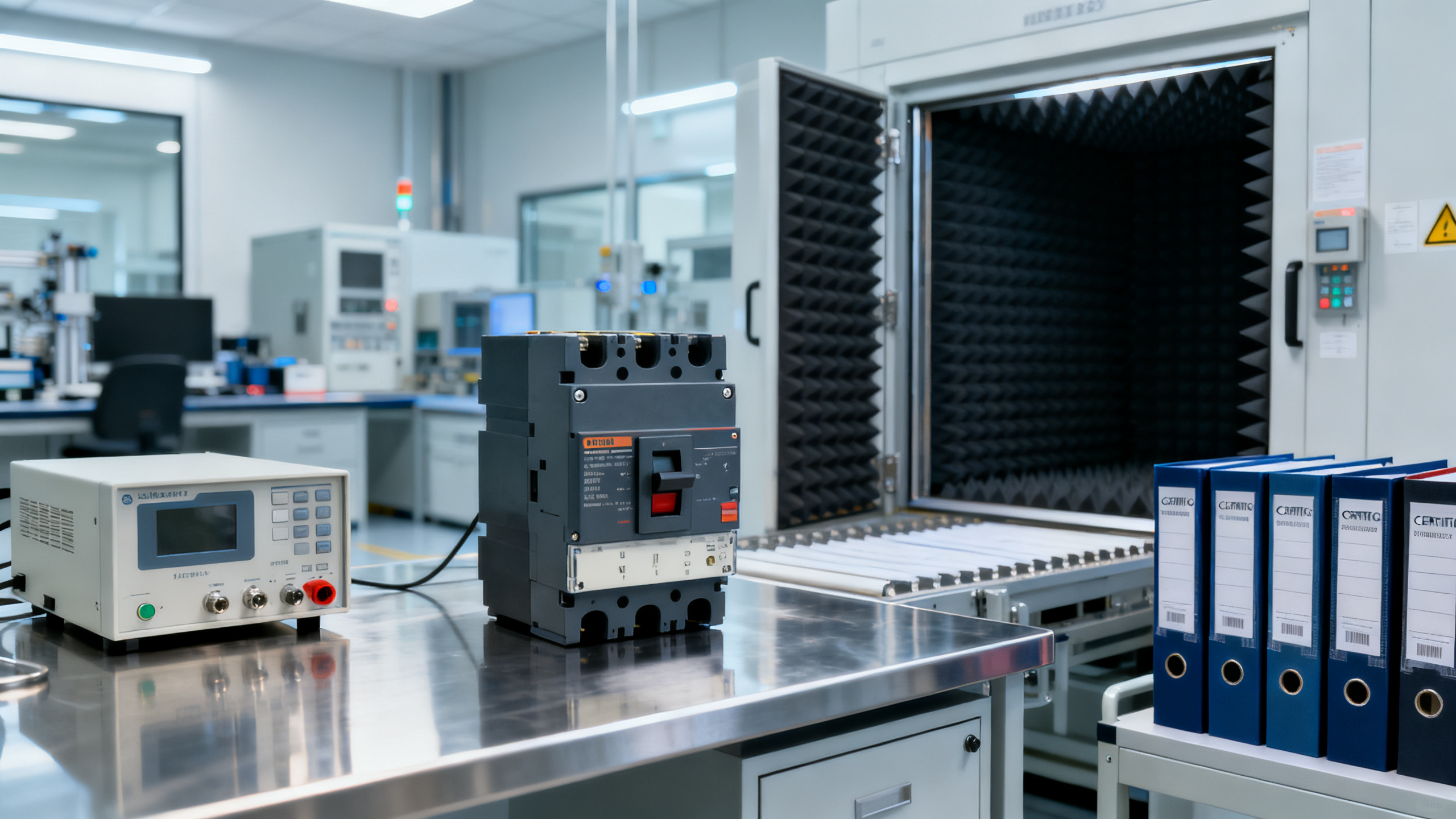
For industrial procurement, compliance evidence is part of product performance.
An SPD for solar inverter projects should be reviewed against relevant IEC or UL pathways, depending on market destination.
Also verify CE, test reports, and traceable manufacturing quality controls where required.
Look beyond logo presence.
Check whether the certification scope covers photovoltaic DC application, network type, and the actual surge class claimed.
That review reduces approval delays and avoids mismatches during site audit or commissioning.
Practical Selection Checklist for Faster Decisions
A practical shortlist for SPD for solar inverter procurement should answer these questions clearly:
- Is the SPD intended for DC side, AC side, or both?
- Does the voltage rating cover worst-case operating conditions?
- Is Type 1, Type 2, or coordinated protection required by site risk?
- Is the protection level compatible with inverter withstand capability?
- Does the product match the grounding and network configuration?
- Are certification documents current and traceable?
- Can status indication and replacement be managed efficiently on site?
When a candidate device cannot answer one of these points, the risk usually appears later in operation.
Final Decision: Choose for System Resilience
The right SPD for solar inverter protection is the one that fits the actual PV architecture, not the one with the broadest marketing claims.
A strong decision combines voltage accuracy, surge class suitability, site exposure review, installation coordination, and verified compliance.
That approach lowers operational uncertainty and protects inverter value over time.
Before issuing a final specification, compare datasheets against the single-line diagram, grounding plan, and local lightning risk assessment.
That final cross-check usually reveals whether the selected SPD for solar inverter protection is truly ready for field conditions.
Technical Specifications
- How to Select Electronic Hotel Key Card Locks for Guest Rooms and Staff AreasAuthor :Safety Compliance Lead
- How to Select Lab Instruments for Reliable Chemical Analysis WorkflowsAuthor :Precision Metrology Expert
- How to Size a UPS for Server Rooms: Load, Runtime, and Redundancy FactorsAuthor :Grid Infrastructure Analyst
Expert Insights

Chief Security Architect
Dr. Thorne specializes in the intersection of structural engineering and digital resilience. He has advised three G7 governments on industrial infrastructure security.
Related Analysis
- Sep 17, 2026How to Select Electronic Hotel Key Card Locks for Guest Rooms and Staff AreasAuthor :Safety Compliance Lead
- Sep 16, 2026How to Select Lab Instruments for Reliable Chemical Analysis WorkflowsAuthor :Precision Metrology Expert
- Sep 15, 2026How to Size a UPS for Server Rooms: Load, Runtime, and Redundancy FactorsAuthor :Grid Infrastructure Analyst
Core Sector // 01
Security & Safety
- Can SPDs Handle Repeated Voltage Spikes in Tropical Grids?Author :Grid Infrastructure Analyst

- How to Evaluate IEC-Compliant Power Protection Devices for Industrial PanelsAuthor :Grid Infrastructure Analyst

- How to Choose Smart Industrial Control Equipment for Harsh Plant EnvironmentsAuthor :Grid Infrastructure Analyst

- EU EMC Update Triggers Re-Certification for BreakersAuthor :Grid Infrastructure Analyst

- How to Select the Right SPD for Solar Inverter Protection in PV Systems?Author :Grid Infrastructure Analyst

- Industrial Valve Systems Factory Checklist: What Buyers Should Verify Before OrderingAuthor :Grid Infrastructure Analyst

- Breaker and Relay Lead Times Hit 24 WeeksAuthor :Grid Infrastructure Analyst

- IEC 61850-10-3 Sets Cybersecurity Bar for Grid DevicesAuthor :Grid Infrastructure Analyst