How a Components & Metals manufacturer affects lead time
Author
Date Published
Reading Time
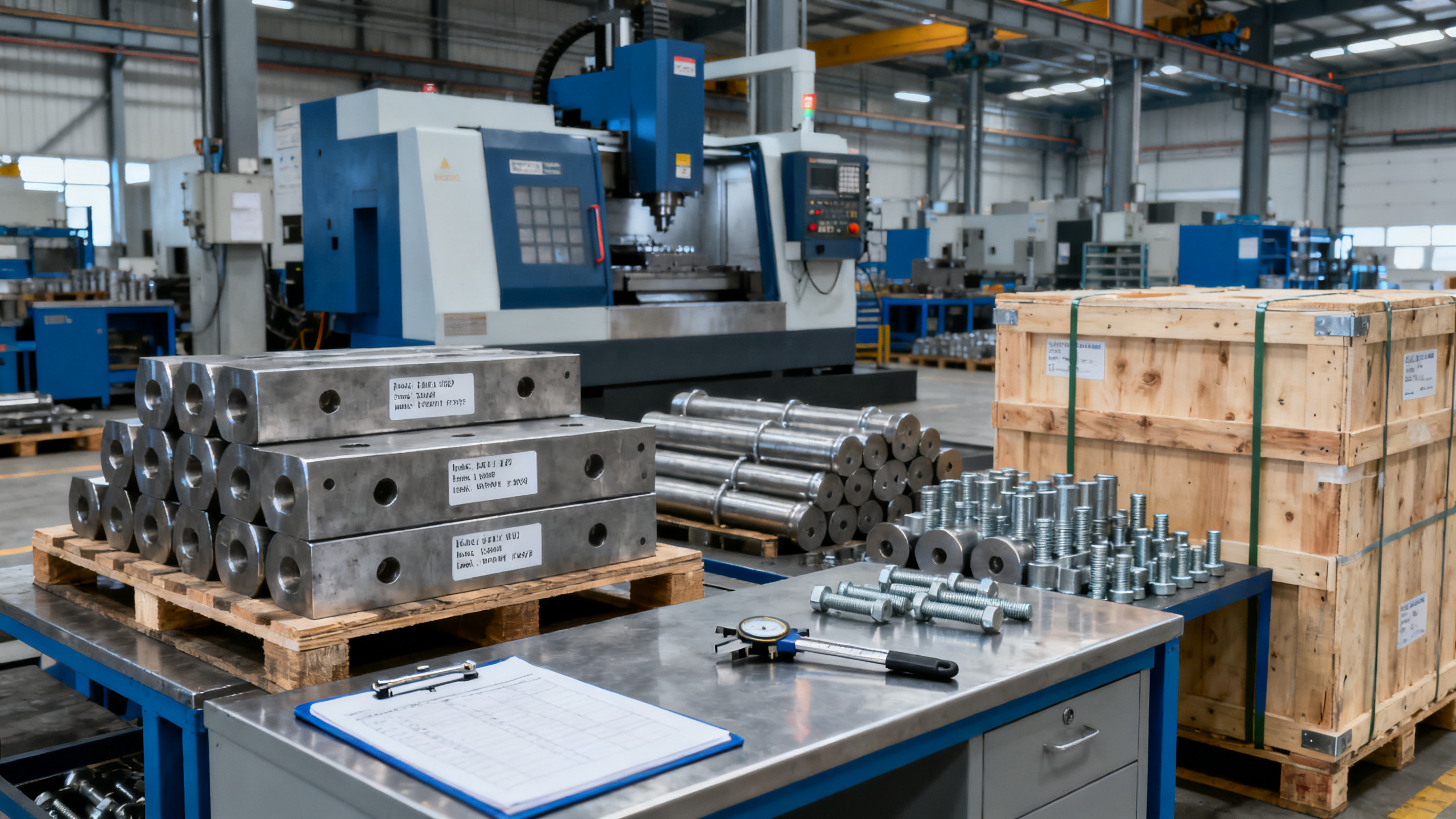
For project schedules, lead time is never just a date on a chart. It affects installation windows, site coordination, inventory pressure, and overall execution risk.
A Components & Metals manufacturer influences lead time through material sourcing, production planning, tolerances, certification, packaging, and shipping control.
In industrial environments, even a small delay in machined parts, castings, fasteners, or fabricated assemblies can disrupt a larger sequence.
This guide explains how a Components & Metals manufacturer affects lead time, what signals matter most, and how to reduce avoidable delays.
What does lead time really include for a Components & Metals manufacturer?
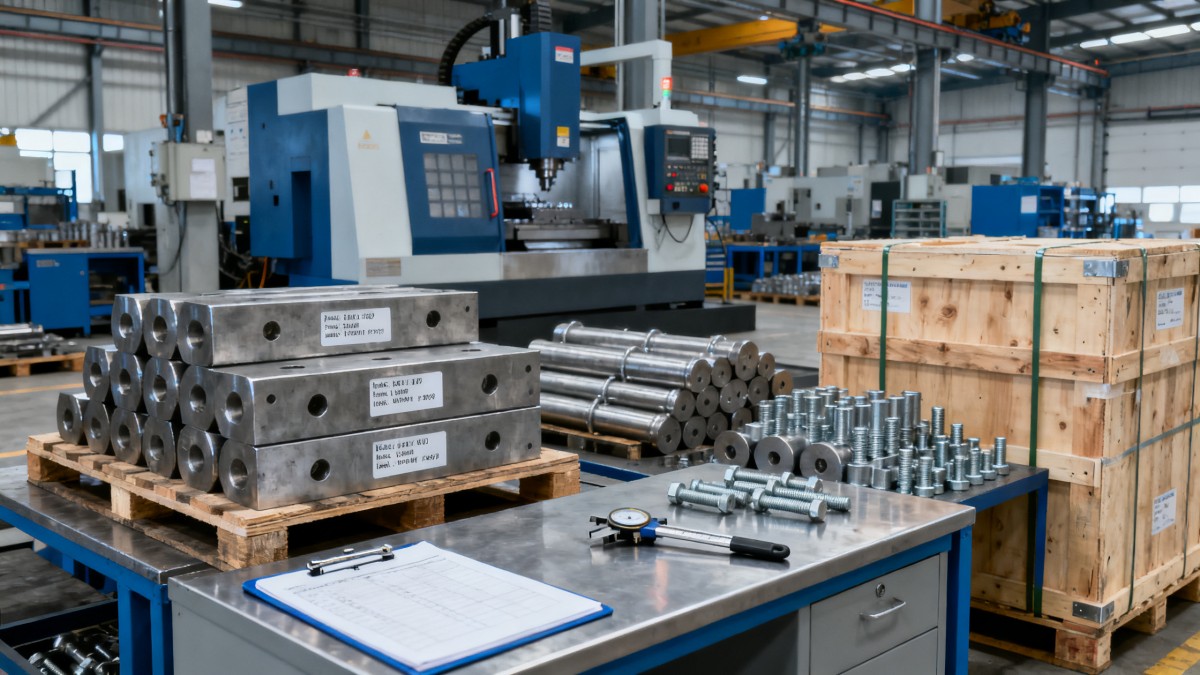
Lead time starts long before final shipment. It usually includes quotation review, engineering clarification, raw material allocation, machining, finishing, inspection, packing, and transport.
For a Components & Metals manufacturer, quoted lead time may also depend on tooling readiness, heat treatment slots, or third-party testing windows.
Many delays happen in pre-production. Drawing revisions, incomplete specifications, and missing compliance requirements can freeze the job before cutting even begins.
This is why two suppliers offering the same nominal delivery period may perform very differently in practice.
- Commercial lead time: quotation, approval, and order release
- Material lead time: mill availability, alloy sourcing, and inbound logistics
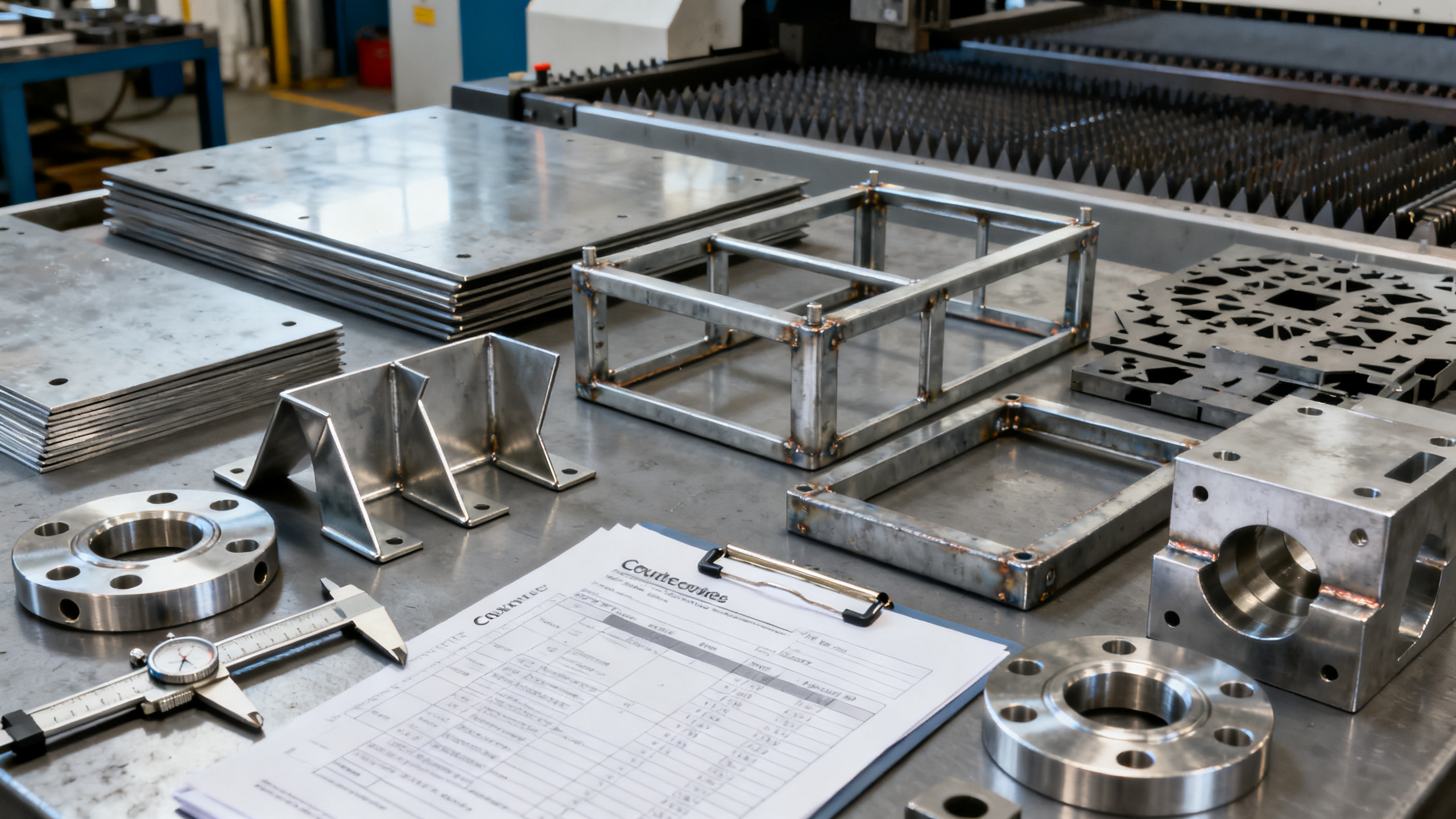
- Production lead time: machining, forming, welding, and assembly
- Quality lead time: inspection, testing, and certification documents
- Outbound lead time: packing, export handling, and freight movement
A capable Components & Metals manufacturer makes each stage visible. Better visibility creates more reliable planning and fewer schedule surprises.
Why do raw materials and metallurgy have such a strong effect on lead time?
Material availability is often the biggest driver. Carbon steel may move quickly, while nickel alloys, duplex stainless, copper alloys, or specialty bar stock may require longer procurement cycles.
A Components & Metals manufacturer with strong mill relationships can reserve stock earlier, consolidate demand, and shorten procurement bottlenecks.
Metallurgy also changes processing time. Some materials machine slowly, distort during heat treatment, or demand special cutting tools and lower feed rates.
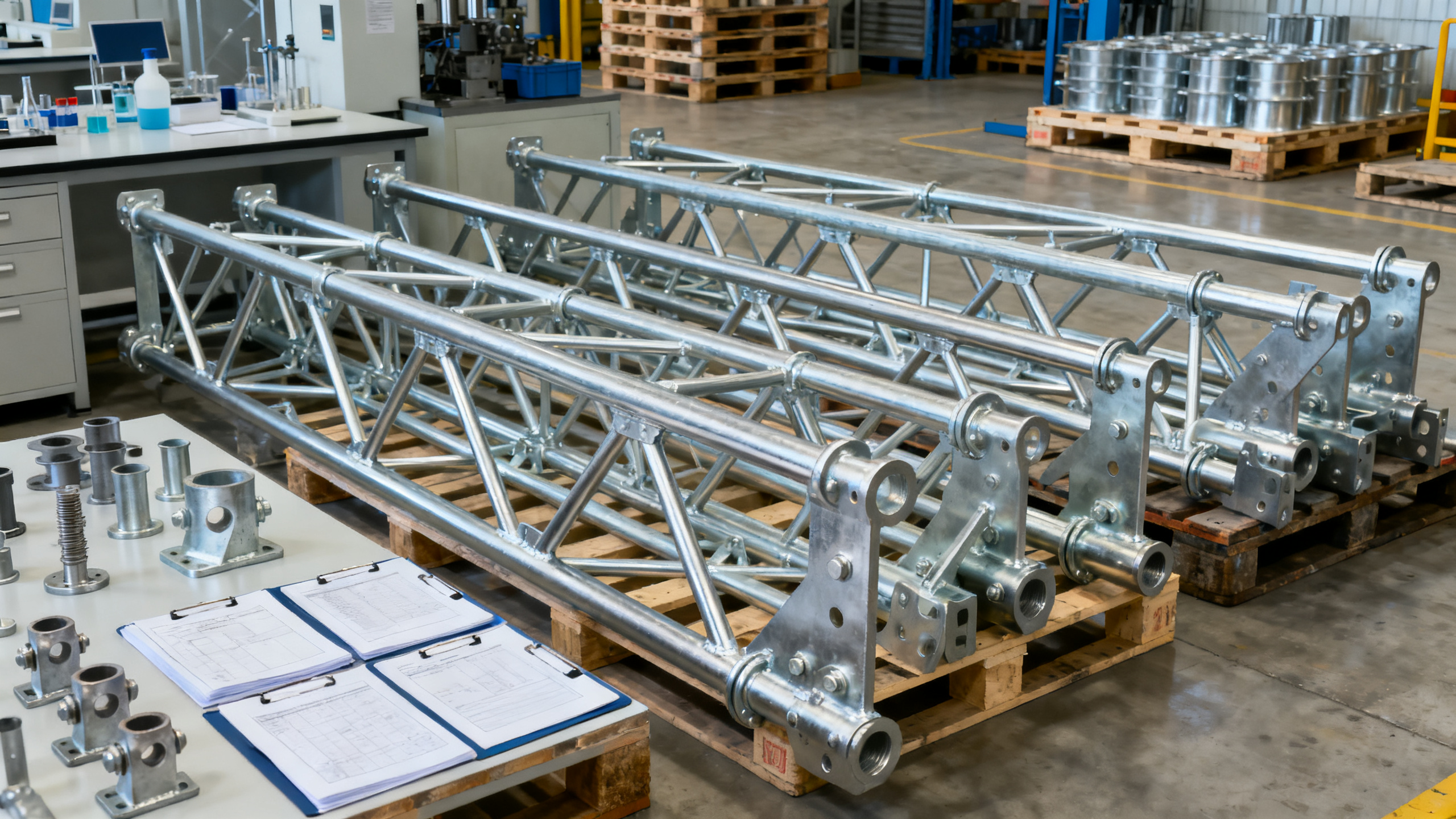
Surface finish and corrosion demands matter too. Galvanizing, passivation, plating, coating, and shot blasting add process steps and queue time.
Traceability requirements can extend timing further. Heat numbers, mill test reports, PMI checks, and batch segregation require disciplined material control.
Typical material-related delay triggers
- Non-standard alloy grades with limited stock
- Large forgings or thick plates requiring mill scheduling
- Imported metals exposed to customs or trade controls
- Mandatory third-party verification before release
When evaluating a Components & Metals manufacturer, ask whether materials are stocked, contract-reserved, or ordered only after PO confirmation.
How do machining complexity and quality standards change delivery speed?
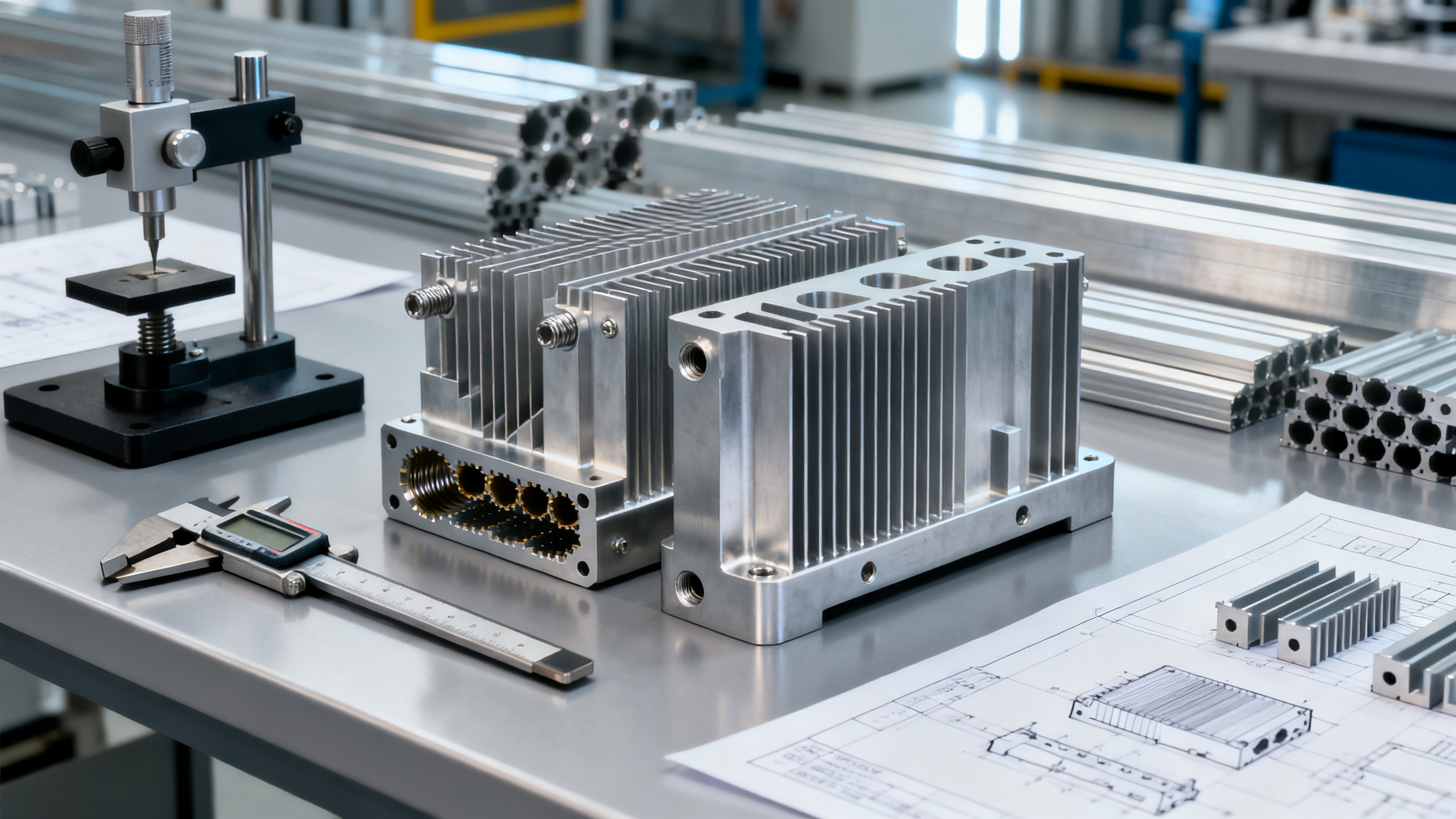
Complex geometry increases cycle time. Tight tolerances, multi-axis machining, fine threads, and mirror finishes require more setup, slower cutting, and repeated inspection.
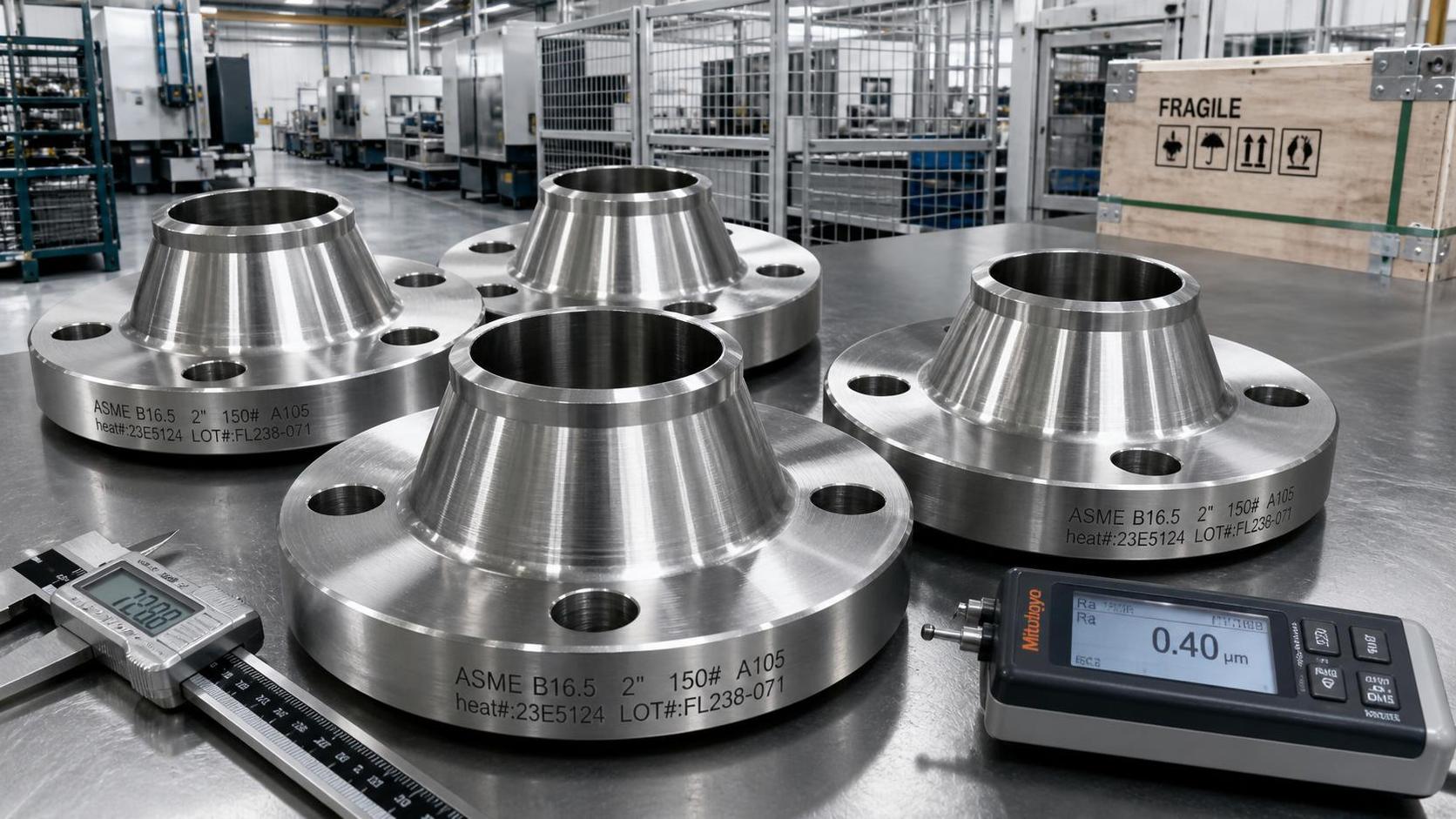
A Components & Metals manufacturer serving industrial infrastructure often works to strict standards. CE, UL, ISO, ASTM, DIN, or customer-specific specs may all shape routing.
Quality is not just a final checkpoint. It can add first article approval, in-process measurement, non-destructive testing, dimensional reports, and document packs.
These steps protect reliability, but they must be planned. If quality gates are added late, promised delivery can slip quickly.
Questions that reveal true production capability
- Are critical machines shared across many urgent jobs?
- Is metrology handled in-house or outsourced?
- How are rework and non-conformance managed?
- Can certificates ship with the goods, not afterward?
The best Components & Metals manufacturer does not simply promise speed. It shows process control that protects both timing and conformity.
How can supply chain coordination reduce or increase lead time risk?
Lead time is often a coordination problem. One delayed subcontract step can hold an entire assembly, especially when parts need coating, heat treatment, or external testing.
A Components & Metals manufacturer with integrated planning usually performs better than one relying on fragmented handoffs.
Communication quality matters as much as factory capacity. Clear revision control, milestone reporting, and shipment readiness updates reduce hidden slippage.
Packaging and logistics should not be treated as final administrative tasks. Export crating, moisture protection, labeling, and route planning can consume several extra days.
For global projects, port congestion, customs documentation, and local compliance checks can add uncertainty beyond factory completion.
What should be compared when choosing a Components & Metals manufacturer for faster delivery?
Quoted days alone are misleading. A realistic comparison should balance speed, technical fit, compliance depth, and schedule confidence.
A Components & Metals manufacturer may offer short nominal lead time but depend heavily on outsourced processes or uncertain raw material sourcing.
Another supplier may quote slightly longer, yet deliver more reliably because tooling, stock, and inspection resources are already available.
Useful evaluation criteria
- Material readiness for the required alloy and form
- Experience with similar dimensions, tolerances, and standards
- In-house versus outsourced critical operations
- Document control for MTRs, inspection reports, and traceability
- Schedule transparency and escalation response
Long-tail searches often ask which Components & Metals manufacturer is best for custom metal parts with short lead times.
The practical answer is the source that aligns process capability with the exact project requirement, not the one with the lowest headline number.
What common mistakes make lead time worse, and how can they be avoided?
One common mistake is releasing incomplete technical data. Missing tolerances, undefined coatings, or vague testing requirements create stoppages and expensive clarification loops.
Another mistake is treating all metal parts as commodity items. A Components & Metals manufacturer handling engineered parts needs enough information to route work correctly.
Late engineering changes are another major source of delay. A revised hole pattern or alloy substitution can invalidate material reservations or inspection plans.
It is also risky to ignore document timing. Parts may be finished, but shipment can still stop if certificates, packing lists, or customs files are incomplete.
Practical ways to shorten lead time risk
- Freeze drawings before order release whenever possible
- Define materials, standards, and inspection scope clearly
- Confirm whether special processing is in-house or subcontracted
- Ask for milestone-based updates, not only final delivery dates
- Review packaging and shipping requirements early
FAQ: how does a Components & Metals manufacturer affect lead time in real projects?
In summary, a Components & Metals manufacturer affects lead time through far more than factory speed alone.
Material strategy, metallurgy, machining depth, compliance discipline, and logistics control all shape delivery reliability.
A better sourcing decision starts with better questions. Review the full process path, verify risk points, and compare realistic readiness instead of headline promises.
For industrial supply chains where precision and resilience matter, that approach protects schedule confidence and supports stronger project outcomes.
Technical Specifications
- How to Select Electronic Hotel Key Card Locks for Guest Rooms and Staff AreasAuthor :Safety Compliance Lead
- How to Select Lab Instruments for Reliable Chemical Analysis WorkflowsAuthor :Precision Metrology Expert
- How to Size a UPS for Server Rooms: Load, Runtime, and Redundancy FactorsAuthor :Grid Infrastructure Analyst
Expert Insights

Chief Security Architect
Dr. Thorne specializes in the intersection of structural engineering and digital resilience. He has advised three G7 governments on industrial infrastructure security.
Related Analysis
- Sep 17, 2026How to Select Electronic Hotel Key Card Locks for Guest Rooms and Staff AreasAuthor :Safety Compliance Lead
- Sep 16, 2026How to Select Lab Instruments for Reliable Chemical Analysis WorkflowsAuthor :Precision Metrology Expert
- Sep 15, 2026How to Size a UPS for Server Rooms: Load, Runtime, and Redundancy FactorsAuthor :Grid Infrastructure Analyst
Core Sector // 01
Security & Safety
- Stainless Steel Welded Tube Applications: Matching Tube Supply to Fabrication NeedsAuthor :Heavy Industry Strategist

- What Maintenance Do Furnace Components Need After 18 Months?Author :Heavy Industry Strategist

- How to Assess Metal Materials for Thermal Cycling in Power BoilersAuthor :Heavy Industry Strategist

- How to Evaluate Aluminum Extrusion Suppliers for Tight-Tolerance Components?Author :Heavy Industry Strategist

- How to Evaluate a Weld Neck Flange Manufacturer for High-Pressure Pipe ProjectsAuthor :Heavy Industry Strategist

- EU REACH Ban Hits Cr(VI)-Coated Steel ImportsAuthor :Heavy Industry Strategist
-Coated Steel Imports")
- How to Evaluate a Heat Sink Aluminum Profile Supplier for Custom Thermal ProjectsAuthor :Heavy Industry Strategist

- Industrial Metal Fabrication Components Price: What Drives Cost and How to Compare QuotesAuthor :Heavy Industry Strategist