CISA: Coking Coal, Coke Prices Remain at High Levels
Author
Date Published
Reading Time
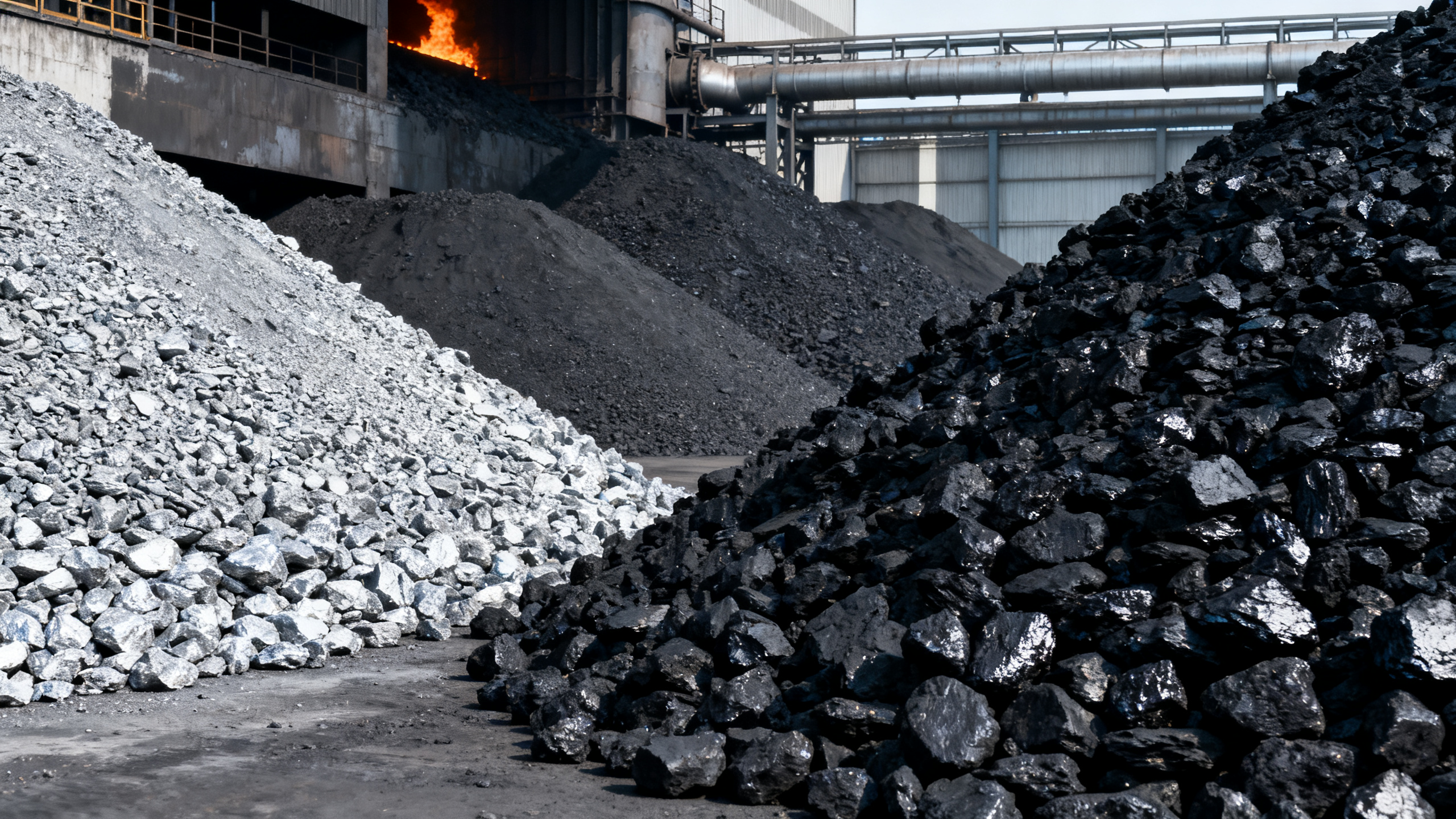
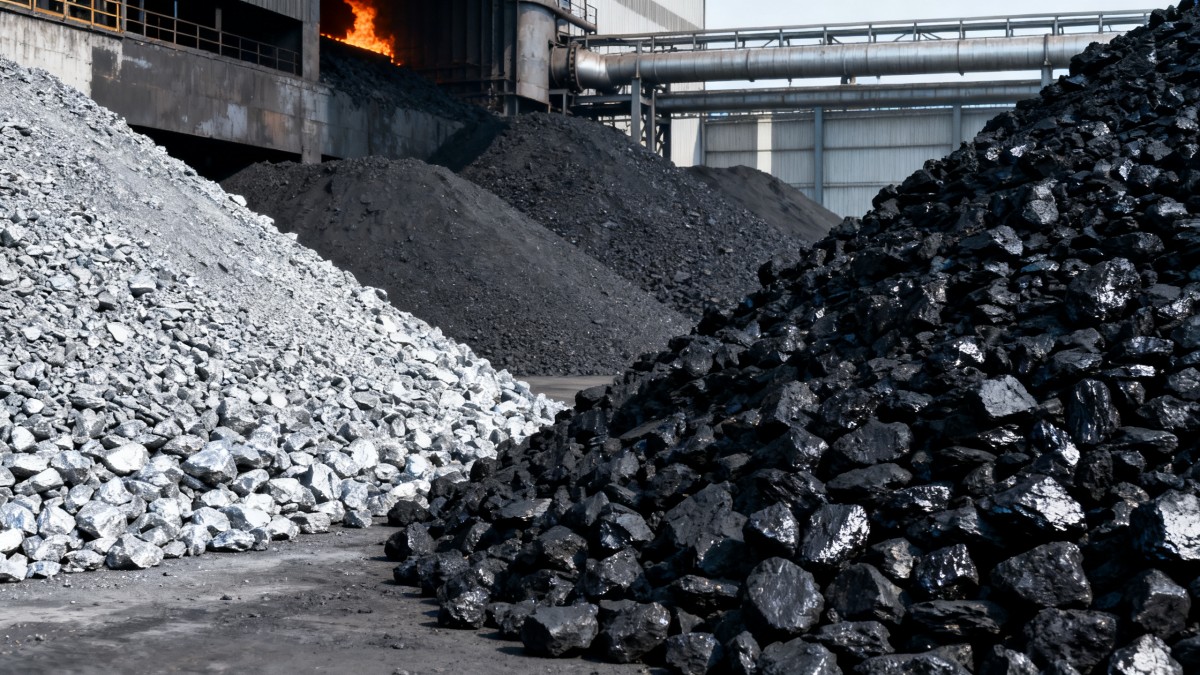
On April 29, the China Iron and Steel Association (CISA) reported that coking coal, coke, ferroalloys, and scrap steel prices have remained at elevated levels — a development with direct cost implications for manufacturers of steel & metal profiles, bearings & seals, and power transmission components. This pricing trend has already begun affecting export quotations, with some European buyers reporting an average 4.2% increase in Q2 delivery prices compared to Q1. The situation warrants close attention from procurement managers, supply chain planners, and exporters operating across downstream metal fabrication and mechanical component sectors.
Event Overview
On April 29, CISA issued a bulletin confirming that key raw materials — including coking coal, coke, ferroalloys, and scrap steel — continue to trade at high price levels. The association noted that these elevated input costs are raising production expenses for manufacturers of steel & metal profiles, bearings & seals, and power transmission equipment. The cost pressure has been passed through to export pricing, with documented evidence of a 4.2% average price increase for Q2 deliveries versus Q1, as reported by select European customers.
Industries Affected
Direct Exporters & Trading Firms
These firms face margin compression when fulfilling existing export contracts priced under prior cost assumptions. The 4.2% average Q2 price uplift reflects reactive adjustments rather than strategic repositioning — meaning profitability on fixed-price orders may be eroded unless renegotiated or hedged.
Raw Material Procurement Units
Procurement teams sourcing coking coal, coke, ferroalloys, or scrap steel — especially those without long-term supply agreements — are exposed to ongoing volatility. Spot market purchases now carry higher cost risk and reduced predictability for quarterly budgeting and landed-cost calculations.
Metal Component Manufacturers
Producers of steel & metal profiles, bearings & seals, and power transmission assemblies are experiencing upward pressure on conversion margins. Since raw material cost increases are not fully offset by immediate price pass-through to end buyers, working capital cycles may tighten, particularly for custom-engineered or low-volume products with longer quotation-to-fulfillment timelines.
Supply Chain & Logistics Service Providers
While not directly bearing raw material costs, these providers may see demand shifts — such as increased requests for inventory holding, just-in-case stocking, or multi-origin sourcing coordination — as clients seek to mitigate supply continuity risks amid price uncertainty.
What Enterprises and Practitioners Should Monitor and Do Now
Track official CISA updates and quarterly raw material price indices
CISA’s April 29 notice is part of an ongoing monitoring series. Subsequent bulletins — particularly those referencing inventory levels, import volumes, or domestic production trends — may signal whether current highs reflect structural tightness or short-term spikes.
Assess exposure by material category and geographic market
Not all raw materials are moving uniformly: coking coal and coke show stronger sustained pressure than ferroalloys or scrap steel in recent reports. Similarly, European export pricing impacts are confirmed; effects on North American or ASEAN markets remain unreported and require separate validation.
Review and prioritize long-term supply arrangements for critical inputs
The recommendation to “lock in long-term orders” applies most directly to coking coal and coke — commodities with limited global suppliers and high logistical barriers to rapid substitution. Procurement teams should evaluate contractual terms covering price adjustment clauses, volume flexibility, and delivery windows.
Evaluate technical feasibility of alternative materials — before commercial commitment
CISA’s suggestion to “assess alternative material solutions” refers to engineering-level evaluation (e.g., substituting certain ferroalloy grades or using processed scrap blends), not wholesale material replacement. Such assessments require cross-functional alignment between R&D, procurement, and quality assurance — and must precede any customer-facing commitments.
Editorial Perspective / Industry Observation
Observably, this CISA bulletin functions less as an isolated data point and more as a mid-cycle confirmation of persistent upstream cost pressure. It does not indicate a new policy shift or supply shock, but rather signals that elevated raw material costs have stabilized at a level sufficient to alter commercial behavior — evidenced by measurable export price adjustments. Analysis shows the 4.2% Q2 uplift is likely reflective of cumulative Q1 cost accruals rather than a single-month surge, suggesting lead times between input cost changes and final pricing outcomes are compressing. From an industry perspective, this reinforces that raw material cost management is no longer solely a procurement function — it increasingly informs product costing, contract negotiation, and even design-for-manufacturability decisions.
Conclusion: This update confirms sustained cost pressure at the base of the metal component value chain — not a transient fluctuation, but an operational reality requiring calibrated response. It is better understood as a signal of ongoing input cost discipline, rather than a trigger for emergency action. Enterprises should treat it as a prompt to audit current sourcing strategies, validate exposure assumptions, and align commercial and technical functions around material cost resilience — not as a call to overhaul entire supply models overnight.
Source: China Iron and Steel Association (CISA), Bulletin dated April 29.
Note: Ongoing observation is recommended for CISA’s upcoming releases on Q2 inventory data and import dependency metrics, which may clarify whether current pricing reflects demand-led strength or supply-constrained scarcity.
Technical Specifications
- How to Select Electronic Hotel Key Card Locks for Guest Rooms and Staff AreasAuthor :Safety Compliance Lead
- How to Select Lab Instruments for Reliable Chemical Analysis WorkflowsAuthor :Precision Metrology Expert
- How to Size a UPS for Server Rooms: Load, Runtime, and Redundancy FactorsAuthor :Grid Infrastructure Analyst
Expert Insights

Chief Security Architect
Dr. Thorne specializes in the intersection of structural engineering and digital resilience. He has advised three G7 governments on industrial infrastructure security.
Related Analysis
- Sep 17, 2026How to Select Electronic Hotel Key Card Locks for Guest Rooms and Staff AreasAuthor :Safety Compliance Lead
- Sep 16, 2026How to Select Lab Instruments for Reliable Chemical Analysis WorkflowsAuthor :Precision Metrology Expert
- Sep 15, 2026How to Size a UPS for Server Rooms: Load, Runtime, and Redundancy FactorsAuthor :Grid Infrastructure Analyst
Core Sector // 01
Security & Safety
- Stainless Steel Welded Tube Applications: Matching Tube Supply to Fabrication NeedsAuthor :Heavy Industry Strategist

- What Maintenance Do Furnace Components Need After 18 Months?Author :Heavy Industry Strategist

- How to Assess Metal Materials for Thermal Cycling in Power BoilersAuthor :Heavy Industry Strategist

- How to Evaluate Aluminum Extrusion Suppliers for Tight-Tolerance Components?Author :Heavy Industry Strategist

- How to Evaluate a Weld Neck Flange Manufacturer for High-Pressure Pipe ProjectsAuthor :Heavy Industry Strategist

- EU REACH Ban Hits Cr(VI)-Coated Steel ImportsAuthor :Heavy Industry Strategist
-Coated Steel Imports")
- How to Evaluate a Heat Sink Aluminum Profile Supplier for Custom Thermal ProjectsAuthor :Heavy Industry Strategist

- Industrial Metal Fabrication Components Price: What Drives Cost and How to Compare QuotesAuthor :Heavy Industry Strategist