China-Europe Railway Express Surpasses 130,000 Trains
Author
Date Published
Reading Time
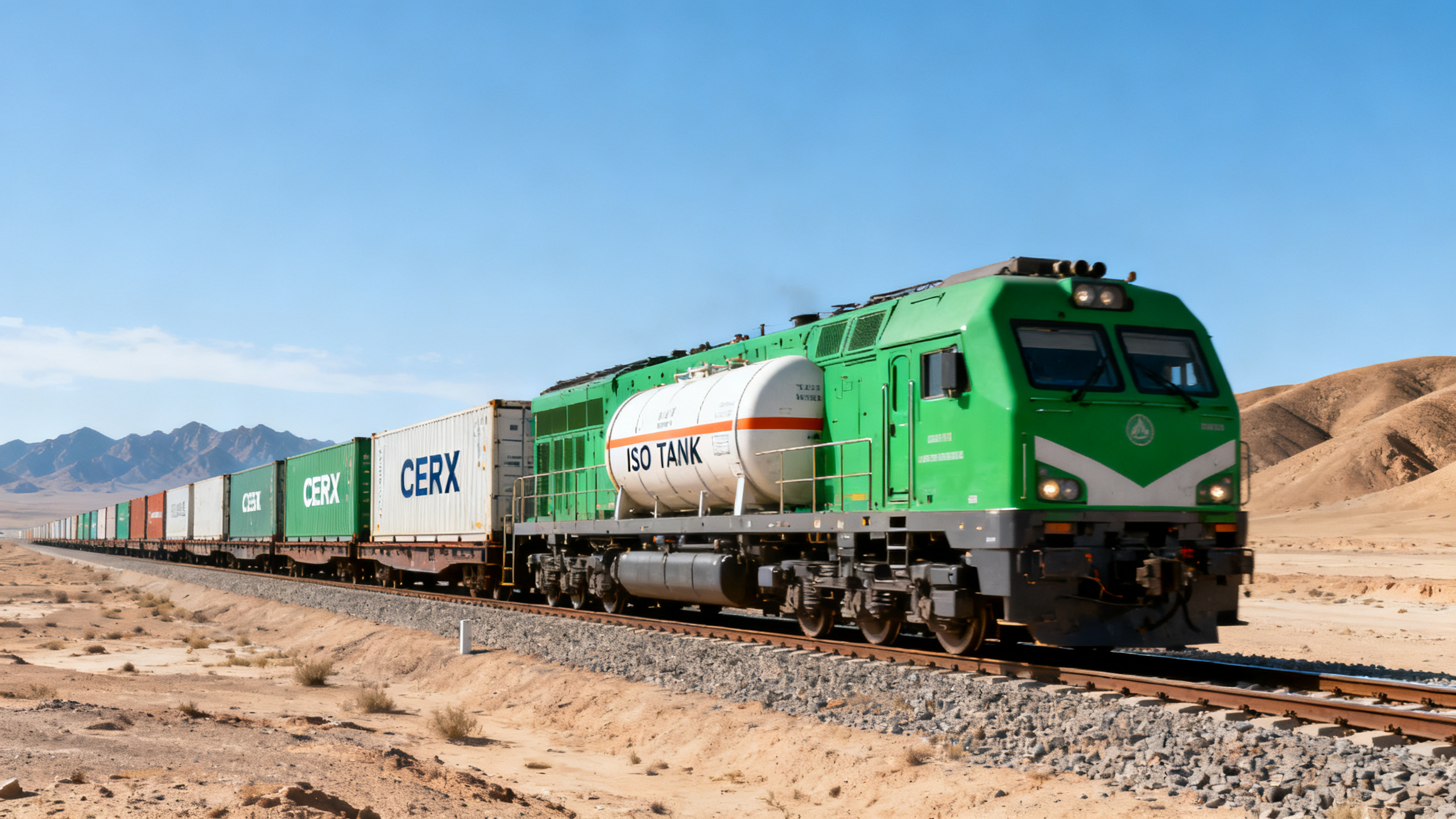
On May 9, 2026, the China-Europe Railway Express (CERX) reached a cumulative total of over 130,000 train departures, with cargo value exceeding USD 520 billion. This milestone reflects strengthening land-based supply chain resilience between China and key markets—including the European Union, Central & Eastern Europe, Central Asia, and Russia—and carries tangible implications for industrial importers reliant on predictable delivery cycles, particularly those sourcing electrical equipment, bearings, metal profiles, and water treatment systems.
Event Overview
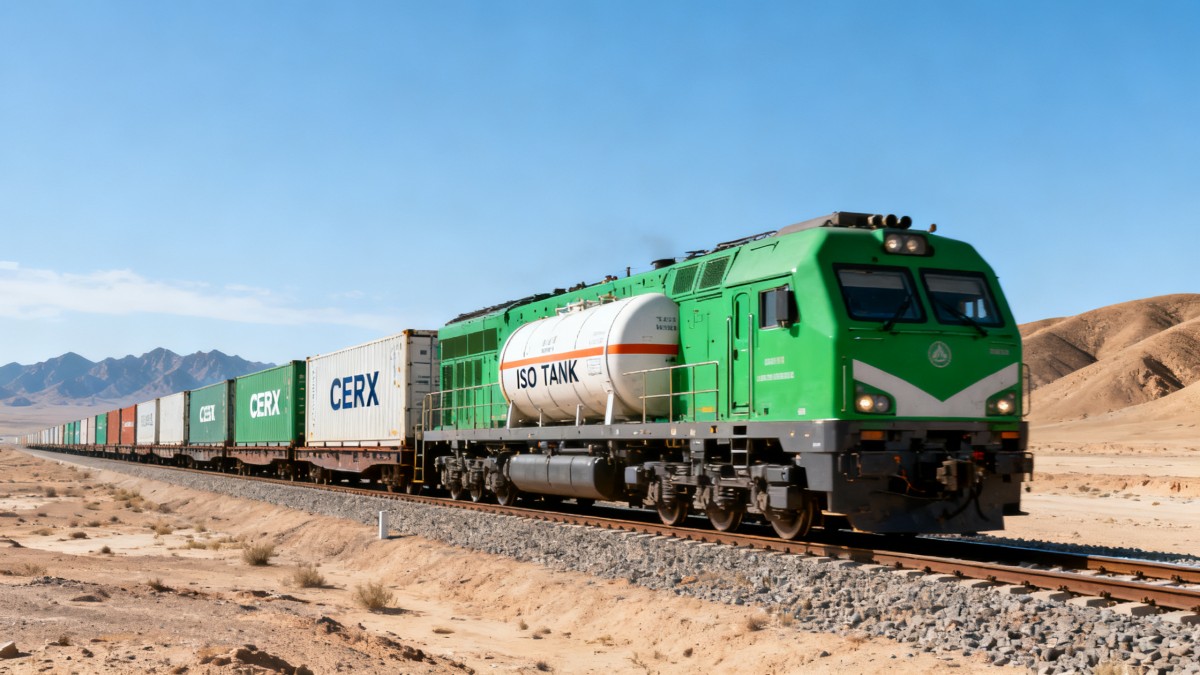
As of May 9, 2026, the China-Europe Railway Express has operated more than 130,000 trains since its inception, carrying goods valued at over USD 520 billion. The figure is officially reported by China State Railway Group Co., Ltd. and verified by the National Development and Reform Commission (NDRC).
Industries Affected
Direct Trading Enterprises
Exporters and importers engaged in bilateral trade between China and Eurasian markets benefit from improved scheduling reliability and reduced transit time volatility. Unlike maritime shipping—subject to port congestion—and air freight—constrained by cost and capacity—rail offers a mid-tier option with growing predictability. For trading firms handling high-value, time-sensitive industrial components, this enhances order fulfillment confidence and supports just-in-time replenishment strategies.
Raw Material Procurement Enterprises
Enterprises sourcing raw or semi-finished inputs—such as specialty steels, rare-earth alloys, or polymer granules—from Central Asian or EU suppliers face fewer logistical bottlenecks. Increased train frequency and standardized customs clearance protocols along key corridors (e.g., China–Kazakhstan–Belarus–Poland) reduce lead time uncertainty, enabling more accurate procurement planning and inventory optimization.
Contract Manufacturing & OEM Enterprises
Manufacturers operating under international OEM agreements—especially those assembling machinery, power transmission systems, or environmental infrastructure—gain greater control over inbound component timing. Stable rail schedules allow tighter synchronization between overseas parts arrival and domestic production line sequencing, lowering buffer stock requirements and reducing working capital tied up in safety inventory.
Supply Chain Service Providers
Freight forwarders, multimodal logistics integrators, and rail-focused customs brokers see expanded service scope and pricing leverage. With CERX now offering over 100 regular routes across 25+ countries, these providers are increasingly bundling rail transport with warehousing, insurance, and digital tracking—shifting from transactional execution toward end-to-end visibility solutions.
Key Considerations and Recommended Actions for Stakeholders
Monitor corridor-specific service reliability metrics
Not all CERX routes demonstrate equal consistency. Stakeholders should track on-time departure/arrival rates, dwell time at border crossings (e.g., Dostyk, Malaszewicze), and seasonal capacity constraints—particularly during winter months on the Russian segment—before committing long-term contracts.
Evaluate total landed cost—not just freight rate
Rail tariffs remain higher than sea freight but significantly lower than air. However, full cost analysis must include inland haulage, transshipment fees, documentation complexity, and potential demurrage at destination terminals. A comparative TCO model (including inventory holding cost savings) often reveals rail’s advantage for medium-lead-time SKUs.
Integrate rail data into ERP and TMS platforms
Real-time train status updates—now available via China Railway’s open API and third-party platforms like RailCargo Tracker—are increasingly interoperable with enterprise logistics software. Early adopters report 12–18% reduction in shipment exception resolution time when rail visibility is embedded directly into planning workflows.
Editorial Perspective / Industry Observation
Observably, the 130,000-train milestone is less a statistical inflection point than a signal of institutional maturation: standardized documentation, harmonized customs procedures, and multi-country intergovernmental coordination have coalesced into a repeatable operational framework. Analysis shows that growth post-2023 has been driven not by volume surges alone, but by rising average cargo value per train—indicating a structural shift toward higher-margin, lower-volume industrial freight rather than low-value consumer goods. From an industry perspective, this suggests CERX is evolving from a contingency channel into a core logistics pillar for precision manufacturing supply chains.
Conclusion
The CERX’s crossing of 130,000 trains marks a transition from experimental corridor to institutionalized infrastructure. It does not replace maritime or air networks—but rather complements them by filling a critical gap in reliability, speed, and carbon intensity. For industrial buyers and manufacturers, the implication is not immediate substitution, but strategic diversification: rail becomes a calibrated lever within a resilient, multi-modal sourcing strategy.
Source Attribution
Data sourced from China State Railway Group Co., Ltd. (May 2026 operational bulletin), NDRC’s ‘Belt and Road Logistics Development Report 2025’, and UNECE’s ‘Trans-European Corridors Performance Dashboard’. Note: Route-level performance data, cross-border customs processing times, and carrier-specific service level agreements remain subject to ongoing verification and may vary quarterly.
Technical Specifications
- How to Select Electronic Hotel Key Card Locks for Guest Rooms and Staff AreasAuthor :Safety Compliance Lead
- How to Select Lab Instruments for Reliable Chemical Analysis WorkflowsAuthor :Precision Metrology Expert
- How to Size a UPS for Server Rooms: Load, Runtime, and Redundancy FactorsAuthor :Grid Infrastructure Analyst
Expert Insights

Chief Security Architect
Dr. Thorne specializes in the intersection of structural engineering and digital resilience. He has advised three G7 governments on industrial infrastructure security.
Related Analysis
- Sep 17, 2026How to Select Electronic Hotel Key Card Locks for Guest Rooms and Staff AreasAuthor :Safety Compliance Lead
- Sep 16, 2026How to Select Lab Instruments for Reliable Chemical Analysis WorkflowsAuthor :Precision Metrology Expert
- Sep 15, 2026How to Size a UPS for Server Rooms: Load, Runtime, and Redundancy FactorsAuthor :Grid Infrastructure Analyst
Core Sector // 01
Security & Safety
- Stainless Steel Welded Tube Applications: Matching Tube Supply to Fabrication NeedsAuthor :Heavy Industry Strategist

- What Maintenance Do Furnace Components Need After 18 Months?Author :Heavy Industry Strategist

- How to Assess Metal Materials for Thermal Cycling in Power BoilersAuthor :Heavy Industry Strategist

- How to Evaluate Aluminum Extrusion Suppliers for Tight-Tolerance Components?Author :Heavy Industry Strategist

- How to Evaluate a Weld Neck Flange Manufacturer for High-Pressure Pipe ProjectsAuthor :Heavy Industry Strategist

- EU REACH Ban Hits Cr(VI)-Coated Steel ImportsAuthor :Heavy Industry Strategist
-Coated Steel Imports")
- How to Evaluate a Heat Sink Aluminum Profile Supplier for Custom Thermal ProjectsAuthor :Heavy Industry Strategist

- Industrial Metal Fabrication Components Price: What Drives Cost and How to Compare QuotesAuthor :Heavy Industry Strategist