Deep Groove Ball Bearings Basics for Buyers Who Need Stable Rotation and Fewer Reorder Risks
Author
Date Published
Reading Time
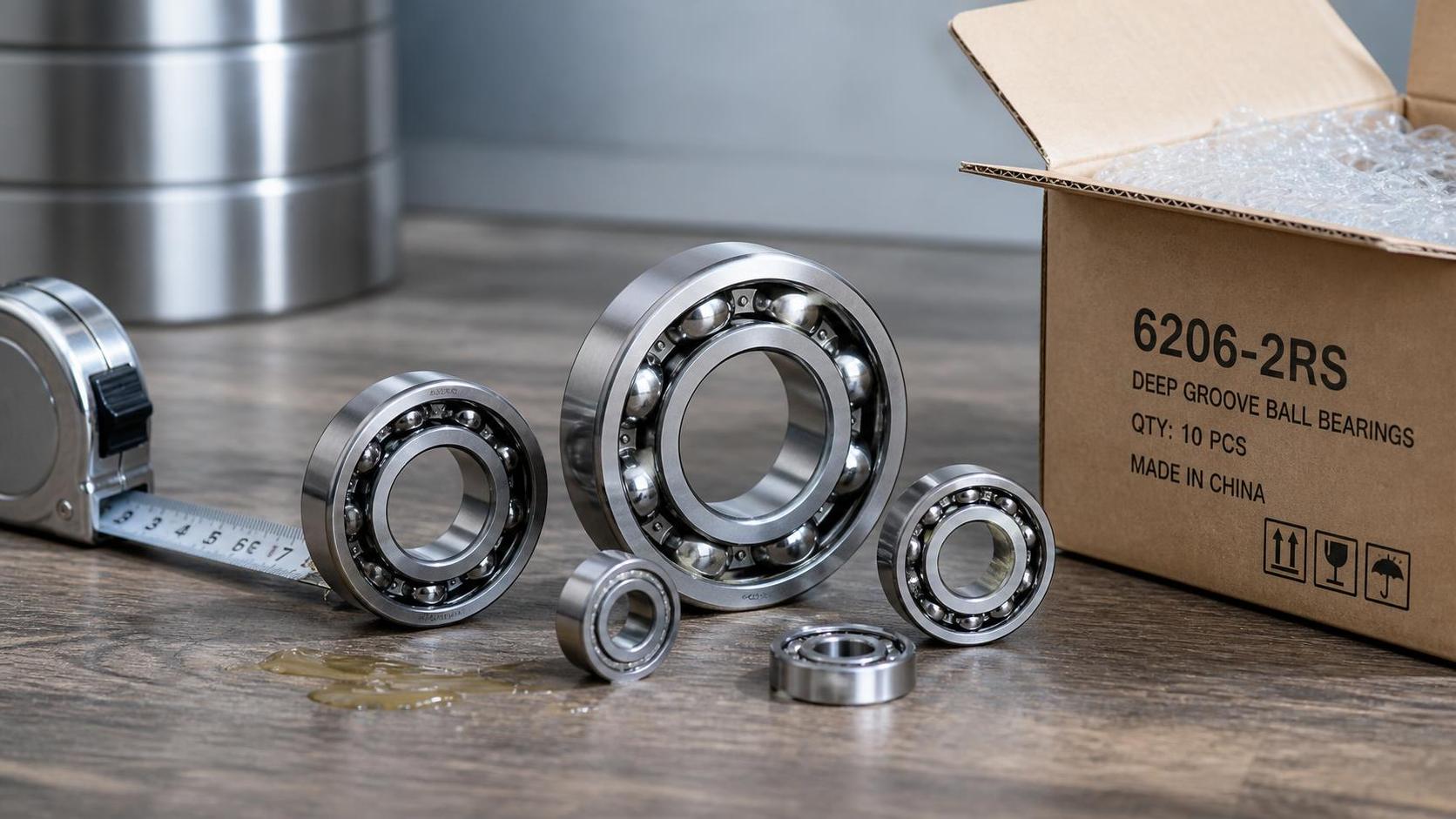
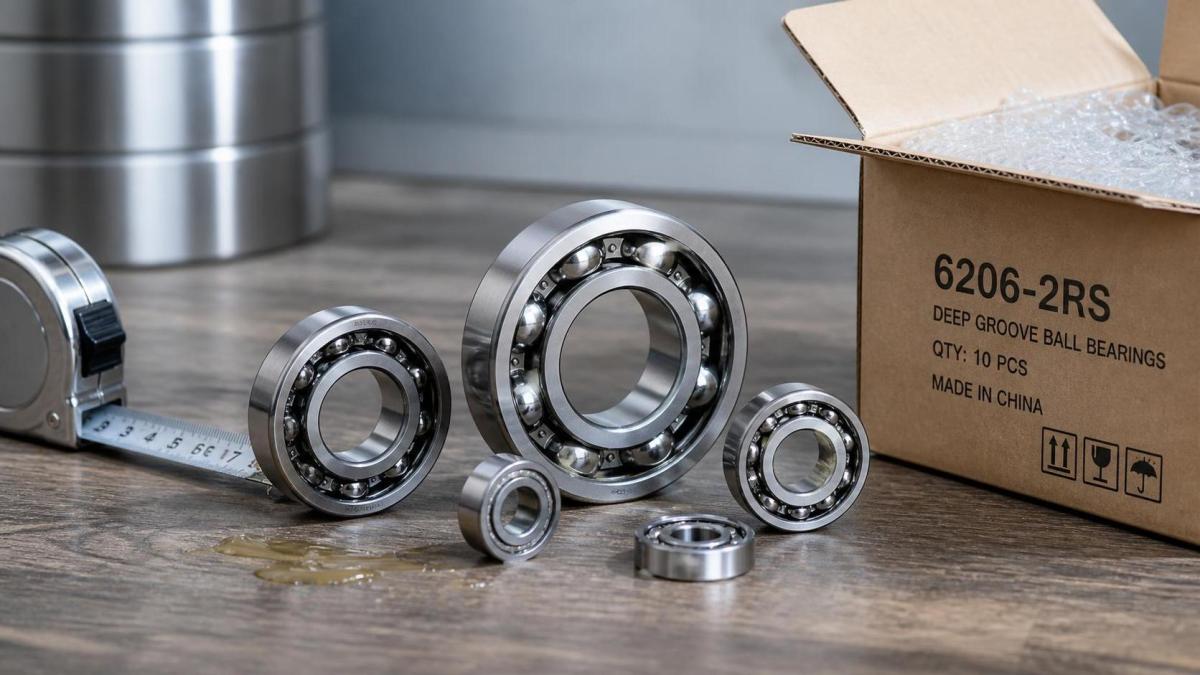
Global buyers are paying closer attention to Deep Groove Ball Bearings because procurement teams now need products that can survive real operation, installation, maintenance, and repeat-order control. Bearing buyers are looking beyond item numbers and asking whether each bearing order can support quieter rotation, predictable maintenance, and repeatable stock control. In electric motors, pumps, gearboxes, conveyors, agricultural equipment, light industrial machinery, repair inventories, and aftermarket distribution, a product name alone is not enough. The useful sourcing question is whether the selected product, supplier evidence, and delivery plan can protect the buyer's actual workflow after shipment.
This article is prepared as a basic knowledge guide for importers, distributors, engineering buyers, facility teams, building contractors, maintenance planners, and quality-control staff. It uses one core product keyword, one landing page, one matched portal, and one final category path so the article can be published cleanly as an external-link asset.
Why Buyers Should Start With Use Conditions
A good sourcing process starts by describing the environment in which the product will work. A bearing may operate inside a motor, pump, conveyor, or repair inventory where noise, clearance, seal choice, and lubrication affect service life. A disinfection generator may be used in water treatment, food handling, cold-chain hygiene, or public areas where output control and operator practice matter. A window system may face wind, rain, installation tolerance, glass matching, and aesthetic requirements at the same time.
Common applications for this product direction include motor repair, pump assemblies, small gearbox support, conveyor rollers, fan systems, general machinery maintenance, and bearing distribution programs. Each application changes the selection logic. A distributor may care most about labels, stock consistency, and carton protection. A project buyer may care about drawings, accessories, installation conditions, and acceptance documents. A facility buyer may care about maintenance access, training, and daily operating reliability. These differences should be explained before the supplier prepares the quotation.
The first procurement mistake is to ask only for a price against a broad keyword. Suppliers may quote different assumptions under the same product name. They may use different sizes, materials, output ranges, accessories, packing standards, or support scope. A clearer inquiry defines the use case, quantity, destination, quality requirements, and any non-negotiable details before price comparison begins.
Selection Factors That Shape Practical Value
Practical value comes from fit, evidence, and consistency. Buyers should check the specifications that directly affect downstream performance. For bearings, that may include dimension, clearance, seal type, load condition, speed, noise expectations, lubrication, and packaging. For hypochlorous acid systems, that may include water source, output range, concentration control, operating training, maintenance, and application boundaries. For aluminum window systems, that may include profile structure, glass compatibility, sealing design, hardware, finish quality, packing, and installation tolerance.
Photos and product names are useful but incomplete. A product photo cannot prove rotation behavior, concentration control, sealing performance, hardware durability, or reorder consistency. Buyers should ask for the evidence that matches the risk level of the purchase. A simple stock replenishment order may need only basic confirmation, while a project or long-term program should require more detailed technical review.
Price comparison should happen after scope comparison. A lower quote may exclude stronger packaging, clearer labels, spare parts, drawings, inspection records, or operator guidance. If the buyer compares price before scope, the cheapest offer may appear attractive while carrying the most hidden risk.
Supplier Evaluation Table
Risks to Resolve Before Order Confirmation
The main risks for this purchase include wrong clearance, poor seal selection, unclear brand substitution, weak lubrication guidance, dimensional mismatch, noisy rotation, mixed stock labels, and inadequate export packing. These problems often appear after the order has already moved into installation, warehouse storage, commissioning, maintenance, or customer resale. At that point, correction may require replacement parts, repacking, extra labor, field repair, or delayed acceptance.
Risk control starts with specific questions. If stock consistency matters, ask how the supplier controls labels, dimensions, and batches. If operation matters, ask about maintenance intervals, training, and spare parts. If installation matters, ask for drawings, tolerance guidance, accessory lists, and packaging protection. If the product will be used in a sensitive environment, ask which application limits the supplier recommends.
Communication quality is part of supplier evaluation. A supplier that asks about use conditions is often reducing risk. A supplier that only repeats a model name and price may not be checking whether the selected product fits the buyer's real situation.
Portal Category Fit and Publishing Rationale
The recommended portal for this article is www.chengshunmetals.com, and the selected final category is Components & Metals | Bearings & Seals. This is one final category path, not a bundled list of several possible columns. If the latest directory did not include an exact secondary category for the product, the selected path is marked as a recommended added category while still staying within the most relevant portal topic.
Category accuracy matters because the article should feel natural on the destination publication. Bearings belong near components, metals, and motion-related supply categories. Hypochlorous acid generation belongs near eco technology, water purification, and disinfection equipment. Aluminum window systems belong near facade, building envelope, and architectural building product readers. A clean category match helps the title, TDK, article body, metadata, and landing page reinforce the same topic.
The landing page is product-specific rather than a homepage. This gives readers a direct next step and keeps the publishing record clear for future review.
Procurement Checklist
- Confirm the core product keyword: Deep Groove Ball Bearings.
- Confirm the landing page URL listed in the metadata.
- Use one final portal category only: Components & Metals | Bearings & Seals.
- Define use conditions, destination, quantity, and inspection requirements before quoting.
- Request practical evidence such as photos, drawings, labels, test notes, packing proof, or operating guidance.
- Compare suppliers by scope, quality evidence, support, packaging, and repeatability before price.
- Check shipment labels, cartons, spare parts, accessory lists, and approval files before release.
How Buyers Can Build a Cleaner Shortlist
A cleaner shortlist starts with comparable assumptions. Buyers should send each supplier the same product keyword, use case, destination, quantity range, packaging expectation, and review requirements. If each supplier receives different information, the quotations will not be comparable. The lowest price may simply reflect missing accessories, weaker packing, unclear documents, or a smaller support scope.
The shortlist should include both technical and commercial signals. Technical signals include specification clarity, fit to application, quality evidence, maintenance logic, drawing or label control, and product limits. Commercial signals include lead time, export experience, communication speed, packing cost, and support for repeat orders. The best supplier is usually the one that can explain how the product fits the buyer's real use, not simply the one that sends the fastest quotation.
Repeat orders should be documented. Buyers should keep accepted specifications, photos, packing records, label samples, drawings, inspection notes, arrival feedback, and any correction requests. This record makes the next order faster and reduces the risk of receiving a similar product with different assumptions.
FAQ
Why use one core product keyword?
One core product keyword keeps the article focused and helps the title, H1, TDK block, metadata, anchor text, and landing page stay aligned.
Why is there only one contextual external link?
This publishing format uses one contextual external link to avoid keyword stuffing and keep the article readable for procurement and technical readers.
What should buyers check before a larger order?
Buyers should check application fit, specification scope, quality evidence, packaging, maintenance or installation support, supplier communication, and repeat supply reliability.
Why does the portal category matter?
The portal category affects editorial fit. A single final category helps the article sit naturally inside the destination publication.
Technical Specifications
- Air Handling Unit Supplier Checklist: Performance Data, Lead Times, and SupportAuthor :Environmental Engineering Director
- Buying Fiberglass Water Tanks Wholesale: Compare Quotes and Delivery CostsAuthor :Environmental Engineering Director
- Choosing an XLPE Power Cable Supplier: Test Reports, Traceability, and Lead TimesAuthor :Grid Infrastructure Analyst
Expert Insights

Chief Security Architect
Dr. Thorne specializes in the intersection of structural engineering and digital resilience. He has advised three G7 governments on industrial infrastructure security.
Related Analysis
- Oct 19, 2026Air Handling Unit Supplier Checklist: Performance Data, Lead Times, and SupportAuthor :Environmental Engineering Director
- Oct 18, 2026Buying Fiberglass Water Tanks Wholesale: Compare Quotes and Delivery CostsAuthor :Environmental Engineering Director
- Oct 17, 2026Choosing an XLPE Power Cable Supplier: Test Reports, Traceability, and Lead TimesAuthor :Grid Infrastructure Analyst
Core Sector // 01
Security & Safety
- How to Select Flange Gaskets for Pressure, Temperature, and Media CompatibilityAuthor :Heavy Industry Strategist

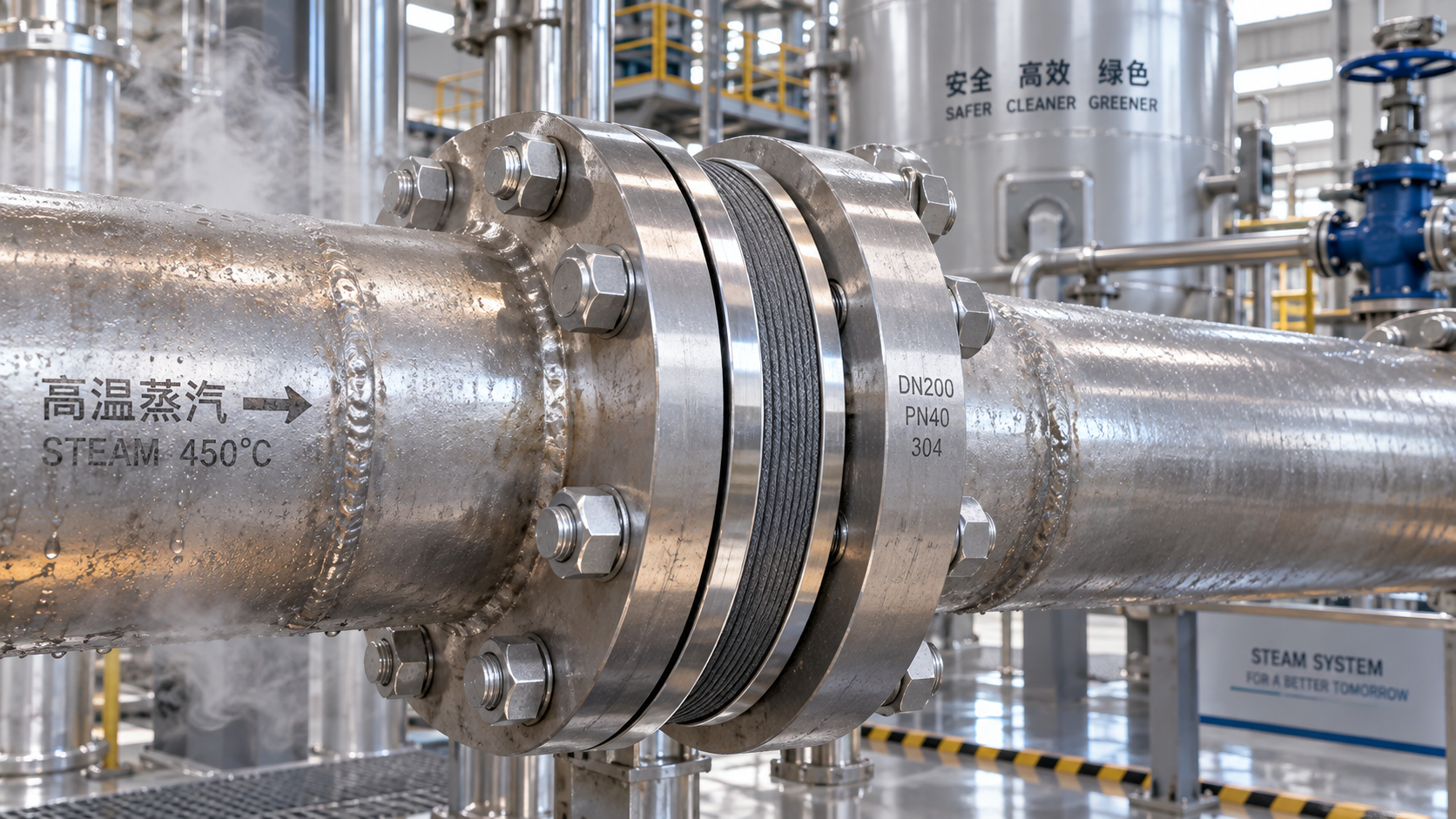
- Selecting High-Temperature Gaskets for Steam, Flanges, and Thermal CyclingAuthor :Heavy Industry Strategist

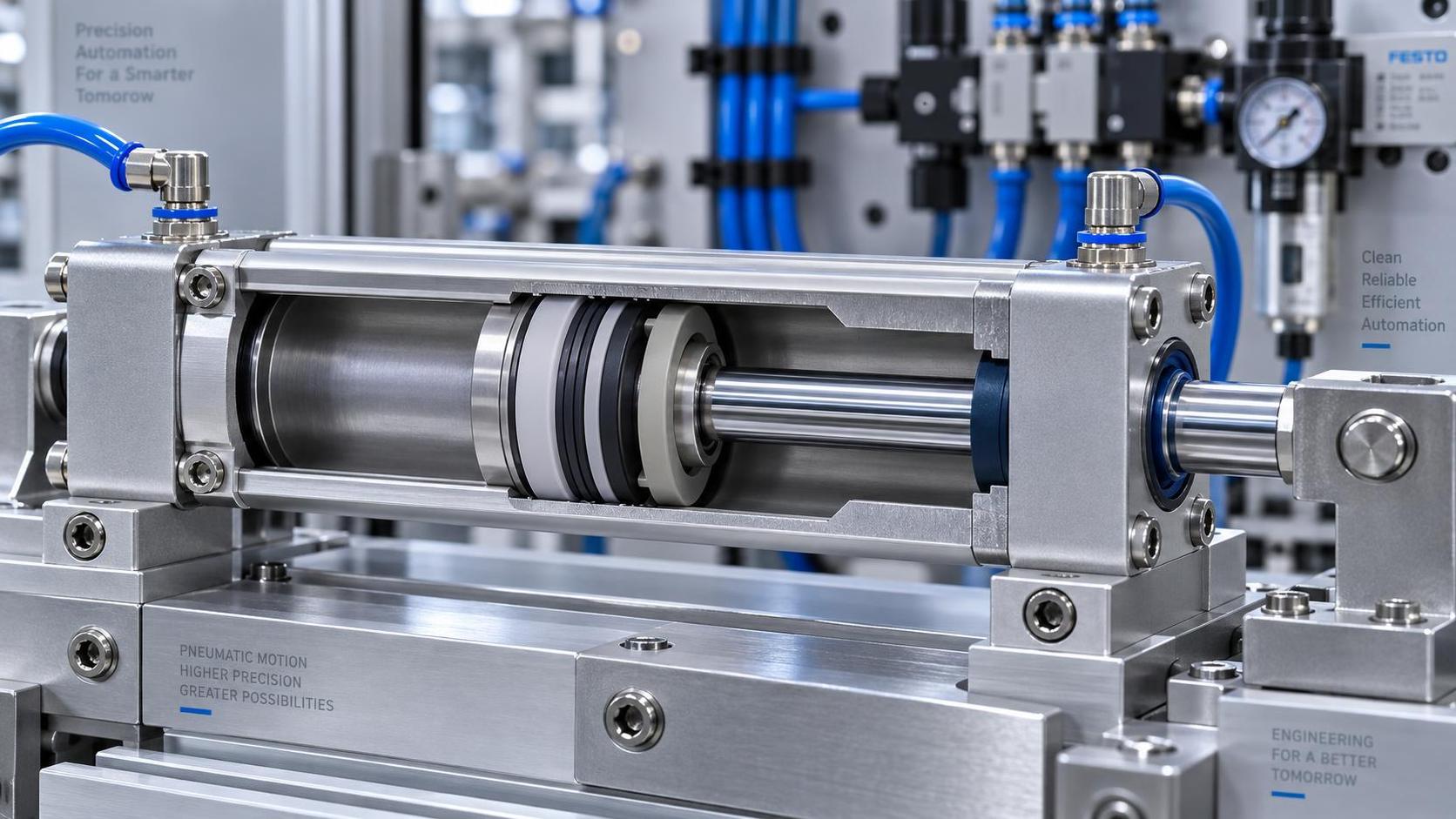
- Selecting Low-Friction Pneumatic Seals for High-Cycle, Low-Pressure CylindersAuthor :Heavy Industry Strategist

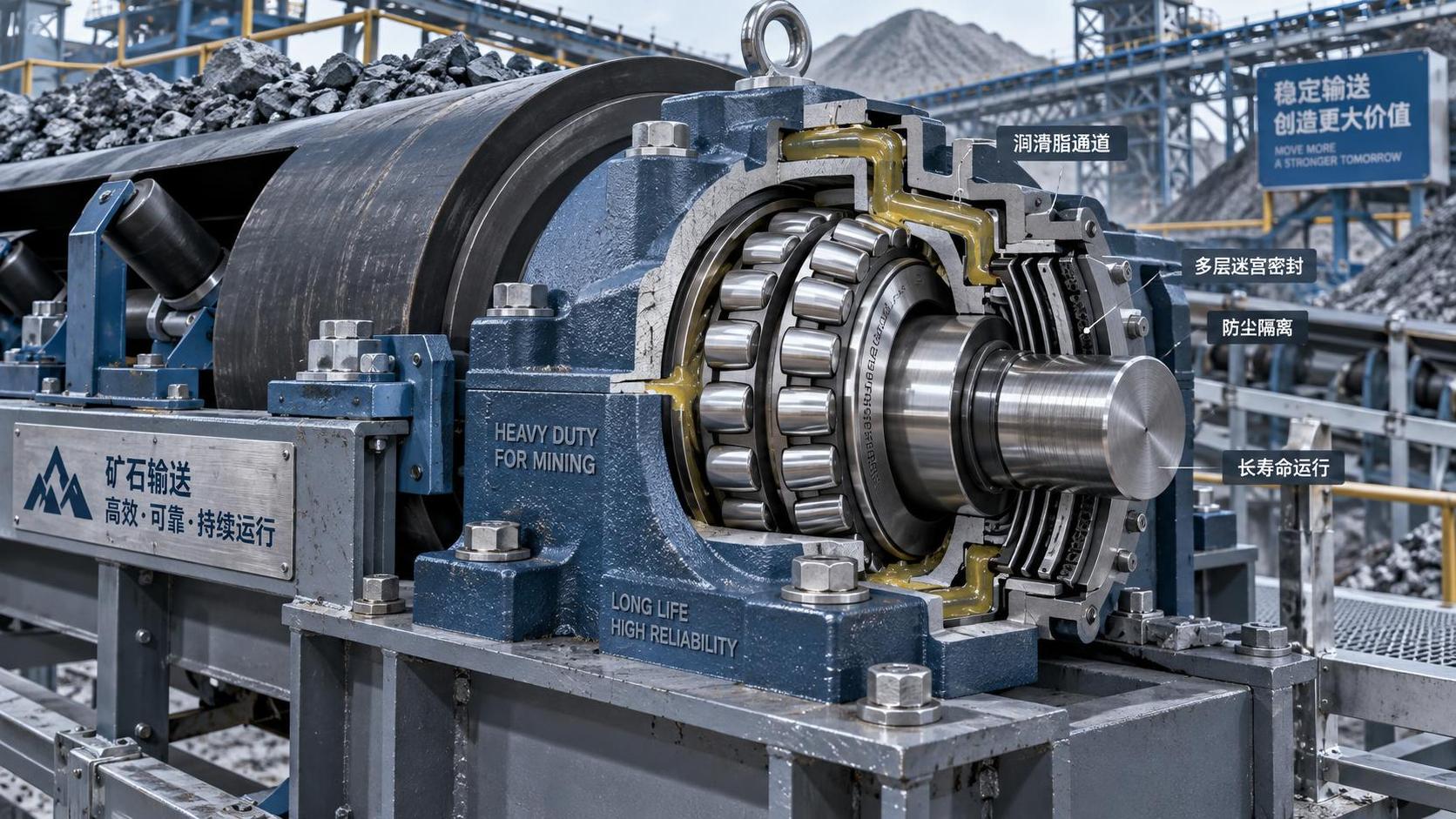
- Selecting Spherical Roller Bearings for Mining: Load, Contamination, and Service LifeAuthor :Heavy Industry Strategist

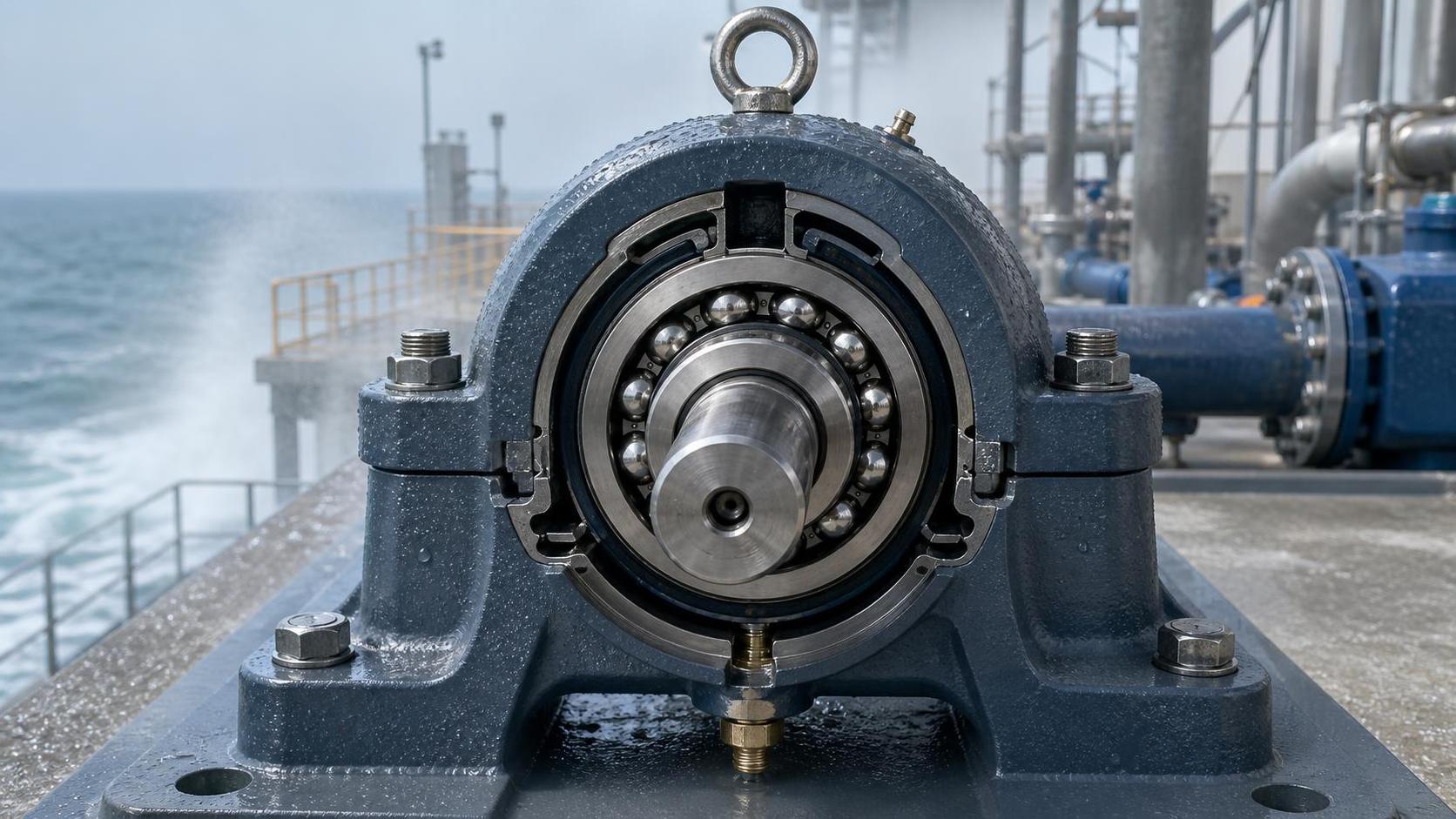
- Do Deep Groove Ball Bearings Need Special Seals in Coastal Humidity?Author :Heavy Industry Strategist

- How to Select Anti Vibration Rubber Shock Absorbers for Machinery and EquipmentAuthor :Heavy Industry Strategist

- When to Specify Induction Hardened Slewing Ring Bearings for Heavy-Duty EquipmentAuthor :Heavy Industry Strategist

- How to Evaluate Weather Resistant EPDM Extrusion for Outdoor Sealing ApplicationsAuthor :Heavy Industry Strategist