Where Tapered Roller Bearings Fit in Demanding Mechanical Applications
Author
Date Published
Reading Time
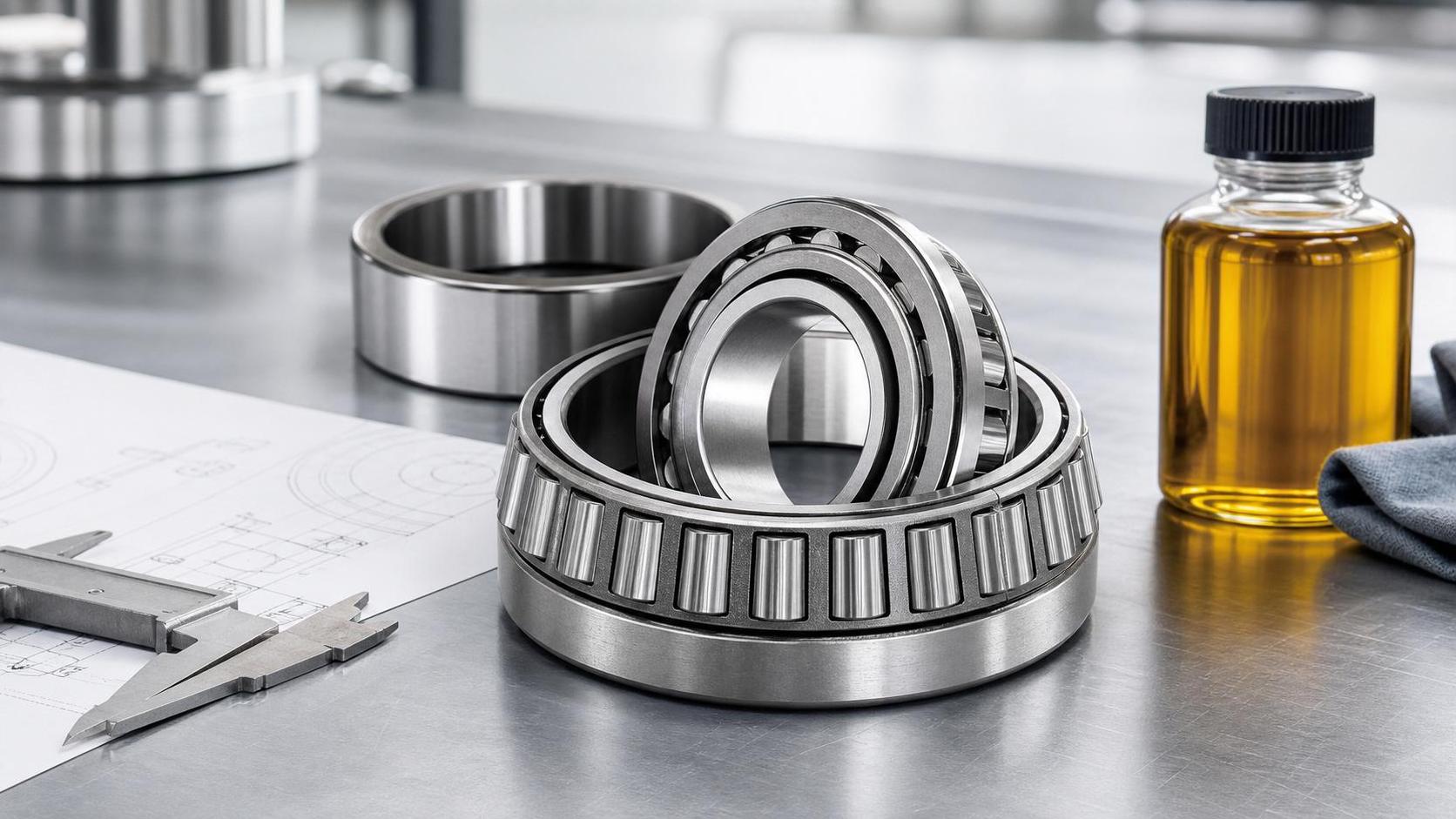
Industrial and commercial purchasing often starts with a familiar product name, yet the most reliable orders are built from application details. For machinery maintenance teams, gearbox builders, vehicle parts distributors, agricultural equipment buyers, and bearing resellers, Tapered Roller Bearings should be reviewed through use conditions, quality expectations, inspection, packing, and after-arrival workflow. A product page can confirm the category, but the purchase order must describe how the product will be processed, installed, stored, or resold.
This guide gives buyers a practical framework for evaluating the product without relying on exaggerated claims or unsupported numbers. It focuses on decision factors that can be checked before shipment: specification clarity, supplier communication, document control, packaging, and receiving discipline. The result is a more useful article for procurement teams that need fewer disputes and more predictable delivery quality.
Match the Bearing to Load Direction
Match the Bearing to Load Direction is where the buyer should turn a product name into a working specification. For machinery maintenance teams, gearbox builders, vehicle parts distributors, agricultural equipment buyers, and bearing resellers, the product is connected with wheel hubs, gearboxes, conveyors, reducers, agricultural machinery, industrial shafts, and mixed radial-axial load positions. If the inquiry only asks for a price, the supplier may not see the operating condition, visual requirement, tolerance need, or handling risk that will decide whether the shipment is accepted after arrival.
The main risk is wrong load direction, poor fit, inadequate lubrication, incorrect clearance, contamination, and weak replacement records. These issues usually start as small omissions in the first discussion. A stronger purchasing process records the application, key technical fields, inspection expectations, document package, and packing method before the quotation is treated as final. That makes supplier comparison more factual and reduces avoidable claims.
Buyers should also treat load direction, bearing fit, lubrication, sealing, clearance, mounting discipline, and supplier comparison as a connected workflow rather than separate checklist items. When one field changes, the team should review its effect on cost, delivery, receiving, fabrication, resale, and project acceptance. This habit is especially useful for repeat orders because it prevents quiet specification drift between shipments.
Review Shaft and Housing Fit
Review Shaft and Housing Fit is where the buyer should turn a product name into a working specification. For machinery maintenance teams, gearbox builders, vehicle parts distributors, agricultural equipment buyers, and bearing resellers, the product is connected with wheel hubs, gearboxes, conveyors, reducers, agricultural machinery, industrial shafts, and mixed radial-axial load positions. If the inquiry only asks for a price, the supplier may not see the operating condition, visual requirement, tolerance need, or handling risk that will decide whether the shipment is accepted after arrival.
The main risk is wrong load direction, poor fit, inadequate lubrication, incorrect clearance, contamination, and weak replacement records. These issues usually start as small omissions in the first discussion. A stronger purchasing process records the application, key technical fields, inspection expectations, document package, and packing method before the quotation is treated as final. That makes supplier comparison more factual and reduces avoidable claims.
Buyers should also treat load direction, bearing fit, lubrication, sealing, clearance, mounting discipline, and supplier comparison as a connected workflow rather than separate checklist items. When one field changes, the team should review its effect on cost, delivery, receiving, fabrication, resale, and project acceptance. This habit is especially useful for repeat orders because it prevents quiet specification drift between shipments.
Plan Lubrication Before Installation
Plan Lubrication Before Installation is where the buyer should turn a product name into a working specification. For machinery maintenance teams, gearbox builders, vehicle parts distributors, agricultural equipment buyers, and bearing resellers, the product is connected with wheel hubs, gearboxes, conveyors, reducers, agricultural machinery, industrial shafts, and mixed radial-axial load positions. If the inquiry only asks for a price, the supplier may not see the operating condition, visual requirement, tolerance need, or handling risk that will decide whether the shipment is accepted after arrival.
The main risk is wrong load direction, poor fit, inadequate lubrication, incorrect clearance, contamination, and weak replacement records. These issues usually start as small omissions in the first discussion. A stronger purchasing process records the application, key technical fields, inspection expectations, document package, and packing method before the quotation is treated as final. That makes supplier comparison more factual and reduces avoidable claims.
Buyers should also treat load direction, bearing fit, lubrication, sealing, clearance, mounting discipline, and supplier comparison as a connected workflow rather than separate checklist items. When one field changes, the team should review its effect on cost, delivery, receiving, fabrication, resale, and project acceptance. This habit is especially useful for repeat orders because it prevents quiet specification drift between shipments.
Control Clearance and Mounting Method
Control Clearance and Mounting Method is where the buyer should turn a product name into a working specification. For machinery maintenance teams, gearbox builders, vehicle parts distributors, agricultural equipment buyers, and bearing resellers, the product is connected with wheel hubs, gearboxes, conveyors, reducers, agricultural machinery, industrial shafts, and mixed radial-axial load positions. If the inquiry only asks for a price, the supplier may not see the operating condition, visual requirement, tolerance need, or handling risk that will decide whether the shipment is accepted after arrival.
The main risk is wrong load direction, poor fit, inadequate lubrication, incorrect clearance, contamination, and weak replacement records. These issues usually start as small omissions in the first discussion. A stronger purchasing process records the application, key technical fields, inspection expectations, document package, and packing method before the quotation is treated as final. That makes supplier comparison more factual and reduces avoidable claims.
Buyers should also treat load direction, bearing fit, lubrication, sealing, clearance, mounting discipline, and supplier comparison as a connected workflow rather than separate checklist items. When one field changes, the team should review its effect on cost, delivery, receiving, fabrication, resale, and project acceptance. This habit is especially useful for repeat orders because it prevents quiet specification drift between shipments.
Protect Bearings From Contamination
Protect Bearings From Contamination is where the buyer should turn a product name into a working specification. For machinery maintenance teams, gearbox builders, vehicle parts distributors, agricultural equipment buyers, and bearing resellers, the product is connected with wheel hubs, gearboxes, conveyors, reducers, agricultural machinery, industrial shafts, and mixed radial-axial load positions. If the inquiry only asks for a price, the supplier may not see the operating condition, visual requirement, tolerance need, or handling risk that will decide whether the shipment is accepted after arrival.
The main risk is wrong load direction, poor fit, inadequate lubrication, incorrect clearance, contamination, and weak replacement records. These issues usually start as small omissions in the first discussion. A stronger purchasing process records the application, key technical fields, inspection expectations, document package, and packing method before the quotation is treated as final. That makes supplier comparison more factual and reduces avoidable claims.
Buyers should also treat load direction, bearing fit, lubrication, sealing, clearance, mounting discipline, and supplier comparison as a connected workflow rather than separate checklist items. When one field changes, the team should review its effect on cost, delivery, receiving, fabrication, resale, and project acceptance. This habit is especially useful for repeat orders because it prevents quiet specification drift between shipments.
Use Records to Improve Replacement Decisions
Use Records to Improve Replacement Decisions is where the buyer should turn a product name into a working specification. For machinery maintenance teams, gearbox builders, vehicle parts distributors, agricultural equipment buyers, and bearing resellers, the product is connected with wheel hubs, gearboxes, conveyors, reducers, agricultural machinery, industrial shafts, and mixed radial-axial load positions. If the inquiry only asks for a price, the supplier may not see the operating condition, visual requirement, tolerance need, or handling risk that will decide whether the shipment is accepted after arrival.
The main risk is wrong load direction, poor fit, inadequate lubrication, incorrect clearance, contamination, and weak replacement records. These issues usually start as small omissions in the first discussion. A stronger purchasing process records the application, key technical fields, inspection expectations, document package, and packing method before the quotation is treated as final. That makes supplier comparison more factual and reduces avoidable claims.
Buyers should also treat load direction, bearing fit, lubrication, sealing, clearance, mounting discipline, and supplier comparison as a connected workflow rather than separate checklist items. When one field changes, the team should review its effect on cost, delivery, receiving, fabrication, resale, and project acceptance. This habit is especially useful for repeat orders because it prevents quiet specification drift between shipments.
Practical Buyer Evaluation Table
Pre-Order Checklist
- Define the final application and expected operating environment before requesting the final quotation.
- Confirm the core specification fields in writing, including size, grade, model, packaging, or surface requirement as relevant.
- Ask what is included in the quotation and which items require separate confirmation.
- Request drawings, labels, inspection records, document samples, or packing photos when the order has resale or project risk.
- Plan receiving, storage, and internal handling before the shipment arrives.
- Keep a repeat-order record so future purchases can follow the approved specification.
FAQ
Why are tapered bearings used in mixed-load positions?
Their geometry can handle radial load and axial load together when correctly selected, mounted, and lubricated.
What causes early bearing failure?
Common causes include wrong fit, contamination, poor lubrication, incorrect clearance, overload, and rough mounting practice.
Should buyers ask for exact model interchange?
Yes. Model, dimensions, clearance, cage type, and application should be confirmed before substitution.
Editorial Review Note
This article is buyer-facing guidance prepared for external publishing. It avoids fabricated prices, unsupported project claims, invented case numbers, and overstated performance promises.
Technical Specifications
- How to Select Electronic Hotel Key Card Locks for Guest Rooms and Staff AreasAuthor :Safety Compliance Lead
- How to Select Lab Instruments for Reliable Chemical Analysis WorkflowsAuthor :Precision Metrology Expert
- How to Size a UPS for Server Rooms: Load, Runtime, and Redundancy FactorsAuthor :Grid Infrastructure Analyst
Expert Insights

Chief Security Architect
Dr. Thorne specializes in the intersection of structural engineering and digital resilience. He has advised three G7 governments on industrial infrastructure security.
Related Analysis
- Sep 17, 2026How to Select Electronic Hotel Key Card Locks for Guest Rooms and Staff AreasAuthor :Safety Compliance Lead
- Sep 16, 2026How to Select Lab Instruments for Reliable Chemical Analysis WorkflowsAuthor :Precision Metrology Expert
- Sep 15, 2026How to Size a UPS for Server Rooms: Load, Runtime, and Redundancy FactorsAuthor :Grid Infrastructure Analyst
Core Sector // 01
Security & Safety
- Selecting Low-Friction Pneumatic Seals for High-Cycle, Low-Pressure CylindersAuthor :Heavy Industry Strategist

- Selecting Spherical Roller Bearings for Mining: Load, Contamination, and Service LifeAuthor :Heavy Industry Strategist

- Do Deep Groove Ball Bearings Need Special Seals in Coastal Humidity?Author :Heavy Industry Strategist

- How to Select Anti Vibration Rubber Shock Absorbers for Machinery and EquipmentAuthor :Heavy Industry Strategist

- When to Specify Induction Hardened Slewing Ring Bearings for Heavy-Duty EquipmentAuthor :Heavy Industry Strategist

- How to Evaluate Weather Resistant EPDM Extrusion for Outdoor Sealing ApplicationsAuthor :Heavy Industry Strategist

- Bearing and Seal Lead Times Stretch to 22 WeeksAuthor :Heavy Industry Strategist

- Angular Contact Ball Bearings Explained: Contact Angle, Load Capacity, and Common UsesAuthor :Heavy Industry Strategist