Indonesia's Nickel Mines Shift to SANY Excavators, Boosting Chinese Component Exports
Author
Date Published
Reading Time
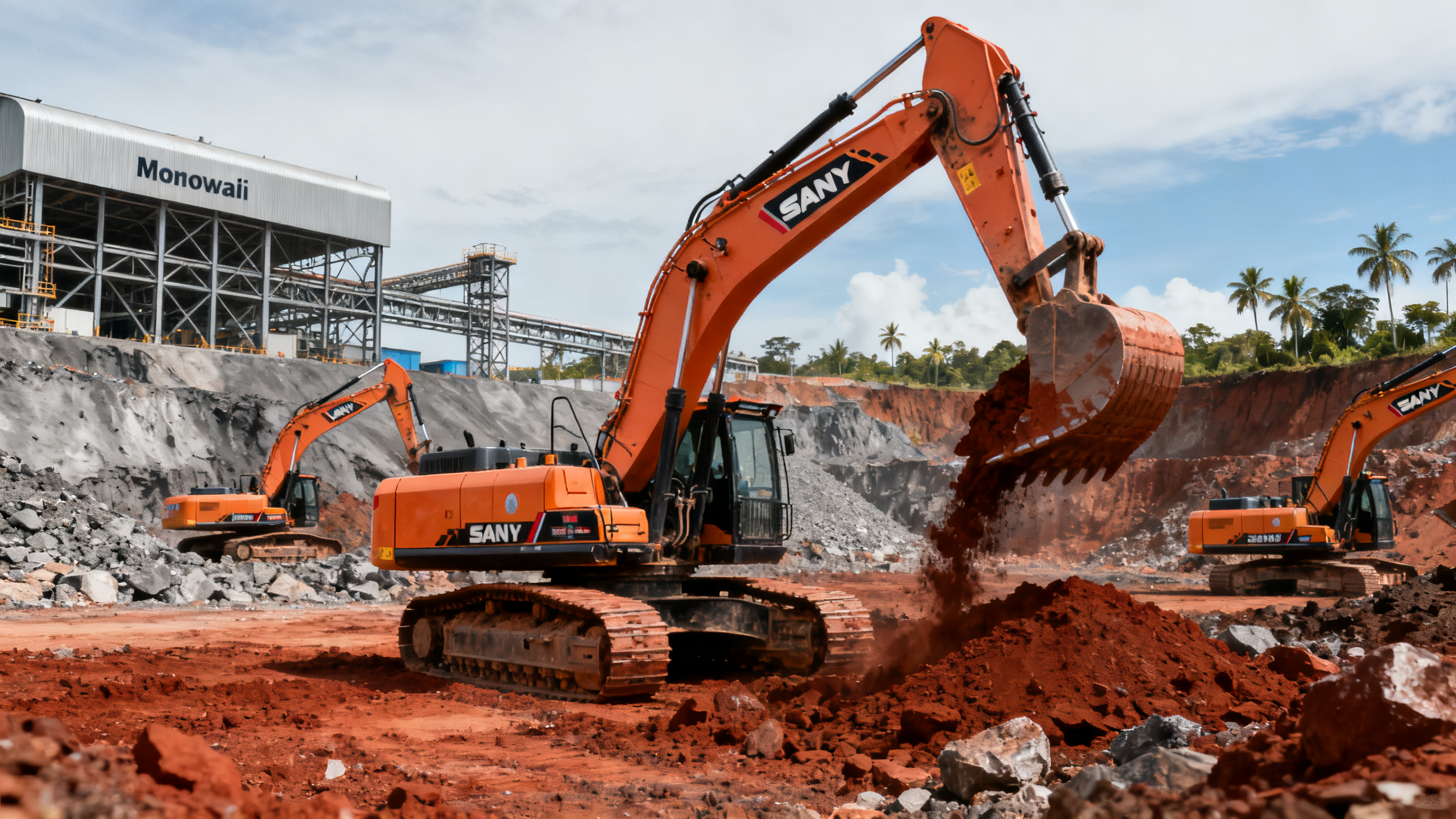
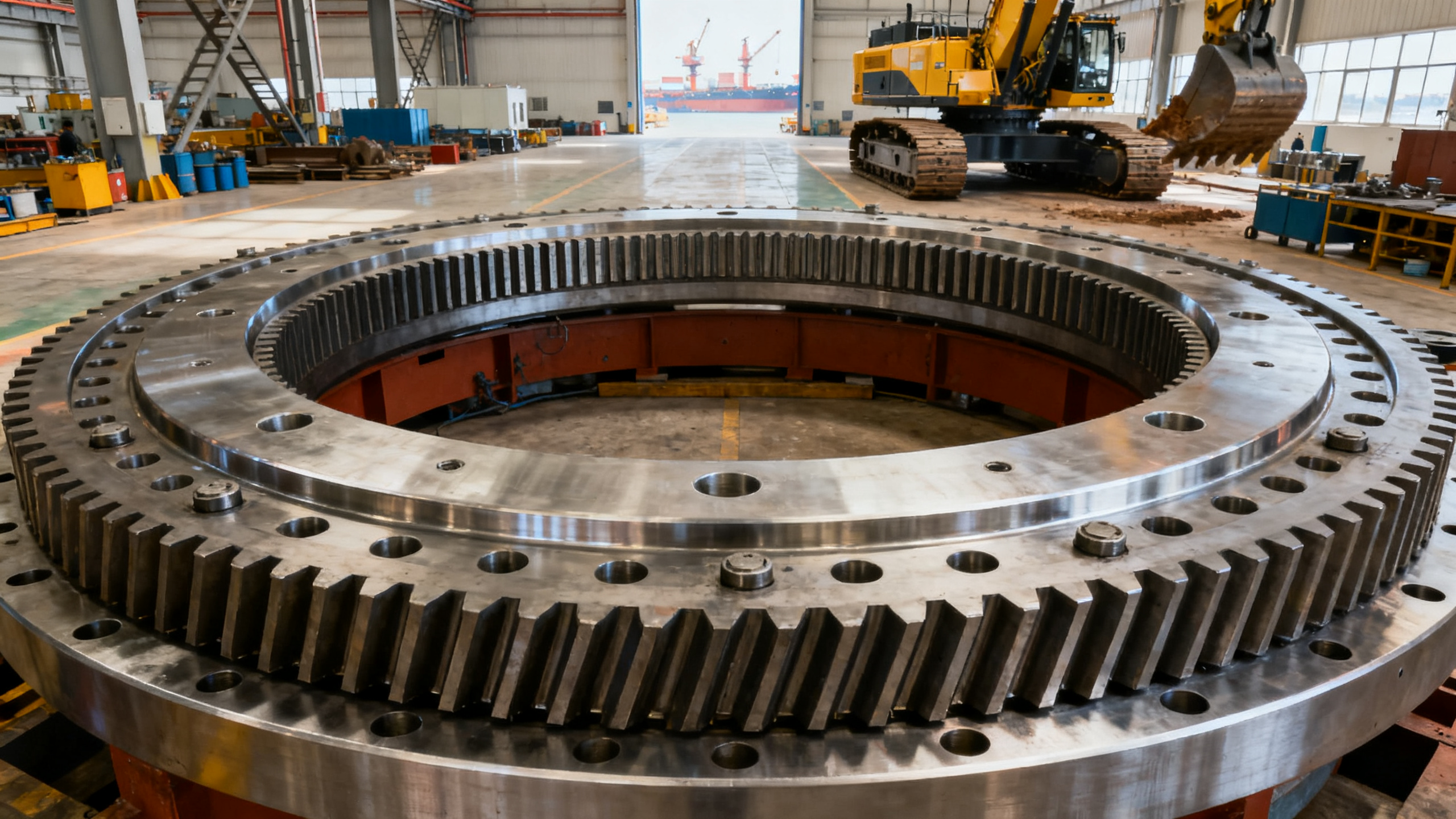
Japanese public broadcaster NHK reported on May 22 that major nickel mining operations in Indonesia have completed a large-scale equipment transition—replacing excavators from Hitachi and Komatsu with those manufactured by SANY Heavy Industry. This shift is triggering measurable ripple effects across several precision component supply chains serving global mining equipment OEMs and aftermarkets.
Event Overview
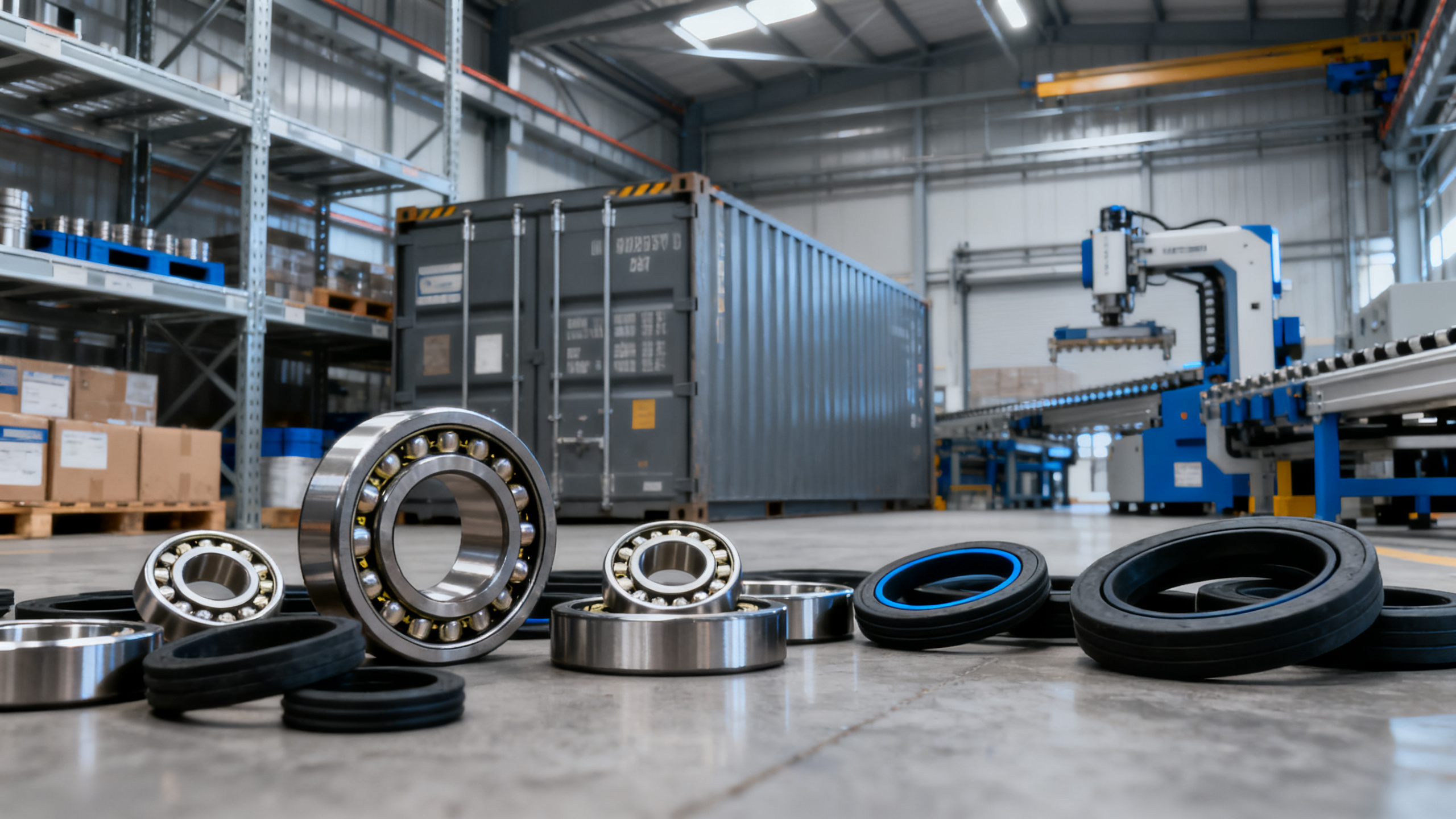
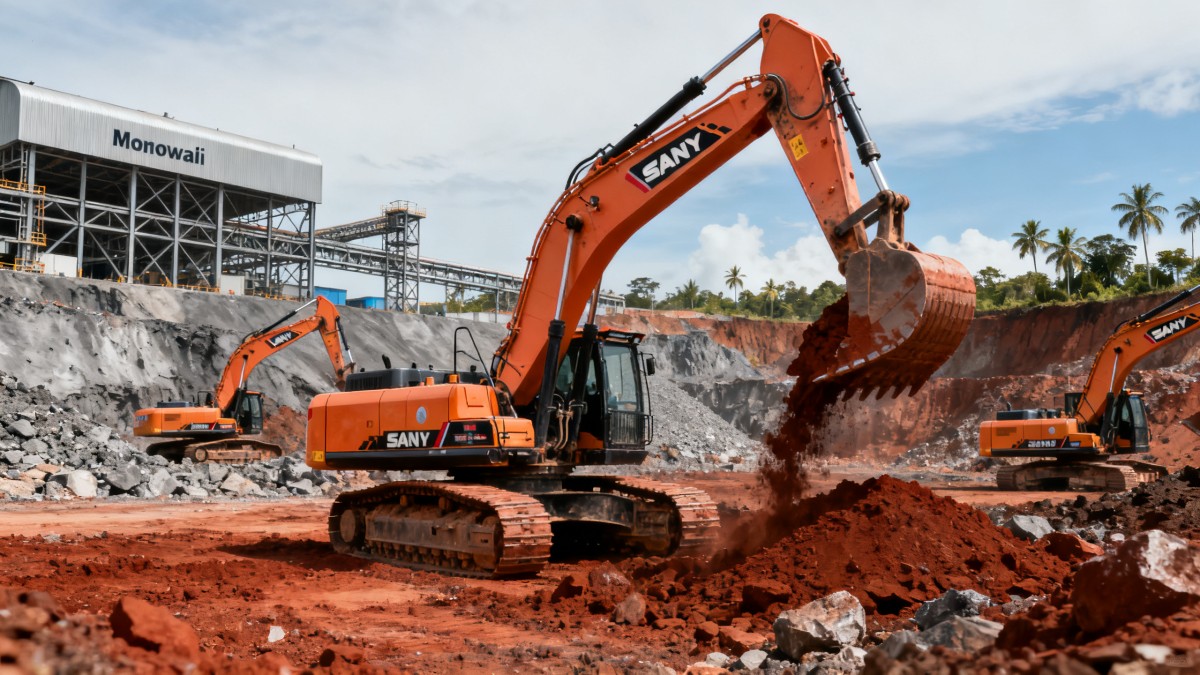
According to NHK’s May 22 special report, Indonesian nickel mining sites—including key integrated smelting complexes in Morowali and Weda Bay—have fully adopted SANY hydraulic excavators for primary ore excavation. The replacement is not limited to machines alone: accompanying orders include hydraulic sealing systems (Bearings & Seals), wear-resistant bucket teeth (Steel & Metal Profiles), and onboard CCTV monitoring units. Chinese suppliers are now accelerating certification under Japanese Industrial Standards JIS B 2401 (for hydraulic seals) and JIS G 4801 (for alloy steel profiles) to meet downstream compliance requirements.
Impact on Specific Industry Segments
Direct Trade Enterprises: Export-oriented firms supplying hydraulic seals or wear-resistant steel components face immediate demand uplift—but also heightened compliance pressure. Their exposure stems directly from OEM-level procurement shifts; revenue growth is contingent on timely JIS certification, not just volume. Delays in documentation or test reporting may disqualify them from tender rounds despite competitive pricing.
Raw Material Procurement Enterprises: Companies sourcing base alloys (e.g., high-chromium white cast iron for bucket teeth) or elastomer compounds (e.g., nitrile rubber for seals) are seeing revised order profiles. Demand is shifting toward tighter tolerances and traceable heat-lot documentation—requirements previously uncommon in non-Japanese export lanes. This implies upstream sourcing must now align with JIS-specified chemical composition and mechanical testing protocols.
Manufacturing Enterprises: Domestic manufacturers of wear parts and sealing assemblies must recalibrate production planning. JIS-compliant batches require longer lead times due to mandatory third-party verification (e.g., JQA or JISC audits), affecting capacity allocation. Notably, some producers report retooling grinding and surface-hardening processes to meet JIS G 4801 hardness uniformity thresholds—beyond prior ISO or ASTM benchmarks.
Supply Chain Service Providers: Logistics and certification support firms are experiencing increased demand for Japan-targeted compliance packaging, bilingual technical dossiers, and expedited JIS audit coordination. Unlike CE or UL pathways, JIS certification often involves direct engagement with Japanese notified bodies and sample submission to domestic labs—introducing new coordination complexity and cost structures.
Key Focus Areas and Recommended Actions
Prioritize JIS Certification Pathway Clarity
Suppliers should map exact JIS clauses referenced in SANY’s procurement specs (e.g., JIS B 2401-2017 Section 5.2 for seal compression set) rather than pursuing blanket certification. Misalignment here risks rejection at customs or during OEM QA audits—even if products meet broader ISO standards.
Strengthen Traceability Infrastructure
Material test reports, heat treatment logs, and dimensional inspection records must be digitally archived with time-stamped, tamper-evident metadata. Japanese buyers increasingly require QR-coded lot passports accessible via mobile scan—going beyond paper-based certificates.
Engage Early with Local Japanese Technical Representatives
Several Chinese exporters report faster JIS clearance when collaborating with Japanese-speaking technical liaisons embedded at JQA-accredited labs. These intermediaries help translate test discrepancies into actionable process adjustments—not just pass/fail outcomes.
Editorial Perspective / Industry Observation
Observably, this equipment switch reflects more than a commercial procurement decision—it signals a structural recalibration in how Japanese-aligned industrial standards are being adopted *through* Chinese OEMs in emerging markets. Analysis shows that SANY’s specification framework now functions as a de facto conduit for JIS adoption outside Japan, effectively extending Tokyo’s regulatory influence into Southeast Asian resource infrastructure. From an industry standpoint, this trend suggests future standardization leverage may reside less with international bodies (e.g., ISO) and more with regional OEMs acting as gatekeepers of national technical norms.
Conclusion
This transition underscores a maturing dynamic in global mining supply chains: technical compliance is no longer a static ‘checkbox’ but a continuous, context-sensitive capability. For Chinese component exporters, success hinges less on cost advantage alone and more on demonstrable alignment with end-market regulatory logic—even when mediated through a third-country OEM. A rational interpretation is that JIS readiness is becoming a strategic differentiator, not merely a transactional requirement.
Source Attribution
Primary source: NHK World-Japan, Special Report “Indonesia’s Nickel Boom and Equipment Shift”, aired May 22, 2024. Official procurement documentation from SANY Indonesia remains unpublished; JIS certification status of individual suppliers is subject to verification via Japan Quality Assurance Organization (JQA) database. Ongoing monitoring is advised for updates on JIS revision timelines (e.g., upcoming JIS B 2401 amendment draft expected Q3 2024) and potential expansion to other ASEAN mining jurisdictions.
Technical Specifications
- How to Select Electronic Hotel Key Card Locks for Guest Rooms and Staff AreasAuthor :Safety Compliance Lead
- How to Select Lab Instruments for Reliable Chemical Analysis WorkflowsAuthor :Precision Metrology Expert
- How to Size a UPS for Server Rooms: Load, Runtime, and Redundancy FactorsAuthor :Grid Infrastructure Analyst
Expert Insights

Chief Security Architect
Dr. Thorne specializes in the intersection of structural engineering and digital resilience. He has advised three G7 governments on industrial infrastructure security.
Related Analysis
- Sep 17, 2026How to Select Electronic Hotel Key Card Locks for Guest Rooms and Staff AreasAuthor :Safety Compliance Lead
- Sep 16, 2026How to Select Lab Instruments for Reliable Chemical Analysis WorkflowsAuthor :Precision Metrology Expert
- Sep 15, 2026How to Size a UPS for Server Rooms: Load, Runtime, and Redundancy FactorsAuthor :Grid Infrastructure Analyst
Core Sector // 01
Security & Safety
- Selecting Low-Friction Pneumatic Seals for High-Cycle, Low-Pressure CylindersAuthor :Heavy Industry Strategist

- Selecting Spherical Roller Bearings for Mining: Load, Contamination, and Service LifeAuthor :Heavy Industry Strategist

- Do Deep Groove Ball Bearings Need Special Seals in Coastal Humidity?Author :Heavy Industry Strategist

- How to Select Anti Vibration Rubber Shock Absorbers for Machinery and EquipmentAuthor :Heavy Industry Strategist

- When to Specify Induction Hardened Slewing Ring Bearings for Heavy-Duty EquipmentAuthor :Heavy Industry Strategist

- How to Evaluate Weather Resistant EPDM Extrusion for Outdoor Sealing ApplicationsAuthor :Heavy Industry Strategist

- Bearing and Seal Lead Times Stretch to 22 WeeksAuthor :Heavy Industry Strategist

- Angular Contact Ball Bearings Explained: Contact Angle, Load Capacity, and Common UsesAuthor :Heavy Industry Strategist