Fruit Attraction 2026 Booth Bookings Hit 90%
Author
Date Published
Reading Time
With the 18th edition of Fruit Attraction Madrid set to open on October 6, 2026, over 90% of exhibition space has been reserved — signaling strong market confidence and shifting procurement priorities across the global fresh produce supply chain. The surge reflects heightened demand for food safety–compliant infrastructure, particularly amid tightening EU and U.S. regulatory enforcement on temperature integrity and material contact compliance.
Event Overview
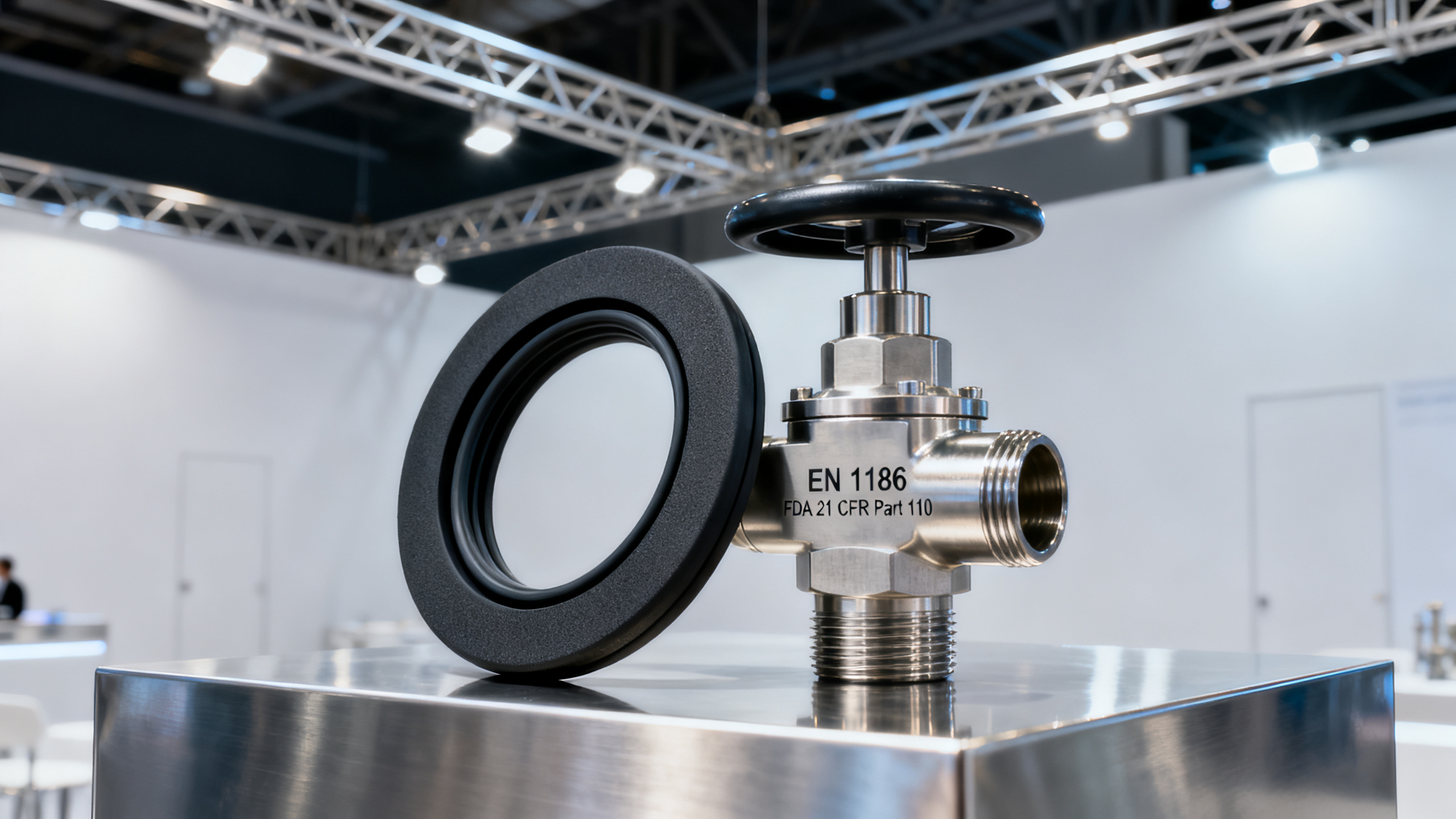
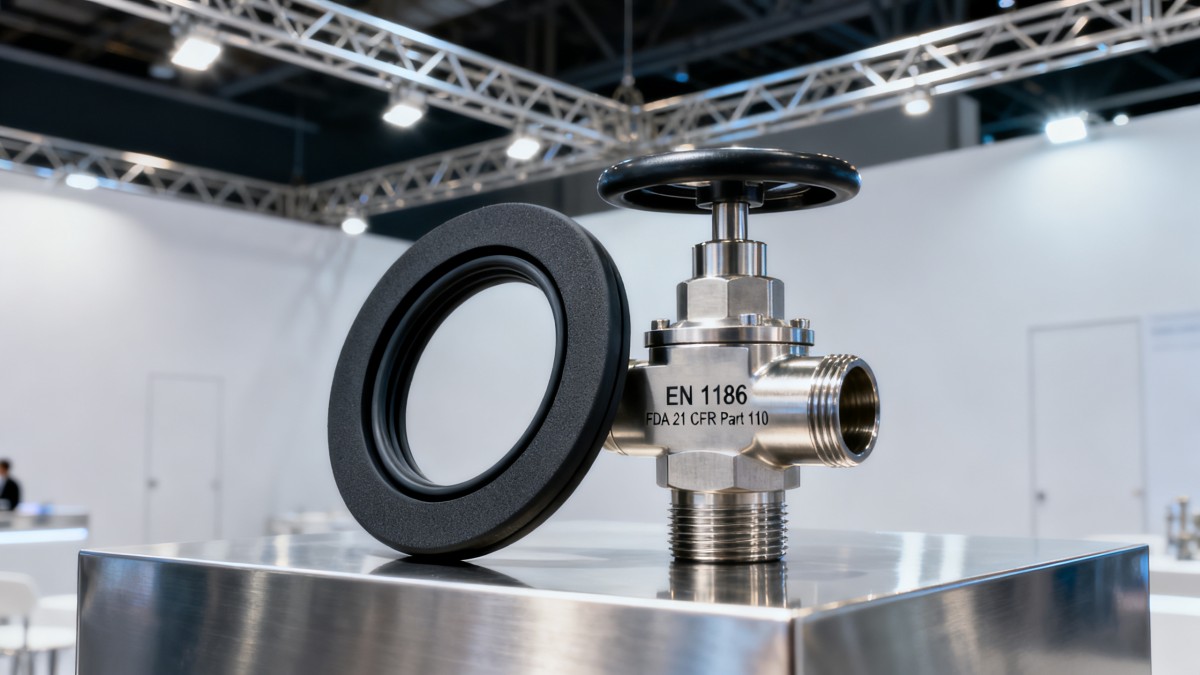
The 18th Fruit Attraction trade fair will take place in Madrid from October 6–8, 2026. According to official figures released by the organizers, booth reservation rate stands at 90.3%. Cold-chain temperature control systems, food-grade rubber sealing components compliant with EN 1186, and aseptic filling valves meeting FDA 21 CFR Part 110 requirements have emerged as the top three most inquired product categories among European buyers onsite.
Industries Affected
Direct trading enterprises face intensified pressure to align export-ready equipment with regional food safety standards. Their ability to demonstrate certified compliance — not just product functionality — now directly impacts order conversion, especially when tendering for contracts with EU supermarket groups or public-sector procurement bodies.
Raw material procurement firms, particularly those sourcing elastomers, valve housings, or gasket compounds, are seeing increased technical due diligence from downstream clients. Material traceability, migration test reports, and third-party certification validity (e.g., TÜV, SGS) are no longer optional documentation but prerequisites for quotation eligibility.
Manufacturing companies producing seals, valves, or refrigeration units must reassess design validation protocols. For instance, EN 1186 compliance requires testing under simulated food-contact conditions — a step beyond standard mechanical performance validation. Manufacturers lacking internal food-contact testing capacity may face longer time-to-market or reliance on external labs with limited EU-accredited slots.
Supply chain service providers, including logistics integrators and certification consultants, are observing rising demand for bundled support: gap analysis against EN 1186/FDA 21 CFR Part 110, audit preparation, and bilingual technical documentation localization. This signals a shift from transactional compliance assistance toward embedded regulatory strategy partnerships.
Key Focus Areas & Recommended Actions
Verify and consolidate food-safety certifications
Enterprises supplying to Fruit Attraction buyers should audit existing certifications for scope alignment, expiry dates, and issuing body accreditation status. Priority should be given to EN 1186 (for rubber/plastic seals) and FDA 21 CFR Part 110 (for processing equipment), not generic ISO 9001 or CE Marking alone.
Pre-qualify technical documentation for EU and U.S. markets
Prepare multilingual declarations of conformity, migration test summaries, and material safety data sheets (MSDS/SDS) with explicit reference to applicable clauses of EN 1186 and FDA 21 CFR Part 110. Avoid generic phrasing such as “food-safe” — use precise regulatory terminology like “intended for repeated contact with acidic aqueous foodstuffs.”
Engage early with accredited testing laboratories
Lead times for EN 1186 migration testing and FDA-compliant extractables studies currently average 8–12 weeks. Firms planning participation in Fruit Attraction 2026 or targeting post-show follow-ups should initiate lab engagement by Q2 2026 to avoid bottlenecks.
Editorial Insight / Industry Observation
Observably, the top-three inquiry pattern at Fruit Attraction 2026 does not reflect isolated product preferences but rather a structural recalibration of buyer risk assessment. Rather than evaluating equipment solely on thermal efficiency or flow rate, procurement teams now treat material compliance as a non-negotiable system-level requirement — one that cascades into warranty terms, liability clauses, and after-sales service obligations. Analysis shows this trend is accelerating faster in chilled/frozen produce segments than in ambient categories, suggesting refrigerated logistics operators may become de facto gatekeepers for upstream component suppliers.
Conclusion
The 90.3% booth occupancy rate at Fruit Attraction 2026 underscores sustained industry investment in cold-chain resilience — but more critically, it reveals a maturing consensus that food-grade integrity begins not at the packing line, but at the interface between seal and surface, valve and vessel. For component manufacturers and service providers, this is less about adding certifications to a brochure and more about embedding regulatory logic into engineering workflows and commercial proposals.
Source Attribution
Official data sourced from Fruit Attraction Madrid Organizing Committee (press release dated June 15, 2026); EN 1186-1:2023 and FDA 21 CFR Part 110 regulatory texts verified via CEN and U.S. FDA eCFR portals. Ongoing monitoring required for potential updates to EU Regulation (EU) No 10/2011 amendment proposals and FDA’s forthcoming guidance on reusable food-contact surfaces (expected Q4 2026).
Technical Specifications
- How to Select Electronic Hotel Key Card Locks for Guest Rooms and Staff AreasAuthor :Safety Compliance Lead
- How to Select Lab Instruments for Reliable Chemical Analysis WorkflowsAuthor :Precision Metrology Expert
- How to Size a UPS for Server Rooms: Load, Runtime, and Redundancy FactorsAuthor :Grid Infrastructure Analyst
Expert Insights

Chief Security Architect
Dr. Thorne specializes in the intersection of structural engineering and digital resilience. He has advised three G7 governments on industrial infrastructure security.
Related Analysis
- Sep 17, 2026How to Select Electronic Hotel Key Card Locks for Guest Rooms and Staff AreasAuthor :Safety Compliance Lead
- Sep 16, 2026How to Select Lab Instruments for Reliable Chemical Analysis WorkflowsAuthor :Precision Metrology Expert
- Sep 15, 2026How to Size a UPS for Server Rooms: Load, Runtime, and Redundancy FactorsAuthor :Grid Infrastructure Analyst
Core Sector // 01
Security & Safety
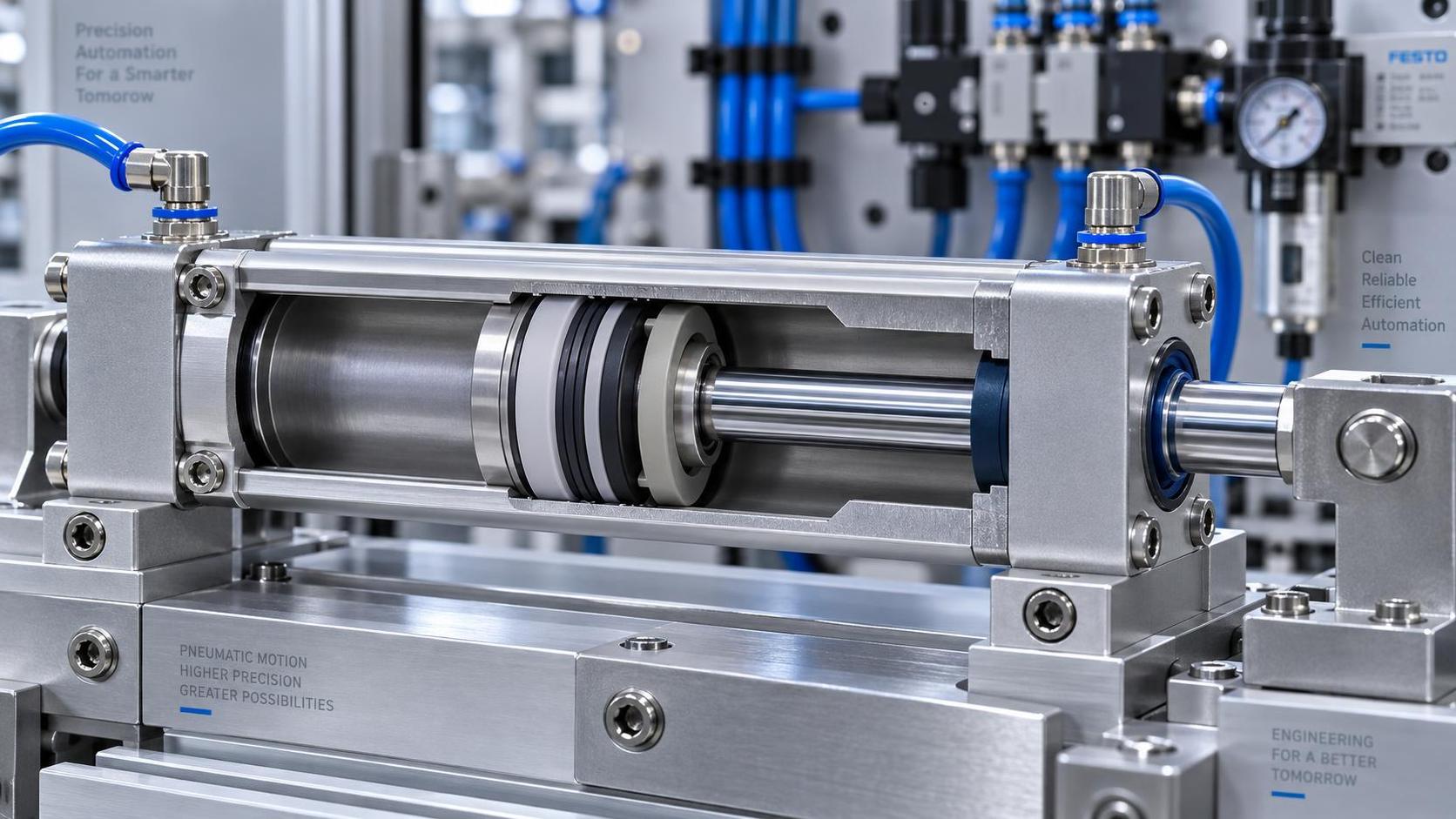
- Selecting Low-Friction Pneumatic Seals for High-Cycle, Low-Pressure CylindersAuthor :Heavy Industry Strategist

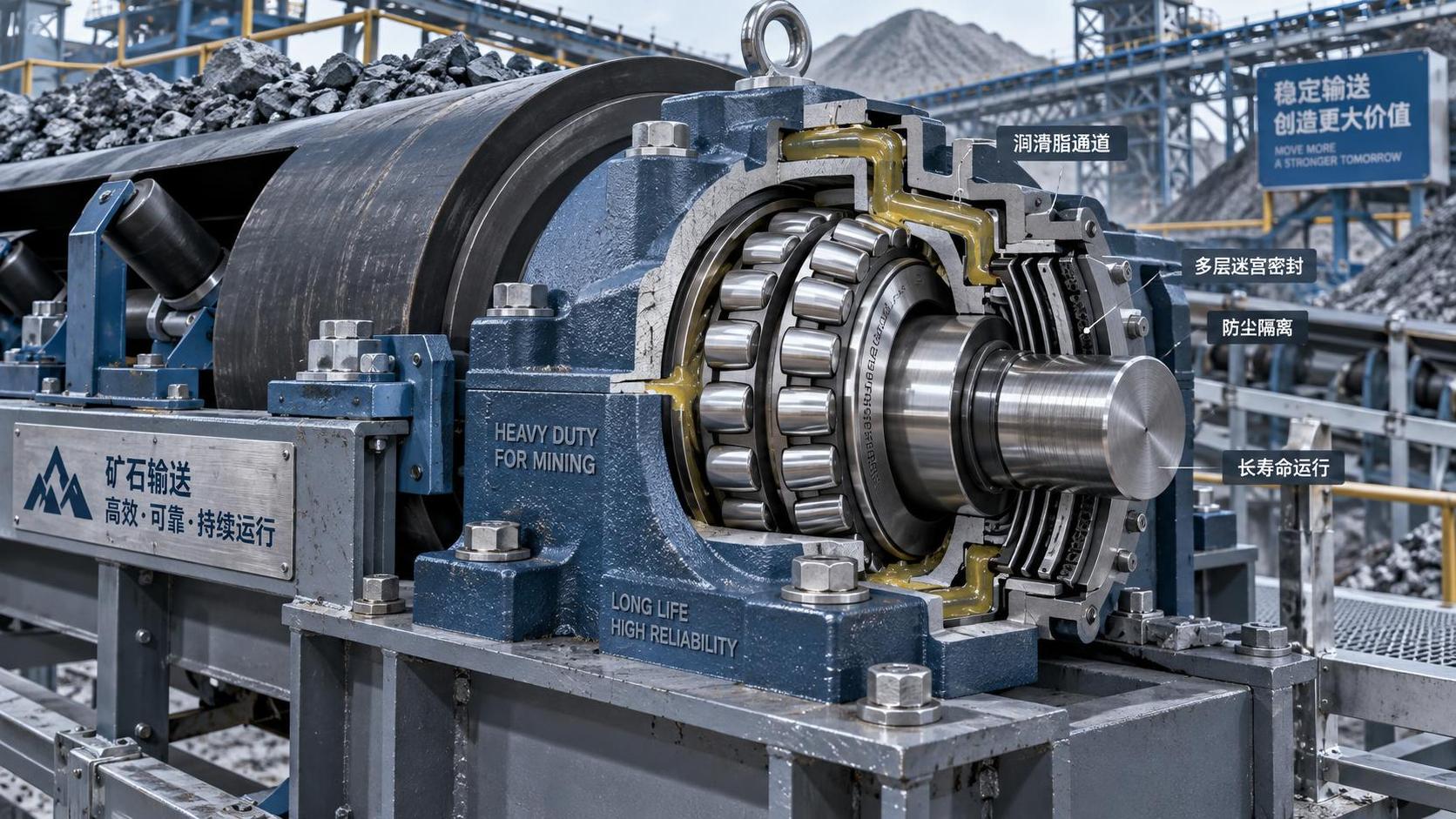
- Selecting Spherical Roller Bearings for Mining: Load, Contamination, and Service LifeAuthor :Heavy Industry Strategist

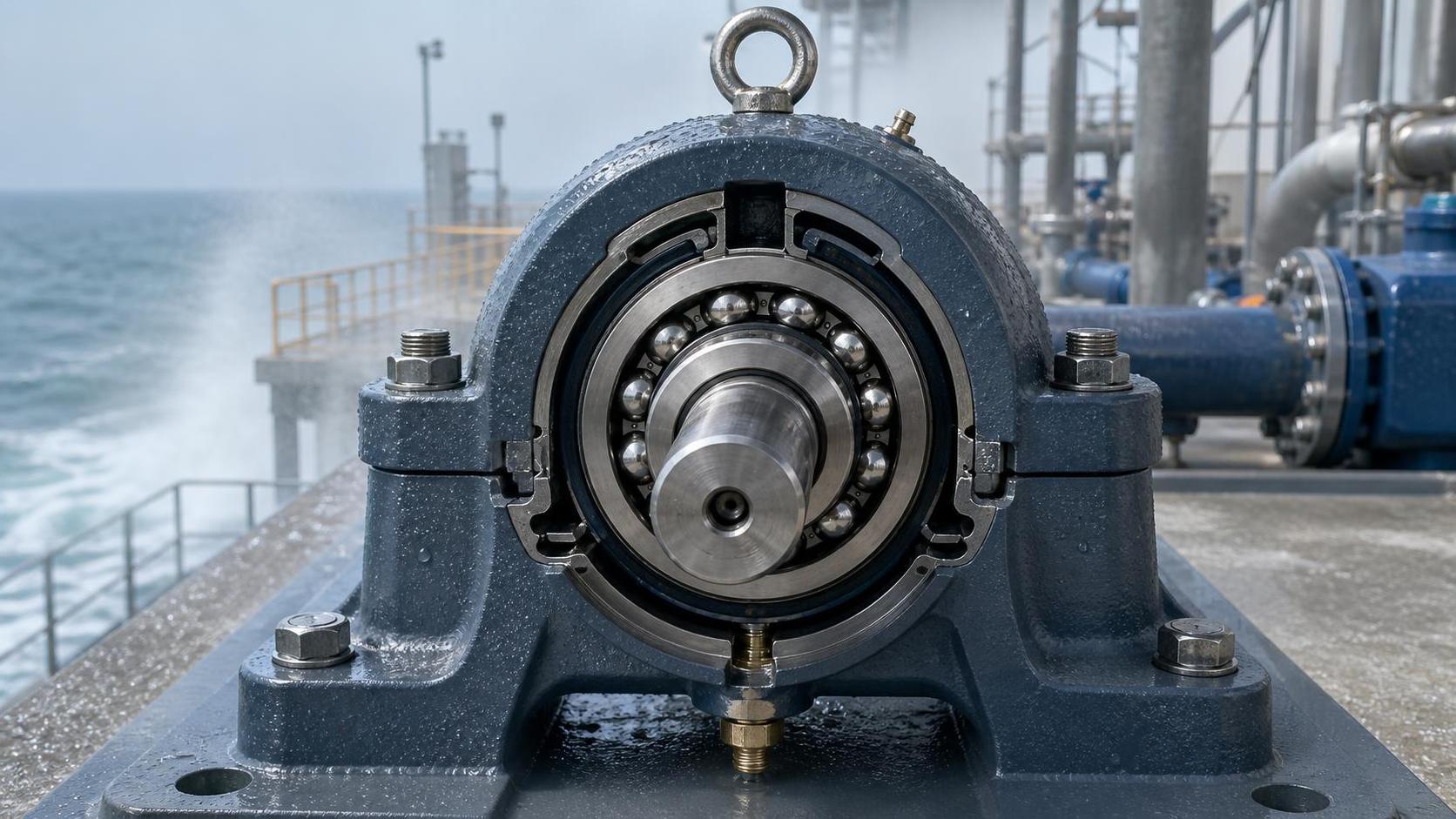
- Do Deep Groove Ball Bearings Need Special Seals in Coastal Humidity?Author :Heavy Industry Strategist

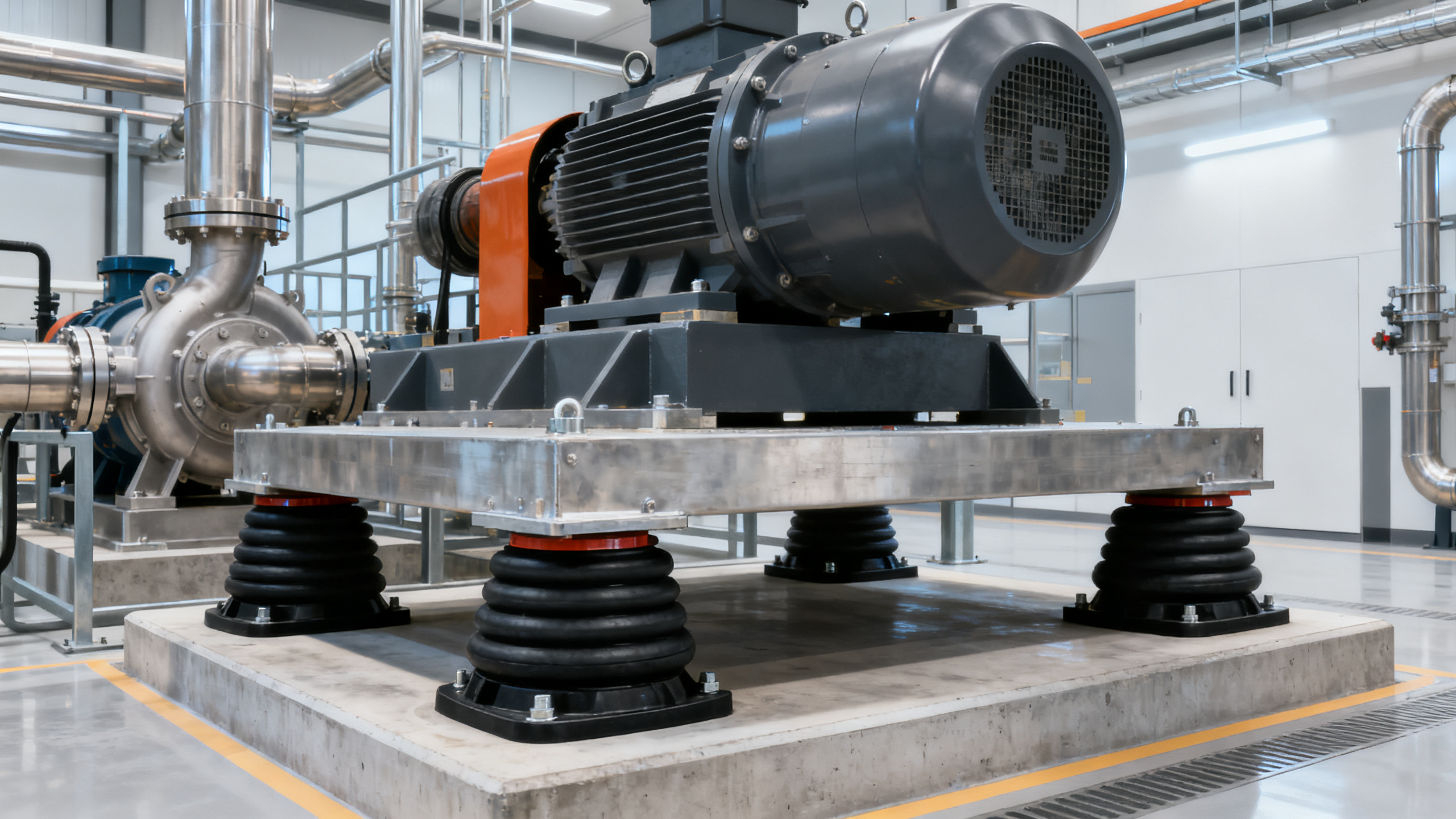
- How to Select Anti Vibration Rubber Shock Absorbers for Machinery and EquipmentAuthor :Heavy Industry Strategist

- When to Specify Induction Hardened Slewing Ring Bearings for Heavy-Duty EquipmentAuthor :Heavy Industry Strategist

- How to Evaluate Weather Resistant EPDM Extrusion for Outdoor Sealing ApplicationsAuthor :Heavy Industry Strategist

- Bearing and Seal Lead Times Stretch to 22 WeeksAuthor :Heavy Industry Strategist

- Angular Contact Ball Bearings Explained: Contact Angle, Load Capacity, and Common UsesAuthor :Heavy Industry Strategist