Wholesale air purifiers for large spaces need more than CADR numbers
Author
Date Published
Reading Time
For buyers evaluating wholesale air purifiers for large spaces, CADR is only the starting point. In industrial and commercial environments, long-term performance depends on airflow design, activated carbon air filter options, pocket air filters, hepa filters bulk quality, and compatibility with ahu handling units or commercial dehumidifiers. This guide helps procurement teams and facility decision-makers assess what truly matters beyond headline numbers.
In warehouses, production halls, logistics hubs, laboratories, and mixed-use commercial facilities, the wrong specification can create recurring operating costs for 3 to 5 years. A unit that looks strong on paper may still fail if air distribution is poor, filters load too quickly, or the system cannot integrate with existing HVAC infrastructure. That is why wholesale evaluation should move beyond a single airflow figure and toward total system suitability.
For operators, the real question is whether the purifier can maintain stable indoor air quality across 500 to 5,000 square meters with shifting occupancy, dust loads, odors, and humidity. For procurement teams, the issue is broader: lifecycle cost, maintenance intervals, filter replacement availability, and compliance alignment. For decision-makers, resilience and business continuity matter just as much as initial purchase price.
Why CADR alone is not enough for large-space air purification
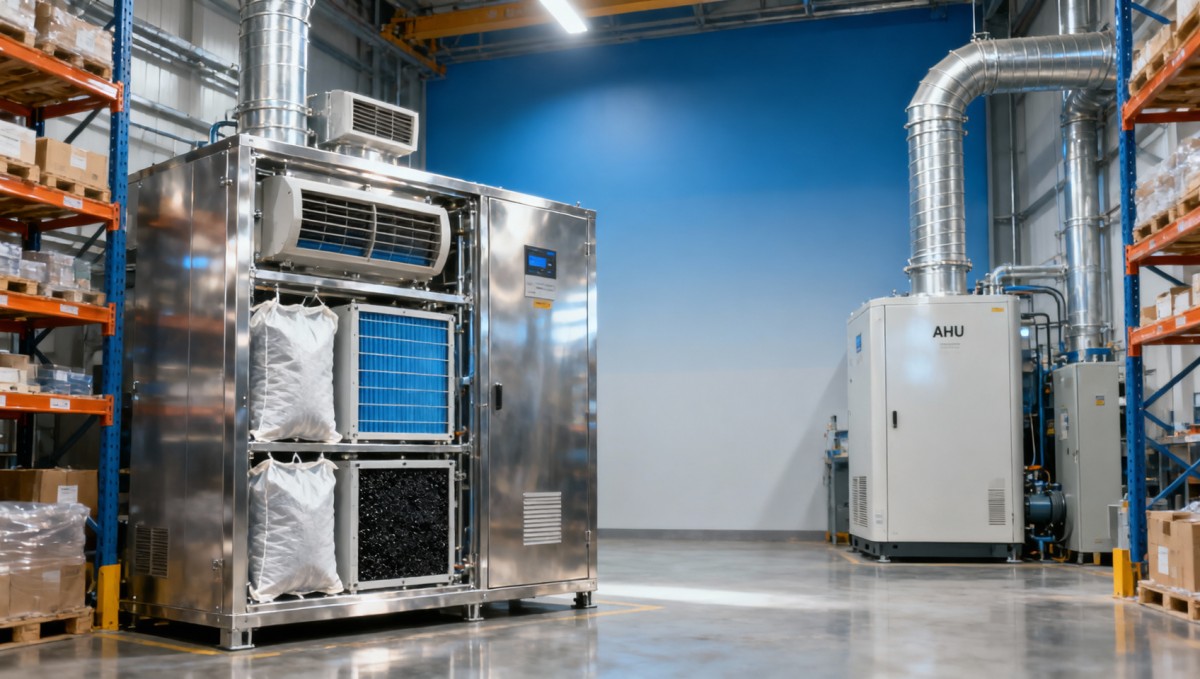
CADR, or Clean Air Delivery Rate, is useful because it indicates how quickly a purifier can reduce airborne particles under test conditions. However, large industrial and commercial spaces rarely behave like test chambers. Ceiling heights may range from 4 to 12 meters, airflow paths are interrupted by shelving or machinery, and contaminants are not limited to fine dust. In these environments, CADR is a screening metric, not a complete buying decision.
A purifier rated for a high CADR may still underperform if it cannot achieve effective air changes per hour across the full room volume. For many large spaces, a practical target is 4 to 8 ACH for general air cleaning, while higher-risk zones may require more. If the room volume is 10,000 cubic meters, even a strong unit may need to operate as part of a multi-unit layout rather than as a standalone machine. This is where airflow design and site zoning become critical.
Another limitation is that CADR usually emphasizes particulate removal. Many facilities also deal with VOCs, odors, solvent traces, welding fumes, or intermittent chemical emissions. In such cases, activated carbon air filter capacity matters as much as particle capture. A buyer who compares only CADR numbers may miss whether the unit has enough carbon bed depth, contact time, or modularity for mixed contaminant conditions.
Noise, pressure drop, and maintenance burden should also be measured against CADR. A system delivering high nominal airflow at one fan speed may become impractical if the noise level exceeds 65 to 75 dB in occupied zones, or if filter loading causes rapid efficiency decline within 6 to 10 weeks. For wholesale procurement, consistency after installation matters more than a headline test result.
Core performance factors beyond the headline number
The most reliable evaluation combines at least 5 dimensions: real airflow under load, filtration stages, pressure management, room circulation pattern, and serviceability. This approach is especially relevant for facilities that run 12 to 24 hours per day and cannot tolerate frequent downtime for maintenance or unit relocation.
- Room volume and target ACH instead of floor area alone.
- Filter stack design, including pre-filter, pocket air filters, HEPA stage, and carbon stage.
- Static pressure capability to maintain flow as filters load.
- Compatibility with AHU handling units or dehumidification equipment.
- Filter replacement lead time, typical service cycle, and total operating cost.
The comparison below shows why procurement teams should assess systems using more than CADR when sourcing wholesale air purifiers for large spaces.
The key takeaway is simple: CADR helps shortlist units, but final selection should be based on airflow stability, filtration fit, and site-specific integration. For large spaces, those factors usually decide whether the purchase remains effective after 90, 180, and 365 days of operation.
Filter architecture: the real driver of long-term performance
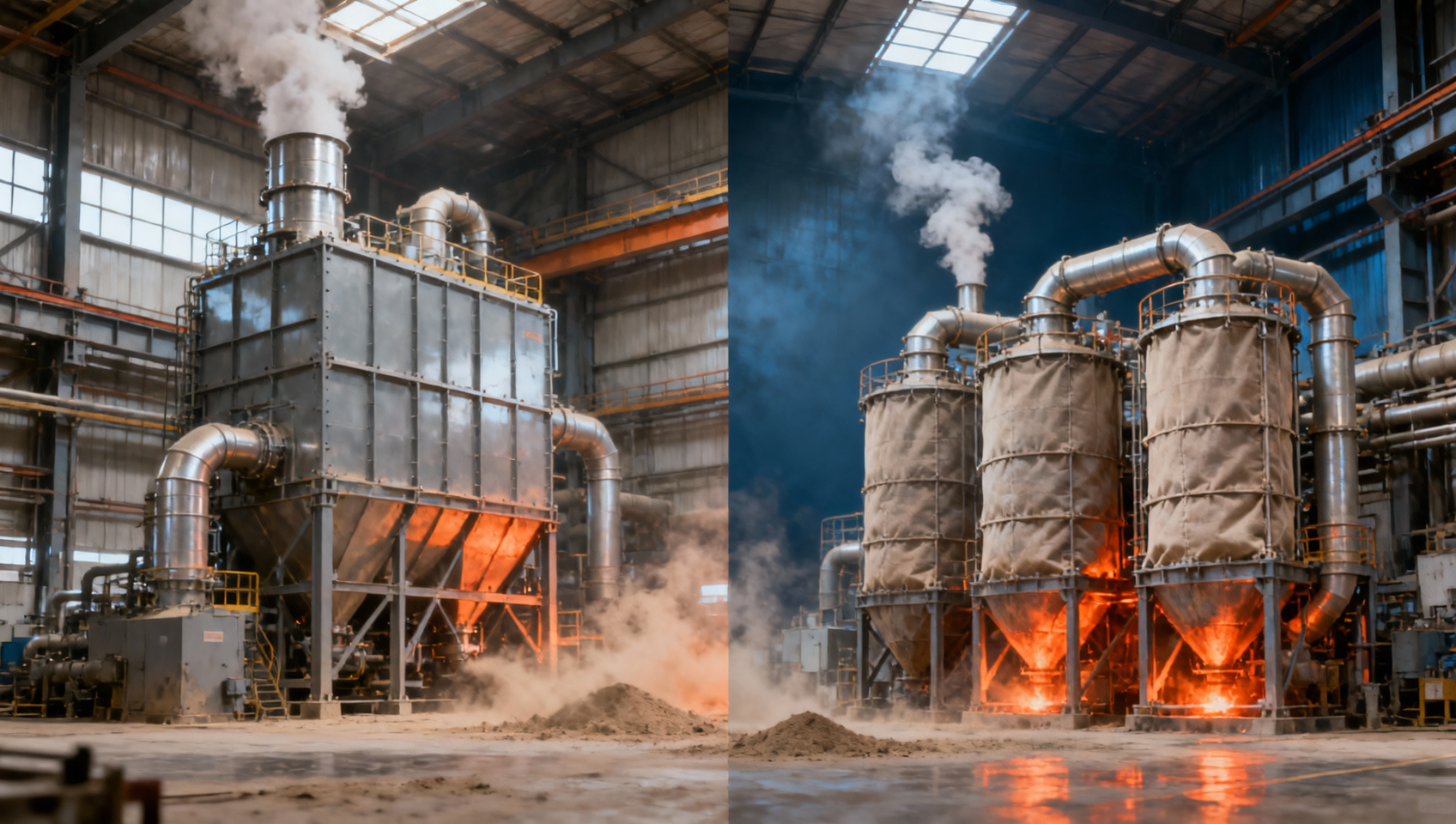
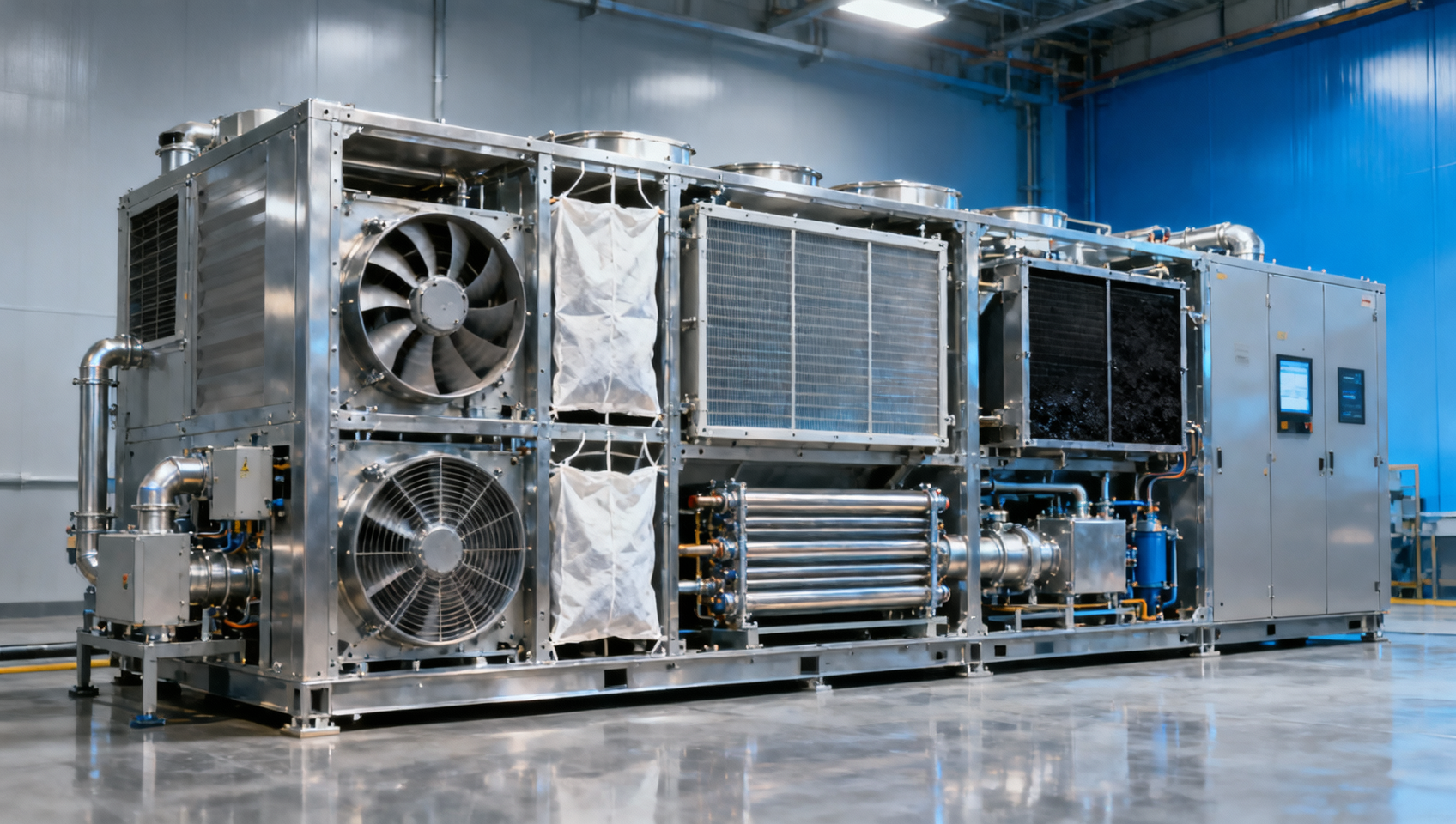
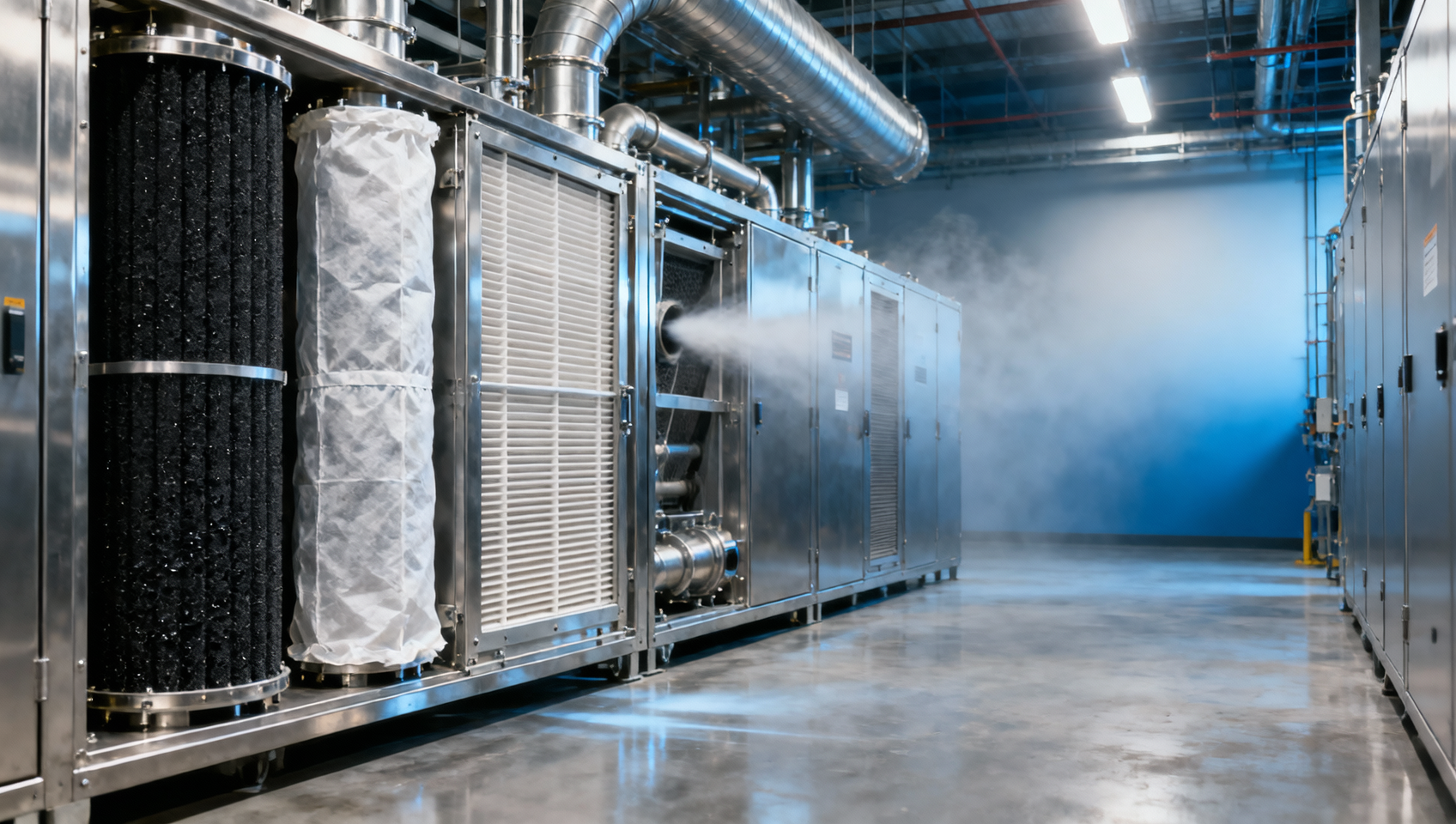
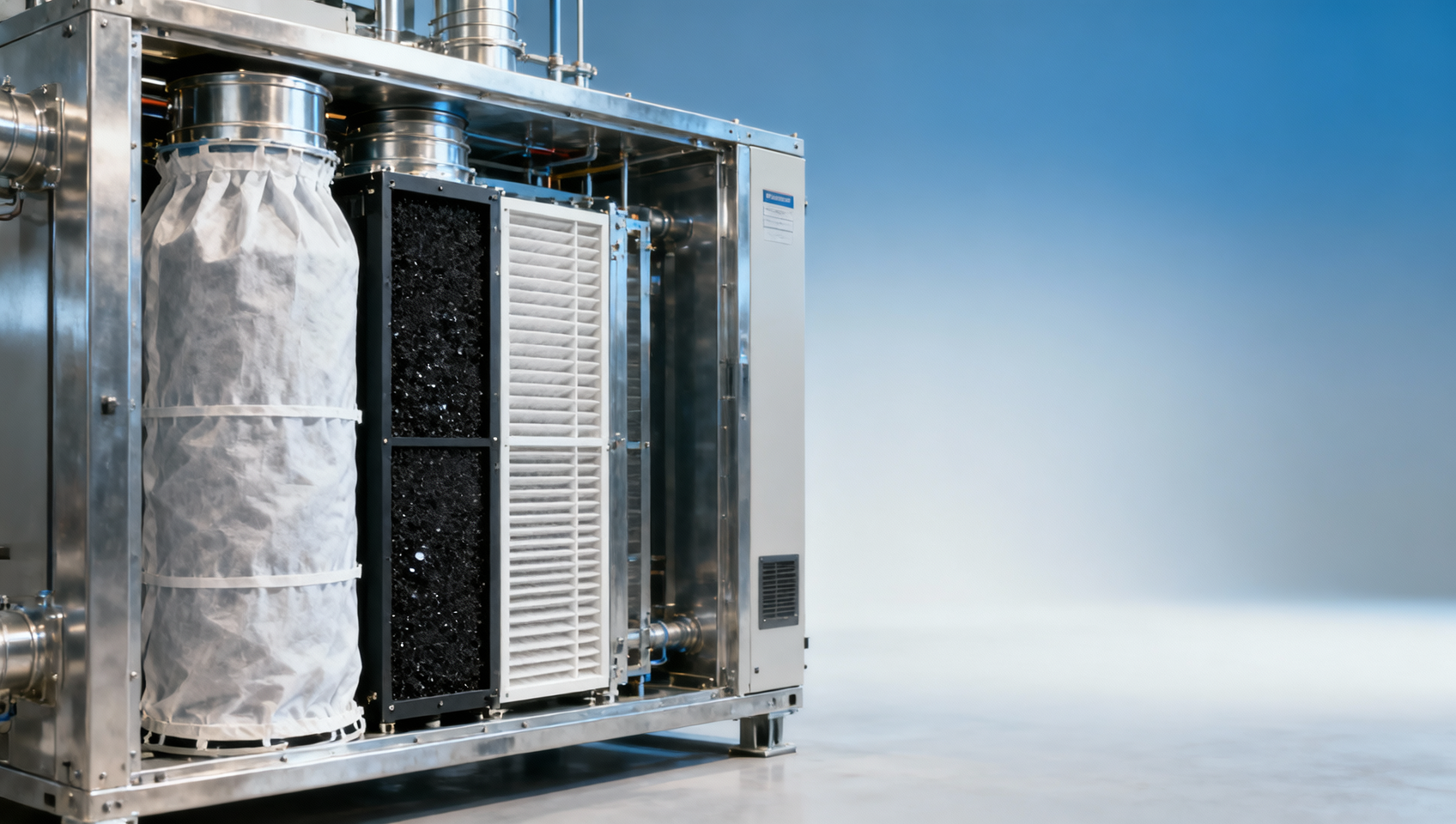
For wholesale air purifiers for large spaces, filter architecture often determines whether a system is practical for industrial duty. A strong design usually begins with staged filtration. The first stage captures coarse dust and fibers, the second may use pocket air filters to handle higher particulate loading, the third may add HEPA efficiency for fine particles, and the fourth may include activated carbon for odors and gaseous pollutants. Each stage protects the next and extends service life.
Pocket air filters are especially relevant in facilities with high dust volume because they provide larger media area and better dust-holding capacity than flat-panel pre-filters. In a warehouse or manufacturing support zone, this can translate into service intervals of 8 to 16 weeks instead of 3 to 6 weeks, depending on contamination level. That difference affects labor planning, spare stock requirements, and shutdown frequency.
Buyers sourcing HEPA filters bulk should not treat all HEPA options as interchangeable. Media quality, frame sealing, consistency across batches, and rated pressure drop all matter. A lower-cost HEPA filter with inconsistent gasket quality can allow bypass leakage, undermining capture performance even if the media efficiency looks acceptable on specification sheets. In procurement terms, low unit price can create a higher cost per effective operating hour.
Activated carbon air filter selection also deserves closer review. Carbon quantity, pellet or honeycomb format, and expected saturation rate should be matched to the contaminant profile. Odor-heavy applications may need deeper beds and more frequent changeouts than dust-dominant applications. In mixed-use spaces, carbon service life can vary from 2 months to 9 months, so replacement planning should be built into the sourcing decision.
How to align filter stages with application risk
A useful approach is to map contaminants by size, concentration, and variability. Facilities that only handle packaging dust need a different filter stack than those dealing with fine powders, odors, or chemical residue. Procurement teams should ask suppliers to specify not just filter grade, but also expected duty cycle, recommended replacement interval, and initial versus final pressure range.
Typical filter configuration guide
The table below outlines common filtration combinations used in large-space applications and the operating logic behind them.
This comparison shows why filter architecture should be written directly into the RFQ. Without a defined filter stack and service expectation, two systems with similar airflow numbers can produce very different maintenance costs, indoor air outcomes, and spare-part demand over a 12-month cycle.
- Request initial and final pressure drop values for each stage, not just a nominal airflow figure.
- Confirm whether filter replacements are standardized, custom-sized, or tied to a single supplier.
- Ask for recommended stocking levels for 6 months and 12 months of operation.
- Review whether filter access can be completed by one technician or requires a two-person service team.
Airflow design, AHU compatibility, and humidity control
Large-space purification succeeds when clean air reaches the breathing zone consistently rather than recirculating only near the unit. This is why airflow design deserves as much attention as filter selection. In facilities with racks, partitions, cranes, or process islands, supply and return paths can create dead zones. A purchasing decision should therefore include throw distance, intake placement, directional discharge, and whether the solution is portable, fixed, or integrated into the central system.
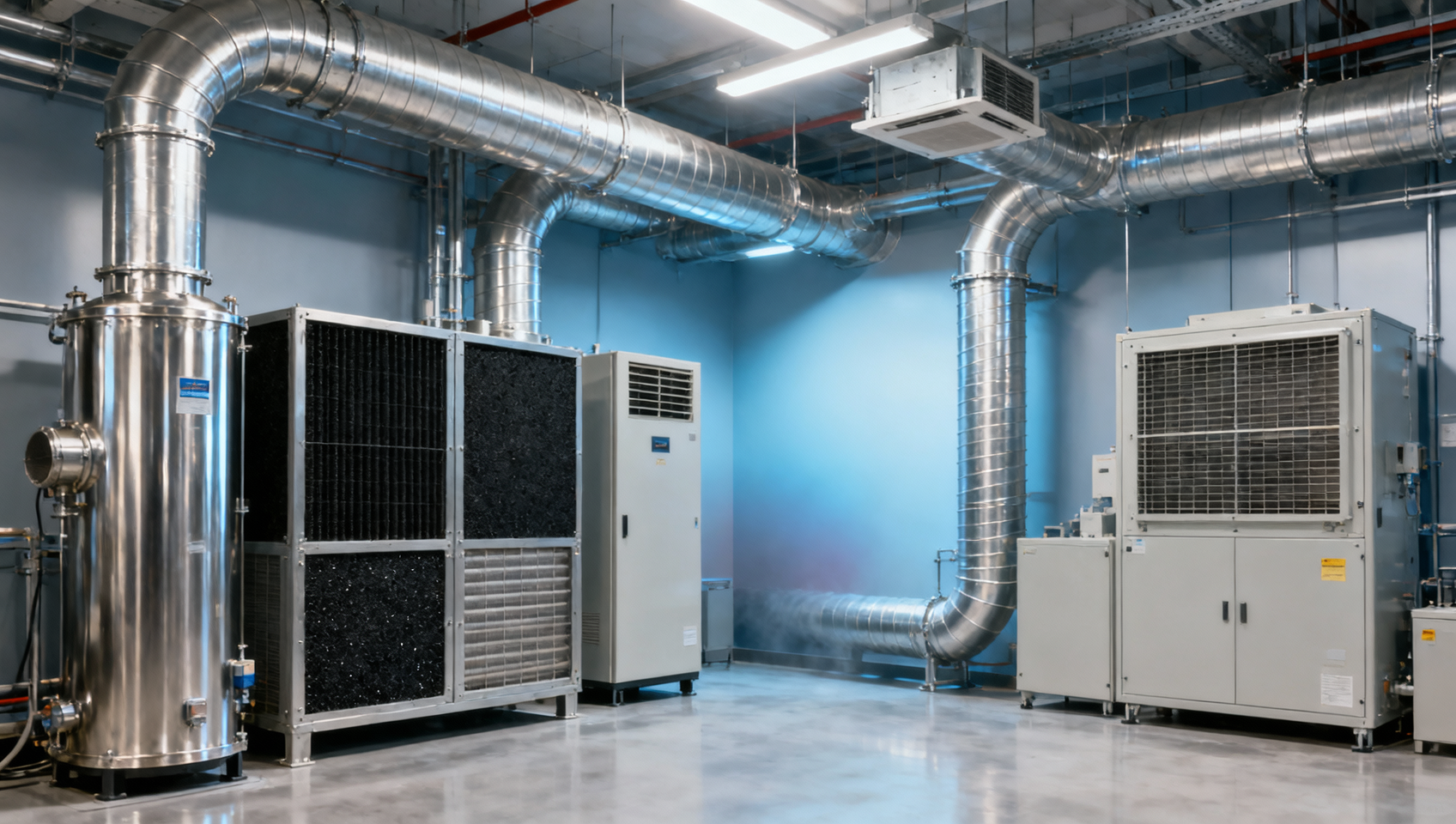
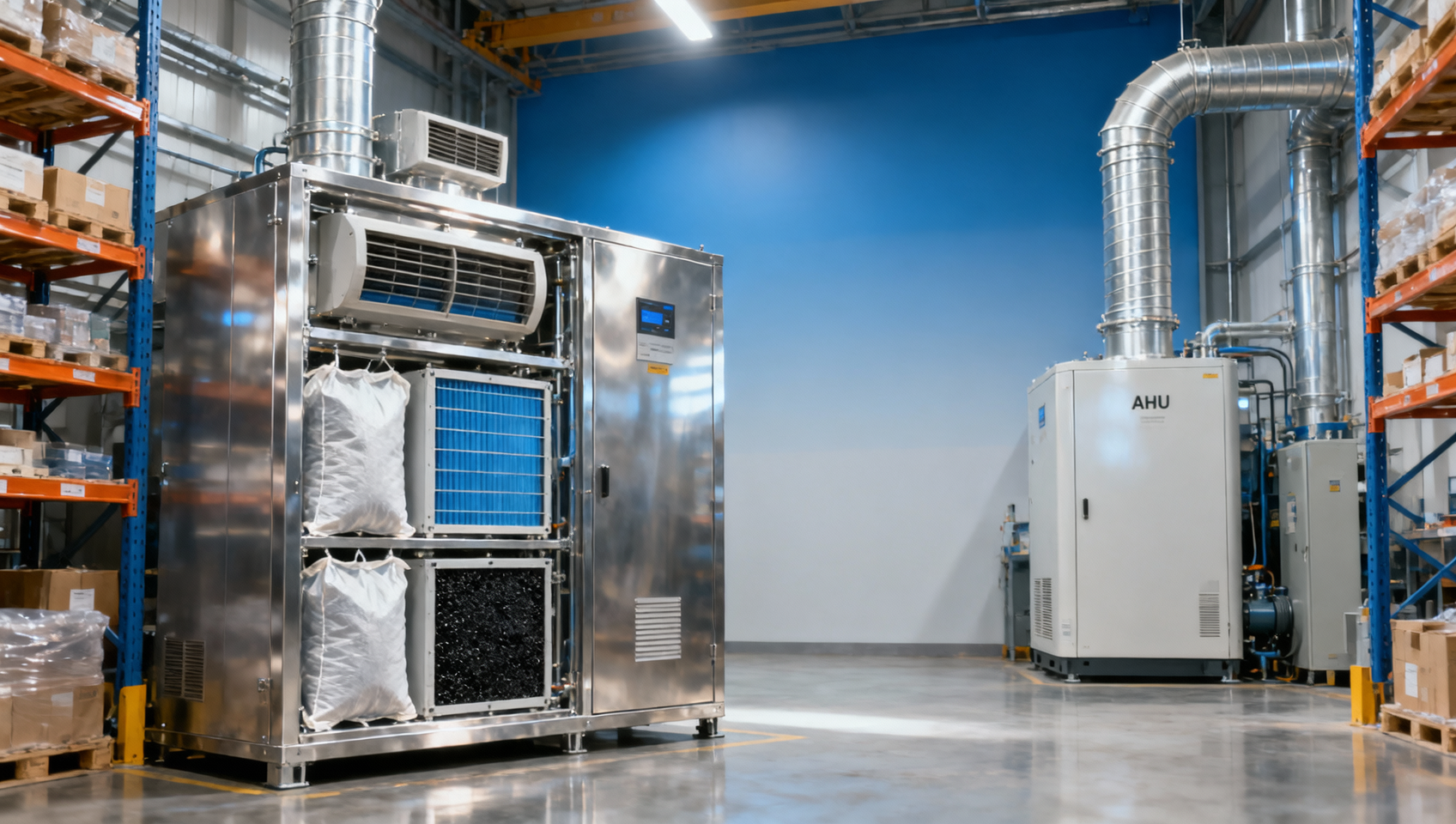
Compatibility with AHU handling units is a major advantage in sites that already have established ductwork and building controls. Instead of adding isolated devices with overlapping coverage, buyers may benefit from a coordinated strategy: central treatment through AHU infrastructure plus zone-based purification where contaminant loads are highest. This can improve distribution efficiency across 1,000 to 10,000 square meters and simplify maintenance scheduling.
Humidity should not be treated as a separate issue. In many climates, poor humidity control increases particle suspension, affects filter loading behavior, and contributes to odor persistence or microbial growth. Pairing air purification with commercial dehumidifiers can stabilize indoor conditions, especially where relative humidity tends to rise above 60%. In storage and process support areas, a target band of 45% to 55% RH often improves comfort and equipment reliability.
Energy efficiency also changes when airflow and humidity are coordinated. A purifier working against unstable humidity and uncontrolled air movement may need longer operating hours to maintain acceptable conditions. By contrast, a balanced system can reduce unnecessary fan runtime, lower rework caused by dust contamination, and support more predictable maintenance cycles across seasons.
Three common deployment models
- Standalone distributed units for flexible layouts, leased spaces, or phased expansion.
- Hybrid systems that combine centralized AHU handling units with localized purification in problem areas.
- Integrated air quality control with commercial dehumidifiers where humidity swings affect IAQ stability.
The table below can help technical buyers decide which deployment model is more suitable for their site conditions.
For many industrial buyers, the best answer is not an either-or choice. It is a site-specific combination that matches airflow pattern, contaminant type, and facility infrastructure. That approach usually delivers more stable results than selecting the single unit with the highest published CADR.
Procurement criteria: how to compare suppliers and protect total cost
When sourcing wholesale air purifiers for large spaces, procurement should compare suppliers on service logic as much as equipment logic. A low purchase price can quickly lose value if lead time for HEPA filters bulk orders stretches to 6 to 8 weeks, if activated carbon replacements are non-standard, or if technical documentation is too thin for maintenance teams to act confidently. Good sourcing decisions reduce risk across the full ownership period, not just at order placement.
A practical RFQ should request at least 4 categories of information: airflow performance under filter load, filtration configuration and replacement intervals, integration details with AHU handling units or standalone controls, and after-sales support commitments. Buyers should also ask whether units are shipped partially assembled, what the commissioning scope includes, and whether spare filter kits are offered in the first batch.
Delivery planning is another area where procurement teams can create value. For large projects, a 2-stage rollout is often more efficient than full-site deployment in one shipment. Pilot one zone for 2 to 4 weeks, confirm airflow behavior and maintenance access, then scale the second phase using validated settings. This approach can reduce specification error, especially in retrofits where floor conditions differ from drawings.
Commercial terms should reflect service reality. For example, buyers may request filter replacement kits for 6 months of operation, a startup inspection checklist, and a written schedule for operator training. These items are not administrative extras. In many industrial environments, they determine whether the air purification program remains functional after the first quarter.
RFQ checklist for serious buyers
- Confirm rated airflow at clean and loaded filter conditions.
- Specify filter stages, replacement dimensions, and expected service interval in operating hours.
- Request noise data at different fan speeds, not only the minimum setting.
- Clarify electrical requirements, control options, and compatibility with facility monitoring systems.
- Ask for spare-parts availability, packing configuration, and typical lead time ranges such as 7 to 15 days or 3 to 5 weeks.
A simple supplier evaluation matrix
The matrix below can help teams align technical, operational, and commercial criteria during supplier comparison.
A supplier that performs well in all 4 areas is usually more valuable than one that competes only on unit price. In industrial procurement, predictability often saves more than short-term discounting.
Implementation, maintenance, and common buying mistakes
Even well-specified equipment can disappoint if implementation is weak. Before deployment, teams should verify installation location, electrical access, service clearance, and airflow path. In large spaces, moving a unit by even 5 to 10 meters can change its effective coverage due to shelving, open doors, or competing ventilation currents. Site walkthroughs remain important, especially for mixed industrial-commercial layouts.
Maintenance planning should start before the first shipment arrives. Operators need to know inspection frequency, pressure monitoring points, filter replacement sequence, and how to identify carbon saturation or reduced airflow. In many facilities, weekly visual checks, monthly performance review, and a formal quarterly maintenance log provide a workable baseline. High-dust zones may require shorter cycles.
One common mistake is overspecifying HEPA where a robust pre-filter and pocket air filters would handle the actual load more efficiently. Another is underspecifying carbon for odor control, assuming that any activated carbon air filter will solve VOC or smell issues. A third error is buying standalone purifiers without checking whether existing AHU handling units are already shaping airflow in ways that help or hinder performance.
The final mistake is ignoring ownership logistics. If replacement parts require long import cycles, or if filter dimensions are unique to one supplier, then routine maintenance becomes a supply-chain issue. Wholesale buyers should prioritize specifications that can be serviced reliably over 12 to 24 months, not just systems that look strong at commissioning.
FAQ for procurement teams and facility managers
How many units are typically needed for a large space?
That depends on room volume, target ACH, ceiling height, and obstruction level. A 1,500 square meter facility with a 6-meter ceiling has a volume of 9,000 cubic meters. If the target is 5 ACH, the system must effectively handle about 45,000 cubic meters per hour in real operating conditions, not just in ideal test mode. This often means multiple units or a hybrid system.
When should buyers add activated carbon air filters?
Add carbon when the issue includes odors, VOCs, fumes, or process-related smells rather than dust alone. Carbon stage selection should consider exposure pattern, such as continuous low-level odor versus short high-load bursts. In many commercial and light industrial settings, carbon replacement intervals range from 2 to 9 months.
Are pocket air filters always necessary?
Not always, but they are highly useful in large spaces with higher dust loading. They generally extend the life of downstream filters, improve dust-holding capacity, and help maintain more stable airflow. In industrial procurement, they often lower total maintenance burden even if the initial filter stack cost is higher.
How should buyers evaluate HEPA filters bulk sourcing?
Look beyond nominal efficiency. Review frame construction, sealing integrity, dimensional consistency, pressure drop profile, and packaging protection during transport. For wholesale orders, ask about batch consistency and recommended storage duration so that reserve stock remains usable and clean.
For industrial and commercial buyers, the best wholesale air purifiers for large spaces are rarely the ones with the most impressive CADR alone. Strong results come from the right combination of airflow design, multi-stage filtration, activated carbon air filter strategy, pocket air filters, dependable HEPA filters bulk supply, and compatibility with AHU handling units or commercial dehumidifiers. If you are evaluating a project, retrofit, or multi-site procurement plan, contact GIC to discuss application needs, compare sourcing options, and get a more practical specification path for long-term air quality performance.
Technical Specifications
- How to choose an organic fertilizer machine for wet raw materialsAuthor :Environmental Engineering Director
- What affects output stability in a hydraulic briquetting pressAuthor :Environmental Engineering Director
- Waste paper baler wholesale prices vary for reasons beyond tonnageAuthor :Environmental Engineering Director
Expert Insights

Chief Security Architect
Dr. Thorne specializes in the intersection of structural engineering and digital resilience. He has advised three G7 governments on industrial infrastructure security.
Related Analysis
- Apr 16, 2026How to choose an organic fertilizer machine for wet raw materialsAuthor :Environmental Engineering Director
- Apr 16, 2026What affects output stability in a hydraulic briquetting pressAuthor :Environmental Engineering Director
- Apr 16, 2026Waste paper baler wholesale prices vary for reasons beyond tonnageAuthor :Environmental Engineering Director
Core Sector // 01
Security & Safety
- Electrostatic precipitator ESP vs baghouse in high temperature dustAuthor :Environmental Engineering Director

- Commercial kitchen exhaust hood sizing mistakes that hurt captureAuthor :Environmental Engineering Director

- HVAC ozone generator use cases where odor control can backfireAuthor :Environmental Engineering Director

- Industrial humidifiers wholesale orders often miss water quality limitsAuthor :Environmental Engineering Director

- Commercial dehumidifiers that work in cold rooms need a closer lookAuthor :Environmental Engineering Director

- AHU handling units: where energy loss often starts in the design stageAuthor :Environmental Engineering Director

- Activated carbon air filter life span depends on more than airflowAuthor :Environmental Engineering Director

- Pocket air filters with low pressure drop are not always the best fitAuthor :Environmental Engineering Director