Waste paper baler wholesale prices vary for reasons beyond tonnage
Author
Date Published
Reading Time
Waste paper baler wholesale prices are shaped by far more than tonnage alone. For buyers comparing a scrap metal baler, twin shaft shredder machine, or tire recycling machine, factors such as hydraulic system grade, automation, chamber size, energy efficiency, compliance, and after-sales support can significantly affect total value. This guide helps procurement teams and operators understand what really drives pricing and smarter sourcing decisions.
In industrial procurement, tonnage is often the first filter, but rarely the best pricing benchmark on its own. A 20-ton waste paper baler with basic controls can be priced very differently from a 20-ton unit built for 16-hour daily operation, lower power consumption, faster cycle time, and easier maintenance access. For EPC contractors, recycling plant investors, operators, and sourcing managers, understanding these variables reduces lifecycle cost and lowers operational risk.
This article examines the practical pricing drivers behind wholesale waste paper balers and related recycling equipment. It also explains how to compare machine value across product categories, what specifications affect return on investment, and how to structure a more reliable supplier evaluation process.
Why wholesale baler prices differ even at the same tonnage
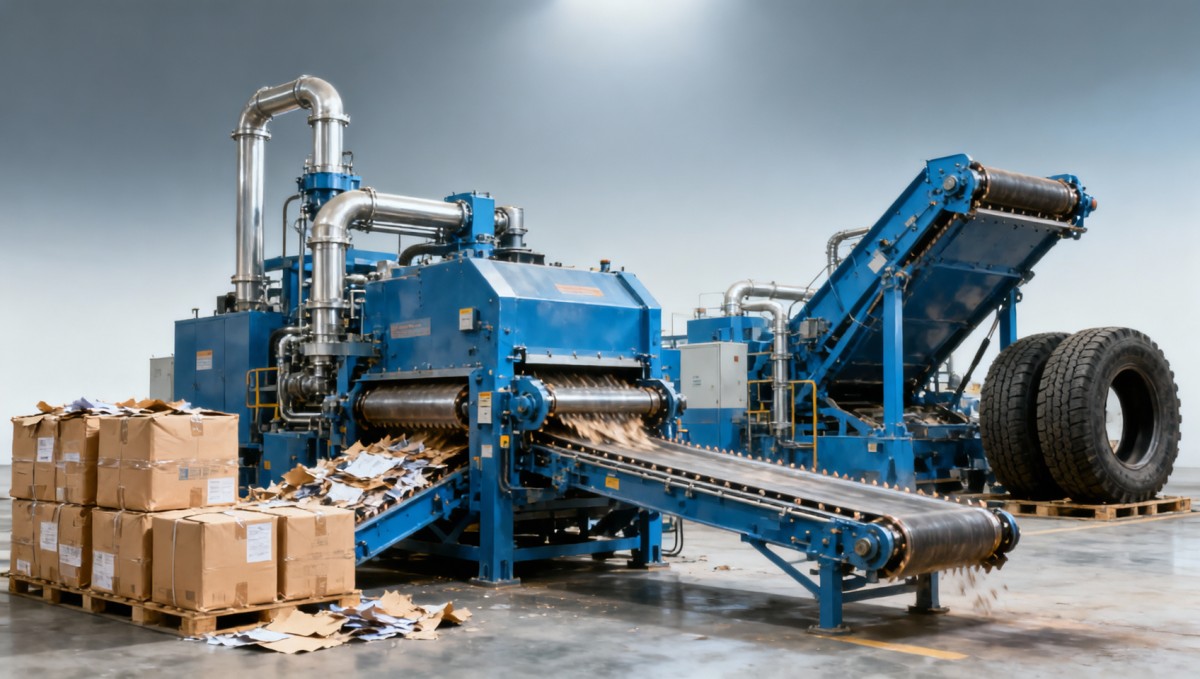
Many buyers assume that bale force or nominal tonnage should determine the price of a waste paper baler. In reality, tonnage is only one mechanical reference point. Two machines rated at 80 tons may differ in oil cylinder quality, pump brand, motor efficiency, press chamber thickness, tying method, and PLC architecture. These differences can create a price gap of 15% to 40% in wholesale quotations.
The first hidden variable is duty cycle. A baler intended for 1 to 2 shifts per day needs stronger sealing, thermal stability, and wear resistance than a machine used 4 to 6 hours intermittently. If a facility processes OCC, kraft trim, carton waste, and mixed paper continuously, the hydraulic system and frame welding standard become major cost components, not optional upgrades.
The second variable is output design. Procurement teams should compare not only pressing force, but also chamber dimensions, feed opening, cycle time, bale density, and discharge configuration. A machine producing 450 to 650 kg bales at 25 to 35 bales per hour may justify a higher upfront price because transport efficiency and warehouse stacking improve immediately.
The third factor is control architecture. Semi-automatic machines generally cost less at purchase, but automatic wire tying, conveyor integration, and fault diagnostics reduce labor dependency. In regions where operator wages, downtime costs, or shift shortages are rising, the more automated machine often becomes the lower-cost option over 24 to 36 months.
Price drivers beyond rated force
- Hydraulic pump and valve grade, including temperature tolerance and pressure stability.
- Steel thickness in the chamber, door structure, and ram guide wear surfaces.
- Motor power range, commonly from 18.5 kW to 75 kW for medium to large systems.
- Automation level, from manual feeding to conveyor-linked and PLC-monitored operation.
- Safety interlocks, emergency stop layout, and electrical cabinet protection level.
- Installation support, spare parts availability, and remote troubleshooting response.
To make these differences easier to compare, the table below shows how machines with similar tonnage may diverge in cost because of engineering and operational features rather than nameplate force alone.
The practical takeaway is simple: when two wholesale offers appear far apart, buyers should not immediately assume one supplier is overpriced. In many cases, the higher quote reflects a different machine class with a longer service window, lower stoppage rate, and stronger fit for industrial throughput.
How configuration and operating costs reshape total value
A baler should be evaluated as a production asset, not just a capital item. For operators handling 5 tons, 20 tons, or 80 tons of waste paper per day, the machine’s energy draw, maintenance interval, and manpower requirement will quickly affect the real cost per bale. A lower wholesale price can become expensive if downtime disrupts loading schedules or if low bale density increases freight cost by 8% to 15%.
Energy efficiency is often underestimated. Machines with better hydraulic matching, more stable motor loading, and optimized idle control can reduce power waste over long shifts. In a facility running 10 to 12 hours per day, even moderate energy savings can materially affect annual operating expense. This matters even more where electricity tariffs fluctuate or where multiple lines share the same power infrastructure.
Maintenance design also changes purchasing logic. Easy access to seals, cylinders, filters, tie wire components, and electrical modules shortens service stops. If basic preventive maintenance can be completed every 500 to 800 operating hours rather than through unplanned intervention, plant managers gain more predictable utilization. Procurement teams should ask not only for the spare parts list, but also for average replacement intervals and local stocking capability.
Another major cost lever is labor. A manually fed or manually tied machine may look economical in the quotation phase. However, if it requires 2 to 3 operators per shift while an automated line can run with 1 to 2, the wage difference over 1 year may exceed the initial price gap. This is especially important for export-oriented recyclers or municipal material recovery facilities where throughput consistency drives contract performance.
Typical cost elements buyers should model
- Initial equipment price, including motor, hydraulic unit, tying system, and control cabinet.
- Installation and commissioning period, often 3 to 10 days depending on site readiness.
- Power consumption under normal load and peak load conditions.
- Maintenance frequency across 6-month, 12-month, and 24-month periods.
- Labor demand per shift and productivity per operator.
- Bale density impact on trucking, stacking, and export container utilization.
The following table shows why total value can differ sharply even when the quoted machine tonnage looks similar on paper.
For procurement leaders, the key point is that wholesale price should be translated into cost per processed ton over time. This method is far more reliable than relying on tonnage, frame size, or sales language alone.
Comparing waste paper balers with scrap metal balers, shredders, and tire recycling machines
Buyers often compare equipment across adjacent recycling categories because investment budgets are shared. A waste paper baler, scrap metal baler, twin shaft shredder machine, and tire recycling machine may all serve material reduction or compaction goals, but their pricing logic differs because feedstock behavior, wear intensity, torque demand, and discharge format are not the same.
Waste paper balers prioritize compression stability, bale density, line efficiency, and material handling integration. Scrap metal balers, by contrast, face higher structural stress, stronger abrasion, and more aggressive cylinder loading. As a result, their steel structure, hydraulic pressure design, and safety guarding requirements are typically heavier, which shifts the price baseline upward even when nominal chamber dimensions appear comparable.
Twin shaft shredder machines are driven less by bale force and more by cutter design, shaft torque, reducer reliability, and contamination tolerance. Tire recycling machines add further complexity through bead wire handling, dust control, granulation sequence, and optional downstream separation equipment. Procurement teams should therefore avoid using one price logic for all recycling machines.
This distinction matters during budget approval. If a sourcing team compares a paper baler quote against a shredder quote without normalizing operating purpose, the decision can become misleading. The right method is to compare equipment by material type, target throughput, output specification, power demand, and maintenance burden across a 3-year operating horizon.
Application-based comparison
The table below helps users and buyers understand why similar industrial recycling machines can differ significantly in price structure and investment priority.
For mixed recycling operations, it is often useful to decide first whether the plant needs compaction, size reduction, or material separation. That single decision narrows price expectations more accurately than comparing machine tonnage across unrelated equipment families.
A practical screening method
- Choose the machine category based on material behavior: compressible, rigid, abrasive, or elastic.
- Define target throughput in tons per hour or tons per shift before requesting quotes.
- Specify output requirements such as bale size, shred size, or granule range.
- Confirm power supply, floor space, and loading method at the site.
- Match after-sales service expectations to local maintenance capability.
This process allows decision-makers to compare suppliers on engineering fit rather than headline price alone, which is especially important in cross-border sourcing.
Supplier evaluation, compliance, and delivery factors that influence wholesale quotes
A reliable wholesale price includes more than equipment fabrication. It also reflects documentation quality, electrical compliance, test procedures, packaging, commissioning support, and parts assurance. When procurement teams see a quote that is 10% to 25% lower than competing offers, they should review what may have been excluded rather than focusing only on the number.
Compliance matters because industrial buyers often need machines aligned with local or project-level requirements. These may include CE-related documentation, ISO-based manufacturing controls, electrical component conformity, and clear safety labeling. While exact documentation scope varies by destination, machines intended for export frequently require more disciplined technical files and inspection readiness than purely domestic units.
Lead time is another pricing lever. Standard waste paper balers may be delivered in 20 to 45 days if the supplier maintains common frame sizes and stocked components. Custom chamber sizes, special voltage, conveyor integration, or multilingual HMI interfaces can extend the lead time to 6 to 10 weeks. Faster delivery may raise cost when production slots are tight or when premium components need immediate allocation.
After-sales structure is equally important. Buyers should ask about 24-hour response targets, spare parts dispatch windows, remote support capability, and installation guidance. A quote that includes commissioning, operator training, and a recommended 12-month spare parts package may look higher, but it usually lowers startup risk and improves handover quality.
What procurement teams should verify before comparing final prices
- Technical scope: press force, chamber size, motor power, automation level, and discharge mode.
- Commercial scope: included accessories, freight terms, installation, and commissioning support.
- Documentation scope: drawings, manuals, wiring diagrams, and maintenance schedules.
- Compliance scope: safety devices, electrical standards, and export readiness.
- Service scope: spare parts list, training hours, and response commitments.
One common purchasing mistake is selecting a supplier based only on an attractive ex-works price. If that price excludes startup assistance, testing records, or critical consumables, the savings may disappear during the first 30 to 90 days of operation. A better sourcing practice is to use a normalized comparison sheet so every quotation is measured against the same 5 to 7 criteria.
Common risk signals in low-price offers
- Unclear hydraulic component origin or no defined service interval.
- Missing electrical cabinet details such as overload protection or circuit labeling.
- No specified commissioning process or operator training duration.
- Vague warranty terms without exclusions, spare parts coverage, or response path.
- Unconfirmed production testing before shipment.
For enterprise buyers and plant managers, the most dependable quote is usually the one that makes all assumptions visible. Transparent scope is often a stronger buying signal than the lowest number on the page.
Smart sourcing checklist for procurement teams and plant operators
A strong purchasing decision starts with clear operating inputs. Before requesting wholesale pricing, define the material profile, moisture range, contamination level, daily volume, and preferred bale format. Even a 10% shift in material bulk density or loading method can affect chamber design, feed configuration, and required press speed. Better input data leads to more accurate quotations and fewer change orders.
Operators should be involved early, not only after installation. Their feedback on feeding rhythm, jam frequency, maintenance access, and shift patterns can reveal whether a basic, semi-automatic, or fully automatic baler is the right fit. In many plants, user input prevents overspecification just as often as it prevents underspecification.
Procurement managers should also ask suppliers for line drawings, utility requirements, and commissioning plans before final approval. This reduces site surprises related to floor layout, forklift movement, conveyor height, or cable routing. A machine that fits technically but disrupts traffic flow or maintenance access may still be the wrong choice operationally.
For decision-makers managing multiple facilities, standardization can create additional value. Using similar control logic, spare parts families, and maintenance routines across 2 to 5 sites simplifies training and improves parts planning. This can matter as much as purchase price when equipment fleets expand over time.
Recommended pre-purchase checklist
- Confirm daily throughput target, such as 8 tons, 25 tons, or 60 tons per day.
- State whether operation is 1 shift, 2 shifts, or near-continuous duty.
- Define bale dimensions and desired density for loading and resale efficiency.
- Check utility conditions including voltage, phase, and available installation space.
- Request a wear parts list and recommended replacement cycle.
- Review service coverage for commissioning, training, and remote troubleshooting.
FAQ: questions buyers often ask
How should I compare two balers with the same tonnage?
Compare cycle time, chamber size, bale density, motor power, automation level, and hydraulic component grade. Also ask about service intervals and expected operator count. These factors often explain a 15% to 40% price difference more accurately than tonnage.
What delivery time is typical for a wholesale waste paper baler?
For standard configurations, 20 to 45 days is common. Custom designs, nonstandard voltage, or integrated conveyors may extend delivery to 6 to 10 weeks depending on fabrication schedule and supplier capacity.
Is a more automated baler always better?
Not always. Automation is most valuable when daily throughput is high, labor is costly, or shift consistency matters. For small-volume sites with irregular feed, a semi-automatic system may provide a better balance between capital cost and operating simplicity.
What is the biggest pricing mistake in recycling equipment procurement?
Treating quoted price as the full cost. Buyers should include installation, energy use, maintenance, spare parts, labor, and downtime risk. This is especially important when comparing a waste paper baler with a scrap metal baler, twin shaft shredder machine, or tire recycling machine.
Waste paper baler wholesale prices vary because industrial equipment value is built from engineering depth, operating efficiency, safety, and service readiness, not tonnage alone. The most effective sourcing process compares machines on total production fit, lifecycle cost, and supplier support rather than on headline force or the lowest initial quote.
For recycling plants, EPC contractors, facility operators, and procurement leaders, a structured evaluation approach helps avoid underbuilt equipment and hidden downstream costs. If you are comparing a waste paper baler, scrap metal baler, twin shaft shredder machine, or tire recycling machine, now is the right time to align your technical needs with a clearer purchasing framework.
To explore suitable configurations, refine your specification list, or discuss sourcing criteria for industrial recycling equipment, contact Global Industrial Core for tailored guidance, product detail support, and more informed solution planning.
Technical Specifications
- How to choose an organic fertilizer machine for wet raw materialsAuthor :Environmental Engineering Director
- What affects output stability in a hydraulic briquetting pressAuthor :Environmental Engineering Director
- Waste paper baler wholesale prices vary for reasons beyond tonnageAuthor :Environmental Engineering Director
Expert Insights

Chief Security Architect
Dr. Thorne specializes in the intersection of structural engineering and digital resilience. He has advised three G7 governments on industrial infrastructure security.
Related Analysis
- Apr 16, 2026How to choose an organic fertilizer machine for wet raw materialsAuthor :Environmental Engineering Director
- Apr 16, 2026What affects output stability in a hydraulic briquetting pressAuthor :Environmental Engineering Director
- Apr 16, 2026Waste paper baler wholesale prices vary for reasons beyond tonnageAuthor :Environmental Engineering Director
Core Sector // 01
Security & Safety
- How to choose an organic fertilizer machine for wet raw materialsAuthor :Environmental Engineering Director

- What affects output stability in a hydraulic briquetting pressAuthor :Environmental Engineering Director

- Waste paper baler wholesale prices vary for reasons beyond tonnageAuthor :Environmental Engineering Director

- When a scrap metal baler becomes too small for daily loading needsAuthor :Environmental Engineering Director

- Tire recycling machine layouts that reduce dust and wire lossAuthor :Environmental Engineering Director

- PET bottle washing line problems that lower flake purityAuthor :Environmental Engineering Director

- Plastic recycling granulator selection starts with feedstock qualityAuthor :Environmental Engineering Director

- Twin shaft shredder machine or single shaft for bulky wasteAuthor :Environmental Engineering Director