How to choose an organic fertilizer machine for wet raw materials
Author
Date Published
Reading Time
Choosing the right organic fertilizer machine for wet raw materials requires balancing moisture tolerance, throughput, energy use, and downstream processing efficiency. For buyers comparing solutions across recycling and environmental systems, understanding how an organic fertilizer machine integrates with equipment such as a twin shaft shredder machine, solid waste shredder, or hydraulic briquetting press can reduce operating risks and improve long-term value. This guide helps researchers, operators, procurement teams, and decision-makers evaluate the key factors with confidence.
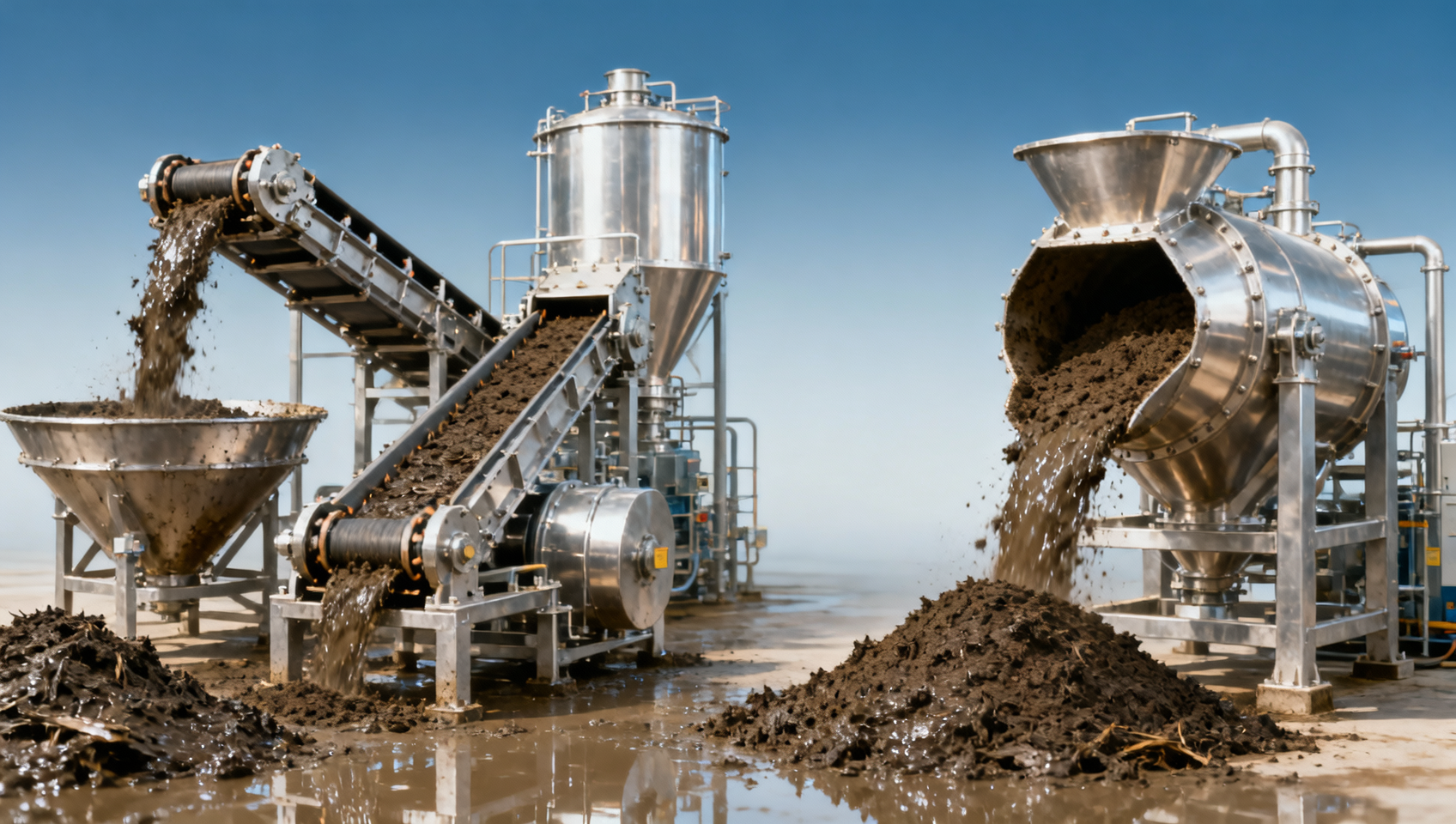
In industrial composting, manure recycling, sludge treatment, and biomass utilization, wet feedstock behaves very differently from dry material. Moisture levels of 25% to 45% may still be manageable for some granulation lines, but once raw material rises to 50% to 70%, machine selection becomes far more sensitive to clogging, uneven discharge, and unstable pellet quality.
For operators, the issue is not only whether a machine can process wet material on day one. The more important question is whether it can maintain output after 6 to 12 months of continuous use, with acceptable wear cost, cleaning frequency, and energy demand. For procurement teams and decision-makers, the best choice is usually the one that matches the full process, not just the main machine specification.
Understand Wet Raw Materials Before Comparing Machines
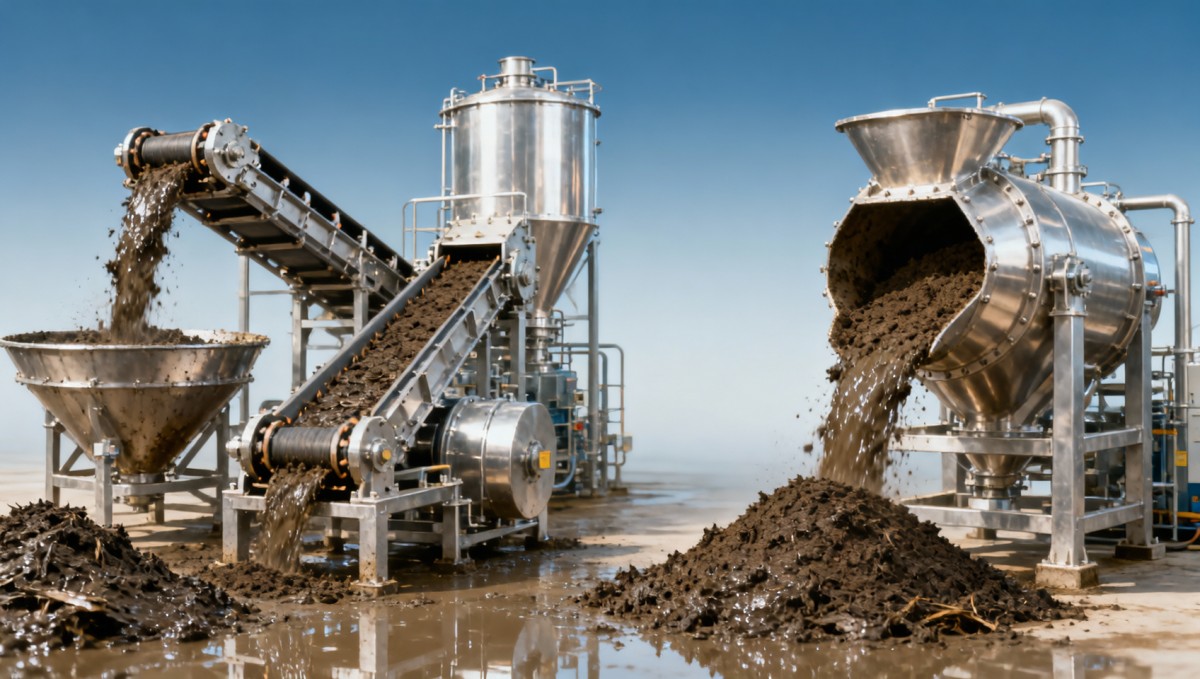
An organic fertilizer machine for wet raw materials must be selected based on feedstock behavior, not only product name or advertised capacity. Common wet inputs include livestock manure, fermentation residue, municipal organic sludge, food waste digestate, and crop waste mixed with water. Each material has different fiber content, stickiness, particle size, and contamination level.
A machine that handles chicken manure at 35% moisture may fail when processing mixed compost sludge at 60% moisture. This is why a basic moisture reading alone is insufficient. Buyers should also assess whether the material has long fibers, plastic contamination, stones, sand, or metal fragments, because these factors change the pre-treatment requirement and wear rate.
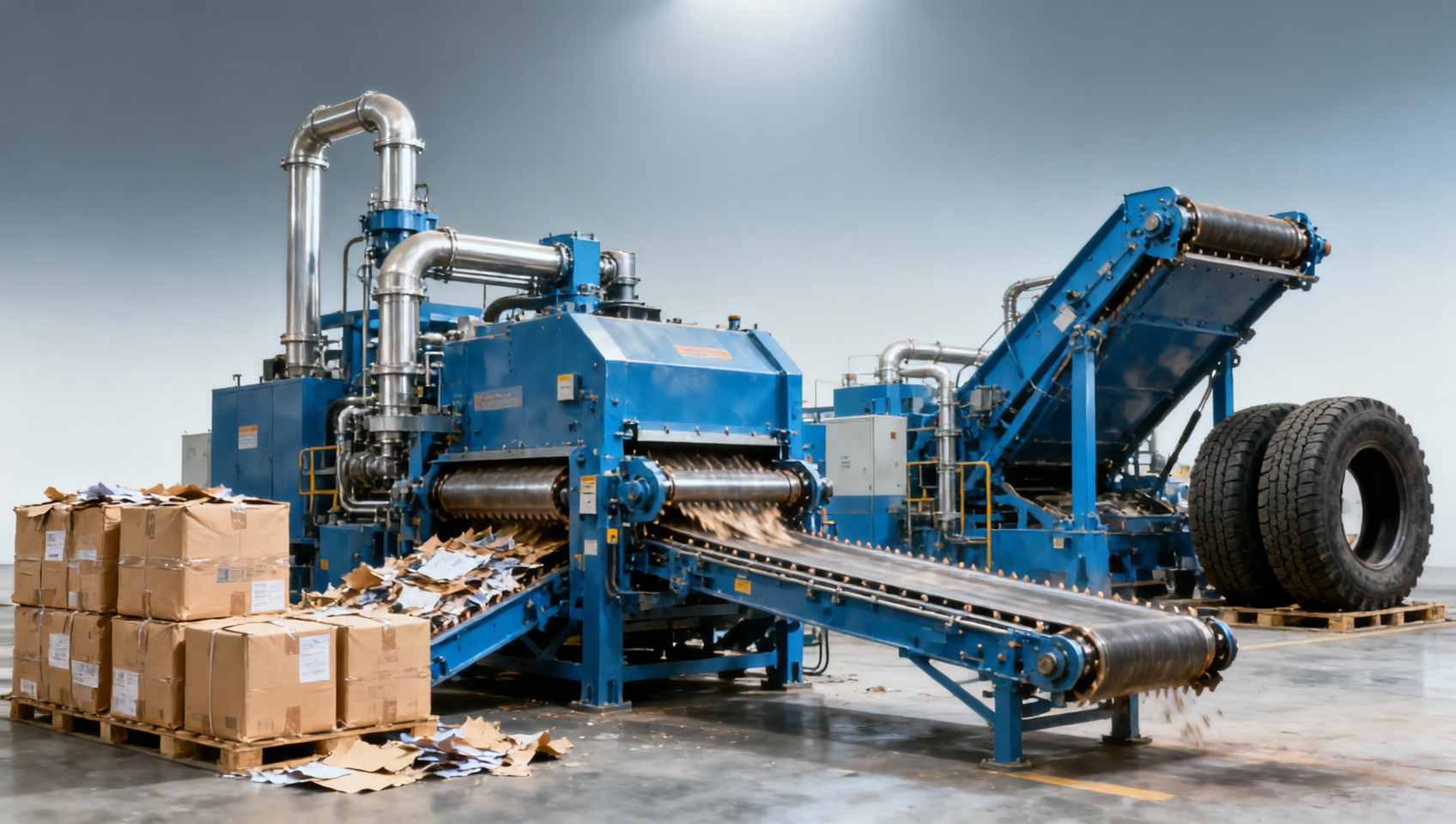
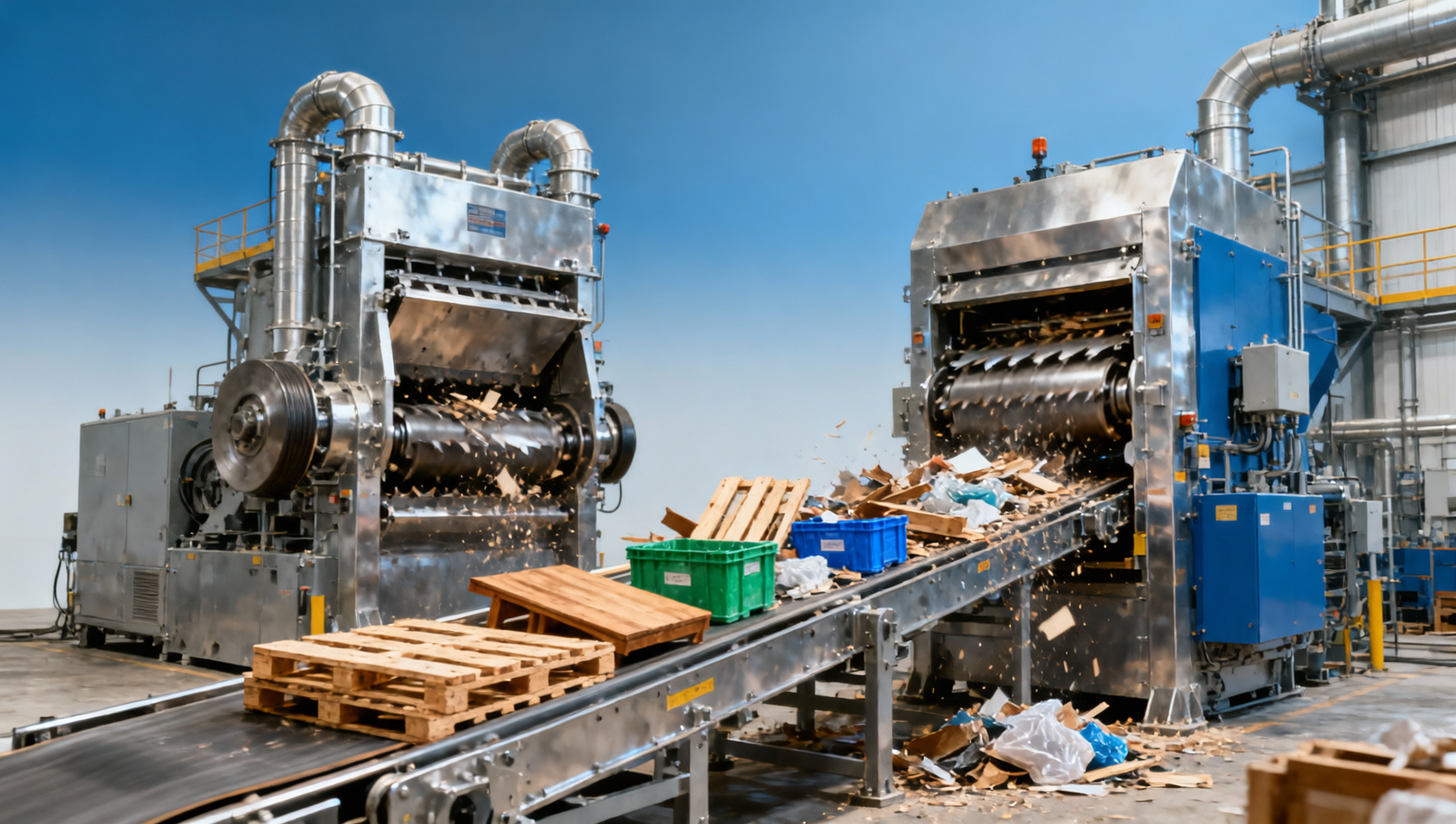
In many recycling and environmental systems, the organic fertilizer machine is only one part of a line. If incoming material arrives in bags, in mixed municipal flow, or in compacted lumps, pre-processing often starts with a twin shaft shredder machine or solid waste shredder. These machines reduce oversized pieces and improve feeding stability before crushing, dewatering, mixing, or granulating.
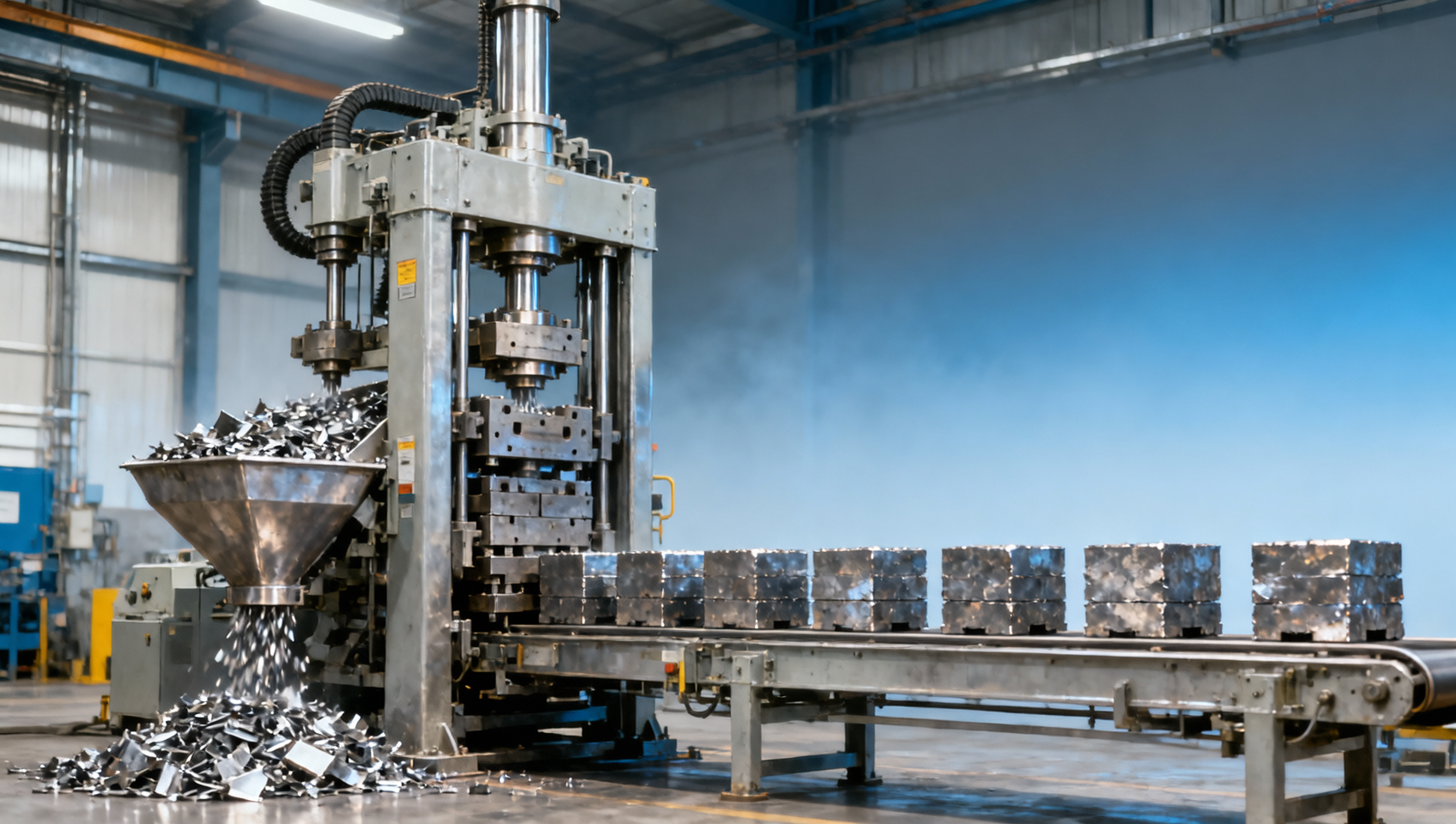
Where wet biomass must be densified or handled after drying, a hydraulic briquetting press may also become relevant. Although briquetting is not the same as fertilizer granulation, it can support side-stream valorization of fibrous residues or dry fractions. For procurement teams, this matters because line compatibility can affect both capital cost and plant layout over a 3- to 5-year planning cycle.
Four raw material checks before machine selection
- Measure moisture in at least 3 sampling points per batch, because top-layer and bottom-layer moisture can differ by 8% to 15%.
- Confirm bulk density, as light fibrous material and heavy sludge require different feeding and conveying designs.
- Check impurity ratio, especially plastics, stones, and metal, which can damage dies, rollers, and cutters.
- Estimate daily fluctuation, such as 5 tons per hour at stable operation versus 2 to 8 tons per hour in variable shifts.
The following table helps align material condition with machine selection logic. It is not a substitute for a test run, but it is a practical framework for early-stage evaluation.
The key conclusion is simple: wet raw materials should be evaluated as a process challenge, not merely as a machine input. The more unstable the material, the more important front-end conditioning becomes.
Key Machine Types and Where They Fit Best
When buyers search for an organic fertilizer machine for wet raw materials, they often compare several categories at once: crushing and mixing systems, wet granulators, dewatering equipment, dryers, and screening units. In practice, the right solution usually combines 4 to 6 pieces of equipment rather than relying on one machine to solve everything.
For moderately wet material, a wet granulation route may be suitable if the feedstock is already fermented and relatively uniform. For high-moisture sludge-like material, the priority often shifts to dewatering and homogenization first. In mixed waste streams, a solid waste shredder upstream can reduce package waste, large organics, and wrapped clusters that would otherwise choke the feeder.
A twin shaft shredder machine is particularly useful where feedstock contains fibrous organics, plastic bags, cardboard, or lumpy residues. Its low-speed, high-torque operation can stabilize downstream handling and lower the risk of sudden overload. This is important for plants that process 3 to 20 tons per hour and cannot afford repeated line stoppages.
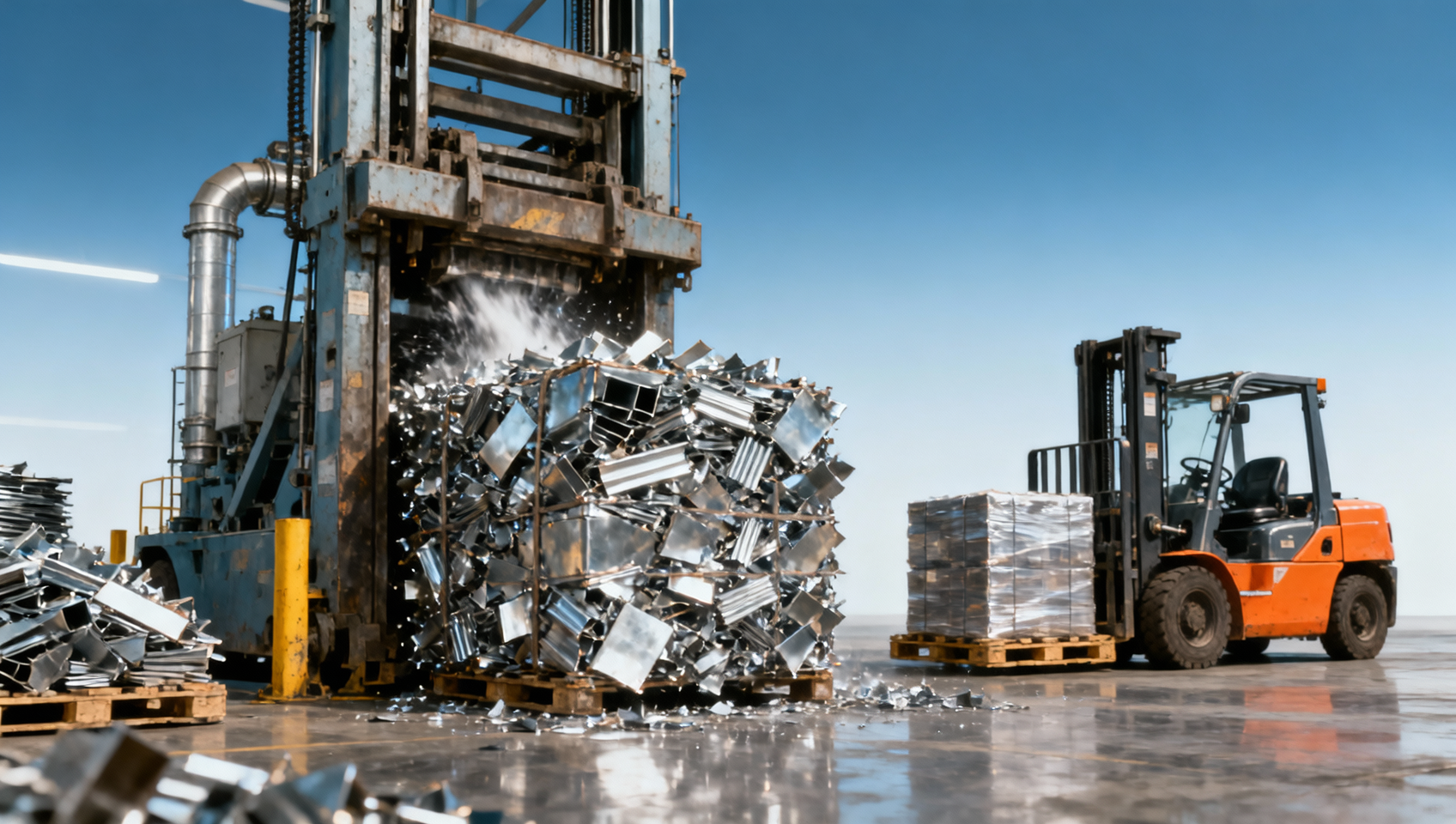
A hydraulic briquetting press is less common in standard organic fertilizer production, but it can be considered when dry fractions, separated fibers, or secondary biomass streams need compact storage or transport. This can improve overall plant economics if side products are generated in meaningful volume, such as 0.5 to 2 tons per hour of reusable dry matter.
How common equipment roles differ
The equipment below serves different purposes in an integrated environmental processing line. Selection should be based on process role, not vendor catalog grouping.
The practical takeaway is that wet material performance depends heavily on front-end preparation. A well-matched shredder or dewatering stage can be more valuable than overspending on a larger granulator that still receives unstable feed.
Selection by plant objective
If the goal is stable fertilizer output
Prioritize feed uniformity, controllable moisture, and screen return management. In this case, a complete line with mixing, granulation, drying, screening, and dust control often outperforms a single heavy-duty machine.
If the goal is waste reduction and resource recovery
Start with contamination removal, shredding, and dewatering. Only after the material becomes more stable should granulation or briquetting be considered.
Critical Technical Criteria Buyers Should Compare
For procurement and technical review, the most useful comparison framework includes at least 6 criteria: moisture tolerance, hourly throughput, energy consumption, wear resistance, cleaning accessibility, and downstream compatibility. These are more meaningful than generic claims such as heavy-duty or high efficiency.
Moisture tolerance should be specified as an actual operating range, for example 30% to 45% or up to 55% with conditioning. If a supplier does not define the test condition, buyers should ask whether the figure refers to raw feed, blended feed, or post-fermentation material. This distinction can affect machine suitability significantly.
Throughput should be assessed at stable load, not peak load. A machine rated at 5 tons per hour may only sustain 3.5 to 4 tons per hour with wet, sticky feedstock. Energy use should also be connected to actual output, such as kWh per ton, because a lower-power machine is not necessarily cheaper if output becomes inconsistent and labor intervention rises.
Wear parts deserve special attention in abrasive or contaminated streams. Hammers, rollers, liners, screens, shafts, and blades may require replacement every 800 to 2,500 operating hours depending on material cleanliness. For decision-makers, this maintenance interval can have as much financial impact as initial purchase price.
Technical comparison checklist
- Request the designed moisture range and the recommended feed condition.
- Verify actual throughput under similar raw material and not only under ideal factory test conditions.
- Ask for wear-part replacement cycle in operating hours and average replacement steps.
- Confirm cleaning access points and shutdown time required for sticky material removal.
- Check whether the discharge size and shape fit the next process stage.
- Review motor load, control logic, and overload protection for fluctuating feed.
The table below can be used during vendor review meetings or internal technical scoring.
A buyer comparing only acquisition cost may miss the larger cost drivers. In wet material systems, cleaning frequency, return rate, and wear replacement often determine the real total cost of ownership over 24 to 36 months.
Line Integration, Operation Risk, and Procurement Strategy
An organic fertilizer machine should never be purchased in isolation when wet raw materials are involved. The best-performing installation usually depends on feeder design, conveyors, mixing sequence, dewatering logic, and screening efficiency. Even a well-built machine may deliver poor results if the material reaches it in oversized lumps or inconsistent moisture bands.
For example, if a facility receives organic feedstock in plastic bags or mixed bins, a twin shaft shredder machine may be needed before separation and conditioning. If a plant processes municipal organics with contamination spikes, a solid waste shredder can support a more robust front-end reduction stage. If the process generates dry fiber after separation, a hydraulic briquetting press may help recover transportable by-products rather than sending them to disposal.
From a procurement perspective, one of the most common mistakes is selecting equipment based on nominal capacity only. A more reliable method is to compare 5 practical dimensions: line compatibility, operator workload, maintenance access, spare-parts lead time, and commissioning support. These criteria reduce the risk of hidden operational cost after installation.
Delivery planning also matters. A single machine may ship in 4 to 8 weeks, but a complete line can require 8 to 16 weeks for fabrication, plus 1 to 3 weeks for site installation and trial operation. Procurement teams should align these timelines with civil works, utilities readiness, and seasonal raw material supply patterns.
Typical procurement workflow for wet-material projects
- Define feedstock range, moisture variability, and target output form.
- Map the process flow from receiving, shredding, dewatering, and mixing to granulation or densification.
- Request technical proposals with power, wear parts, cleaning points, and installation conditions.
- Conduct sample testing or review comparable application data.
- Evaluate total cost across 12, 24, and 36 months, not just purchase price.
Operational red flags
- No clear moisture range is provided by the supplier.
- Output data is given only as maximum capacity with no continuous-duty figure.
- Cleaning procedure requires long shutdowns or extensive manual scraping.
- Wear-part material and expected service interval are not specified.
- Upstream and downstream equipment interfaces are left undefined.
A disciplined procurement process improves more than pricing clarity. It also supports safer commissioning, faster stabilization, and better return on investment across the broader environmental and recycling system.
FAQ and Practical Recommendations for Final Selection
Shortlisted options should be reviewed through the lens of actual plant use: who will operate the system, how variable the raw material is, and what level of maintenance support is available on site. In many projects, the technically strongest machine is not the best commercial choice if it requires highly skilled operators or frequent intervention.
The most dependable buying decisions usually come from matching machine capability to feedstock reality, operator capacity, and the expected production window. A plant running 16 hours per day with seasonal surges has very different requirements from a smaller operation producing 1 to 2 tons per hour on a predictable schedule.
How wet is too wet for an organic fertilizer machine?
There is no universal threshold, but above 55% moisture, many systems require dewatering, blending, or staged drying before stable granulation. At 60% to 70%, untreated sludge-like material often causes adhesion, low shape consistency, and repeated blockage unless the process is specially designed for it.
When should a shredder be included in the line?
Include a twin shaft shredder machine or solid waste shredder when feedstock arrives in bags, compact lumps, mixed organic refuse, or long fibrous masses. In these conditions, front-end shredding can reduce feed instability and protect downstream machines from overload and poor distribution.
Is a hydraulic briquetting press necessary for fertilizer production?
Not always. It is usually relevant when a line produces separated dry fibers or biomass fractions that benefit from densification for storage, handling, or resale. It is more of a resource recovery option than a core fertilizer machine.
What should decision-makers request from suppliers?
Request at minimum: moisture range, continuous throughput, installed power, wear-part list, cleaning procedure, spare-parts lead time, utility requirements, and recommended upstream or downstream equipment. If possible, ask for a sample test or a process diagram covering at least 5 key nodes from feeding to discharge.
Selecting an organic fertilizer machine for wet raw materials is ultimately a system-level decision. The right choice balances feed variability, processing stability, maintenance burden, and integration with equipment such as a twin shaft shredder machine, solid waste shredder, or hydraulic briquetting press. If you are evaluating a new project or upgrading an existing line, contact us to discuss your material profile, compare practical equipment routes, and obtain a tailored solution for reliable long-term operation.
Technical Specifications
- How to choose an organic fertilizer machine for wet raw materialsAuthor :Environmental Engineering Director
- What affects output stability in a hydraulic briquetting pressAuthor :Environmental Engineering Director
- Waste paper baler wholesale prices vary for reasons beyond tonnageAuthor :Environmental Engineering Director
Expert Insights

Chief Security Architect
Dr. Thorne specializes in the intersection of structural engineering and digital resilience. He has advised three G7 governments on industrial infrastructure security.
Related Analysis
- Apr 16, 2026How to choose an organic fertilizer machine for wet raw materialsAuthor :Environmental Engineering Director
- Apr 16, 2026What affects output stability in a hydraulic briquetting pressAuthor :Environmental Engineering Director
- Apr 16, 2026Waste paper baler wholesale prices vary for reasons beyond tonnageAuthor :Environmental Engineering Director
Core Sector // 01
Security & Safety
- How to choose an organic fertilizer machine for wet raw materialsAuthor :Environmental Engineering Director

- What affects output stability in a hydraulic briquetting pressAuthor :Environmental Engineering Director

- Waste paper baler wholesale prices vary for reasons beyond tonnageAuthor :Environmental Engineering Director

- When a scrap metal baler becomes too small for daily loading needsAuthor :Environmental Engineering Director

- Tire recycling machine layouts that reduce dust and wire lossAuthor :Environmental Engineering Director

- PET bottle washing line problems that lower flake purityAuthor :Environmental Engineering Director

- Plastic recycling granulator selection starts with feedstock qualityAuthor :Environmental Engineering Director

- Twin shaft shredder machine or single shaft for bulky wasteAuthor :Environmental Engineering Director