What a wet scrubber manufacturer should clarify before project design
Author
Date Published
Reading Time

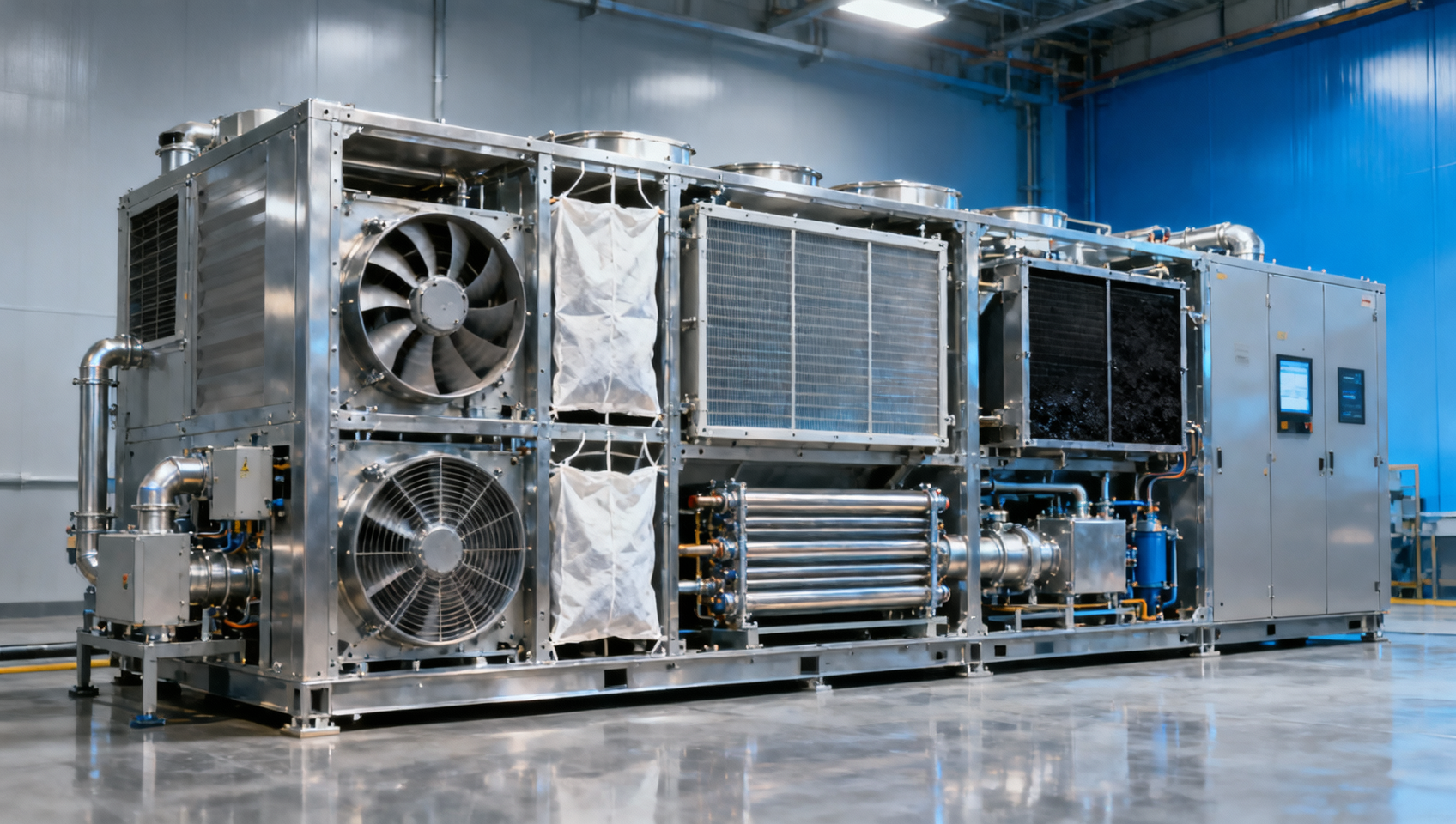
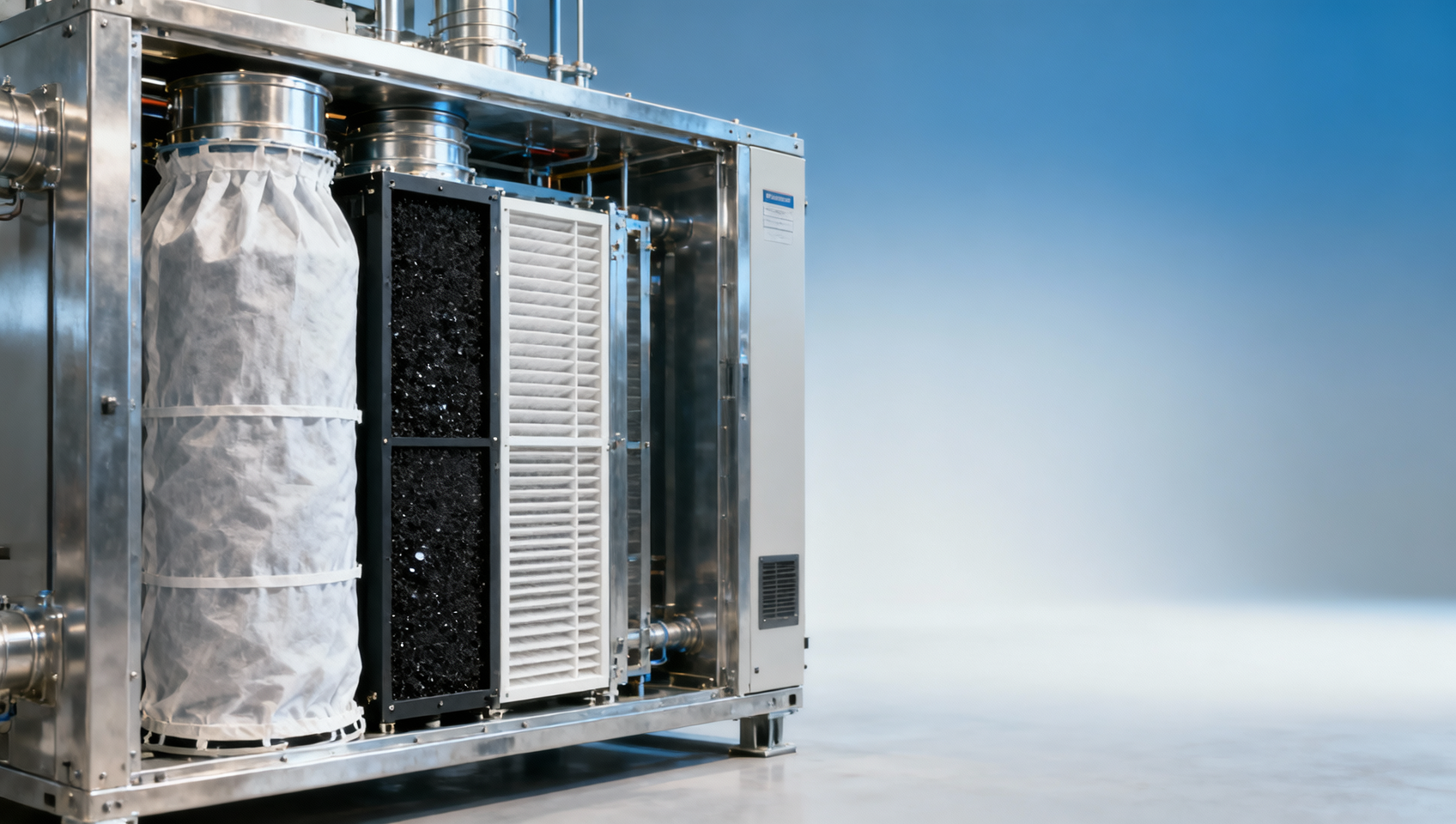
Before any project design begins, a wet scrubber manufacturer should clarify the gas stream composition, pollutant load, moisture, temperature, corrosion risks, and required emission targets. For EPC teams, plant operators, procurement managers, and decision-makers, defining these parameters early helps align wet scrubber manufacturer selection with compliance, lifecycle cost, maintenance demands, and integration with broader VOCs treatment equipment or industrial dust collector systems.
In industrial projects, a wet scrubber is rarely a standalone purchase. It affects upstream ducting, fan sizing, water treatment, chemical dosing, drainage design, instrumentation, and maintenance planning. If key process facts remain unclear during the early phase, the result is often an oversized system, unstable removal efficiency, excessive pressure drop, or corrosion that appears within the first 12–24 months of operation.
For buyers and technical evaluators, the real question is not only which wet scrubber manufacturer can supply equipment, but which one can define design boundaries accurately before drawings, procurement packages, and civil interfaces are frozen. The following sections outline the technical, operational, and commercial points that should be clarified before project design starts.
Define the gas stream and pollutant profile before any sizing work
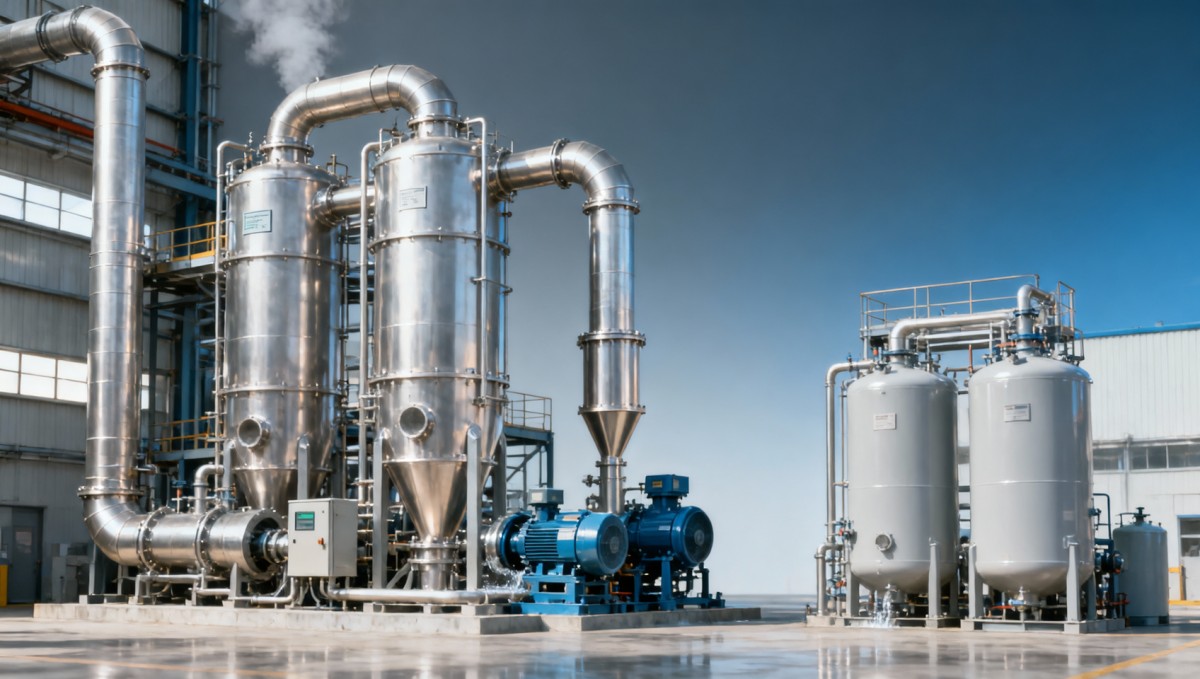
A competent wet scrubber manufacturer should first ask for a complete gas profile. This includes normal flow rate, peak flow rate, temperature range, humidity, dust loading, VOC content, acidic or alkaline components, and whether the stream contains sticky, condensable, or explosive compounds. A design based only on a nominal airflow value, such as 20,000 m³/h, is incomplete if the actual process swings between 12,000 and 28,000 m³/h over a 24-hour cycle.
Pollutant identity matters as much as volume. Removing HCl mist, SOx, NH3, solvent vapors, or fine particulate smaller than 5 microns requires different liquid-to-gas ratios, packing choices, droplet separation strategies, and recirculation chemistry. Even two plants in the same sector can require different designs if one has intermittent batch releases and the other runs a continuous process with stable emissions.
Key input data that should be confirmed
At the pre-design stage, the manufacturer should gather enough data to avoid redesign after purchase order release. In many projects, 6 core variables determine whether the initial concept is reliable or risky.
- Gas flow range: minimum, normal, and maximum values, not just one design point.
- Temperature window: for example 35°C–85°C in normal operation, with upset peaks up to 110°C.
- Pollutant concentration: mg/Nm³, ppm, or volume percent for each critical component.
- Moisture and condensation behavior: especially where saturation may occur inside ducts or vessels.
- Particle characteristics: median size, stickiness, abrasiveness, and whether solids dissolve in recirculating liquid.
- Emission target: outlet threshold, removal efficiency, and any stack monitoring requirement.
When this information is incomplete, manufacturers often price conservatively, adding material upgrades, larger pumps, or extra mist eliminators. That can increase initial capital cost by 10%–25% without solving the real process uncertainty. In contrast, a better-defined gas profile allows more precise selection of tower type, nozzle arrangement, and recirculation rate.
The table below shows how common gas stream variables influence design choices and commercial risk during early evaluation.
The main takeaway is simple: the more accurate the process data, the more realistic the equipment scope. This protects not only performance, but also schedule, piping interfaces, and downstream operating cost.
Clarify emission targets, compliance boundaries, and process guarantees
A wet scrubber manufacturer should never start detailed project design without a clear answer to one question: what exactly must the system achieve at the stack? Some projects require a concentration limit, such as less than 30 mg/Nm³ particulate or a specific ppm limit for acid gases. Others are based on removal efficiency, for example 95% or 98%. These are not interchangeable because the same efficiency can still miss an absolute emission limit if inlet loading changes.
The buyer should also clarify whether the scrubber is the primary control device or one part of a larger line that includes quenching, cyclones, VOCs treatment equipment, or an industrial dust collector. If upstream and downstream responsibilities are not split clearly, guarantee disputes can arise during commissioning. A manufacturer may guarantee tower performance at the inlet flange, but the owner may expect plant-wide compliance at the stack after dilution air, bypass lines, or variable fan operation.
Questions that should be resolved in the specification
Procurement teams can reduce ambiguity by locking down guarantee language early. This is especially important in cross-border EPC projects where standards, acceptance methods, and operating assumptions differ between regions.
- Define the regulated pollutants and required outlet values under normal and peak load conditions.
- State whether the guarantee is concentration-based, efficiency-based, or both.
- Confirm test conditions, including gas flow, reagent quality, water conductivity, and ambient conditions.
- Specify continuous versus batch operation, such as 8-hour batch cycles or 24/7 continuous duty.
- Confirm whether emission monitoring will be manual, periodic, or continuous with online instruments.
A common problem appears when engineering teams request “future-ready” design without defining expansion capacity. A practical approach is to state whether a 10%, 20%, or 30% throughput increase is expected within the next 3–5 years. This allows the wet scrubber manufacturer to assess whether spare pump capacity, larger vessel diameter, or a modular add-on section is justified.
The comparison below helps procurement and technical teams distinguish between different compliance frameworks during supplier clarification.
Projects with well-defined compliance boundaries typically move faster through technical bid evaluation because commercial comparisons become more transparent. Instead of debating general promises, teams can compare guarantees against the same operating basis.
Address materials, corrosion, and utility interfaces early
Material selection is one of the most important points a wet scrubber manufacturer should clarify before project design. In corrosive service, the lowest equipment price can become the highest lifecycle cost within 18 months if internal surfaces blister, bolts fail, or nozzles deform. The correct choice may involve FRP, PP, PVC, rubber-lined steel, duplex alloys, or mixed-material construction depending on temperature, chemistry, and mechanical loads.
Corrosion risk is not defined by one factor alone. A gas stream with moderate acidity but high chloride content, intermittent shutdowns, and condensation during cooling can be more damaging than a continuously hot and chemically stable stream. That is why a responsible manufacturer asks for upset conditions, cleaning methods, and plant washdown practices, not only steady-state process numbers.
Utilities and interfaces often decide the final configuration
Utility availability can change the entire system concept. If make-up water quality is poor, blowdown increases and scaling risk rises. If compressed air is limited, pneumatic valves or pulse-cleaning add complexity. If the site cannot handle high wastewater loading, the scrubber may need additional neutralization, solids separation, or a closed-loop approach. These decisions affect layout, skid boundaries, and operating cost from day one.
A realistic early checklist should include water consumption per hour, reagent storage volume, drainage route, electrical load, pump redundancy, and access for demister cleaning. For medium industrial systems, pump power may range from 3 kW to 30 kW, while blowdown management can become a major hidden cost if the plant runs 6,000–8,000 hours per year.
Common pre-design oversights
- Assuming the same material works for both normal operation and shutdown condensation.
- Ignoring access space for pump removal, packing replacement, or mist eliminator washdown.
- Failing to define sump solids handling frequency, such as weekly versus monthly cleaning.
- Underestimating the impact of upstream fan pulsation or uneven duct flow distribution.
When these points are clarified early, the manufacturer can produce a more reliable equipment arrangement and utility list. That supports both EPC coordination and owner budgeting, especially when multiple packages must connect during a compressed construction schedule.
Compare lifecycle cost, maintenance burden, and supplier support instead of price alone
A wet scrubber manufacturer should help buyers understand the difference between purchase price and ownership cost. Two offers may look similar at tender stage, but one may require higher water consumption, more frequent nozzle replacement, and longer shutdowns for internal cleaning. Over 3–5 years, these operating factors can outweigh a 10% lower initial quote.
Maintenance burden should be reviewed in measurable terms. Procurement teams should ask how often the demister requires washing, how many wear parts are replaced annually, whether pumps are standard local models, and how long a typical service intervention takes. For example, if nozzle inspection is required every 4 weeks instead of every 12 weeks, labor planning and spare parts inventory both change significantly.
Commercial evaluation points that matter in practice
Beyond equipment scope, buyers should compare documentation quality, commissioning support, response time for spares, and whether the supplier can support integration with VOCs treatment equipment or an industrial dust collector. A system that works technically but lacks local service support can create extended downtime if a pump seal, pH probe, or demister section fails unexpectedly.
The table below can be used as a practical procurement checklist when comparing wet scrubber manufacturer proposals.
This comparison method shifts the discussion from “lowest bid” to “lowest avoidable risk.” For operators and decision-makers, that is usually the more durable basis for selecting a wet scrubber manufacturer.
A practical 4-point buying rule
- Compare all suppliers on the same process data sheet.
- Ask for consumables and maintenance assumptions in writing.
- Review service accessibility and spare part availability for the first 12 months.
- Check integration scope with adjacent air pollution control systems.
Implementation planning, FAQs, and next-step guidance
Even a strong technical design can fail if implementation planning is weak. Before finalizing the purchase, the wet scrubber manufacturer should clarify deliverables, interface drawings, commissioning scope, and acceptance steps. In many industrial projects, basic engineering may take 2–4 weeks, fabrication 6–12 weeks, and site installation another 1–3 weeks depending on ducting, utilities, and civil readiness. These ranges should be discussed early so the scrubber package aligns with broader EPC milestones.
Operator training is equally important. A wet scrubber is not maintenance-free. Teams should know how to manage pH, monitor differential pressure, inspect nozzles, and respond to foam, scaling, or carryover. A short 4-hour handover briefing is rarely enough for a complex line. In practice, many plants benefit from 1–2 days of structured training plus a startup checklist that covers routine inspections during the first 30 days.
How do you know if a wet scrubber should be paired with other control equipment?
If the gas stream contains both high dust loading and soluble gases, a combined system may be more reliable than a single-stage unit. For example, pre-collection with an industrial dust collector can reduce solids burden before wet scrubbing, while downstream VOCs treatment equipment may be needed if solvent emissions are not sufficiently addressed by liquid absorption alone. This should be clarified during process review, not after equipment installation.
What delivery information should buyers request before contract award?
Request a document list with at least the P&ID, GA drawing, utility consumption sheet, instrument list, foundation loads, recommended spare parts, and commissioning procedure. Also confirm how many approval cycles are included. A supplier allowing 2 drawing revisions may be easier to coordinate than one offering only a single approval round in a multi-party EPC environment.
What are the most common early-stage mistakes?
- Selecting by vessel size without reviewing gas chemistry and upset conditions.
- Ignoring wastewater handling and assuming disposal is a minor utility issue.
- Failing to define access space for service, especially in retrofit plants.
- Accepting performance claims without clear test and guarantee conditions.
For industrial buyers, the strongest outcome comes from early clarification, disciplined bid comparison, and realistic operating assumptions. If you are evaluating a wet scrubber manufacturer for a new line, retrofit, or integrated emissions control package, now is the right time to review your gas data, compliance targets, materials strategy, and maintenance expectations in one coordinated framework.
Global Industrial Core supports EPC contractors, facility teams, and procurement leaders with decision-oriented industrial insight across environmental control, power, instrumentation, and core plant systems. To reduce specification gaps and improve supplier selection quality, contact us to discuss your application, request a tailored evaluation framework, or explore broader solutions connected to wet scrubbing, VOC control, and industrial dust collection.
Technical Specifications
- How to choose an organic fertilizer machine for wet raw materialsAuthor :Environmental Engineering Director
- What affects output stability in a hydraulic briquetting pressAuthor :Environmental Engineering Director
- Waste paper baler wholesale prices vary for reasons beyond tonnageAuthor :Environmental Engineering Director
Expert Insights

Chief Security Architect
Dr. Thorne specializes in the intersection of structural engineering and digital resilience. He has advised three G7 governments on industrial infrastructure security.
Related Analysis
- Apr 16, 2026How to choose an organic fertilizer machine for wet raw materialsAuthor :Environmental Engineering Director
- Apr 16, 2026What affects output stability in a hydraulic briquetting pressAuthor :Environmental Engineering Director
- Apr 16, 2026Waste paper baler wholesale prices vary for reasons beyond tonnageAuthor :Environmental Engineering Director
Core Sector // 01
Security & Safety
- Electrostatic precipitator ESP vs baghouse in high temperature dustAuthor :Environmental Engineering Director

- Commercial kitchen exhaust hood sizing mistakes that hurt captureAuthor :Environmental Engineering Director

- HVAC ozone generator use cases where odor control can backfireAuthor :Environmental Engineering Director

- Industrial humidifiers wholesale orders often miss water quality limitsAuthor :Environmental Engineering Director

- Commercial dehumidifiers that work in cold rooms need a closer lookAuthor :Environmental Engineering Director

- AHU handling units: where energy loss often starts in the design stageAuthor :Environmental Engineering Director

- Activated carbon air filter life span depends on more than airflowAuthor :Environmental Engineering Director

- Pocket air filters with low pressure drop are not always the best fitAuthor :Environmental Engineering Director