Biofilter odor control fails fast when moisture balance is ignored
Author
Date Published
Reading Time
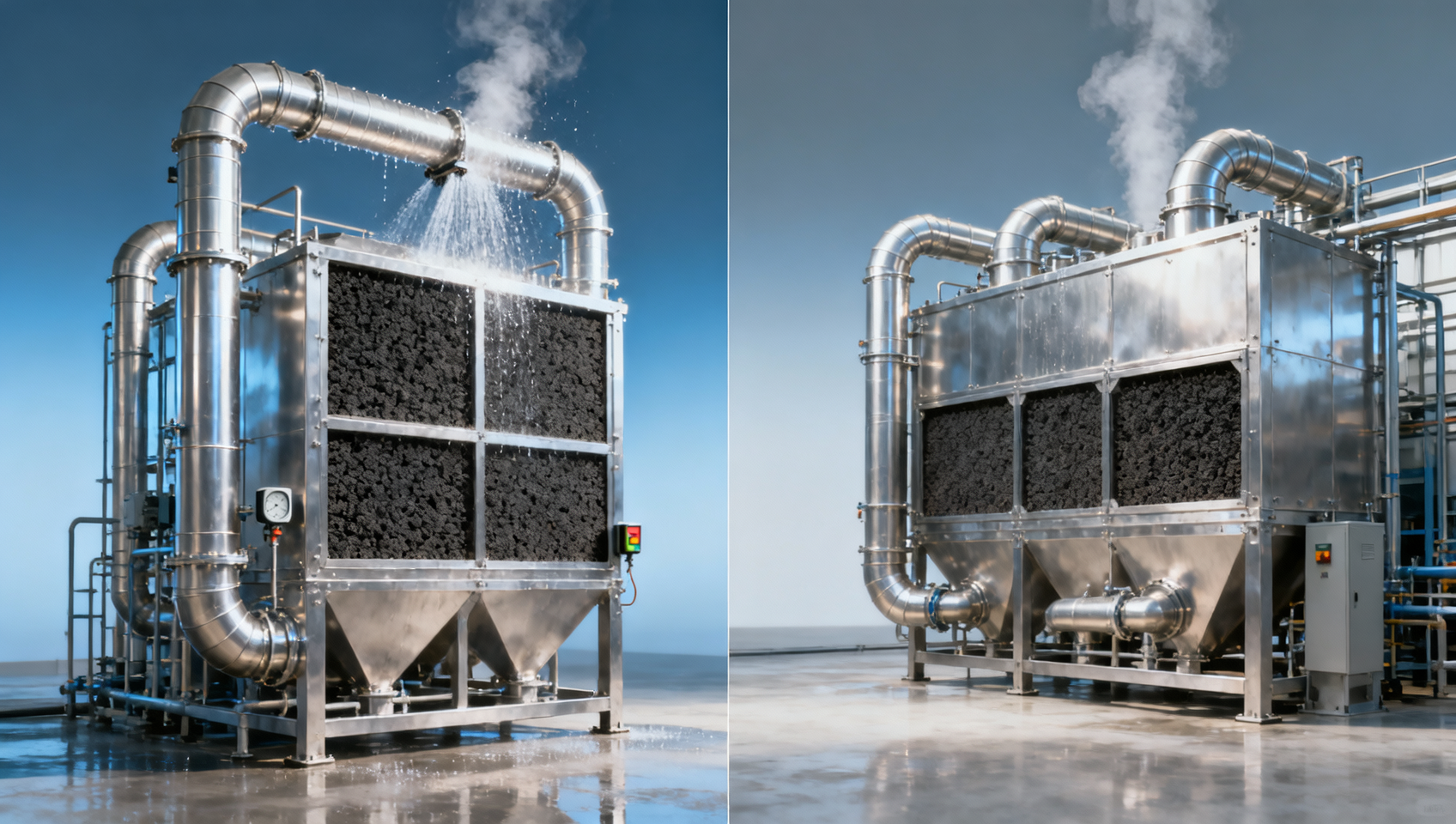
Biofilter odor control can deliver reliable VOC and odor reduction, but performance drops quickly when moisture balance is neglected. For operators, buyers, and industrial decision-makers comparing activated carbon air filter systems, wet scrubber manufacturer solutions, or regenerative thermal oxidizer RTO options, understanding humidity control is essential to avoid media failure, rising pressure drop, and costly compliance risks.
In industrial odor treatment, moisture is not a minor operating detail. It is one of the main variables that determines whether a biofilter maintains microbial activity, stable airflow, and predictable removal efficiency over 12 to 36 months, or degrades in a matter of weeks. This matters in wastewater plants, rendering facilities, food processing lines, composting sites, and chemical handling areas where odor excursions can trigger complaints, permit violations, and unplanned shutdowns.
For research teams, plant operators, procurement managers, and executive decision-makers, the key question is not only whether a biofilter can remove odor. The real question is whether the system can hold the right moisture window under variable inlet air, seasonal temperature shifts, and inconsistent loading. A low-cost unit with poor humidity control may look competitive at tender stage, yet create higher lifecycle cost than carbon adsorption, wet scrubbing, or an RTO in demanding duty.
Why Moisture Balance Determines Biofilter Reliability
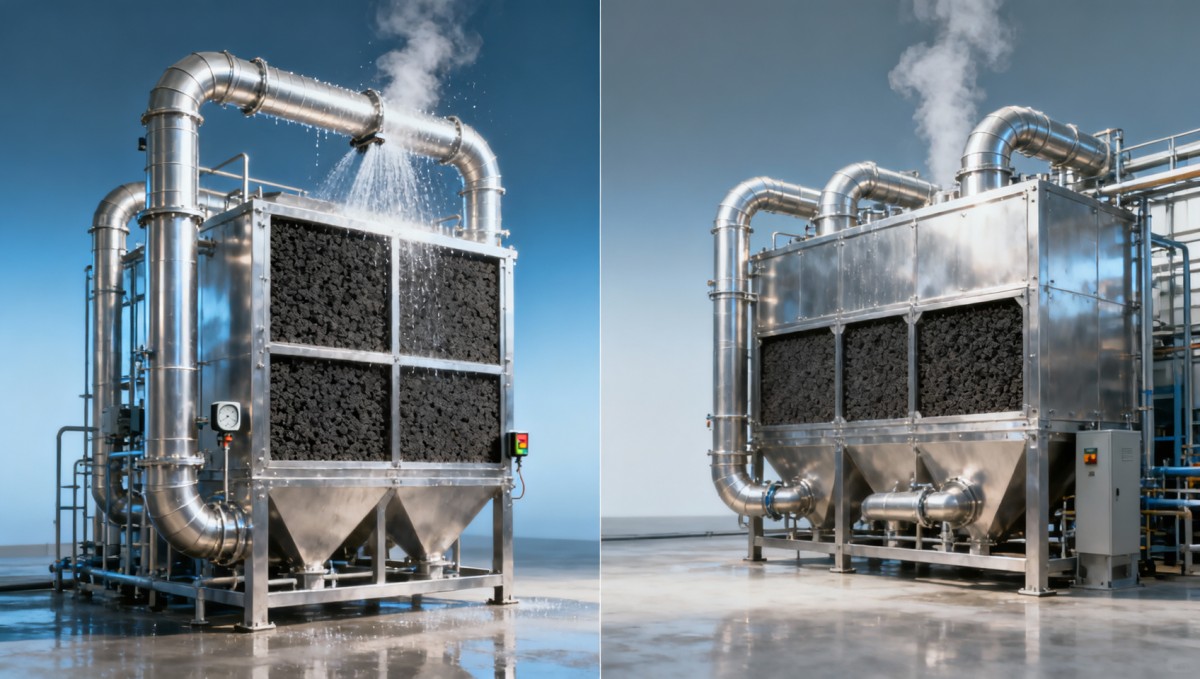
A biofilter works because microorganisms attached to the media degrade odor compounds and some VOCs as contaminated air passes through the bed. That biology depends on a narrow operating range. In many industrial applications, media moisture content is often managed around 40% to 65%, while relative humidity of incoming air is commonly targeted above 95% before it enters the bed. Once the media dries below the workable range, biological activity drops rapidly.
Excess water is just as damaging. If irrigation is too aggressive, condensate accumulates, or airflow cools below dew point inside the vessel, pore spaces in the media begin to flood. That reduces oxygen transfer, raises differential pressure, and encourages channeling. Instead of uniform treatment across the full bed depth, the air finds a few low-resistance paths and bypasses active zones. The result is lower odor removal and uneven media aging.
This failure mode is common when buyers focus on fan power, bed depth, and nominal airflow but do not evaluate humidification design. Inlet gas temperature, dust loading, acid content, and shutdown frequency all affect moisture stability. A system sized correctly at 10,000 m³/h can still underperform if pre-humidification time is too short, droplet distribution is poor, or drainage is undersized for peak wetting cycles.
The biological window is narrower than many tenders assume
Media suppliers may present broad operating claims, but field performance is tighter. Dry zones can appear in less than 7 to 14 days in hot, low-humidity climates or in systems with intermittent operation. At the other extreme, overwatering can create compaction within 1 to 3 months, especially in organic media blends that shrink, settle, or break down under repeated wet-dry cycling.
For industrial users, this means moisture balance should be treated as a control parameter, not only a commissioning task. Sensors for bed temperature, inlet relative humidity, irrigation timing, and pressure drop should be reviewed with the same seriousness as blower sizing or stack emissions. A biofilter without adequate monitoring is often being operated reactively rather than predictively.
Typical signs moisture is already out of control
- Pressure drop rises by 20% to 40% over baseline within a short operating period.
- Odor complaints increase after dry weather, cold starts, or production surges.
- Visible dry crusting forms on top of the media, or standing water appears in drainage zones.
- Removal efficiency swings widely between shifts even when airflow remains similar.
When these symptoms appear together, the issue is rarely solved by simply adding more water. The correct response is to review humidification residence time, droplet size, bed distribution, drainage performance, and whether upstream particulates are blocking wetting uniformity.
What Happens When Moisture Is Too Low or Too High
Ignoring moisture balance creates two different but equally expensive failure paths. Under-dry operation suppresses microbial activity and can harden the top layer of media, reducing contact between air and biomass. Over-wet operation increases pressure drop, raises fan energy consumption, and shortens media life. In both cases, operators may mistakenly assume the media itself is defective when the real issue is water management.
The table below shows how moisture imbalance affects day-to-day performance, maintenance burden, and buyer risk. It is especially relevant when comparing a biofilter against activated carbon air filter systems, wet scrubber installations, or regenerative thermal oxidizer RTO packages where operational predictability is often a major purchasing criterion.
The practical takeaway is simple: a biofilter does not fail only because of chemistry or airflow. It often fails because water distribution and retention are not engineered as part of the process. If your site experiences variable air volume, large temperature swings, or shutdowns longer than 24 to 48 hours, the moisture control strategy should be reviewed before media selection is finalized.
Common industrial triggers behind fast performance decline
Many failures start upstream. High dust or grease loading blocks the bed surface and prevents even wetting. Acidic or alkaline streams can change the media water-holding behavior and microbial balance. Inlet air below about 10°C may reduce biological activity, while hot air above 40°C can drive evaporation faster than standard irrigation cycles can compensate.
A second trigger is poor shutdown management. During a 2-day weekend stop, media may dry unevenly if the system lacks automatic misting or cover controls. After restart, operators see rising outlet odor and attempt to overwater the bed, which then creates ponding and compaction. This cycle repeats until the biofilter is labeled unreliable, even though the root cause is procedural rather than inherent to the technology.
How Biofilters Compare with Carbon, Wet Scrubbers, and RTO Systems
No single odor control technology is ideal for every site. Biofilters can be highly effective and energy-efficient for large airflow, lower concentration odor streams, but they demand stable moisture and basic biological housekeeping. Activated carbon air filter systems are often easier to deploy for polishing duty or intermittent emissions, while wet scrubber manufacturer solutions fit soluble contaminants and corrosive streams. RTO systems are stronger for high VOC destruction, though capital and fuel demand are usually higher.
For procurement teams, the most useful comparison is not only removal efficiency. It is the combined effect of inlet variability, maintenance skill, utility cost, pressure drop, and compliance margin. A biofilter may have attractive operating cost at 15,000 to 80,000 m³/h, but if the site cannot maintain humidity control and drainage discipline, a simpler or more robust alternative may produce better whole-life value.
Decision framework for industrial buyers
The following comparison helps buyers screen technologies during early project planning. The values are typical engineering ranges rather than fixed rules, and final selection should be based on gas composition, concentration, temperature, moisture, and discharge requirements.
This comparison does not mean biofilters are fragile by default. It means they are process-sensitive. If the project team can maintain inlet humidity near saturation, protect drainage, and manage bed condition on a weekly or biweekly basis, a biofilter can provide stable service at attractive operating cost. If not, a hybrid system such as pre-scrubbing plus biofiltration, or biofiltration plus carbon polishing, may be the more reliable design.
Four questions procurement teams should ask suppliers
- What inlet relative humidity and pre-humidification residence time are required at design flow?
- How is irrigation distributed across the bed, and how many wetting zones are independently controlled?
- What pressure drop range is expected at startup and at end of normal media life?
- What maintenance actions are needed weekly, monthly, and annually to sustain compliance?
Clear answers to these four points often reveal whether a quoted system is engineered for industrial reality or only for nominal laboratory conditions.
Practical Design and Operating Controls That Prevent Moisture Failure
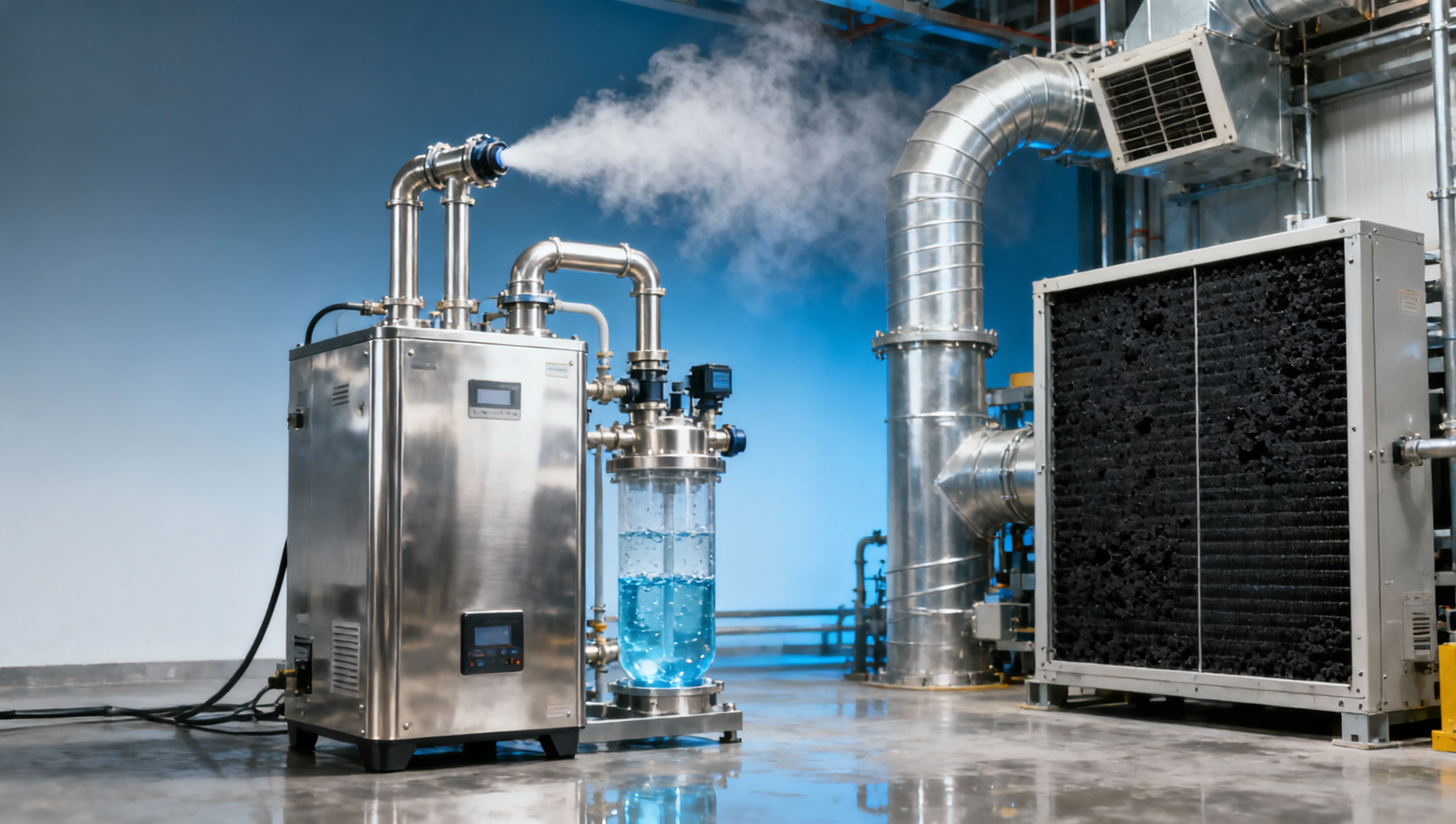
The most effective odor control systems are designed around moisture stability from the beginning. That starts with inlet conditioning. In many applications, operators use humidification chambers, spray grids, or misting sections to raise relative humidity to 95% or higher before the air reaches the media. Contact time may range from 1 to 3 seconds depending on temperature and airflow. Shorter residence time can work, but only when droplet distribution and mixing are well designed.
Bed configuration also matters. Typical media depths of 0.8 to 1.2 meters are common, but deeper beds require more attention to drainage and compaction. Support floors should distribute air evenly while allowing fast water escape. Low points in ducting and vessel floors need drains sized for washdown and condensation, not just average irrigation rates. If drainage is undersized, the system may flood even when total water addition appears modest.
Control logic should match the process, not just the equipment. Continuous plants often benefit from timed irrigation with feedback from pressure drop and humidity sensors. Intermittent plants may need special restart wetting cycles after idle periods of 12 to 48 hours. In cold climates, insulation or heat tracing may be necessary to avoid condensation in the wrong locations while still protecting media moisture.
Recommended monitoring points
A robust monitoring plan usually includes at least five checkpoints: inlet air temperature, inlet relative humidity, bed temperature, pressure drop across the bed, and outlet odor or surrogate concentration. More advanced systems add multiple bed moisture probes or zone-based irrigation control, which is useful for large units above 20,000 m³/h or installations exposed to strongly variable loads.
The important point is consistency. Operators do not need a complex digital twin to control a biofilter, but they do need a disciplined routine. Weekly checks can catch dry spots, clogged nozzles, blocked drains, or abnormal pressure trends early. Waiting until outlet odor is visibly high usually means the problem has already spread through a significant part of the bed.
Implementation steps for stable operation
- Verify inlet temperature, humidity, and contaminant profile before finalizing media and humidification layout.
- Commission irrigation zones with documented spray coverage and drainage tests at design and turndown flow.
- Set startup baseline values for pressure drop, moisture condition, and outlet performance during the first 2 to 4 weeks.
- Establish weekly inspections and monthly trend reviews with clear alarm thresholds.
- Plan media refurbishment or replacement based on condition, not only calendar age.
Procurement, Maintenance, and FAQ for Long-Term Compliance
For buyers and decision-makers, the safest procurement approach is to evaluate biofilter odor control as a total system rather than a media box. Request design details for humidification, drainage, access, instrumentation, and maintenance support. A supplier who only discusses media type and nominal removal rate may not be addressing the true risk factors. Industrial assets should be assessed over 3 to 5 years of operation, including utilities, labor, media replacement, and potential non-compliance events.
Maintenance planning should also be explicit before purchase order. Ask whether nozzles need monthly cleaning, whether pressure drop alarms are standard, how often media top-up is expected, and what operator training is included. On larger sites, a short standard operating procedure with 6 to 10 inspection points can prevent most moisture-related failures. That is a small administrative cost compared with emergency troubleshooting or odor complaints from surrounding communities.
For facilities considering multiple technologies, hybrid solutions deserve attention. A wet scrubber can stabilize acid gases and humidity before a biofilter. Activated carbon can polish residual peaks downstream. In high-VOC or solvent duty, an RTO may be the primary system while biological treatment handles lower-strength side streams. The right answer depends on load profile, compliance target, operator skill, and utility economics.
FAQ: How often should media be inspected?
A practical minimum is a weekly visual check and a monthly review of pressure drop and odor performance trends. Sites with variable loading, high dust, or frequent shutdowns may need checks 2 times per week during the first 60 to 90 days after startup or seasonal changes.
FAQ: When is a biofilter a poor fit?
It is usually a weaker fit where VOC concentrations are very high, temperatures are consistently extreme, space is limited, or the plant cannot maintain humidity and basic maintenance discipline. In those cases, carbon, scrubbing, or thermal oxidation may provide a wider operating margin.
FAQ: What should buyers prioritize in technical review?
Prioritize five items: inlet humidity control, drainage design, pressure drop expectation, maintenance frequency, and support for commissioning. These factors often determine whether the unit performs steadily for years or begins to fail within one season.
Key procurement checklist
- Confirm required inlet humidity and how it is achieved at full and partial load.
- Review drainage capacity, nozzle access, and cleanout provisions.
- Ask for baseline and end-of-life pressure drop ranges.
- Define inspection intervals, spare parts list, and training scope.
- Compare 3-year lifecycle cost against carbon, wet scrubber, and RTO alternatives.
Biofilter odor control remains a strong option for many industrial applications, but only when moisture balance is designed, monitored, and maintained as a core operating parameter. If you are evaluating odor treatment upgrades, comparing technologies, or planning a new compliance project, Global Industrial Core can help you review technical priorities, procurement criteria, and system-fit questions. Contact us to discuss your operating conditions, request a tailored comparison, or explore more industrial odor control solutions.
Technical Specifications
- How to choose an organic fertilizer machine for wet raw materialsAuthor :Environmental Engineering Director
- What affects output stability in a hydraulic briquetting pressAuthor :Environmental Engineering Director
- Waste paper baler wholesale prices vary for reasons beyond tonnageAuthor :Environmental Engineering Director
Expert Insights

Chief Security Architect
Dr. Thorne specializes in the intersection of structural engineering and digital resilience. He has advised three G7 governments on industrial infrastructure security.
Related Analysis
- Apr 16, 2026How to choose an organic fertilizer machine for wet raw materialsAuthor :Environmental Engineering Director
- Apr 16, 2026What affects output stability in a hydraulic briquetting pressAuthor :Environmental Engineering Director
- Apr 16, 2026Waste paper baler wholesale prices vary for reasons beyond tonnageAuthor :Environmental Engineering Director
Core Sector // 01
Security & Safety
- Electrostatic precipitator ESP vs baghouse in high temperature dustAuthor :Environmental Engineering Director

- Commercial kitchen exhaust hood sizing mistakes that hurt captureAuthor :Environmental Engineering Director

- HVAC ozone generator use cases where odor control can backfireAuthor :Environmental Engineering Director

- Industrial humidifiers wholesale orders often miss water quality limitsAuthor :Environmental Engineering Director

- Commercial dehumidifiers that work in cold rooms need a closer lookAuthor :Environmental Engineering Director

- AHU handling units: where energy loss often starts in the design stageAuthor :Environmental Engineering Director

- Activated carbon air filter life span depends on more than airflowAuthor :Environmental Engineering Director

- Pocket air filters with low pressure drop are not always the best fitAuthor :Environmental Engineering Director