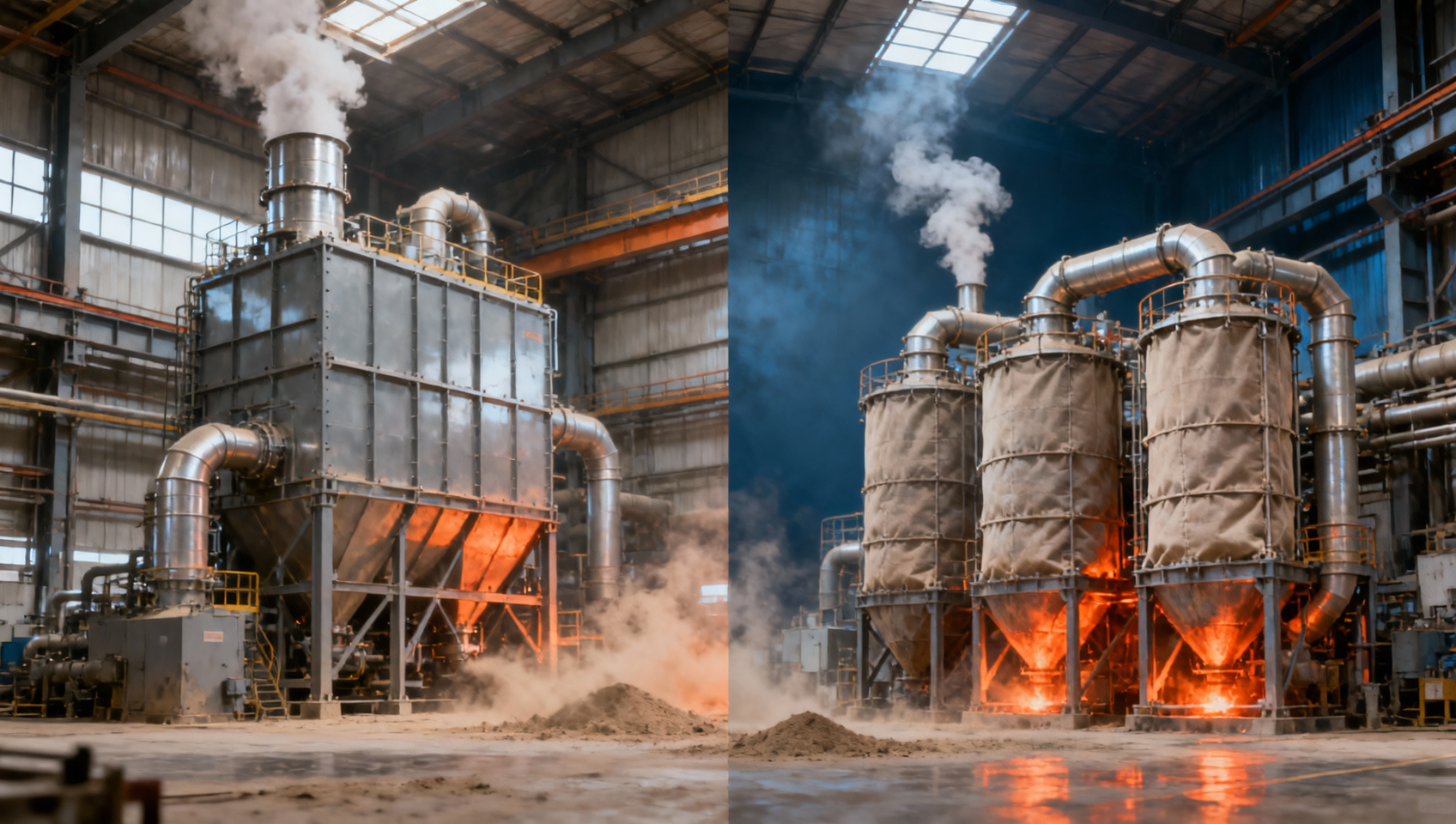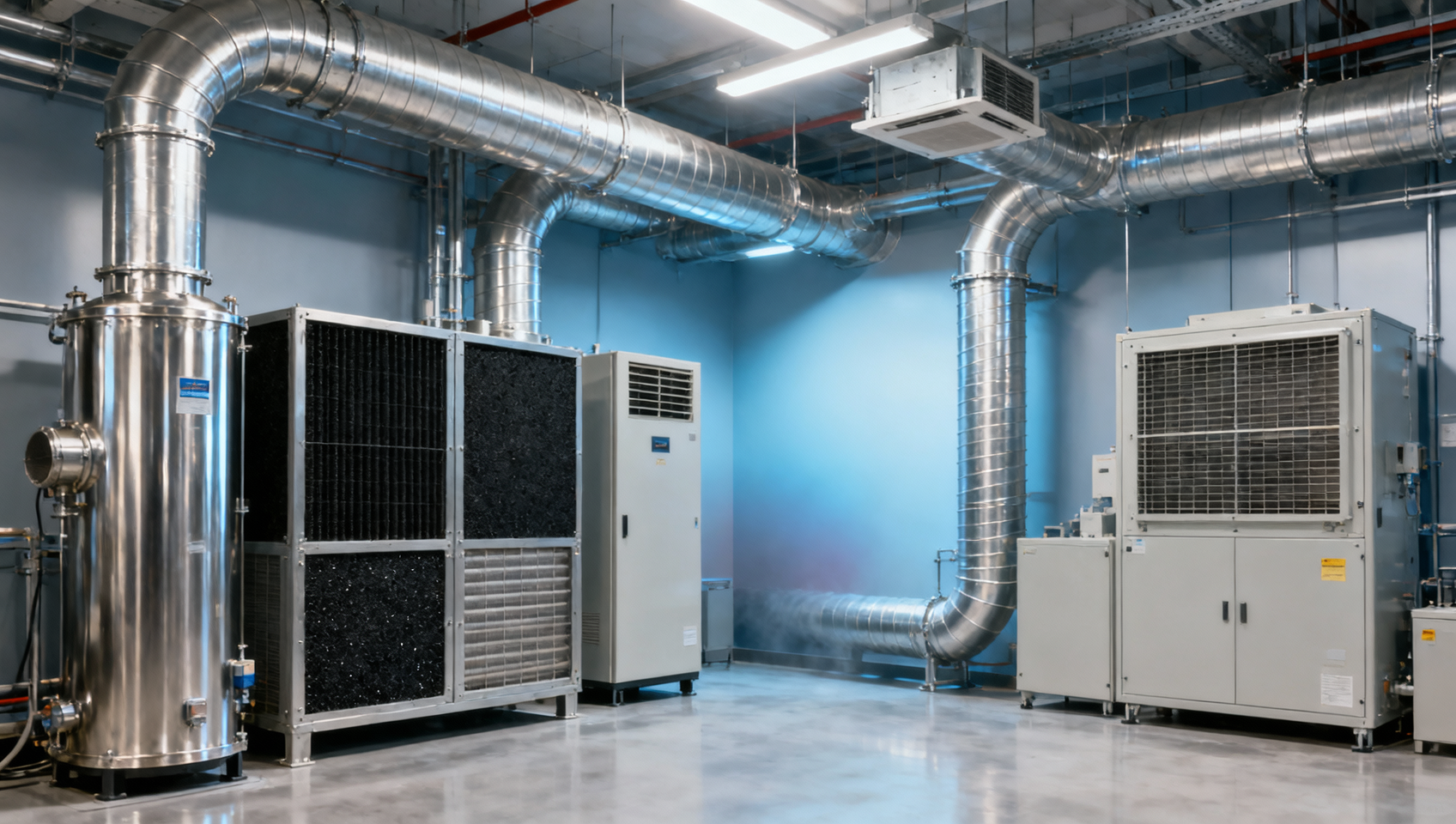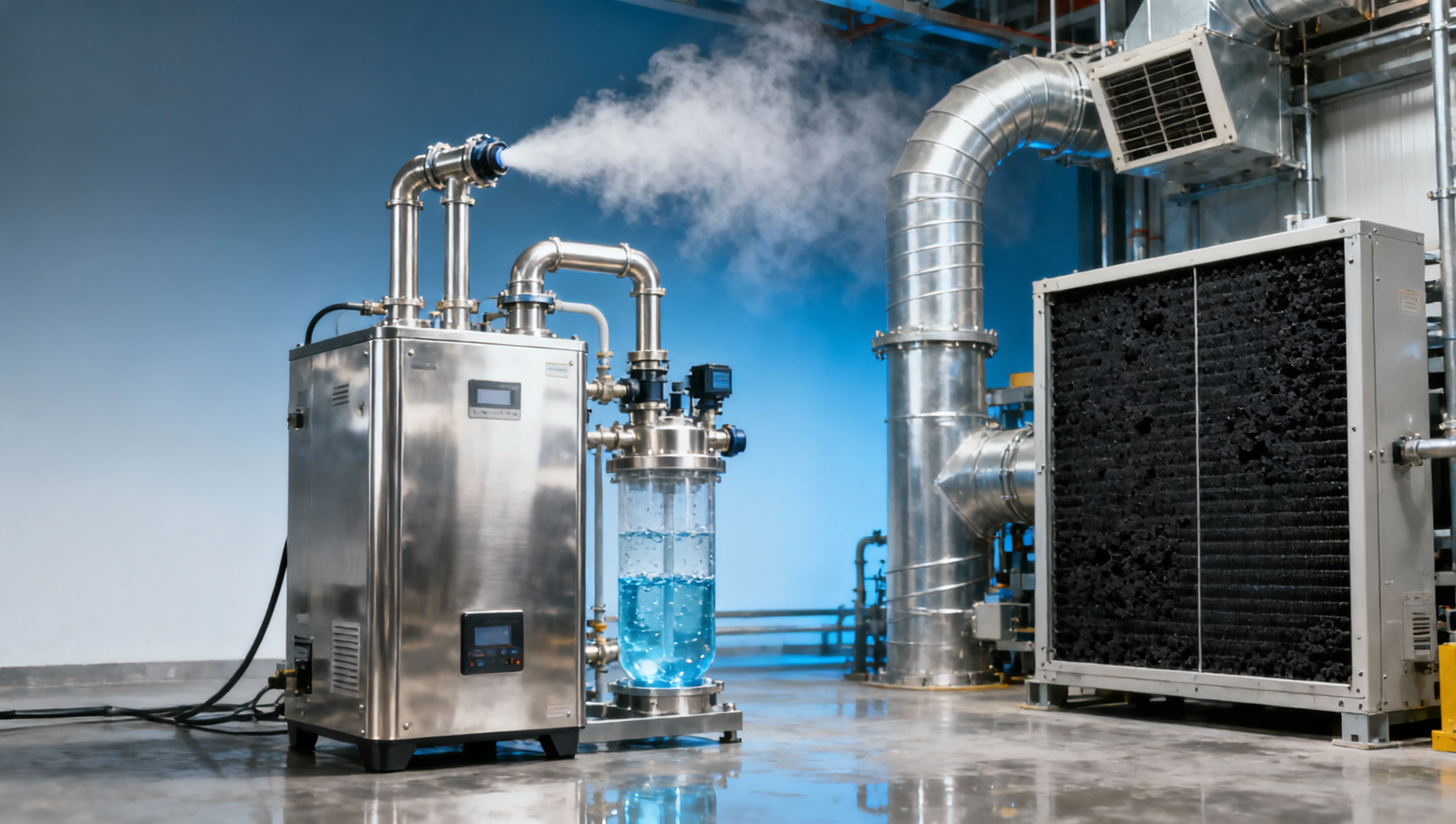
VOCs treatment equipment selection gets harder with mixed solvents
Author
Date Published
Reading Time
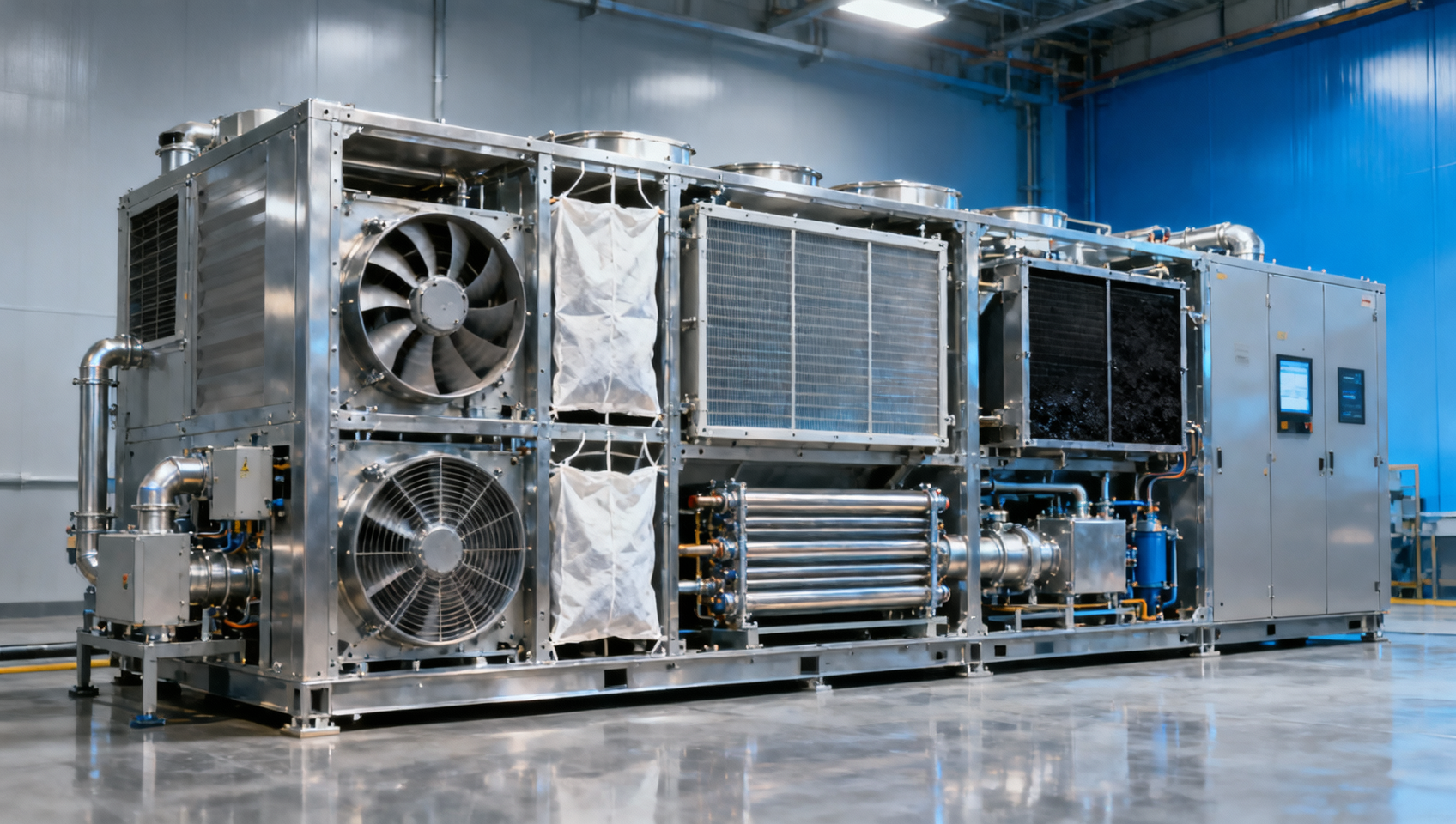
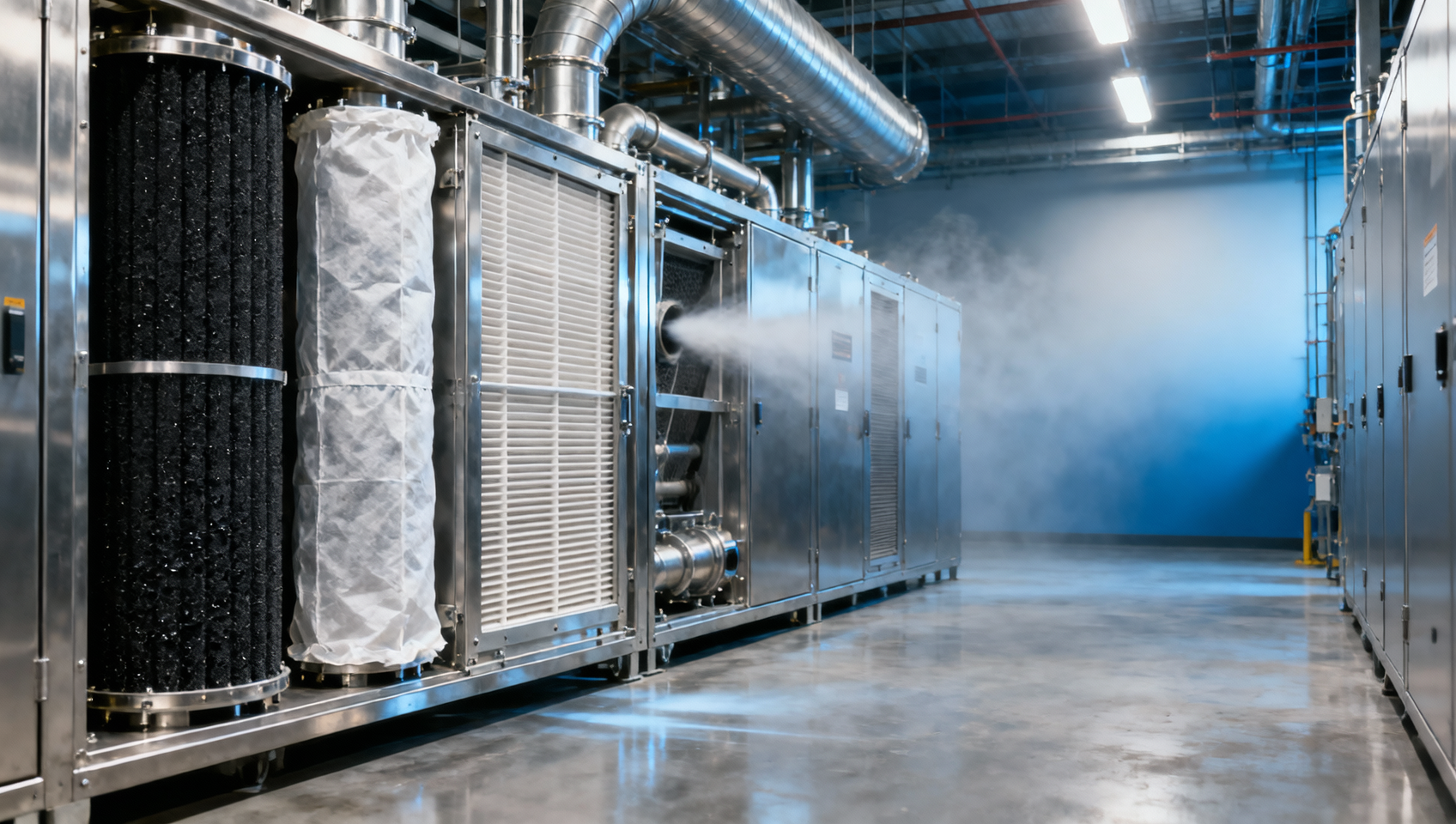
Selecting VOCs treatment equipment becomes far more complex when mixed solvents alter airflow, concentration, and combustion behavior. For engineers, operators, and buyers evaluating regenerative thermal oxidizer RTO, catalytic combustion RCO, activated carbon air filter, biofilter odor control, or a wet scrubber manufacturer, the right choice directly affects compliance, energy use, and lifecycle cost. This guide outlines the key factors that determine reliable, scalable VOCs control in demanding industrial environments.
In mixed-solvent exhaust streams, a system that performs well for a single VOC may become unstable, inefficient, or expensive when alcohols, ketones, esters, aromatics, halogenated compounds, moisture, particulates, and temperature swings appear together. That is why industrial selection should move beyond a simple device comparison and toward process-based evaluation.
For research teams, operators, procurement specialists, and decision-makers, the core challenge is balancing 4 priorities at the same time: emissions compliance, safe operation, energy consumption, and long-term maintenance. In sectors such as coating, printing, chemical blending, pharmaceuticals, electronics, and composite materials, this balance determines whether a VOCs treatment project remains reliable over 3 to 10 years of plant operation.
Why mixed solvents make VOCs treatment equipment selection more difficult
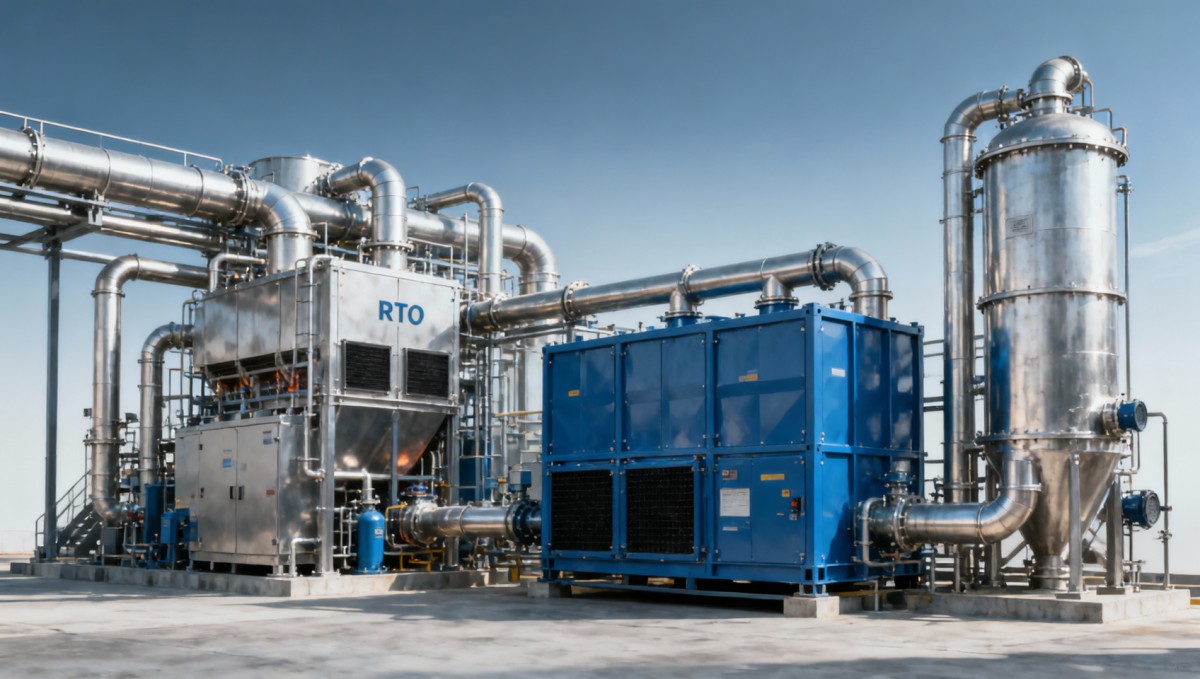
Mixed solvents change the design basis of air pollution control. A single-solvent stream often has relatively predictable lower explosive limit behavior, heat release, and adsorption affinity. A mixed stream may not. Once 2 to 6 VOC families are present, concentration peaks, catalyst poisoning risks, and condensation points can shift significantly during startup, batch charging, cleaning cycles, or seasonal temperature changes.
The first issue is variability. Many industrial exhaust systems do not run at one stable condition. Airflow may fluctuate by 20% to 40% across shifts, while VOC concentration can move from below 300 mg/m3 to above 3,000 mg/m3 in short intervals. When solvent mixtures include both easy-to-oxidize compounds and harder species such as chlorinated organics or silicone-containing vapors, treatment efficiency can drop even if the nameplate capacity appears sufficient.
The second issue is safety. Mixed solvents can create combustion conditions that are less intuitive than operators expect. If the process includes high calorific VOCs, poor dilution control, or sudden solvent dumping, inlet concentration may approach a critical percentage of the lower explosive limit. In many projects, the conservative operating target is to stay below 25% of LEL before the gas enters thermal equipment, though the actual safe threshold depends on process design, controls, and local regulations.
The third issue is secondary contamination and material compatibility. Acid gases, aerosols, sticky resin droplets, sulfur-bearing compounds, and halogens can shorten catalyst life, foul ceramic media, corrode ducts, or saturate activated carbon too quickly. In practical terms, the wrong equipment choice can turn a 12 to 24 month maintenance cycle into a 3 to 6 month intervention cycle.
Four variables that usually change with mixed-solvent exhaust
- Airflow profile: batch production, oven exhaust, tank breathing, and cleaning emissions may create different peak-to-average ratios.
- VOC composition: the proportion of polar and non-polar solvents affects oxidation and adsorption behavior.
- Moisture and temperature: exhaust at 35°C behaves differently from exhaust at 120°C, especially for adsorption or condensation risk.
- Byproducts and contaminants: particulates, acid gases, oil mist, or silicone can force pretreatment before the main control unit.
Because these variables interact, equipment selection should begin with at least 3 layers of data: normal operating conditions, worst-case peak conditions, and upset scenarios. Plants that skip this step often buy systems optimized for average values, then face shutdown risk when real exhaust conditions move outside the expected window.
How RTO, RCO, activated carbon, biofilter, and wet scrubber options differ in mixed-solvent applications
No single technology is ideal for every VOCs treatment project. In mixed-solvent service, the right answer depends on concentration range, exhaust composition, heat recovery potential, corrosive content, and operational stability. The table below compares common technologies used in industrial VOC and odor control programs.
The key takeaway is that mixed solvents often favor multi-stage system design rather than a single standalone device. For example, a wet scrubber may protect downstream RCO equipment from acid gases, while activated carbon may buffer short concentration spikes before final oxidation. In other cases, an RTO becomes the preferred option when airflow exceeds 20,000 m3/h and solvent composition changes weekly.
When each option is usually stronger
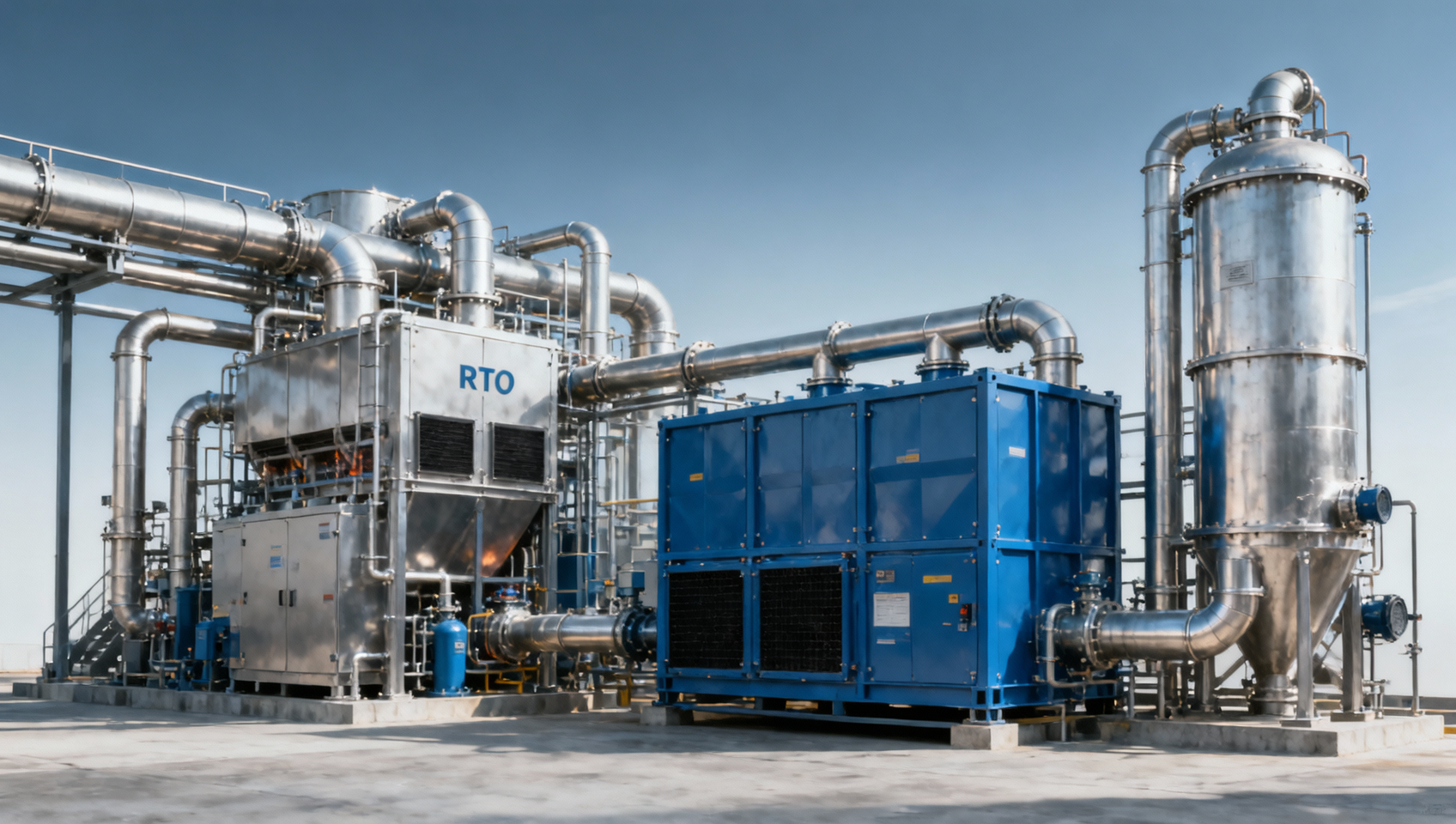
RTO systems are typically selected when plants need high destruction rates, broad solvent tolerance, and continuous operation over 8,000 hours per year. They are common in coating lines, laminating plants, resin operations, and printing facilities where thermal recovery can offset fuel use after startup.
RCO units can be attractive when the gas is clean, temperature is controlled, and operating cost matters. Lower reaction temperature means lower fuel demand, but the penalty is tighter feed-gas quality requirements. If mixed solvents include catalyst poisons, lifecycle cost can rise quickly because catalyst replacement intervals may shorten from several years to less than 12 months.
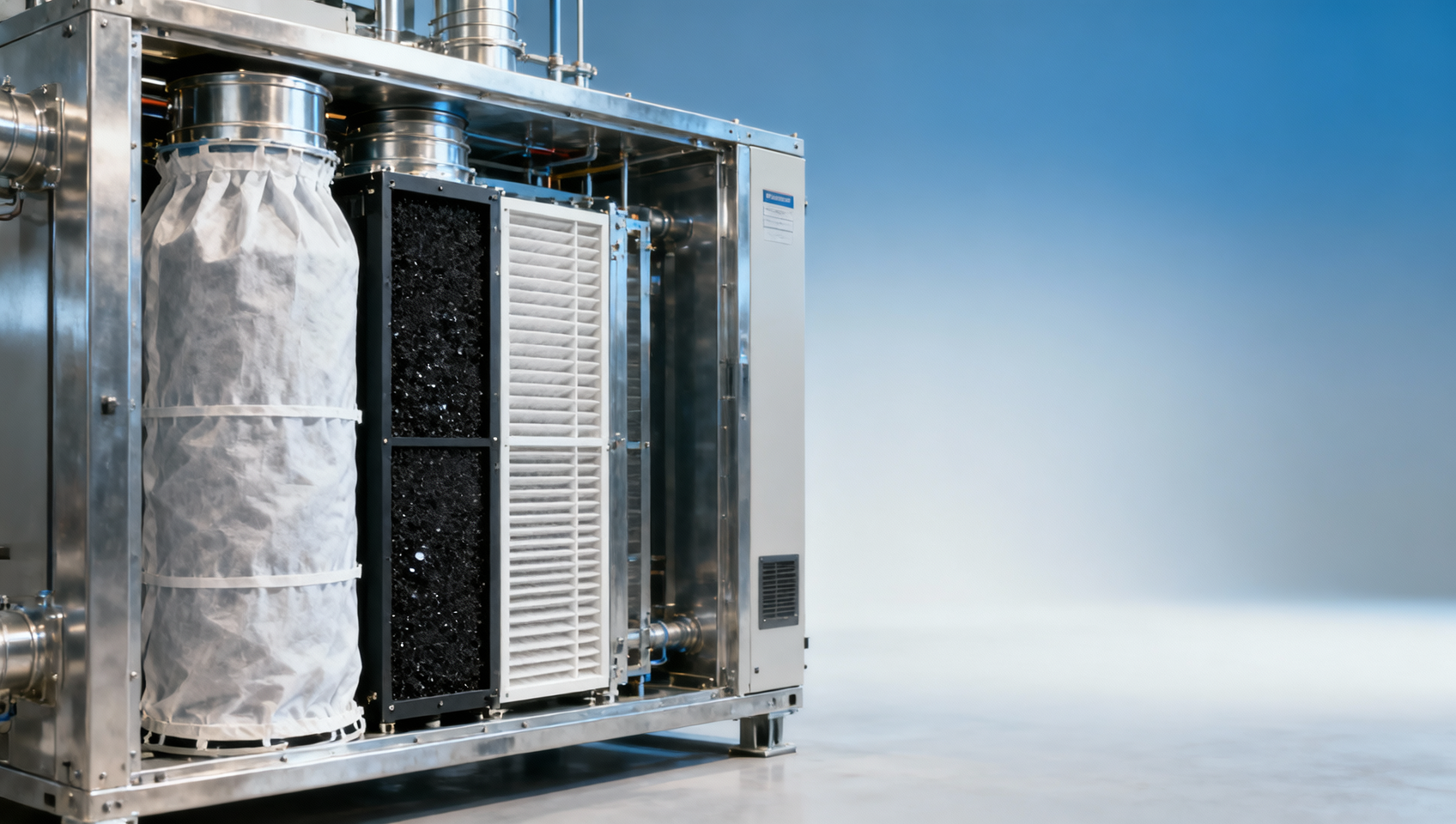
Activated carbon air filter systems work well for low-load, intermittent exhaust and final polishing, especially below moderate concentration ranges. However, they should not be chosen only because capital cost appears lower. In mixed streams with ketones, aromatics, and humidity, carbon replacement frequency, fire precautions, and disposal logistics can dominate annual operating expenses.
Selection rule of thumb
- Use oxidation-based systems when destruction efficiency and regulatory certainty are the main priorities.
- Use adsorption when concentration is lower, recovery or buffering is valuable, and fire protection is engineered properly.
- Use wet scrubbing mainly for soluble pollutants, acid gases, or pretreatment rather than as the only answer for complex VOC mixtures.
- Use biofilter odor control where compounds are biologically treatable and operating conditions are stable enough for microbial activity.
Critical design parameters procurement teams should verify before buying
Procurement mistakes often happen because quotations are compared at the equipment level rather than the process level. A responsible evaluation should check at least 6 technical dimensions: airflow, VOC composition, concentration range, temperature, contaminant loading, and control logic. Without this, two systems with similar capacity may perform very differently in the same plant.
For mixed solvents, concentration should be reviewed not only as an average number, but as a minimum, normal, and maximum range. A project based on 800 mg/m3 average concentration may still fail if short peaks hit 4,000 mg/m3 for 10 to 20 minutes during solvent charging. Buyers should request transient operating data whenever possible.
Temperature and moisture also matter. Adsorption systems may lose working capacity when humidity rises, while oxidation systems may need quenching, preheating, or corrosion-resistant sections if the exhaust contains condensable vapors. Duct velocity, pressure drop, residence time, and burner or catalyst control range should all be reviewed during technical clarification.
Key specification checkpoints
The table below can be used as a practical procurement checklist for technical comparison meetings. It helps separate suppliers that understand process risk from those quoting only on nominal airflow.
A useful buying practice is to ask suppliers for performance assumptions in writing. That should include at least 5 points: inlet composition basis, outlet target, energy consumption basis, required pretreatment, and excluded contaminants. If these assumptions are vague, the proposal may look competitive but carry hidden risk.
Questions decision-makers should raise during bid review
- What happens if solvent ratios change by 30% after a new product line is introduced?
- Which compounds can shorten catalyst, ceramic bed, or carbon service life?
- What inlet conditions trigger shutdown, bypass, or alarm sequences?
- What is the typical maintenance interval in hours or months under similar loading?
- Can the system scale if airflow rises by 15% to 25% within the next 2 years?
Implementation, operation, and maintenance strategies that reduce lifecycle cost
The best VOCs treatment equipment selection is not complete at purchase order stage. Installation quality, control integration, operator training, and preventive maintenance determine whether a system remains compliant and economical. In mixed-solvent environments, lifecycle cost often depends less on list price and more on fuel use, spare parts, media replacement, downtime, and troubleshooting speed.
A practical implementation path usually involves 4 stages: source characterization, pilot or engineering verification, system integration, and post-commissioning optimization. Even for standard equipment, 2 to 6 weeks of data logging can improve design confidence by capturing flow peaks, solvent changeovers, and cleaning emissions that short sampling windows often miss.
Operator training should cover more than routine startup and shutdown. Teams need to understand alarm causes, safe solvent loading limits, filter and demister inspection, and signs of performance drift. For example, rising differential pressure, unstable bed temperature, unusual burner cycling, or increased odor breakthrough may indicate fouling or saturation long before emissions exceed permit thresholds.
Typical lifecycle cost drivers
- Energy demand: startup fuel, steady-state fuel, fan power, pumps, and heat recovery efficiency.
- Consumables: catalyst, activated carbon, packing media, scrubbing chemicals, and filter elements.
- Maintenance labor: planned inspection every 1 to 3 months versus emergency shutdown intervention.
- Waste handling: spent carbon, scrubber blowdown, sludge, or contaminated filters.
- Production impact: downtime during cleaning, media replacement, or emissions troubleshooting.
For facilities running 24/7, system availability matters as much as destruction efficiency. A robust design often includes bypass logic, temperature and concentration interlocks, and accessible inspection points. Plants should also review spare part lead times. Waiting 8 to 12 weeks for a critical valve, burner component, or catalyst module can create a major operational and compliance risk.
Common maintenance mistakes in mixed-solvent systems
- Using average VOC data only and ignoring peak events that overheat, foul, or saturate the system.
- Skipping pretreatment inspection, allowing aerosols or acidic condensate to damage downstream equipment.
- Treating carbon changeout as a fixed calendar event instead of basing it on loading and breakthrough trend.
- Running catalytic systems without close control of poisons that gradually reduce activity.
Frequently asked questions about choosing VOCs treatment equipment for mixed solvents
How do I know whether an RTO or RCO is the better choice?
Start with gas cleanliness and composition stability. If the exhaust contains catalyst poisons, aerosols, or strong variability, RTO is often more tolerant. If the gas is cleaner and the plant wants lower oxidation temperature, RCO may reduce energy demand. The decision should also include expected annual operating hours, maintenance skill level, and the cost impact of future solvent changes.
Can an activated carbon air filter handle mixed solvents by itself?
It can in some low-concentration and intermittent applications, but not always reliably as a standalone solution. Mixed solvents may shorten bed life due to competitive adsorption, humidity, and high-boiling compounds. Where concentration spikes, fire risk, or strict destruction targets exist, carbon is often better used as a buffer or polishing stage rather than the only treatment step.
When should a wet scrubber manufacturer be involved in early design?
Early involvement is valuable when the exhaust includes acid gases, soluble compounds, sticky aerosols, or high temperature gas that needs quenching before downstream oxidation or adsorption. In mixed-solvent lines, wet scrubbing is frequently part of a process train rather than the final VOC destruction step. That is especially true where corrosion control and particulate removal are critical.
Is biofilter odor control suitable for solvent-heavy industrial exhaust?
Usually only for specific low-load, biodegradable odor compounds under stable humidity and temperature conditions. If the stream contains toxic, inhibitory, or rapidly varying solvents, biological treatment may become unreliable. In industrial environments, biofilters are more often applied to odor management than to broad-spectrum solvent control.
Choosing VOCs treatment equipment for mixed solvents requires more than comparing equipment brochures. The right solution comes from matching real operating data to the correct control technology, verifying safety margins, planning pretreatment where needed, and evaluating lifecycle cost over years rather than months. For EPC teams, plant operators, procurement specialists, and industrial decision-makers, a structured selection process reduces compliance risk and avoids costly redesign.
Global Industrial Core supports industrial buyers with practical guidance across environment, safety, and core infrastructure systems. If you are assessing an RTO, RCO, activated carbon air filter, biofilter odor control setup, or a wet scrubber manufacturer for a mixed-solvent application, contact us to discuss your operating conditions, compare solution paths, and obtain a more informed sourcing strategy.
Technical Specifications
- How to choose an organic fertilizer machine for wet raw materialsAuthor :Environmental Engineering Director
- What affects output stability in a hydraulic briquetting pressAuthor :Environmental Engineering Director
- Waste paper baler wholesale prices vary for reasons beyond tonnageAuthor :Environmental Engineering Director
Expert Insights

Chief Security Architect
Dr. Thorne specializes in the intersection of structural engineering and digital resilience. He has advised three G7 governments on industrial infrastructure security.
Related Analysis
- Apr 16, 2026How to choose an organic fertilizer machine for wet raw materialsAuthor :Environmental Engineering Director
- Apr 16, 2026What affects output stability in a hydraulic briquetting pressAuthor :Environmental Engineering Director
- Apr 16, 2026Waste paper baler wholesale prices vary for reasons beyond tonnageAuthor :Environmental Engineering Director
Core Sector // 01
Security & Safety
- Electrostatic precipitator ESP vs baghouse in high temperature dustAuthor :Environmental Engineering Director

- Commercial kitchen exhaust hood sizing mistakes that hurt captureAuthor :Environmental Engineering Director

- HVAC ozone generator use cases where odor control can backfireAuthor :Environmental Engineering Director

- Industrial humidifiers wholesale orders often miss water quality limitsAuthor :Environmental Engineering Director

- Commercial dehumidifiers that work in cold rooms need a closer lookAuthor :Environmental Engineering Director

- AHU handling units: where energy loss often starts in the design stageAuthor :Environmental Engineering Director

- Activated carbon air filter life span depends on more than airflowAuthor :Environmental Engineering Director

- Pocket air filters with low pressure drop are not always the best fitAuthor :Environmental Engineering Director