Catalytic combustion RCO works best only within a narrow gas window
Author
Date Published
Reading Time
Catalytic combustion RCO can deliver efficient VOCs treatment only when gas composition, temperature, and contaminant load stay within a tight operating window. For engineers, operators, buyers, and decision-makers evaluating regenerative thermal oxidizer RTO, electrostatic precipitator ESP, wet scrubber manufacturer solutions, or activated carbon air filter systems, understanding this limitation is essential to selecting safer, more stable, and cost-effective air pollution control equipment.
In industrial exhaust treatment, the wrong technology choice can increase fuel use, shorten catalyst life, create compliance risk, and raise total cost of ownership over 3–5 years. This matters across coating lines, chemical processes, printing, electronics, pharmaceuticals, and metal treatment, where VOC concentration, dust loading, moisture, halogen content, and temperature swings often change by shift, batch, or season.
For information researchers, plant operators, procurement teams, and enterprise decision-makers, the key question is not whether RCO works, but when it works reliably. This article explains the narrow gas window behind catalytic combustion RCO performance, compares it with RTO, ESP, wet scrubbers, and activated carbon air filter systems, and outlines practical selection criteria for stable industrial air pollution control projects.
Why catalytic combustion RCO performs well only under tightly controlled gas conditions
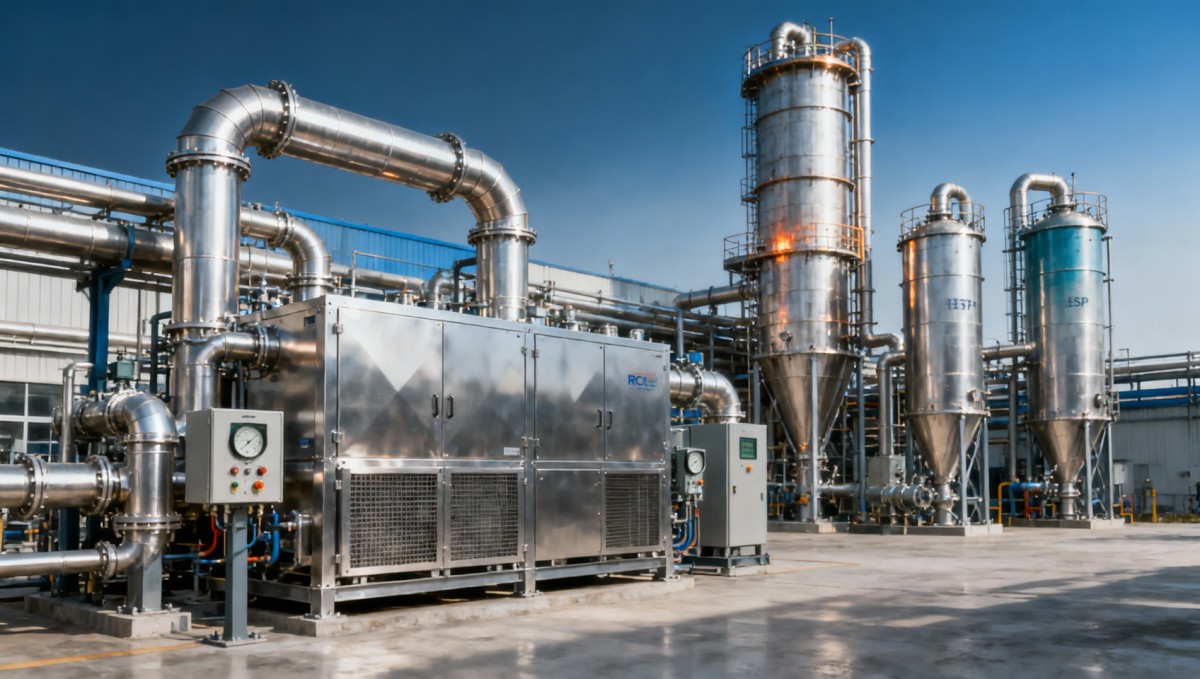
Catalytic combustion RCO lowers the oxidation temperature of VOCs by using a catalyst bed, often allowing treatment at roughly 250°C–400°C instead of the higher thermal oxidation range commonly associated with non-catalytic systems. That temperature advantage can reduce auxiliary fuel demand and support faster startup. However, the same catalyst that improves efficiency also creates a narrower operating envelope.
The first limitation is gas composition. Catalysts are vulnerable to poisoning from sulfur compounds, silicon-containing vapors, phosphorus, heavy metals, halogenated organics, and some sticky aerosols. Even when these contaminants appear at low concentrations, long-term exposure can reduce catalytic activity, increase pressure drop, and force replacement earlier than planned. In real facilities, mixed exhaust streams often contain more variability than the design brief initially suggests.
The second limitation is contaminant load and physical condition of the gas. RCO is generally more suitable when particulate levels, tar, oil mist, and condensable matter are already controlled upstream. If dust or sticky compounds reach the catalyst surface, pore blockage can occur, heat transfer becomes uneven, and maintenance frequency may rise from quarterly inspection to monthly intervention. That directly affects uptime and labor planning.
The third limitation is concentration and temperature stability. Very low VOC concentration may weaken self-sustaining oxidation, while sudden concentration spikes can trigger excessive temperature rise. A line that operates at 20% load during one shift and 95% load during another may expose the RCO to thermal instability unless buffering, dilution, or automation logic is built into the system design.
Typical gas-window factors that affect RCO suitability
Before selecting catalytic combustion RCO, industrial teams should map gas conditions over at least 7–14 production days rather than relying on a single snapshot sample. That monitoring period should include startup, normal production, shift changes, cleaning cycles, and upset conditions. A short test can hide variability that later causes catalyst degradation or unstable operation.
The practical conclusion is straightforward: RCO is not a universal answer for VOCs treatment. It is a high-performance option when gas quality is controlled, pretreatment is reliable, and process variability is low to moderate. In plants with mixed exhaust or frequent upset conditions, another solution may be more forgiving and more economical over the full service life.
When RTO, ESP, wet scrubber, or activated carbon is a better fit than RCO
Industrial air pollution control rarely depends on one technology alone. Different exhaust streams carry different risk profiles: high VOC concentration, water-soluble gases, sticky mist, submicron particles, acid vapors, or intermittent emissions. That is why buyers often compare regenerative thermal oxidizer RTO, electrostatic precipitator ESP, wet scrubber manufacturer packages, and activated carbon air filter systems alongside catalytic combustion RCO.
RTO is often selected for broader gas tolerance. It typically operates at higher oxidation temperatures, often around 760°C–950°C depending on design and application, which makes it less sensitive to catalyst poisons because it does not depend on a catalyst bed. For streams with fluctuating VOC concentration, uncertain contaminant profile, or long-term composition drift, RTO can offer more stable destruction performance, though fuel use, footprint, and valve maintenance must be considered.
ESP is not a substitute for VOC oxidation, but it can be a strong fit where the core issue is oil mist, smoke, fine particulate, or sticky aerosol. In kitchen exhaust, metalworking fluids, asphalt fumes, and some resin applications, ESP can remove particles before they foul downstream equipment. In some projects, ESP serves as pretreatment ahead of RCO or RTO, extending service intervals from a few weeks to several months.
Wet scrubbers are usually preferred for soluble gases, acidic or alkaline contaminants, and some particulate-laden streams. They are common where HCl, NH3, SOx, or odor-causing compounds require gas-liquid contact rather than oxidation. Activated carbon air filter systems, meanwhile, are often effective for lower-flow, lower-to-moderate concentration VOC polishing, intermittent emissions, and facilities that need modular installation without high combustion temperatures.
Technology comparison by operating profile
The table below helps procurement and engineering teams match technology to gas behavior rather than selecting based only on initial quotation. In many industrial projects, the difference between a workable system and a problematic one appears only after 6–12 months of operation.
A common mistake is to compare only destruction efficiency on paper. In practice, technology selection should also consider gas variability, pretreatment need, startup pattern, maintenance labor, consumables, spare-part lead time, and shutdown tolerance. A technology with slightly higher initial cost can become the lower-cost option over a 24–60 month operating horizon.
Practical selection cues
- If the exhaust stream includes frequent solvent recipe changes, uncertain halogens, or dust bursts, RTO is often safer than RCO.
- If the gas contains visible mist or sticky aerosol, add ESP or other pretreatment before considering catalyst-based oxidation.
- If removal duty is mainly acid gas neutralization rather than VOC destruction, a wet scrubber is usually more relevant.
- If the site needs a compact modular solution for lower flow rates and intermittent use, activated carbon may be a practical first step.
How engineers and buyers should evaluate gas data before procurement
A reliable procurement process begins with gas characterization, not vendor preference. For VOC treatment systems, at least 4 categories of data should be reviewed: composition, flow, temperature, and contaminant behavior. Many system failures start with incomplete sampling, such as measuring only average VOC concentration while ignoring peak values, condensables, or cleaning-cycle emissions.
For operators and plant engineers, the most useful approach is to document operating conditions over multiple production states. That means recording minimum, normal, and maximum exhaust flow; inlet temperature range; humidity trend; VOC concentration spread; and any visible signs of oil mist or dust carryover. In batch plants, one day of testing is rarely enough. A 2–3 week operating profile usually gives a more defensible basis for technology choice.
For procurement teams, the evaluation should move beyond CAPEX. Buyers should request catalyst life assumptions, pretreatment requirements, spare-part consumption, control logic, safety interlocks, and guaranteed operating limits. It is also wise to ask how the supplier handles abnormal conditions such as 30% concentration spikes, low-temperature startup, or short-term particulate excursions. Those answers reveal whether the proposal is robust or only optimized for ideal conditions.
For enterprise decision-makers, the concern is continuity. A system that saves fuel but suffers repeated catalyst replacement or unplanned shutdowns can disrupt production schedules and compliance performance. Industrial infrastructure procurement should therefore weigh technical fit, maintenance exposure, and risk containment with equal discipline.
Core procurement checklist for VOC treatment equipment
The following checklist can be used during RFQ review, technical clarification, and final bid comparison. It helps align engineering, EHS, maintenance, and sourcing teams around the same decision points.
- Confirm whether gas sampling covered at least 3 operating states: startup, steady production, and upset or cleaning phase.
- Identify whether the exhaust contains sulfur, silicon, halogens, phosphorus, heavy metals, tar, or oil mist that can damage catalysts.
- Verify flow and VOC fluctuation range, including peak-to-average ratio and seasonal temperature change.
- Review pretreatment needs such as filters, ESP, demisters, heat exchangers, or gas equalization chambers.
- Compare estimated maintenance intervals, catalyst or media replacement cycle, and spare-part lead time, often 2–8 weeks depending on sourcing model.
- Check safety logic for overheating, bypass conditions, pressure alarms, fan interlocks, and emergency shutdown sequence.
Decision factors that often change the final technology choice
In many industrial bids, the chosen system changes after deeper analysis of hidden variables. For example, a stream that looks suitable for RCO on concentration alone may become unsuitable once oil mist, silicone residue, and high humidity are identified. Similarly, a wet scrubber may appear sufficient until odor and residual VOC polishing requirements are added, requiring a hybrid system.
That is why cross-functional review matters. EHS may focus on emissions, operations on uptime, maintenance on access and cleaning, and procurement on lifecycle cost. The best project outcomes usually come from aligning these priorities before vendor shortlisting rather than after installation.
Implementation, maintenance, and risk control in real industrial environments
Even the correct air pollution control technology can underperform if implementation is rushed. In heavy and process industries, project delivery typically spans 6 stages: gas survey, pilot or design validation, equipment engineering, fabrication, site installation, and commissioning. Depending on project complexity, that cycle may take 6–16 weeks for compact systems and longer for integrated line retrofits.
For catalytic combustion RCO, risk control begins upstream. Inlet filtration, demisting, temperature stabilization, and concentration balancing often determine whether the catalyst operates for the expected service period or degrades prematurely. Maintenance teams should be given clear inspection points for pressure drop, bed temperature distribution, and signs of fouling. Without such controls, the technology may be blamed for a gas-quality problem it was never designed to tolerate.
RTO systems require a different maintenance focus, including valve reliability, refractory condition, burner tuning, and thermal media integrity. ESP units need routine cleaning protocol, power supply checks, and safe access for internal service. Wet scrubbers require nozzle inspection, packing condition review, pH or chemical dosing control, and corrosion monitoring. Activated carbon systems need disciplined media change intervals and fire prevention procedures.
From a management perspective, the best-performing installations are usually the ones with written operating envelopes. That means stating acceptable inlet temperature range, maximum particulate load, target pressure drop band, inspection frequency, and alarm response actions. A documented envelope reduces handover ambiguity between supplier, plant engineering, and operating crews.
Typical operating and maintenance focus by technology
The table below summarizes where maintenance resources should be concentrated after commissioning. This is especially useful for buyers comparing systems with similar purchase price but very different service burden.
The key takeaway is that no system is maintenance-free. The right choice is the one whose maintenance profile matches the plant’s gas reality, staffing level, shutdown windows, and compliance expectations. When those factors are aligned, service life and operating stability become much more predictable.
FAQ for operators, sourcing teams, and industrial decision-makers
How do I know if catalytic combustion RCO is too risky for my exhaust stream?
RCO becomes riskier when the exhaust contains catalyst poisons, heavy dust, sticky aerosols, or large concentration swings. If your plant runs multiple solvent recipes, has visible mist, or cannot maintain stable inlet conditions for more than 70%–80% of operating hours, you should assess broader-tolerance options such as RTO or add pretreatment before considering RCO.
Is RTO always more expensive than RCO?
Not necessarily in lifecycle terms. RTO may consume more energy in some cases, but if RCO requires frequent catalyst replacement, extra pretreatment, and repeated downtime, total cost over 2–5 years can exceed that of an RTO. The correct comparison should include fuel, maintenance labor, consumables, spare parts, and production interruption risk.
Can ESP, wet scrubber, and activated carbon be combined with oxidation systems?
Yes. Hybrid configurations are common. ESP can remove oil mist ahead of oxidation, wet scrubbers can treat acid gases before or after another stage depending on process needs, and activated carbon can serve as a polishing unit for residual VOCs. In complex industrial exhaust, a 2-stage or 3-stage system is often more reliable than forcing one unit to handle every pollutant type.
What should procurement teams ask suppliers before issuing a final purchase order?
Ask for the confirmed gas operating window, exclusions, pretreatment assumptions, expected maintenance intervals, startup and shutdown logic, spare-part list, and lead times. Also request clarification on what happens when flow, VOC concentration, or contaminant load exceeds the agreed design case. A strong supplier will define these boundaries clearly rather than relying on generic efficiency claims.
Catalytic combustion RCO can be a highly effective VOC treatment solution, but only when the exhaust stream remains within a narrow gas window defined by stable composition, manageable temperature, and low catalyst-fouling contaminants. For mixed or variable industrial exhaust, broader-tolerance solutions such as regenerative thermal oxidizer RTO, or hybrid systems incorporating ESP, wet scrubber, and activated carbon stages, may provide stronger long-term stability and lower operational risk.
For Global Industrial Core audiences, the most reliable path is disciplined gas analysis, cross-functional technical review, and lifecycle-based supplier evaluation before procurement. If you are comparing VOC treatment technologies or need help narrowing the right air pollution control equipment for your process, contact us to discuss your application, obtain a tailored technical roadmap, and explore more industrial environmental solutions.
Technical Specifications
- How to choose an organic fertilizer machine for wet raw materialsAuthor :Environmental Engineering Director
- What affects output stability in a hydraulic briquetting pressAuthor :Environmental Engineering Director
- Waste paper baler wholesale prices vary for reasons beyond tonnageAuthor :Environmental Engineering Director
Expert Insights

Chief Security Architect
Dr. Thorne specializes in the intersection of structural engineering and digital resilience. He has advised three G7 governments on industrial infrastructure security.
Related Analysis
- Apr 16, 2026How to choose an organic fertilizer machine for wet raw materialsAuthor :Environmental Engineering Director
- Apr 16, 2026What affects output stability in a hydraulic briquetting pressAuthor :Environmental Engineering Director
- Apr 16, 2026Waste paper baler wholesale prices vary for reasons beyond tonnageAuthor :Environmental Engineering Director
Core Sector // 01
Security & Safety
- Electrostatic precipitator ESP vs baghouse in high temperature dustAuthor :Environmental Engineering Director

- Commercial kitchen exhaust hood sizing mistakes that hurt captureAuthor :Environmental Engineering Director

- HVAC ozone generator use cases where odor control can backfireAuthor :Environmental Engineering Director

- Industrial humidifiers wholesale orders often miss water quality limitsAuthor :Environmental Engineering Director

- Commercial dehumidifiers that work in cold rooms need a closer lookAuthor :Environmental Engineering Director

- AHU handling units: where energy loss often starts in the design stageAuthor :Environmental Engineering Director

- Activated carbon air filter life span depends on more than airflowAuthor :Environmental Engineering Director

- Pocket air filters with low pressure drop are not always the best fitAuthor :Environmental Engineering Director