Pulse jet baghouse cleaning settings can quietly raise power costs
Author
Date Published
Reading Time
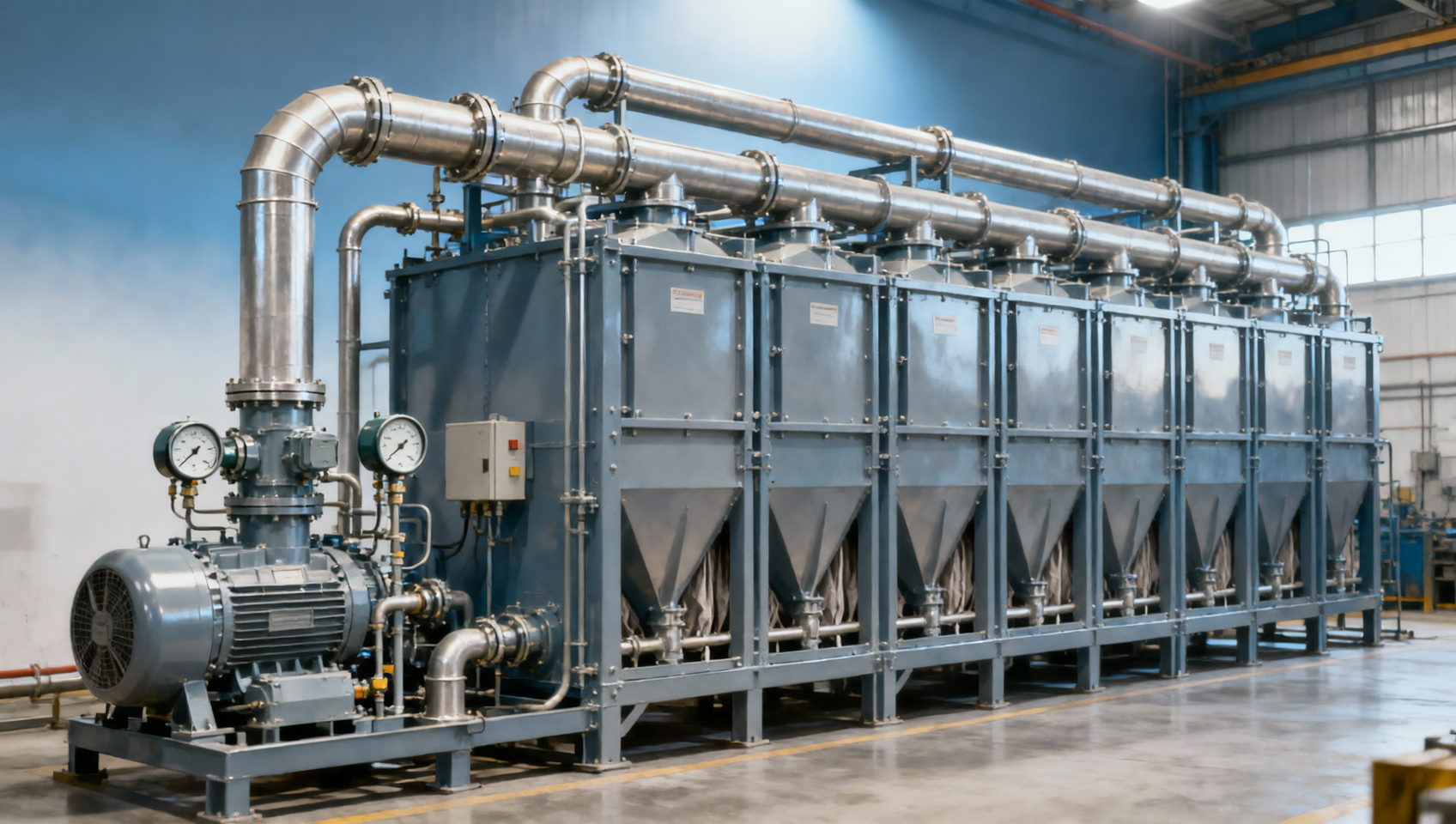
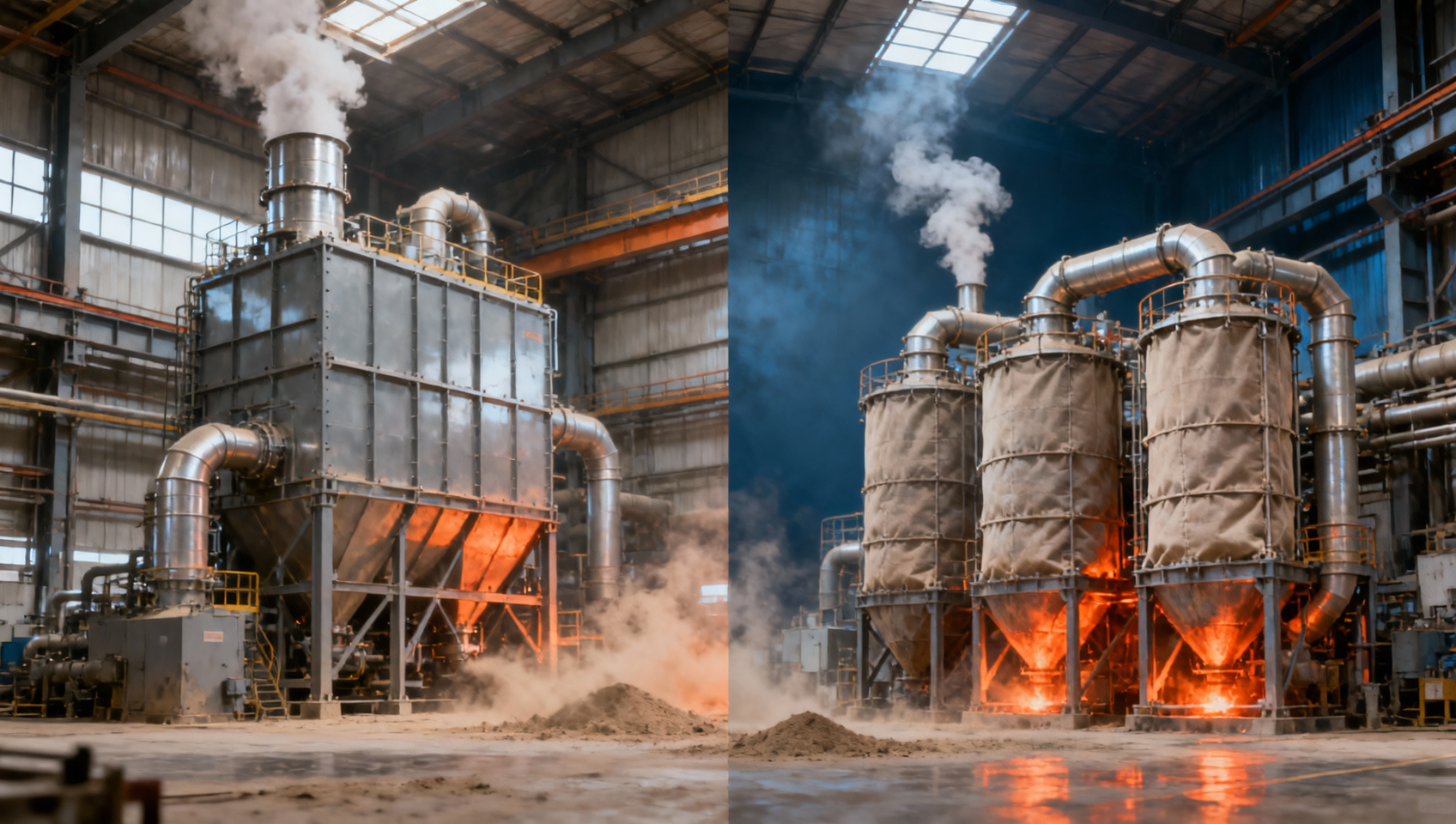
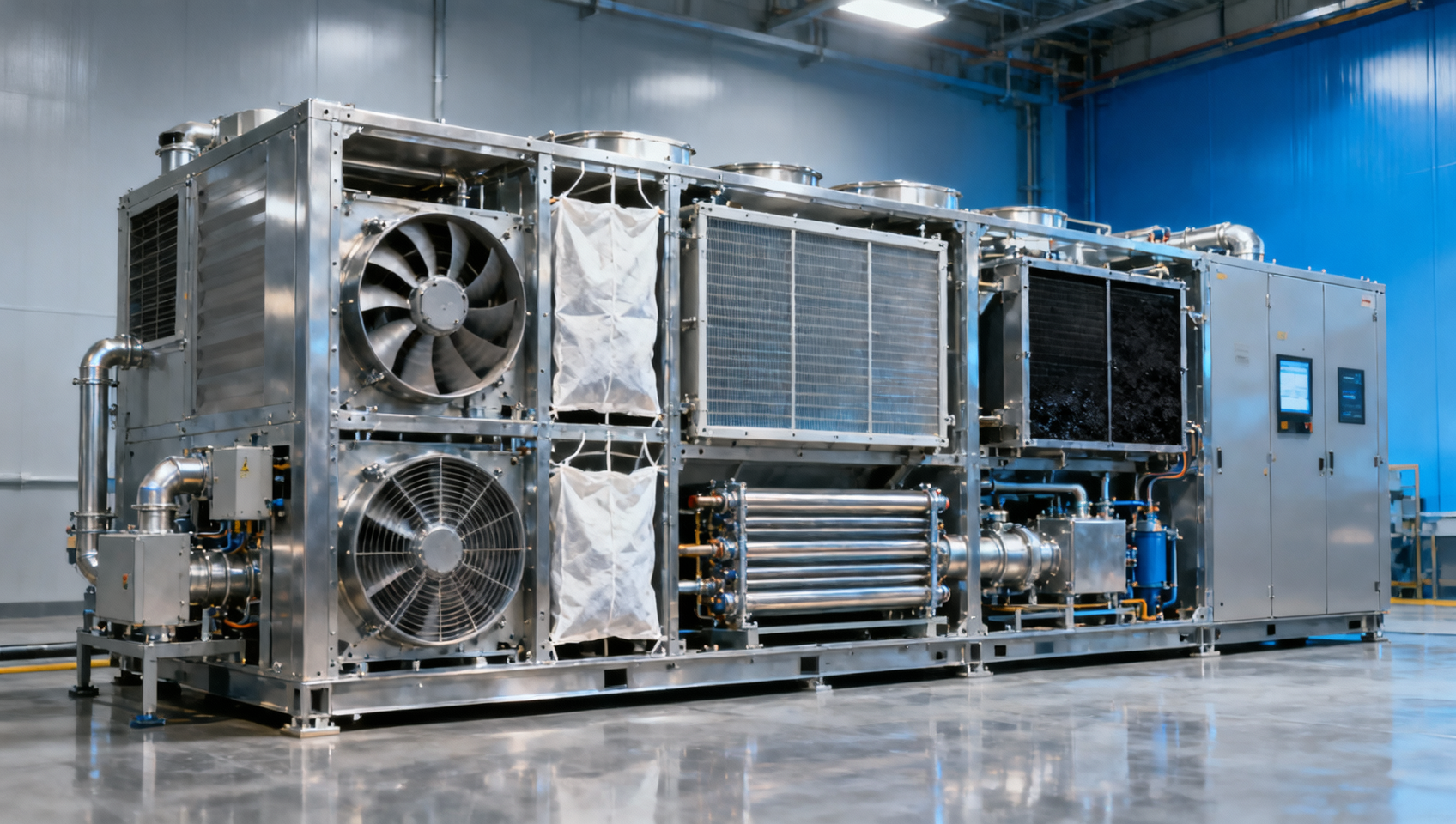
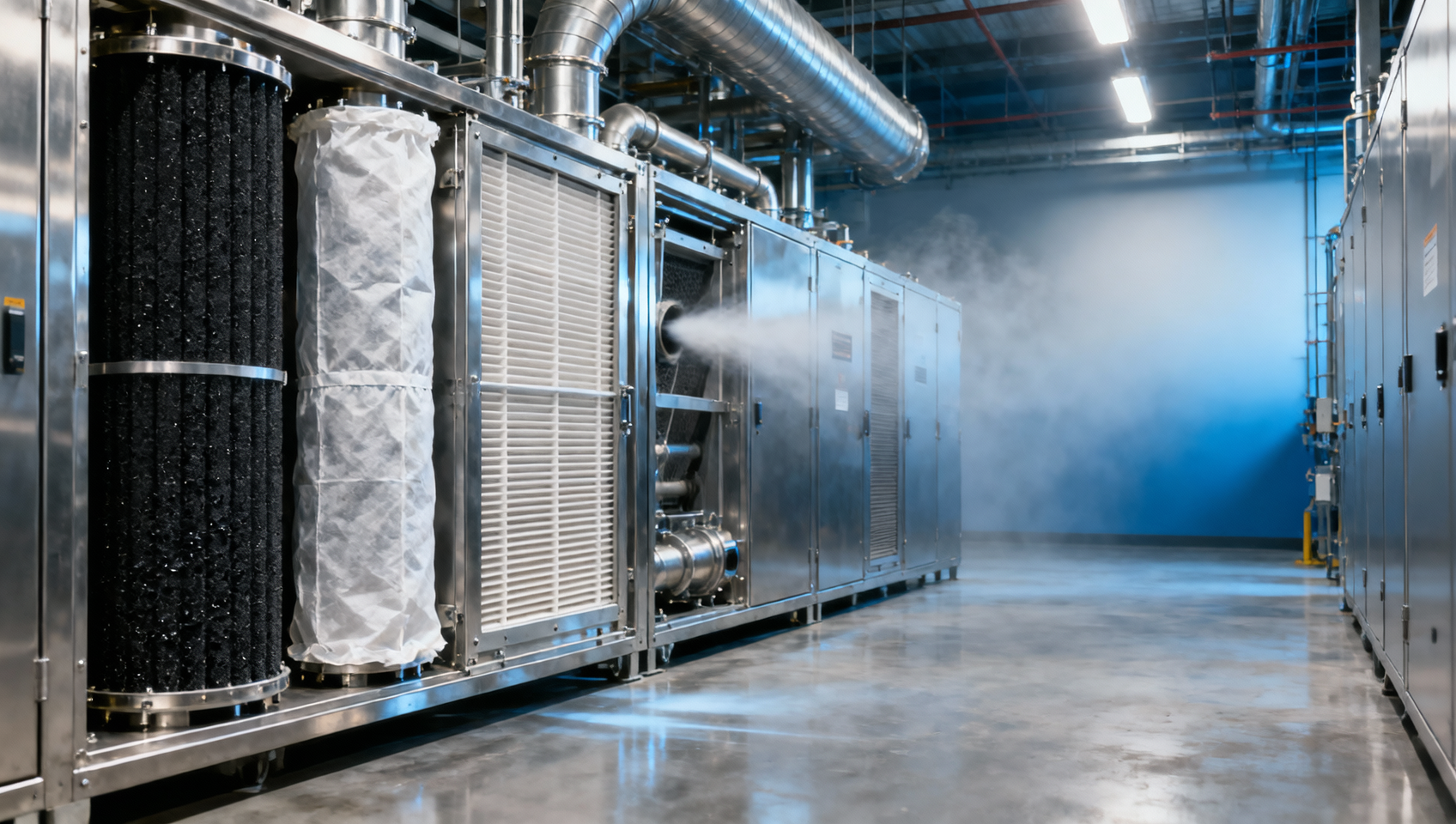
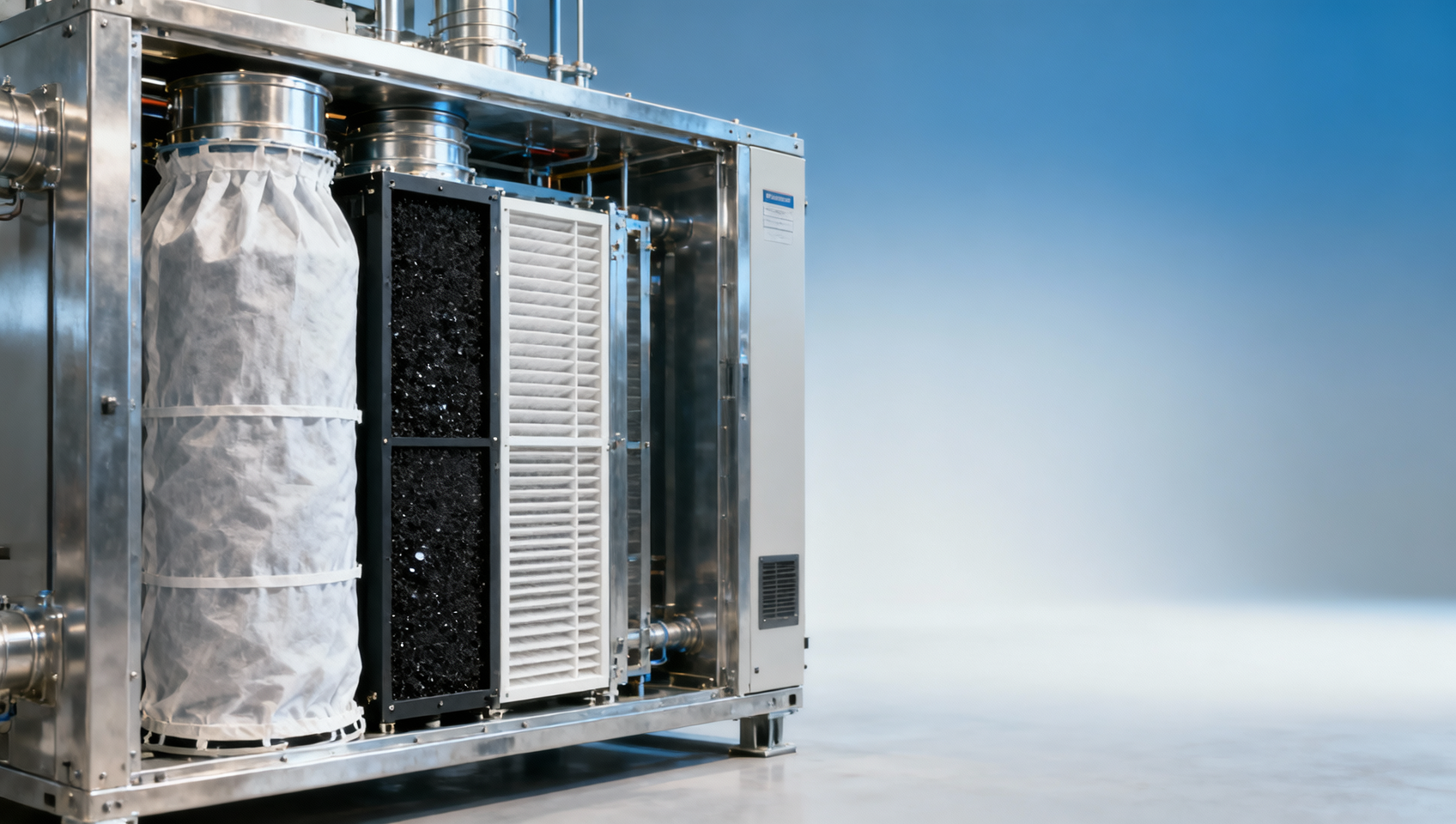
A pulse jet baghouse can do more than control dust—it can quietly drive up energy bills when cleaning settings are poorly tuned. For operators, buyers, and industrial decision-makers comparing an industrial dust collector, cartridge dust collector, cyclone dust collector, or electrostatic precipitator esp, understanding pulse timing, pressure, and filter loading is essential to balancing airflow, uptime, and operating cost.
In many plants, the dust collection system is treated as a compliance asset rather than an energy asset. That assumption is expensive. When pulse cleaning is too frequent, too aggressive, or poorly matched to process dust characteristics, compressed air demand rises, fan power increases, and filter life shortens. The result is a hidden operating cost that can accumulate across 8,000 operating hours per year.
For research teams, plant operators, procurement specialists, and decision-makers, the issue is not simply whether a pulse jet baghouse captures dust. The real question is whether cleaning settings are optimized for total cost of ownership, stable differential pressure, and consistent airflow under changing production loads. That is where setting discipline turns into measurable savings.
Why cleaning settings have a direct impact on power consumption
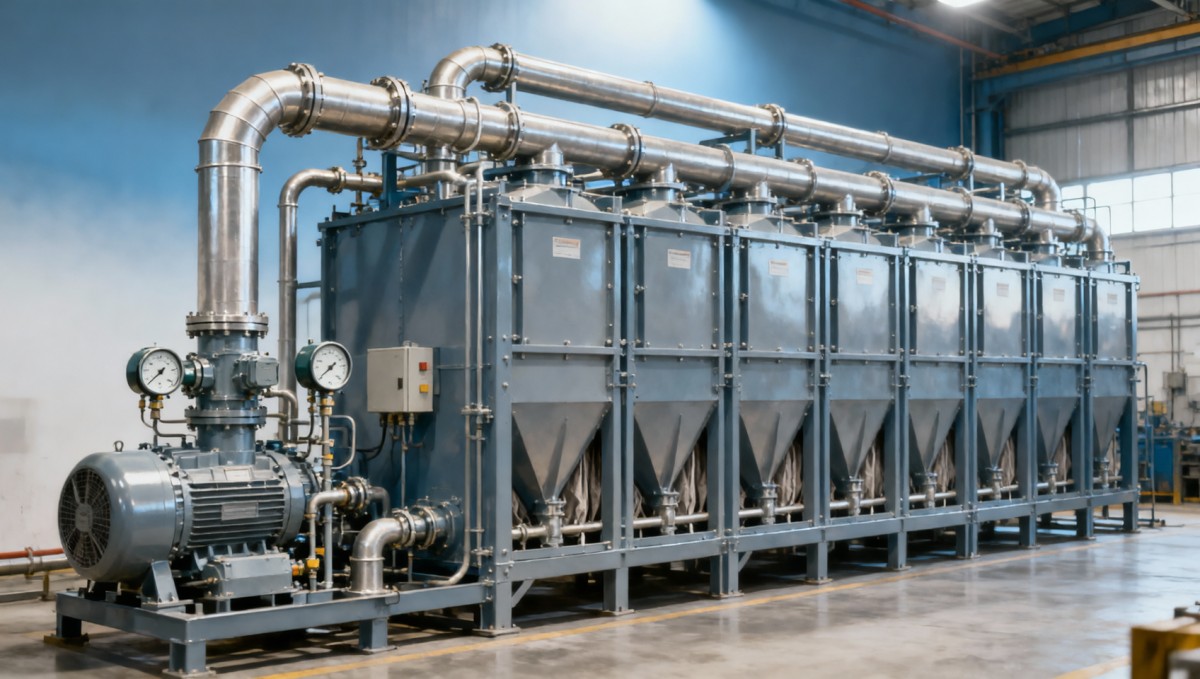
A pulse jet baghouse uses short bursts of compressed air to release dust cake from filter bags. In principle, this keeps pressure drop within a workable range. In practice, many systems are set with conservative defaults such as fixed-interval pulsing every 10–30 seconds, regardless of actual filter loading. That approach may protect airflow in the short term, but it often wastes compressed air and destabilizes system performance.
The first energy penalty comes from compressed air itself. In industrial utilities, compressed air is one of the more expensive forms of plant energy. A pulse valve system operating at 5–7 bar with excessive frequency can add significant utility load, especially in baghouses with 50, 100, or 200+ valves. Even a small increase in pulse frequency across a full shift can raise annual power consumption without improving collection efficiency.
The second penalty comes from fan power. If cleaning is too weak or too infrequent, dust cake builds up, differential pressure rises, and the system fan must work harder to maintain target airflow. In many dust collector systems, fan energy rises noticeably when pressure drop moves from a normal operating band, such as 1.0–1.5 kPa, toward overloaded conditions above 2.0 kPa. That extra resistance directly affects motor load and airflow stability.
The third penalty is filter wear. Over-cleaning can flex filter bags more often than necessary, reducing bag life and increasing leakage risk. Under-cleaning can blind the media and force premature replacement. Either way, the plant pays twice: first through energy loss, then through maintenance cost, unplanned shutdowns, or reduced capture efficiency.
Three common setting mistakes seen in the field
- Using timer-based pulsing only, even when process load varies by shift, product grade, or season.
- Setting pulse pressure too high, such as 6.5–7.0 bar, when the bags and dust cake can be cleaned effectively at lower levels.
- Ignoring differential pressure trends and relying only on visible emissions or operator judgment.
Where the hidden cost usually appears
The cost rarely appears as one dramatic failure. Instead, it shows up as a 3%–8% increase in compressed air use, a gradual rise in fan amperage, shorter bag replacement intervals, and more frequent troubleshooting. These losses are easy to miss when electricity, compressed air, and maintenance budgets are managed by different departments.
The key settings that determine baghouse efficiency and operating cost
Not every pulse jet baghouse responds the same way to cleaning settings. Dust particle size, gas temperature, inlet loading, moisture level, filter media, and air-to-cloth ratio all influence the correct adjustment range. Even so, most industrial teams should evaluate at least four core variables: pulse interval, pulse duration, header pressure, and differential pressure setpoint.
Pulse interval determines how often cleaning occurs. In fixed-timer systems, this might range from every 10 seconds to every 180 seconds depending on process loading. Short intervals can keep pressure drop low, but they may also prevent formation of a stable dust cake, which is often necessary for high filtration efficiency. Longer intervals can reduce compressed air use, but only if the bags do not overload.
Pulse duration is typically measured in milliseconds. Many systems operate in the 80–200 millisecond range. If duration is too long, the system wastes air without materially improving cleaning. If it is too short, dust release may be incomplete, especially in long bags or high-loading service. Matching duration to valve size, blowpipe design, and bag geometry is more important than applying a generic setting across all collectors.
Header pressure is another major factor. While many plants maintain 5–7 bar compressed air supply, effective pulse cleaning may not require the top end of that range. In some applications, reducing pressure by 0.5–1.0 bar can cut air consumption while maintaining acceptable differential pressure. However, this must be validated against dust type and filter condition rather than applied blindly.
Typical setting relationships to review
The table below summarizes common pulse jet baghouse variables and the operational effect of poor tuning. These are general industrial ranges, not fixed design rules, but they provide a useful starting point for auditing an existing industrial dust collector.
The main takeaway is that no single setting can be optimized in isolation. A lower pulse frequency may work well if header pressure and differential pressure control are correct. A tighter pressure drop band may reduce emissions variability, but only if fan capacity and process loading remain stable. Buyers should ask suppliers how these variables are tuned after commissioning, not just what the nameplate airflow is.
Why differential-pressure-based control is often better
A differential-pressure-based cleaning strategy allows the system to pulse when the bags actually need cleaning, rather than on a rigid timer. In variable-load processes, this can improve energy balance by reducing unnecessary pulses during light production while preventing overload during peak dust generation. For plants running multiple product grades or seasonal campaigns, this control method is often more economical over a 12–24 month period.
Comparing pulse jet baghouses with other dust collection technologies
A pulse jet baghouse is not the only solution on the market, and it should not be evaluated in a vacuum. Procurement teams often compare it with a cartridge dust collector, cyclone dust collector, or electrostatic precipitator esp. Each technology has a different energy profile, maintenance pattern, and dust loading tolerance. The right choice depends on particle characteristics, airflow volume, compliance target, and total lifecycle cost.
Cartridge dust collectors are often compact and effective for fine, dry dust in lighter-duty applications. However, in high-temperature or abrasive service, cartridges may load differently and require different cleaning dynamics. Cyclone dust collectors are useful as pre-separators for coarse particles and can reduce downstream filter burden, but they usually cannot match fine particulate capture requirements on their own. Electrostatic precipitator esp systems can handle large gas volumes with low pressure drop, yet they involve very different electrical, maintenance, and process considerations.
For many heavy industrial environments, the pulse jet baghouse remains attractive because it balances high collection efficiency with adaptable media options. But the advantage is only realized when cleaning settings are calibrated to process reality. An under-optimized baghouse can lose much of its economic edge, particularly when compressed air use, fan energy, and replacement parts are included in the comparison.
Practical comparison for selection teams
The following table highlights where the main technologies differ from an operating-cost perspective. It is intended for early-stage comparison by facility managers, EPC teams, and procurement directors.
This comparison shows why buyers should avoid a simple capex-only decision. A lower purchase price can be offset within 12–18 months if the selected system carries higher utility demand or unstable maintenance intervals. A strong sourcing decision considers dust type, operating hours, maintenance skill level, utility pricing, and future emission targets together.
A useful selection rule
If the process involves variable dust loading, 24/7 operation, or strict uptime requirements, ask suppliers to explain control logic, expected differential pressure band, and compressed air consumption during both average and peak load conditions. Those three points often reveal more about lifetime cost than airflow rating alone.
How operators and maintenance teams can tune settings without guesswork
The safest way to reduce hidden power cost is not to make one dramatic adjustment. It is to follow a structured tuning process. In most facilities, meaningful optimization can be completed in 2–4 weeks by reviewing baseline pressure drop, compressed air use, fan load, bag condition, and production variability. The goal is to identify the stable operating window rather than chase the lowest possible pressure reading.
A practical starting point is trend collection. Operators should log differential pressure, compressed air pressure, pulse frequency, fan amperage, and visible process changes by shift. Even daily snapshots over 14 days can reveal whether the collector is over-pulsing during low production or struggling during high loading. Without trend data, setting changes become opinion-based and often drift back to old habits.
After baseline collection, settings can be adjusted one variable at a time. For example, extend pulse interval by a controlled step, such as 10%–15%, then monitor pressure drop and airflow response for several shifts. If differential pressure remains within the target band and emissions stay acceptable, further optimization may be possible. If the pressure climbs too quickly, the previous interval may have been closer to the real process need.
Maintenance teams should also confirm mechanical condition before changing controls. Leaking diaphragm valves, misaligned blowpipes, worn venturis, and damaged bags can make a good setting look bad. Tuning a mechanically compromised baghouse leads to false conclusions and unstable results.
A 5-step tuning workflow
- Record 7–14 days of baseline data: differential pressure, fan current, compressed air pressure, and production rate.
- Inspect hardware: pulse valves, solenoids, blowpipes, bags, hopper discharge, and instrumentation accuracy.
- Adjust one variable at a time, usually pulse interval first, then pressure or duration if required.
- Review results over several operating cycles, including peak-load periods rather than a single shift.
- Lock the validated setpoint, document the range, and retrain operators to avoid uncontrolled changes.
What not to do during optimization
Do not use differential pressure alone as the only success metric. A very low reading can look good while actually indicating excessive pulsing, unstable dust cake, and wasted compressed air. Also avoid changing interval, duration, and pressure all at once. When three variables move together, the source of improvement or deterioration becomes impossible to isolate.
What buyers and decision-makers should ask before selecting or upgrading a system
For procurement teams, energy-aware selection starts with better questions. Many proposals emphasize airflow capacity, filter area, or nominal collection efficiency, but provide little detail on how the pulse jet baghouse will be controlled under real operating conditions. That gap matters because two systems with similar nameplate capacity can produce very different utility and maintenance costs over 3–5 years.
A robust technical review should include the expected operating differential pressure, compressed air demand, valve count, control logic, and recommended maintenance intervals. Buyers should also request the supplier’s assumptions regarding dust loading, gas temperature, moisture, and operating hours. If those assumptions do not match actual plant conditions, the energy model behind the proposal may be misleading.
For brownfield upgrades, the decision is often not whether to replace the entire collector. In many cases, savings are available through better controls, instrument upgrades, valve maintenance, fan review, and filter media selection. A staged improvement program can reduce risk and spread capital expenditure over 2 or 3 budget cycles while still lowering operating cost.
Procurement checklist for a lower-risk purchase
The table below can help sourcing teams compare suppliers using lifecycle criteria rather than relying only on first cost.
The most effective proposals usually present not only hardware scope but also commissioning logic, operating envelope, and service support expectations. Decision-makers should prioritize suppliers that can discuss valve sequencing, pressure drop management, and maintenance response in practical terms. That level of detail reduces technical ambiguity and improves investment confidence.
When a retrofit deserves priority
If the plant shows any combination of rising fan load, frequent bag failure, unstable differential pressure, or increasing compressed air consumption over 6–12 months, a tuning review or retrofit assessment is usually justified. These symptoms often indicate controllable inefficiency rather than unavoidable aging.
FAQ: common questions about pulse jet baghouse settings and energy use
How do I know if my pulse jet baghouse is over-cleaning?
Common signs include very low differential pressure combined with high compressed air use, frequent valve cycling, and shorter-than-expected bag life. If pressure drop remains unusually low across most shifts while utility cost rises, the collector may be pulsing more often than the dust load requires.
Is a lower differential pressure always better?
No. A lower reading is not automatically efficient. Many baghouses perform best within a stable band, often around 1.0–1.8 kPa depending on design and dust type. Driving the value too low can waste compressed air and reduce the benefit of a stable dust cake on the filter surface.
Can a cartridge dust collector replace a pulse jet baghouse?
Sometimes, but not universally. Cartridge dust collectors can be effective for fine, dry dust in compact systems. In higher temperatures, heavier dust loads, or abrasive service, a pulse jet baghouse may remain the more durable option. The decision should be based on dust properties, airflow, temperature, and maintenance capability rather than equipment size alone.
How often should settings be reviewed?
At minimum, review settings during commissioning, after filter changeout, after process changes, and during annual maintenance planning. Facilities with seasonal production swings or multiple product lines may benefit from quarterly trend reviews. Even a 30-minute monthly check of pressure drop and pulse behavior can help catch drift early.
A pulse jet baghouse is not just a dust control device; it is an operating-cost system whose settings affect compressed air use, fan energy, filter life, and uptime. Plants that review pulse interval, duration, pressure, and differential pressure logic with discipline often uncover savings that are invisible in a basic compliance review.
For operators, the priority is stable airflow and reliable cleaning. For buyers, it is lifecycle cost and serviceability. For decision-makers, it is selecting or upgrading an industrial dust collector strategy that supports compliance without allowing energy waste to accumulate quietly over time.
If you are evaluating a pulse jet baghouse, cartridge dust collector, cyclone dust collector, or electrostatic precipitator esp for a new project or retrofit, now is the right time to review control logic and real operating assumptions. Contact us to discuss your application, request a tailored evaluation framework, or explore a more efficient dust collection solution for your facility.
Technical Specifications
- How to choose an organic fertilizer machine for wet raw materialsAuthor :Environmental Engineering Director
- What affects output stability in a hydraulic briquetting pressAuthor :Environmental Engineering Director
- Waste paper baler wholesale prices vary for reasons beyond tonnageAuthor :Environmental Engineering Director
Expert Insights

Chief Security Architect
Dr. Thorne specializes in the intersection of structural engineering and digital resilience. He has advised three G7 governments on industrial infrastructure security.
Related Analysis
- Apr 16, 2026How to choose an organic fertilizer machine for wet raw materialsAuthor :Environmental Engineering Director
- Apr 16, 2026What affects output stability in a hydraulic briquetting pressAuthor :Environmental Engineering Director
- Apr 16, 2026Waste paper baler wholesale prices vary for reasons beyond tonnageAuthor :Environmental Engineering Director
Core Sector // 01
Security & Safety
- Electrostatic precipitator ESP vs baghouse in high temperature dustAuthor :Environmental Engineering Director

- Commercial kitchen exhaust hood sizing mistakes that hurt captureAuthor :Environmental Engineering Director

- HVAC ozone generator use cases where odor control can backfireAuthor :Environmental Engineering Director

- Industrial humidifiers wholesale orders often miss water quality limitsAuthor :Environmental Engineering Director

- Commercial dehumidifiers that work in cold rooms need a closer lookAuthor :Environmental Engineering Director

- AHU handling units: where energy loss often starts in the design stageAuthor :Environmental Engineering Director

- Activated carbon air filter life span depends on more than airflowAuthor :Environmental Engineering Director

- Pocket air filters with low pressure drop are not always the best fitAuthor :Environmental Engineering Director