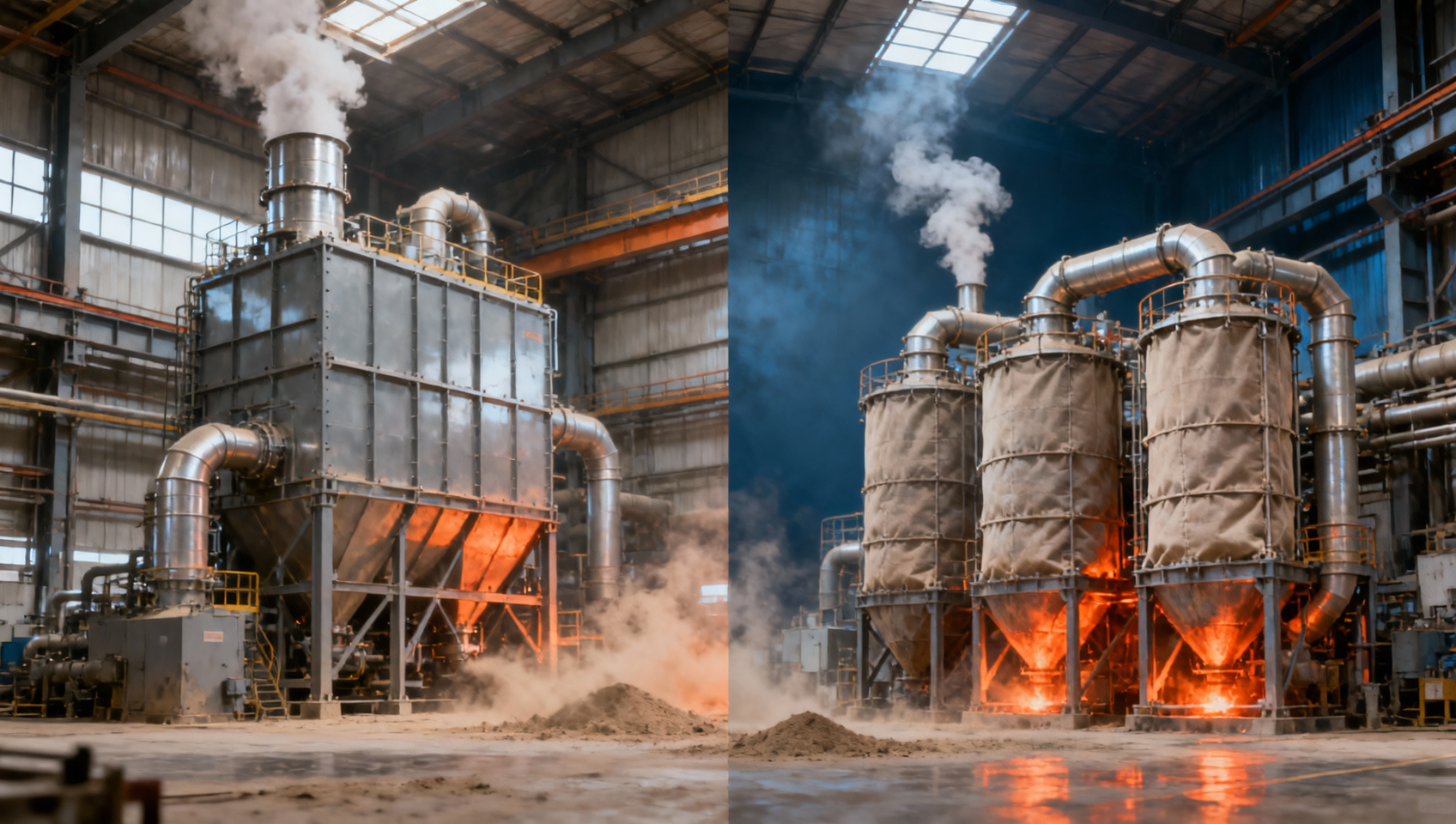
An industrial dust collector that looks oversized may still underperform
Author
Date Published
Reading Time
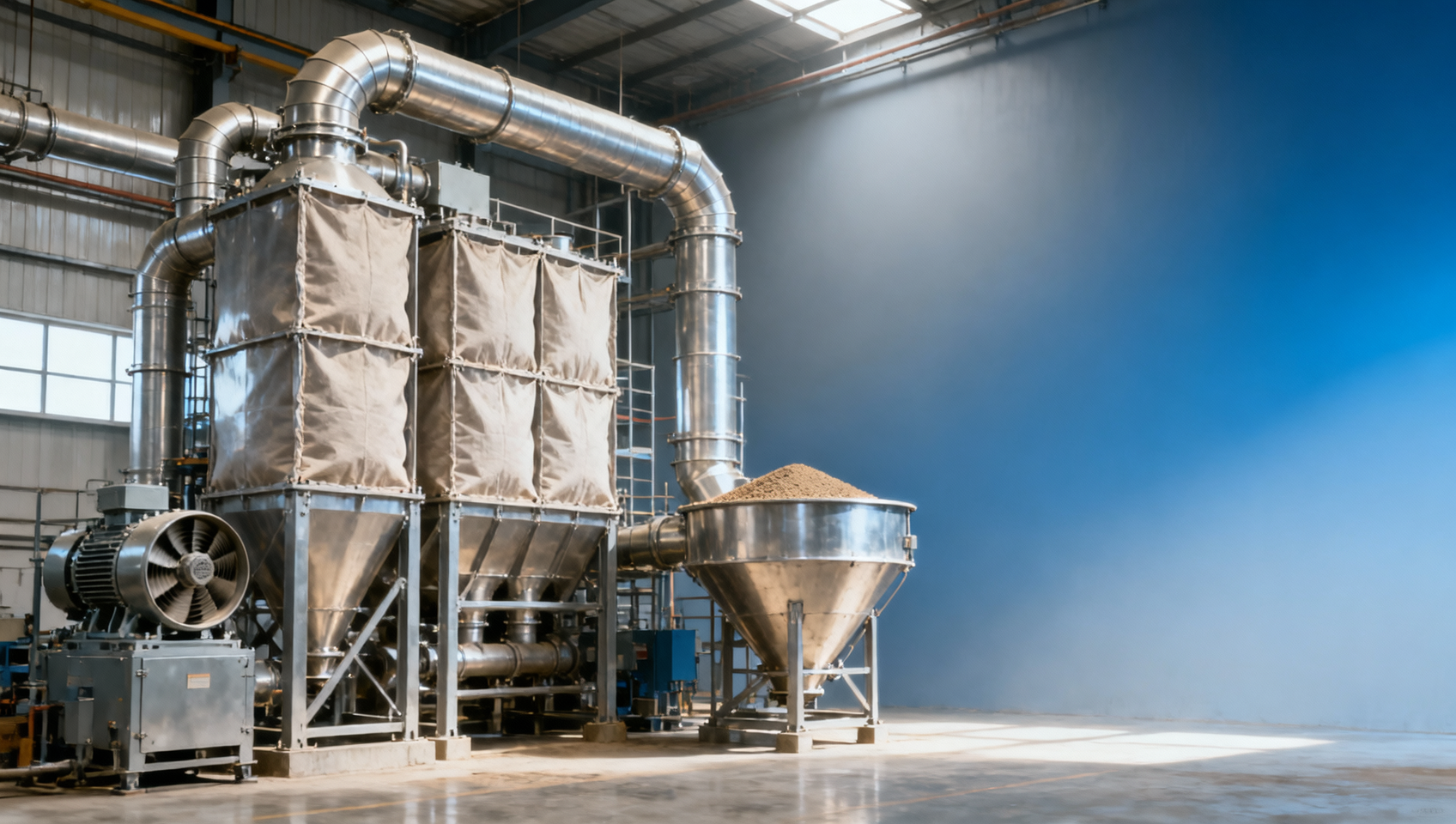
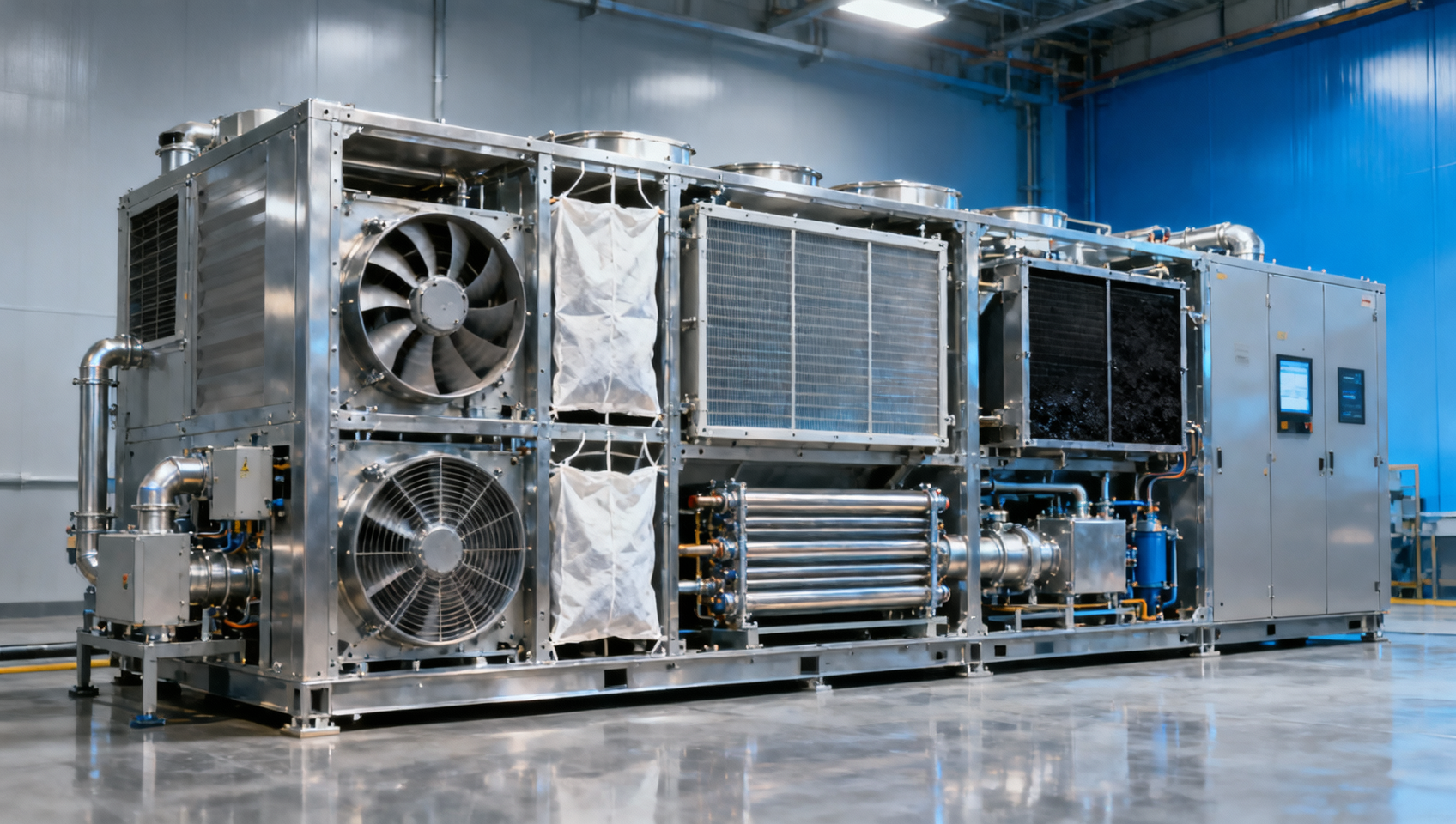
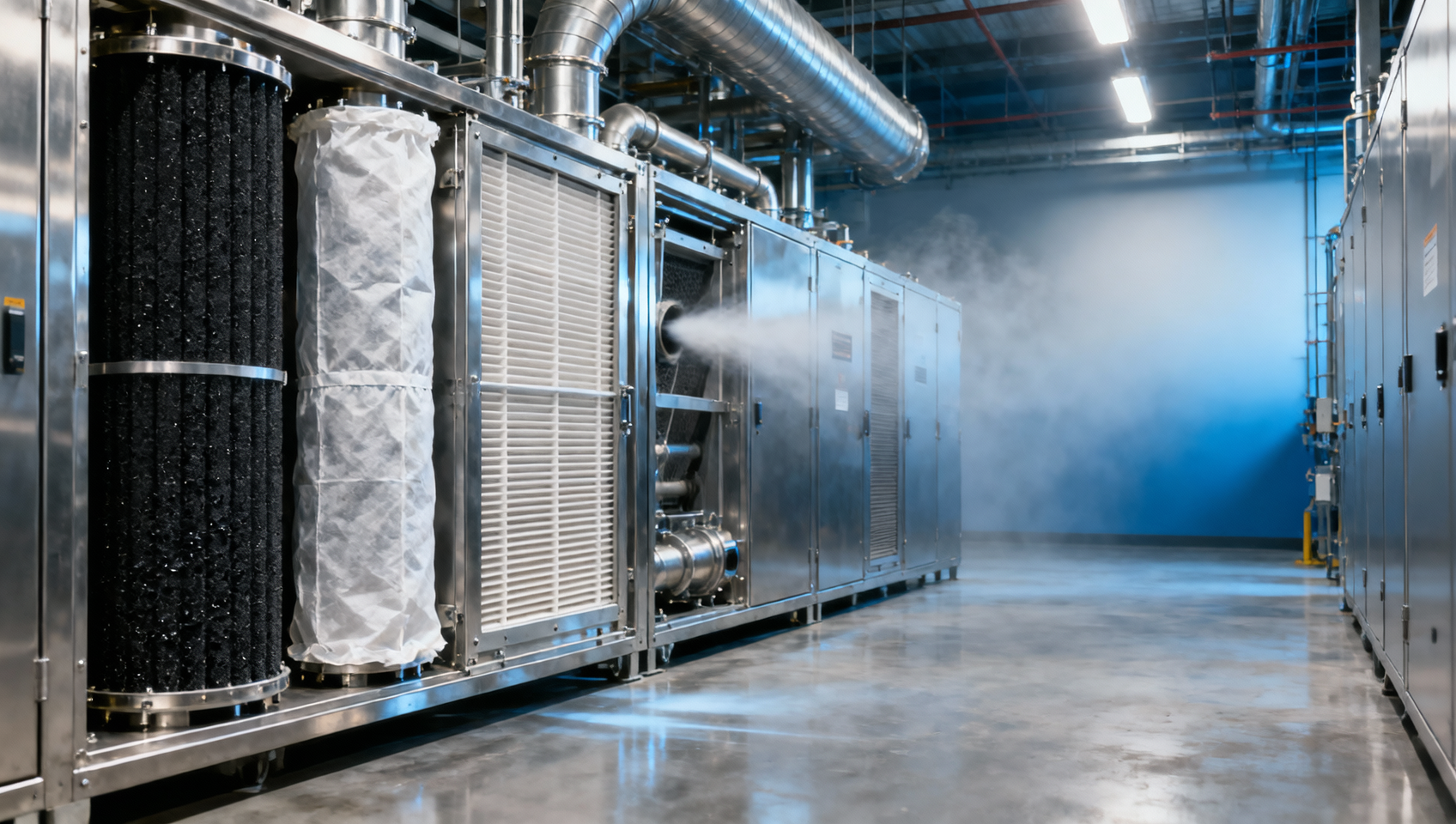
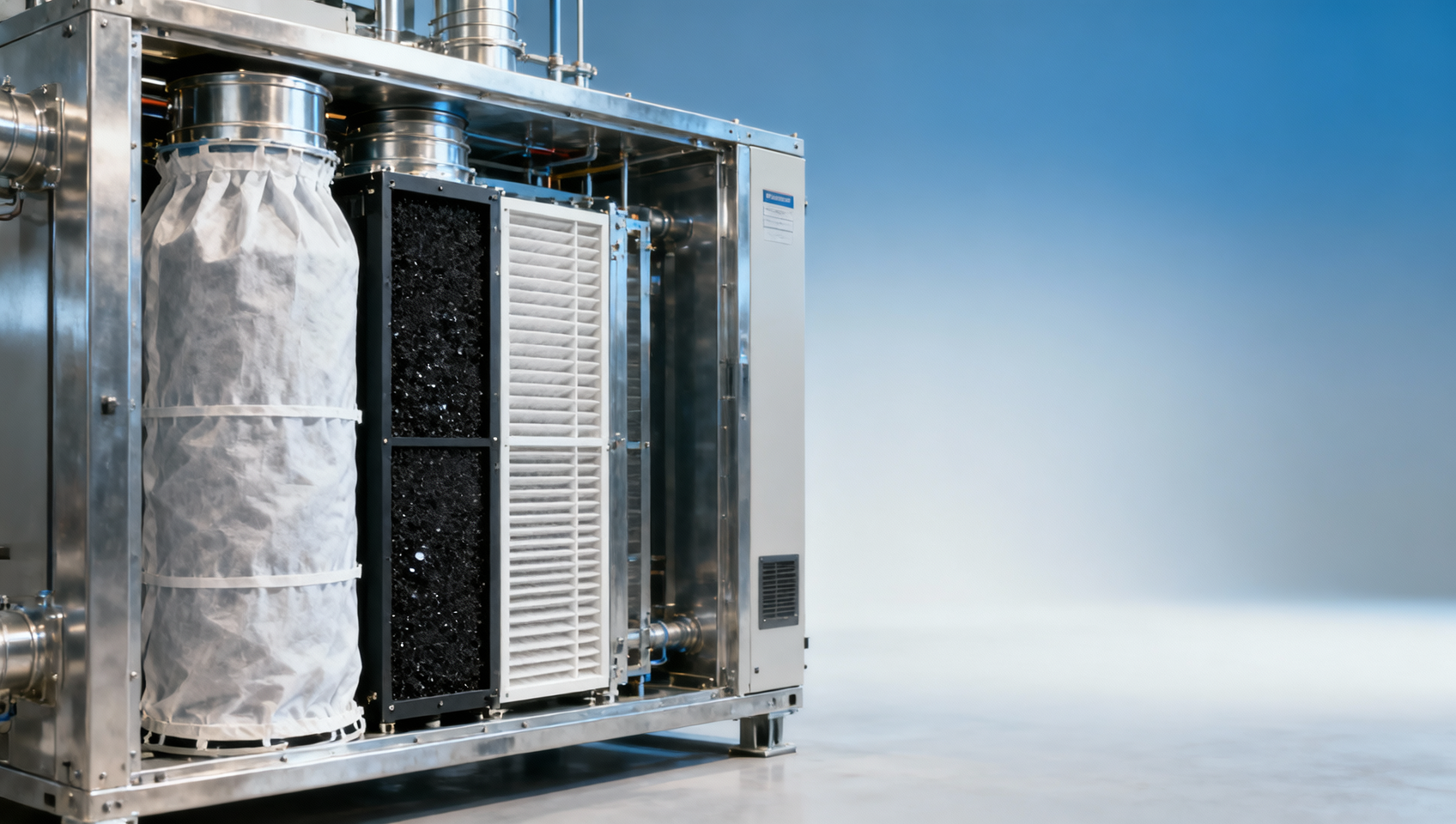
An industrial dust collector that appears oversized can still miss airflow targets, waste energy, and fail to capture critical particles. For buyers comparing a cartridge dust collector, cyclone dust collector, or pulse jet baghouse, true performance depends on system design, dust characteristics, pressure balance, and filtration efficiency—not just equipment size. This article helps researchers, operators, procurement teams, and decision-makers identify what really determines industrial dust collector performance.
In heavy industry, manufacturing, food processing, metalworking, mining, and bulk material handling, poor dust collection is rarely a cosmetic issue. It can reduce product quality, shorten equipment life, increase housekeeping hours, create combustible dust risk, and expose facilities to non-compliance with site environmental and safety requirements. A unit that looks large on paper may still underperform if the duct design, fan curve, filter loading, and dust behavior are not aligned.
For B2B buyers, the key question is not “How big is the collector?” but “Will the system maintain the required capture velocity, airflow stability, and filtration efficiency under real operating conditions?” That question affects capital cost, operating cost, maintenance intervals, and long-term reliability. It also determines whether a dust control investment supports production uptime rather than becoming a recurring problem.
Why an oversized industrial dust collector can still fail
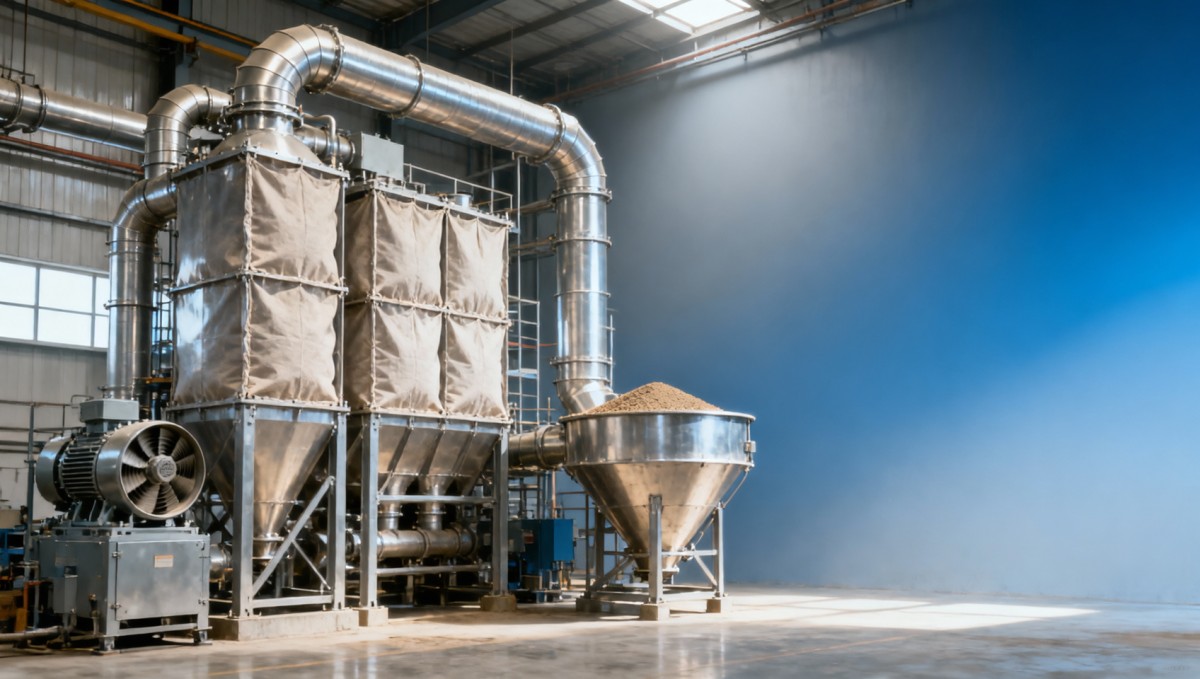
A common procurement assumption is that a larger industrial dust collector automatically provides a safety margin. In practice, oversizing can create its own set of failures. If airflow is too low across pickup points, dust never reaches the collector efficiently. If face velocity is mismatched to filter media, fine particles may blind filters early or pass through at unacceptable rates. A collector can have a large housing and still deliver poor source capture.
The first issue is system resistance. Duct routing, branch imbalance, hood design, elbows, dampers, and dirty filters all contribute to static pressure. A collector rated at 10,000 CFM in ideal test conditions may not deliver that airflow once the actual system reaches 6–10 inches w.g. or more. When the fan is selected too close to the nominal point, even a 10% to 15% increase in resistance can reduce effective airflow below target.
The second issue is dust loading and particle characteristics. A cyclone dust collector can remove coarse particles efficiently, but it is not a substitute for high-efficiency filtration when respirable dust is the concern. A cartridge dust collector may perform well with dry, free-flowing fine dust, yet struggle with fibrous, sticky, or hygroscopic material. A pulse jet baghouse often handles higher dust loading and elevated temperatures, but only when the air-to-cloth ratio and cleaning cycle are properly engineered.
The third issue is process variation. Many facilities do not operate at one constant load. A welding line may run 2 shifts one month and 3 shifts the next. A grain transfer point may experience seasonal peaks. A grinding booth may have different particle distributions depending on the workpiece. If the collector, fan, and controls are not sized for realistic load ranges rather than a single design point, apparent oversizing on the nameplate can hide underperformance in daily use.
The difference between collector size and usable performance
Usable performance depends on how well the entire dust extraction system holds four conditions at once: capture velocity at the source, transport velocity in ducts, stable fan performance, and filter efficiency over time. When one of these drops, the system may still be running, but it is no longer protecting the process as intended.
- Capture velocity at the hood or pickup point must match the process. Fine fumes may require different collection geometry than heavy chips or abrasive dust.
- Transport velocity in ducts often falls in practical ranges such as 3,500–4,500 fpm for many dust applications, depending on particle weight and settling tendency.
- Filter pressure drop should stay within a manageable operating window; if differential pressure climbs too high, airflow and energy efficiency both suffer.
- Cleaning method, pulse frequency, and compressed air quality directly affect long-term filter life and emission consistency.
The performance factors that matter more than housing size
When evaluating an industrial dust collector, buyers should focus on the parameters that determine delivered performance rather than external dimensions. In most projects, 5 variables matter more than overall cabinet volume: airflow requirement, static pressure, dust properties, filter media selection, and discharge or disposal design. These factors shape both efficiency and operating cost over a 3-year to 10-year lifecycle.
Airflow should be calculated from process capture needs, not guessed from room size. A localized extraction point may need only 800–1,500 CFM, while a multi-point grinding line may require 8,000–20,000 CFM. If several branches operate simultaneously, diversity factors must be reviewed carefully. Designing only for peak total theoretical flow can oversize the fan, increase power draw, and complicate balancing.
Static pressure is equally important. Two systems with the same CFM can require very different fan horsepower if one has longer duct runs, tighter elbows, spark arrestors, after-filters, or HEPA stages. Buyers comparing quotations should always ask for the design static pressure, clean and dirty filter pressure drop assumptions, and the fan operating point. Without those numbers, price and size comparisons are incomplete.
Dust properties can completely change the recommended collector type. Particle size distribution, bulk density, moisture, explosibility, stickiness, abrasiveness, and temperature should all be reviewed. A collector that works well on dry mineral dust may not perform on oily metal fines. Likewise, a cartridge unit that excels at submicron powder can be a poor fit for heavy loading that calls for a pulse jet baghouse with robust hopper discharge.
Typical collector selection logic
The table below summarizes how common dust collector types align with typical process conditions. These are directional guidelines rather than fixed rules, but they help procurement teams avoid comparing unlike systems on cabinet size alone.
The key takeaway is that no single collector type is universally “bigger and better.” Selection must match particle behavior, airflow range, maintenance strategy, and discharge method. In many facilities, the best result comes from a staged design, such as a cyclone pre-separator paired with a high-efficiency final collector.
Filter and fan details that buyers should request
- Design airflow at the actual operating static pressure, not only free-air or ideal conditions.
- Expected filter pressure drop range, such as 2–6 inches w.g. across the service interval.
- Filter media type, efficiency target, temperature tolerance, and cleaning mechanism.
- Fan curve, motor rating, control method, and turndown capability for variable process loads.
How to compare collector options in procurement and engineering reviews
A reliable comparison process should move beyond equipment appearance and into measurable operating criteria. Procurement teams often receive proposals with similar airflow numbers but very different assumptions. Without a standard review framework, a lower upfront quote can later become the costliest option due to power demand, filter replacement frequency, duct modifications, or process downtime.
For industrial environments, evaluation should cover at least 6 dimensions: process fit, filtration performance, energy use, maintenance burden, safety provisions, and installation practicality. If the collector will serve a mission-critical line, uptime and spare part availability should be reviewed as separate items. A unit that saves 8% in purchase price but adds 20 hours of unplanned maintenance per quarter is rarely a strong lifecycle choice.
Buyers should also distinguish between nominal filtration and maintainable filtration. A collector may achieve high efficiency with clean media, but real performance depends on whether it sustains airflow after 500, 1,000, or 2,000 operating hours. Differential pressure monitoring, pulse optimization, hopper evacuation, and leak-tight seals all influence whether the system remains effective under plant conditions.
Decision-makers should require a written basis of design. This document should specify dust type, particle behavior, expected inlet concentration, operating temperature, humidity, CFM target, static pressure, disposal method, and control philosophy. It reduces the risk of buying an oversized industrial dust collector that still underperforms because the sizing logic was never tied to the process.
Procurement scorecard for dust collector selection
The following matrix can help researchers and procurement managers compare systems on operational value rather than cabinet dimensions alone.
This kind of scorecard helps cross-functional teams align. Operators focus on reliability, engineers on performance, procurement on lifecycle value, and executives on risk reduction. A structured review usually exposes where a large-looking collector is only compensating for weak design assumptions.
Four questions every buyer should ask suppliers
- What airflow will the system deliver after filter loading, not only at startup?
- What dust types or operating conditions would make this collector a poor fit?
- How often are filters, valves, or discharge components typically serviced in similar duty cycles?
- What instrumentation is included for pressure drop, fan status, and maintenance alarms?
Installation, operation, and maintenance factors that determine real-world results
Even a correctly specified industrial dust collector can disappoint if installation and maintenance are treated as secondary issues. In field conditions, underperformance often comes from leaky duct joints, poorly placed hoods, incorrect damper settings, inadequate compressed air quality, or neglected hopper discharge. These are system problems, not collector body problems, and they can reduce effective performance within the first 30–90 days of operation.
Duct design deserves particular attention. Long horizontal runs, excessive flex hose, abrupt diameter changes, and sharp elbows increase losses and encourage dust buildup. If transport velocity drops below practical levels for the material being handled, particles settle in the duct and airflow declines further. This feedback loop can make a collector seem undersized even when the fan and filters are adequate.
Maintenance planning should be tied to actual indicators rather than fixed calendar assumptions. Differential pressure, pulse cleaning frequency, fan amperage, and visible emissions all provide useful signals. In many industrial settings, a monthly visual inspection plus quarterly performance review is a reasonable baseline, while harsher processes may require weekly checks. Waiting for visible dust escape usually means efficiency has already dropped too far.
Operators also need training. A system with variable frequency drive controls, pulse cleaning settings, and hopper discharge interlocks will not deliver stable results if teams bypass alarms or run with open access doors. Practical operating instructions should cover startup order, normal differential pressure range, alarm response, and safe shutdown procedure. A 1-hour training session at commissioning can prevent months of avoidable troubleshooting.
Field issues that commonly reduce performance
- Pickup hoods positioned too far from the dust generation point, reducing capture efficiency.
- Compressed air that contains oil or moisture, causing cleaning valves or media surfaces to foul.
- Improper hopper evacuation, which allows dust re-entrainment and unstable pressure drop.
- Manual balancing changes made in the field without airflow verification, leading to branch starvation.
- Delayed replacement of worn gaskets and filters, causing bypass leakage and particulate release.
Recommended commissioning checkpoints
A disciplined startup process often makes the difference between a stable system and a chronic complaint. At commissioning, teams should confirm at least 5 items: airflow at key branches, differential pressure baseline, fan rotation and amperage, pulse cleaning sequence, and dust discharge function. A documented baseline allows meaningful comparison after 3 months, 6 months, and 12 months of operation.
Where the process involves fine, hazardous, abrasive, or combustible particulate, it is also wise to validate material compatibility and site safety measures before full-rate production. The collector should not be treated as a standalone box; it is part of a broader environmental and process reliability system.
Common misconceptions, practical selection tips, and FAQs
One of the most persistent misconceptions is that extra collector volume equals extra protection. In reality, correct engineering margin is useful, but arbitrary oversizing can lower efficiency, increase energy demand, and complicate cleaning performance. Another mistake is choosing based only on initial purchase price. In industrial duty, electricity, compressed air, filter replacement, and maintenance labor can equal or exceed purchase cost over several years.
A better approach is to define the process need first, then evaluate solutions against measurable duty conditions. For researchers and early-stage specifiers, this means gathering at least 8 inputs: dust type, particle behavior, process temperature, humidity, pickup point count, simultaneous operation pattern, expected operating hours, and disposal requirement. With those basics, supplier proposals become much easier to compare.
For decision-makers, the strongest business case usually combines stable compliance, reduced cleaning labor, longer filter life, and lower downtime risk. For operators, the best system is the one that keeps capture steady without constant manual intervention. For procurement, the right industrial dust collector is the one with transparent assumptions, realistic maintenance expectations, and documented fit for the process.
FAQ: How do I know whether a cartridge dust collector or pulse jet baghouse is better?
Cartridge dust collectors are often preferred for fine, dry dust where compact design and high filtration efficiency are priorities. Pulse jet baghouses are often better for higher temperatures, heavier dust loading, and more rugged continuous-duty applications. The decision should be based on air-to-media ratio, dust loading, maintenance access, and temperature range rather than cabinet size alone.
FAQ: Is a cyclone dust collector enough by itself?
A cyclone dust collector is effective for coarse particulate separation and can reduce loading on downstream filters. However, for fine or respirable dust, it is often used as a pre-separator rather than a complete solution. If the process generates critical fine particles, additional filtration is usually needed to achieve the required cleanliness level.
FAQ: What operating signals indicate underperformance?
Watch for rising differential pressure, reduced capture at hoods, visible dust escape, unusual fan amperage, frequent pulse cleaning, and excessive dust accumulation near the source. If two or more of these appear together for more than 1–2 weeks, the system likely needs review. Troubleshooting should include airflow measurement, filter inspection, duct leakage checks, and discharge verification.
FAQ: What should a serious RFQ include?
A strong RFQ should state process description, dust type, operating hours, temperature range, humidity conditions, airflow target, estimated static pressure, site utilities, discharge preference, maintenance constraints, and any safety or compliance requirements. The more complete the RFQ, the lower the chance of receiving a large-looking but poorly matched industrial dust collector proposal.
Industrial dust collector performance is determined by system engineering, not visual size. The best outcomes come from matching collector type, fan capacity, filtration media, duct design, and maintenance strategy to the actual dust and process conditions. Whether you are evaluating a cartridge dust collector, cyclone dust collector, or pulse jet baghouse, the goal is stable airflow, dependable capture, and sustainable operating cost over time.
Global Industrial Core supports industrial researchers, operators, sourcing teams, and business leaders with decision-focused technical insight for foundational industrial systems. If you are comparing dust collection options for a new project, retrofit, or procurement review, contact us to discuss your operating conditions, request a tailored evaluation framework, or learn more about practical industrial filtration solutions.
Technical Specifications
- How to choose an organic fertilizer machine for wet raw materialsAuthor :Environmental Engineering Director
- What affects output stability in a hydraulic briquetting pressAuthor :Environmental Engineering Director
- Waste paper baler wholesale prices vary for reasons beyond tonnageAuthor :Environmental Engineering Director
Expert Insights

Chief Security Architect
Dr. Thorne specializes in the intersection of structural engineering and digital resilience. He has advised three G7 governments on industrial infrastructure security.
Related Analysis
- Apr 16, 2026How to choose an organic fertilizer machine for wet raw materialsAuthor :Environmental Engineering Director
- Apr 16, 2026What affects output stability in a hydraulic briquetting pressAuthor :Environmental Engineering Director
- Apr 16, 2026Waste paper baler wholesale prices vary for reasons beyond tonnageAuthor :Environmental Engineering Director
Core Sector // 01
Security & Safety
- Electrostatic precipitator ESP vs baghouse in high temperature dustAuthor :Environmental Engineering Director

- Commercial kitchen exhaust hood sizing mistakes that hurt captureAuthor :Environmental Engineering Director

- HVAC ozone generator use cases where odor control can backfireAuthor :Environmental Engineering Director

- Industrial humidifiers wholesale orders often miss water quality limitsAuthor :Environmental Engineering Director

- Commercial dehumidifiers that work in cold rooms need a closer lookAuthor :Environmental Engineering Director

- AHU handling units: where energy loss often starts in the design stageAuthor :Environmental Engineering Director

- Activated carbon air filter life span depends on more than airflowAuthor :Environmental Engineering Director

- Pocket air filters with low pressure drop are not always the best fitAuthor :Environmental Engineering Director