When Soft Starters Wholesale Makes Sense
Author
Date Published
Reading Time
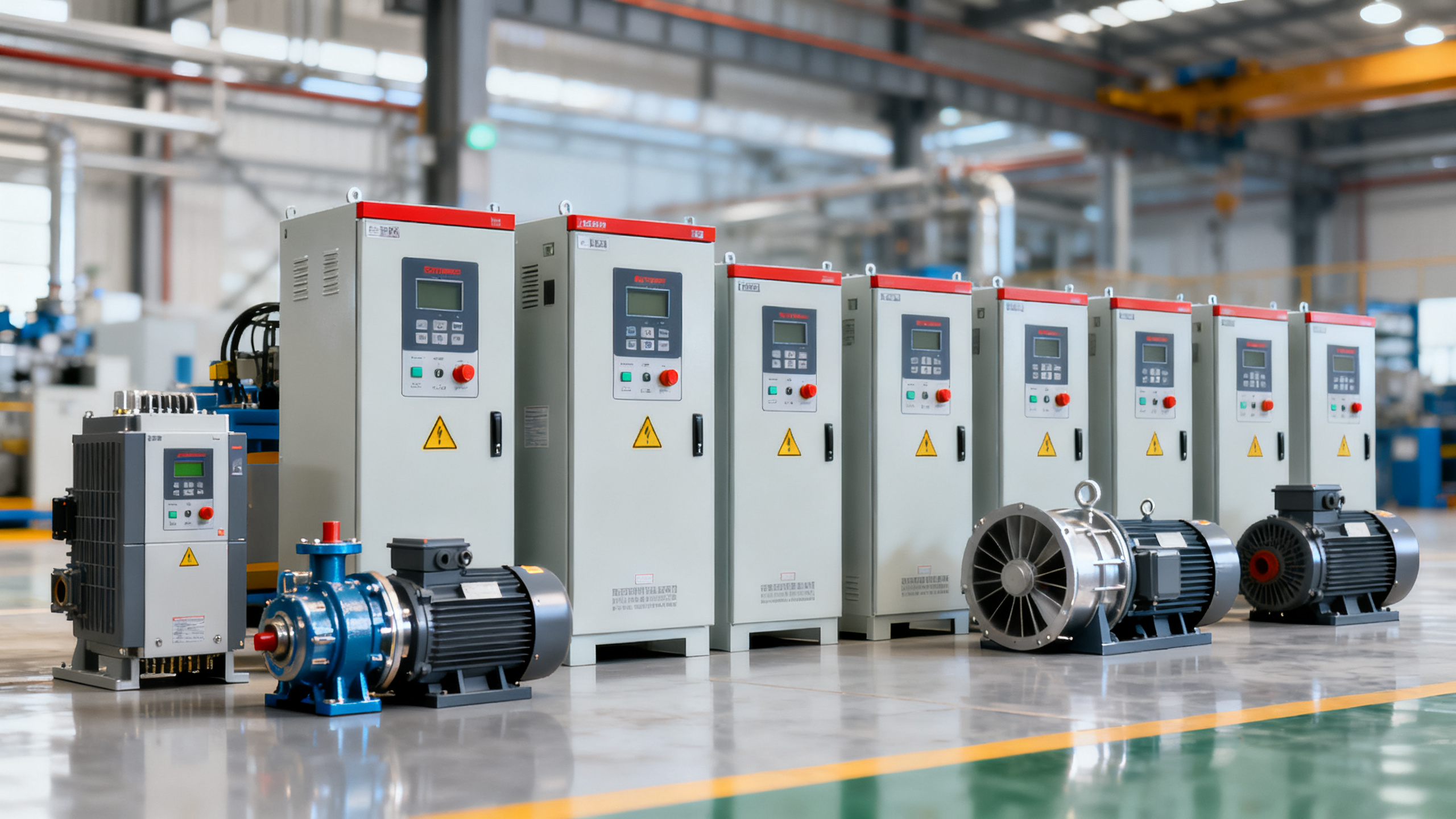
For industrial buyers evaluating motor control at scale, soft starters wholesale makes sense when the application needs reliable, controlled motor startup but does not require continuous speed control. In practical terms, that usually means pumps, compressors, blowers, fans, and conveyors where reducing inrush current, mechanical stress, and startup shock matters more than adjusting operating speed. For procurement teams, this creates a clear decision path: if your project values lower upfront cost, simpler installation, and standardized sourcing across multiple motors, wholesale soft starter purchasing can deliver real operational and commercial advantages.
For users, operators, and decision-makers, the key question is not whether soft starters are “better” than VFDs in general. It is whether they are the right fit for the duty cycle, control requirements, site conditions, and lifecycle budget. That is where wholesale buying becomes strategically useful: once the application profile is clear and repeatable across a facility or multi-site project, bulk sourcing can improve price consistency, reduce lead-time risk, and simplify maintenance planning.
When soft starters wholesale is the right buying strategy
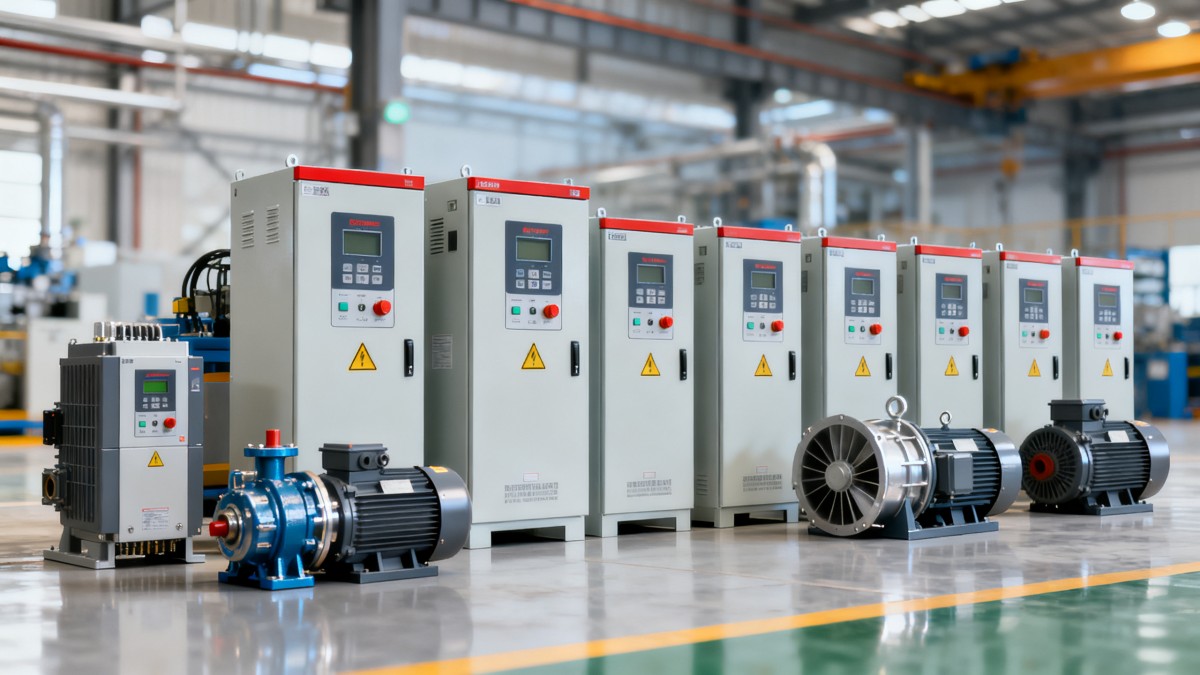
The core search intent behind this topic is usually commercial and comparative. Readers want to know when buying soft starters in bulk is justified, what use cases support that decision, and how it compares with alternatives such as VFD systems. They are typically not looking for a basic definition alone. They want a practical purchasing framework.
Wholesale soft starter sourcing is most appropriate when several conditions are true:
- You have multiple motors with similar startup requirements. Standardization creates volume leverage and simplifies spare parts strategy.
- The motors run mostly at fixed speed. If the equipment does not need precise speed modulation, a soft starter is often sufficient.
- You want to reduce electrical and mechanical startup stress. Soft starters help limit inrush current and smoother acceleration protects connected equipment.
- You are managing a large project or multi-site rollout. EPC contractors and procurement directors often benefit from consolidated purchasing.
- You need a cost-conscious solution without sacrificing operational reliability. For many mainstream industrial loads, a soft starter offers a simpler and more economical motor starting method than a VFD.
In these cases, wholesale purchasing is not only about unit price. It is about achieving procurement efficiency, installation consistency, and easier after-sales support across a broader asset base.
What buyers care about most before placing a wholesale soft starter order
Industrial readers usually evaluate this topic through four filters: technical fit, cost, reliability, and sourcing risk.
1. Is a soft starter technically suitable for the load?
This is the first and most important question. Soft starters are designed to control motor startup and, in many cases, soft stop. They are ideal when the main concern is reducing startup shock rather than controlling speed during operation.
Common suitable applications include:
- Centrifugal pumps
- HVAC fans and blowers
- Air compressors
- Conveyor systems
- Agitators and mixers with moderate starting loads
They may be less suitable if your process requires:
- Continuous speed variation
- Fine torque control across the operating range
- Energy optimization through reduced motor speed under variable load
- Advanced process automation tied to speed feedback
In those scenarios, a VFD may offer better value despite higher initial cost.
2. Will wholesale buying actually reduce total cost?
Yes, often it will, but not automatically. The strongest cost case appears when a business can standardize specifications across many motors or projects. A wholesale order can improve price breaks, reduce repeated vendor qualification work, and lower logistics overhead.
However, experienced buyers should assess total cost of ownership, not just device price. Important cost factors include:
- Panel integration requirements
- Bypass contactor configuration
- Commissioning time
- Maintenance burden
- Availability of local technical support
- Downtime risk if replacements are not readily available
A low-cost wholesale offer loses value quickly if documentation is poor, certifications are unclear, or support is weak.
3. Are there compliance or quality risks?
For industrial procurement, this concern is critical. Soft starters used in commercial or heavy industrial environments must align with the site’s voltage, enclosure, safety, and certification requirements. Buyers should confirm:
- Rated voltage and current compatibility
- Motor horsepower or kW range
- Duty cycle suitability
- Ambient temperature tolerance
- Protection class and enclosure needs
- Communication protocol compatibility if needed
- Relevant CE, UL, ISO, or project-specific documentation
For wholesale sourcing, consistency matters as much as compliance. Mixed product revisions, undocumented substitutions, or unstable supply can create serious maintenance and commissioning problems later.
Soft starters vs VFDs: the decision point most buyers actually need
Many readers searching this topic are really asking a comparison question: Why choose soft starters wholesale instead of buying VFDs? The answer depends on control objectives.
Choose soft starters when:
- The motor typically runs at full speed after startup
- You mainly want to limit inrush current
- You need smoother startup to reduce belt, coupling, gearbox, or pipe stress
- You want a simpler and lower-cost control solution
- You are equipping many similar assets and want procurement standardization
Choose VFDs when:
- Speed control is essential to the process
- Load conditions vary significantly during operation
- Energy savings depend on reducing motor speed
- The application needs more advanced automation features
For many plants, the most effective strategy is not choosing one technology for every motor. It is segmenting loads correctly. Use VFDs where process control or variable-speed efficiency justifies the investment, and use soft starters where startup protection is the main need. This mixed approach often produces the best balance of capital efficiency and operational performance.
Operational advantages of buying soft starters at scale
Beyond lower pricing, wholesale procurement supports several practical benefits that matter to operators and plant managers.
Standardization across assets
When facilities use a limited number of approved soft starter models, maintenance teams can troubleshoot faster, stock fewer spare units, and train technicians more efficiently. This reduces complexity across operations.
More predictable lead times
In large capital projects, fragmented buying introduces supply uncertainty. A wholesale arrangement with a vetted supplier can improve planning reliability, especially where multiple motor control panels must be delivered on schedule.
Better spare parts planning
If the same or closely related soft starter families are deployed across sites, businesses can hold strategic inventory rather than carrying many different SKUs. This supports uptime and lowers emergency sourcing pressure.
Improved procurement governance
For enterprise buyers, consolidating soft starter purchases can help with vendor management, pricing visibility, document control, and quality consistency. This is especially valuable in global or multi-facility organizations.
How to evaluate a wholesale soft starter supplier
Choosing the right supplier is often more important than chasing the lowest quote. A strong supplier should support both technical validation and commercial reliability.
Key evaluation points include:
- Product range: Can the supplier cover your current ratings and future expansion needs?
- Documentation quality: Are datasheets, wiring diagrams, manuals, and certifications complete and current?
- Application support: Can they help match models to pump, compressor, or conveyor duty requirements?
- Quality consistency: Is there evidence of manufacturing control and stable product revision management?
- After-sales service: Are troubleshooting, warranty response, and replacement logistics clearly defined?
- Commercial stability: Can they support framework agreements, scheduled deliveries, or project-based volume planning?
For larger buyers, it is also wise to request sample units, factory test information, and reference cases in similar industrial environments. This reduces uncertainty before committing to a broader rollout.
A simple buying checklist for procurement teams and decision-makers
If you are deciding whether soft starters wholesale is the right move, this checklist helps structure the decision:
- List all motor-driven assets under consideration by power rating, load type, and startup frequency.
- Separate fixed-speed applications from those requiring speed control.
- Identify where startup shock, pressure surge, or mechanical stress has been a recurring issue.
- Standardize technical specifications wherever possible.
- Confirm all required certifications, voltage classes, and environmental ratings.
- Compare total installed cost and lifecycle implications against VFD alternatives.
- Assess supplier support, spare availability, and delivery reliability.
- Consider a pilot order before full-volume implementation.
This approach helps both technical and commercial stakeholders align around a decision that is defensible, scalable, and suited to the actual operating environment.
Conclusion: when wholesale soft starter buying creates real value
Soft starters wholesale makes sense when your operation has multiple fixed-speed motor applications that need controlled startup, equipment protection, and procurement efficiency more than advanced speed control. In those cases, soft starters can offer a strong balance of cost, reliability, and simplicity.
The best results come when buyers avoid treating the choice as a generic technology debate. Instead, they should map the application, define the control requirement, standardize where practical, and source from suppliers who can support compliance, documentation, and long-term availability. For industrial procurement teams, operators, and business decision-makers alike, that is the real basis for determining whether wholesale soft starter purchasing is merely cheaper—or genuinely smarter.
Expert Insights

Chief Security Architect
Dr. Thorne specializes in the intersection of structural engineering and digital resilience. He has advised three G7 governments on industrial infrastructure security.
Related Analysis
Core Sector // 01
Security & Safety
- How to Select Overhead Line FittingsAuthor :Heavy Industry Strategist

- Cross Arms and Hardware: Steel or CompositeAuthor :Heavy Industry Strategist

- Composite Polymer Insulators: Pros and LimitsAuthor :Heavy Industry Strategist

- Porcelain Insulators Wholesale: Avoid These IssuesAuthor :Heavy Industry Strategist

- Power Factor Correction Capacitor: Is It NeededAuthor :Heavy Industry Strategist

- How to Pick an Industrial Battery ChargerAuthor :Heavy Industry Strategist

- UPS Buying Mistakes to Avoid in 2026Author :Heavy Industry Strategist

- Wholesale Stepper Motors: Which Type FitsAuthor :Heavy Industry Strategist