How to Select Overhead Line Fittings
Author
Date Published
Reading Time
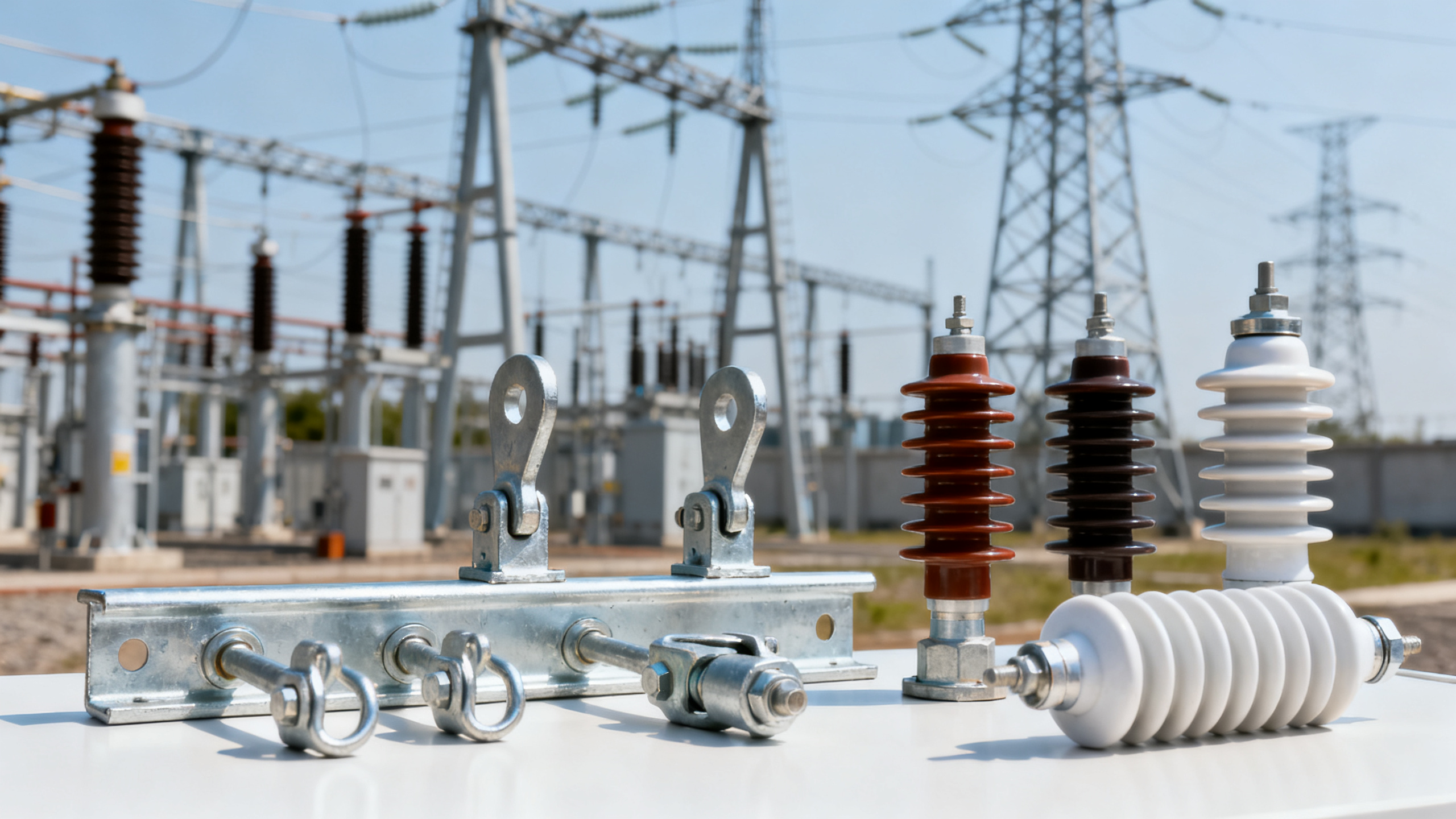
Selecting the right overhead line fittings is essential for grid safety, durability, and long-term performance. From cross arms and hardware to composite polymer insulators and porcelain insulators wholesale options, every component affects reliability, maintenance, and compliance. This guide helps researchers, operators, buyers, and decision-makers evaluate specifications, materials, and sourcing factors with confidence.
What should you evaluate first when selecting overhead line fittings?
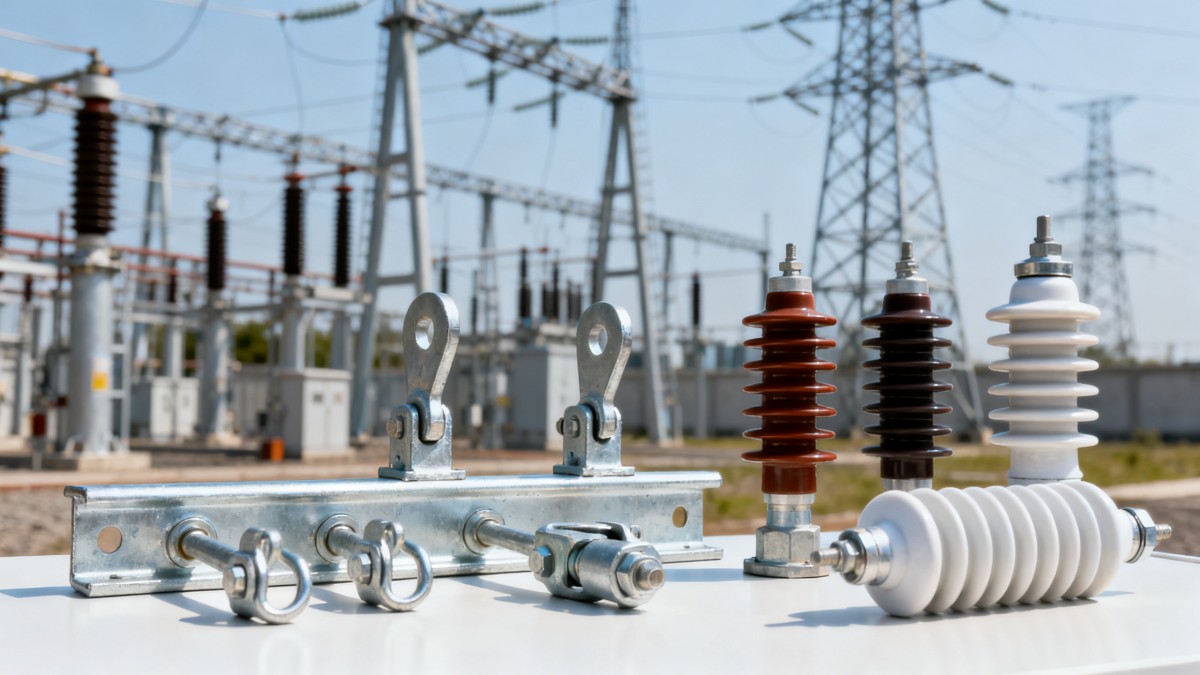
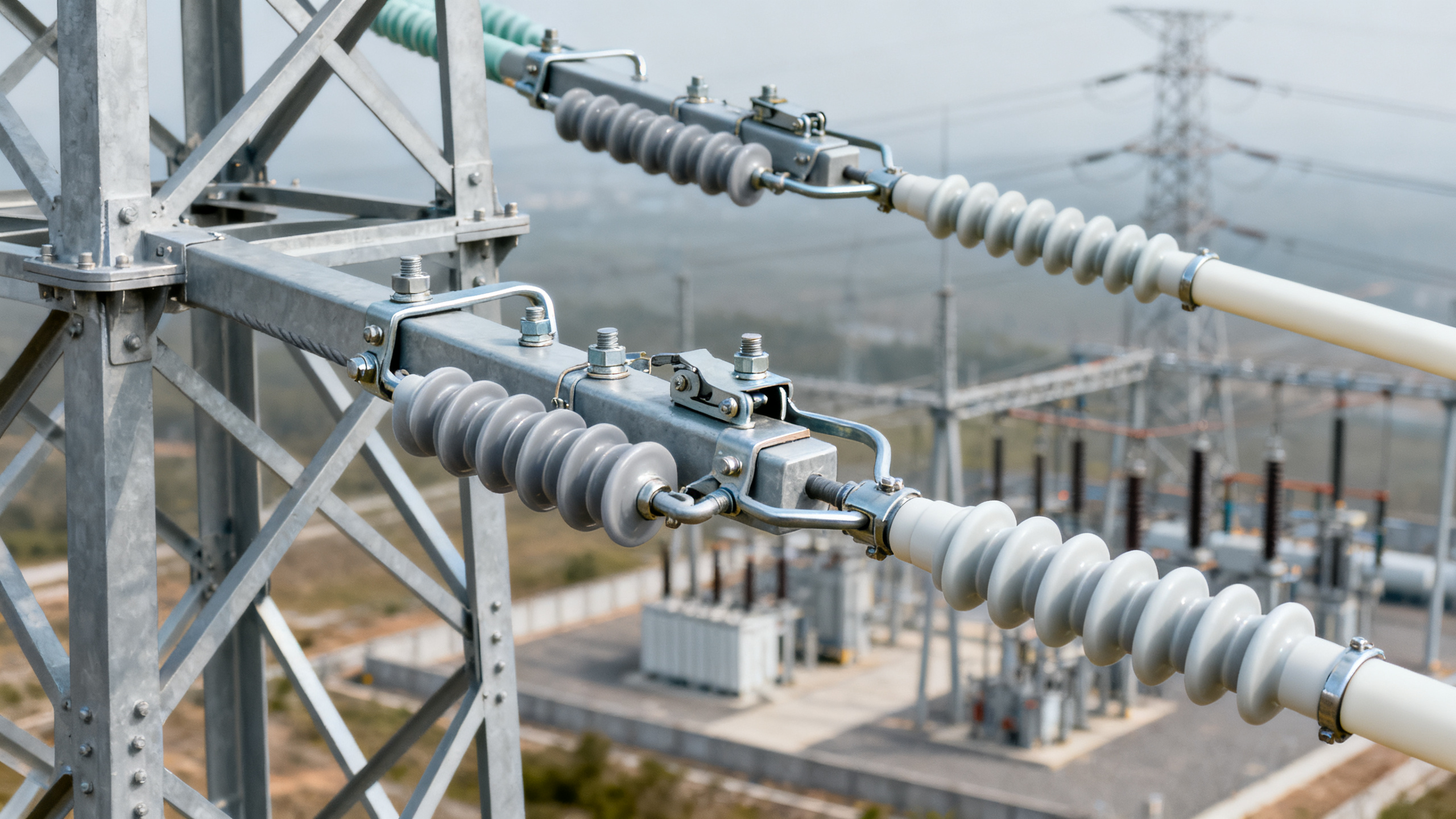
Overhead line fittings are not a single product category. They include suspension clamps, tension hardware, dead-end fittings, cross arms, connectors, insulator accessories, vibration dampers, and fastening components that work together in a defined mechanical and electrical system. A sound selection process starts by matching the fitting to the line type, voltage class, conductor configuration, span length, and environmental exposure rather than choosing by price alone.
For industrial buyers and EPC teams, the first 3 checks are usually mechanical load, insulation coordination, and corrosion resistance. In practical terms, you need to confirm whether the fitting will operate on distribution or transmission lines, whether the installation is intended for light, medium, or heavy-duty loading, and whether the route includes coastal, polluted, humid, or high-wind conditions. These variables directly influence service life and maintenance intervals.
Operators and maintenance teams often focus on what happens after commissioning. A fitting that is easy to install but difficult to inspect can create long-term risk. Components exposed to vibration, thermal cycling, and contamination should allow visual checks at regular intervals such as every 6 months, every 12 months, or after major storm events. This is why selection should involve both procurement and field personnel from the beginning.
At Global Industrial Core, selection analysis is approached as an infrastructure risk decision. The goal is not simply to identify a compatible part, but to build a sourcing package that aligns engineering design, installation practice, compliance requirements, and realistic lifecycle cost. That is especially important when comparing composite polymer insulators with traditional porcelain insulators wholesale supply options across multiple project regions.
Core questions before shortlisting suppliers
- What is the required mechanical strength range for the line section, and does the fitting match the conductor and support arrangement?
- Which environmental factors apply: UV exposure, salt fog, industrial pollution, icing, or temperature fluctuation from sub-zero winters to high summer heat?
- What inspection and replacement strategy will the asset owner follow over a 10-year, 20-year, or longer operational horizon?
- Which standards, test records, and batch traceability documents are required before approval and shipment?
How do material choices affect performance, maintenance, and service life?
Material selection is one of the most important factors in overhead line fittings because the wrong material can shorten asset life even when dimensions look correct on paper. Galvanized steel remains common for structural hardware because it offers reliable strength and broad availability. Aluminum alloy is often chosen where weight matters and conductor compatibility is important. Stainless steel may be considered in aggressive corrosion environments, although cost and galvanic interaction must be reviewed carefully.
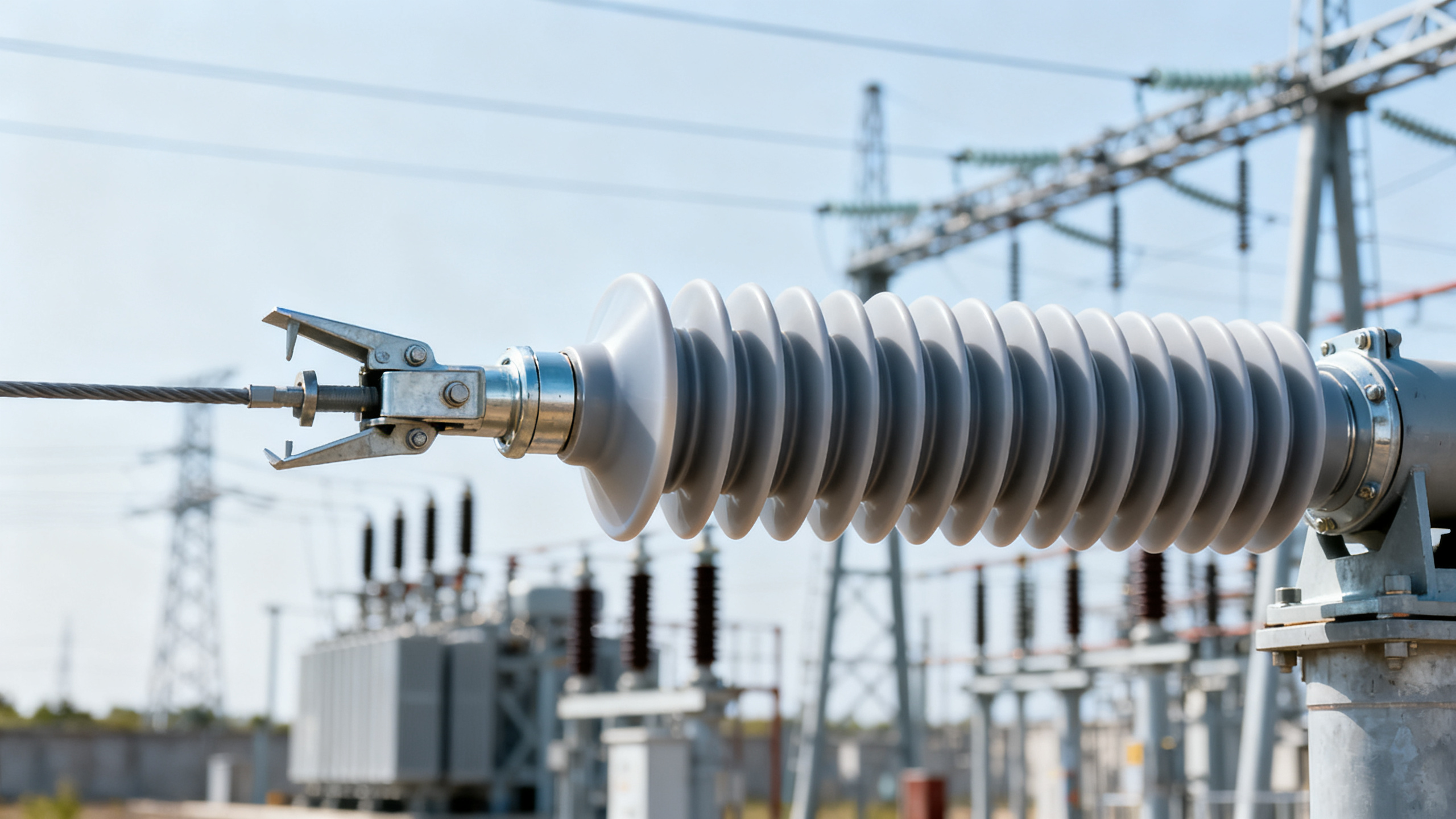
Insulator material decisions require a different lens. Composite polymer insulators are valued for light weight, strong contamination performance, and easier handling during installation. Porcelain insulators remain relevant in many networks because of their long history, stable material behavior, and familiarity among utility teams. The best option depends on pollution level, vandalism risk, transport constraints, replacement practice, and total ownership cost over several maintenance cycles.
The table below helps compare material directions across common project concerns. It is not a substitute for engineering approval, but it gives procurement teams a practical framework when reviewing competing offers for overhead line fittings and insulator assemblies.
In many projects, the better material is not the most advanced one; it is the one that matches the installation environment and maintenance model. A remote substation with limited lifting equipment may benefit from lighter composite solutions, while a network with established porcelain inspection practices may prefer continuity. The decision should be documented against at least 4 criteria: mechanical duty, contamination severity, logistics, and replacement strategy.
Why material compatibility matters
Field failures often start at interfaces rather than in the main body of a fitting. When bolts, clamps, conductors, and insulator end fittings use dissimilar metals, galvanic risk and contact degradation can appear over time. This is more likely in marine air, industrial pollution, or sites with frequent wet-dry cycles. Buyers should ask for interface details, not just the headline material grade.
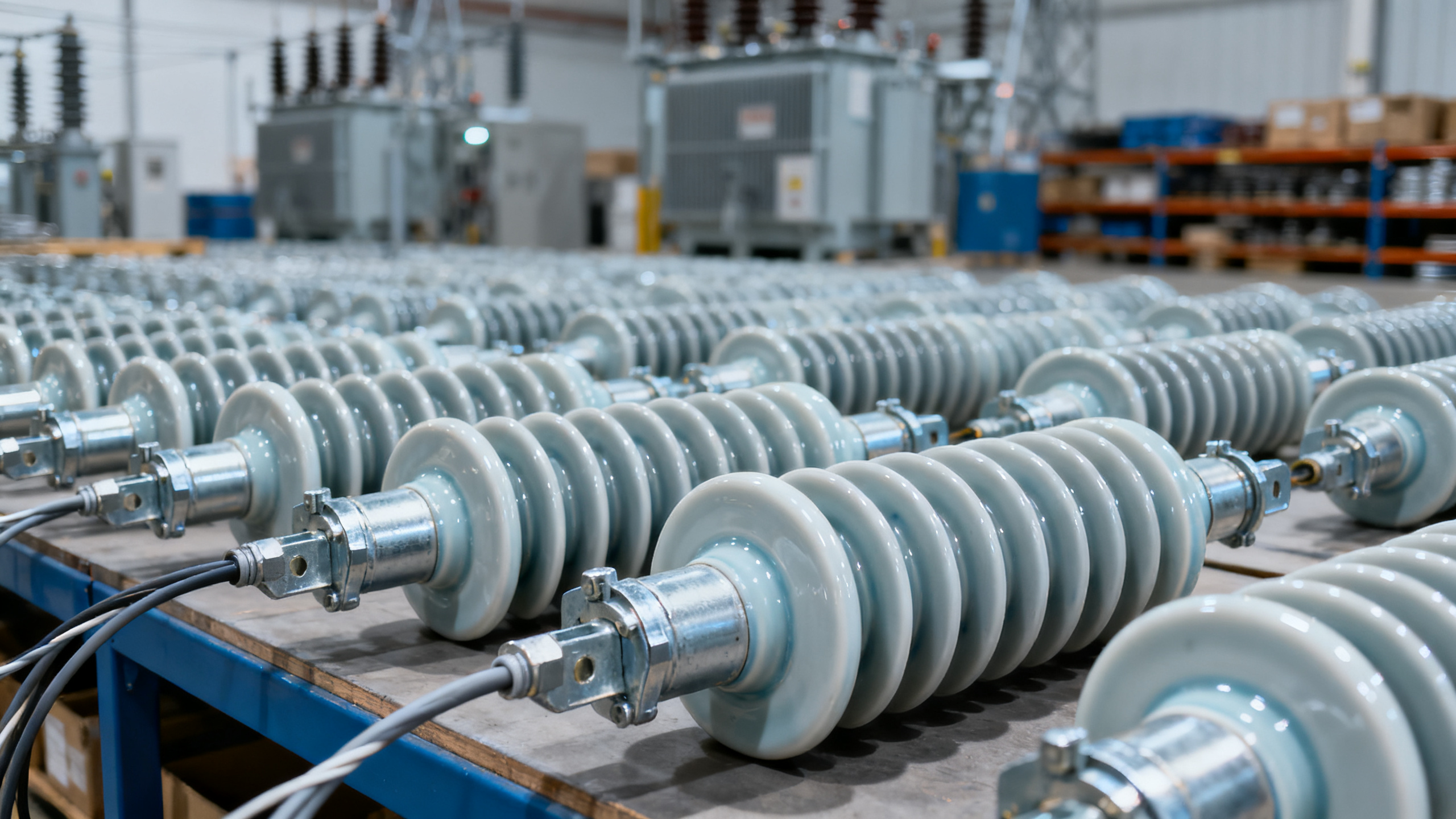
Another overlooked factor is transport and storage time. If components may remain in storage for 3–6 months before installation, packaging, stacking, and moisture protection become part of the quality equation. For porcelain insulators wholesale procurement, breakage control during packing and inland transport deserves the same level of review as the product specification itself.
Which technical parameters and standards should buyers verify?
Technical selection should move from general suitability to measurable checks. Buyers should confirm voltage application, conductor size compatibility, rated mechanical load, creepage-related insulation considerations, hardware dimensions, coating or surface protection, and installation torque requirements where relevant. Even in general industry sourcing, these details help prevent mismatch between line design and delivered goods.
Standards review is equally important. Depending on region and project ownership, procurement teams may need to reference IEC-related utility practices, ISO quality management documentation, or customer-specific technical schedules. For industrial infrastructure, compliance is rarely a single certificate issue. It usually involves a 4-step verification path: drawing review, material confirmation, routine inspection, and shipment documentation.
The next table summarizes practical verification points that help compare overhead line fittings from different suppliers before purchase approval. These items are especially useful when engineering teams, operations staff, and sourcing departments need a common decision sheet.
A useful procurement habit is to separate mandatory items from preference items. For example, conductor fit range and mechanical capacity may be mandatory, while packaging format or pallet style may be negotiable. This reduces confusion during bid comparison and shortens technical clarification cycles from several weeks to a more manageable 7–15 working days in straightforward projects.
A practical 5-point technical review list
- Confirm the line function: suspension, tension, termination, junction, or support.
- Match fitting dimensions to drawings and conductor or insulator interfaces.
- Review environmental protection measures for inland, marine, desert, or industrial pollution exposure.
- Check document traceability by batch, heat number, or equivalent production reference where applicable.
- Verify receiving inspection criteria before shipment leaves the factory.
Where buyers often lose time
Many delays are caused not by manufacturing, but by incomplete specification handover. If the RFQ states only a generic product name without conductor size, drawing number, coating expectation, or end-use conditions, suppliers will quote on different assumptions. That makes commercial comparison misleading. Strong sourcing teams define 5–8 key technical fields before requesting final pricing.
How can procurement teams balance cost, lead time, and risk?
The lowest unit price for overhead line fittings can become the highest project cost if the parts trigger rework, late approvals, or early replacement. Procurement should evaluate at least 3 cost layers: acquisition cost, installation cost, and lifecycle maintenance cost. A heavier component may be cheaper to buy but require more handling time. A lower-priced insulator may increase replacement frequency in contaminated environments. Cost only becomes meaningful when the use case is clear.
Lead time should also be broken down into stages. In many industrial sourcing projects, there are 4 main intervals: technical clarification, production, inspection and packing, and international logistics. Depending on complexity and batch size, standard hardware may move faster than custom assemblies, while porcelain insulators wholesale orders may require additional packing and breakage-control preparation. For urgent jobs, buyers should ask which items are stock-supported and which are made to order.
Risk balancing becomes more effective when suppliers are evaluated with both technical and commercial metrics. The following checklist is useful for decision-makers who need to compare offers within a short approval window.
Procurement decision checklist for overhead line fittings
- Can the supplier provide a clear bill of materials and confirm which parts are included in the assembly scope?
- Is the typical delivery cycle 2–4 weeks for standard items or longer for custom fabrication, and is that aligned with your project milestone?
- What level of inspection evidence will be available before shipment, and who approves it?
- Are spare parts, replacement units, or sample pieces available for pilot installation and field validation?
- Does the quote account for export packing, palletization, labeling, and protection against moisture or impact?
A sensible alternative strategy is dual-path sourcing. For example, a project may qualify one supplier for standard galvanized hardware and another for specialized insulator assemblies. This can improve resilience, but only if drawings, test expectations, and acceptance criteria are harmonized. Otherwise, the project may create interface problems between parts from different supply chains.
When should you consider alternatives?
Consider an alternative fitting or insulator design when one of the following applies: repeated corrosion in less than 3–5 years, difficult manual handling on remote routes, recurring loosening under vibration, or recurring damage during transport. Changing the component type is not always necessary, but revisiting material, coating, or packing method often is. In many cases, selection refinement delivers better value than a full redesign.
What mistakes are common, and how should operators and buyers avoid them?
One common mistake is treating all overhead line fittings as interchangeable if the general shape looks similar. Small dimensional differences in clevis size, bolt diameter, groove profile, or interface length can create installation stress or unsafe assembly. This is especially risky when replacing parts in older lines where the original drawing set is incomplete. Field verification should be completed before bulk purchase.
Another mistake is focusing on the insulator body while ignoring the full assembly. Composite polymer insulators and porcelain insulators both depend on end fittings, connectors, and mounting hardware. A robust insulator installed with mismatched accessories can still fail as a system. Buyers should review the full string or assembly arrangement, not just the headline component.
Operators also need realistic maintenance assumptions. Not every line receives the same inspection frequency. Urban and industrial corridors may require more frequent checks than low-exposure rural routes. A practical framework is to define 3 maintenance bands: routine visual inspection, condition-triggered inspection after weather events, and planned replacement review during shutdown or line work windows.
FAQ for selection, installation, and sourcing
How do I choose between composite polymer insulators and porcelain insulators?
Start with environment, handling, and maintenance. Composite polymer insulators are often preferred where low weight, easier transport, and contamination performance are important. Porcelain insulators may suit networks that prioritize material familiarity and established inspection practice. The right decision depends on route exposure, logistics, and the expected maintenance cycle over 10–20 years.
What should procurement request in an RFQ for overhead line fittings?
Include conductor details, drawings, line application, material preference, corrosion protection requirement, packing expectation, and document needs. At minimum, provide 6 items: product description, size or interface, environment, quantity, inspection expectation, and delivery destination. This reduces quote ambiguity and shortens technical clarification.
How long is a typical delivery cycle?
It varies by complexity, quantity, and whether the item is standard or custom. Standard hardware may move within a few weeks, while engineered assemblies can take longer due to drawing confirmation, production scheduling, inspection, and export packing. Buyers should ask for a stage-by-stage timeline rather than a single headline date.
What is the most overlooked risk in bulk sourcing?
Packaging and receiving inspection are often underestimated. Damage during transport, mixed batch labeling, or missing traceability records can delay site release even when the product itself is acceptable. For fragile items and porcelain insulators wholesale shipments, packing method and receiving checklist deserve early review.
Why work with Global Industrial Core for overhead line fitting selection and sourcing support?
Global Industrial Core supports industrial buyers, EPC contractors, facility teams, and decision-makers who need more than a product list. Our strength is structured evaluation across electrical and power grid components, compliance-sensitive procurement, and cross-functional sourcing decisions. When infrastructure reliability is the priority, the selection process must connect technical detail with sourcing practicality.
We help teams clarify parameters before procurement moves forward. That includes reviewing application conditions, identifying suitable overhead line fittings, comparing composite polymer insulators with porcelain insulators wholesale options, and organizing supplier questions around realistic approval criteria. This is especially useful when project teams need to align engineering, purchasing, and operations in 1 coordinated workflow.
If you are preparing a new project or replacing line hardware in an existing network, you can consult GIC on practical issues such as parameter confirmation, product selection, delivery cycle expectations, custom assembly scope, certification and documentation requirements, sample support, and quotation communication. Clear input at this stage often prevents costly changes later in the project timeline.
Contact Global Industrial Core when you need a sourcing framework that is technical enough for engineers and clear enough for procurement approval. Whether your priority is shortlisting suppliers, validating material options, reviewing compliance documents, or planning bulk purchase risk controls, we can help you move from uncertain comparison to actionable selection.
Expert Insights

Chief Security Architect
Dr. Thorne specializes in the intersection of structural engineering and digital resilience. He has advised three G7 governments on industrial infrastructure security.
Related Analysis
Core Sector // 01
Security & Safety
- How to Select Overhead Line FittingsAuthor :Heavy Industry Strategist

- Cross Arms and Hardware: Steel or CompositeAuthor :Heavy Industry Strategist

- Composite Polymer Insulators: Pros and LimitsAuthor :Heavy Industry Strategist

- Porcelain Insulators Wholesale: Avoid These IssuesAuthor :Heavy Industry Strategist

- Preventing belt slip in mechanical engineeringAuthor :Heavy Industry Strategist

- Ball Screws Manufacturer Selection Gets Harder in 2026Author :Heavy Industry Strategist

- Heat sink aluminum profile: Does anodizing reduce thermal conductivity?Author :Heavy Industry Strategist

- T-slot aluminum framing: What slot tolerance causes misalignment in modular assembly?Author :Heavy Industry Strategist