Cross Arms and Hardware: Steel or Composite
Author
Date Published
Reading Time
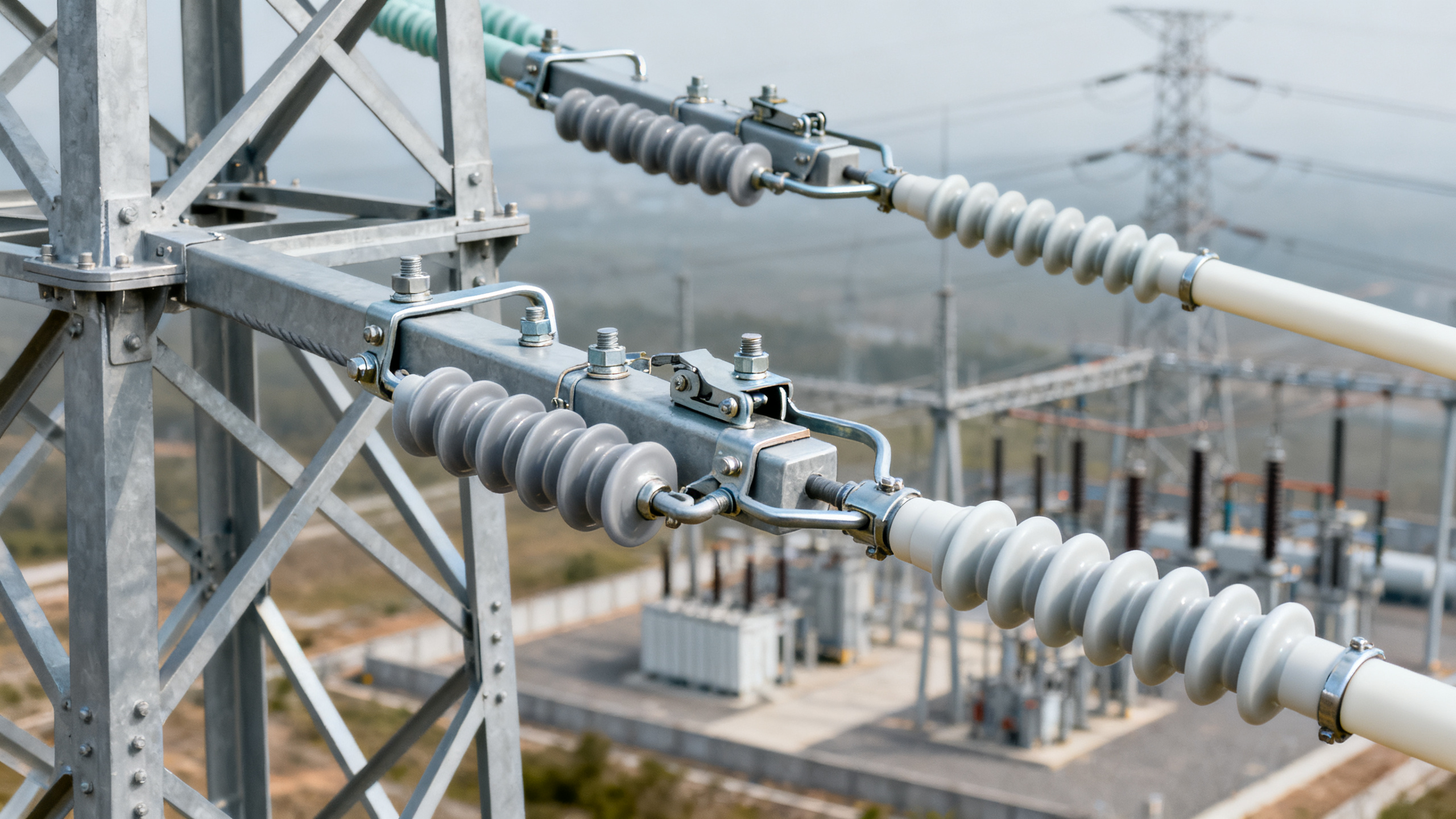
Choosing between steel and composite cross arms and hardware affects grid strength, corrosion resistance, lifecycle cost, and installation safety. For buyers comparing overhead line fittings, composite polymer insulators, and related electrical infrastructure, this guide explains the practical trade-offs, performance factors, and sourcing priorities that matter in modern utility and industrial power projects.
For utilities, EPC contractors, industrial plant operators, and procurement teams, the decision is rarely about material preference alone. It usually involves load class, environmental exposure, maintenance access, outage cost, expected service life, and the compatibility of cross arms with bolts, brackets, insulators, clamps, and pole-top assemblies.
In modern distribution and sub-transmission projects, the wrong material choice can increase inspection frequency, accelerate corrosion, or create hidden replacement costs within 5–10 years. The right choice, by contrast, can improve reliability over 20–40 years, reduce field labor, and simplify compliance with project specifications.
Material Basics: What Steel and Composite Cross Arms Actually Deliver
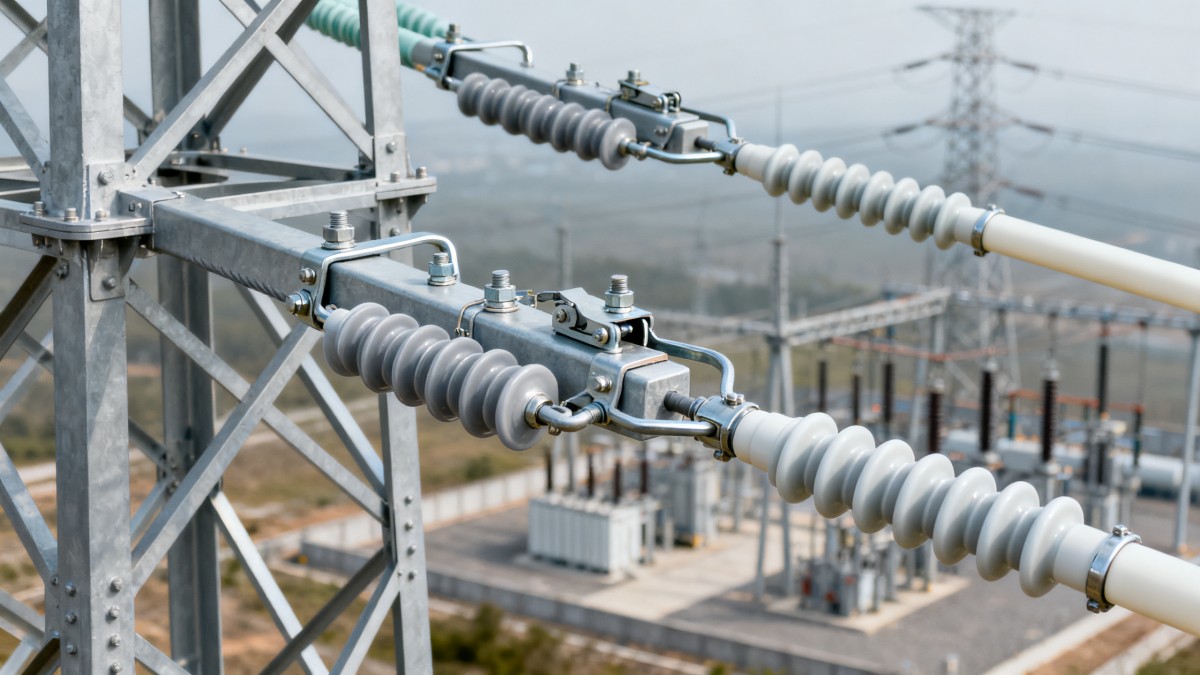
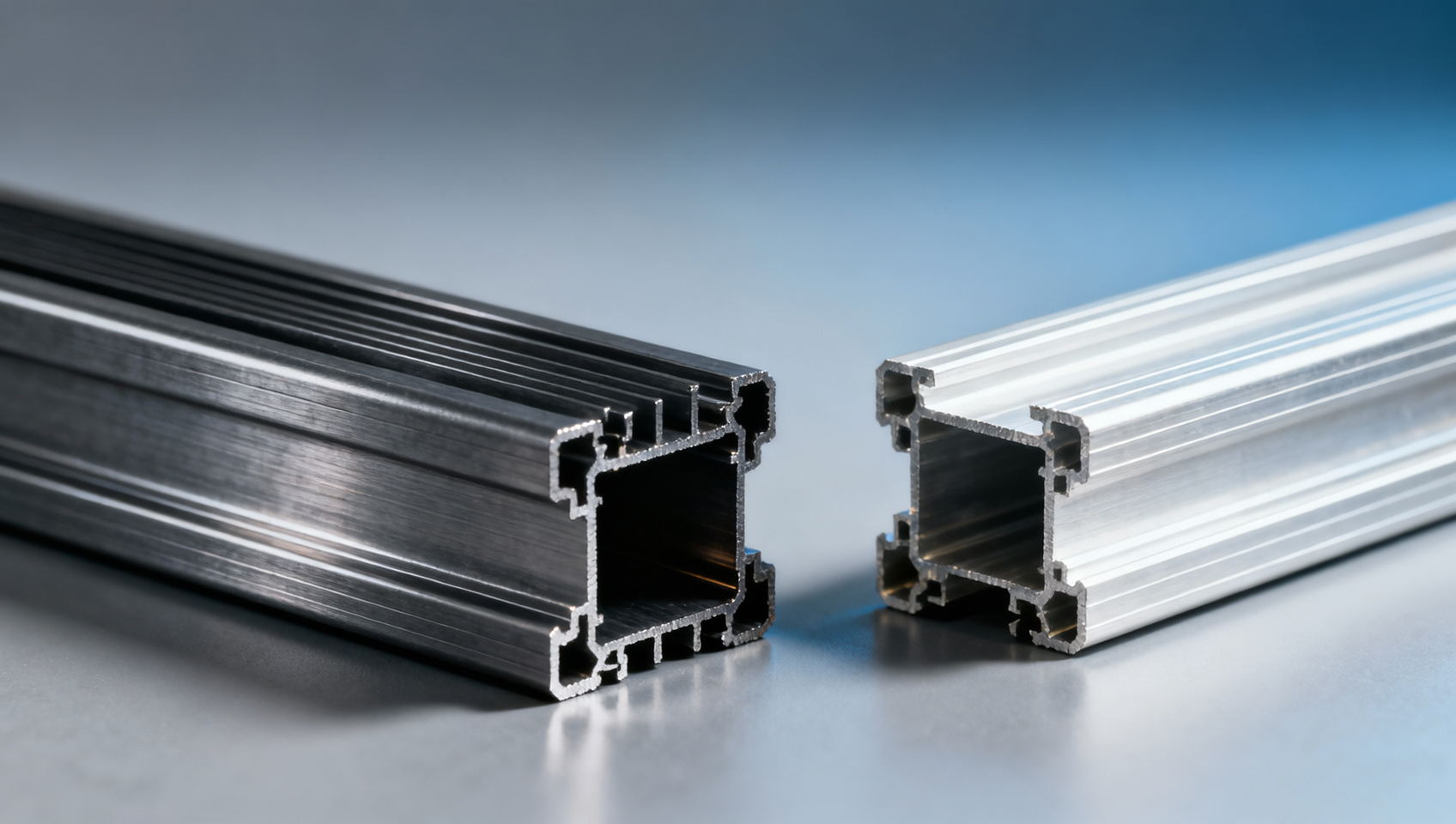
Steel cross arms have long been used in overhead line systems because they offer predictable mechanical strength, proven fabrication methods, and broad hardware compatibility. In heavy-duty line construction, galvanized steel remains common where utilities need high cantilever strength, rigid geometry, and confidence under wind, conductor tension, and occasional ice loading.
Composite cross arms, often built around fiberglass-reinforced polymer structures with weather-resistant outer layers, are increasingly selected for corrosion-prone and weight-sensitive applications. Compared with steel, composites can lower handling weight by 20%–50% depending on design, while also resisting rust, salt spray exposure, and many industrial atmospheres that challenge metallic hardware.
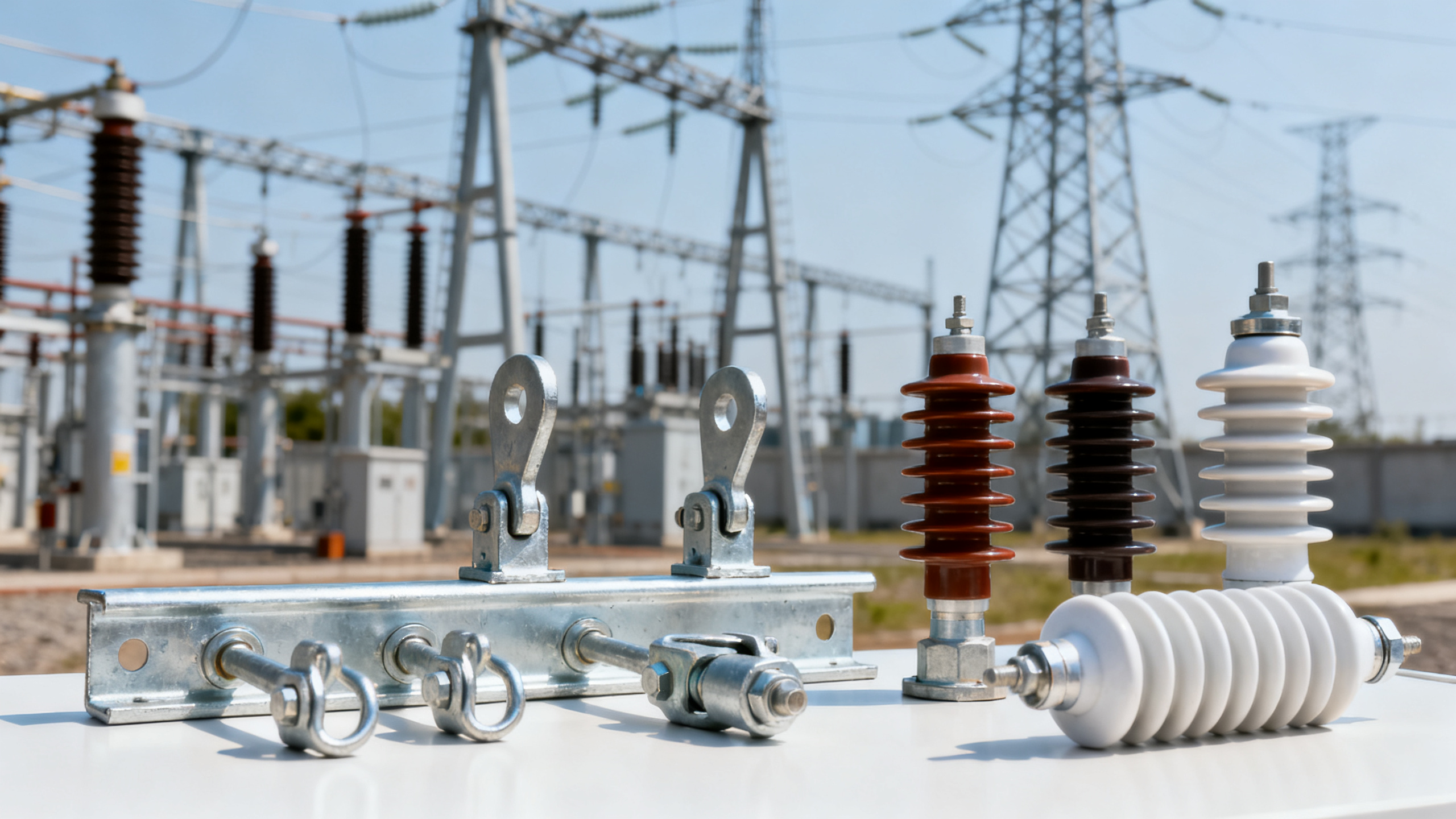
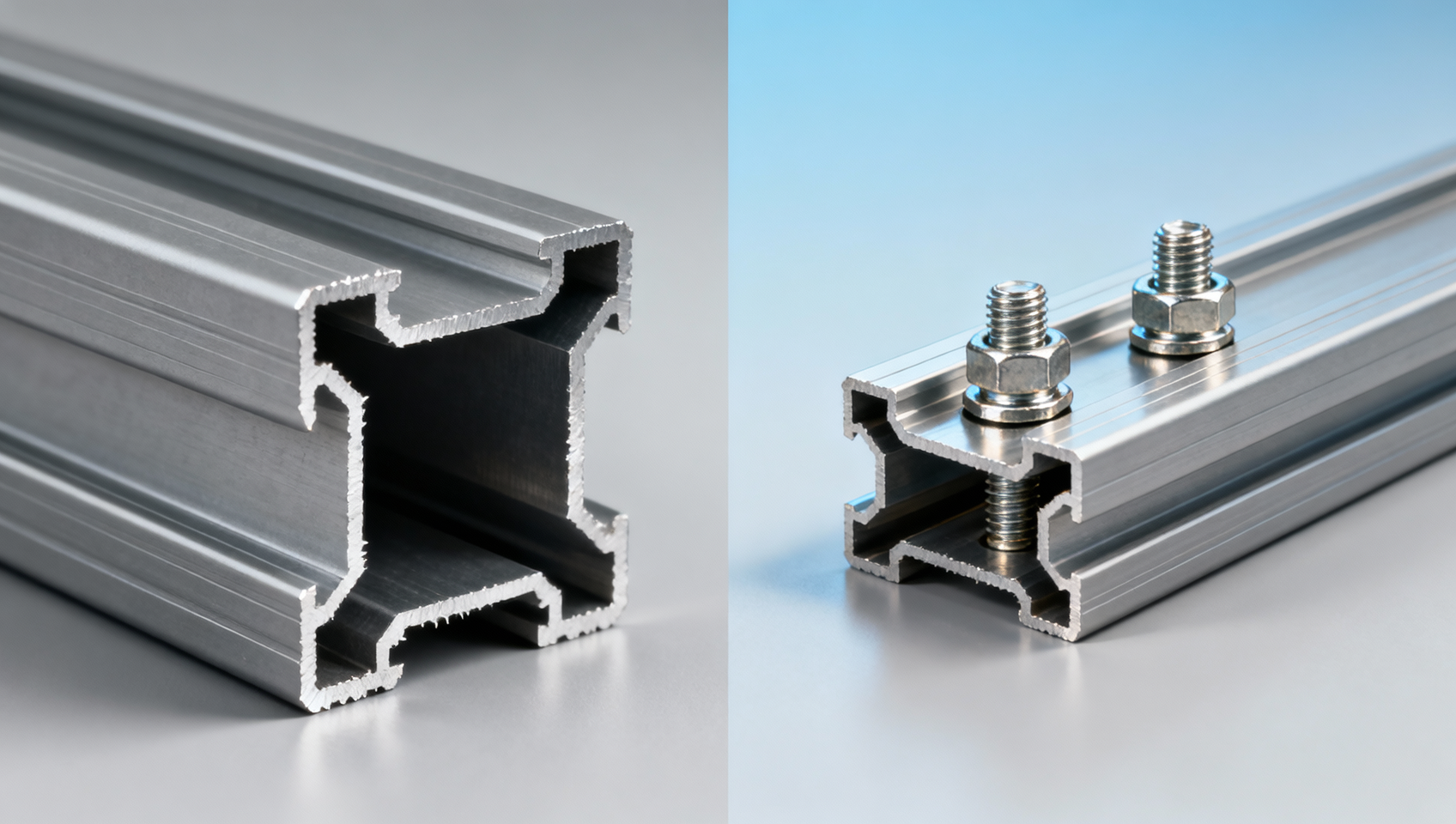
The material decision also extends beyond the arm itself. Cross arm hardware includes braces, eye bolts, pole bands, washers, fastening sets, clevis fittings, and insulator interfaces. A composite arm may still require metallic connection hardware, so project teams must evaluate the full assembly rather than treating the arm as an isolated component.
From a performance standpoint, steel tends to win on absolute stiffness and familiarity, while composite systems often lead in dielectric behavior, lower weight, and corrosion resistance. However, outcomes depend on resin formulation, UV resistance, galvanization thickness, fitting design, and whether the hardware package was engineered as a system or assembled from mixed vendors.
Core comparison points for engineering teams
Before finalizing a bill of materials, many buyers compare at least 6 factors: mechanical load rating, environmental durability, insulation behavior, installation time, maintenance cycle, and end-of-life replacement cost. For medium-voltage and high-exposure distribution lines, these factors usually matter more than first cost alone.
The table below summarizes the most practical differences between steel and composite cross arms in field-oriented terms rather than purely laboratory language.
The key takeaway is that neither material is universally better. Steel often fits high-load, conventional line construction, while composite solutions can outperform in corrosive environments, remote installations, or projects where maintenance access is expensive and weight reduction improves safety.
Performance Under Real Service Conditions
Field performance depends less on brochure claims and more on service conditions. A steel cross arm in an inland dry climate may perform reliably for decades with standard galvanization and scheduled inspection. The same design installed near saltwater, fertilizer plants, wastewater facilities, or mining corridors may face accelerated coating loss, fastener seizure, and structural degradation within much shorter maintenance intervals.
Composite cross arms are often selected precisely because they avoid red rust and reduce the failure modes associated with coating damage. In areas with annual humidity above 80%, frequent fog, or airborne chlorides, that material advantage can become operationally significant. However, buyers still need to review UV aging, tracking resistance, interface sealing, and the long-term behavior of bonded or bolted joints.
Temperature range matters as well. Many utility and industrial power projects expect stable service from approximately -40°C to +50°C, while some desert or process-industry locations can push even further. Steel handles heat well structurally, but protective coating integrity and hardware looseness must be checked. Composite members can perform strongly across broad ranges, though thermal expansion behavior and resin selection should match the climate profile.
For lines exposed to dynamic loads, stiffness, vibration, and fatigue become critical. Wind-induced oscillation, conductor galloping, and repeated storm loading can challenge both materials in different ways. Steel may resist deformation under high loads, while composite systems may damp certain vibrations more effectively depending on geometry. Good engineering review should include static load, dynamic load, and connection-point stress rather than just nominal breaking strength.
Environmental risk categories
- Coastal and offshore-adjacent zones: prioritize salt fog resistance, sealed interfaces, and corrosion-resistant fasteners.
- Industrial chemical areas: evaluate exposure to alkalis, acidic vapors, and process emissions that can attack coatings or polymer surfaces.
- Cold and ice-prone regions: confirm load reserve for ice accumulation, low-temperature impact behavior, and bracket integrity.
- High-wind corridors: check deflection limits, bolt retention, and fatigue resistance across repeated load cycles.
Inspection and maintenance implications
A useful procurement question is not “Which material lasts longer?” but “Which material reduces risk in our actual inspection model?” If a line is easy to inspect every 12 months, steel may remain cost-effective. If crews can only access a site every 24–36 months, reduced corrosion sensitivity may justify a composite premium.
Operational teams should also account for hardware pairing. Stainless or hot-dip galvanized fasteners, polymer-compatible clamps, and sealed connection details may improve the performance of either option. Material mismatch is a common cause of disappointing field results, particularly when buyers source arms and fittings from separate channels without unified technical review.
Lifecycle Cost, Installation Efficiency, and Safety Trade-Offs
Purchase price is only one part of the cost model. In many power projects, lifecycle cost includes transportation, lifting requirements, installation labor, outage planning, inspection frequency, recoating or replacement work, and failure consequences. A component that costs 10%–20% more upfront may still be the better commercial decision if it lowers labor hours or extends the maintenance cycle by several years.
Steel cross arms may offer attractive initial economics because fabrication methods are mature and supply chains are widespread. Yet heavier assemblies can increase handling complexity on poles, especially in constrained urban corridors, mountainous routes, or retrofit work where crews operate from limited platforms. Every extra lifting step affects both schedule and safety.
Composite cross arms often improve installation ergonomics by reducing unit weight. In some field conditions, that can shorten installation time per structure, reduce crane dependence, or lower crew fatigue during repetitive pole-top work. Those gains are especially relevant where hundreds of structures must be completed within a narrow outage window of 2–6 weeks.
Safety should not be treated as a secondary benefit. Lower handling weight, reduced sharp-edge corrosion, and strong resistance to environmental degradation can help limit field exposure. At the same time, steel’s known mechanical behavior and long service history can support safety planning when crews already have established procedures, spare parts, and inspection routines built around metallic hardware systems.
A practical lifecycle comparison
The table below shows how buyers often compare lifecycle drivers when evaluating steel versus composite cross arms and associated line hardware for utility or industrial distribution projects.
The cost lesson is straightforward: if your environment is mild and structures are easy to access, steel can remain highly competitive. If corrosion, labor constraints, or outage cost dominate the equation, composite assemblies often deserve a serious financial review rather than being dismissed on unit price alone.
Three questions procurement should ask
- What is the expected inspection interval: 12 months, 24 months, or longer?
- How much does one hour of outage or restricted operation cost the facility or network?
- Will installation occur in high-access, standard terrain or in remote, elevated, or hazardous work zones?
How to Specify the Right Cross Arm and Hardware Package
A strong specification reduces both technical risk and sourcing confusion. Buyers should define not only the cross arm material, but also the full assembly requirements: voltage class, conductor arrangement, expected span loading, environmental category, bracket style, fastener protection, insulator interface, and testing expectations. This prevents substitutions that appear equivalent on paper but behave differently in service.
In practical procurement, at least 4 evaluation layers are useful. The first is structural adequacy, including working load and overload margin. The second is environmental resistance, such as corrosion, UV, moisture, and contamination. The third is installation compatibility with existing poles and crews. The fourth is supply reliability, including lead time, documentation quality, and after-sales technical support.
Documentation matters more than many buyers expect. Ask suppliers for material descriptions, coating details, dimensional tolerances, routine test scope, and compatibility statements for connected hardware. For critical projects, it is reasonable to request sample drawings, galvanization process details, or evidence of mechanical and environmental testing relevant to the intended service conditions.
Lead time can also affect the material decision. Standard steel hardware may ship within 2–6 weeks in established markets, while custom composite systems or bundled assemblies can require longer planning, especially if molded parts, specialized brackets, or project-specific fixtures are involved. Early engineering alignment reduces delay risk later in procurement.
Specification checklist for EPC and utility buyers
- Define the load case set: everyday load, storm load, and safety margin requirements.
- State the service environment: coastal, industrial, desert, tropical, or cold-region exposure.
- Confirm connection hardware materials to avoid galvanic or interface-related problems.
- Require dimensional consistency for retrofit projects where existing pole geometry is fixed.
- Align inspection expectations with maintenance access frequency and spare-part policy.
Common sourcing mistakes
One common mistake is buying by material label alone. “Steel” can mean very different coating quality, wall thickness, and fabrication control. “Composite” can mean very different fiber architecture, resin quality, and UV protection. Another mistake is evaluating the arm without reviewing washers, brackets, clamps, and insulator seat details that carry the actual field stresses.
A second mistake is underestimating documentation and interchangeability. If replacement units cannot match original hole spacing, fitting geometry, or assembly orientation within practical tolerances, field crews may lose hours on every pole. For large rollouts of 100, 500, or 1,000 structures, those inefficiencies compound quickly.
Application Scenarios, Procurement Guidance, and Final Decision Framework
Different projects favor different answers. For standard inland utility distribution, steel cross arms and galvanized hardware often remain a dependable, commercially efficient choice. For coastal substations, petrochemical sites, wastewater plants, or mining operations, composite cross arms may offer a better balance of durability and maintenance control, particularly where corrosion-related intervention is expensive.
Retrofit work deserves special attention. If an existing line was designed around steel geometry, switching to composite may require bracket adaptation, revised fastening sequences, or insulator position checks. In new-build projects, however, designers have more freedom to optimize the entire assembly around the selected material, which can unlock the full benefit of lightweight or corrosion-resistant designs.
For procurement teams, a balanced decision usually comes from scoring each option against project priorities rather than debating material in abstract terms. A weighted review across 5 categories—strength, corrosion resistance, installation efficiency, maintenance demand, and supply practicality—often gives better results than relying on habit or lowest-price comparison.
Decision-makers should also involve both field and engineering input. Operators understand access difficulty, tool limitations, and recurring maintenance pain points. Engineers understand load cases and compatibility risks. When both perspectives are included early, the selected cross arm and hardware package is more likely to support uptime, safety, and budget discipline over the long term.
Typical fit by scenario
The table below offers a practical scenario-based guide for shortlisting steel or composite cross arms in overhead line and industrial power applications.
The most important conclusion is that buyers should specify the assembly around the service environment and operating model, not just around material tradition. A well-matched steel package can be excellent. A well-engineered composite package can also be the right strategic choice where corrosion, access, and lifecycle risk dominate.
FAQ
How long is the typical procurement cycle?
For standard hardware and common steel cross arm configurations, procurement may take roughly 2–6 weeks depending on quantity and regional stock. Custom assemblies, bundled insulator interfaces, or project-specific composite configurations may require 4–10 weeks, especially when drawings and factory approvals are part of the process.
Are composite cross arms always more expensive?
Not always on a lifecycle basis. Unit pricing may be higher, but transport, installation, maintenance, and corrosion-related replacement costs can shift the total value equation. Projects in severe environments often see the commercial case improve when maintenance intervals are extended or outage risk is reduced.
What should buyers inspect first on arrival?
Start with 5 basics: dimensions, hole spacing, coating or surface integrity, hardware completeness, and visible transport damage. For composite units, also inspect surface finish consistency, end fittings, and sealing details. For steel, pay close attention to galvanization continuity and any cut-edge or weld-area protection.
Selecting between steel and composite cross arms and hardware is ultimately a project-specific engineering and procurement decision. The best choice depends on load demand, environmental severity, access constraints, maintenance strategy, and the quality of the full hardware package. If you are evaluating overhead line fittings, composite polymer insulators, or broader electrical infrastructure options, a structured comparison can prevent costly mismatches later.
Global Industrial Core supports industrial buyers, EPC teams, and decision-makers with practical sourcing intelligence across power grid and foundational infrastructure systems. To compare material options, review application fit, or discuss a tailored cross arm and hardware strategy for your project, contact us to get a customized solution and explore more industrial power infrastructure options.
Expert Insights

Chief Security Architect
Dr. Thorne specializes in the intersection of structural engineering and digital resilience. He has advised three G7 governments on industrial infrastructure security.
Related Analysis
Core Sector // 01
Security & Safety
- How to Select Overhead Line FittingsAuthor :Heavy Industry Strategist

- Cross Arms and Hardware: Steel or CompositeAuthor :Heavy Industry Strategist

- Composite Polymer Insulators: Pros and LimitsAuthor :Heavy Industry Strategist

- Porcelain Insulators Wholesale: Avoid These IssuesAuthor :Heavy Industry Strategist

- Preventing belt slip in mechanical engineeringAuthor :Heavy Industry Strategist

- Ball Screws Manufacturer Selection Gets Harder in 2026Author :Heavy Industry Strategist

- Heat sink aluminum profile: Does anodizing reduce thermal conductivity?Author :Heavy Industry Strategist

- T-slot aluminum framing: What slot tolerance causes misalignment in modular assembly?Author :Heavy Industry Strategist