Porcelain Insulators Wholesale: Avoid These Issues
Author
Date Published
Reading Time
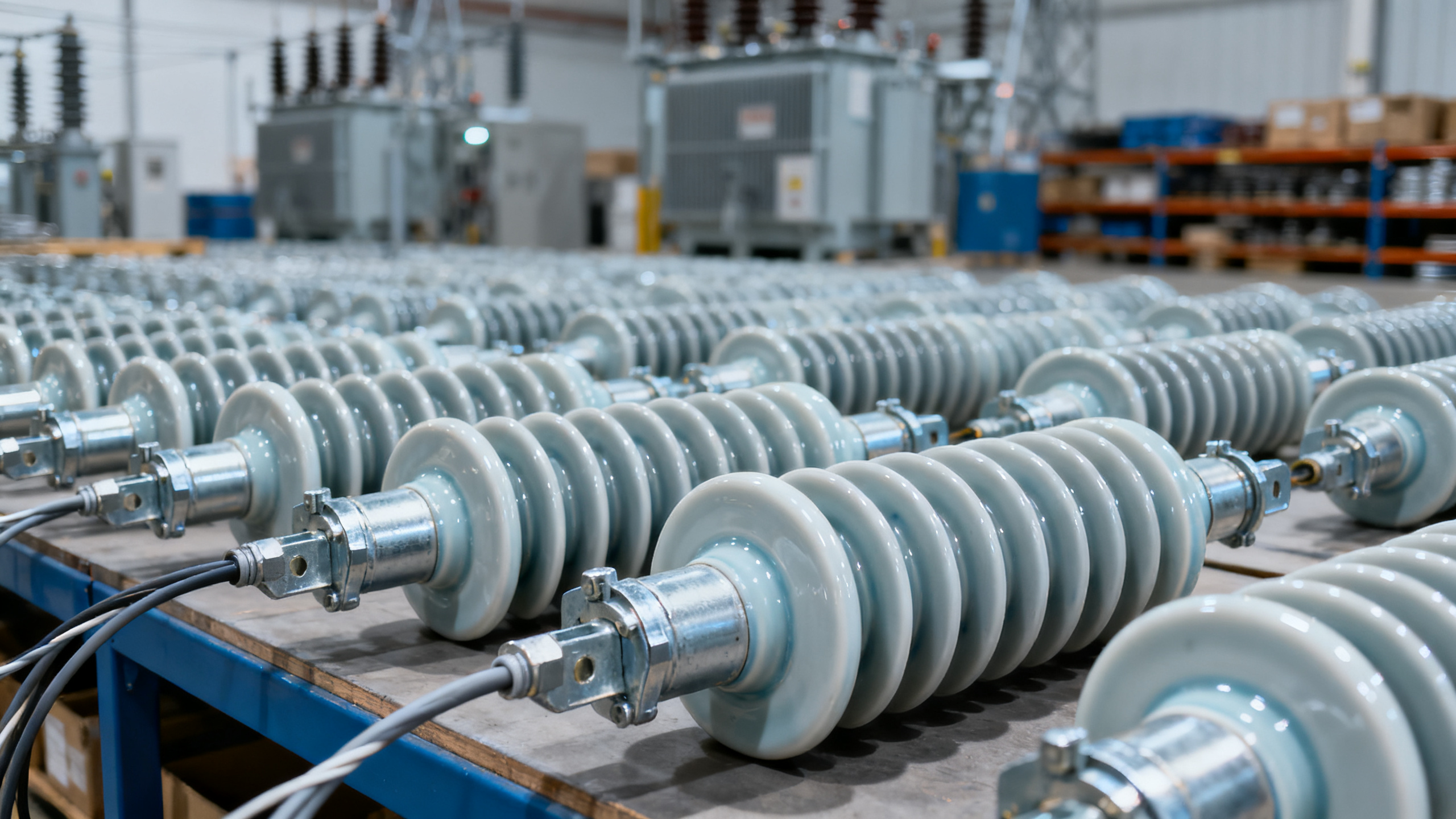
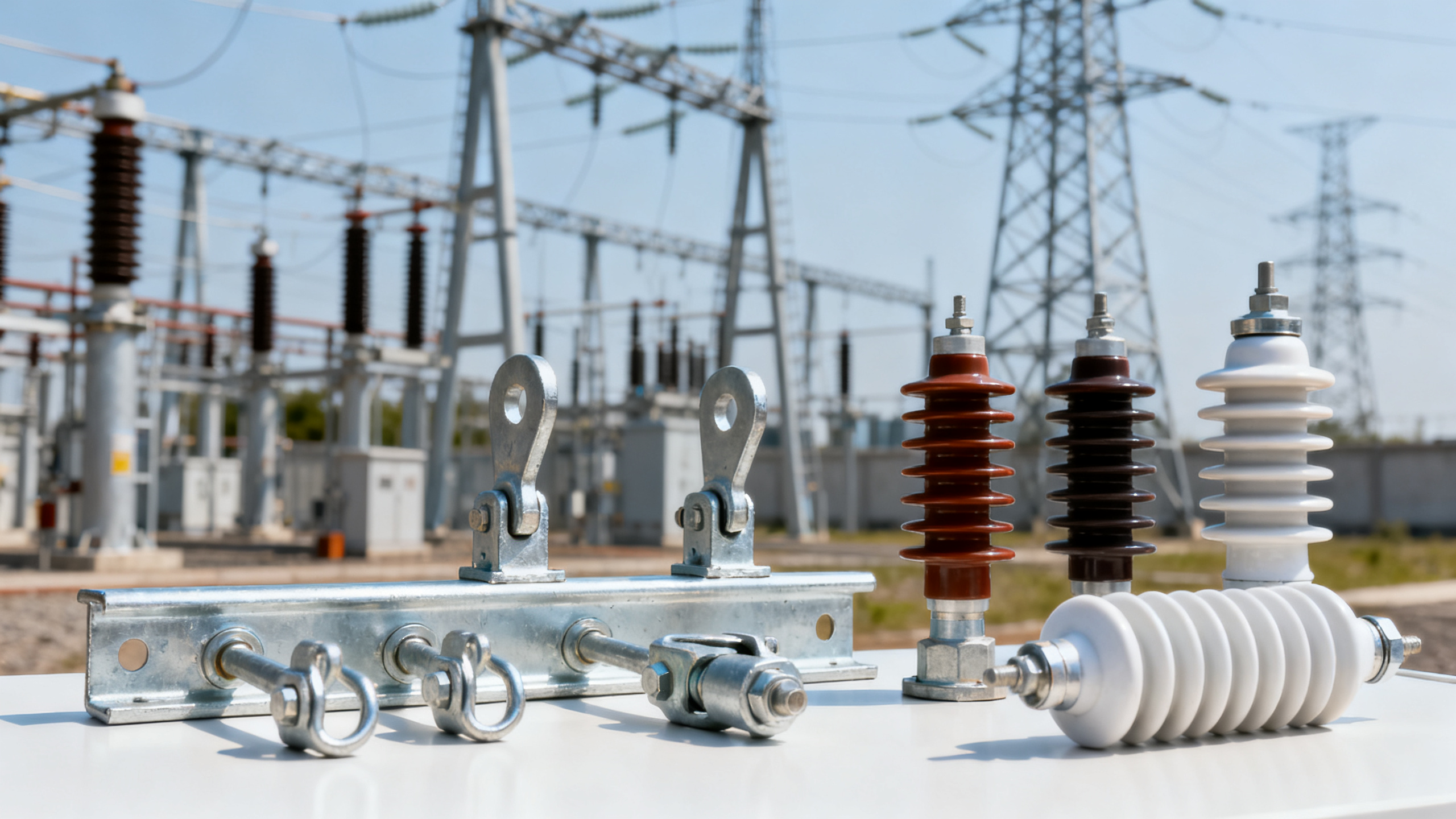
Sourcing porcelain insulators wholesale can look straightforward—until hidden quality, compliance, and durability issues disrupt grid reliability and project timelines. For buyers comparing composite polymer insulators, xlpe power cables, overhead line fittings, and high voltage disconnectors, knowing what to verify before purchase is critical. This guide outlines the most common risks and how industrial procurement teams can avoid costly mistakes.
For EPC contractors, utility maintenance teams, industrial operators, and procurement leaders, porcelain insulators are not low-risk catalog items. They sit at the intersection of mechanical load, electrical insulation, environmental exposure, and long service life. A weak sourcing decision can trigger flashover events, premature cracking, delayed energization, or costly field replacement within 12 to 24 months.
In wholesale purchasing, the challenge is rarely price alone. It is the ability to verify material consistency, dimensional tolerance, glaze quality, test documentation, packaging discipline, and supply-chain reliability before a container leaves the factory. Buyers that build a structured review process usually reduce inspection disputes, shorten approval cycles, and protect lifecycle cost.
Why Porcelain Insulators Create Hidden Procurement Risk
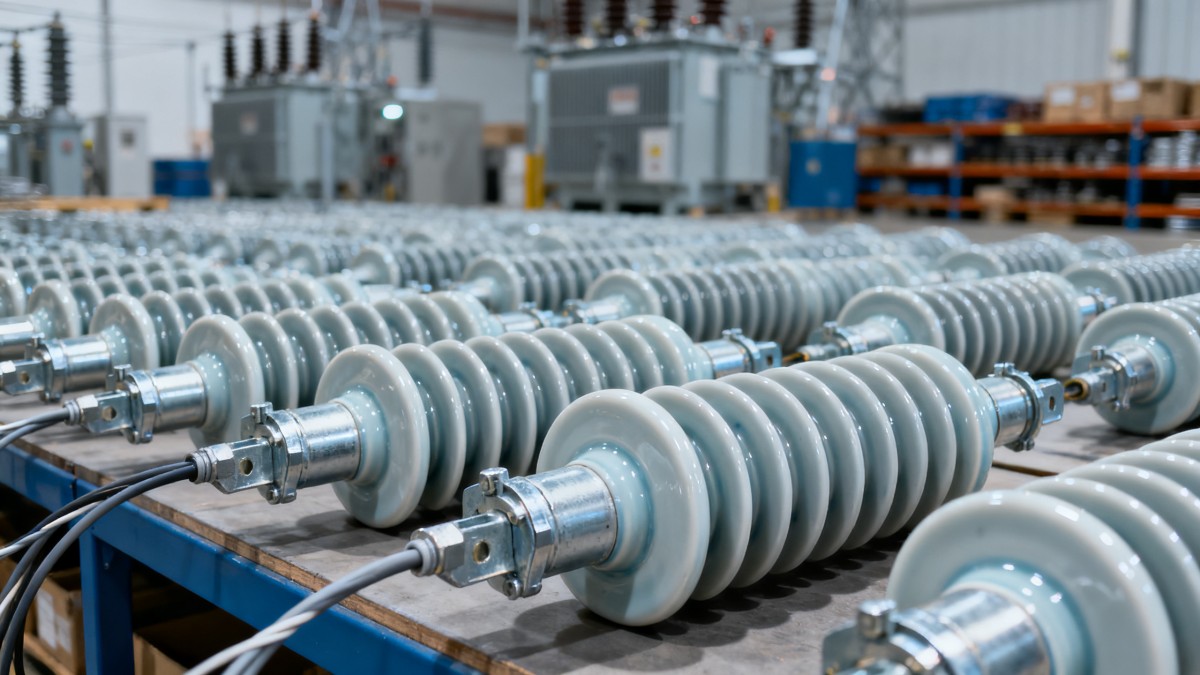
Porcelain insulators are widely used in transmission lines, substations, switchyards, rail electrification, and industrial distribution systems because they offer strong dielectric performance, high compressive strength, and stable aging behavior. However, wholesale orders introduce variability across batches, especially when projects involve multiple voltage classes, mixed hardware interfaces, and cross-border logistics.
The first hidden issue is assuming all porcelain insulators with similar appearance perform the same. In practice, differences in alumina content, firing temperature, glaze uniformity, and cementing process can affect moisture resistance, puncture strength, and long-term stability. Two insulators may look identical on arrival but behave very differently after 6 to 18 months in coastal, polluted, or freeze-thaw environments.
The second risk is specification mismatch. Procurement teams often focus on rated voltage, but field performance also depends on creepage distance, mechanical failing load, arc distance, fitting compatibility, and installation orientation. A unit selected only on nominal voltage can create coordination problems with overhead line fittings or high voltage disconnectors during commissioning.
Typical failure triggers in wholesale supply
In industrial and utility applications, a porcelain insulator may fail because of micro-cracks formed during firing, poor adhesion between porcelain and metal fittings, inconsistent dimensions beyond ±1.5 mm, or weak packaging that causes edge damage in transit. These issues are often missed if the inspection process is limited to visual review of only 1% to 2% of the lot.
- Improper creepage selection for polluted or coastal service conditions
- Mechanical load rating below actual conductor tension or wind/ice exposure
- Non-repeatable batch quality in orders above 500 to 2,000 pieces
- Incomplete type-test or routine-test records before shipment
- Mismatch between insulator end fittings and existing line hardware
For decision-makers, the important takeaway is simple: the procurement risk is not concentrated in a single defect. It usually comes from a chain of small gaps across specification, manufacturing, testing, and logistics. Breaking that chain requires structured qualification before the purchase order is released.
What to Verify Before You Place a Wholesale Order
A sound wholesale process starts with a technical verification checklist. Buyers should request drawings, dimensional tolerances, material descriptions, test scope, and packaging details before discussing final unit price. For projects with medium or high voltage infrastructure, it is often more cost-effective to spend 3 to 5 extra days in pre-order review than to absorb 4 to 8 weeks of delay from rejection or replacement later.
At minimum, verify the rated system application, creepage distance, dry and wet power-frequency withstand performance, mechanical failing load, fitting dimensions, and any environmental exposure assumptions. If the insulator will be installed alongside composite polymer insulators, xlpe power cables, or overhead line fittings, the entire electrical package should be reviewed as one coordinated system rather than separate line items.
The table below summarizes the most important checkpoints industrial buyers should confirm before committing to porcelain insulators wholesale orders.
The strongest pattern in successful sourcing is disciplined verification, not aggressive price negotiation. A lower quote loses value quickly if the batch arrives with chipped glaze, inconsistent hardware seating, or missing test evidence. Procurement teams should treat technical documents as part of the product itself.
A practical 5-step pre-order review
- Confirm application conditions, including voltage, pollution severity, altitude, and climate exposure.
- Match insulator geometry and fittings with existing hardware, cables, and disconnectors.
- Review quality documents, including routine tests and prior type-test references.
- Define sampling plan, for example 5% dimensional inspection and 100% visual check.
- Approve packaging, marking, and traceability before mass production starts.
This review process is especially useful when projects combine several grid components from different suppliers. Coordination across insulators, fittings, and cable accessories can eliminate interface problems that often emerge only at site installation.
Common Quality and Compliance Issues Buyers Overlook
One of the most common mistakes in porcelain insulators wholesale buying is accepting generic compliance statements without checking the scope of testing. A document may mention standard conformity, but buyers still need to confirm whether the report applies to the same design, same fitting arrangement, and same performance class as the actual product being purchased.
Another issue is overreliance on visual finish. A smooth glaze surface is important, but it does not reveal internal porosity, firing inconsistency, or hidden damage around cemented joints. For heavy-duty substation service, defects at the porcelain-metal interface can become critical under vibration, switching duty, or thermal cycling over several years.
Buyers also underestimate logistics-related quality loss. Insulators may pass factory inspection yet arrive with chipped sheds, bent hardware, or compromised threads if pallet spacing, carton support, and moisture protection are weak. For export shipments lasting 20 to 45 days, packaging is not a secondary issue; it is part of product preservation.
Issue comparison: what looks acceptable vs. what is risky
The table below highlights several quality and compliance issues that are often missed during sourcing reviews but can materially affect installation and operating reliability.
A useful procurement rule is to separate appearance quality from performance quality. Both matter, but they do not carry the same risk weight. A small cosmetic glaze variation may be acceptable under the agreed specification, while an undocumented change in fitting dimensions or cementing process should trigger immediate review.
Compliance review points that deserve extra attention
- Whether test documents clearly reference the same product family and mechanical class
- Whether inspection covers both electrical and mechanical acceptance criteria
- Whether packaging and marking requirements are written into the purchase order
- Whether corrective action timing is defined, such as 48 to 72 hours for nonconformance response
These details are particularly relevant for enterprise buyers managing multi-site projects. A missing document or a small dimensional inconsistency can multiply into significant coordination cost when several contractors, warehouses, and commissioning schedules depend on the same delivery lot.
How to Compare Porcelain with Adjacent Grid Components in a Real Procurement Package
Porcelain insulators are rarely bought in isolation. In actual tenders, buyers often compare or bundle them with composite polymer insulators, xlpe power cables, overhead line fittings, and high voltage disconnectors. This means the sourcing question is not only “Is this porcelain insulator acceptable?” but also “Does it support the operating, installation, and maintenance logic of the full electrical package?”
For example, composite polymer insulators may offer lighter weight and easier handling, while porcelain insulators are often preferred for specific environments where long-term dimensional stability and established service behavior are prioritized. The right choice depends on pollution level, vandalism risk, maintenance policy, transport conditions, and the utility’s historical preference.
The table below can help procurement teams evaluate porcelain insulators in context rather than as a stand-alone commodity.
The key conclusion is that procurement performance improves when components are reviewed as one system. A well-specified porcelain insulator can still underperform in practice if fittings are misaligned or if cable clearances and disconnector geometry were never checked together during design review.
When porcelain remains the practical choice
Porcelain often remains a practical option when the asset owner wants familiar inspection behavior, stable rigid geometry, and proven use in switchyards or substations with long operating histories. In these cases, the wholesale challenge is not whether porcelain is outdated, but whether the specific supplier can maintain repeatable quality across 1, 3, or 5 production batches.
For project teams, this means supplier comparison should include not just product type but process control, lot consistency, and ability to coordinate with the rest of the electrical bill of materials.
A Smarter Buying Framework for Procurement Teams and Decision-Makers
A reliable porcelain insulators wholesale strategy combines technical qualification, commercial discipline, and post-order control. The most effective buyers usually score suppliers across 4 dimensions: specification compliance, manufacturing consistency, documentation quality, and delivery execution. This creates a more balanced decision than unit price alone.
Commercially, it is wise to define acceptance rules before order confirmation. These may include a sample approval stage, pre-shipment inspection, packaging review, and response window for nonconformance. In many industrial projects, adding a 2-stage inspection process can prevent replacement cost that is far greater than the initial savings from a lower-cost source.
Operational teams should also plan for spares and lifecycle support. If the installation base is large, keeping 2% to 5% spare units for the same batch can reduce future maintenance complexity. Traceable lot numbers, dimensional records, and preserved drawings make later replacement faster and lower risk.
Procurement checklist for better sourcing outcomes
- Use application-specific specifications instead of generic catalog descriptions.
- Request dimensional drawings and verify hardware interface before bulk approval.
- Define routine inspection points, such as glaze condition, key dimensions, and marking.
- Align incoterms, packing method, and delivery milestones with project schedule.
- Store all test and inspection records in one procurement file for future maintenance use.
FAQ for industrial buyers
How long does a typical wholesale order take? For standard configurations, production and shipment planning may take 3 to 8 weeks depending on quantity, inspections, and export routing. Custom dimensions or special hardware can extend the schedule.
What is the most overlooked technical factor? In many projects, it is creepage distance matched to pollution severity. A voltage match alone is not enough for coastal, dusty, or chemically exposed sites.
Should buyers always choose porcelain over composite polymer insulators? Not necessarily. The better choice depends on environment, maintenance policy, handling conditions, and utility standards. The right procurement decision is system-based, not material-based only.
Porcelain insulators wholesale buying becomes safer and more efficient when teams evaluate product design, compliance records, hardware fit, packaging, and delivery execution together. For research teams, operators, procurement managers, and enterprise decision-makers, this approach supports better reliability, fewer site surprises, and stronger lifecycle value across power grid and industrial infrastructure projects.
If your organization is comparing porcelain insulators with related grid components or building a qualified sourcing framework for multi-supplier projects, now is the right time to review specifications before purchase. Contact Global Industrial Core to discuss product details, request a tailored sourcing evaluation, or explore broader electrical and power grid solutions for your next project.
Expert Insights

Chief Security Architect
Dr. Thorne specializes in the intersection of structural engineering and digital resilience. He has advised three G7 governments on industrial infrastructure security.
Related Analysis
Core Sector // 01
Security & Safety
- How to Select Overhead Line FittingsAuthor :Heavy Industry Strategist

- Cross Arms and Hardware: Steel or CompositeAuthor :Heavy Industry Strategist

- Composite Polymer Insulators: Pros and LimitsAuthor :Heavy Industry Strategist

- Porcelain Insulators Wholesale: Avoid These IssuesAuthor :Heavy Industry Strategist

- Preventing belt slip in mechanical engineeringAuthor :Heavy Industry Strategist

- Ball Screws Manufacturer Selection Gets Harder in 2026Author :Heavy Industry Strategist

- Heat sink aluminum profile: Does anodizing reduce thermal conductivity?Author :Heavy Industry Strategist

- T-slot aluminum framing: What slot tolerance causes misalignment in modular assembly?Author :Heavy Industry Strategist