Composite Polymer Insulators: Pros and Limits
Author
Date Published
Reading Time
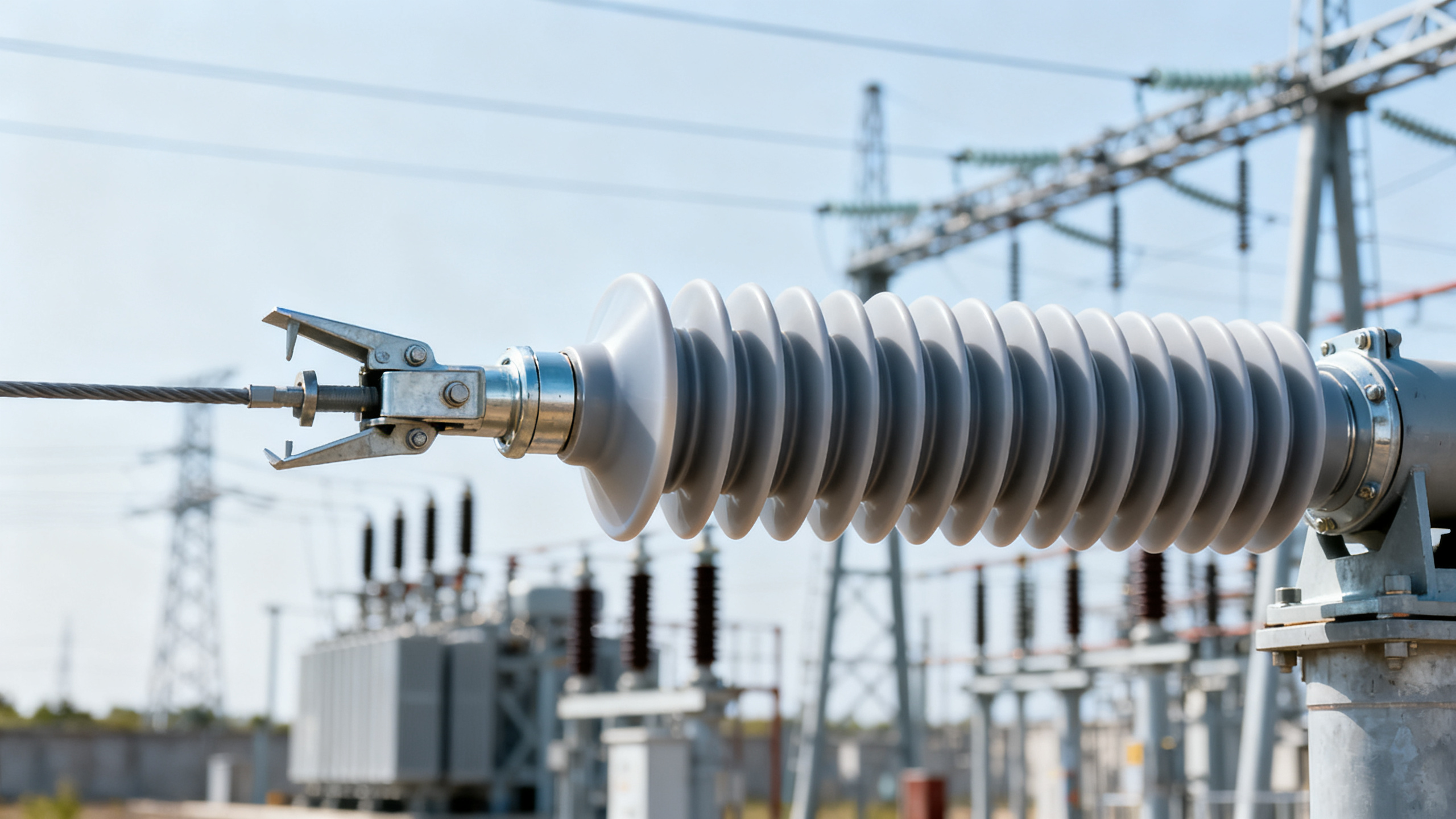
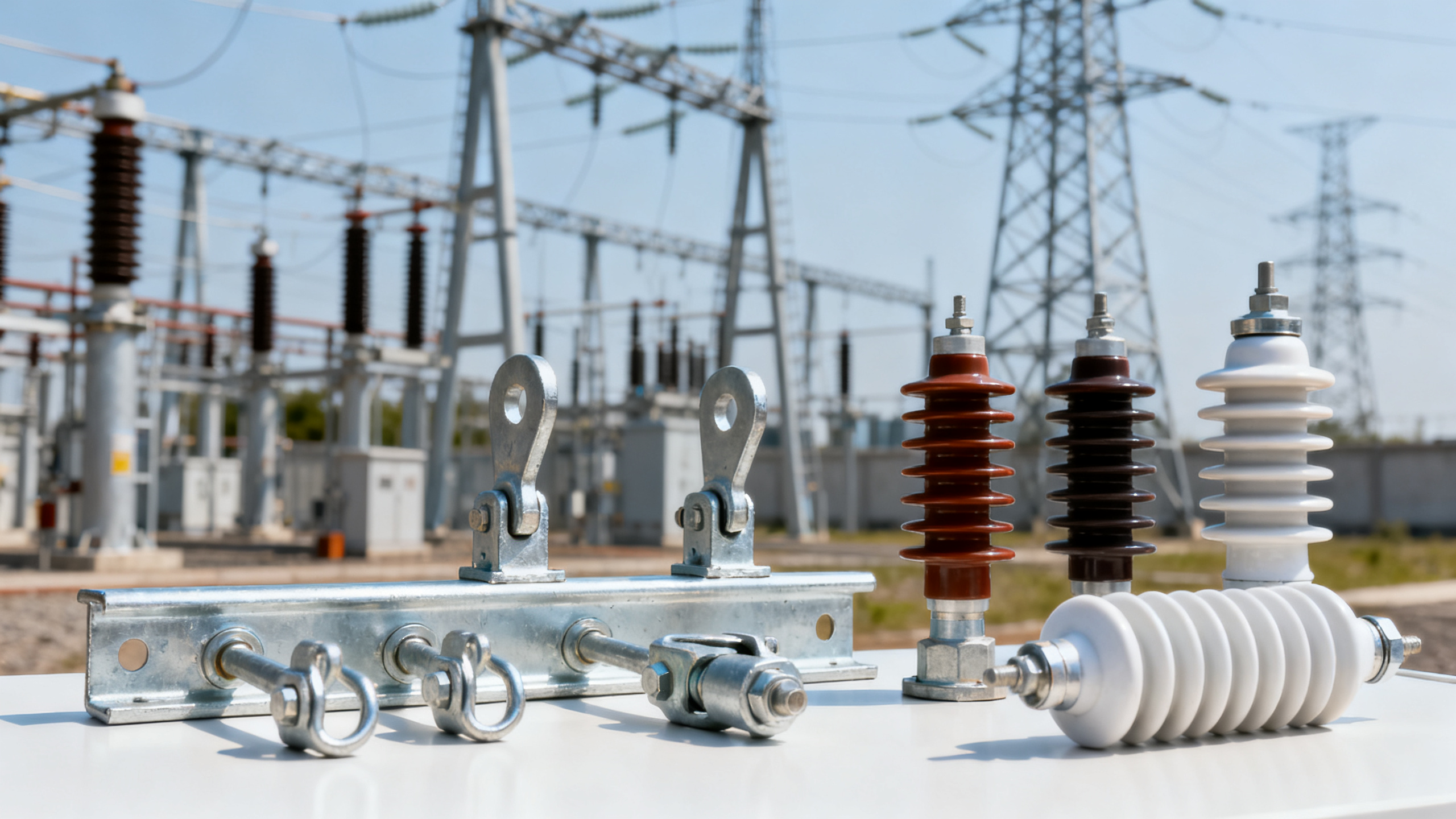
Composite polymer insulators are reshaping modern grid design with lighter weight, strong contamination resistance, and easier installation than porcelain insulators wholesale options. For buyers comparing composite polymer insulators with xlpe power cables, overhead line fittings, cross arms and hardware, or high voltage disconnectors, understanding both performance advantages and long-term limits is essential to safer, more cost-effective power infrastructure decisions.
For researchers, operators, procurement teams, and decision-makers, the question is no longer whether composite polymer insulators are mainstream, but where they deliver the best lifecycle value and where caution is still required. In transmission, distribution, rail electrification, and industrial substations, the right insulator choice affects outage risk, installation labor, maintenance frequency, and compliance planning over 10–30 years.
This article examines the practical strengths and limits of composite polymer insulators in B2B power infrastructure projects. It focuses on engineering use cases, environmental suitability, specification checkpoints, procurement risks, and field maintenance priorities so industrial buyers can make more reliable sourcing and asset management decisions.
Why Composite Polymer Insulators Have Gained Ground in Modern Power Systems
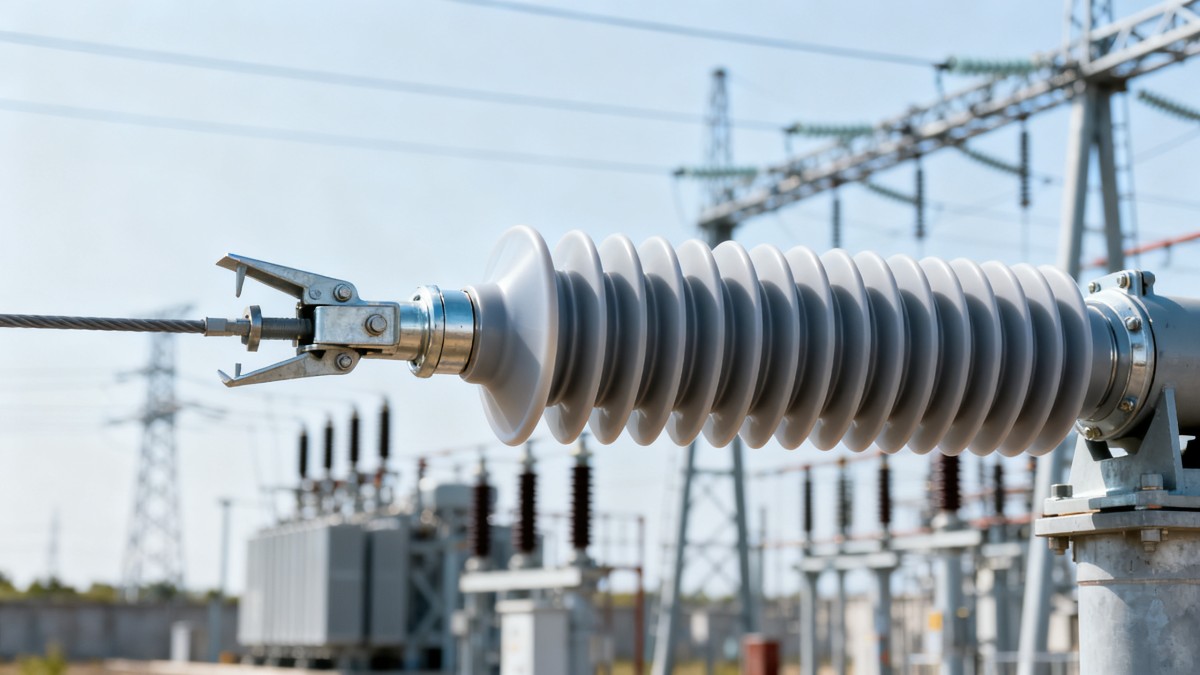
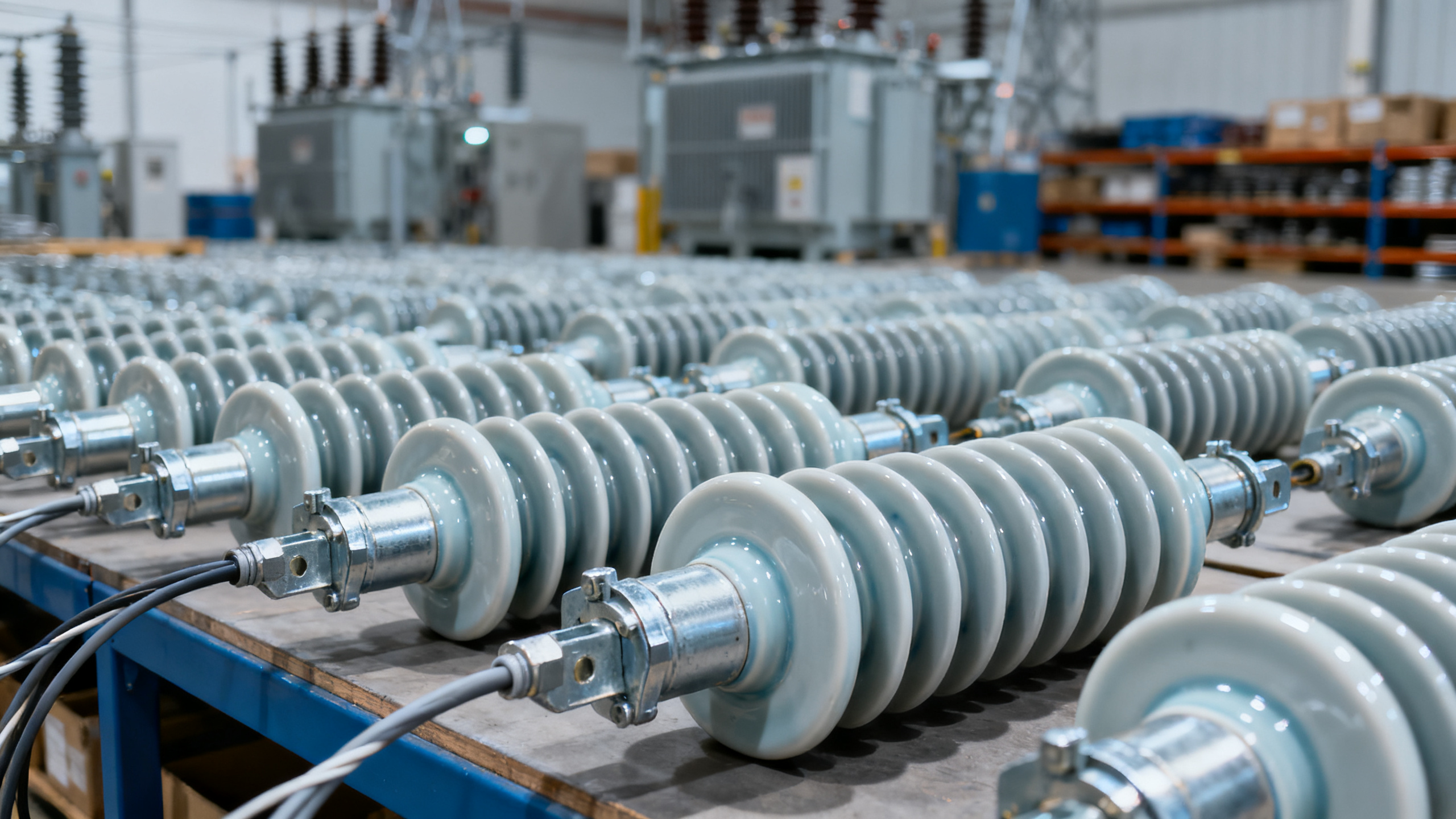
Composite polymer insulators are built around a fiberglass-reinforced core rod, polymer housing, and metal end fittings. Compared with porcelain or glass alternatives, their lower mass often reduces transport and handling effort by 30%–70%, depending on voltage class and design length. That matters in mountainous line routes, compact substations, and retrofit projects where crane access is limited.
Their second major advantage is contamination performance. In coastal zones, desert corridors, mining areas, and heavy industrial regions, hydrophobic silicone rubber surfaces can help maintain leakage performance under salt, dust, and moisture exposure. This can reduce washing frequency and improve service continuity in areas where manual cleaning every 6–12 months would otherwise be necessary.
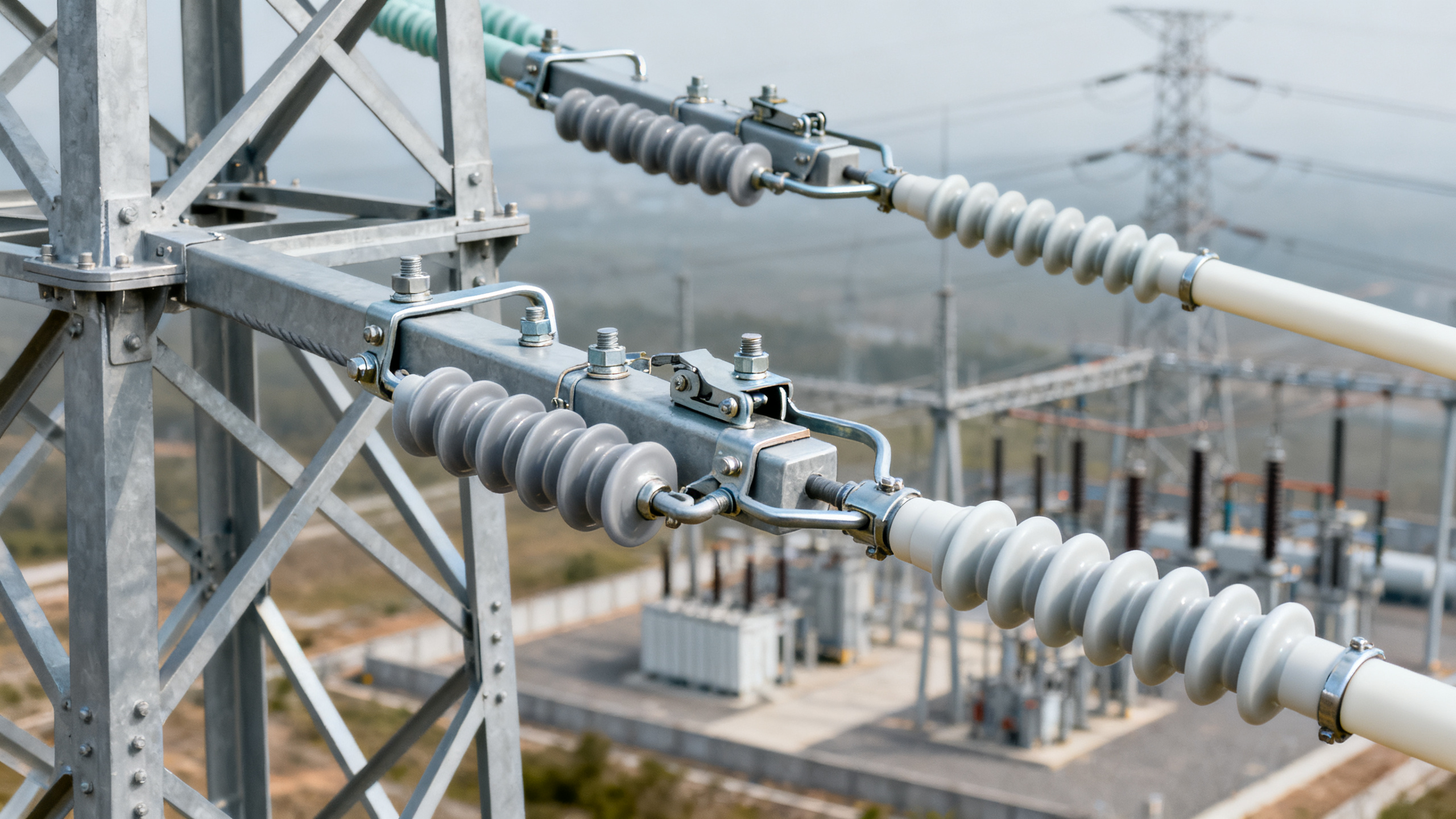
Installation efficiency is another driver. Lighter units can shorten pole-top or gantry work, lower lifting load, and reduce manual strain during line construction. In some medium-voltage distribution projects, crews report simplified handling during replacement cycles, especially when composite polymer insulators are installed together with overhead line fittings, cross arms, and disconnecting equipment.
Core advantages in grid and industrial applications
In polluted service environments, the combination of lower weight and better contamination behavior often improves total asset practicality rather than just nameplate performance. For EPC contractors, this can influence foundation loads, hardware selection, logistics planning, and line erection scheduling across projects that may stretch over 50 km, 100 km, or more.
- Reduced structural loading on poles, towers, and support hardware.
- Improved suitability for coastal, saline, dusty, and chemically contaminated environments.
- Faster field handling during installation, inspection, and selective replacement.
- Lower breakage risk during transport compared with brittle ceramic bodies.
The comparison below outlines where composite polymer insulators commonly outperform traditional materials and where engineers should still verify project-specific conditions.
The key takeaway is that composite polymer insulators are not simply a lighter substitute. They shift the asset strategy from heavy-material durability toward contamination resilience, handling efficiency, and materials engineering quality. That shift creates strong value, but it also changes how buyers should assess design risk.
Where the Limits Appear: Aging, Quality Variation, and Environmental Stress
Despite their advantages, composite polymer insulators are not a universal answer for every operating environment. Their long-term performance depends heavily on formulation quality, interface sealing, manufacturing consistency, and correct application. A low-cost unit with poor silicone quality or weak end-fitting crimp control may underperform long before a 15–25 year service expectation is reached.
One major concern is aging under UV exposure, electrical stress, moisture ingress, and surface erosion. In high-altitude lines, hot-arid climates, and industrial zones with chemical exposure, polymer surfaces can experience chalking, tracking, or erosion if the material system is not robust. These effects may not be obvious in the first 12–24 months, which is why accelerated test records and field history matter during procurement.
Another limit is hidden interface risk. The bond and sealing zone between the core rod, housing, and end fitting is critical. If water penetrates the structure, internal degradation can develop even when the exterior still appears acceptable. This is one reason experienced utilities often specify routine inspection intervals of 1 year for visual review and 3–5 years for more detailed condition assessment on critical corridors.
Common failure concerns buyers should evaluate
For procurement and engineering teams, the most costly mistake is assuming that all composite polymer insulators perform similarly because they share the same product category. In reality, material formulation, sheath thickness, creepage design, seal integrity, and quality assurance discipline can vary significantly across suppliers.
- Surface tracking or erosion in high contamination and wet-dry cycling conditions.
- Seal failure that allows moisture ingress into the core-end fitting interface.
- Brittle fracture risk linked to manufacturing defects or severe environmental attack.
- Performance mismatch when creepage distance is underspecified for pollution severity.
Environmental conditions that require extra caution
Projects in coastal substations, fertilizer plants, smelters, cement facilities, and desert transmission routes require closer review than inland mild-climate installations. High humidity above 85%, persistent saline deposition, or frequent sand abrasion can accelerate wear if the selected polymer compound and shed profile are not designed for those conditions.
This does not mean the technology is unsuitable in harsh environments. It means buyers should demand stronger qualification evidence, defined inspection plans, and realistic replacement assumptions. In critical applications, lifecycle confidence is built not only through initial type tests but through manufacturing traceability and field maintenance procedures.
How to Specify Composite Polymer Insulators for Procurement and Engineering Teams
A good specification starts with service conditions, not product brochures. Voltage class, mechanical load, pollution level, altitude, installation geometry, and maintenance access should be defined before supplier comparison begins. For example, a 15 kV distribution feeder and a 220 kV transmission string face very different electrical clearances, mechanical loads, and inspection economics.
Procurement teams should coordinate with engineering, operations, and quality personnel around at least 4 core criteria: electrical rating, mechanical strength, environmental fit, and compliance documentation. These should be reviewed together with mating components such as overhead line fittings, cross arms, clamps, surge protection devices, and disconnecting equipment to avoid interface mismatches during installation.
Key specification checkpoints
The table below provides a practical checklist for RFQs, technical clarifications, and supplier evaluations. It is especially useful when comparing multiple vendors in international sourcing projects where product literature may use different terminology or testing references.
For many buyers, the most overlooked item is not the insulator itself but system compatibility. A correctly rated insulator can still create problems if pin dimensions, hardware interface, conductor tension range, or mounting orientation are not aligned with the rest of the line package.
Recommended procurement workflow
- Define operating environment in 3 categories: normal, polluted, or severe polluted.
- Confirm voltage and mechanical duty with engineering drawings and loading cases.
- Request type test, routine test, and material traceability records before award.
- Review packaging, transport method, and inspection criteria for each shipment batch.
- Set incoming inspection points for dimensions, fittings, surface condition, and labeling.
In global sourcing projects, a realistic lead time for customized quantities may range from 4–10 weeks depending on voltage class, accessory integration, and test documentation requirements. Buyers who align technical review early can reduce approval delays and lower the risk of site rework.
Application Scenarios: Where Composite Polymer Insulators Fit Best
Composite polymer insulators are especially effective where contamination, weight, and field handling dominate asset decisions. This includes coastal distribution lines, industrial plants with airborne dust or chemicals, railway electrification corridors, and compact substations where maintenance access is constrained. In these environments, their practical advantages can translate into fewer manual cleaning interventions and easier replacement work.
They also fit well in network expansion projects that combine multiple balance-of-system components. When utilities or EPC teams are sourcing xlpe power cables, hardware assemblies, support structures, and disconnectors together, lighter insulators can simplify installation sequencing and reduce handling bottlenecks during the first 2–3 construction phases.
However, best-fit applications should still be screened against mechanical stress, vandalism exposure, thermal cycling, and inspection capability. A remote transmission line with high wind, difficult access, and limited maintenance staff may justify a different specification philosophy than an urban distribution upgrade with easy service access.
Typical fit-by-scenario comparison
The following matrix helps operations and procurement teams connect application conditions to practical selection logic rather than relying only on generic product claims.
In practical terms, composite polymer insulators tend to create the strongest value where contamination control and handling efficiency are recurring cost drivers. Where asset inspection is weak or specification discipline is inconsistent, their benefits can be diluted by quality-related failures that could have been prevented during sourcing.
Maintenance, Inspection, and Lifecycle Control
A common misconception is that composite polymer insulators are maintenance-free. In reality, they are low-maintenance compared with many ceramic options in polluted service, but they still require scheduled oversight. A practical program typically includes visual checks every 6–12 months in severe environments and a deeper condition review every 3–5 years for high-value assets or outage-sensitive circuits.
Inspection should focus on housing damage, chalking, discoloration, tracking marks, shed tearing, fitting corrosion, and any evidence of seal degradation. Operators should also note whether contamination patterns, bird activity, vibration, or nearby process emissions are creating unexpected localized stress. Small external defects can become larger reliability issues if they are not documented early.
Field maintenance priorities
Maintenance teams do not need a complex program to improve outcomes. What they need is a consistent checklist, image records, and escalation criteria. For power utilities and industrial plants, integrating insulator checks into broader line or substation inspections often adds only limited labor time per circuit while improving defect visibility.
- Document surface condition changes with photos at each scheduled inspection.
- Check end fittings for corrosion, slippage signs, or abnormal mechanical stress.
- Review areas exposed to chemical vapors, salt fog, or abrasive dust more frequently.
- Replace units with visible structural damage rather than postponing action to the next cycle.
Lifecycle planning for asset owners
A lifecycle approach should balance purchase price against inspection burden, contamination behavior, outage consequence, and replacement logistics. For example, a lower upfront-cost insulator that requires more frequent monitoring or has weaker documentation may not be the better choice on a mission-critical feeder where one failure can affect a production line or regional service continuity.
Asset owners should also maintain spare strategy alignment. If replacement lead times are 6–8 weeks, holding a defined spare quantity for critical voltage classes can reduce outage exposure. That is especially important where insulators must match existing hardware geometry and cannot be substituted easily with alternative designs.
FAQ for Buyers, Operators, and Industrial Decision-Makers
How do I choose between composite polymer insulators and porcelain insulators?
Start with environment and maintenance economics. If your network operates in coastal, dusty, or industrially polluted areas and crew access is limited, composite polymer insulators often provide stronger lifecycle value. If your organization prioritizes long historical familiarity and straightforward visual defect recognition, porcelain may still remain part of the decision for selected applications.
What technical indicators matter most during procurement?
Focus on 5 items first: rated voltage, mechanical load rating, creepage distance, housing material performance, and sealing/end-fitting integrity. Then verify test documentation, dimensional compatibility, and batch quality controls. These indicators matter more than broad marketing language such as “premium” or “high performance.”
Are composite polymer insulators suitable for harsh industrial environments?
Yes, often very suitable, but only when the material system and creepage design match the contamination level. Facilities such as cement plants, ports, smelters, and mining operations should request application-specific confirmation and set inspection frequency according to actual exposure. In aggressive chemical conditions, material compatibility review becomes especially important.
What is a realistic delivery and implementation timeline?
For standard requirements, supply can be relatively fast, but customized industrial orders often need around 4–10 weeks depending on quantity, test record preparation, fitting configuration, and export documentation. Site implementation is usually faster than heavier ceramic alternatives because handling and lifting are simpler, especially across distribution and substation retrofit work.
What is the biggest mistake industrial buyers make?
The biggest mistake is buying only on unit price without reviewing field conditions, supplier process controls, and compatibility with the rest of the power package. Composite polymer insulators deliver value when they are specified as part of a system that includes cables, fittings, supports, and switching equipment—not as an isolated line item.
Composite polymer insulators offer clear benefits in modern power infrastructure: lower weight, strong contamination resistance, easier installation, and practical value in demanding industrial and utility environments. Their limits are equally important: long-term aging behavior, sealing integrity, manufacturing variation, and application fit must be reviewed with discipline rather than assumption.
For information researchers, operators, procurement professionals, and enterprise decision-makers, the best outcome comes from combining sound technical specification, realistic lifecycle planning, and supplier qualification that goes beyond brochure claims. When selected carefully, composite polymer insulators can strengthen reliability, reduce handling burden, and support more resilient grid assets.
If you are evaluating composite polymer insulators alongside cables, line hardware, or substation equipment, now is the right time to compare options at system level. Contact us to discuss your application conditions, request a tailored sourcing framework, or explore more power infrastructure solutions for safer and more cost-effective industrial projects.
Expert Insights

Chief Security Architect
Dr. Thorne specializes in the intersection of structural engineering and digital resilience. He has advised three G7 governments on industrial infrastructure security.
Related Analysis
Core Sector // 01
Security & Safety
- How to Select Overhead Line FittingsAuthor :Heavy Industry Strategist

- Cross Arms and Hardware: Steel or CompositeAuthor :Heavy Industry Strategist

- Composite Polymer Insulators: Pros and LimitsAuthor :Heavy Industry Strategist

- Porcelain Insulators Wholesale: Avoid These IssuesAuthor :Heavy Industry Strategist

- Preventing belt slip in mechanical engineeringAuthor :Heavy Industry Strategist

- Ball Screws Manufacturer Selection Gets Harder in 2026Author :Heavy Industry Strategist

- Heat sink aluminum profile: Does anodizing reduce thermal conductivity?Author :Heavy Industry Strategist

- T-slot aluminum framing: What slot tolerance causes misalignment in modular assembly?Author :Heavy Industry Strategist