How to Choose Welding Cables Wholesale
Author
Date Published
Reading Time
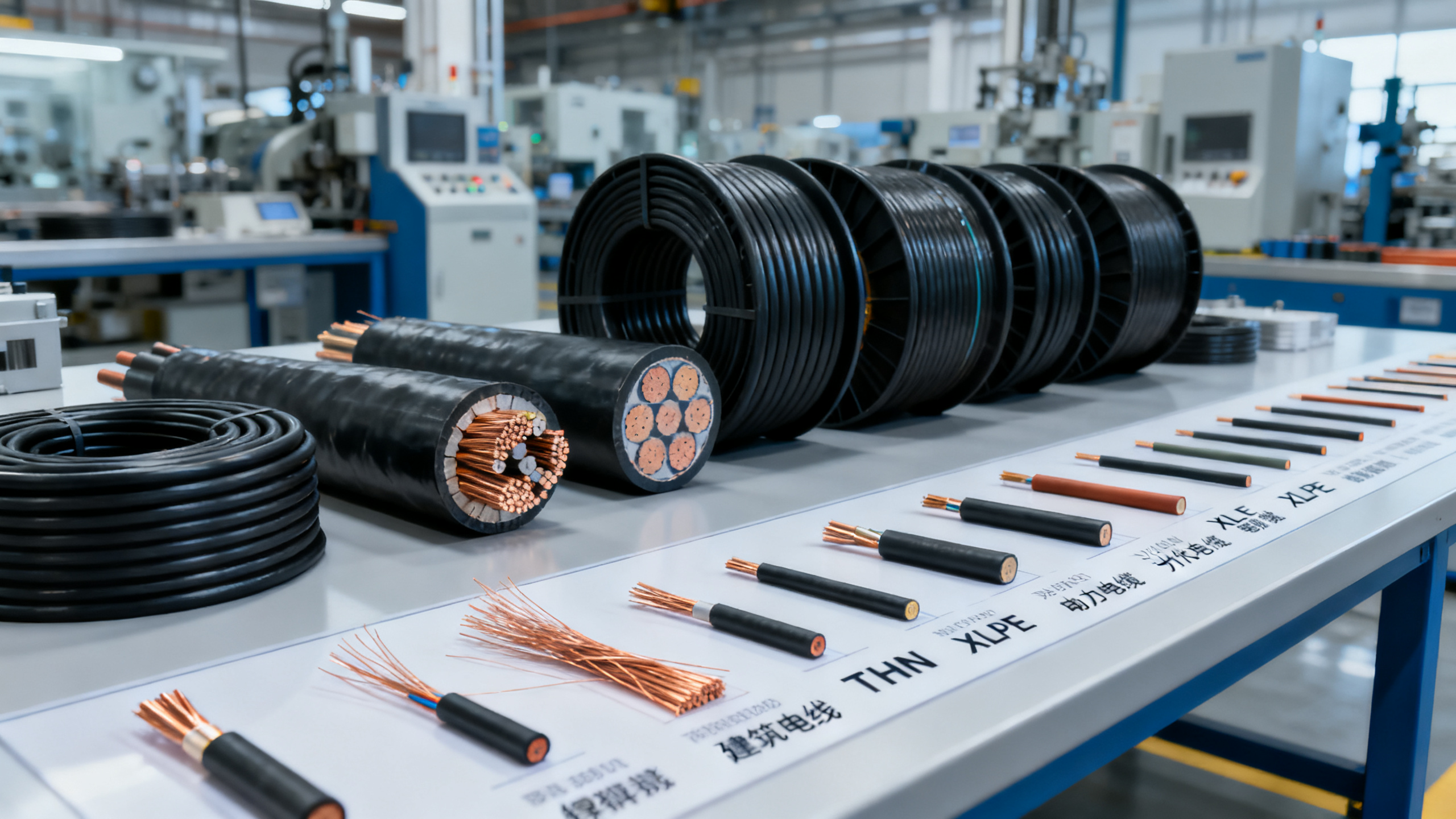
Choosing welding cables wholesale is about more than price—it requires matching performance, safety, and long-term reliability to your project needs. From thhn building wire and solar pv cables to xlpe power cables and armored cables wholesale, buyers must compare specifications, certifications, and supplier credibility. This guide helps procurement teams, operators, and decision-makers identify the right cable solutions for demanding industrial applications.
In industrial procurement, the wrong cable choice can lead to overheating, voltage drop, installation delays, or premature replacement. For EPC contractors, maintenance teams, and sourcing managers, wholesale buying must balance electrical performance, compliance, logistics, and lifecycle cost. That is especially true when welding cables are evaluated alongside adjacent cable categories used across facilities, yards, renewable assets, and power distribution systems.
A sound sourcing decision usually depends on 4 factors: conductor quality, insulation and jacket suitability, certification status, and supplier consistency. Whether you are buying 500 meters for workshop use or planning multi-site procurement over 6–12 months, a structured selection process reduces technical risk and improves budget predictability.
Understand What Welding Cables Must Deliver in Industrial Environments
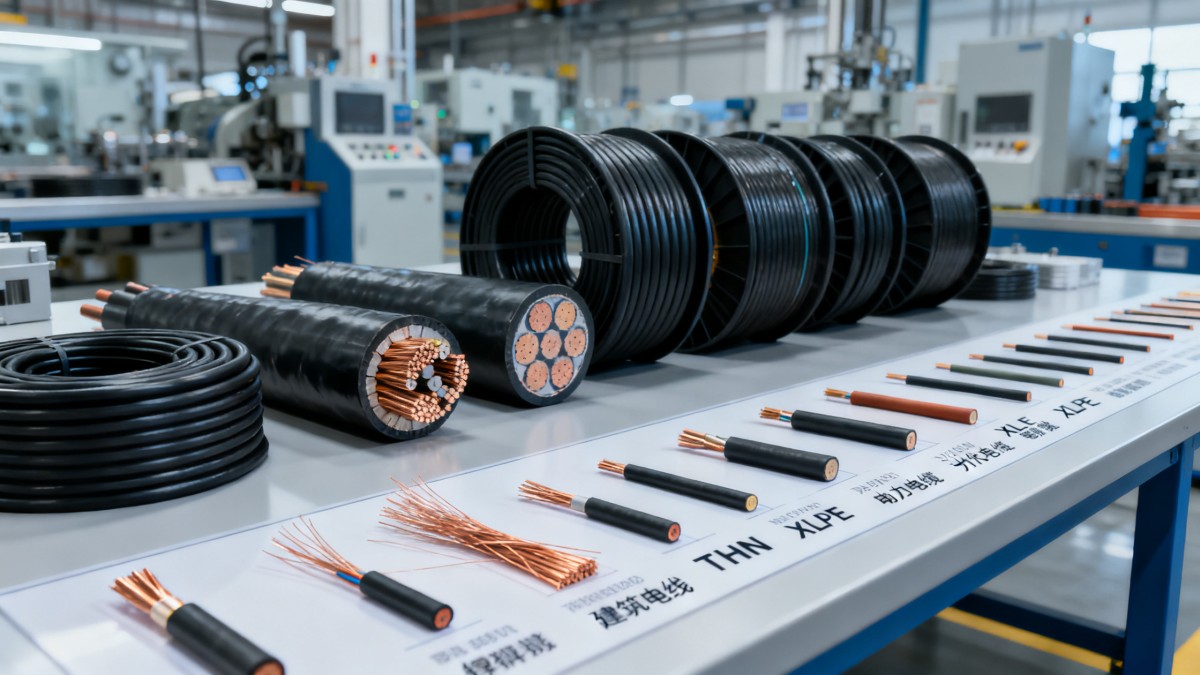
Welding cables are designed to carry high current through flexible conductors in demanding work areas. In many industrial settings, they are repeatedly bent, dragged across rough surfaces, exposed to oils, and used in temperature ranges that may span from -20°C to 90°C depending on the insulation compound. That means wholesale selection cannot rely on nominal size alone.
For operators, flexibility is often the first practical concern. Fine-stranded copper conductors generally perform better where cable movement is frequent, such as fabrication shops, construction sites, and repair bays. For procurement teams, however, flexibility must be considered together with ampacity, insulation thickness, and duty cycle. A cable that handles short intermittent welding loads may not perform equally well under extended high-current use.
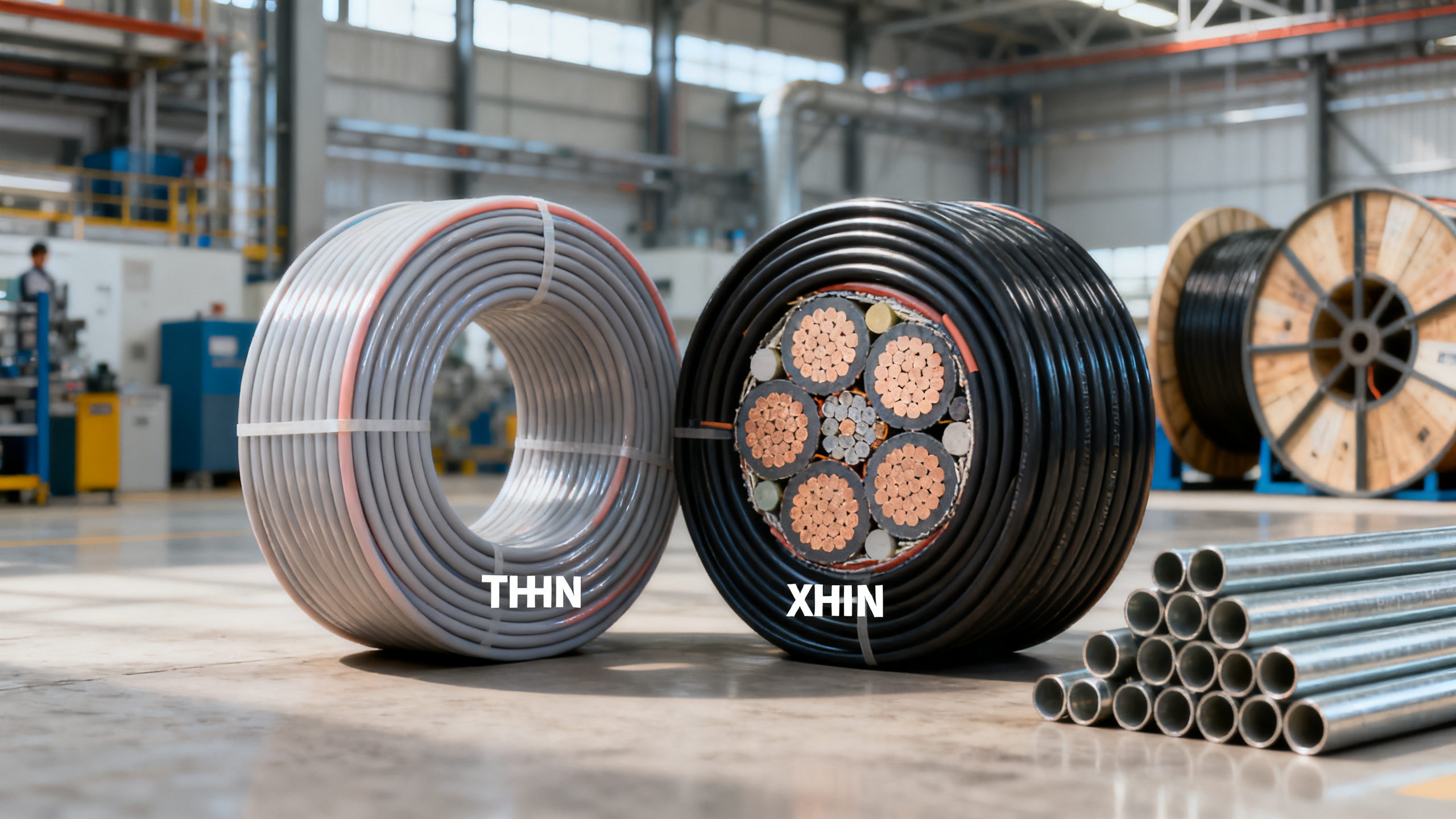
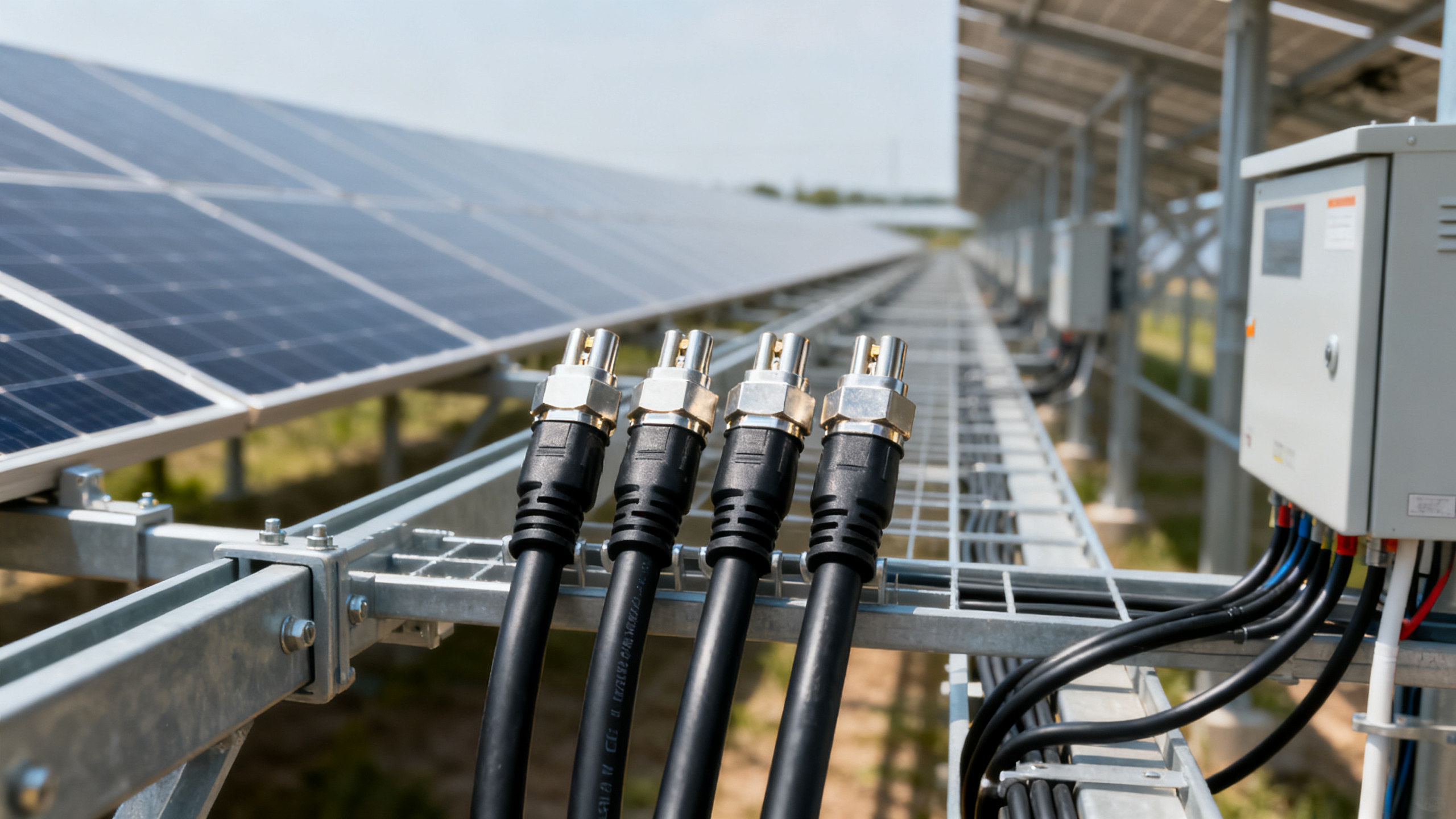
Industrial buyers also need to distinguish welding cable from other cable families that may appear in the same sourcing discussion. THHN building wire is commonly used in fixed building wiring, while solar PV cables are optimized for UV resistance and outdoor renewable applications. XLPE power cables and armored cables wholesale are often chosen for fixed power distribution and mechanical protection. Welding cable serves a different role: high-flex, high-current transfer in mobile or semi-mobile use.
A practical evaluation starts with application mapping. Ask where the cable will be used, how many hours per shift it will operate, whether it will be coiled or dragged, and what environmental hazards exist. In many plants, the failure point is not conductor capacity but jacket damage, connector mismatch, or excessive voltage drop over long runs such as 20–50 meters.
Core operational requirements to confirm
- Current load range, such as 200A, 300A, or 500A class welding systems.
- Cable length per circuit, often 10–30 meters for workshops and 30–60 meters for large site operations.
- Flex cycle frequency, especially in repetitive handling environments over 2 or 3 shifts.
- Exposure to abrasion, oil, moisture, sparks, UV, or mechanical impact.
- Compatibility with connectors, clamps, and local electrical safety practices.
How adjacent cable types differ
Because many wholesale buyers purchase multiple cable categories at once, the table below clarifies where welding cables fit compared with other industrial cable products. This helps avoid specification overlap and unnecessary cost inflation.
The key takeaway is simple: welding cable should be selected for movement and current delivery, not treated as a substitute for fixed building or power distribution wire. When buyers separate these use cases early, they reduce specification errors and improve quote accuracy.
Compare the Technical Specifications That Matter Most
When choosing welding cables wholesale, the specification sheet should be reviewed in a disciplined order. Start with conductor material and strand design, then insulation and jacket, then voltage rating, then environmental suitability. In many industrial tenders, 5 to 7 specification points account for most field performance differences.
Copper content remains a major quality variable. High-conductivity copper supports current transfer with lower resistance, which can reduce heat buildup and voltage loss over distance. If your operation uses longer cable sets, such as 30 meters or more, conductor efficiency becomes more important. Lower-grade conductor constructions may appear competitive on price but can increase operational losses and shorten service life.
Insulation and jacket compounds should be matched to the work environment. EPDM and similar rubber-based materials are common where flexibility and abrasion resistance are critical. In cleaner indoor environments, basic jacket performance may be acceptable, but in yards, ship repair, mining support, or steel processing, resistance to cuts, oils, and weather exposure is more valuable than saving a small amount per meter.
Another frequent issue is undersized cable selection. Buyers sometimes choose smaller cross-sections to reduce upfront cost, but that can lead to excess heating, poor welding stability, and faster wear at connectors. A better practice is to evaluate cable size against current range, duty cycle, run length, and ambient conditions as a complete operating profile.
Specification checkpoints before issuing a PO
- Confirm conductor type and whether the cable uses fine-stranded copper for repeated flexing.
- Verify temperature rating, commonly 75°C, 90°C, or higher depending on product design.
- Check voltage rating and ensure it aligns with site rules and equipment requirements.
- Review jacket resistance to oil, abrasion, moisture, and outdoor exposure.
- Match cable size to welding current and expected run length, not just machine nameplate power.
- Request dimensional tolerances and reel length consistency for installation planning.
Typical selection considerations by use case
The following table gives a practical comparison of technical priorities across several industrial scenarios. It is not a substitute for engineering review, but it helps buyers shortlist the right wholesale cable category faster.
This comparison shows that wholesale cable buying should not use one generic checklist for every application. The best result comes from matching one cable family to one operating condition, then evaluating pricing only after the technical fit is confirmed.
Evaluate Certifications, Compliance, and Supplier Reliability
In industrial cable sourcing, compliance is not a paperwork formality. It is a risk-control tool. Buyers should verify whether the supplier can support common international expectations such as CE, UL, or ISO-related quality management processes where applicable to the product and destination market. The exact requirement varies by geography and installation type, so procurement should align technical review with local regulations before finalizing the order.
A reliable wholesale supplier should also provide traceable technical documents. At minimum, ask for a datasheet, conductor and insulation specifications, test information, packaging details, and reel length tolerance. For larger projects, many buying teams also request sample approval, pre-shipment verification, and a documented process for nonconforming goods. These steps may add 3–7 days to the front end, but they often save weeks of dispute later.
Consistency across batches matters as much as the first sample. Some buyers test one sample reel, approve it, and then assume all future deliveries will match. A better approach is to define acceptance criteria for each shipment. That may include conductor count consistency, outer diameter tolerance, print marking accuracy, and packaging integrity. For long-term contracts, quarterly quality review is a practical control point.
Supplier credibility also depends on responsiveness. In wholesale purchasing, delays often arise from incomplete documentation, unclear labeling, or poor export coordination rather than pure manufacturing problems. A supplier that answers technical questions within 24–48 hours and clarifies lead times upfront is usually easier to integrate into industrial procurement schedules.
Supplier assessment criteria
The table below can be used as a practical vendor-screening framework before comparing final quotations. It is especially useful when sourcing welding cables alongside solar PV cables, THHN wire, XLPE power cables, or armored cables wholesale from the same vendor base.
Using this framework, buyers can move beyond simple price comparison and focus on supply reliability. In many projects, a supplier with slightly higher unit cost but stronger documentation and batch control creates lower total procurement risk.
Build a Wholesale Procurement Process Around Total Cost, Not Unit Price
A low headline price does not always mean lower procurement cost. Welding cables may be replaced faster if jacket quality is poor, and incorrect sizing can reduce welding efficiency or increase downtime. Total cost should include purchase price, expected service life, freight, installation handling, reject risk, and replacement interval. Even a 5% to 8% saving on unit cost can disappear quickly if field failures rise.
For project buyers, bundling cable categories can improve purchasing leverage. If one supplier can support welding cables wholesale together with THHN building wire, solar PV cables, XLPE power cables, and armored cables wholesale, the benefit may come through simplified vendor management, consolidated shipping, and aligned documentation. However, bundling only makes sense if each product family still meets its own technical requirements.
Lead time planning is another common blind spot. Standard products may ship in 7–15 days, while customized lengths, special print markings, or mixed-load export orders can take 3–5 weeks. Procurement teams should lock in required reel lengths, labeling format, and packaging method before the order enters production. Small changes made late in the process often create large delivery delays.
For recurring demand, framework purchasing can be more efficient than ad hoc buying. Forecasting 3 months, 6 months, or even 12 months of cable demand helps suppliers plan production, and it gives buyers better visibility on inventory strategy. This is particularly valuable for industrial groups operating multiple workshops, field teams, or regional maintenance hubs.
A practical 5-step sourcing workflow
- Define application by current range, run length, environment, and handling frequency.
- Separate cable families by use case: welding, building wire, solar PV, XLPE, armored.
- Request technical and compliance documents before negotiating final price.
- Compare landed cost, lead time, MOQ, and acceptance criteria across at least 2–3 suppliers.
- Approve samples or pilot quantities, then move to framework or volume purchasing.
Common cost drivers in wholesale cable buying
- Conductor grade and copper content, which directly affect resistance and durability.
- Jacket material type, especially when abrasion, oil, or outdoor resistance is required.
- Custom packaging, nonstandard reel lengths, and destination-specific labeling.
- Inspection level, third-party testing requests, and urgent production scheduling.
- Freight mode differences between bulk sea shipments and fast replenishment orders.
The strongest procurement outcomes usually come from standardizing what can be standardized and customizing only where the application truly demands it. That keeps technical fit high while preserving commercial efficiency.
Common Mistakes, FAQs, and Final Buying Guidance
Even experienced buyers can make avoidable mistakes when choosing welding cables wholesale. One common error is assuming all flexible cables are interchangeable. Another is focusing on initial quotation without validating operating conditions. A third is mixing fixed-installation cable logic with mobile welding cable requirements. These mistakes usually surface only after installation or during the first 30–90 days of use.
For operators and maintenance teams, the most visible problems are stiffness in low temperatures, cracked jackets, overheated connections, and cable runs that are too long for the selected cross-section. For procurement leaders, the bigger issue is repeatability: whether the same product quality can be delivered across multiple orders, projects, or geographies.
The best buying guidance is to treat cable sourcing as a technical-commercial decision. Define the application, verify documents, compare total cost, test consistency, and then negotiate volume. This approach works whether you are buying only welding cable or building a broader cable procurement program that includes THHN wire, solar PV cables, XLPE power cables, and armored cable products.
How do I know if a welding cable is underspecified?
Warning signs include excessive heat during normal operation, unstable welding performance, accelerated connector wear, and poor results over longer runs such as 25–50 meters. Review current load, duty cycle, and cable length together rather than checking only nominal size.
Can one supplier handle multiple industrial cable categories?
Yes, many buyers prefer suppliers that can support welding cables wholesale alongside THHN building wire, solar PV cables, XLPE power cables, and armored cables wholesale. The advantage is procurement efficiency, but each product still needs separate technical verification and compliance review.
What lead time should buyers expect?
For standard stock or common production items, 7–15 days is typical in many supply arrangements. For custom print marking, special packaging, or mixed project orders, 3–5 weeks is a more realistic planning range. Always confirm this before PO release.
What should be included in a final quotation review?
Check at least 6 points: cable type, conductor specification, insulation and jacket details, certification or documentation scope, reel length and packaging, and lead time. If any of these are vague, clarification should come before order approval, not after production starts.
Choosing the right wholesale cable partner means aligning product performance with operational reality, compliance expectations, and long-term sourcing goals. If your team is evaluating welding cables for industrial use or comparing them with THHN building wire, solar PV cables, XLPE power cables, or armored cable options, a structured review will protect both uptime and procurement value.
For tailored support on cable selection, technical comparison, or supplier evaluation, contact us to discuss your application, request product details, or get a customized sourcing solution for your next industrial project.
Expert Insights

Chief Security Architect
Dr. Thorne specializes in the intersection of structural engineering and digital resilience. He has advised three G7 governments on industrial infrastructure security.
Related Analysis
Core Sector // 01
Security & Safety
- How to Choose Welding Cables WholesaleAuthor :Grid Infrastructure Analyst

- THHN Building Wire vs XHHW: What ChangesAuthor :Grid Infrastructure Analyst

- Are Solar PV Cables Worth the Higher CostAuthor :Grid Infrastructure Analyst

- How to Vet an OPGW Cable ManufacturerAuthor :Grid Infrastructure Analyst

- When Does ADSS Fiber Cable Make More SenseAuthor :Grid Infrastructure Analyst

- What to Check Before Buying Fiber Optic Cables WholesaleAuthor :Grid Infrastructure Analyst

- Where Unshielded Control Cables Work BestAuthor :Grid Infrastructure Analyst

- Armored Cables Wholesale: Common Buying MistakesAuthor :Grid Infrastructure Analyst